REVIEW · KO TAO
Koh Tao: Yoga Class In Paradise – All Levels Welcome!
Book on GetYourGuide →Operated by Ocean Sound Dive + Yoga · Bookable on GetYourGuide
Koh Tao and a yoga mat are a smart combo. This 1-hour class is designed for beginners and regulars alike, taught in a studio where you don’t have to bring your own setup. I like that equipment is provided and the session is built for all levels.
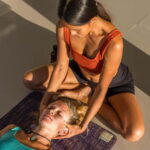
You’ll rotate through different styles, including Vinyasa Flow, Hatha Flow, and Yin Yoga, so the class can match how your body feels that day. The vibe is friendly and inclusive, and at least one instructor you may meet—Franny—gets praised for being patient and clear.
One heads-up: the room can feel quite hot, with fans and no air conditioning, so if you’re sensitive to heat, plan accordingly.
In This Review
- Key things to know before you go
- A 1-hour Koh Tao reset, without the hassle
- Where to find the studio near 7/11 (and not waste time)
- Your class flow: how the styles change the feeling
- Vinyasa Flow: move with your breath
- Hatha Flow: slower pace, mindful posture work
- Yin Yoga: long holds for joints and deep connective tissue
- Studio setup: mats, props, and water are part of the deal
- The biggest question: is it right for all levels?
- Heat and comfort: what that one review is really telling you
- Price and value: why $11 can be a good deal here
- What kind of traveler should book this class
- Picking your style on the day
- Instructor vibe: why clarity matters in a mixed-level class
- Quick practical checklist before you go
- Should you book this Koh Tao yoga class?
- FAQ
- How long is the yoga class?
- Is the yoga class suitable for beginners?
- What yoga styles are included?
- What’s included in the price?
- Is pickup service included?
- Where is the meeting point?
- What should I wear and bring?
- Do I need to speak Thai?
- Can I cancel if my plans change?
Key things to know before you go
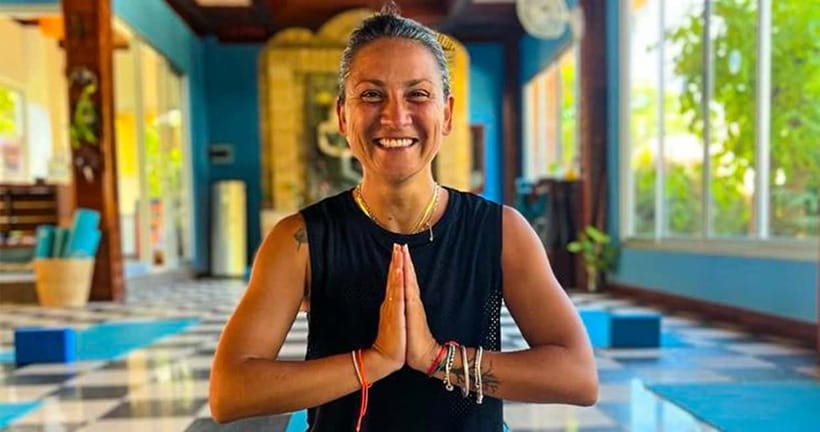
- All equipment included: mats, props, and water are part of the price.
- Multiple styles: Vinyasa, Hatha Flow, and Yin Yoga are all offered.
- Beginner-friendly: the class is meant for first-timers through experienced yogis.
- English instruction: you can expect an English-speaking teacher.
- Arrive early to settle: showing up 5–10 minutes early helps you start relaxed.
- Hot-room reality: a warm studio is part of the experience.
A 1-hour Koh Tao reset, without the hassle
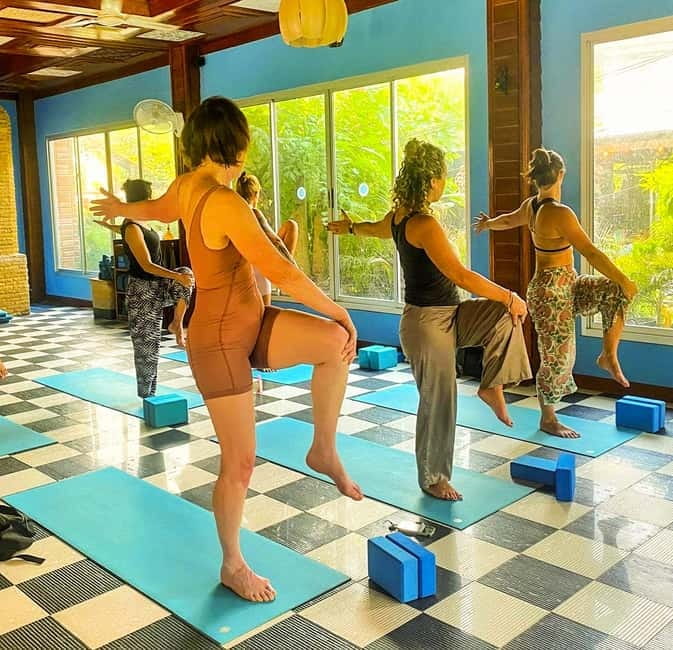
This is a straightforward yoga block on Koh Tao: go to the studio, do a complete class, and go back into your day feeling looser. For a place where you might otherwise spend your time on scooters, beaches, and late dinners, it’s a nice way to add structure and calm.
The best “value” here isn’t just the low price. It’s that everything needed for the session is already there—mats, props, and water—so you’re not running around the island trying to borrow gear. If you’re traveling light, this matters.
Also, it’s daily yoga. That turns yoga from a maybe into a plan. If one day you’re tired, you can lean into a slower style. If another day you want movement, you can choose something more energizing.
You can also read our reviews of more tours and experiences in Ko Tao.



Where to find the studio near 7/11 (and not waste time)
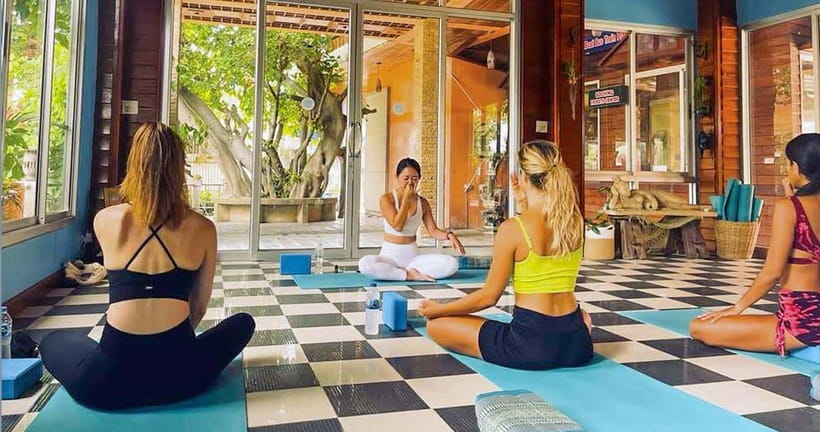
The meeting point is simple, but you’ll still want to check your footing. It’s the yoga studio near 7/11, close to the currency exchange, and you’ll look for the blue roof.
If you’ve ever arrived somewhere on Koh Tao and realized you’re off by one street, you know why this matters. Showing up early (5–10 minutes) gives you time to orient yourself, grab water, and settle before the class starts.
Wear comfortable clothing you can move in. A towel for personal use is also recommended, since you’ll want something to wipe sweat or wipe your mat if the room runs warm.
Your class flow: how the styles change the feeling
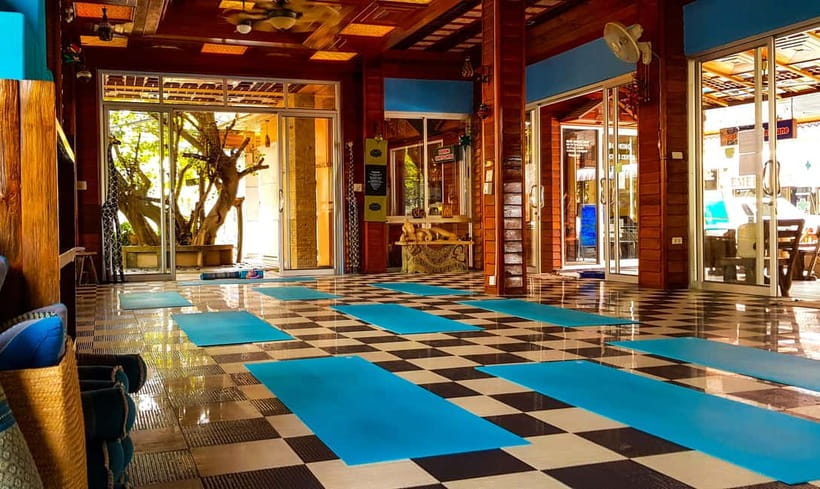
The class offers multiple styles, so you’re not stuck with one yoga personality all week. Even within a single 1-hour session, the shift between “energize,” “align,” and “restore” can do a lot for your body.
Vinyasa Flow: move with your breath
Vinyasa Flow is the more dynamic option. Expect a breath-connected practice that builds heat, strength, and flexibility. This is the style that tends to make you feel awake without being just a workout.
If you’ve been sitting too long—on boats, in cars, or hunched over your phone while organizing photos—Vinyasa can be a clean antidote. It also tends to encourage focus, because you’re following sequences and syncing your movement with breathing.
Hatha Flow: slower pace, mindful posture work
Hatha Flow is the “control the body, calm the mind” option. It blends gentle movement with intentional breath and posture holds, with attention to alignment and body awareness.
If you’re a beginner, this style can feel like training wheels. You still move, but you get more chances to understand what your body is doing rather than racing through transitions. If you’re a regular, it can be a good day to refine instead of push.






Yin Yoga: long holds for joints and deep connective tissue
Yin Yoga is slower and calmer. Expect long-held postures, with holds lasting about 2–5 minutes each, targeting connective tissue, joints, and fascia. The point isn’t to “win” a stretch. The goal is surrender and patience.
This style is a great match after a day of hills, snorkeling fins, or long beach walks. It can help you release the tension you didn’t realize you were storing. And it’s also a mental reset: you’re not doing constant movement, so your mind gets a chance to slow down.
Studio setup: mats, props, and water are part of the deal
You don’t need to bring yoga equipment. The class includes yoga mats, props, and water, plus the instructor for the session. That’s a big reason this class feels easy to book and easy to attend even if you’re not “a yoga person.”
Props matter more than most people think, especially for beginners. If you’ve never used blocks, straps, or bolsters, they can help you reach a posture safely and comfortably—without forcing your body into angles it’s not ready for.
In a warm studio, water also helps you stay functional. You’re moving, breathing, holding positions, and sweating a bit, so having water on hand keeps the class from turning into a dehydration gamble.
One practical tip: bring a towel for personal use. Even if you sweat a little, you’ll be happier having something to wipe your hands, your face, or your mat.
The biggest question: is it right for all levels?
The class is advertised as all levels welcome, and the structure makes sense for that. With multiple styles offered—Vinyasa for those who want movement, Hatha for alignment and breath, Yin for recovery—you can pick a pace that fits your day.
If you’re new to yoga, the inclusive setup is the key. In a beginner-friendly class, you should be able to follow along without feeling like everyone else already knows the sequences. The instructor being English-speaking also helps you understand cues quickly.
If you’re more advanced, you’ll likely appreciate the variety. Yin can be a strong “recovery day” tool. Hatha can help with alignment habits. Vinyasa can be a strong practice day if you want to build heat.
Heat and comfort: what that one review is really telling you
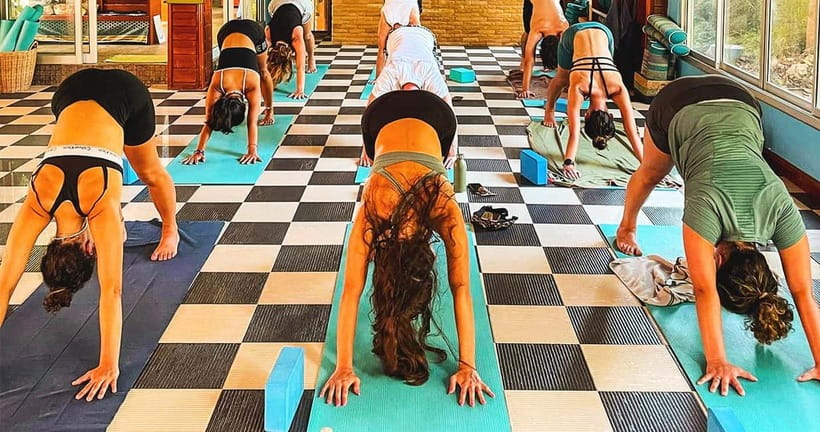
One notable caution is temperature. The room can run very hot, with fans and no air conditioning. That doesn’t automatically mean it’s unbearable, but it does mean you should plan for sweating.
If you hate hot yoga vibes, bring extra awareness:
- Wear breathable clothing that won’t cling.
- Bring and use your towel.
- Drink water before you leave your room, too, not just during the class.
If you’re okay with warm conditions, treat it as part of the practice. Yoga in heat can feel intense, but it can also make stretching feel more comfortable because your muscles are already warm.
Price and value: why $11 can be a good deal here
At $11 per person for a 1-hour class with mats, props, water, and an instructor, the value is strong. You’re not paying extra for equipment rental, and you’re not paying for a complicated tour logistics plan.
What you get for that money is basically three things:
- A complete, guided session (not just a random YouTube flow).
- A studio setting with supplies.
- A choice of styles that can help you match your energy level.
So, if you’ve been thinking about yoga while in Koh Tao, this is the kind of price point where you can take the class even if you’re unsure you’ll love it. At this cost, the main risk isn’t the money. It’s only whether the warm room fits your comfort level.
What kind of traveler should book this class
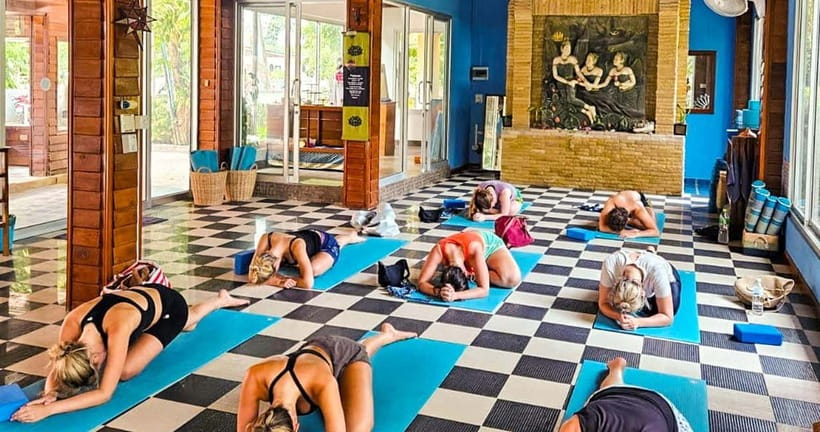
This yoga class is best for you if:
- You want something easy to join while you’re already in Koh Tao.
- You’re traveling light and don’t want to hunt down a mat or props.
- You want a mix of styles so your practice can match your energy.
- You prefer an English-speaking instructor, especially if you’re new to yoga terms.
It’s also a smart choice if you’ve been spending days outdoors. Yin Yoga can be especially useful for recovery after active days.
On the other hand, you should think twice if:
- You’re very sensitive to heat and hate warm indoor spaces.
- You want a cool, air-conditioned studio experience.
Picking your style on the day
If you don’t know what style to choose, go by how your body feels that morning.
- If you feel stiff and want to move: lean toward Vinyasa.
- If you want technique, control, and slower pacing: pick Hatha Flow.
- If you feel sore, tense, or mentally tired: choose Yin for longer holds and restoration.
Because the class includes multiple styles, you’re not stuck repeating one approach every time you go. That’s a big part of why a daily yoga schedule works so well.
Instructor vibe: why clarity matters in a mixed-level class
In a class for all levels, the instructor’s communication style can make or break the experience. One of the instructors you may encounter, Franny, gets praised for being pedagogical and kind, which matters for beginners.
Clear cues help you understand what you’re doing and where you should feel it. Being patient helps too. In warm conditions, it’s extra important not to feel rushed, because you’ll already be dealing with your body’s heat and breathing.
Even without knowing the instructor schedule, the broader “friendly and inclusive” setup suggests the class aims to meet people where they are.
Quick practical checklist before you go
To make your 1-hour session smooth, I’d plan around this:
- Wear comfortable clothing that moves with you.
- Bring a towel for personal use.
- Arrive 5–10 minutes early so you can settle.
- Drink water before you go, since the room may run warm.
- Show up as you are, even if you’re a complete beginner.
Should you book this Koh Tao yoga class?
If you want a no-stress way to do yoga on Koh Tao, with equipment and water handled for you, this is a strong yes. The main draw is the mix of styles—Vinyasa, Hatha Flow, and Yin—so you can match the class to your energy and recovery needs.
Book it especially if you like guided instruction and you’d rather do a class with a real teacher than self-practice in a hotel room. The only real “pause” is the potential heat in the studio. If hot rooms make you miserable, choose a different time or consider another type of activity.
Overall: for the price and the all-level format, it’s an easy add-on that can genuinely improve how you feel on the island.
FAQ
How long is the yoga class?
The class lasts 1 hour.
Is the yoga class suitable for beginners?
Yes. It’s designed for all levels, including people who are new to yoga.
What yoga styles are included?
You can expect classes in Vinyasa Flow, Hatha Flow, and Yin Yoga.
What’s included in the price?
You get a yoga mat, water, all equipment needed for the session, and instruction from an instructor.
Is pickup service included?
No pickup service is included.
Where is the meeting point?
The studio is near 7/11 and a currency exchange, under a blue roof.
What should I wear and bring?
Wear comfortable clothing and bring a towel for personal use.
Do I need to speak Thai?
No. The instructor teaches in English.
Can I cancel if my plans change?
Cancellation is free up to 24 hours in advance for a full refund, and you can also reserve now and pay later.