REVIEW · KO TAO
Ko Tao: Open Water Scuba Diving 4-Day Course
Book on GetYourGuide →Operated by LBD Diving Koh Tao · Bookable on GetYourGuide
Training in Ko Tao’s clear water starts in a pool. What makes it stand out is how the course moves step-by-step from basics to real open-water breathing, then rewards you with reef life. You’ll also get a chance to see Ko Tao’s underwater favorites like stingrays and reef fish while you build the skills to handle deeper sites.
I especially like the patient coaching style I see reflected in multiple instructors at LBD Diving Koh Tao, with names like Adrian, Juan, Joe, Az, Nicolas, Armand, and Elena. The one thing to plan around is the schedule: the final day begins early at 7:45 AM, so you’ll want to sleep well and stay ready for a long training stretch.
In This Review
- Key takeaways before you go
- First Hours on Koh Tao: Orientation at 4:00 PM
- Classroom to Comfort: The Pool Sessions That Teach You to Breathe Easy
- Your Safety Toolkit: How Body Effects and Navigation Fit Together
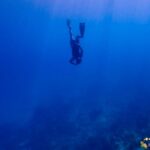
- First Open-Water Sessions to 12 Meters: Reef Life on Ko Tao
- Advanced Sites on Day Four: Bigger Creatures and the 7:45 AM Start
- Instructors at LBD Diving Koh Tao: Patient Coaching Makes or Breaks It
- Price and Value: Why $353 for 84 Hours Can Be a Smart Deal
- Practical Tips Before You Book This Ko Tao Course
- Should You Book the Ko Tao Open Water Course?
- FAQ
- How long is the Ko Tao Open Water course?
- When does the course orientation start?
- What happens in the pool during the course?
- What depth do you reach during the first open-water sessions?
- Do you do more advanced sites on the final day?
- What certification do I get and how deep can I go afterward?
- Is equipment included, or do I need to bring gear?
- What languages are instructors available in?
- What marine animals might I see around Ko Tao?
Key takeaways before you go
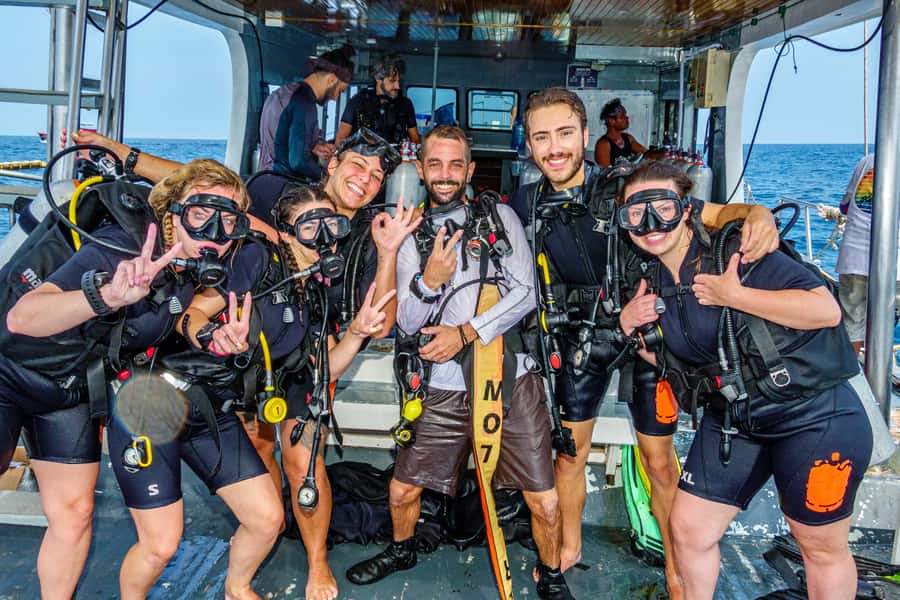
- Pool first, confidence built fast: Mask clearing, regulator retrieval, and emergency drills happen in a controlled setting
- Classroom that supports the water work: You learn how scuba affects the human body, plus basic navigation and safety skills
- First open-water sessions to 12 meters: Max depth during the first boat day is 12 meters, with reef animals in the mix
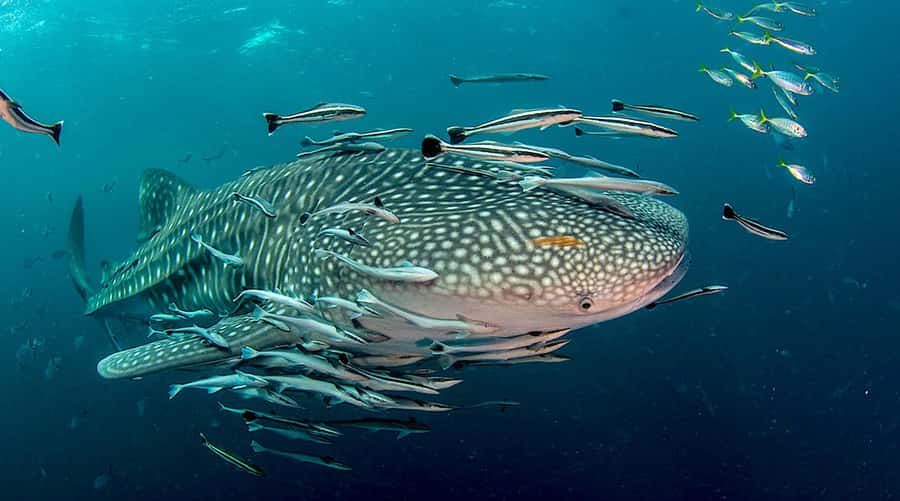
- More advanced sites on day four: You move into deeper, bigger-life territory and may spot barracuda, queen fish, and whale sharks
- Value that goes beyond a try session: Four days plus full certification is often the smarter pick if you want to keep going after Ko Tao
First Hours on Koh Tao: Orientation at 4:00 PM
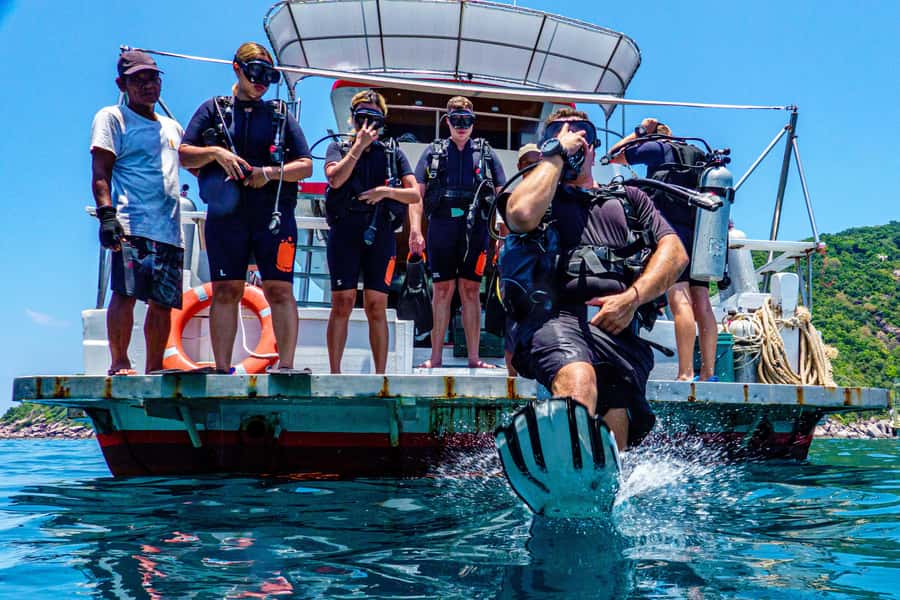
This course starts with an afternoon orientation at 4:00 PM. Think of it as the warm-up to a busy few days. You get your first look at what the program is doing and how it’s paced, which matters because scuba skills stick better when you understand the flow instead of scrambling for details later.
You also arrive already set up for the practical part of the training. All equipment is included, so you’re not juggling rental hassles on day one. That’s a big deal when you’re learning something as technical as buoyancy control and regulator use.
You can also read our reviews of more scuba diving tours in Ko Tao
Classroom to Comfort: The Pool Sessions That Teach You to Breathe Easy
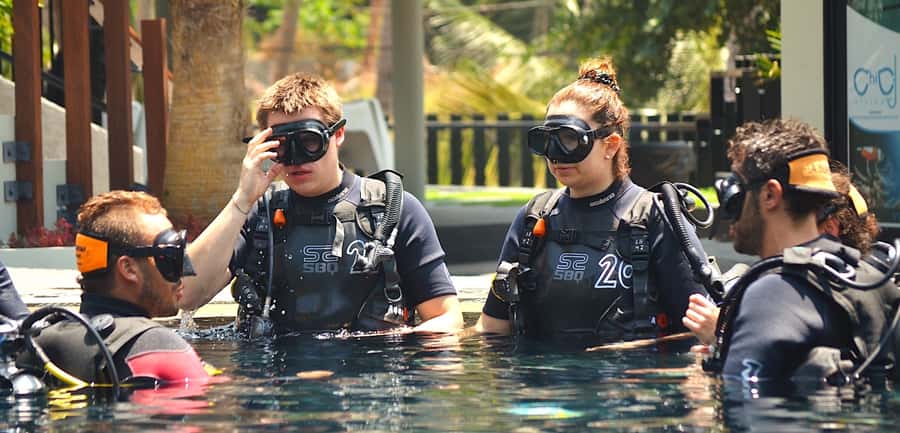
The next day begins at 10:00 AM with classroom time, covering scuba basics in a way that’s designed to prepare you for what you’ll do in the water. Then at 12:00 PM, you shift to the pool for hands-on skill work.
This is the part I like most because it puts you in a low-pressure environment. You practice core drills like:
- clearing your mask
- retrieving your regulator
- what to do in an unlikely emergency
In plain terms, the pool stage teaches your brain that problems are solvable. Instead of hoping everything goes smoothly on day one outside, you train reactions early. That’s especially helpful if you’re nervous about feeling out of control under pressure.
And you’re not just watching. You’re doing the motions, building muscle memory, and learning how your body behaves when you’re breathing through the gear. The best courses make it feel normal, not dramatic.
Your Safety Toolkit: How Body Effects and Navigation Fit Together
On the third day, the classroom starts at 9:30 AM. Here the course turns from gear basics into decision-making. You learn how scuba affects the human body, plus basic navigation and safety skills.
Why that matters: once you’re underwater, you can’t afford to guess. Even if the water is calm and the visibility is great, you still need a mental checklist for what’s happening and what to do next. The course focuses on the skills that keep you organized.
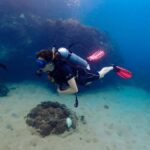
After classroom time, you head out on the boat and complete your first two open-water sessions. Your maximum depth on this day is 12 meters. That’s a comfortable progression for new students: far enough to feel the difference, not so far that you’re spending your whole time stressed about depth.
First Open-Water Sessions to 12 Meters: Reef Life on Ko Tao
On day three, your open-water work is built around real conditions while still keeping learning structured. You’ll be practicing what you learned earlier, but now with the sights and moving water that make it harder in a good way.
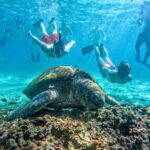
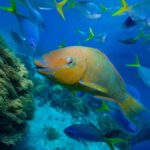
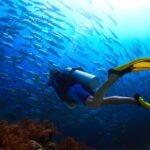
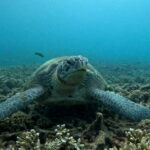
At around 12 meters max, you look out for sea life such as:
- stingrays
- pufferfish
- moray eels
- colorful reef fish
The main value here isn’t only the animals. It’s the chance to put your skills into context. You’ll learn how your breathing changes your focus, how trim and control affect how you move through the water, and how to stay calm while the underwater world does its thing around you.
The reviews I saw point to a consistent theme: instructors do the work of calming nerves and keeping the vibe positive. Names that come up include Joy, Joe, and Nico, with feedback about clear explanations and a steady pace.
Advanced Sites on Day Four: Bigger Creatures and the 7:45 AM Start
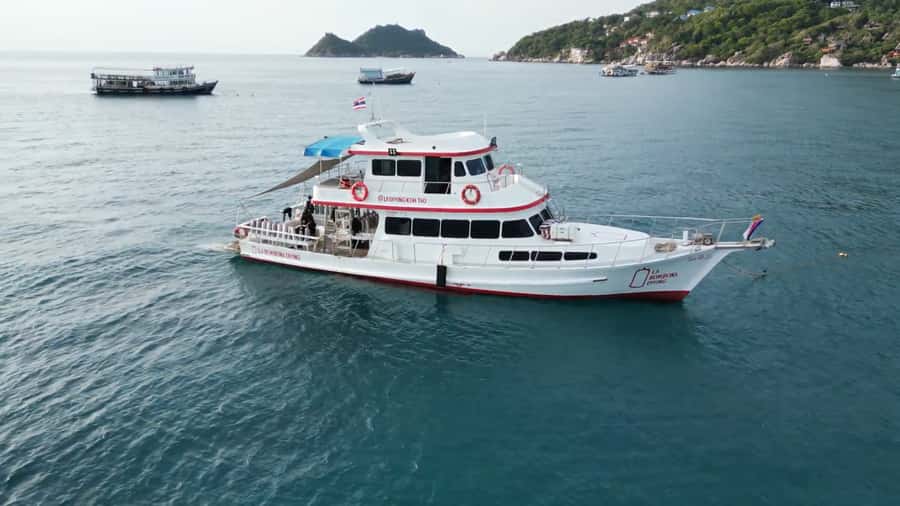
Your final day kicks off at 7:45 AM, with two more open-water sessions at more advanced sites around Ko Tao. The early start is real—so if you like to sleep in, plan to adjust for this part.
This is where the scenery shifts toward bigger animals. You might see:
- barracuda
- queen fish
- and whale sharks if you’re very lucky
About that whale shark possibility: the course doesn’t guarantee it, but Ko Tao is known for sightings when conditions line up. The point is that you’ll be in the right area and at the right stage of training to enjoy it, not just pass through it.
After these sessions, you’re able to call yourself open water certified and certified up to 18 meters anywhere in the world. That matters because the goal isn’t only a fun day on a boat. It’s getting a qualification you can use later, whether you go back to Thailand or continue in other waters.


Instructors at LBD Diving Koh Tao: Patient Coaching Makes or Breaks It
Scuba training is physical, but it’s also mental. The feedback I saw repeatedly praises instructors for patience and clear teaching—exactly what you want when you’re still building confidence.
Specific instructor names that stood out include:
- Adrian: praised for making the whole process feel comfortable, safe, and fun
- Juan: praised for covering everything you need and running the program smoothly through pool work to 18 meters
- Joe: praised for patience, clear knowledge, and a comfortable pace (plus learning in a small group of four, which can be a big plus if you prefer less crowd energy)
- Az: praised for supporting nervous students and encouraging a love of scuba
- Nico and Nicolas: praised for professional training and strong instruction
- Armand: praised for an incredible course and strong support
- Elena: praised for availability, wise advice, and good humor
One extra practical detail: one review noted flexibility when someone was ill and needed date changes. While you shouldn’t count on special treatment, it’s reassuring to see that the team is at least willing to help when health gets in the way.
Price and Value: Why $353 for 84 Hours Can Be a Smart Deal
The price shown is $353 per person, with a total duration of 84 hours. At first glance, scuba courses can look pricey—until you break down what’s included and how long the training lasts.
Here’s what you get that directly affects value:
- an experienced instructor
- all equipment
- a celebration drink
- a t-shirt
Most importantly, you’re not buying two casual outings. You’re buying the structure to move from pool drills to open-water sessions to a recognized certification that allows you to go to 18 meters.
Also, the course itself is designed to be more than a first taste. One of the course comparisons that came up in feedback was that the four-day format felt worth it compared with try sessions, especially if you know you’ll want to keep diving after Ko Tao.
If you’re on a Thailand itinerary and you want a high-impact skill with a real credential attached, this is the kind of course that pays off long-term.
Practical Tips Before You Book This Ko Tao Course
If you’re considering it, here are the things that will help your experience feel easier.
- Plan for early mornings. The last day starts at 7:45 AM, and day four is when the course leans into more advanced sites. Being rested helps you learn faster and enjoy more.
- Treat the pool drills as the real foundation. Skills like clearing your mask and retrieving your regulator aren’t “extra.” They’re the tools that keep you calm once you’re outside.
- Ask questions during classroom time. The course includes lessons on body effects, navigation, and safety. If anything feels unclear before you’re on the boat, that’s the moment to fix it.
- Expect great marine life, not a guarantee. Ko Tao is good for stingrays, moray eels, and pufferfish, and day four gives you a shot at barracuda, queen fish, and whale sharks if you’re very lucky.
- Choose the right mindset. If you’re nervous, you’re not alone. The course has a track record of instructors who actively coach calmer breathing and clearer decision-making.
One more small note: the course offers free cancellation up to 24 hours in advance for a full refund, and the reserve-and-pay-later option can help if you’re still tuning your travel dates.
Should You Book the Ko Tao Open Water Course?
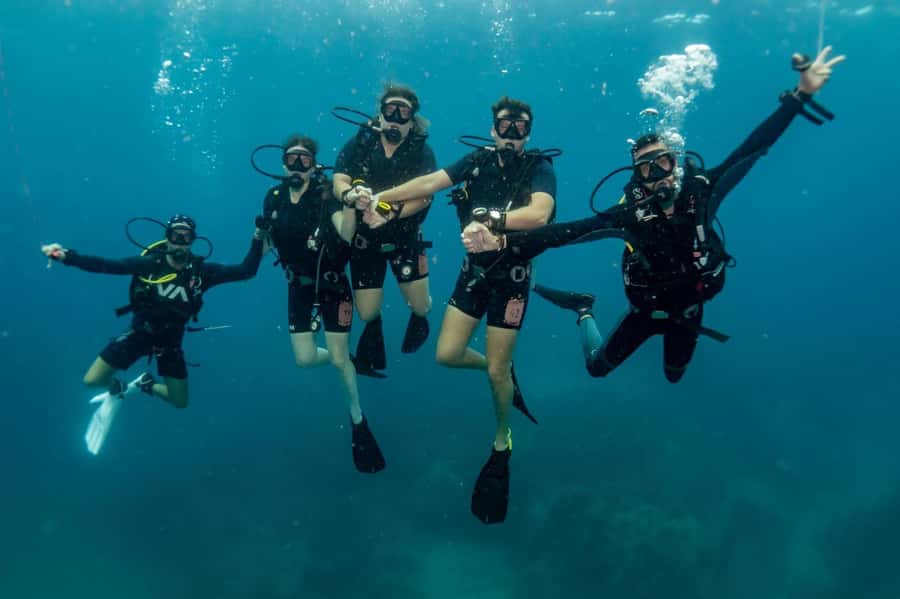
You should book this course if you want more than a one-day snorkeling thrill and you’re serious about getting an actual open water certification you can use up to 18 meters anywhere. The mix of pool practice, structured classroom safety training, then guided open-water sessions is the right path for most first-timers.
Skip it if you’re looking for a super relaxed vacation with zero schedule pressure. The training days are long, and you’ll be on a boat as part of the program.
If you’re ready for a real skill course, this is a strong match for Ko Tao’s underwater reputation, and the teaching style is a big part of why people leave satisfied—especially when they mention instructors like Adrian, Juan, Joe, Az, Nicolas, Armand, and Elena.
FAQ
How long is the Ko Tao Open Water course?
The total duration is listed as 84 hours.
When does the course orientation start?
You start with an afternoon orientation at 4:00 PM.
What happens in the pool during the course?
After classroom time on the second day, you go to the swimming pool to practice key skills such as clearing your mask, retrieving your regulator, and what to do in an unlikely emergency.
What depth do you reach during the first open-water sessions?
During the first open-water day, the maximum depth is 12 meters.
Do you do more advanced sites on the final day?
Yes. The final day starts at 7:45 AM and includes two open-water sessions at more advanced sites.
What certification do I get and how deep can I go afterward?
After finishing the course, you can be certified as an open water diver up to 18 meters anywhere in the world.
Is equipment included, or do I need to bring gear?
All equipment is included.
What languages are instructors available in?
Instructors are listed for Spanish, English, and Catalan.
What marine animals might I see around Ko Tao?
You may see stingrays, pufferfish, moray eels, and colorful reef fish on earlier sessions. Later, you may see barracuda, queen fish, and possibly whale sharks if you’re very lucky.