REVIEW · BANGKOK
Floating and Railway Markets and Erawan Waterfall (Group Tour)
Book on Viator →Operated by Thailand Insight Travel · Bookable on Viator
A long day, but it hits the highlights fast. This group tour strings together Damnoen Saduak’s floating market boat ride and Erawan Waterfall’s seven tiers with swimming, then finishes with a scenic walk at the River Kwai area. I also like that you get a guided day built around local work stops like coconut nectar and salt farming, not just photo stops. The one real drawback: it’s a serious schedule with about 4 hours of road time, so you’ll want to be patient when the day feels like a lot of driving.
You start early from Centerpoint Siam Square and end at MBK Center, which is handy because it’s close to the BTS. With a maximum group size of 15 travelers, you’re not stuck in a huge crowd, though it’s still a shared-vehicle day and timings can feel tight.
If you like a full-day sampler (markets, countryside, waterfall, and the famous bridge area), this works well. If you prefer a slower pace with fewer stops, you might find this itinerary a bit intense by the end.
In This Review
- Key things to know before you go
- Getting Out of Bangkok Early: the 6:00am Rhythm
- Damnoen Saduak Floating Market: Boat Ride + Market Chaos (on Purpose)
- Mae Klong Railway Market (Hoop Rom Market): Watching a Market Make Room
- Coconut Sugar Farm + Samut Sakhon Salt Fields: Two Short Lessons in Local Production
- Coconut Sugar Farm
- Samut Sakhon Salt Fields
- Lunch and the Drive Ahead: Keep Your Energy Steady
- Erawan National Park: Seven Tiers, Emerald Pools, and a 3-Hour Rainforest Walk
- What to expect on the hike
- Swimming reality check
- River Kwai Bridge and the Death Railway: When the Famous Bridge Turns Scenic
- Price and Value: what you’re really paying for
- Who This Tour Suits Best (and Who Should Skip It)
- Should You Book This Tour?
- FAQ
- What time does this tour start?
- How long is the tour?
- Where do I get picked up?
- Where is the drop-off at the end?
- What’s included with the Damnoen Saduak floating market stop?
- Is the railway market train ride included?
- What about food during the tour?
- Is Erawan Waterfall admission included?
Key things to know before you go
- Motor boat ride is built in at Damnoen Saduak, so you’re not scrambling to add it later
- Railway market time includes the train moment, where daily commerce meets the track
- Coconut sugar and salt fields add a real “how it’s made” contrast to the markets
- Erawan National Park is the anchor: about 3 hours, seven tiers, and emerald pools
- You’ll finish at River Kwai/Death Railway with the famous sunset backdrop
- Group is capped at 15, keeping the day more manageable in a shared format
Getting Out of Bangkok Early: the 6:00am Rhythm
This tour starts at 6:00 am at Centerpoint Siam Square on Rama I Road. That early start is not a gimmick. Western Thailand sights are spread out, and the schedule reflects it: the total duration is about 11 hours, including roughly 4 hours of travel by road.
I like this kind of itinerary when you’re on a limited schedule in Bangkok and want a day that feels like you actually left the city. Just accept the trade-off: you’ll spend part of the day in transit, and you’ll come back tired. Pack for comfort first—light layers, a hat, and something you can wear wet if you plan to swim at Erawan.
Also note the end point: you get dropped at MBK Center (near BTS National Stadium). That’s a smart finish because you can ride BTS back without hunting for a taxi for the last leg.
You can also read our reviews of more tours and experiences in Bangkok.
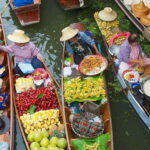
Damnoen Saduak Floating Market: Boat Ride + Market Chaos (on Purpose)
The morning’s big pull is Damnoen Saduak Floating Market, one of Thailand’s most well-known floating markets. Your ticket includes a shared motor boat ride, which matters because it’s the quickest way to see the market’s “floating life” instead of only watching from shore.
Here’s how I think about Damnoen Saduak as a first-timer stop: it’s less about calm sightseeing and more about observing a living market scene. You’ll see boats moving through tight waterways, sellers calling out, and tourists trying to get the perfect angle while the boats keep coming.
You get about 1 hour 30 minutes at this stop. That’s enough time to do two things well:
- see the main waterway action from the boat
- wander enough afterward to notice the variety of goods and food
One practical tip: keep your camera accessible but don’t make it your only job. Give yourself time to look up and around from the boat. The best moments are often when the market traffic creates patterns—boats clustering, then separating—rather than when you’re focused on one stall.
Mae Klong Railway Market (Hoop Rom Market): Watching a Market Make Room
Next up is Mae Klong Railway Market, also known as Hoop Rom Market. This is the spot where the humorously described “life-risking” vibe comes from: trains pass directly through the market area.
The tour includes the train ride toward the Mae Klong station, with admission included. That’s a key difference from the tours that only point and watch. When you’re actually riding, you feel the rhythm of this place—how quickly the market activity changes once the train is approaching.
You’ll have about 1 hour 30 minutes here. Use it to get the full sequence, not just the photo moment. The rail crossing is the headline, but the surrounding market scene helps you understand why the track matters in daily life.
If you’re sensitive to crowds or loud sounds, this is still manageable in a group of up to 15, but expect energy. Plan to keep your shoulders loose and your schedule flexible.
Coconut Sugar Farm + Samut Sakhon Salt Fields: Two Short Lessons in Local Production
After the markets, the day slows down just a notch with two quick stops that add real texture: coconut nectar (coconut sugar) production and salt farming.
Coconut Sugar Farm
At the coconut sugar farm, you’ll spend about 20 minutes. The stop includes a ticket and focuses on how Thai farmers harvest and process coconut nectar—there’s a demonstration that includes cutting the coconut flower and pouring the nectar. It’s not a long workshop, but it’s timed perfectly for a day when you’ve already been moving fast.
What I like about this stop is the contrast. Floating markets and railway tracks are about movement and spectacle. Coconut nectar production is the opposite: slow, hands-on labor. Even short demonstrations can make your later shopping choices feel less random.



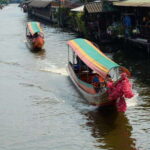
Samut Sakhon Salt Fields
Then comes a bonus-style stop in the Samut Sakhon area, where you’ll see whitish salt fields and learn how sea salt is produced. The tour frames it as Thai local wisdom, and you’ll hear from a salt farmer about the work involved (the description notes “salt farming” and that the salt farmer rotates work tasks).
This is brief—about 20 minutes—but it’s a nice reminder that Thailand’s food and ingredients don’t just appear in shops. They come from landscapes and routines most visitors never see.
If you want to photograph the salt fields, bring a little patience for light and angles. Salt can look very bright, so squinting is part of the deal.
Lunch and the Drive Ahead: Keep Your Energy Steady
Lunch is included: local lunch and drink. The exact menu isn’t provided, so don’t plan your day around specific dishes. Instead, treat lunch as a reset. Eat what you can, drink water, and keep something in your plan for a later swim—because once you hit Erawan, your schedule becomes active.
Then you’ll head into the Erawan National Park portion of the trip, which is where the day shifts from “city-to-market” energy into “nature and hiking” mode.
Erawan National Park: Seven Tiers, Emerald Pools, and a 3-Hour Rainforest Walk
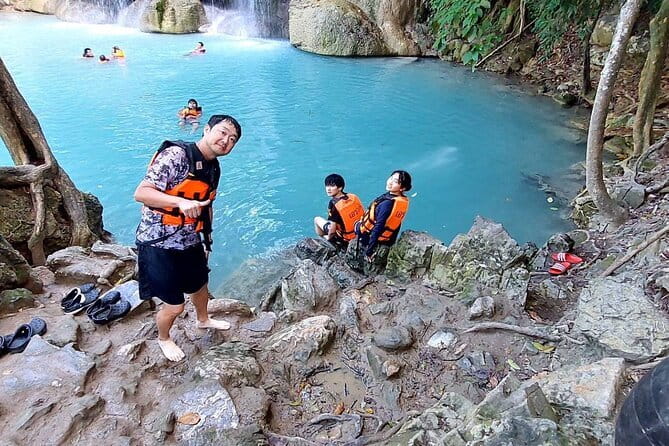
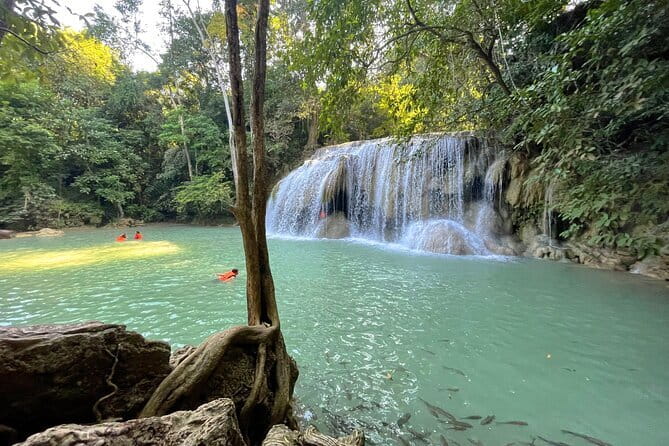
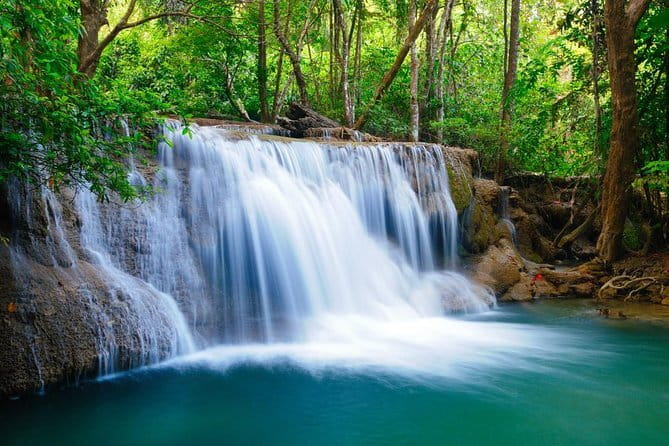
Erawan Waterfall is the main event, and the tour gives it the time it deserves: about 3 hours in the park. The big feature is the seven-tiered falls, with emerald green pools between levels.
You’ll get a mix of things here:
- hike through the park area
- swim in the pools
- explore the rainforest for the set time
This stop is listed as including admission. That’s valuable because national park entry fees can add up fast on multi-stop days.
What to expect on the hike
Even without step-by-step trail details, the seven-tier setup tells you what the work looks like: you’re moving along multiple levels, not just walking to one viewing platform. Wear shoes that handle uneven ground, and expect humidity. Bring a plan for drying off after swimming, because wet hiking clothes can get uncomfortable.
Swimming reality check
You’ll have time to swim. That’s a huge part of why people choose Erawan over a purely scenic waterfall tour. But waterfalls also mean slippery rocks and changing footing. Take it slow. The “fun” part is worth it, but safety beats heroics.
If you’re traveling with people who dislike exertion, this still might work as long as you’re okay with a moderate pace and lots of breaks.
River Kwai Bridge and the Death Railway: When the Famous Bridge Turns Scenic
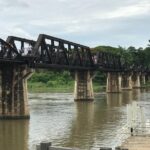
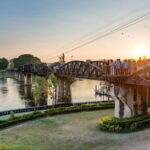
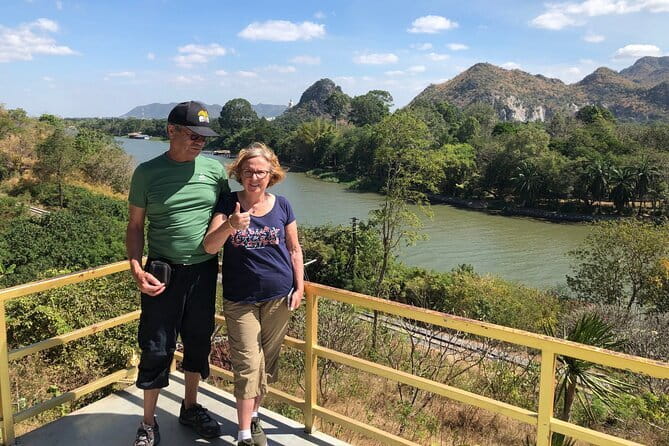
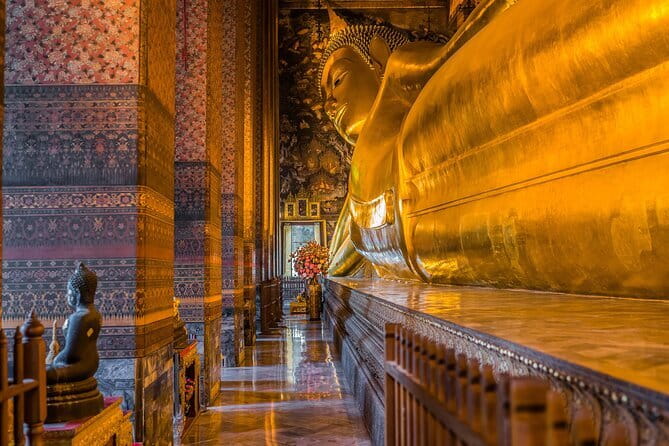
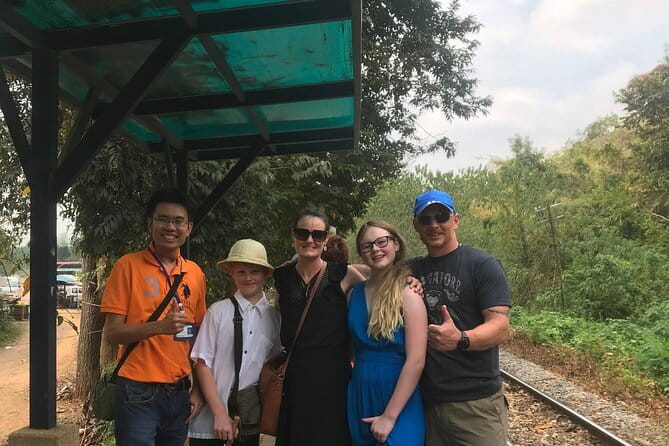
After Erawan, you’ll move to the River Khwae (Kwai) Bridge area. The itinerary gives about 20 minutes at the bridge itself, but the day also includes a leisure walk along the Death Railway and the River Kwai Bridge.
This is one of those stops where films and books made it famous, and the place now has a performance quality. I like it because the atmosphere changes as the light softens. Even with only a short visit time, you can still catch strong views if you’re ready when the group arrives.
A practical way to make this brief stop feel longer: don’t spread out. Pick a spot early, take your photos, then spend the remaining minutes looking for angles that show both track/bridge lines and the river setting.
Price and Value: what you’re really paying for

At $161.31 per person, this is not a bargain tour in the way that purely local bus trips are. But for a full-day organized route, it’s not just “seat time.”
Your day includes:
- shared air-conditioned vehicle
- boat ride as part of Damnoen Saduak
- railway market train ride (via admission inclusion)
- local lunch and drink
- Erawan waterfall admission
- travel accident insurance
- an English-speaking licensed guide
That mix matters. You’re paying for logistics and access: the boat ride, the train segment, and park entry remove friction from a long day outside the city. If you tried to stitch this together yourself, you’d spend time coordinating transport for a day that starts at 6:00 am and ends after a waterfall hike.
Still, the value question depends on your style. If you want fewer stops and more downtime, you might prefer a different format. If you want one day that checks off major “Thailand outside Bangkok” boxes, this one looks like solid use of your time.
Who This Tour Suits Best (and Who Should Skip It)
This tour fits you if:
- you want markets plus nature in one day
- you’re okay with early mornings and long stretches in a vehicle
- you like active sightseeing, especially with swimming at Erawan
- you appreciate short, guided explanations at stops like coconut nectar and salt production
It might be the wrong match if:
- you strongly dislike hiking or wet conditions
- you want a slow pace with lots of independent wandering
- you’re not comfortable with railway-market crowds and loud train moments
The tour says most travelers can participate, which is a helpful indicator, but your comfort with walking and swimming is the deciding factor.
Should You Book This Tour?
Book it if you’re the type who wants a full day that goes beyond Bangkok’s immediate city sights. The boat ride at Damnoen Saduak, the train drama at Mae Klong, and the Erawan seven tiers with swimming create a day with clear variety. The added stops for coconut nectar and salt farming make it feel more grounded than a pure highlight-hunting schedule.
Skip it if you’re chasing a restful day or if your ideal itinerary is mostly flat walking and quiet viewpoints. The schedule has momentum, and the driving time is real.
If you do book, do one thing that makes the day easier: plan your Erawan time like it matters. Bring the right swim/hike setup, move at a steady pace, and don’t rush the bridge photo stop. You’ll feel rewarded by the end, especially when the day’s last views start to soften.
FAQ
What time does this tour start?
It starts at 6:00 am.
How long is the tour?
The duration is about 11 hours, including approximately 4 hours of travel time.
Where do I get picked up?
Pickup is near Centerpoint Siam Square, located at 292 Rama I Rd, Pathum Wan.
Where is the drop-off at the end?
The tour drops you at MBK Center near BTS National Stadium (444 Phaya Thai Rd).
What’s included with the Damnoen Saduak floating market stop?
A shared motor boat ride is included. The tour time at the floating market is about 1 hour 30 minutes.
Is the railway market train ride included?
Yes. The railway market stop includes the local train ride toward the Mae Klong station, and admission is included.
What about food during the tour?
You get local lunch and drink included.
Is Erawan Waterfall admission included?
Yes. Admission fee to Erawan waterfall is included, and you’ll have about 3 hours in the national park.