REVIEW · CHIANG RAI
Chiangrai: Group Trekking with Bamboo Cooking
Book on GetYourGuide →Operated by SoGood Travel · Bookable on GetYourGuide
A bamboo lunch beats another temple day. This Chiang Rai trek is interesting because you mix hill-tribe village life with a hands-on bamboo cooking class—and you actually cook with bamboo sourced from the jungle. You also get an expert local English-speaking guide for the trail, plus time in tea country, at a major waterfall, and in a natural hot spring.
I love the combination: the walking puts you in the hills, and the bamboo cooking gives you something real to take home (skills, not just photos). One drawback to plan for: this is about 10–12 km on foot, roughly 5–6 hours, and some stretches can feel physical or slippery—so it’s not suitable for pregnant women.
In This Review
- Key Things That Make This Tour Worth Your Time
- Why This Chiang Rai Day Feels Different Than Typical Sightseeing
- The Day’s Route: Villages, Tea, Waterfall, and a Jungle Hot Spring
- A quick reality check on the pace
- Lisu Village: See Daily Life Up Close (And Ask Smart Questions)
- Consideration
- Chinese Village Stop: Another Cultural Lens in the Same Hills
- Tea Plantations: The Smell You’ll Remember
- What to do on this section
- Bamboo Cooking Class: From Jungle Bamboo to a Real Thai Lunch
- What you’ll want ready
- Waterfall Trek: A Big Nature Stop With Swim Time
- Bring what you can’t fake
- Akkha and Lahu Villages: Customs, Way of Life, and Respectful Observation
- A note on comfort
- Natural Hot Springs: The Reset Button After 10–12 km
- Price and Logistics: What $59 Buys You (And Why It Can Be Good Value)
- The one thing to double-check
- What to Bring: Pack Like This Is a Trek (Because It Is)
- Who This Tour Suits Best (And Who Might Want to Choose Another Option)
- What Your Best Day Looks Like (Practical Tips Before You Go)
- Should You Book the Chiang Rai Bamboo Cooking Trek?
- FAQ
- How long is the walk on this Chiang Rai tour?
- What time do they pick me up?
- Is bamboo cooking included, and do I eat what I cook?
- Do I need swimwear and a towel?
- What languages are the guides?
- What’s included in the price?
- Is the tour refundable if I cancel?
Key Things That Make This Tour Worth Your Time
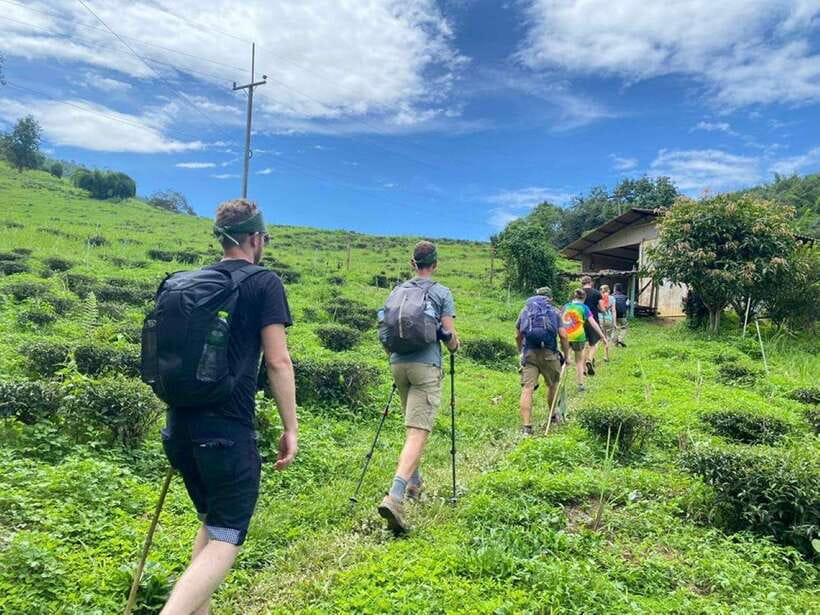
- Jungle-sourced bamboo becomes your kitchen: learn the method, then eat what you cook together.
- Small group pace (max 10): enough room to ask questions during the village stops.
- Culture comes in multiple stops: Lisu village, a Chinese village, then Akkha and Lahu villages.
- Tea plantation walk for real sensory payoff: fresh-leaf aroma, not just a photo stop.
- Waterfall and hot spring breaks: time to swim and to soak after the hike.
- Trail guidance from an expert: you’re not guessing your way through jungle paths.
Why This Chiang Rai Day Feels Different Than Typical Sightseeing
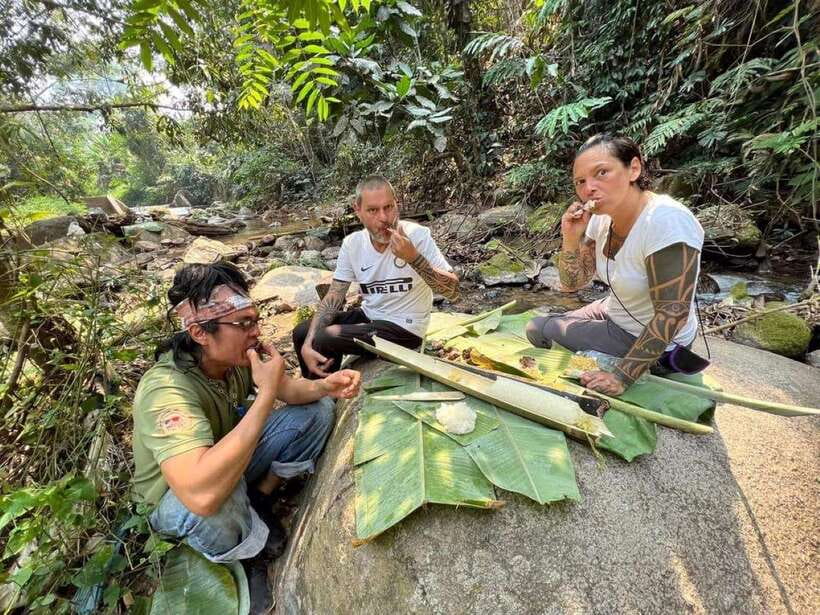
Most Chiang Rai tours zoom past the hills and call it nature. This one flips that. The day is built around the trail and the villages, with nature stops that actually break up the hike.
The bamboo cooking is the emotional center of the day. You’re not just watching someone cook—you learn the method, use the tools, and then sit down for a bamboo lunch. That’s the kind of activity that makes the whole trip feel specific to this region.
You can also read our reviews of more cooking classes in Chiang Rai
The Day’s Route: Villages, Tea, Waterfall, and a Jungle Hot Spring
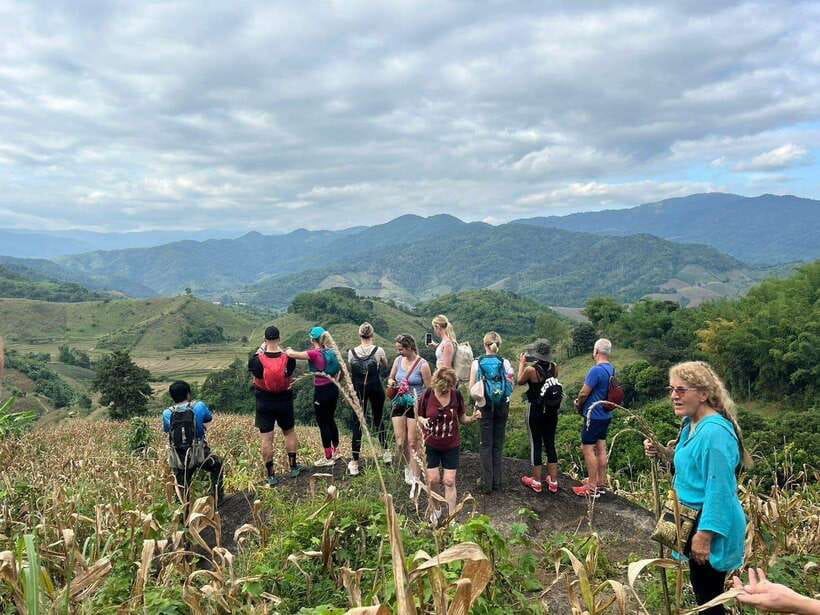
The tour runs as a full one-day circuit with hotel pickup in Chiang Rai city. You’ll be picked up between 09:00 and 09:15 from your hotel lobby, then returned back to your hotel after a full day outdoors.
Expect about 5–6 hours of walking for a total distance around 10–12 km. You’ll move through several areas: Lisu and Chinese village visits, tea plantations, a trek to a large waterfall, Akkha and Lahu village stops, and finally a natural hot spring ticket before heading back.
A quick reality check on the pace
This is not a slow stroll. It’s a guided trek with enough walking that you should wear hiking shoes or at least solid trainers with grip. If you’re comfortable hiking with a backpack for a few hours, you’re in the right zone.
Lisu Village: See Daily Life Up Close (And Ask Smart Questions)
Your day starts with a visit to the Lisu village, where you can see daily routines and traditions firsthand. This stop works best when you treat it like learning, not sightseeing. Ask simple questions about what people do each day, and watch how the village space is organized.
The value here is that you get context for the land you’re walking on. When you later smell the tea leaves or hear the waterfall, you’ll understand this isn’t an isolated “view”—it’s lived-in country.
Consideration
Village visits can be moving and respectful, but they also mean you’ll spend time on paths and in areas without much shade. Sunscreen and insect repellent aren’t optional extras—they’re part of staying comfortable.
You can also read our reviews of more hiking tours in Chiang Rai
Chinese Village Stop: Another Cultural Lens in the Same Hills

Next you visit a Chinese village, adding another layer to Chiang Rai’s mix of communities. This part of the day helps you avoid the “one-ethnic-group-only” feeling that some hill tours create.
You’ll likely notice different household styles, daily rhythms, and ways of interacting with the landscape. Even if your Thai is limited, a good guide can translate the meaning behind what you’re seeing—so you come away with more than “interesting buildings.”
Tea Plantations: The Smell You’ll Remember
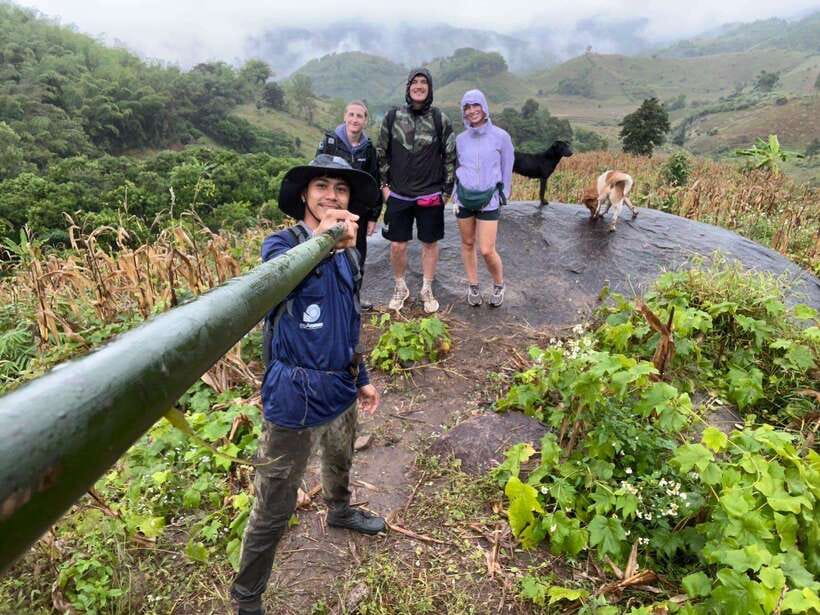
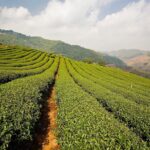
After village time, you walk toward tea plantations. This isn’t just a green backdrop. The tour highlights the experience of breathing in the aroma of freshly grown tea leaves, which is exactly the kind of small detail that makes the day feel sensory.
This stop also gives your body a small shift in rhythm. You go from village paths to plantation walking—often a more open feel—before you return to deeper trekking.
What to do on this section
Bring your curiosity. If you notice different leaf sizes or how the plants are spaced, ask your guide about how tea cultivation works. You won’t leave as a tea expert, but you will understand why this area matters.
Bamboo Cooking Class: From Jungle Bamboo to a Real Thai Lunch
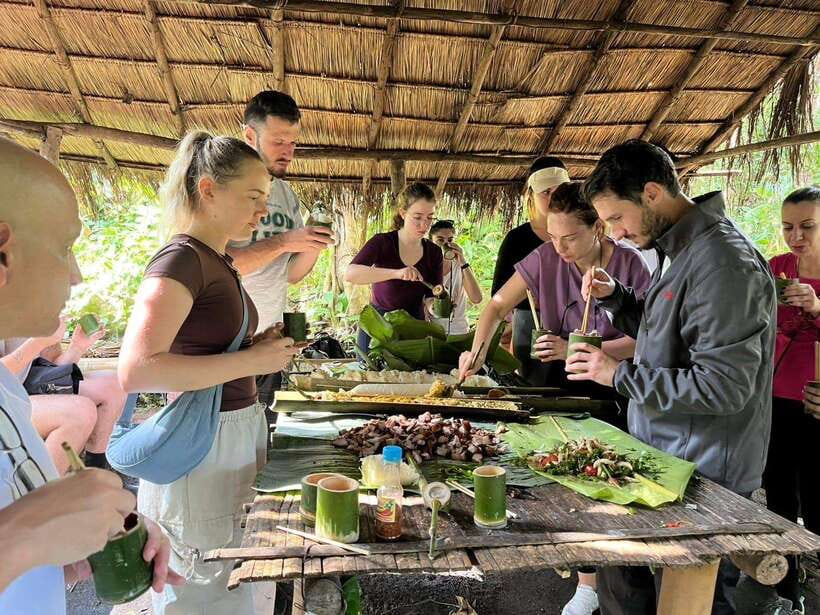
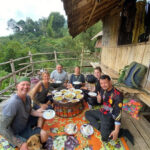
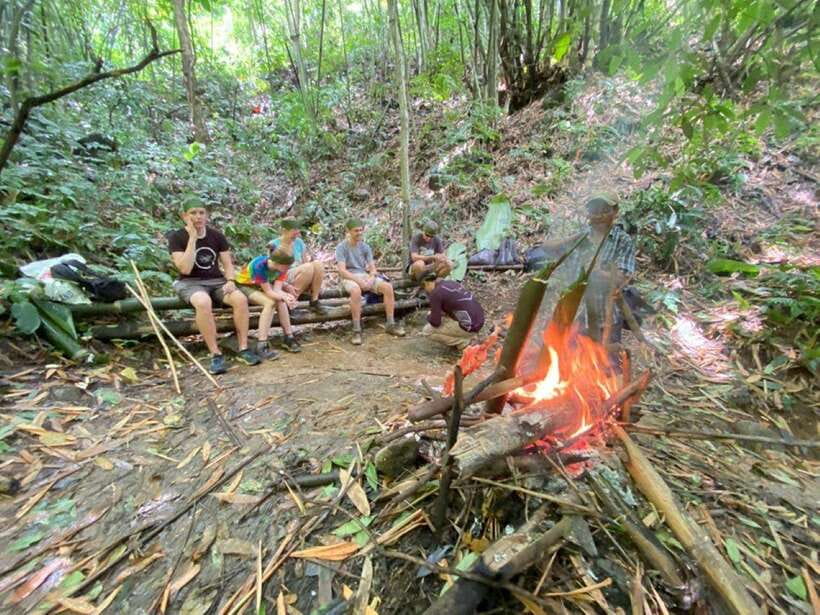
This is the headliner of the tour. You’ll use bamboo sourced from the jungle and learn a bamboo cooking method with traditional Thai dishes. Then you eat together—because the lunch isn’t separate from the lesson.
Why it’s so memorable: you see how ordinary materials become kitchen tools. Bamboo cooking is practical, too. It’s built for open-air cooking styles and it turns a local plant into something that’s both functional and delicious.
What you’ll want ready
Tell your guide about any dietary restrictions or special requirements before lunch. The tour specifically asks you to inform them, and that’s a smart move because cooking conditions and ingredients may vary.
Waterfall Trek: A Big Nature Stop With Swim Time
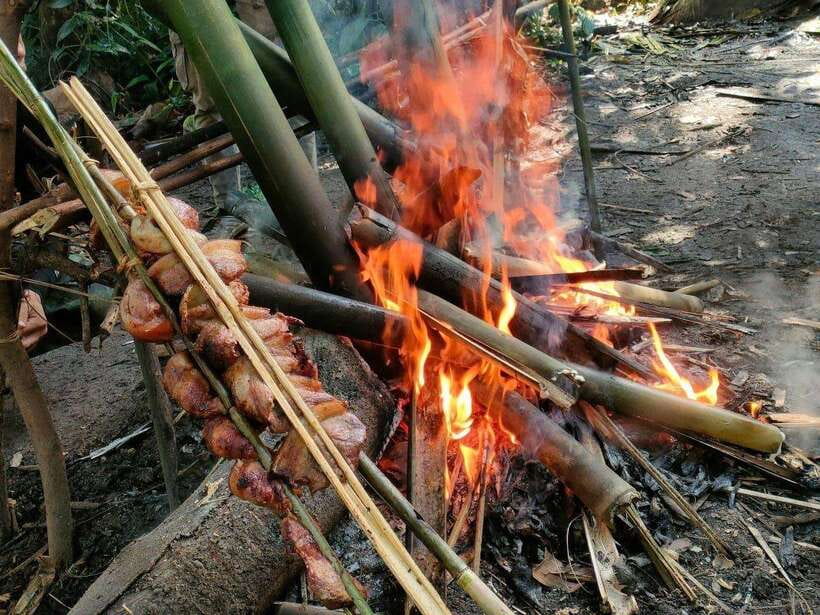
You continue your trek to the second largest waterfall. This is where the day shifts again—less village conversation, more pure nature. The plan includes relaxing and swimming in the waterfall, and it’s one of those moments that makes the long walk feel worth it.
A practical tip: pack your mindset for water logistics. Some sections are on uneven ground, and you’ll want to change from hiking mode to swim mode quickly and safely.
Bring what you can’t fake
You’re told to pack swimwear and a towel. Do it. Also bring insect repellent—water areas don’t guarantee fewer bugs.
Akkha and Lahu Villages: Customs, Way of Life, and Respectful Observation
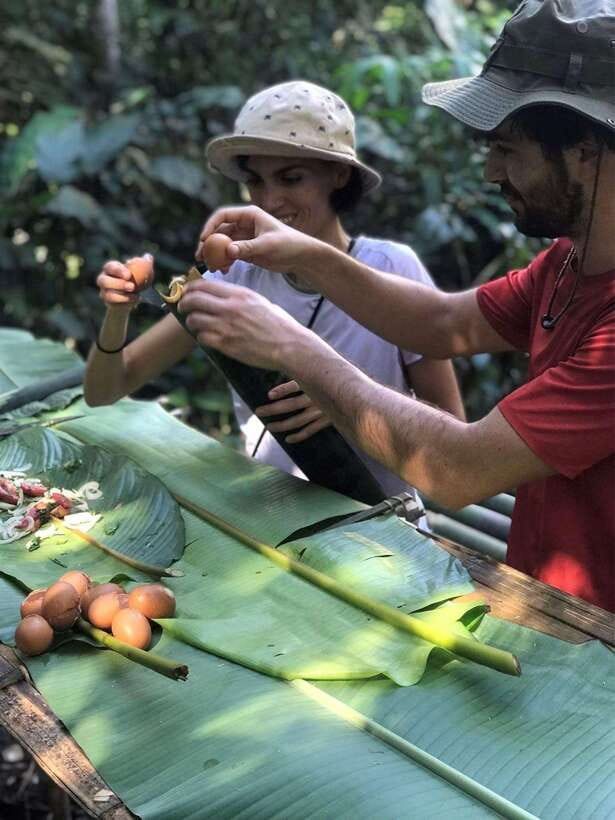
After the waterfall break, you visit Akkha and Lahu tribe villages. This is another cultural pivot that turns the trek into something more like a guided walk through communities rather than a nature day with a few photo stops.
The best way to get value here is to slow down. Don’t rush the questions. Notice the daily details your guide helps explain—how people live, how they organize spaces, and what cultural practices matter.
A note on comfort
This part of the day can involve extra walking even after the waterfall. If your legs are already tired, keep your pace steady and let your guide know if you need small breaks.
Natural Hot Springs: The Reset Button After 10–12 km
To close the day, the tour includes a stop at a natural hot spring with a ticket included. This is your recovery time. After hours on a jungle trail, soaking helps your body unwind—especially if your hike includes slippery bits and uneven steps.
You’ll be in hot spring waters surrounded by jungle sounds, which makes it feel like a private decompression moment even though it’s part of a group day.
Price and Logistics: What $59 Buys You (And Why It Can Be Good Value)
At $59 per person for a one-day tour, this price only makes sense if you look at the full package, not just the walking.
You’re getting:
- Hotel pickup and drop-off in Chiang Rai city (pickup 09:00–09:15)
- An expert local English-speaking guide (plus Spanish as well)
- Bamboo cooking class, plus you do and eat together for lunch
- Hot spring ticket
- Travel insurance
- Drinking water
- A small group capped at 10 participants
That combination is the value. Many tours in the region charge separately for entrance fees, transfers, and “hands-on” food activities. Here, those pieces are bundled, and you don’t have to coordinate them yourself.
The one thing to double-check
The tour notes that transportation to the starting point isn’t included. At the same time, pickup and drop-off are included from hotels in Chiang Rai city. If your hotel is outside the city center, ask before booking so you don’t get surprised.
What to Bring: Pack Like This Is a Trek (Because It Is)
The tour’s packing list is spot-on for a reason. You’ll walk in a jungle environment, and you’ll also want to be ready for water stops.
Bring:
- Comfortable shoes (ideally hiking shoes with grip)
- Swimwear and a towel
- Sunscreen
- Insect repellent
- If you’re prone to cold after water, consider a light layer you can wear afterward (not required, but helpful)
Who This Tour Suits Best (And Who Might Want to Choose Another Option)
This tour is built for people who like two things: walking and hands-on food/culture. If you enjoy learning through activity—tasting, cooking, asking questions—this day makes a strong impression.
You should think twice if:
- You’re not comfortable with a 10–12 km hike over a 5–6 hour day
- You have physical limitations that make uneven or slippery trail sections risky
- You’re traveling with a baby or small kids (the day is long, and the terrain can be demanding)
- You’re pregnant (the tour specifically says it’s not suitable)
What Your Best Day Looks Like (Practical Tips Before You Go)
If you want this tour to feel great, treat your preparation like part of the experience.
- Wear shoes you trust on slick ground.
- Bring insect repellent even if you think you’ll avoid bugs—jungle days have a way of reminding you.
- Plan to embrace the slower rhythm at village stops. You’ll get more from the guide’s explanations if you pause and listen.
Also, keep expectations realistic about “wow sights.” The day’s magic is the blend—trail, people, tea, food, and recovery—rather than a single dramatic monument.
Should You Book the Chiang Rai Bamboo Cooking Trek?
If you want a one-day Chiang Rai experience that mixes nature with real culture—and you like the idea of learning a skill you can repeat at home—this is a strong choice.
Book it if:
- You’re comfortable with a long walk and want a guided route with an expert guide
- You want hands-on bamboo cooking and a meal you help make
- You’d enjoy village visits across different hill-tribe communities
- You want both active time and a relaxing hot spring soak
Skip it if:
- You want an easy day with minimal walking
- You’re not prepared for physical trail sections
- You’re looking for only big, dramatic landmarks (this day is more about walking and people)
FAQ
How long is the walk on this Chiang Rai tour?
The total walking distance is about 10–12 kilometers, and the walking time is about 5–6 hours.
What time do they pick me up?
Pickup from your hotel lobby in Chiang Rai city is between 09:00 and 09:15.
Is bamboo cooking included, and do I eat what I cook?
Yes. The tour includes a bamboo cooking class, and you do and eat together for a bamboo lunch.
Do I need swimwear and a towel?
Yes. The day includes a waterfall stop with the opportunity to swim, and the tour suggests bringing swimwear and a towel.
What languages are the guides?
The live tour guide speaks English and Spanish.
What’s included in the price?
Included are hotel pickup/drop-off in Chiang Rai city, bamboo cooking class and lunch, travel insurance, hot spring ticket, expert local English-speaking guide, help via app/WhatsApp, and drinking water.
Is the tour refundable if I cancel?
It offers free cancellation up to 24 hours in advance for a full refund.