REVIEW · CHIANG RAI
Chiang Rai Jungle Trek & Bamboo Tube Cooking Adventure
Book on GetYourGuide →Operated by R U tour and trek · Bookable on GetYourGuide
Jungle paths end with a hot-spring soak, and this Chiang Rai trek mixes mountain walking with village culture and bamboo cooking. I like the English guide style here: kind, funny, and attentive, with lots of pointers about what you’re seeing, including local flora.
I also really appreciate the payoff. You get a waterfall swim to cool off, then time to relax in the natural Pasoet Hot SPA pools.
One consideration: this is a moderate day, with about 10–12 km of walking over 5–6 hours, so it won’t feel light and easy if you’re not used to hiking.
In This Review
- Key Things I Think You’ll Care About
- Why This Chiang Rai Trek Works (Even If You Skip the Usual Tour Stuff)
- Getting Oriented in Chiang Rai: Pickup, Drive, and the Trek Start
- Village Visits: Lisu, Akha, and Lahu (Plus Chinese Village Stops)
- Tea Plantation Time: A Pause With Purpose
- Bamboo Tube Cooking: Lunch That Feels Like a Skill, Not a Meal Stop
- Waterfall Swim: The Midday Reward
- The Scenic Walk Toward Pasoet: Views and Wildlife Spotting
- Pasoet Hot SPA: Guided Walk, Then Time to Soak
- Price and Value: What $58 Covers (and Where You Might Spend Extra)
- What to Bring: My No-Nonsense Packing List
- Who This Tour Fits Best (and Who Should Skip It)
- Should You Book This Chiang Rai Jungle Trek & Bamboo Tube Cooking Adventure?
Key Things I Think You’ll Care About
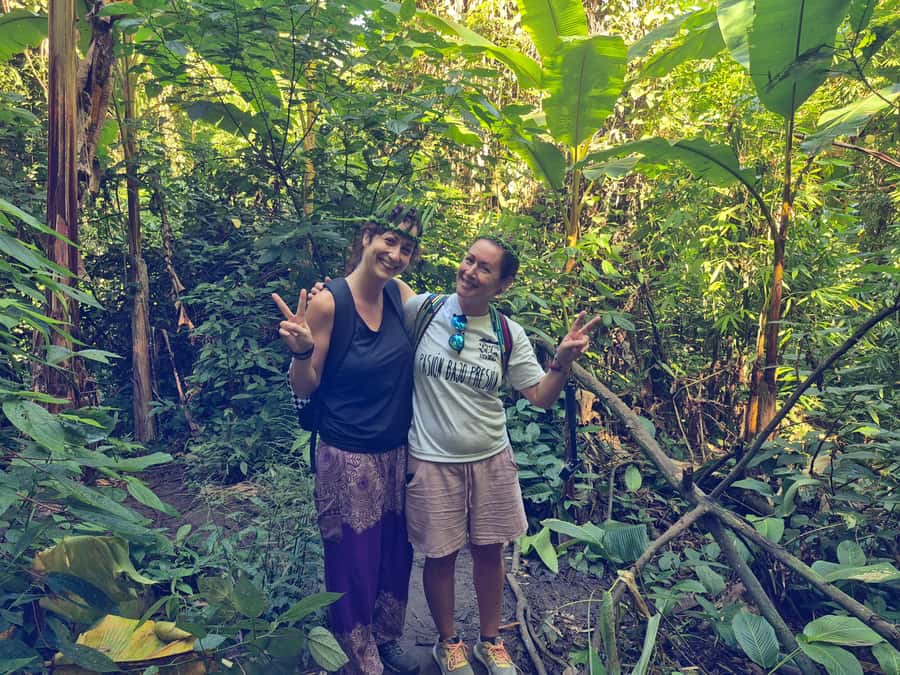
- Small group (up to 8 people) keeps the pace human and the guide easier to hear
- Village visits include Lisu, Akha, Lahu, and Chinese village stops, plus a tea plantation tour
- Bamboo tube cooking turns lunch into a hands-on class, not just a meal stop
- Waterfall swimming gives you a real reset before the hot-spring time
- Pasoet Hot SPA soak time is built into the day, with a guided portion and free relaxation
- Moderate hike distance means you’ll want proper shoes and rain/insect planning
Why This Chiang Rai Trek Works (Even If You Skip the Usual Tour Stuff)
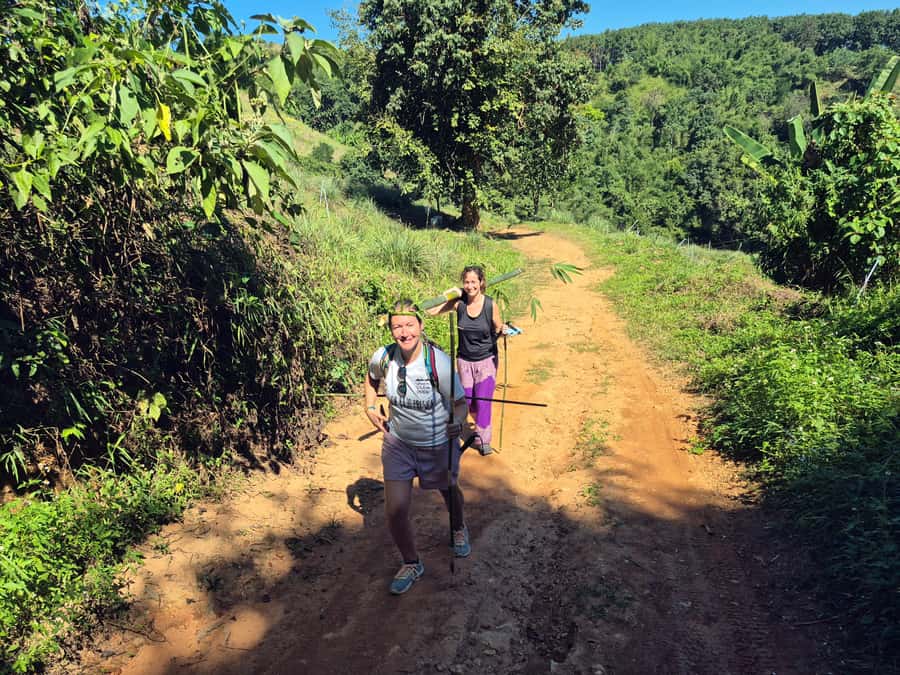
This isn’t a tour where you sit in a van and collect photos. It’s structured like a full day outdoors: drive out, walk through bamboo and jungle areas, stop at villages, cook lunch, cool off at a waterfall, then end with hot-spring relaxation. That mix is the main value.
I like the way the day gives you different “modes” of travel. In the morning you’re moving and learning. At lunch you’re hands-on cooking. Midday you cool your body in cold water. Then you finish warm and slow. It’s a smart sequence because it matches what your body wants: sweat, eat, refresh, recover.
The small group size helps too. With a limit of 8 people, you’re less likely to get lost in the crowd or feel rushed through walking time. It’s also easier for the guide to keep track of everyone’s pace on uneven ground.
You can also read our reviews of more cooking classes in Chiang Rai
Getting Oriented in Chiang Rai: Pickup, Drive, and the Trek Start
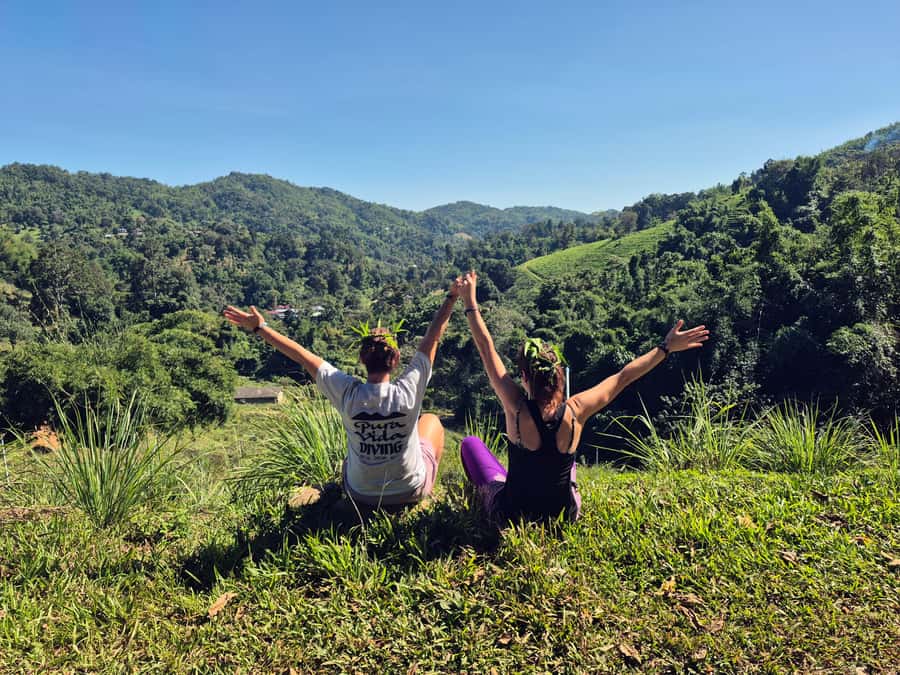
The day begins with hotel pickup from your Chiang Rai hotel lobby if it’s within about 3 km of the start area. From there, you drive roughly 45 minutes to the Pasoet hot-spring area and the trailhead zone.
That drive time matters more than you’d think. You’re basically setting your expectations for what comes next: shoes on, water ready, and a mindset for walking through natural terrain. The tour also tells you to come prepared with comfortable shoes, rain gear, sunscreen, and insect repellent. That’s a clue that the path is not paved and the weather can change.
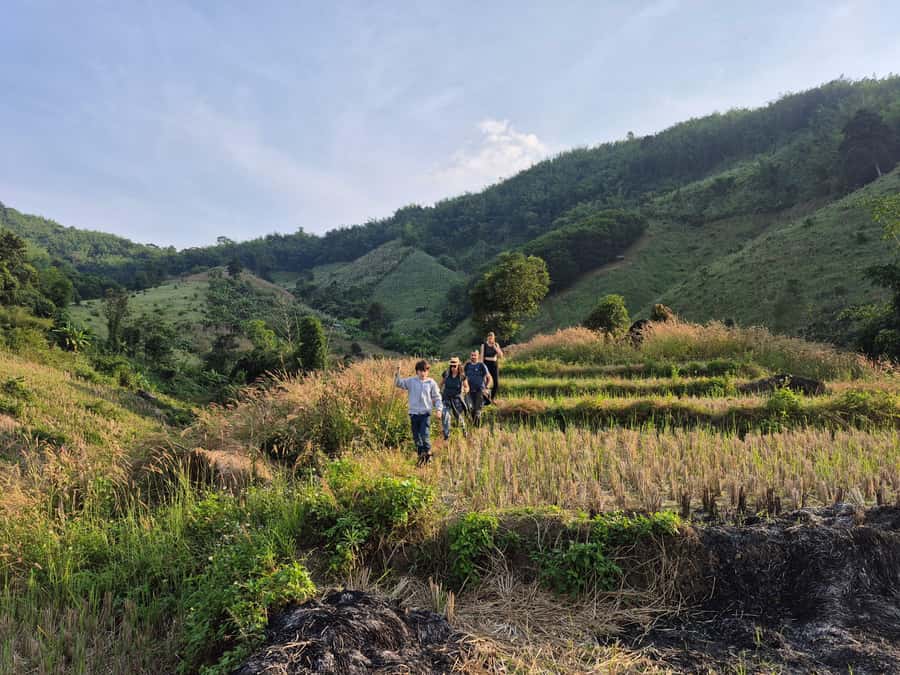
Once you’re at the trail start, you shift from car comfort to foot travel. You’ll be walking through mountainous areas and bamboo forest routes, and you’ll have time with your guide to see several stops along the way rather than treating the trek like a long transfer.
Village Visits: Lisu, Akha, and Lahu (Plus Chinese Village Stops)
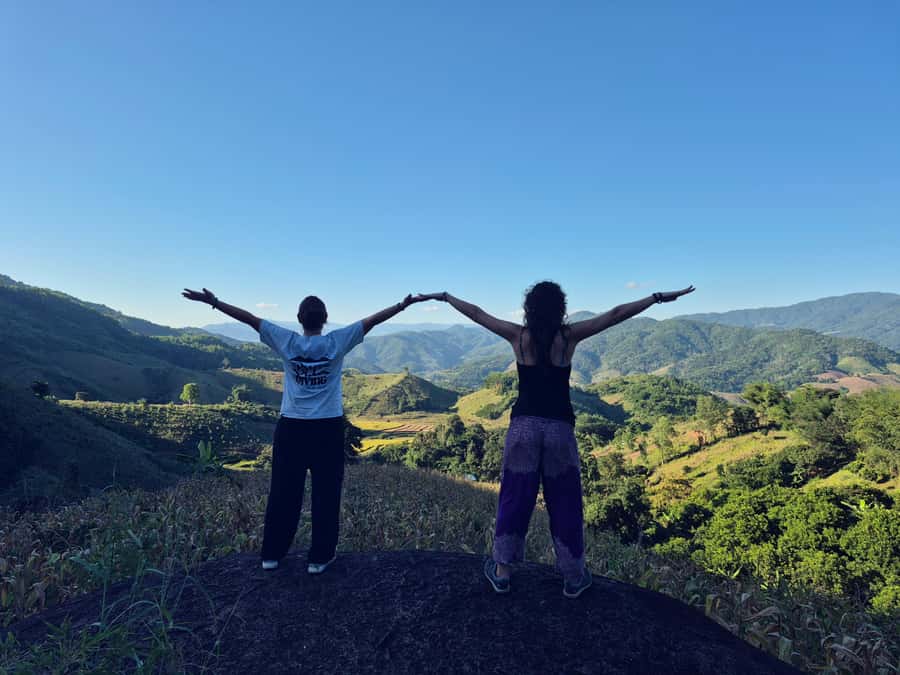
The core cultural portion is the village circuit. You’ll visit Lisu and Chinese villages first, then later walk to Akha and Lahu tribe village areas as you continue through the jungle toward Pasoet Hot SPA.
This part is where the day feels most “real-world” compared to staged attractions. You’re not just looking from behind a fence. You’re moving on foot through the countryside and meeting communities as part of the journey. Even if you don’t speak Thai, a good guide can help you understand what you’re noticing.
A few practical notes to keep this respectful and comfortable:
- Wear long pants if you have them, and keep long-sleeved layers handy for sun and insects.
- Don’t touch plants, and follow the no-littering and no-making-fire rules.
- Move at the pace your guide sets, especially on narrow village lanes or forest edges.
Because this is a trek day, village stops are not about sitting down for hours. Think of them as chances to connect the landscape to people’s daily life, then keep walking. If you like human-scale travel, this format tends to land well.
Tea Plantation Time: A Pause With Purpose
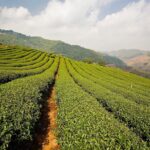
Between village areas and the cooking part, there’s a tea plantation tour. It’s a brief but meaningful segment because it connects what you’re walking through to what people actually grow and depend on.
Why this matters: it shifts your understanding of the region from scenery to agriculture. Bamboo forest and hillside paths can look like just “nature,” but tea cultivation shows that people have built routines into the land for generations.
In practical terms, this is also a mental reset. Plantation time can be an easier walk break before you get back to cooking and then swimming later in the day. If you’re the type who likes knowing where food comes from, you’ll likely enjoy this segment.
Bamboo Tube Cooking: Lunch That Feels Like a Skill, Not a Meal Stop
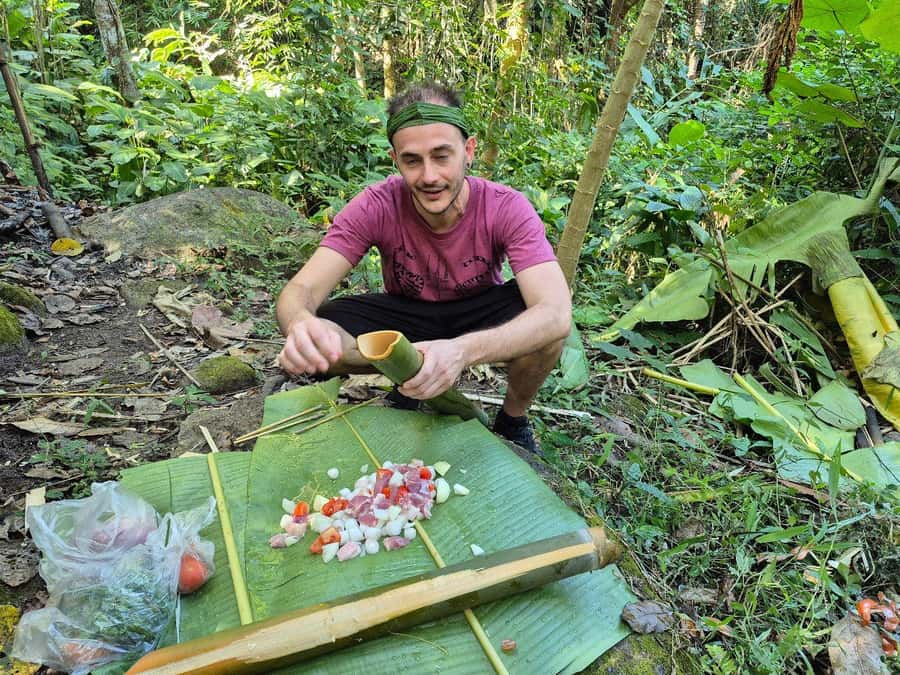
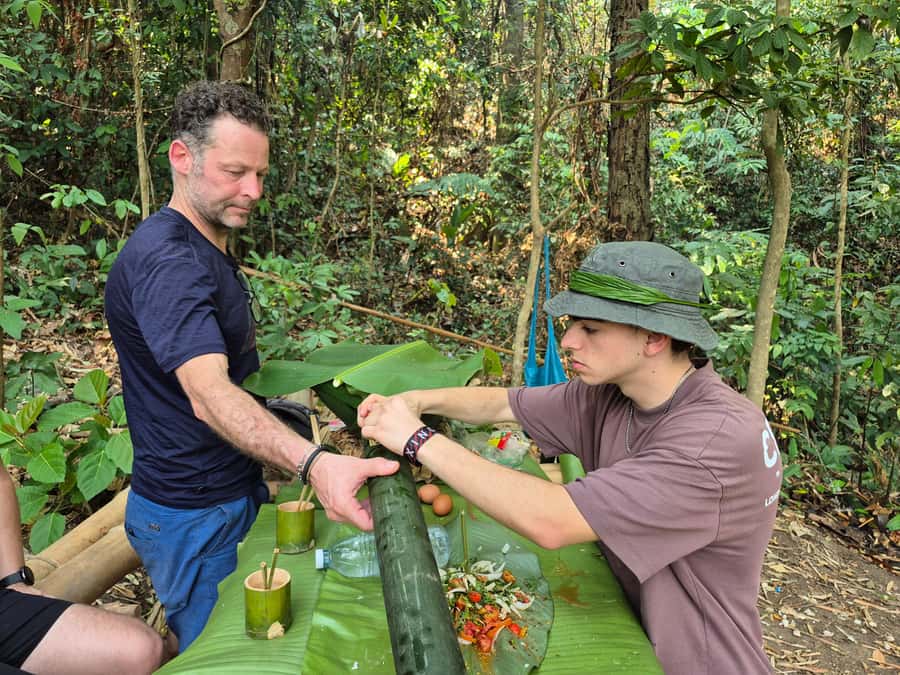
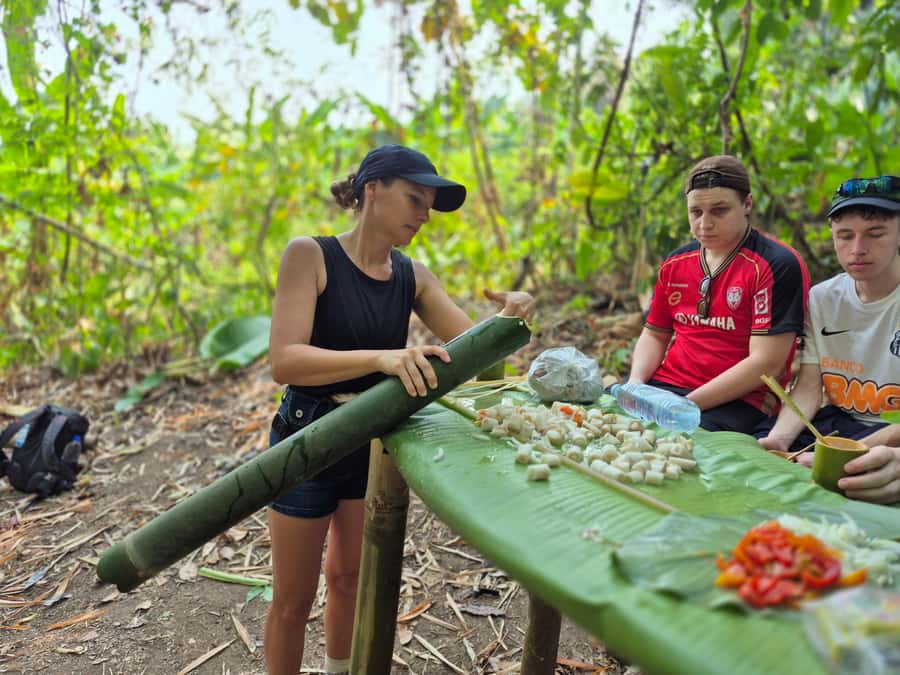
Lunch is cooked using bamboo, and the tour frames it as a cooking experience rather than a buffet line. You’ll spend about 1.5 hours at the lunch area for lunch, guided tour, and a cooking class.
This is one of the most praised elements of the day, and for good reason. Cooking in bamboo is memorable because you get to watch and participate in a local method tied to the setting you’re in. It also helps break up the hike. Your body has been walking and generating heat; then you sit down, learn a technique, and eat.
A few things to expect:
- You’ll want to stay hydrated before and after lunch, since you’re told to bring your own water and drinks.
- If you’re sensitive to spice, you might want to mention it to your guide before cooking begins.
- Bring a towel. Even though this is lunch, you’ll be near water later and you don’t want to end the day unprepared.
If you’re choosing between “culture trek” and “cooking class,” this tour blends both. The cooking isn’t an add-on; it’s scheduled as a main event.
You can also read our reviews of more hiking tours in Chiang Rai
Waterfall Swim: The Midday Reward
After lunch and continued trekking, you reach a waterfall stop where you can take a refreshing swim. The day builds this as a true cooling moment, not just a quick photo stop.
This is one of the best times to slow down mentally. You’ve already walked through forested terrain, visited villages, and cooked. Now your body gets to switch gears: cool water, short swim time, and a chance to dry off before hot-spring soaking later.
Practical tips so you’re comfortable:
- Bring swimwear and a towel (you’ll be glad you did).
- Expect a bit of wet gear. Have rain gear for the rest of the trek because weather can shift.
- Water shoes are helpful if you have them, but the tour mainly asks for comfortable and hiking-appropriate shoes.
Also note: while swimming at the hot spring is part of the program, the tour lists a swimming ticket at the hot spring of about 100 baht as not included. Budgeting for small entry fees helps you avoid surprise costs.
The Scenic Walk Toward Pasoet: Views and Wildlife Spotting
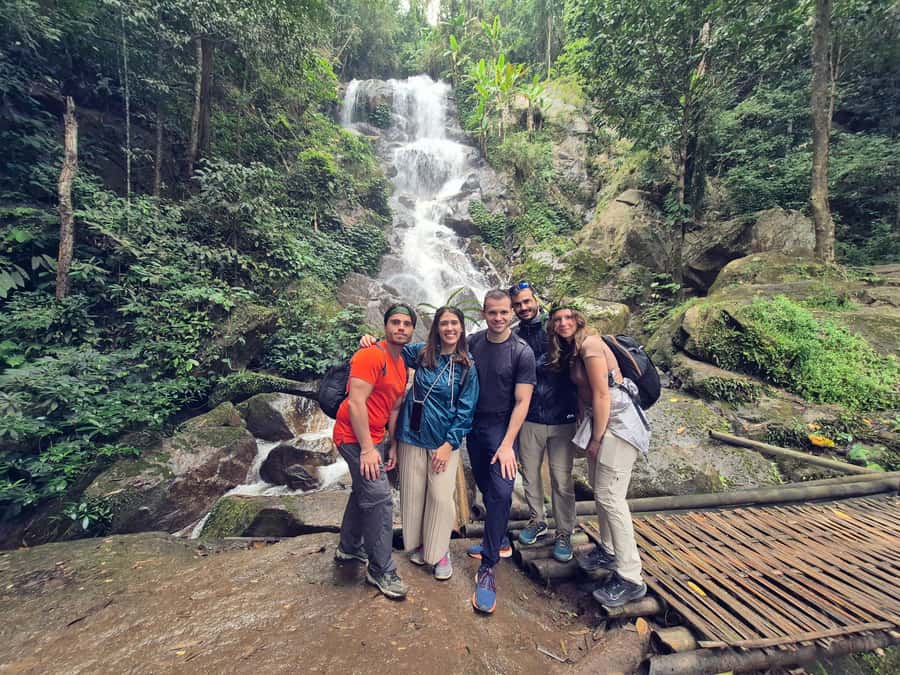
As you continue toward Pasoet Hot SPA, there’s a scenic walking segment that includes a stop called Lovers’ Bridge. Along the way you’ll get guided sightseeing, plus time framed for wildlife viewing and scenic views.
This kind of stop is valuable even if you don’t spot animals. It breaks up the hike and gives you a bit of variety in what you’re paying attention to—water views and small nature moments instead of only walking and village focus.
If you like taking photos, this is where your camera will likely get used. If you prefer quiet travel, this is also a nice section to just listen to the environment and let the guide’s explanations fill in the details.
Pasoet Hot SPA: Guided Walk, Then Time to Soak
Pasoet Hot SPA is the final big feature. You’ll spend time here in two parts: first with a guided tour and walking/hiking around the hot-spring area, and later again with a longer break, including relaxation and free time to swim.
The guide-led segment is useful because hot-spring areas can be confusing at first. A guided orientation helps you understand where to go, how to enjoy the pools, and what to expect from the site rules.
Then comes the real reward: soak time. This is where the day clicks into place. After walking about 5–6 hours and swimming at the waterfall, your muscles typically want warmth. The hot spring provides that reset.
A small heads-up on drinks: the schedule includes break time with options like beer and cocktails, but alcohol and soft drinks are listed as not included. If you want a drink, plan on paying for it on the spot.
Price and Value: What $58 Covers (and Where You Might Spend Extra)
At around $58 per person, this tour packs in a lot of day-long logistics that are usually expensive to coordinate yourself. You’re getting:
- Hotel pickup and drop-off
- A guided trek with an English-speaking guide
- Village visits (Lisu, Chinese, Akha, Lahu)
- A tea plantation tour
- Bamboo tube cooking experience plus lunch
- Waterfall visit with swimming time
- Hot-spring area time at Pasoet Hot SPA
That value is strongest if you don’t want to piece together transport, guides for villages, cooking instruction, and entrance costs. For a full day, it also tends to be cheaper than booking those components separately.
The main extra costs to plan for are:
- A hot-spring swimming ticket at about 100 baht (not included)
- Alcohol and soft drinks (not included)
If you’re traveling on a tighter budget, you can still have a great day by sticking to water and tea and treating the hot-spring ticket as a small expected add-on.
What to Bring: My No-Nonsense Packing List
This tour is outdoors, with moderate hiking and water stops. The supplied packing advice is spot-on, so use it.
Bring:
- Comfortable shoes and/or hiking shoes
- Swimwear and a towel
- Hat, sunscreen, and insect repellent
- Long-sleeved shirt, long pants (plus hiking pants if you have them)
- Rain gear
- Water and any snacks you like
- Snacks matter because you’re walking for hours
You’ll also appreciate packing light but smart: quick-dry clothing helps when you move from waterfall time to hot-spring soaking.
Who This Tour Fits Best (and Who Should Skip It)
This is best for active travelers who want a real outdoor day in Chiang Rai Province. If you enjoy small-group hikes, village visits, and hands-on food experiences, you’ll likely love how the day flows.
It’s not suitable for:
- Pregnant women
- People with back problems
- People with mobility impairments
- Wheelchair users
- Babies under 1 year
- People over 70 years
- People with insect allergies
If you fall into any of those categories, it’s worth choosing something with easier walking.
Also note the moderate physical level: total walking distance is about 10–12 km, with around 5–6 hours of walking. That means you should be comfortable being on your feet for most of the day.
Should You Book This Chiang Rai Jungle Trek & Bamboo Tube Cooking Adventure?
If you want one ticket that delivers villages + cooking + swimming + hot-spring relaxation in a small group, this tour is a strong choice. The standout for me is the guide style: you get humor, attentiveness, and explanations that make the walk feel alive, not like a timed transfer.
I’d book it if you:
- Enjoy walking in nature and can handle 10–12 km
- Like cooking experiences where you do more than watch
- Want a day with real variety, not only one attraction
I’d think twice if you:
- Have limited mobility or back issues
- Don’t like moderate hiking
- Want a mostly seated day with lots of downtime
If you’re ready for an active but well-paced cultural day, this one delivers a lot for the money.