REVIEW · BANGKOK
Bangkok: 2-Day River Kwai Trip with Floating Hotel and Meals
Book on GetYourGuide →Operated by Bigcountry Experience Co.,Ltd. · Bookable on GetYourGuide
River Kwai, but with sleep included.
This two-day trip turns a heavy WW2 route into a very human, memorable experience—starting with River Kwai Jungle Rafts and rolling into the Death Railway train ride and memorial stops. I love the mix of somber history (Hellfire Pass and war cemeteries) with real Thai river life, and I also like how the schedule keeps moving so you see the big places without getting stuck in one long stretch. One thing to consider: the days are packed, so time at each memorial site can feel tight if you want to linger.
You also get an evening that most one-day tours skip.
After a day of bridges, boats, and jungle heat, you settle into a floating stay and even get a Mon Dance performance—less like a show, more like a cultural window. That said, if you’re the type who hates moving-on energy, plan for a long, structured pace across both days.
In This Review
- Key highlights at a glance
- From Bangkok to Kanchanaburi: a route with emotional weight
- Thailand–Burma Railway Centre and the war cemetery: start with context
- The River Kwai Bridge: a famous structure with a darker backstory
- Long-tail boat to the floating raft hotel: the trip slows just enough
- Hellfire Pass Memorial at Phu Takian Pier: plan for heat and time limits
- Dinner on the rafts + 45-minute Mon dance: culture, not just a performance
- Day 2 with a Mon village trek: learn customs, not just names
- Death Railway train ride: historic track, limited photo angles
- Return to Bangkok: long travel days, but smooth coordination
- Price and value: what $241 buys you (and why it’s not just “transport”)
- Who this tour is best for
- Booking verdict: should you go?
- FAQ
- What’s included in the meals?
- Does this tour include an English-speaking guide?
- Where are pickup options in Bangkok?
- What kind of accommodation do you get overnight?
- Is the tour wheelchair accessible?
- What do I need to bring?
Key highlights at a glance
- Floating bamboo raft hotel for that true “river at night” feeling
- Hellfire Pass Memorial plus the WWII context that makes it hit harder
- River Kwai Bridge and the POW-built railway story around it
- Death Railway train ride along the original route with historic track moments
- Mon village visit + jungle trek to understand local traditions firsthand
- Dinner and a Mon dance on the raft hotel night, included in the plan
From Bangkok to Kanchanaburi: a route with emotional weight
Kanchanaburi is one of those regions where the scenery can look calm while the history is anything but. The trip starts with pickup from your Bangkok hotel (or River City Bangkok if you’re outside the listed areas), then you head west toward Kanchanaburi Province.
What I like about this format is that it’s organized around the key sites you’ll actually want to see: museums and cemeteries for context, then the bridge and pass for geography, and finally the railway route itself. You’re not just ticking boxes—you’re walking a chain of places that explain how the Thailand–Burma Railway era shaped the area.
You’ll also be traveling as a group with an English-speaking guide and included admissions. That matters here, because the meanings behind each stop get lost fast when you’re trying to puzzle it out alone.
A few more Bangkok tours and experiences worth a look

Thailand–Burma Railway Centre and the war cemetery: start with context
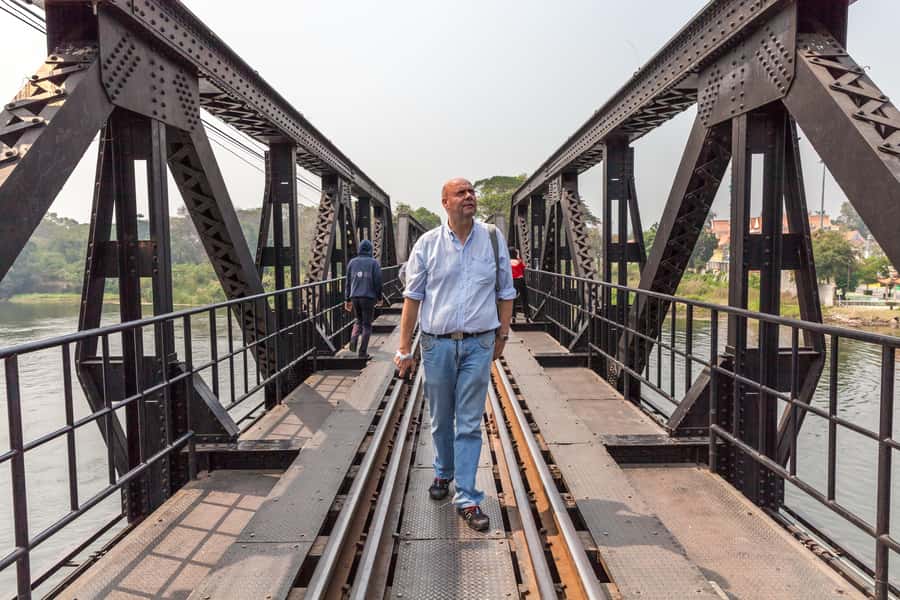
Your first major stop is the Thailand–Burma Railway Centre, which is set up as an interactive museum and research facility focused on the Thailand–Burma Railway story. This is where you get the background that makes the rest of the day make sense. It’s the difference between seeing ruins and understanding why those ruins exist.
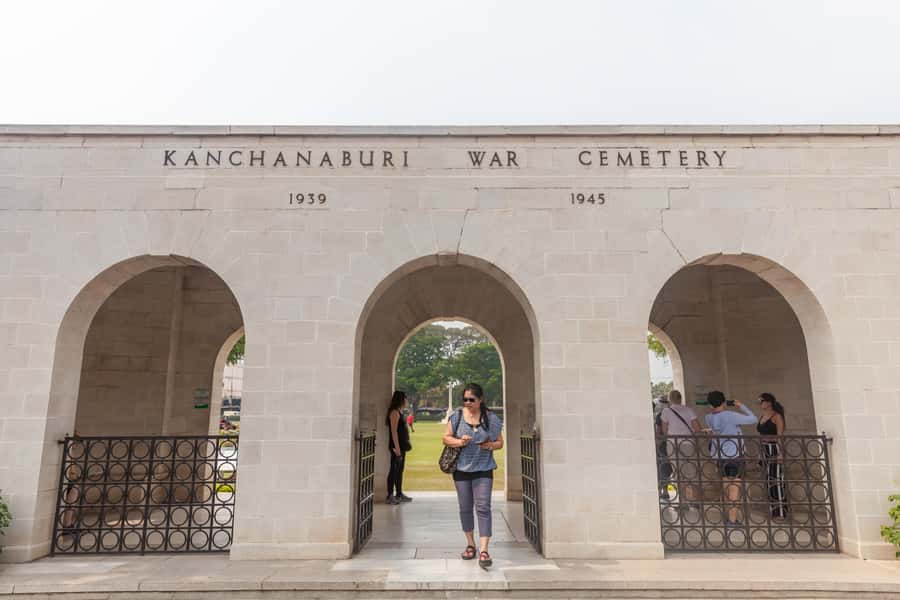
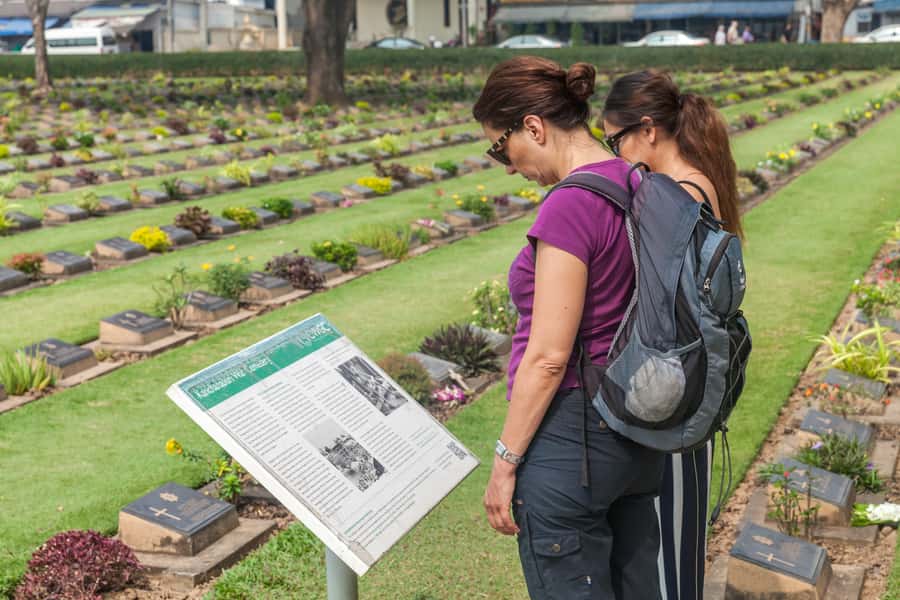
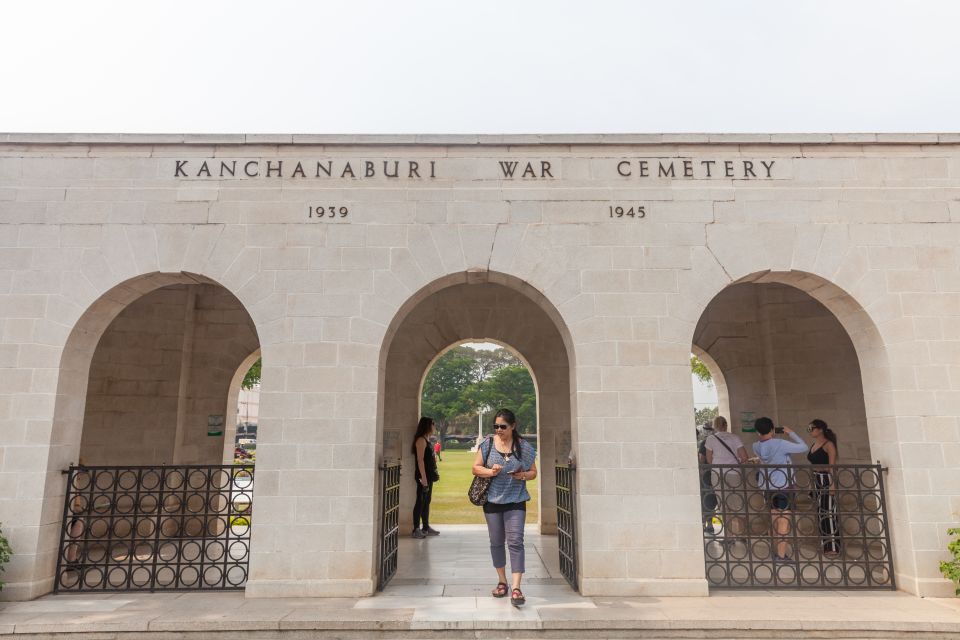
Next comes the Allied War Cemetery, built to commemorate around 6,000 Allied prisoners of war who died along the railway line and were later moved to this resting place. The cemetery is well kept, and it’s the kind of stop where you’ll feel the silence more than you’ll hear explanations. The guide helps you connect the history to the physical place, which keeps it respectful instead of rushed.
Practical note: if you’re sensitive to emotional sites, give yourself a calm moment here before the day gets more active with boats and the bridge area.
The River Kwai Bridge: a famous structure with a darker backstory
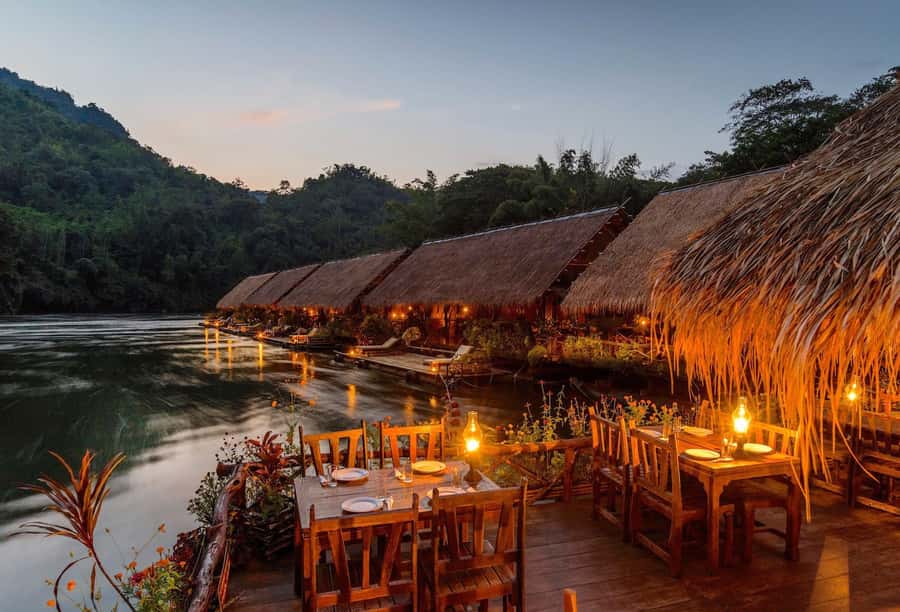
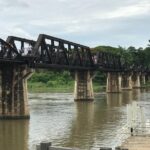
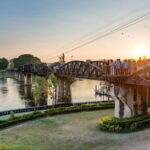
Then you get to the Bridge over the River Kwai, part of the Death Railway. It’s “world famous,” yes—but what makes it worth your time is the context you’re carrying from the morning. The bridge was constructed by Allied POWs, and that reality changes the way you look at it.
From a photo perspective, it’s still a great view point. But don’t treat it like a generic scenic stop. I recommend spending your time reading the story around the bridge rather than just chasing perfect angles. You’ll get more out of it, fast.
Afterward, you move toward lunch via river travel, and that’s where the trip begins to feel different from a typical history day tour.
Long-tail boat to the floating raft hotel: the trip slows just enough
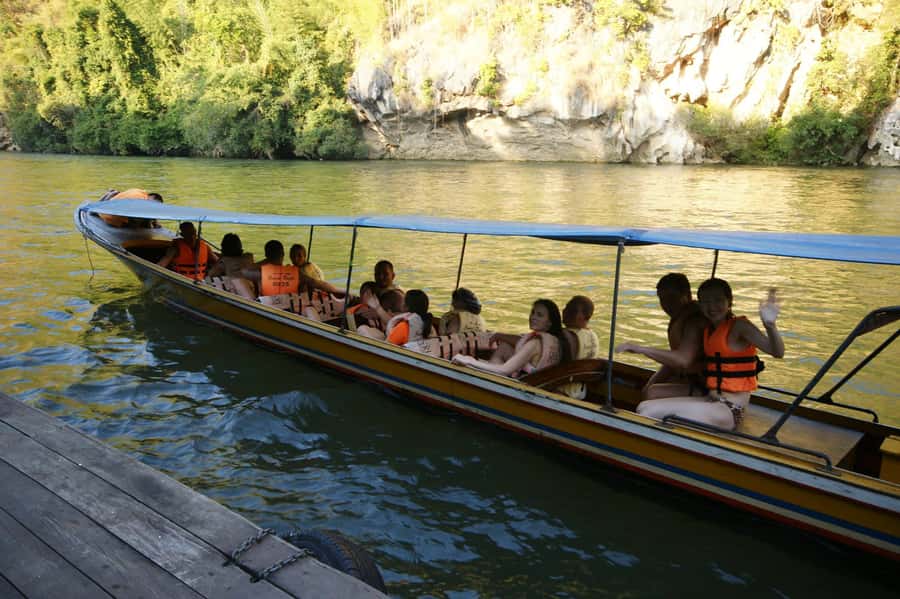
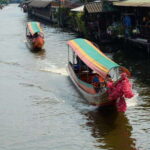
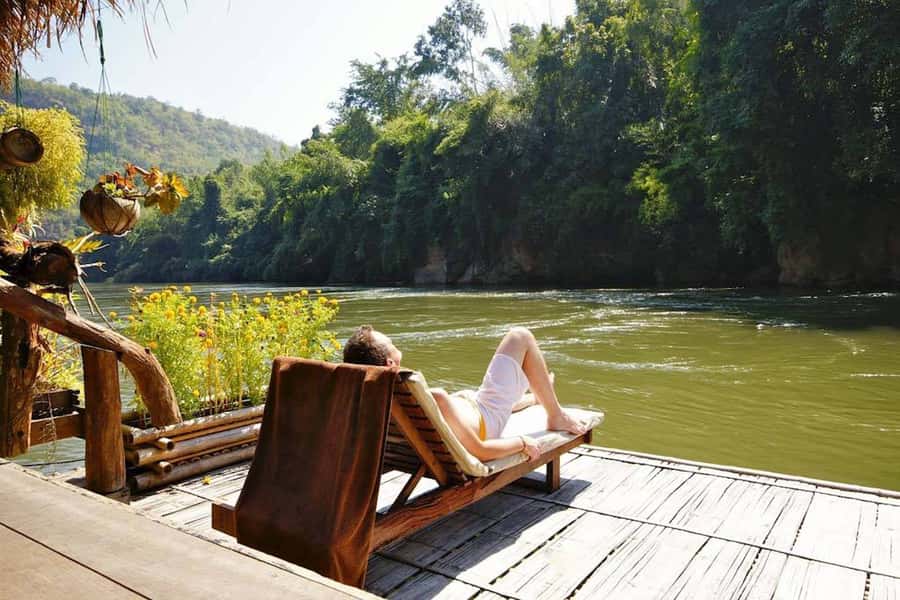
Lunch is on the river, after a long-tail boat ride on the River Kwai to the floating hotel at River Kwai Jungle Rafts. This is one of the best “value for your money” moments in the whole experience because it changes your perspective.
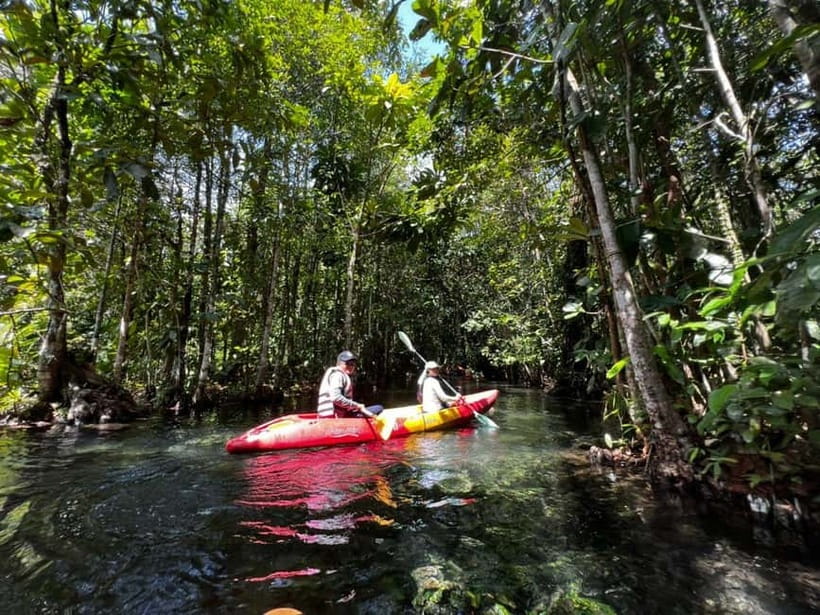
Instead of sitting in a bus again, you’re traveling the river itself. The sound, the water movement, and the way the area looks from the boat make the day feel real rather than staged.
And the floating stay is where many people feel the emotional contrast the strongest. The setting is peaceful, and that peace doesn’t erase the history—it just gives you space to digest it.
Hellfire Pass Memorial at Phu Takian Pier: plan for heat and time limits
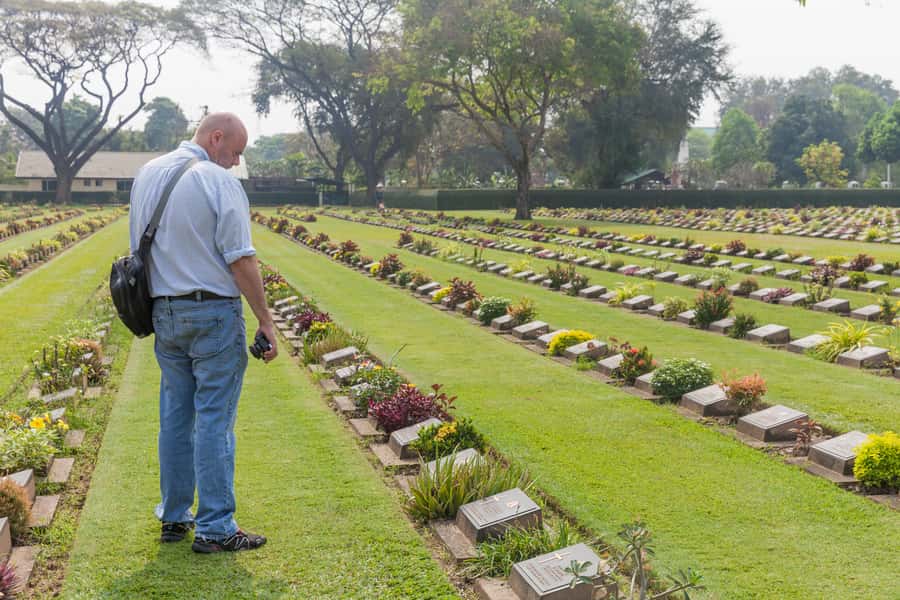
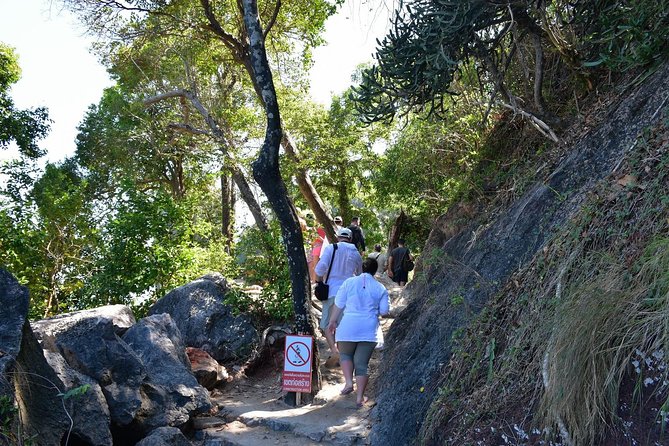
After lunch, the tour goes downstream to Phu Takian Pier, then on to Hellfire Pass Memorial. This is a major emotional highlight of the route because you see (and understand) the human cost behind the railway work in a very specific place.
Two things matter for your experience here:
- It can be hot, especially during warmer months, so bring what you’d bring for sun-heavy walking.
- Expect the visit to be efficient, not a slow, open-ended wander.
If you want to linger, you may feel the schedule pressing you forward. That’s the one real tradeoff of this otherwise tightly organized tour style: you’ll cover the big stops, but you won’t always have unlimited time at each memorial. If Hellfire Pass is your top priority, go in ready to absorb quickly and choose what you read carefully.
If you like audio learning, having an audio option can help you focus your attention on the story as you walk the pass area—especially if the day feels hurried.


Dinner on the rafts + 45-minute Mon dance: culture, not just a performance
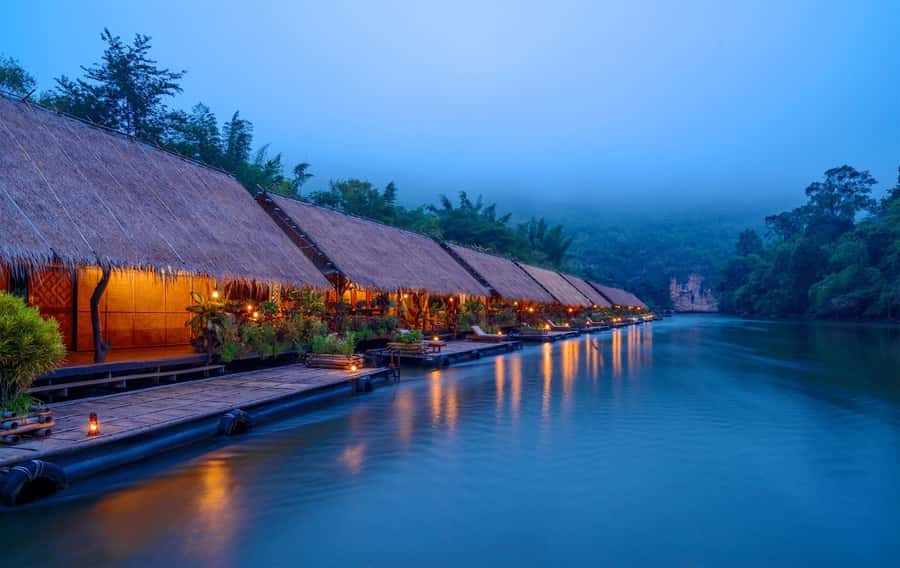
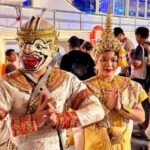
Back at the raft hotel, you’ll have dinner on Day 1, then a 45-minute traditional Mon Dance presentation. This is not presented like a random add-on. The Mon cultural angle is part of what makes the floating hotel more than “just somewhere to sleep.”
What I’d expect you to enjoy here is the tone. The dance becomes an evening ritual, tied to the people and the setting rather than a quick entertainment stop. It’s also a nice reset after a heavy day: you’ve got history in the morning and concrete memorial sites in the afternoon, then culture and community in the evening.
Practical comfort tip: if you’re photographing or walking around after dark, bring your own small light. Some raft stays use basic lighting, and it can be tough to see clearly at night without a flashlight/headlamp.
Day 2 with a Mon village trek: learn customs, not just names
Day 2 starts with a Mon tribal village visit where you learn local traditions and customs. This is where the trip becomes more than WWII sites. You’re seeing how a community continues its identity today, and you’re learning through a guided walk rather than just looking at objects.
Then there’s a jungle trek. It’s not presented like an extreme hike, but you should still dress for humidity and uneven ground. You’ll also have lunch at a local restaurant after the trek.
This block of the trip is also where you’ll get the best “Thailand you don’t see from a tuk-tuk window” feel. The pace is outdoors, local, and hands-on—exactly the kind of contrast that makes the floating hotel night feel meaningful rather than gimmicky.
Death Railway train ride: historic track, limited photo angles
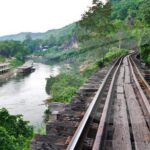
Next comes the main-ticket item for train fans: a historic train ride on the Death Railway, passing over an original wooden viaduct built by Allied prisoners of war.
This is one of those experiences where the value isn’t only the novelty—it’s the fact that you’re traveling along a route tied to the railway’s original story. The train setting is emotionally connected, and the guide framing helps you look at it differently than you would on a modern commuter line.
A practical heads-up: if you’re hoping for close-up, sharp photos of wooden trestles from your seat, you might find views can be limited. You’ll still see the route and feel the moment, but it’s not a cinematic photo shoot.
You may be offered an option to upgrade to a first-class carriage (reported as an additional 150 Thai baht per person). If you care about space and comfort during the ride, that upgrade can be worth considering. If you mainly want the experience, standard seating should be fine.
Return to Bangkok: long travel days, but smooth coordination
By the evening, you’re transferred back to your Bangkok hotel area, which is one of the best “back end” advantages of booking a packaged tour like this. You don’t have to figure out timing across river transfers, pier stops, and train scheduling. The logistics are handled for you.
That said, expect a longer day overall. Even with smooth coordination, you’re moving between far-flung places in central Thailand, so the ride back can feel like the final stretch of a long but rewarding weekend.
If you’re the kind of person who likes buffer time, this is a good one to book when you already know you’ll be okay with a late evening.
Price and value: what $241 buys you (and why it’s not just “transport”)
At $241 per person for 2 days, this isn’t a budget transfer. But it’s also not priced like a luxury retreat.
Here’s what that money typically covers in your day-to-day life:
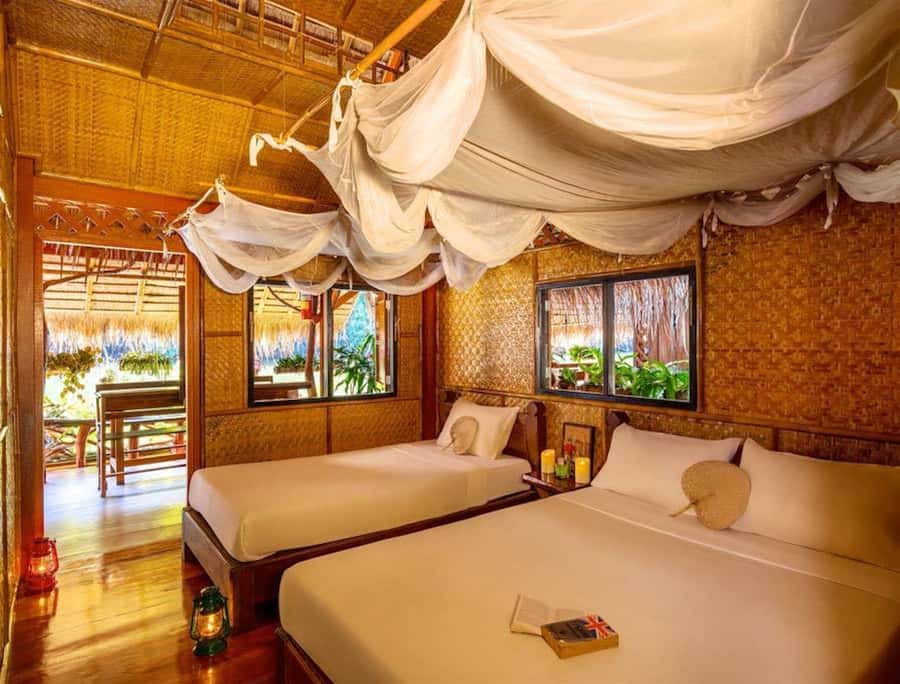
- One night accommodation on a twin basic room at River Kwai Jungle Rafts
- Meals: lunch on both days, plus dinner Day 1 and breakfast Day 2
- English-speaking guide and admissions for the stated attractions
- Roundtrip transportation between Bangkok downtown and the Kanchanaburi region
- Insurance included
In practical terms, the value is in the bundled effort: WW2 museum/cemetery access, guided context, multiple river and road legs, and the raft hotel night that would be time-consuming to coordinate yourself. If you were trying to DIY, you’d likely spend a lot of time piecing together transport and getting the same sequence of sites without missing key locations.
Where the value can be more personal is this: if you don’t care about WWII sites much, or if you won’t enjoy a basic-but-cozy overnight on a raft, then the price won’t feel as justified.
Who this tour is best for
This trip fits best if you want:
- WWII history that’s geographic and understandable, not just names and dates
- A change of pace from Bangkok with a river-based night
- Cultural context through the Mon village and Mon dance
- Guided structure so you don’t lose time translating or finding the right places
It’s also a strong pick for couples who want a romantic-feeling stay, and for solo travelers who like history days that still include atmosphere at night.
If you’re traveling with kids, it’s not suitable under 2 years, and it’s wheelchair-inaccessible based on the tour details. If you have mobility issues, you’ll want to consider alternative options.
Booking verdict: should you go?
I’d recommend this tour if your ideal weekend in Thailand looks like: morning learning, afternoon memorials, a river hotel night, and a historic train ride on the original route. The raft hotel plus Mon cultural evening is the kind of combination that’s hard to replicate with DIY planning.
I’d think twice if you strongly prefer slow travel or you’re the type who needs lots of time at each memorial. This schedule hits the big moments, but it won’t pause for you to linger the way an independent itinerary might.
If you can handle a structured pace, this is one of the more memorable “history with atmosphere” trips you can do from Bangkok.
FAQ
What’s included in the meals?
Lunch is included on both days, plus dinner on Day 1 and breakfast on Day 2. Extra meals and drinks are not included.
Does this tour include an English-speaking guide?
Yes. You’ll have an English-speaking guide for the tour.
Where are pickup options in Bangkok?
Pickup is available from hotels in Sathorn, Silom, Siam, Pratunam, Khaosan Road, and Ratchathewi. If your hotel isn’t in those areas, you’ll meet at River City Bangkok (23 Soi Charoen Krung 24).
What kind of accommodation do you get overnight?
You stay for 1 night at River Kwai Jungle Rafts in a twin-room basic setup.
Is the tour wheelchair accessible?
No, it’s not wheelchair accessible.
What do I need to bring?
You’ll need a passport or ID card.