REVIEW · BANGKOK
2 day 1 night Elephant World Kanchanaburi from Bangkok
Book on Viator →Operated by Amazing Asia Tours Co., Ltd. · Bookable on Viator
A trip that mixes elephant care with real nature time. This 2-day, 1-night Elephant World program in Kanchanaburi from Bangkok is built around hands-on routines like bathing and preparing meals, plus an overnight stay in a traditional Thai cottage. You’ll also get structured time with mahouts, including a morning walk depending on the season, and a hike for mountain views.
I especially like that the schedule isn’t just a quick show. You help with daily tasks such as cleaning fruit/vegetables, cooking sticky rice for older elephants, and gathering or planting food (like banana trees or sugarcane). It’s also reassuring that you’re not dropped into a free-for-all: the experience is described as a private program for your group, with pickup and transfers in an air-conditioned vehicle.
The main consideration is the elephant-contact style. Activities can include elephant bathing and close handling, which is exactly the sort of thing that can make some wildlife travelers uncomfortable if they hold stricter views on what ethical elephant programs should offer—so read carefully and go with your own standards.
In This Review
- Key things to know before you go
- Kanchanaburi in 2 days: how the early start actually works
- Day 1 at Elephant World: bathing, food prep, and seeing daily routines
- Your night in a traditional Thai cottage: why the forest timing matters
- Day 2: walking into the forest, a mountain hike, and early bird watching
- Price and value: what you’re really paying for ($405.52)
- Elephant bathing and hands-on contact: how to judge the experience on your terms
- Who should book this Elephant World Kanchanaburi 2-day stay
- Should you book? My take
- FAQ
- What time does pickup start?
- How long is the experience?
- Is the tour private?
- What’s included in the price?
- Is the mountain hike free?
- What is the cancellation policy?
Key things to know before you go
- Return transfer from Bangkok in an air-conditioned vehicle, with hotel pickup in the early morning
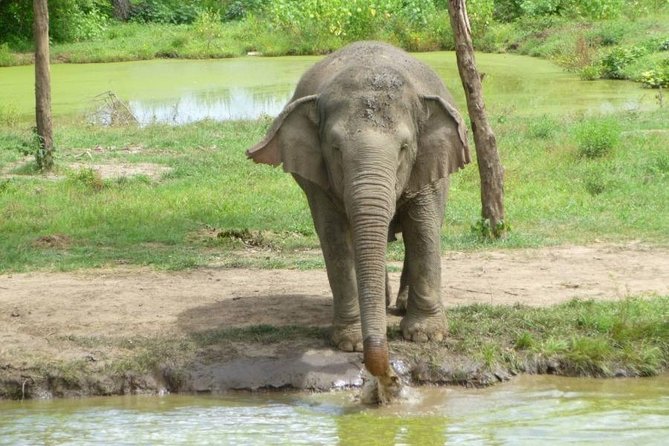
- Hands-on elephant work: bathing observations, cleaning food, and cooking sticky rice for older elephants
- Food growing and prepping during the day program, including gathering or planting items for the elephants
- Overnight timing matters: the forest walk is designed around the elephants’ daily routine (season dependent)
- Day 2 includes a mountain hike with a stated fee of 100 baht per person
- Meals are covered across both days, with breakfast, lunch, and dinner included
Kanchanaburi in 2 days: how the early start actually works
Most days feel rushed when you leave Bangkok for something nature-based. This one at least has a built-in rhythm. Pickup starts at 6:30am, then you’re transferred about 2.5–3 hours to Elephant World Kanchanaburi. That travel time matters because it shapes the whole trip: you arrive early enough to start elephant activities the same day, instead of “wasting” the first afternoon.
The transport is also part of the value. You’re not expected to figure out independent rides; the program includes return transfers and uses an air-conditioned vehicle. For many people, that’s the difference between a workable plan and a stressful one—especially if you’re going in a group and want everyone moving together.
One small logistics note: the itinerary calls the day 1 program ending around 3:30pm. That’s helpful because it means you’re likely to have a clear evening block for dinner and rest after the main elephant work.
You can also read our reviews of more evening experiences in Bangkok



Day 1 at Elephant World: bathing, food prep, and seeing daily routines
Day 1 starts with arrival and meeting the elephants. The focus isn’t framed as a lecture or a postcard moment. It’s framed as work that you assist with, observe, and learn from.
Here’s what you can expect as the day unfolds:
Elephant bathing and observation time
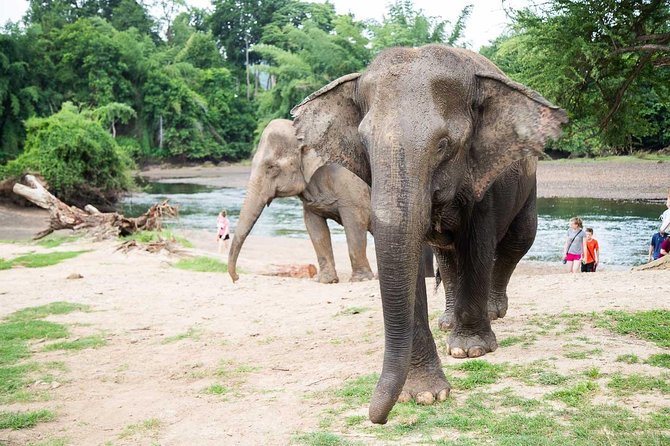
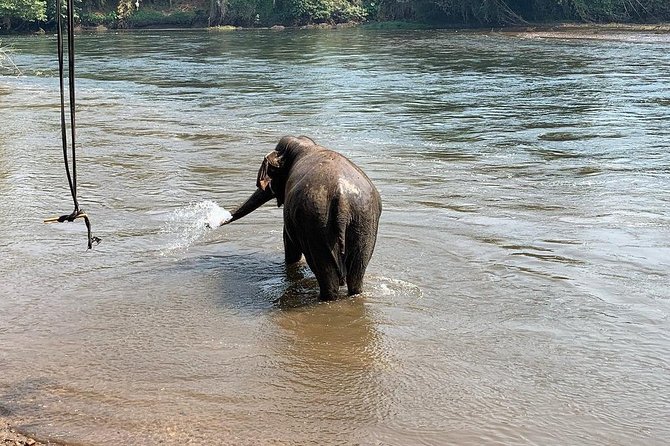
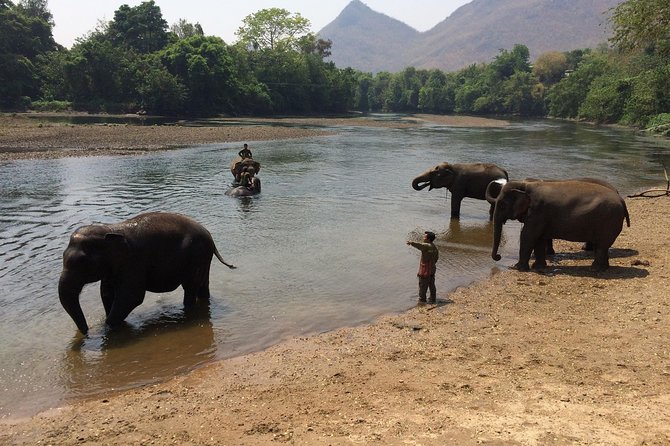
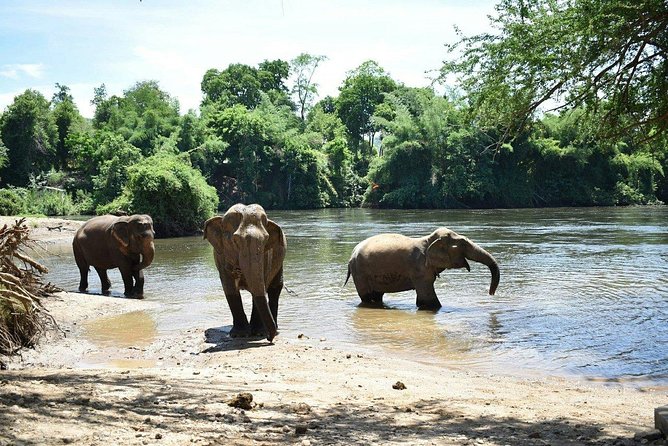
You’ll observe elephants bathing. You may see them at close range during the bathing period, and the program positions this as part of their routine. If you’re the type who prefers only passive viewing, this is the exact section you’ll want to think through ahead of time. On the other hand, if you’re comfortable with guided contact as part of care routines, this will likely feel like the most memorable part of day 1.
Cleaning produce and cooking sticky rice for older elephants
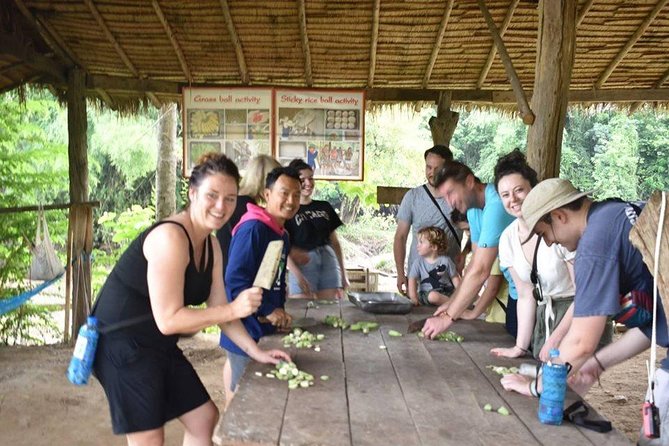
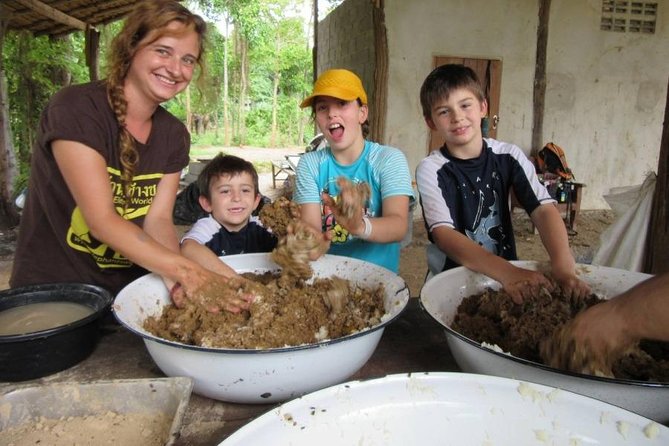
Next comes practical food preparation: cleaning fruit and vegetables, and helping prepare and cook sticky rice for the older elephants. I like that this isn’t just “feed and leave.” Sticky rice prep is hands-on, and it also hints at the care focus—older elephants often need specialized feeding routines, and the program builds that into the day.
Lunch, then food gathering/planting prep for later
After lunch, you’ll move into gathering or planting food for the elephants. The examples given include items like banana trees and sugarcane, and there’s also mention of preparing fruit baskets for the afternoon. This part is easy to miss in other animal experiences because it’s not flashy, but it’s exactly the kind of behind-the-scenes work that makes a difference to how the place functions day to day.
What makes day 1 feel “real” is the mix. You go from observation (bathing) to physical tasks (cleaning, cooking) to planning (food gathering and baskets). It’s also spread out, not all crammed into the morning.
If you want to get the most out of it, treat day 1 like a learning day. Ask what the tasks are for and how the schedule connects to elephant needs. Some programs use big words; here the emphasis is on routine tasks, so the answers are often straightforward.
Your night in a traditional Thai cottage: why the forest timing matters
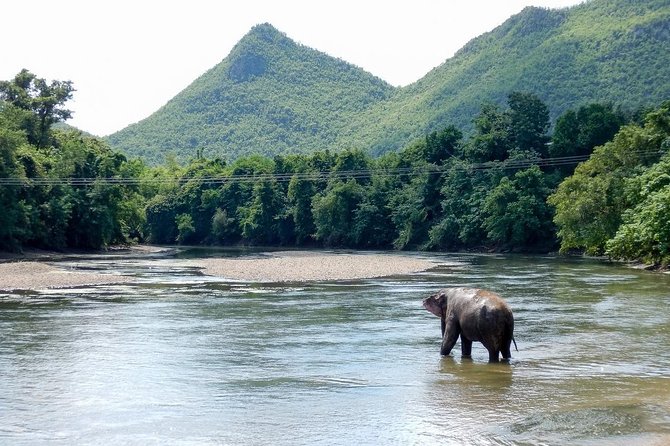
After day 1 wraps around 3:30pm, you spend the night in a traditional Thai cottage surrounded by nature. That sounds simple, but it changes the feel of the trip. You’re not going back to the city and sleeping in a hotel bed like it’s any other tour day.
The real payoff shows up on day 2. The itinerary is explicit about why overnighting is included: in the wet season, elephants sleep and eat in the forest, and the program uses your overnight to enable a walk into the forest at the end of the day. Then you get an early start the next morning to bring them back in before the day activities begin.
In the dry season, the walk is described as happening in the morning. So the “same” tour becomes a different experience depending on the season and where the elephants are staying at night.
This is one of those details that can quietly make or break your trip. If you only did a one-day visit, you might miss this whole routine-based piece. Here, the overnight is what makes the schedule line up with elephant life instead of forcing everything into one short block.
Dinner and breakfast are included, and that matters because you won’t waste time hunting for food before your next set of activities. You’ll also likely appreciate the pacing: day 1 is hands-on work, and day 2 begins early.
Day 2: walking into the forest, a mountain hike, and early bird watching
Day 2 starts with the elephant walk, but the exact timing and setting depends on season—again, based on the elephants’ forest routine.
Walking the elephants to the forest (wet season) or a morning walk (dry season)
In wet season, the program describes you walking elephants out into the forest with the mahouts at the end of the day, then getting up early to bring them back in before day activities begin. In dry season, you can take a walk in the morning.
I like that the program is honest about these differences. Too many tours hide behind fixed descriptions that don’t match actual conditions. Here, you’re getting the season-aware version of the plan, which usually means a better match to what you’ll see that day.
Hiking to the mountain top with a direct fee
After the elephant walk time, you follow a mahout to the top of a mountain. The hike is described as something everybody can climb, and you’ll get views and look to the other side. There’s a stated cost: 100 baht per person. The program also mentions this as a tip for the mahout that you can give yourself.
So you’ll be paying two layers of “money thinking” on day 2: the set fee for the hike, and then your own choice around other tips. Since tips aren’t listed as included, this is one area where you should plan ahead in your head so you’re not scrambling with cash right when the moment comes.
Early morning bird watching
The itinerary includes bird watching in the early morning. Even though the details are brief, the idea is clear: once you’re already up, moving, and in a more natural setting, you shift your attention from elephants to the local wildlife you can spot by sight and sound.
Day 2 runs about 8 hours, and with all these pieces, it’s the “active” day after day 1. Wear clothing you don’t mind getting used. Between forest paths and hands-on elephant tasks, this isn’t the kind of tour where you’ll keep your camera strap pristine.
Price and value: what you’re really paying for ($405.52)
The listed price is $405.52 per person for a 2-day, 1-night experience. That number can look high if you compare it to a standard day trip. But when you break down what’s included, it starts to make more sense.
What you’re paying for:
- Pickup and return transfers from Bangkok in an air-conditioned vehicle
- Accommodation for one night in a traditional Thai cottage
- Meals and drinks plan: breakfast, dinner, and lunch (lunch is listed as twice)
- All fees and taxes are included
- A structured elephant care program with the help you’re expected to provide
- A setup that’s described as private for your group, plus mobile ticketing and group discounts
What’s not included:
- Other meals (besides the ones listed)
- Other drinks
- Tips
Is it good value? For me, it depends on your travel style. If you hate early-morning logistics and you’d rather pay for simplicity, the included transport and cottage sleep are real value. If you’re mainly chasing an animal encounter with minimal time commitment, the price may feel steep.
Also consider the time cost. You’re spending two full days. But you’re also staying overnight and aligning the elephant walk with seasonal routines. That overnight element is usually what separates a cheap “see them once” trip from a more complete experience.
If you’re budget-conscious, the key question is whether you’ll actually use what’s included. Do you care about meal prep, food gathering, and forest walking? If yes, this price is easier to justify. If your main goal is just a quick elephant photo moment, you might not feel like the schedule matches your expectations.
A few more Bangkok tours and experiences worth a look



Elephant bathing and hands-on contact: how to judge the experience on your terms
Let’s talk straight about ethics, because it matters here.
This program includes elephant bathing and hands-on participation in tasks like food prep and cleaning produce. That kind of close contact can be emotionally intense, and it can also be polarizing. Some people feel bathing should never be part of elephant interaction. Others feel that when contact is part of daily care routines and the animals are treated as individuals with needs, it can be acceptable.
How do you judge it before you commit? Use your own checklist:
- Do you know what role you’re playing (care task vs entertainment)?
- Are handlers positioned as caretakers (mahouts) guiding the activities with purpose?
- Is the schedule about daily elephant routine, food, and wellbeing—or just set pieces for visitors?
The program is clearly framed as a care-and-routine experience: meal prep for older elephants, food gathering and planting for later, and walking elephants in ways tied to the elephants’ forest habits. That’s a big factor in how it feels day to day.
At the same time, if bathing is a hard no for you, you’ll want to decide that upfront rather than hoping it won’t be prominent. In a tour like this, it isn’t hidden. It’s right in the day 1 focus.
My practical advice: if you care about ethical alignment, ask direct questions when you confirm your booking. You want clear language about what bathing means in practice, how often it’s done, and how the elephants’ choices and wellbeing are handled in the routine described.
That way, you can protect your own peace of mind, not just your itinerary.
Who should book this Elephant World Kanchanaburi 2-day stay
This is a good fit if you want:
- A structured elephant care routine instead of a short viewing-only stop
- A two-day plan that includes overnight nature time (not just a day trip)
- Hands-on tasks like cleaning produce and cooking sticky rice for older elephants
- The season-based elephant walk into the forest
It might be less ideal if:
- You dislike any elephant bathing or close handling, even if it’s part of routine
- You want a low-activity vacation with lots of downtime (this is active and structured across two full days)
- You’re uncomfortable with fees that show up day 2, like the 100 baht mountain hike cost
One more tip: this is listed as suitable for most travelers. That doesn’t mean it’s a walk in the park. There’s a hike and a forest day schedule, so plan for some physical effort and early mornings.
Should you book? My take
I’d book this if you’re the kind of traveler who cares about how elephants are fed, cared for, and moved through daily life. The best part of the value here is the overnight: it ties your visit to the elephants’ forest routine, not just to a visitor timetable. The included meals and cottage stay also reduce stress, which is underrated.
But I would not book it on autopilot if elephant bathing and close contact are deal-breakers for you. This itinerary makes those elements part of the core day 1 program, not an optional add-on.
If you do book, go in with open eyes and clear questions. Treat the experience like a care-focused tour, and decide in advance how you feel about the contact style.
FAQ
What time does pickup start?
Pickup is scheduled for 6:30am.
How long is the experience?
It runs for 2 days (about 2 days, with day-by-day programs listed).
Is the tour private?
Yes. It’s described as a private tour/activity, meaning only your group participates.
What’s included in the price?
The included items list breakfast, dinner, and lunch (2 lunches), plus all fees and taxes, and air-conditioned vehicle transfers. Mobile ticketing is also part of the setup.
Is the mountain hike free?
No. There is a stated fee of 100 baht per person for hiking to the top of the mountain, and it’s described as a tip for the mahout you can give yourself.
What is the cancellation policy?
You can cancel up to 3 days in advance of the experience for a full refund, and changes within 3 days are not accepted.