REVIEW · PHUKET
Thai Cooking Class by Kata Thai Cooking School in Phuket
Book on Viator →Operated by Oh-Hoo · Bookable on Viator
Four hours, four Thai dishes, big flavor gains. In Phuket’s Kata area, this hands-on class keeps things small, friendly, and focused on real cooking skills—plus you’ll learn why Thai food matters in everyday culture. It’s a fun way to get past just ordering Thai off a menu.
I love the small-group size (max 12), because it keeps instruction clear and personal instead of rushed. I also like that you start with something calming (lemongrass tea) and finish with a recipe booklet and apron you can actually use later.
One consideration: the schedule needs good weather, and parts of the experience (especially the market approach) can mean a bit of walking and standing.
In This Review
- Key Things To Know Before You Go
- Kata Beach Location: A Cooking Class That Fits a Phuket Day
- Meet Sally and Jim: Small-Group Teaching With Real Confidence
- Morning vs Afternoon: What Changes and Why It Matters
- Morning course flow (often more cooking-focused)
- Afternoon course flow (includes the market walk)
- Thai Dishes You’ll Learn: Classic Flavors, Taught Practically
- From Ingredient Choices to the Lunch Plate
- Market Time in the Afternoon: Learn What to Buy and Why
- Pickup and Timing: How the Day Fits Without Stress
- Price and Value: Is $83.78 a Fair Deal?
- Atmosphere and Cleanliness: The Subtle Quality Signs
- Who This Cooking Class Is Best For
- Should You Book Kata Thai Cooking Class in Phuket?
- FAQ
- How long is the Thai Cooking Class by Kata Thai Cooking School?
- Where does the class take place in Phuket?
- Is pickup offered?
- What group size can I expect?
- Does the class include a market visit?
- What time options are available?
- What dishes will I learn to cook?
- What if the weather is bad?
Key Things To Know Before You Go
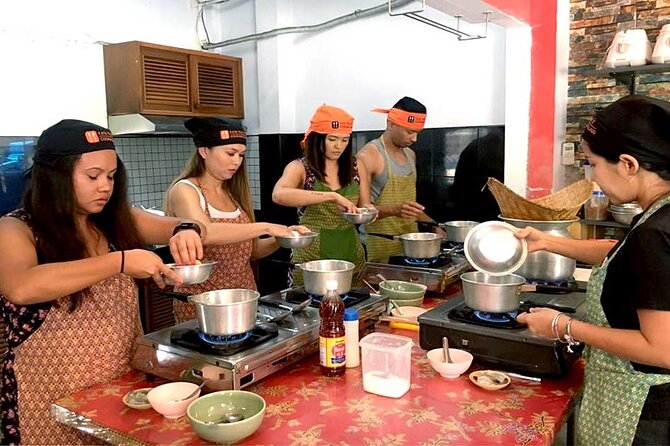
- Small group, max 12 people: easier questions, more time at your own station.
- Sally and Jim teach step by step: you get practical technique, not just theory.
- Two course styles: morning focuses on cooking flow; afternoon includes a market walk.
- 4 dishes from scratch: the goal is confidence when you recreate Thai flavors at home.
- Tools included: you receive a booklet with recipes and an apron for the class.
- Pickup is offered: helpful if you don’t want to manage the back-and-forth yourself.
Kata Beach Location: A Cooking Class That Fits a Phuket Day
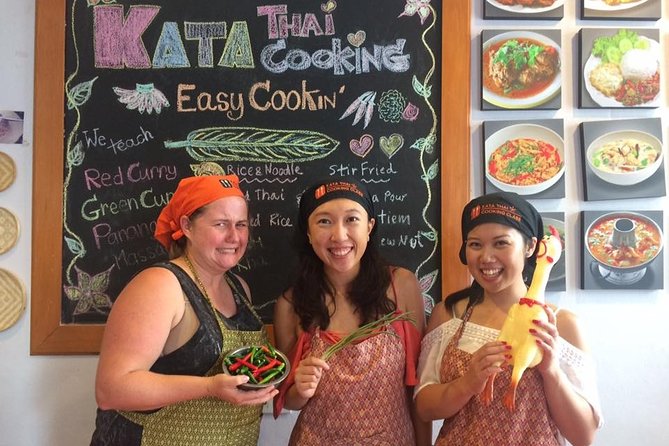
This class runs out of the Kata area on Phuket’s west coast, close to Karon and Patong. That matters because it’s not isolated—after class, you can keep your Phuket day moving without feeling like you’re stuck in the middle of nowhere.
You’re also right near the coast, which tends to make the day feel lighter. The experience itself is built around a relaxed rhythm: arrive, settle in, cook, eat, then head back. The total timing is about 3–4 hours, so it’s a solid fit even if you’ve planned beach time earlier or later.
One more practical point: the meeting point is at Thai Cooking School Phuket (Kata Thai Cooking Class) on Patak Rd, and it’s listed as near public transportation. If you’re not using pickup, you still have options.
You can also read our reviews of more cooking classes in Phuket


Meet Sally and Jim: Small-Group Teaching With Real Confidence
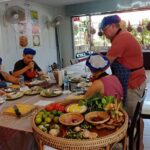
The biggest reason I’d pick this class is the teaching style. It’s built around hands-on instruction in a small group limited to 12, with Sally and Jim guiding you through each dish step by step. That small size is not a throwaway detail—it changes how the whole class feels.
From the way the instructors teach, the emphasis is on confidence. You’re not just watching someone else cook; you’re learning the order of operations. Ingredient choices, timing, and technique are explained in a way that helps you understand what to do when you’re standing at your station.
You also get a recipe booklet for the dishes of the day and an apron. That’s useful for two reasons. First, it keeps the class from feeling too chaotic (you can follow along without trying to memorize everything). Second, you leave with a plan for what to cook next time.
And yes, it’s friendly. The school describes a welcoming atmosphere and even a bit of showmanship from the instructors, which helps if your group includes mixed ages or different cooking comfort levels.
Morning vs Afternoon: What Changes and Why It Matters
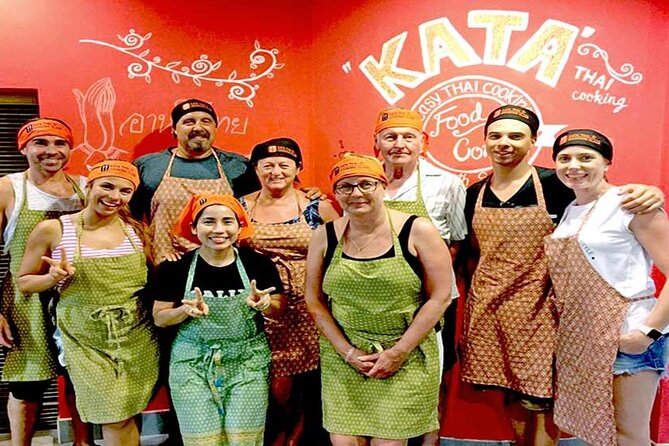
You can choose either a morning or an afternoon start, and the structure shifts depending on the course type. That’s a smart setup because it matches how different people like to travel—some prefer to get cooking early, others enjoy starting with food shopping and then cooking later.
Morning course flow (often more cooking-focused)
The morning schedule starts with arrival at around 10:30am at Kata beach. You begin with a relaxing, refreshing glass of lemongrass tea, which is a nice reset before you start chopping and stirring.
After that, you get instruction from Sally and Jim at about 10:45am, including step-by-step demonstrations of the dishes you’ll prepare. Then you move into ingredient work and cooking. You’ll enjoy lunch at around 1:00pm, and return to your hotel area around 1:30pm.
Afternoon course flow (includes the market walk)
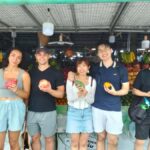
The afternoon version starts at about 3:30pm arrival, again with the lemongrass tea, then learning begins around 4:30pm. Here, the class begins with a walk through a Fresh Local Market approach, with sampling along the way—fresh fruits and some food to taste.
The payoff is you connect flavors to ingredients before you cook them. Lunch then happens later, around 7:00pm, with return to hotel around 7:30pm.
If you’re deciding between the two, I’d go by your energy and your style:
- If you want the day to be mostly cooking: pick the morning.
- If you love shopping for ingredients and learning how vendors choose quality: pick the afternoon.
A few more Phuket tours and experiences worth a look

Thai Dishes You’ll Learn: Classic Flavors, Taught Practically
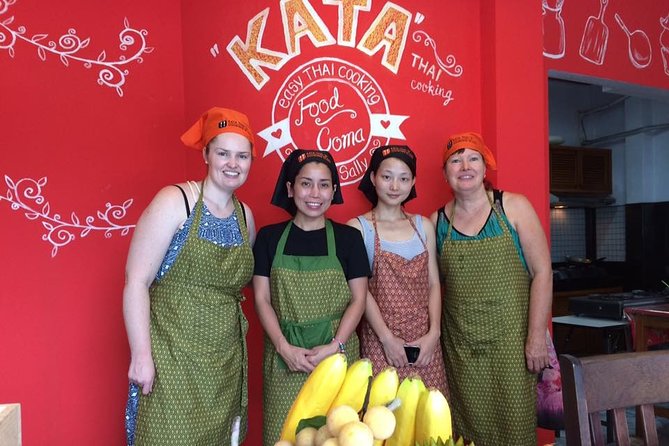
This is not a class that only talks about Thai food—it focuses on making it. The experience description specifically points to classic dishes such as tom yum soup, mango sticky rice, and Thai green curry.
It also says you’ll prepare multiple traditional dishes in a hands-on way, and one review experience highlights making 4 dishes from scratch. The exact mix can vary by the day, but the consistent idea is the same: you learn flavor combinations and techniques that show up again and again in Thai home cooking.
Why this matters for you: if you only learn one dish, you leave with a single recipe. If you learn a set of dishes with shared technique—like balancing sour, spicy, sweet, and salty—you can more easily repeat the results later without starting from zero.
From Ingredient Choices to the Lunch Plate
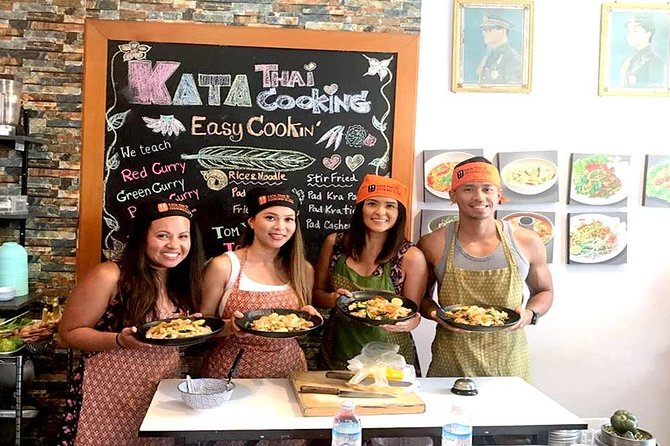
The class is structured like a real cooking session: preparation, demonstration, then you do the work.
For the morning (and the cooking portion overall), the flow is described as:
- basic ingredient choosing
- a cooking demonstration
- then actual cooking at your station
- finally, tasting what you make
You’ll also get clear guidance on what to watch for during the process. That’s the kind of detail that turns Thai cooking from guesswork into something you can control. Instead of ending the class with a vague memory of flavors, you’ll know the steps and the logic behind them.
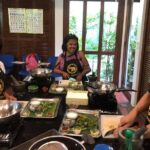
Then you eat. And not in a buffet sense—this is your own food, plated from your work. Lunch is scheduled at 1:00pm for the morning class, and at 7:00pm for the afternoon class. Either way, you’re eating at the time the class is designed to feed you, not after a scramble.
The school also mentions that instructors treat the whole thing as both cooking and entertainment. That helps keep your hands busy and your attention on the process, rather than making it feel like a classroom with a cooking theme.
Market Time in the Afternoon: Learn What to Buy and Why
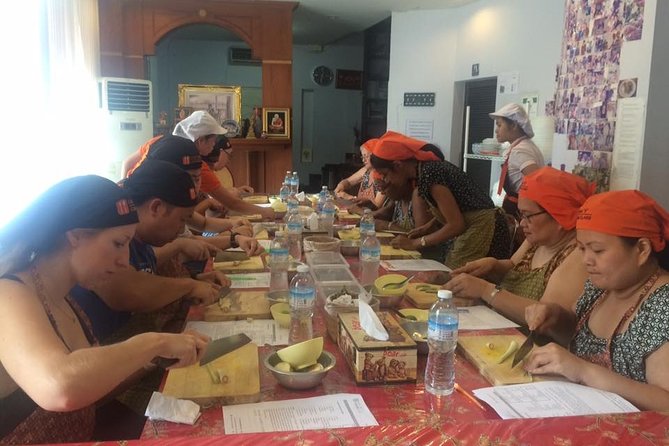
If you choose the afternoon course, you’ll start with a walk through the fresh local market, plus sampling like fresh fruits or food. This part is valuable even if you’re not a big shopper.
Here’s why it works:
- You see ingredient quality, not just the idea of an ingredient.
- You learn what to look for when you’re buying key items later.
- You get a better sense of the flavors you’ll be cooking toward.
Thai cooking is heavily based on balance, and markets teach that balance visually. When you taste fruits and other snacks early, you start thinking in flavor relationships: sweet next to sour, and aromatic herbs next to spicy elements.
If you don’t want a longer day on your feet, the morning option may feel easier. But if you want the story behind the cooking—where the flavors come from—the market approach is one of the strongest parts of the experience.
Pickup and Timing: How the Day Fits Without Stress
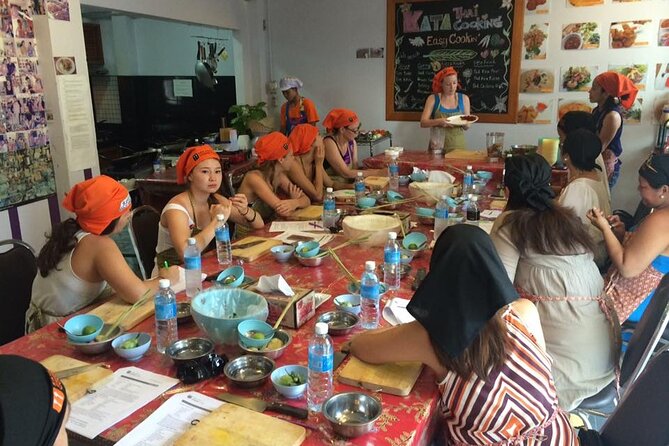
This class offers pickup, and it also runs with a tight schedule. You’ll arrive at the class location at either 10:30am (morning) or 3:30pm (afternoon). Cooking and instruction start shortly after, then you eat, and you’re back to your hotel area at about 1:30pm or 7:30pm.
In practical terms, pickup is worth considering because it removes the main logistical headache in Phuket: getting around on your own during busy periods. Also, because the school has a maximum of 12 people, keeping everyone coordinated matters. Pickup helps them run smoothly.
A small detail: it’s a mobile ticket style experience, and you get confirmation at booking. That’s the kind of thing that helps you move through the day without extra admin.
Price and Value: Is $83.78 a Fair Deal?
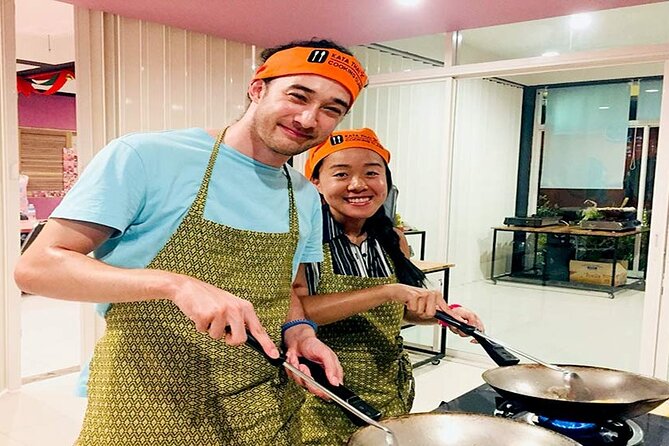
At $83.78 per person, this isn’t an impulse buy price for everyone. But it can still be good value, because you’re paying for several things at once:
- Hands-on teaching with a small group (max 12)
- Multiple dishes (described as a set of classic Thai meals, with at least one review noting 4 dishes)
- A recipe booklet and an apron
- A full cooking session plus a meal you make
- Pickup offered (when you choose that option)
When cooking classes feel expensive, it’s often because you’re mostly watching. Here, the structure pushes you into doing the work—choosing ingredients, cooking, and tasting your own food. That’s where value really shows.
Also, this is booked on average about 46 days in advance, which suggests demand stays steady. If you’re traveling in a high season window, booking ahead helps you avoid losing your preferred time slot.
Atmosphere and Cleanliness: The Subtle Quality Signs
I look for a few “quiet tells” in cooking schools: cleanliness, clarity, and how comfortable you feel with the process.
The feedback you’re getting here is strongly aligned with those points. The school is described as immaculately clean, and instructors explain everything clearly and step by step. That step-by-step approach matters because Thai cooking uses ingredients and techniques that many beginners haven’t handled before.
Another theme is comfort across group types. One experience described Jim as able to connect with different ages and nationalities—useful if you’re traveling with a mixed group, kids, or someone who gets nervous around cooking.
And because the class includes a get-to-know-you phase and a friendly atmosphere, it doesn’t feel like a stiff workshop. It feels like learning in a warm environment, with enough structure that you still come away with real results.
Who This Cooking Class Is Best For
This is a good fit if:
- you want hands-on Thai cooking (not just tasting)
- you like learning with a small group
- you want a take-home plan via a recipe booklet
- you’d enjoy cooking classic dishes like tom yum soup, Thai green curry, and mango sticky rice
It’s also a strong choice if you’re traveling with family. The data notes a child ticket age between 4–8 years, so younger kids may be possible depending on the day and group setup.
Who might want to pass or choose a different option:
- If you’re sensitive to standing and chopping for a while, you may prefer a shorter format elsewhere.
- If weather matters a lot to your schedule, remember the class requires good weather.
Should You Book Kata Thai Cooking Class in Phuket?
I’d book this if you want a cooking experience that gives you skills you can reuse at home. The combination of small-group instruction with Sally and Jim, recipe support (booklet and apron), and a class structure that mixes cooking with cultural context makes it more than a one-time meal.
Pick the morning if you want the day to feel straightforward and mostly about cooking. Choose the afternoon if a market walk and ingredient sampling sounds like your kind of learning.
If you can be flexible with weather and you like structured, hands-on learning, this is one of those Phuket activities that leaves you with memories plus a practical payoff.
FAQ
How long is the Thai Cooking Class by Kata Thai Cooking School?
It runs about 3–4 hours.
Where does the class take place in Phuket?
It’s at Thai Cooking School Phuket (Kata Thai Cooking Class) at 1 Patak Rd, Tambon Karon, Amphoe Mueang Phuket, Chang Wat Phuket 83100. It’s in the Kata area near Karon and Patong.
Is pickup offered?
Yes. Pickup is offered, and the experience ends back at the meeting point area.
What group size can I expect?
The class is limited to a maximum of 12 travelers, with a minimum of 2 people required to run the tour.
Does the class include a market visit?
It depends on the course time. The afternoon courses start with a walk through the Fresh Local Market, along with sampling like fresh fruits or food.
What time options are available?
There are morning and afternoon start times. Morning arrival is around 10:30am, and afternoon arrival is around 3:30pm.
What dishes will I learn to cook?
The class description highlights classic Thai dishes such as tom yum soup, mango sticky rice, and Thai green curry. The exact set of dishes can vary by the day.
What if the weather is bad?
The experience requires good weather. If it’s canceled due to poor weather, you’ll be offered a different date or a full refund.