REVIEW · PHUKET
Surfing Lesson in Phuket
Book on Viator →Operated by Talay Surf · Bookable on Viator
Surfing lessons in Phuket are fun, fast, and very doable. This one runs about 1.5 hours and focuses on getting you standing and riding during warm-water sessions in the Andaman Sea. You’ll start on the sand to learn the basics, then move into the shallow, sandy waves where it’s easier to try again.
What I love most is the attention style: it’s either private or small-group (max 10), so you’re not stuck watching from the shore. I also like that the lesson includes the gear and support you actually need—surfboard, leash, and sunscreen—so you’re not scrambling for rentals or extras.
The main drawback to consider is uncertainty around wave size. Like most ocean lessons, conditions matter, and there’s at least one reported situation where the lesson didn’t happen as expected. I’d show up early, confirm the meeting point, and keep your plans flexible.
In This Review
- Key Things to Know Before You Go
- Catch Your First Wave on Phuket’s Andaman Coast
- Where You Meet: Phuket Coordinates and Simple Expectations
- How the Lesson Time Usually Flows (Beach to Waves)
- Bangtao Beach Conditions That Make Learning Easier
- Private vs Small-Group: What You Gain With Less Crowding
- What’s Included: Board, Leash, and Sunscreen Covered
- Cost and Value: Why $16 Works Here
- What Could Go Wrong (And How to Reduce Your Odds)
- Weather, Wave Size, and When You’ll Get a Refund
- Who This Surf Lesson Is Best For
- Should You Book Talay Surf’s Phuket Surf Class?
- FAQ
- How long is the Phuket surf lesson?
- Where is the meeting point?
- Is hotel pickup and drop-off included?
- What’s included in the lesson?
- Do I have to join a group?
- How big are the small groups?
- Do I need to print anything for check-in?
- What happens if the weather is poor?
Key Things to Know Before You Go
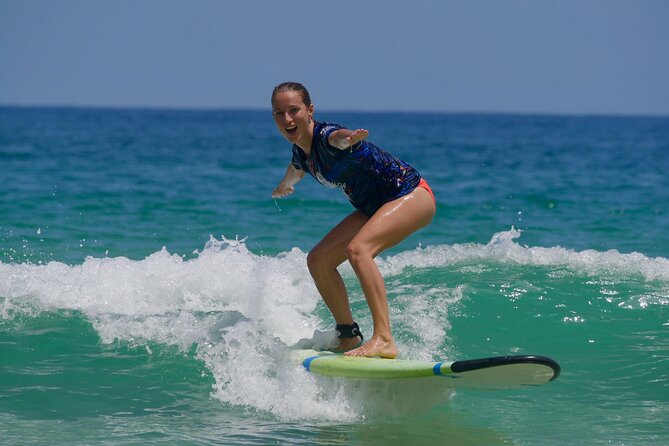
- 1.5 hours on the clock: a short, focused session that aims to get you surfing rather than just learning theory
- Beach practice first: technique rehearsal on sand before you go into the water
- Shallow, sandy shoreline at Bangtao: designed for gentler practice with fewer worries than rocky spots
- Private or small-group options: max 10 travelers, plus the option for more personalized coaching
- Gear included: surfboard, leash, and even sunscreen
- Weather-dependent: expect rescheduling or refund options if conditions aren’t right
Catch Your First Wave on Phuket’s Andaman Coast
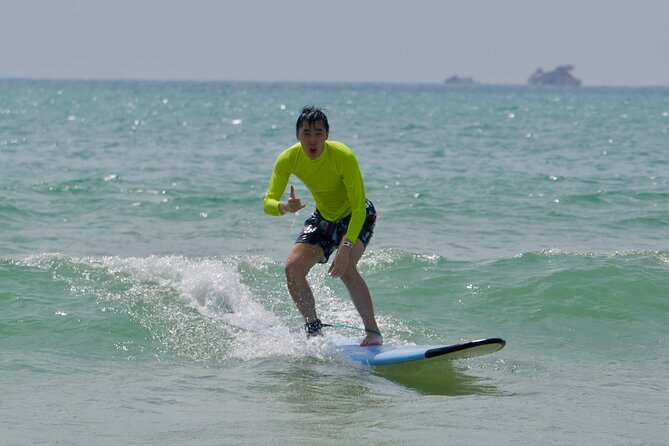
If you’ve ever watched someone stand up on a surfboard and thought, I could never do that, this is the kind of lesson that helps you test that idea quickly. In Phuket, you get the warm-water part of the deal, and you also get a setup meant for beginners. The surf lesson is built around small steps: learn the motion, practice on the beach, then try it where the water is calmer and easier to manage.
This class is run by Talay Surf and priced at $16 for about 1 hour 30 minutes. For that price, you’re buying coaching time, plus the physical help of having a board and leash ready for you. The value isn’t just the ticket cost; it’s that you’re not doing the hard parts alone—balance, paddling rhythm, and getting confident with how waves move under you.
You’ll also like the small-batch structure. The group size has a maximum of 10. That means more instructor time per person than you’d get from larger classes, and less time waiting your turn.
A few more Phuket tours and experiences worth a look



Where You Meet: Phuket Coordinates and Simple Expectations
The meeting point is listed as X7QQ+7H6, Choeng Thale, Thalang District, Phuket 83110, Thailand. The activity ends back at that same meeting point.
A couple practical notes help you avoid stress. First, hotel pickup and drop-off is not included, so plan to get yourself to the meeting spot on your own (taxi, app ride, or whatever fits your day). Second, because one report mentioned a possible meeting-location change, I’d treat this as a moment to stay alert: arrive a bit early, double-check what you’re shown at booking, and keep your phone handy.
Also, this isn’t a “meet at 9, surf all day” situation. You’ll have a defined start and a short session, so getting there on time matters.
How the Lesson Time Usually Flows (Beach to Waves)
This surf class is structured to teach you in an order that makes sense for beginners. You don’t just get dumped in the water and told to figure it out. Instead, you get instruction and practice in stages.
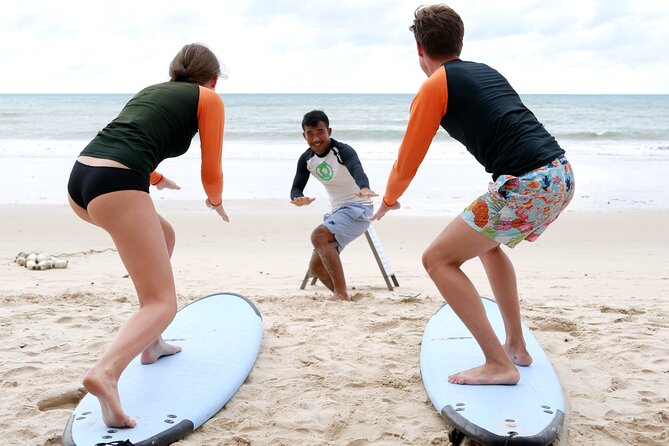
Step 1: Beach technique practice. You’ll practice technique on the shore before moving into the waves. That matters more than it sounds. Surfing is full-body coordination, and your first day goes better when you can rehearse the movements where you’re standing still and safe. You get to focus on basics like how to position yourself on the board and how to manage your balance before you add the water’s push and pull.
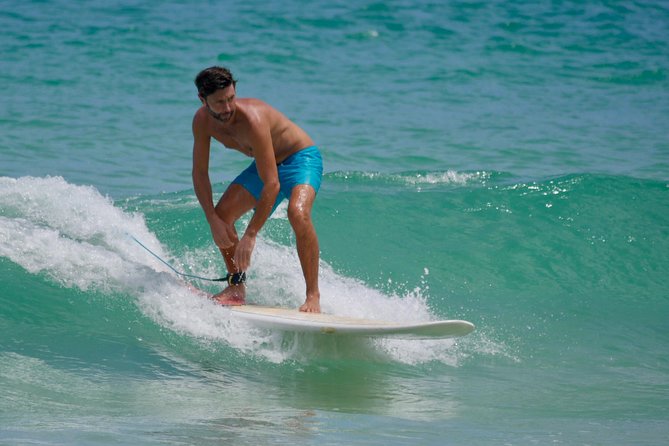
Step 2: Gentle wave practice. Then you head into the ocean for the surf portion. The lesson is designed for fun tropical waves rather than aggressive swells. The shoreline area described as Bangtao is shallow and sandy, with no rocks, which is a big deal for comfort and safety when you’re learning.
Step 3: Keep trying with instructor input. With private or small-group coaching, you’re getting feedback and correction while you attempt each try. The short duration means you’ll likely repeat basics quickly, which is how most people actually improve in one session.
Bangtao Beach Conditions That Make Learning Easier
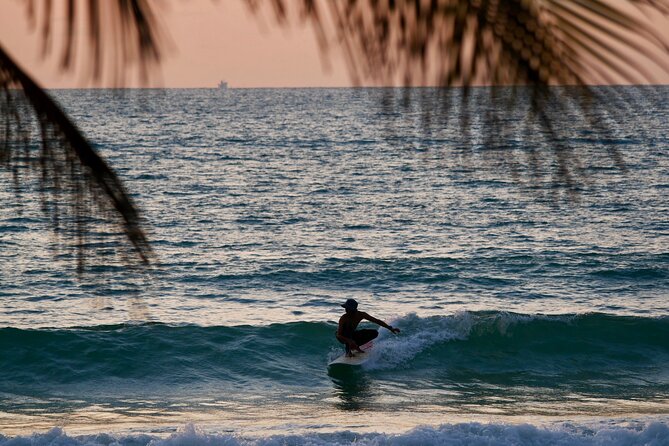
One reason this lesson is a solid beginner choice is the setting. The surf area is described as Bangtao beach, and it’s shallow and sandy with no rocks.
That combination helps in two ways:
- Less “fear math.” When you’re learning, you’re constantly measuring danger in your head. A sandy bottom and no rocky hazards lower that mental noise so you can focus on movement and timing.
- More chances to reset. Shallow water tends to make it easier to stand, move, and get back into position after a wipeout. You spend less time stranded or struggling and more time practicing the actual goal: standing up and riding.
Even if you’re not totally new to surfing, those conditions are still useful. You can focus on refining balance and paddling without fighting harsh takeoffs or tricky bottom terrain.
Private vs Small-Group: What You Gain With Less Crowding
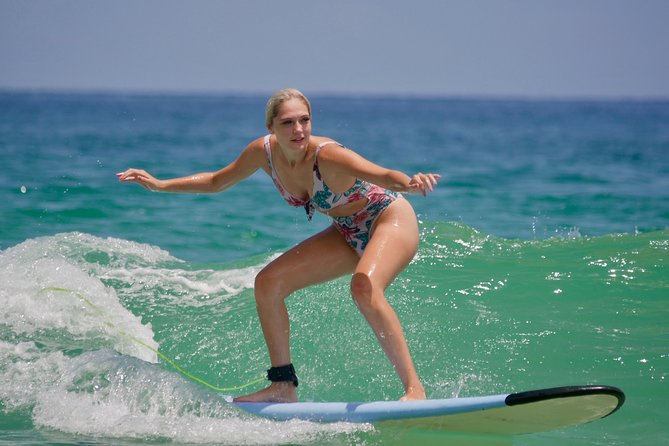
You can book this as either private or small-group. There’s also a minimum of 3 people required for a group lesson, and a maximum of 10 travelers total.
Here’s how that impacts your experience:
- Private class is best if you learn faster with continuous coaching. You can get more immediate correction and your instructor can tailor practice to your exact issues—standing timing, paddling rhythm, or wave selection.
- Small-group class still keeps things personal because the cap is low. You’re sharing coaching time, but you’re not competing with huge numbers of students.
One small practical point: since there are several departure times throughout the day, you may be able to pick an option that matches your energy and beach time plans. For a first lesson, I like sessions earlier in the day when you’re less likely to feel rushed.






What’s Included: Board, Leash, and Sunscreen Covered
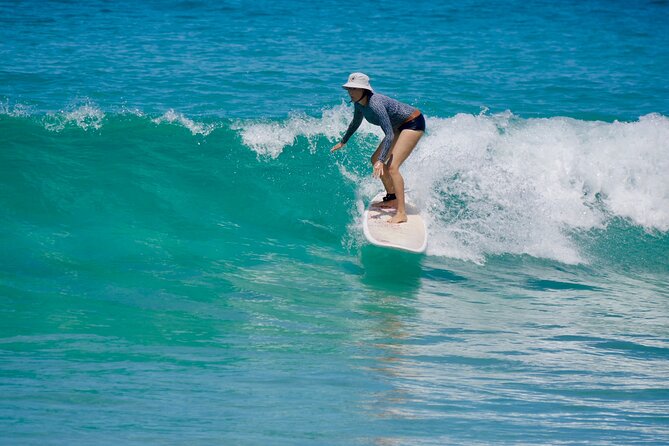
This is one of the simplest parts of the purchase: surfboard, leash, and sunscreen are included.
That’s a real value point because surf rentals add up fast, and skipping equipment hassles makes the day smoother. The lesson is also described as suitable for all skill levels, from first-timer to people who want a tune-up.
There are two things to remember:
- The equipment is provided, but you still control how prepared you feel. I’d come ready to get wet and move.
- Sunscreen being included is helpful if you forgot yours or want a lighter-branded option for the session. If you have sensitive skin, use what works for you.
Cost and Value: Why $16 Works Here
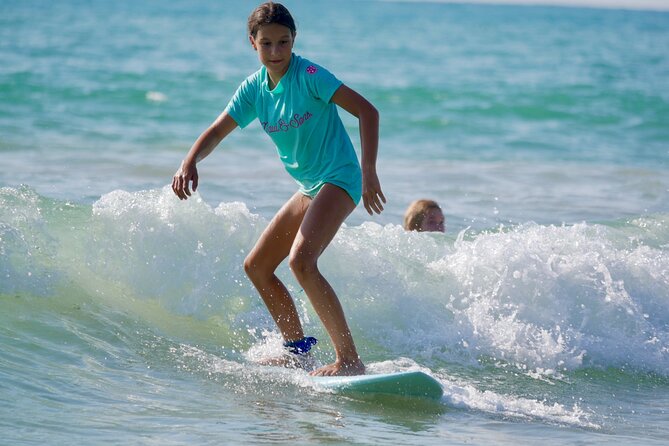
At $16 for about 1.5 hours, this is priced like an entry-level experience—especially for a lesson that includes a professional instructor and the core surf gear.
The value comes from what you’re not paying extra for:
- you’re not buying a surfboard or leash rental
- you’re not paying for basic instruction hours on your own
- you’re not left to self-teach
Is it the most premium surf coaching on the island? Probably not. But for most people, the goal on day one isn’t to become an advanced rider. It’s to get upright, build confidence, and learn the basics with enough support to keep the experience fun.
That’s why this pricing can be a good fit: you’re taking a low-risk step into surfing, in a location that’s designed to help beginners.
What Could Go Wrong (And How to Reduce Your Odds)
Ocean lessons have two variables: people and conditions.
From the information you have, the biggest concern is that lessons depend on weather and wave conditions. The activity requires good weather. If it’s canceled because conditions aren’t right, you’re offered a different date or a full refund.
There’s also a caution flag around coordination. One past experience described an instructor not showing up and a meeting-location change that wasn’t clearly communicated. I can’t predict your day, but you can protect yourself with simple habits:
- arrive a bit early and check in on arrival
- keep your confirmation info accessible on your phone
- if there’s any change, ask for the updated meeting point immediately rather than waiting
If your schedule is tight, consider booking a time with some buffer. That way, if the ocean doesn’t cooperate, you’re not forced into a stressful scramble.
Weather, Wave Size, and When You’ll Get a Refund
This activity requires good weather. If the lesson is canceled due to poor weather, you’ll be offered a different date or a full refund.
That’s the key logic: if nature doesn’t cooperate, you shouldn’t be stuck paying for an experience that can’t happen. This is common for surfing, but it’s still worth planning around. Phuket’s conditions can shift, and the lesson uses a “gentle practice” approach, which also suggests they’ll avoid truly rough conditions when possible.
Who This Surf Lesson Is Best For
This is a great option if you:
- want a first surf lesson without spending a fortune
- prefer more instruction time through private or low-crowd groups
- like the idea of learning on shallow, sandy, rock-free water
- want equipment and basic sun protection handled for you
It’s also a reasonable choice if you already surf but want a short coaching reset. The beach-to-wave structure is useful for fixing basics without a long multi-day commitment.
If you’re the type who hates uncertainty, you might still enjoy it, but I’d be smart about timing and have a backup plan for your afternoon. Surf is weather-dependent. That’s not a dealbreaker; it’s just part of the sport.
Should You Book Talay Surf’s Phuket Surf Class?
I’d book this if your goal is to learn fast, get time on a board, and keep it budget-friendly. For $16 and roughly 1.5 hours, you get instruction plus the gear that makes the lesson possible—board, leash, and sunscreen. Add in the small-group limit and the beginner-friendly Bangtao setup, and it’s easy to see why this kind of class is an attractive first step.
One reason not to book—or to book with extra caution—is if your schedule can’t handle possible rescheduling. Because it relies on good weather, there’s a chance of changes. And because at least one past booking described a coordination issue, I’d arrive early and confirm the meeting point right before you go.
If you want my simple decision rule: book it if you’re flexible enough to let the ocean pick the day. If you’re trying to squeeze in a tight itinerary with zero room for delays, consider adding buffer time.
FAQ
How long is the Phuket surf lesson?
The class runs for about 1 hour 30 minutes.
Where is the meeting point?
You’ll meet at X7QQ+7H6, Choeng Thale, Thalang District, Phuket 83110, Thailand.
Is hotel pickup and drop-off included?
No. Hotel pickup and drop-off are not included.
What’s included in the lesson?
The lesson includes surfing instruction, a professional instructor, use of a surfboard and leash, and sunscreen.
Do I have to join a group?
You can choose either a private lesson or a small-group class.
How big are the small groups?
Group lessons require a minimum of 3 people, and the activity has a maximum of 10 travelers.
Do I need to print anything for check-in?
You’ll use a mobile ticket.
What happens if the weather is poor?
This activity requires good weather. If it’s canceled due to poor weather, you’ll be offered a different date or a full refund.