REVIEW · BANGKOK
Bangkok: Street Food Tasting Tour at Night
Book on GetYourGuide →Operated by KIJSIRAVEJ COMPANY LIMITED · Bookable on GetYourGuide
Chinatown tastes better after dark. On this Bangkok Chinatown street food crawl that starts near MRT Wat Mangkon, you’ll trade aimless wandering for a guided sequence that explains what you’re eating as you eat it. I love that the tour builds around six food stops, so you’re not guessing what’s worth your money, and I also love the focus on Thai-Chinese flavors that show up again and again in the Yaowarat area.
One big consideration: the food plan may not work for many diets. If you’re vegan, gluten-free, or dealing with allergies to shrimp, peanuts, pork, or dairy, you’ll likely need to sit this one out.
In This Review
- Key things to know before you go
- Why Bangkok Chinatown at Night Turns Food Into a Story
- Meeting Point and Getting There Without Getting Stuck
- The 150 Minutes That Matter: How the Six Tastings Work
- Stop types you can expect
- Why this sequence is useful
- A realistic drawback to remember
- Thai-Chinese Best Sellers and the Homemade Secret Ingredient Moment
- The Guide Experience: English Commentary and Alley-Level Context
- Price and Value: Why $49 Can Make Sense Here
- Who Should Book, and Who Should Skip
- You’ll likely enjoy it if you:
- You should think twice (or skip) if you:
- Should You Book This Night Street Food Tour?
- FAQ
- Where do I meet for the tour?
- How long is the Bangkok Chinatown street food tasting tour?
- How many places do you stop at to taste food?
- Is hotel pickup and drop-off included?
- Is alcohol included in the tour?
- Is the tour suitable for vegans or people with gluten intolerance?
- Are electronic devices allowed during the tour?
Key things to know before you go
- Six planned tastings make the night feel structured, not random
- Thai-Chinese menus are the theme, so you’ll taste the neighborhood’s real style
- You’ll try top picks like the #1 ranking local dishes in town (per the tour’s promise)
- There’s a highlighted homemade menu with a secret ingredient that’s meant to teach you something, not just feed you
- You walk through Chinatown’s night markets around street alleys and crowded blocks, so comfortable shoes matter
- Alcohol and electronic devices aren’t part of the setup, so plan on eating and listening, not filming
Why Bangkok Chinatown at Night Turns Food Into a Story
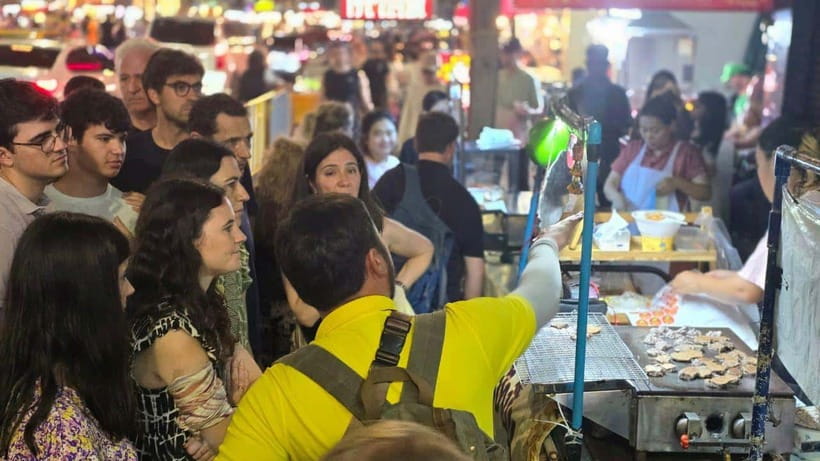
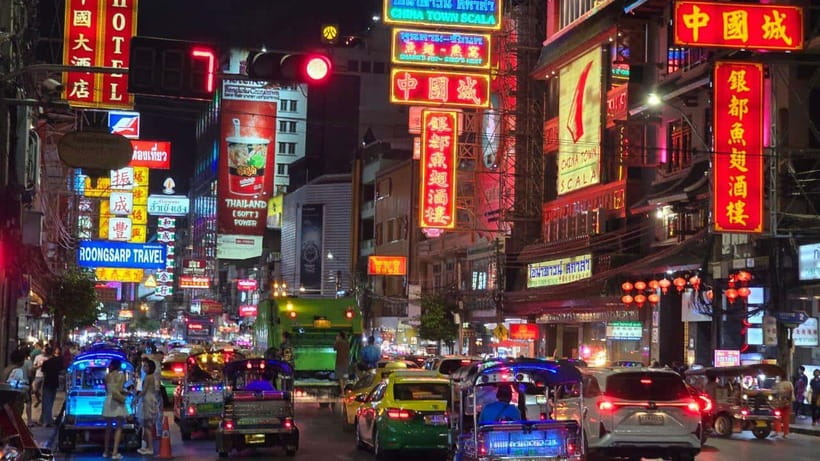
Bangkok’s Chinatown, especially around Yaowarat, hits different after dark. Daytime you see streets and shops. Nighttime you see hunger, rhythm, and repeat orders—food coming out fast, people standing shoulder-to-shoulder, and vendors running their little systems like clockwork.
What I like about this kind of tour is that it doesn’t just point at plates. It helps you read the neighborhood through the menu. Thai-Chinese cooking here is its own language—soy-forward sauces, dumpling culture, sweet-and-savory balance, and a style that blends local Thai tastes with Chinese influences. When you’re guided through that pattern, you start to notice what changes between stalls and why locals line up for certain dishes.
You also get the “why” behind the food. The tour is set up to explain history and culture of the dishes you sample, which can make a huge difference. Without that context, street food is mostly taste. With it, you start understanding the choices.
You can also read our reviews of more food & drink experiences in Bangkok


Meeting Point and Getting There Without Getting Stuck
Logistics in Chinatown can make or break your night, and this tour is built with that in mind. You meet outside the MRT Wat Mangkon station at exit no. 3, and that’s a smart call because the roads around Yaowarat are known for heavy traffic.
Instead of taxi chaos, take the MRT in. You’ll save time and energy, and you’ll arrive ready to walk. The experience then kicks off with a starting location around 449 Charoen Krung Road, before you head into Chinatown streets.
This is also a walking tour with a tight focus on eating, so plan your body accordingly:
- Wear comfortable shoes
- Don’t bring bare feet
- Expect narrow alleys and crowds rather than wide sidewalks
A note from the rules: electronic devices aren’t allowed during the tour. That’s not just “no phone for fun.” It’s there to keep you present and moving through food spots smoothly. Bring cash and keep your phone put away.
The 150 Minutes That Matter: How the Six Tastings Work
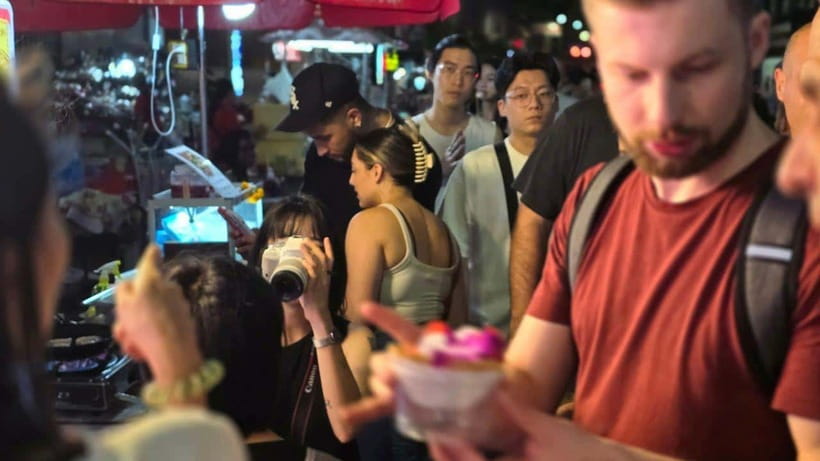
The tour lasts 150 minutes, which is long enough to actually taste your way through Chinatown but short enough that you don’t lose the plot. You’re guided to six different food places, and the intent is clear: each stop should add a new flavor angle or a deeper understanding of Thai-Chinese street food.
Here’s what that structure means for you in practical terms:
Stop types you can expect
Even without naming every dish in advance, the tour description gives you a strong idea of the menu mix:
- Savory dumplings (a classic Thai-Chinese anchor)
- Sweet pastries to balance the savory side
- Local best-selling menus in a Thai-Chinese style
- A focus on dishes ranked highly among the neighborhood’s regulars
Why this sequence is useful
If you’ve ever eaten in Bangkok alone, you know the problem: you’re hungry, choices are endless, and you can end up paying for the wrong thing. A guided crawl fixes that. You’re not trying to “figure out” Chinatown at 8:30 p.m. while your stomach is negotiating.
You also get the benefit of learning what to look for—how certain flavors show up repeatedly, what sauces tend to define a stall’s style, and how vendors build repeat demand.
A few more Bangkok tours and experiences worth a look


A realistic drawback to remember
Because the tour is built around street food, it isn’t a controlled environment. It may include ingredients that can be tough if you have restrictions. The tour specifically warns that it may not be suitable for people following vegetarian, vegan, or gluten-free diets, and it calls out allergies to shrimp, peanuts, pork, or dairy. If that’s you, don’t treat this as a “maybe I can just ask for something else” situation.
Thai-Chinese Best Sellers and the Homemade Secret Ingredient Moment
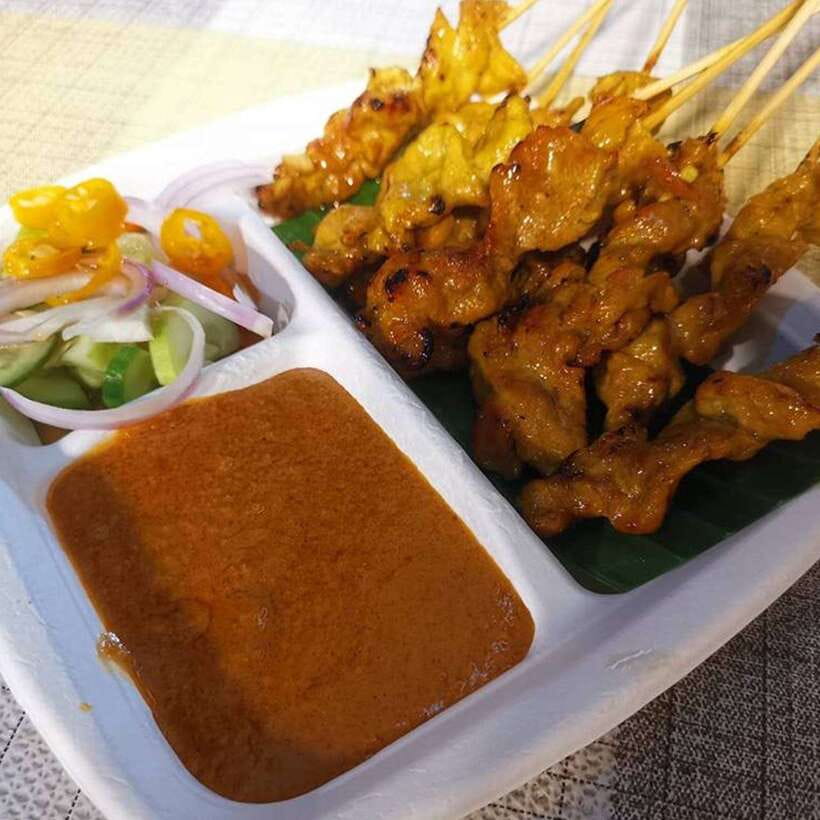
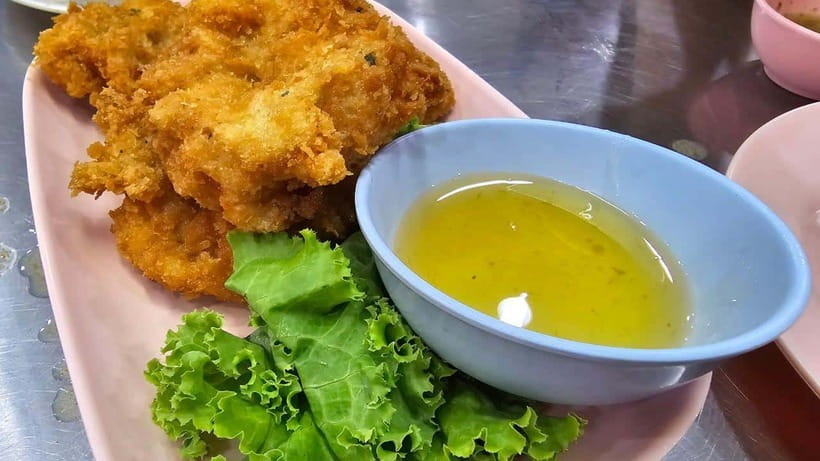
One of the standout promises here is variety with purpose: you’ll sample Thai-Chinese style menus and taste what’s considered the #1 ranking local dishes in the area. The tour also includes a highlighted homemade menu with a secret ingredient.
That secret-ingredient format matters more than it sounds. On street food tours, “homemade” can mean anything from “made fresh today” to “this is a family recipe.” Either way, you’re usually getting a more intentional flavor than the generic version of a dish. And when the guide points out what makes that menu special, you start noticing details you might otherwise miss—how sweetness is balanced, how seasoning builds, or what makes a topping or sauce feel complete.
You’ll also learn about why these dishes matter to the community. The tour is positioned as an explanation of Chinatown’s food culture, not just a snack run. For you, that means you can take the lesson home: next time you see a similar dish on your own, you’ll know what to expect and what to order.
The Guide Experience: English Commentary and Alley-Level Context
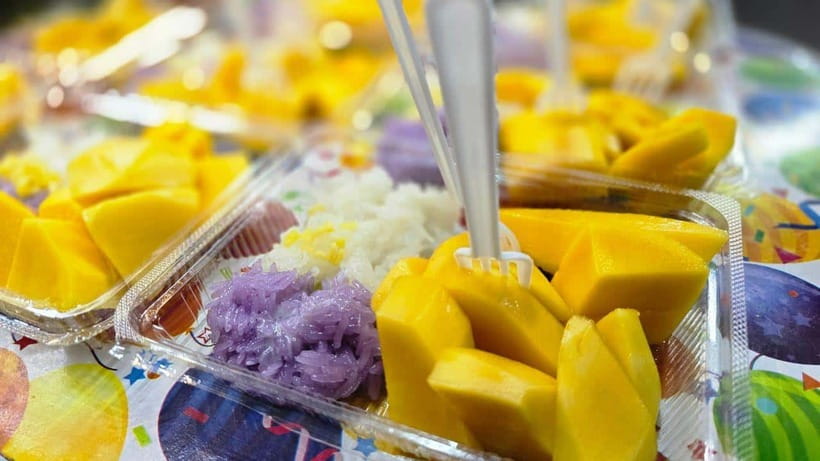
This tour runs with a live English-speaking guide, and that’s a big deal in Chinatown. Street food is fast, the language barriers are real, and the best vendors can be easy to miss if you don’t know what to look for.
From the feedback included with this activity, a name that comes up is Sophie (also seen spelled Sofie). The praise is consistent: the guide ties food to the neighborhood’s story and keeps the walk entertaining, not robotic. That kind of guide can turn a meal into a cultural lesson without making it feel like a lecture.
That said, there’s also at least one negative note about hygiene, where a guide was criticized for how food was handled during a plating moment. I can’t ignore that. If food safety is a deal-breaker for you, watch closely in the moment. The best approach on any street food tour is the same: use your senses, ask practical questions if you can, and don’t force yourself to eat when something feels off.
Price and Value: Why $49 Can Make Sense Here
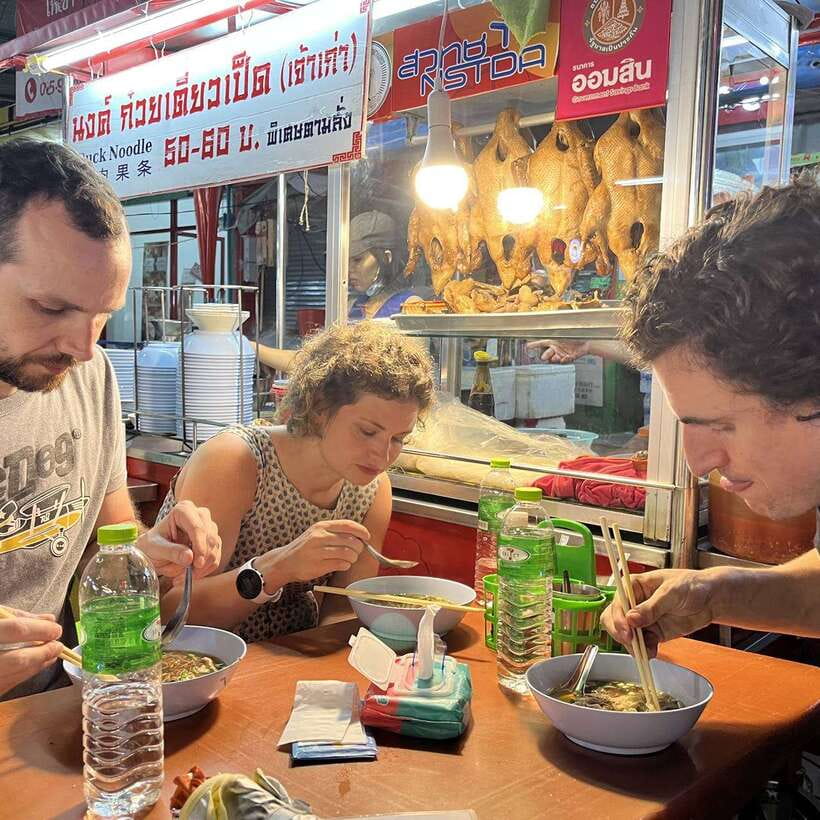
At $49 per person for 150 minutes and six tastings, this isn’t a bargain snack plan. But it also isn’t overpriced for what you’re buying.
Here’s the value math that matters:
- You’re getting guided ordering and selection at six stops, which saves you decision stress
- You get English commentary about the history and culture behind the dishes
- The tour reduces the odds of wasting money on the wrong stall
- You’re paying for time efficiency in an area where navigating and picking well can be tricky
What’s not included is also part of the equation: alcoholic beverages aren’t included, so your total night cost will depend on what you choose to drink separately. Think of the $49 as paying for the food tastings and the guided experience, not a full all-you-can-eat deal with drinks.
If you’re the kind of traveler who likes to learn while you eat, you’ll probably feel the price is fair. If you only want a couple bites and would rather roam freely, you might find self-guided street food works out cheaper. But that requires more confidence in what to order—and more time.
Who Should Book, and Who Should Skip
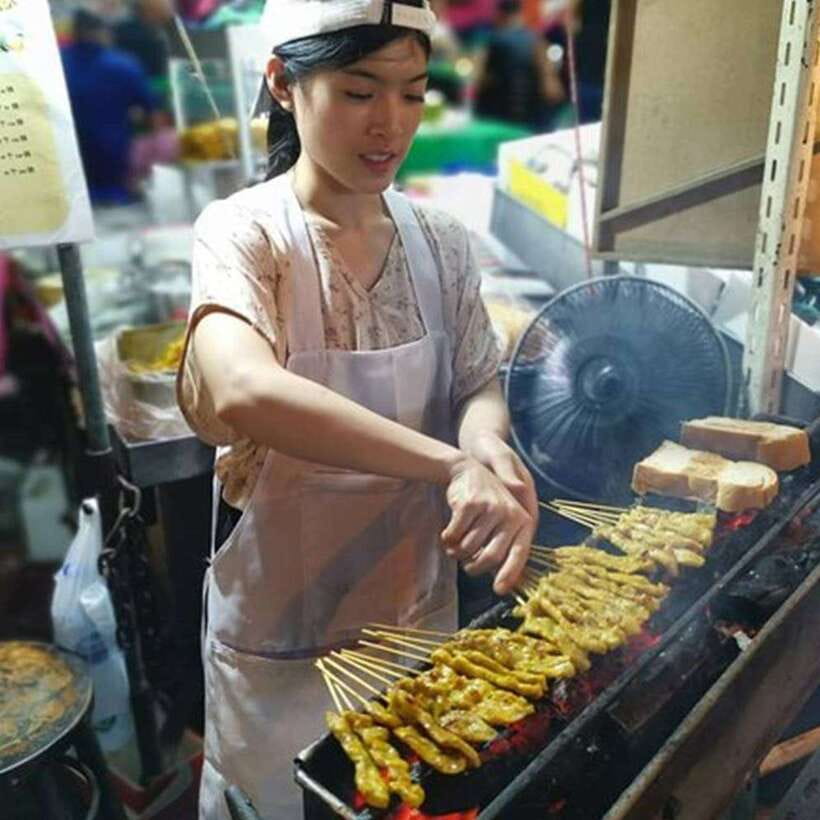
This tour is designed for people who are comfortable walking, eating street food, and staying flexible with what’s available.
You’ll likely enjoy it if you:
- Like guided street food where the guide helps you choose
- Want Thai-Chinese flavors and Chinatown’s night scene around Yaowarat
- Prefer explanations that connect food to the neighborhood
- Are happy with a schedule built around tasting stops rather than long sit-down meals
You should think twice (or skip) if you:
- Have mobility impairments, claustrophobia, or need a wheelchair (the tour isn’t suitable)
- Are visually impaired (not suitable)
- Are vegan or need gluten-free food (not suitable)
- Have food allergies (the tour lists shrimp, peanuts, pork, and dairy as key concerns)
- Rely heavily on electronics for comfort or communication, since electronic devices aren’t allowed
There’s also a practical note: the tour warns that some menus may not be available due to public holidays and season changes. That doesn’t mean the tour is canceled—it means you should be prepared for slight substitutions.
Should You Book This Night Street Food Tour?
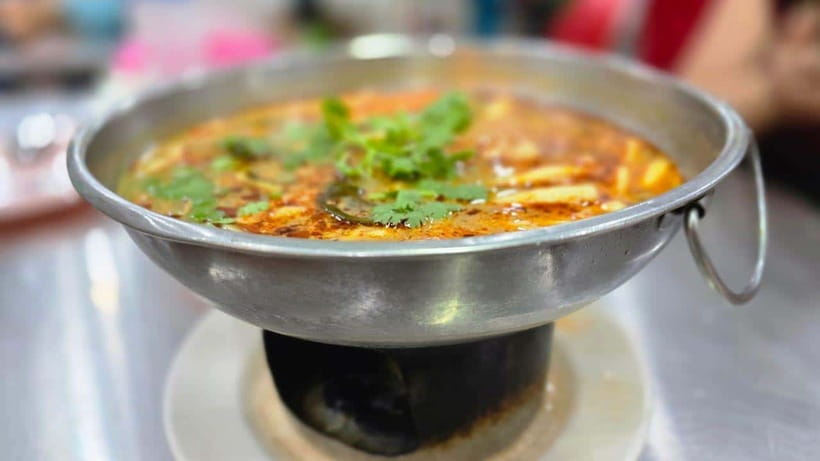
I’d book it if you’re excited by Chinatown street food and you want the added layer of context that turns eating into understanding. The biggest reason is the structure: six tastings in 150 minutes, with Thai-Chinese best-sellers and a guide who talks through the dishes as you go. That’s a strong way to make your limited time in Bangkok count.
Skip it if food restrictions are a big issue for you, if you’re sensitive to crowds and tight alleys, or if you need a quiet, controlled environment. And if hygiene is your top worry, keep your attention on how food is handled during the tour.
If you match the sweet spot—street food fan, comfortable walker, and okay with the ingredient profile—this is a solid use of your night in Bangkok Chinatown.
FAQ
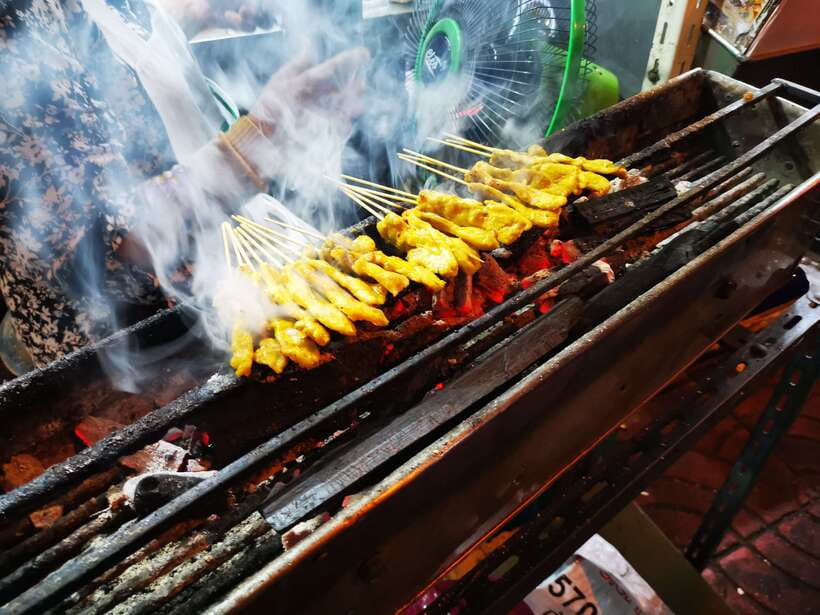
Where do I meet for the tour?
You meet outside the MRT Wat Mangkon station at exit number 3 in Chinatown.
How long is the Bangkok Chinatown street food tasting tour?
The duration is 150 minutes.
How many places do you stop at to taste food?
The tour includes tastings at 6 different food places.
Is hotel pickup and drop-off included?
No. Hotel pickup & drop-off services are not included.
Is alcohol included in the tour?
No. Alcoholic beverages are not included.
Is the tour suitable for vegans or people with gluten intolerance?
No. The tour is not suitable for vegans or people with gluten intolerance.
Are electronic devices allowed during the tour?
No. Electronic devices are not allowed.