REVIEW · BANGKOK
Silom Thai Cooking Experience with Market Visit
Book on Viator →Operated by I Asia Thailand · Bookable on Viator
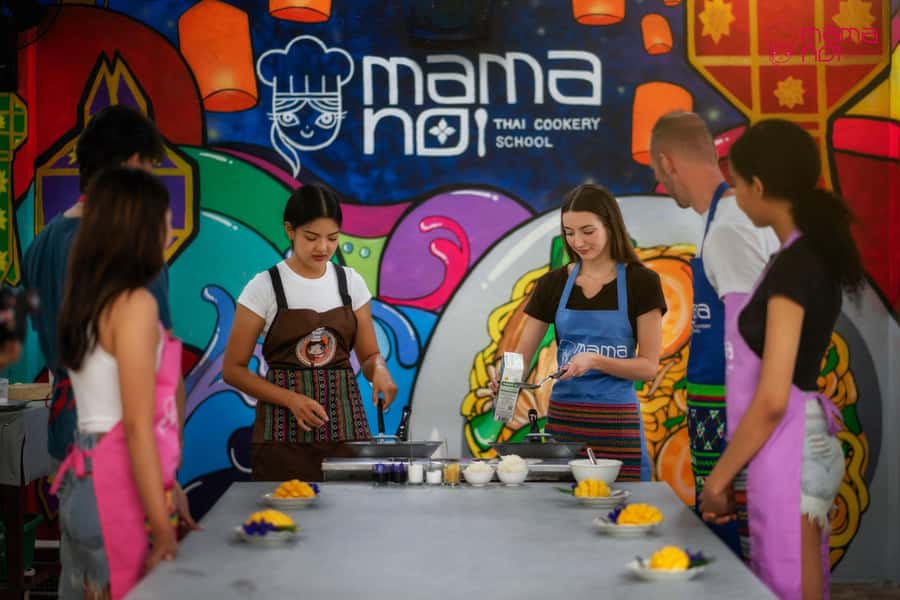
A Thai cooking class should start with the right ingredients. This one begins with a market visit where you learn what to look for before you ever pick up a knife. Then you move to the Silom Cooking School to cook five classic dishes from scratch, with step-by-step help.
I especially like the hands-on format: you’re not just watching. You’ll prepare a full lineup that covers sour, spicy, creamy curry, stir-fried noodles, and a sweet finish—so you actually learn the techniques behind the flavors.
The main drawback to plan for is timing. This is a morning session, and the market grouping starts at 8:45 a.m. If you show up late (after 9:05 a.m.), you’ll stay at the school until the group returns.
In This Review
- Key takeaways before you go
- Market Visit First: Why It Changes How You Cook Thai Food
- Silom Thai Cooking School: A Practical Setup for Learning
- The Cooking Lineup: Five Classic Dishes With Real Technique
- Tom Yum: Sour, Hot, and Built for Balance
- Pad Thai: Stir-Fry Skills and Noodle Timing
- Green Curry (Geang Kiew Wan Gai): Curry Paste to Creaminess
- Panang Curry (Phanaeng): A Different Curry Personality
- Mango Sticky Rice (Khao Neow Ma Muang): Sweet Finish With Texture
- How the Teaching Style Feels (And Why It Helps)
- Meals, Ingredients, and Why the Price Makes Sense
- Logistics in Bangkok: Meeting Point, Timing, and Getting There
- Who Should Book This Class (And Who Might Want Another Option)
- Should You Book the Silom Thai Cooking Class With Market Visit?
- FAQ
- What dishes are included in the class?
- How long is the Silom Thai Cooking Class with Market Visit?
- Where do I meet for the tour?
- Is hotel pickup included?
- Are meals included?
- Can I join if I have dietary restrictions?
- What time should I arrive for the morning session?
- How big is the group?
- Is there a child ticket discount?
- Does the class use MSG?
Key takeaways before you go
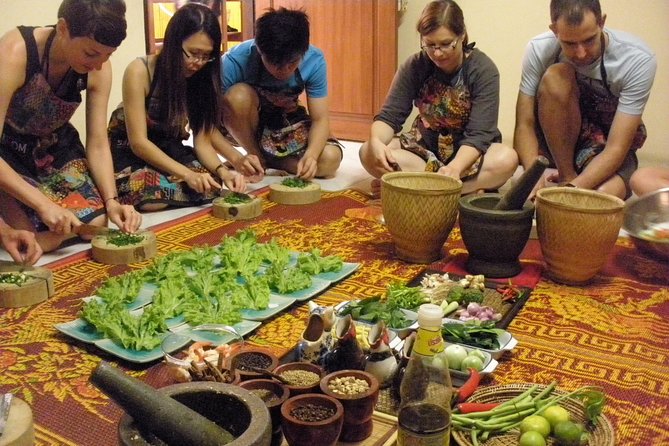
- Market first, recipes second: you’ll shop and select ingredients based on quality, not just convenience
- Five dishes you can recreate: tom yum, pad thai, green curry gai, panang curry, and mango sticky rice
- Small class size: a maximum of 10 participants per class, with a tour limit of 12 travelers
- No hotel pickup: you’ll meet at Silom Thai Cooking School, near public transportation
- Dietary options are supported: vegetarian option available; tell them restrictions when booking
Market Visit First: Why It Changes How You Cook Thai Food
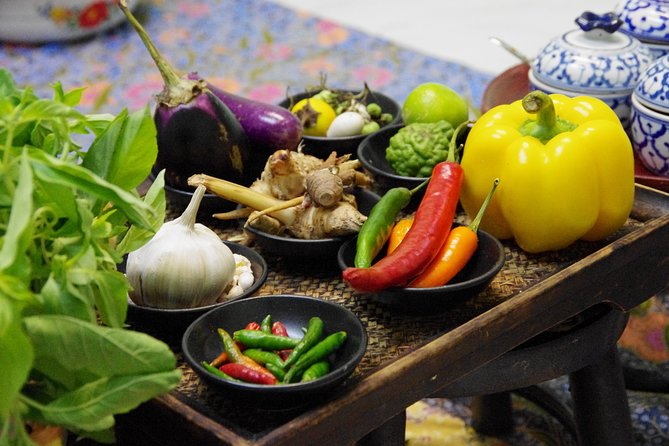
If you’ve ever tried to cook Thai food at home and wondered why it tastes different, the answer is usually ingredients. Thai cuisine is sensitive to freshness: herbs bruise, citrus varies, and the heat level of chilies can change the entire dish.
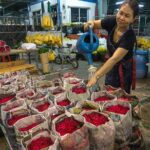
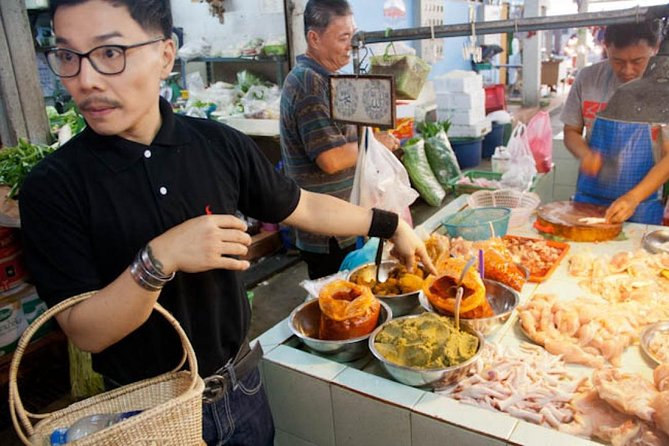
Here, the day starts in the market with guidance on choosing ingredients correctly. You’ll learn what to look for when selecting produce and spices, including tips for picking fresh fruit—useful because mango sticky rice isn’t forgiving when your fruit is overripe or flavorless. You’ll also gather what you need for the dishes you’ll cook later.
This is also where you get “Thai logic” for cooking. When you understand why an ingredient is chosen (texture, aroma, ripeness, intensity), you can adjust later at home. That’s a real skill, not just a food souvenir.
One more practical benefit: you’ll reduce guesswork. Instead of arriving at the studio with questions like What kind of chili paste do I need? you’ll already have been taught what the ingredients look like and how they’re used.
You can also read our reviews of more shopping tours in Bangkok

Silom Thai Cooking School: A Practical Setup for Learning
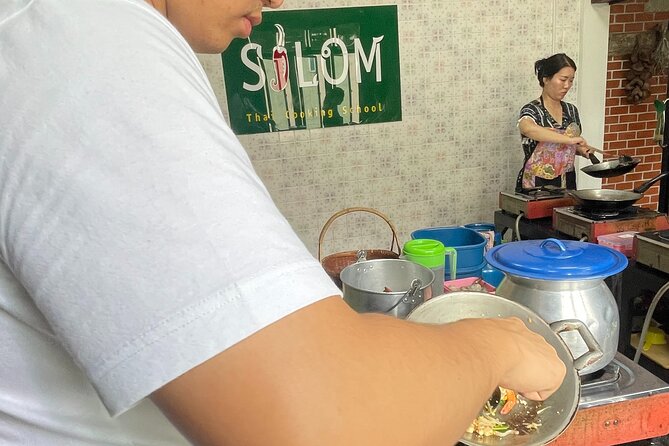
You’ll meet at Silom Thai Cooking School at เลขที่ 6/14 Decho Rd, Khwaeng Suriya Wong, Khet Bang Rak, Krung Thep Maha Nakhon 10500, Thailand. The school is set up for cooking classes, and you should expect a proper teaching environment rather than a cramped demo.
This is a small-group experience, with up to 10 participants per class. That matters because Thai cooking takes coordination: chopping, grinding or mixing, timing noodles, balancing sour and salty in soups, and managing heat for curries and stir-fries. With fewer people, you’ll get more direct attention and fewer delays.
Also, the class includes breakfast and then the food you cook becomes lunch and dinner as part of the experience flow. That’s a big deal for value in Bangkok, where eating can be cheap, but guided instruction and ingredients usually aren’t.
Two notes that affect your day:
- The morning schedule is strict. Arrive between 8:30 and 8:45 a.m., since grouping for the market starts at 8:45 a.m. The latest time to join is 9:05 a.m.
- There’s no hotel pickup and drop-off. You’ll be responsible for getting to the meeting point using public transit or your own plans.
If you’re the type who hates rushing, I’d treat this as a “plan your morning” activity, not a casual late-start event.
The Cooking Lineup: Five Classic Dishes With Real Technique
You’ll cook five Thai dishes from scratch, guided by a professional chef. The menu is described as including tom yum, pad thai, green curry with chicken (geang kiew wan gai), panang curry (phanaeng), and mango sticky rice. The exact courses can vary, but that mix is a strong representation of Thai flavor profiles.
Here’s why this selection is smart for learning:
Tom Yum: Sour, Hot, and Built for Balance
Tom yum is the first dish type that teaches you balance. You’re looking at the push-pull of sourness and heat, plus a savory base. If you ever think Thai food is just spicy, tom yum is proof that it’s also about layering.
Pad Thai: Stir-Fry Skills and Noodle Timing
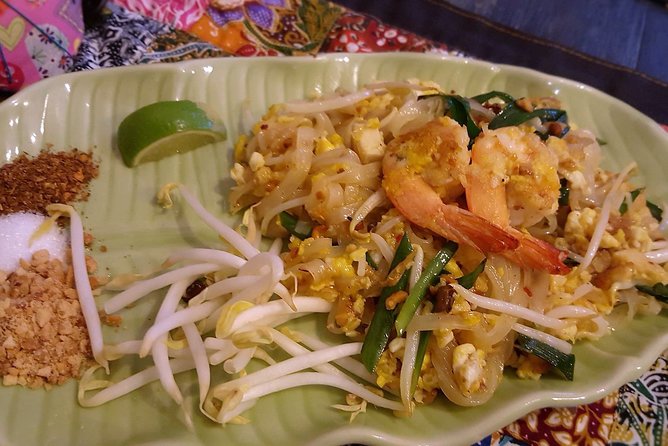
Pad thai works your stir-fry rhythm. Noodles need the right texture at the right moment, and sauce balance matters. It’s also a dish many people mis-cook at home because they treat noodles like pasta. This is where you learn the Thai version of control.
A few more Bangkok tours and experiences worth a look





Green Curry (Geang Kiew Wan Gai): Curry Paste to Creaminess
Green curry is a technique lesson. You’re dealing with curry paste flavor and how it blooms with heat, plus the way coconut richness changes the final taste. With chicken in the curry, you also get experience with cooking proteins to the right tenderness.
Panang Curry (Phanaeng): A Different Curry Personality
Panang curry is related to green curry, but it feels different on the palate. Learning both helps you understand that Thai curries aren’t one-style-fits-all. You’ll get a sense of how seasoning and thickness influence the final bowl.
Mango Sticky Rice (Khao Neow Ma Muang): Sweet Finish With Texture
This dessert isn’t just a “finish.” It’s about texture and ingredient quality—especially the mango and sticky rice. That’s why the earlier market lessons about fresh fruit actually pay off. If you want a Thai dessert you can reproduce, this is one of the better choices.
How the Teaching Style Feels (And Why It Helps)
Good cooking classes don’t just hand you instructions—they keep you moving, correct your technique early, and explain what you’re tasting for.
In this class, the instructor is a key part of why people come back. One guide name that shows up in feedback is Plane (also spelled Plain in one note). The teaching approach stands out as funny, engaging, and thorough. You should expect the kind of explanations that help you understand why a dish works, not just how to copy it.
You’ll also get instruction on traditional Thai food prep techniques, which matters because some Thai methods are different from Western expectations. Even if you’ve cooked before, you’ll likely learn new ways of prepping and building flavor.
And yes, there’s a comfort factor: one comment mentions the classroom being air-conditioned, which matters in Bangkok mornings.
Meals, Ingredients, and Why the Price Makes Sense
At $59.99 per person, this class isn’t just a cooking demo. You’re paying for several bundled advantages:
- A guided market visit where ingredient quality is explained
- All ingredients (so you aren’t doing a separate grocery run)
- Step-by-step cooking instruction
- Five dishes made from scratch
- Breakfast and then the meal portion of your cooked food (packaged as lunch and dinner in the experience)
If you try to replicate this on your own, the real cost isn’t the food—it’s time, ingredient sourcing, and instruction. In Bangkok, you can eat well for less than this, but you won’t get guided ingredient selection and hands-on coaching at the same time.
It’s also booked well in advance on average (about 36 days), which is usually a good sign for class demand. If you’re traveling in peak season or around weekends, it’s smart to reserve early.
Logistics in Bangkok: Meeting Point, Timing, and Getting There
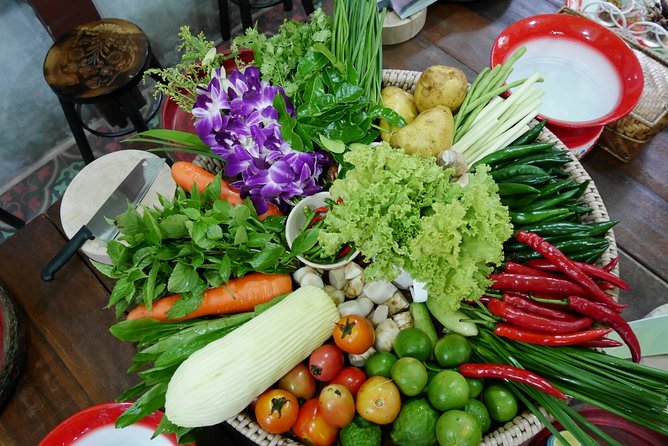
This tour is designed around a morning start at Silom Thai Cooking School (Decho Rd, Bang Rak area). It’s listed as near public transportation, but you should still treat it like a scheduled activity: don’t plan to wander too far before meeting time.
A few scheduling realities to keep in mind:
- Arrive between 8:30 and 8:45 a.m. for the best flow
- Market grouping starts at 8:45 a.m.
- Latest join time is 9:05 a.m.; late arrivals wait at the school until class returns
- The class runs about 3 hours total (approx.)
Also, you’ll receive a mobile ticket, so have your phone ready.
If you’re coming from a hotel far from Silom/Bang Rak, consider allowing extra buffer time. The class start isn’t forgiving, and there’s no pickup to fix delays.
Who Should Book This Class (And Who Might Want Another Option)
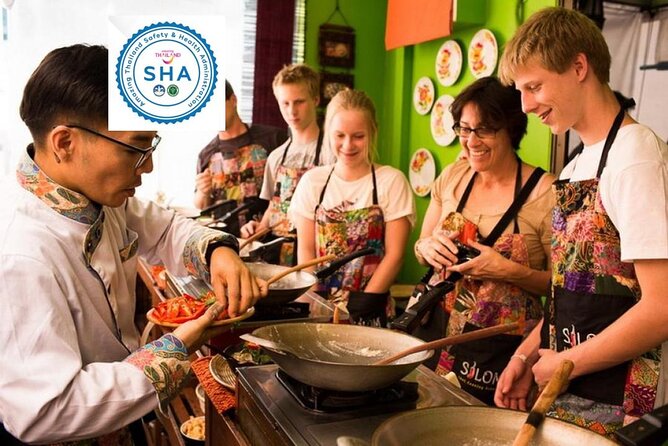
This is a strong choice if you:
- Want a Bangkok food experience that goes beyond eating
- Like learning through doing—especially with spices, curries, noodles, and Thai sweets
- Want to cook dishes you recognize (tom yum and pad thai are the obvious anchors)
- Appreciate a small class size with attention from an instructor
It may not be your best fit if:
- You hate early mornings and strict start times
- You’re relying on hotel pickup (there isn’t any here)
- You want a super flexible “arrive whenever” schedule—late arrival means waiting
One more good fit: if you have dietary needs, you can request a vegetarian option. Just notify them when booking.
Should You Book the Silom Thai Cooking Class With Market Visit?
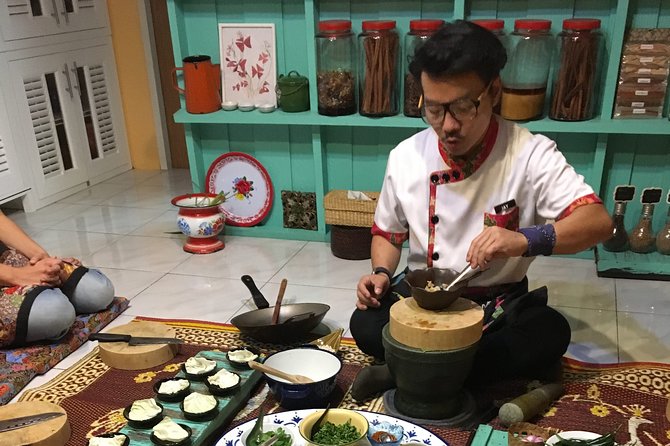
I’d book it if your goal is to learn Thai cooking in a way that actually transfers to your kitchen. The market-first approach helps you pick ingredients with intention, and the five-dish lineup covers the core skills: balancing soup, timing noodles, building curry flavor, and getting dessert texture right.
I’d also book it if you value a smaller class. With a maximum of 10 participants per class, you’re less likely to feel lost or stuck watching from the sidelines.
Before you decide, check two things: your morning timing (8:30–8:45 is the sweet spot) and your ability to reach the meeting point without pickup. If that works, this is one of the more practical “learn and eat” experiences in Bangkok at this price level.
FAQ
What dishes are included in the class?
The experience includes five Thai dishes, including tom yum, pad thai, green curry with chicken (geang kiew wan gai), panang curry (phanaeng), and mango sticky rice (khao neow ma muang).
How long is the Silom Thai Cooking Class with Market Visit?
It runs for about 3 hours (approx.).
Where do I meet for the tour?
You meet at Silom Thai Cooking School, เลขที่ 6/14 Decho Rd, Khwaeng Suriya Wong, Khet Bang Rak, Krung Thep Maha Nakhon 10500, Thailand. The activity ends back at the meeting point.
Is hotel pickup included?
No. Hotel pickup and drop-off are not included.
Are meals included?
Yes. Breakfast, lunch, and dinner are included.
Can I join if I have dietary restrictions?
If you have dietary restrictions, you should notify them when booking. A vegetarian option is available.
What time should I arrive for the morning session?
You should arrive between 8:30 and 8:45 a.m. Grouping for the market starts at 8:45 a.m., and the latest time to join is 9:05 a.m.
How big is the group?
The class has a maximum of 10 participants. The overall activity has a maximum of 12 travelers.
Is there a child ticket discount?
Children under age 6 get free admission (limited to 1 child per group). Children 6 and over must purchase an adult ticket.
Does the class use MSG?
No MSG is used.