REVIEW · BANGKOK
Private Erawan Waterfall, River Kwai, Death Railway Tour from Bangkok
Book on Viator →Operated by Mam Holidays Thailand Co Ltd · Bookable on Viator
One day, two worlds: history and rushing water. I like how this private Kanchanaburi trip bundles Erawan waterfalls and a River Kwai bamboo raft into one long, well-paced day. The one trade-off is the travel time: you’re in the car most of the day, and traffic can stretch the schedule.
I also like that you don’t have to juggle tickets, entrances, and transfers yourself. Hotel pickup from central Bangkok, an English-speaking guide, and a Thai lunch are handled for you, and the group stays small (up to 9 people) so the day feels manageable. Just keep your expectations practical around the water activities and safety around river steps, since a past guest flagged that some steps near the water felt risky.
In This Review
- Key things to know before you go
- Bangkok pickup at 7:00 am and the long drive to Kanchanaburi
- JEATH War Museum: your first dose of the Death Railway story
- Kanchanaburi War Cemetery: quiet time with names and sacrifice
- River Kwai bamboo raft time: the fun break after history
- Death Railway Museum and Research Centre: learning without the “ride” fantasy
- Erawan National Park and the terraced Erawan Falls trek
- Transport, guide style, and why the private format matters
- Food and pacing: Thai lunch plus scheduled breaks
- Price and what’s included (and what you’ll likely add)
- Who this tour fits best (and who should think twice)
- Should you book this Private Erawan Waterfall, River Kwai, Death Railway Tour?
- FAQ
- What time does the tour start?
- How long is the tour?
- Is hotel pickup and drop-off included?
- Is lunch included?
- What stops are included during the day?
- What’s the group size limit?
Key things to know before you go
- 7:00 am start from your Bangkok hotel: expect an early day, especially if you’re staying farther from the center.
- Small private group (max 9): it’s private in the sense that only your booking goes, with a limit on total people.
- History stops are real and heavy: JEATH War Museum and the Kanchanaburi War Cemetery are solemn and worth your full attention.
- River Kwai rafting is the main “active” moment: the plan includes jumping in and swimming from the bamboo raft, but confirm how it works on your day.
- Erawan Falls means a jungle hike: you get about an hour in the park and another hour tied to the waterfall trek and swim time.
- Bring grippy footwear for river-area steps: one guest specifically mentioned the steps near the water didn’t feel safely designed.
Bangkok pickup at 7:00 am and the long drive to Kanchanaburi
Your morning begins at 7:00 am, with pickup from a Bangkok city-area hotel lobby. The tour uses an air-conditioned private car, and you’ll ride out into Thailand’s greener country lanes toward Kanchanaburi. This is one of those trips where you trade flexibility for convenience: you’re not hopping between buses and ticket lines. Instead, you’re handed a route and you follow it.
Now, the practical part: this is a 14-hour day (approx.). That’s not a typo. You’re balancing sightseeing with road time, and Bangkok traffic can seriously affect how the day feels. Pack like it’s a road trip: water, a small snack, and something for the heat. If you’re the type who hates long rides, this trip can feel like a marathon. If you’re okay with that, the payoff is that you’ll see more than you could comfortably arrange in a DIY day.
One more detail that can matter: pickup is from hotels with an address and clear location info. The operator notes they may be unable to pick up from some Airbnb stays where there isn’t a house number or clear pickup point. If that’s you, send the exact address details during booking.
You can also read our reviews of more private tours in Bangkok

JEATH War Museum: your first dose of the Death Railway story
When you reach Kanchanaburi, your tour shifts immediately from “vacation mode” into “learn and reflect mode.” The JEATH War Museum is your first stop, with about 30 minutes on the clock.
This museum is centered on the prisoners of war who suffered while constructing the Death Railway. Even if you only know the broad movie-famous version of this history, this is the kind of place that helps you connect the name to human hardship—through exhibits and the story of how the railway was built.
What I find useful here is the sequence. You’re fresh from the morning drive, and you can take in the museum before you move on to other sites like the cemetery and the River Kwai area. It keeps the day from becoming a string of disconnected photos.
Practical tip: wear comfortable shoes. This is mostly indoor and exhibit time, but you’ll still be walking enough to make sweat and fatigue real.
Kanchanaburi War Cemetery: quiet time with names and sacrifice
Next comes the Kanchanaburi War Cemetery, again about 30 minutes. This stop is calmer in pace but heavier in tone. Thousands of Allied soldiers are laid to rest here, tied to the Burma Railway construction.
If you’re the type who likes context, this cemetery works like a final “anchor” to what you saw in the museum. The museum explains, and the cemetery grounds it—names, layout, and the feeling of a place that refuses to rush you.
Don’t treat this as a photo stop. If you want the value out of this day trip, slow down. The cemetery is a place to step aside for a minute, breathe, and then continue.
River Kwai bamboo raft time: the fun break after history
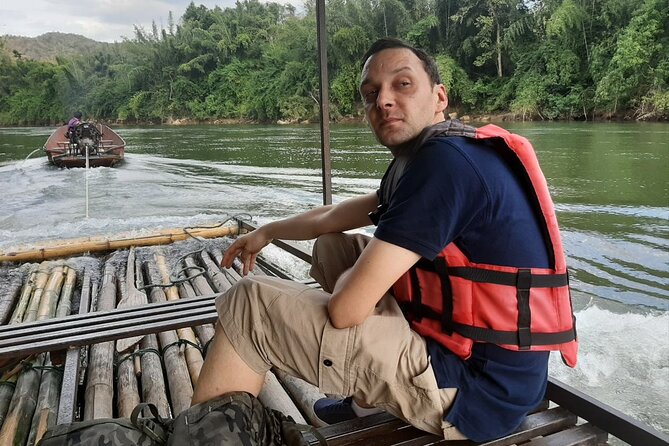
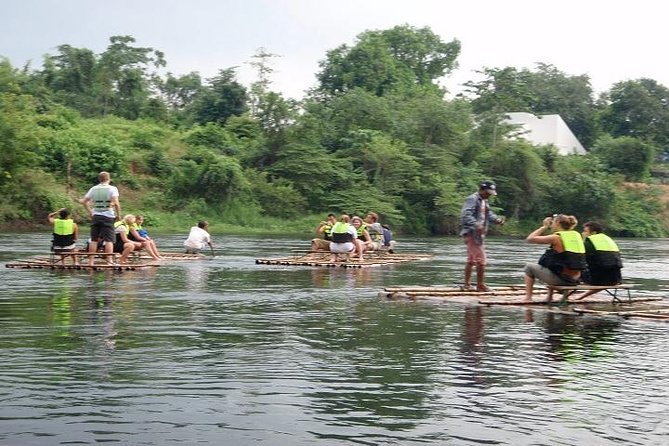
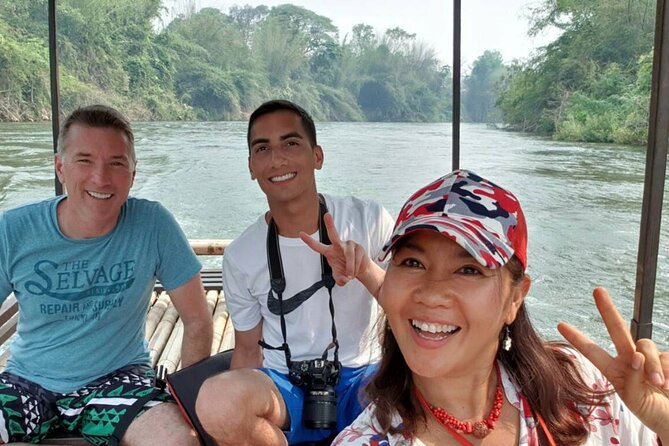
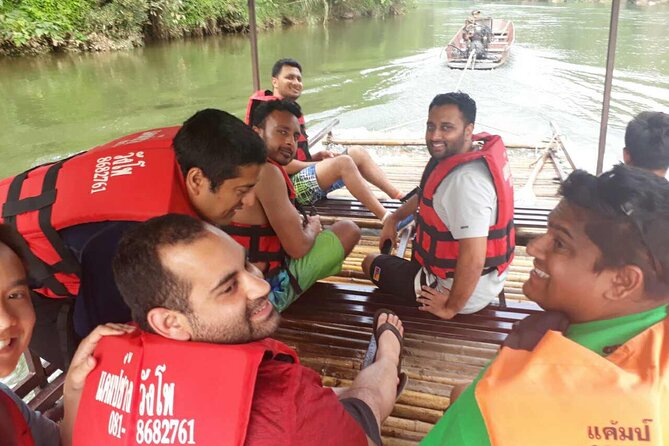
After lunch, you get the day’s most active segment: a bamboo raft ride on the River Kwai. The schedule gives about 1 hour, and the description specifically includes swimming and jumping from the raft, plus free time to enjoy the water.
This is where the day becomes Thailand-you-can-feel-it. Jungle scenery, a river that’s right there, and the simple thrill of climbing aboard something that isn’t a big theme-park boat. One reason I like this kind of activity on a cultural day trip is that it balances the tone. You go from sombre history into a more playful, sensory experience.
A word of caution though, because details matter on water days:
- The tour description says you can jump and swim from the raft.
- At least one guest said the description didn’t match what they experienced, including confusion about swimming.
So if swimming is a big deal for you, confirm what’s actually possible on the raft you’ll be using that day. Also, bring basic respect for river conditions. The water is water, and the fun comes with responsibility.
And about safety: one review flagged that the steps leading to the water area didn’t feel safely designed. That doesn’t mean you should skip it. It does mean you should wear grippy footwear and take the steps slowly.
Death Railway Museum and Research Centre: learning without the “ride” fantasy
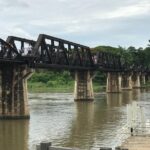
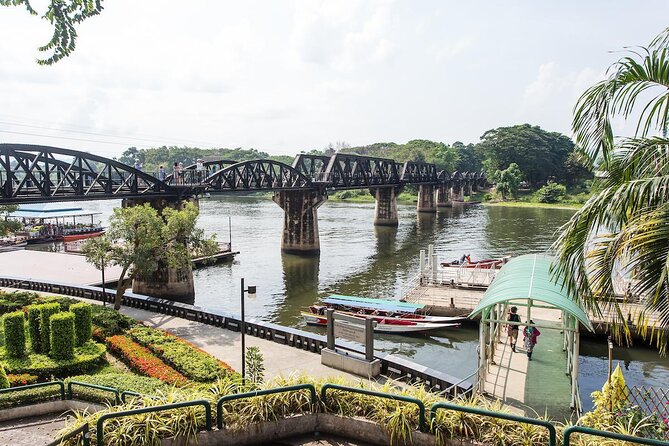
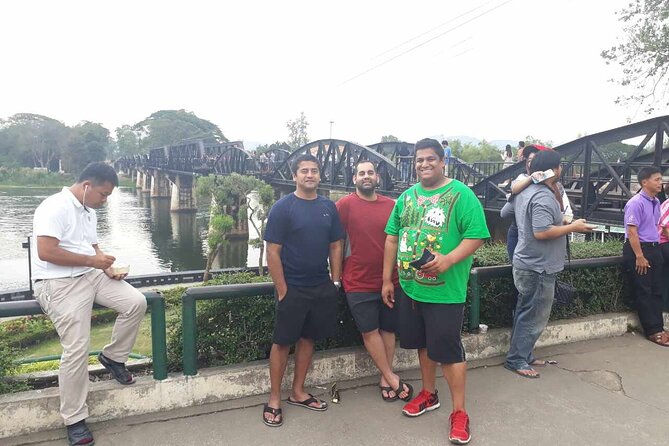
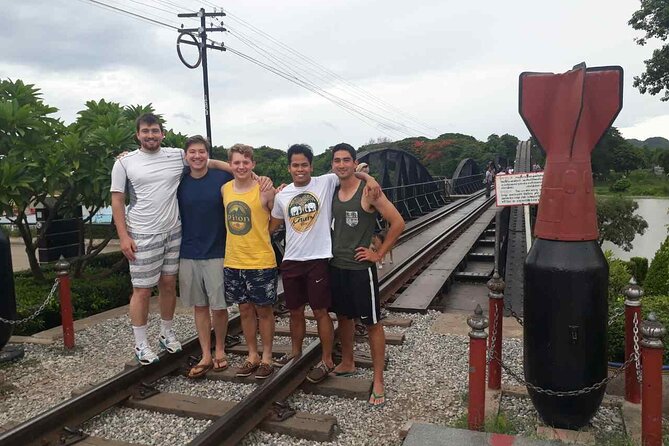
After the river time, you’ll visit the Death Railway Museum and Research Centre for about 1 hour. This stop ties directly to the famous bridge story—where visitors often mispronounce words and think they already know the tale.
The museum angle is useful because it helps you separate “popular references” from the actual setting and background. You’ll learn how the railway connected places and why this route became so infamous.
One expectation issue that came up for some people: the name Death Railway makes you think you might ride the railway itself. But based on what this day trip actually includes, you’re there to visit sites and museums, not to board the historical line. If you want a train ride, plan a different experience and check details carefully.
If you do want the “Bridge on the River Kwai” vibe, this is still a strong stop. It’s a solid way to understand why the story became a cultural reference, even if the day doesn’t include a railway ride.


Erawan National Park and the terraced Erawan Falls trek
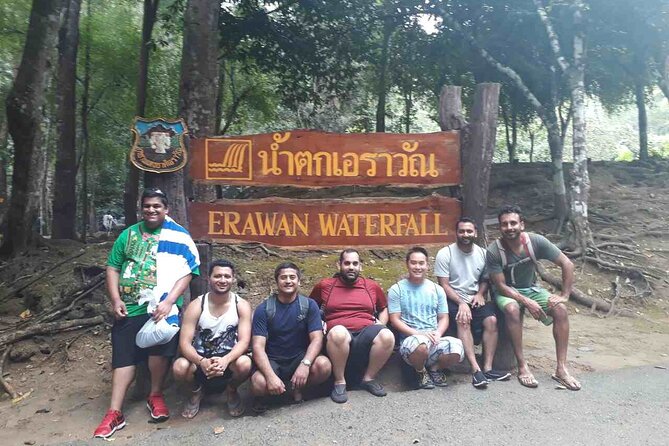
Now for the nature payoff. You’ll enter Erawan National Park and then head into the waterfall area. The schedule provides around 1 hour for park time, and about 1 hour connected to the trek to the terraced Erawan Waterfalls, with time to relax and swim or paddle.
This is the part of the tour where you shift gears again: expect humidity, stairs/paths, and the kind of jungle soundscape that makes the day feel different from city life. The falls are terraced, which means you’ll likely see multiple levels as you move. That structure also tends to create natural rest points, so you can plan your energy.
What I like about this arrangement is that you get movement but not an all-day trek. You still have time after the falls for the return drive and reflection on what you’ve seen—history, river, then jungle water.
Practical advice:
- Wear shoes that can handle slippery spots.
- Bring a dry bag or at least a secure way to keep your phone safe.
- If you care about swimming time, go early in the available window so you’re not rushed by the group pace.
Transport, guide style, and why the private format matters
A big part of the experience is how it’s run. This tour is private to your group, with a maximum of 9 people per booking, and includes an English-speaking local guide during sightseeing.
In the feedback, guide quality comes up again and again. Names like Aer, Siri, and Aey show up as people who explained Thailand’s culture clearly and helped make the day feel personal. There’s also a recurring theme of attentive service—driver support and guide communication that keeps things running on time.
That matters because Kanchanaburi day trips can become chaotic if you’re bouncing between locations and trying to handle tickets. Here, the guide helps you connect the dots: why the sites matter, how to move through them, and what to pay attention to.
Also, the private-car format is a value play. Even though it’s a long day, you aren’t forced into a loud bus schedule. You can also better manage your comfort breaks.
Food and pacing: Thai lunch plus scheduled breaks
You’ll stop for lunch at a local Thai restaurant. Lunch is included, and it’s strategically placed between the cemetery/museum stops and the river rafting time.
That placement is smart. Lunch prevents the worst kind of travel fatigue—hungry, warm, and rushed—right before an active water segment. You’ll want fuel after history time, and you’ll want energy for the park hike afterward.
The day is timed in blocks, mostly around:
- Museum and cemetery: roughly 30 minutes each
- River Kwai raft: about 1 hour
- Museum/research center: about 1 hour
- Erawan park and falls: around 2 hours total across those segments
You’ll still feel the full-day pace, but the schedule reduces idle waiting, which is what really drains energy.
Price and what’s included (and what you’ll likely add)
The price is $179.73 per person. For a private day trip that includes hotel pickup and drop-off, a private air-conditioned car, an English-speaking guide during sightseeing, and lunch, it lands in a mid-to-high range. The value comes from bundling transportation and entry planning into one stop.
Included items also cover key sites:
- JEATH War Museum admission
- Erawan National Park and waterfall-related admission
- Several other stops are marked as free or included in the day flow
Not included are personal expenses and anything not listed in inclusions. So budget for things like extra snacks, drinks you buy along the way, tips if you choose to give them, and any souvenirs.
Two practical “value” notes:
- If you’re traveling as a group of 2–5+ people, group discounts are available.
- If your schedule allows, this trip is a classic way to get Kanchanaburi highlights without checking into another hotel.
Who this tour fits best (and who should think twice)
This is a good fit if you want one organized day that blends:
- WWII-related sites (JEATH War Museum and the war cemetery),
- a signature River Kwai rafting moment,
- and the Erawan Falls hike.
It’s especially suited for first-timers in the area who don’t want to plan transfers, ticketing, and timings.
You might think twice if:
- you hate long days and long car time (this is a heavy travel schedule),
- swimming from the raft is a must-have and you don’t want any chance of mismatch with what you’re told,
- you have limited mobility, since waterfall and river areas can involve uneven paths and steps.
If you’re comfortable with walking and you can tolerate heat, it’s a rewarding mix.
Should you book this Private Erawan Waterfall, River Kwai, Death Railway Tour?
I’d book it if your goal is maximum variety in one day, with pickup from Bangkok, a small private group, and a guide who helps you understand what you’re seeing. The combination of history sites, the River Kwai water activity, and the Erawan waterfalls trek is exactly the kind of Thailand day trip that feels complete.
I’d also do a quick expectation check before you pay, especially around two points:
1) Swimming and what’s actually practical on the raft that day.
2) The fact that this is museum and site-focused for the Death Railway theme, not a railway ride.
If those match your priorities, you’ll likely end the day with plenty of photos, a fuller historical context, and a very memorable natural break after all that indoor learning.
FAQ
What time does the tour start?
It starts at 7:00 am.
How long is the tour?
The duration is about 14 hours.
Is hotel pickup and drop-off included?
Yes. Hotel pickup and drop-off at Bangkok City area is included.
Is lunch included?
Yes. A Thai lunch is included.
What stops are included during the day?
The tour includes JEATH War Museum, Kanchanaburi War Cemetery, time at the River Kwai for a bamboo raft ride, the Death Railway Museum and Research Centre, and Erawan National Park with the Erawan Waterfalls trek.
What’s the group size limit?
The booking allows a maximum of 9 people per booking, and it’s a private tour/activity for your group.