REVIEW · PHUKET CITY
Phuket: Thai Cooking Class with 4 Dishes and Market Visit
Book on GetYourGuide →Operated by Thai Cooking Class Phuket by Tony · Bookable on GetYourGuide
Thai cooking starts in a real market. I love the way this class begins with a local fresh market (you taste Thai fruit, a Thai snack, and a Thai dessert), then turns right into hands-on cooking in an open kitchen. You get real practice with Thai herbs and seasonings, plus a recipe book to take home. The one thing to plan for: there’s no hotel pickup, so you’ll need to reach the meeting point yourself.
You’ll cook a full mini Thai meal: one soup, one curry, and one stir-fry, and you’ll also make spring rolls or mango sticky rice. The menu shifts by session, and the class is taught in English, with a step-by-step instructor who can also accommodate allergies or intolerances.
In This Review
- Key things to know before you go
- Entering the experience: Tony’s Phuket class starts with food you can see
- Getting to the meeting point (and what to expect right after)
- The market visit: learning Thai herbs, seasonings, and what good ingredients feel like
- Your Phuket menu: soup, curry, stir-fry, and the spring rolls or mango sticky rice finish
- Soup options
- Curry options
- Stir-fry options
- The fourth item: spring rolls or mango sticky rice
- How the class menu choices work
- Cooking in a traditional open kitchen: step-by-step practice you can actually repeat
- Eating what you cooked (and taking extras with you)
- Price and value: what $77 buys you in real cooking practice
- Who this class suits best in Phuket
- Should you book the Phuket Thai Cooking Class by Tony?
- FAQ
- How many dishes do I cook in this Phuket class?
- Do I visit a market before cooking?
- What soup, curry, and stir-fry options are available?
- Is spring rolls or mango sticky rice included?
- Does the class include ingredients and drinks?
- Do I need to bring anything?
- What if I have allergies or food intolerances?
- How do I find the meeting point?
- What language is the class taught in?
- What if someone doesn’t want to cook?
Key things to know before you go
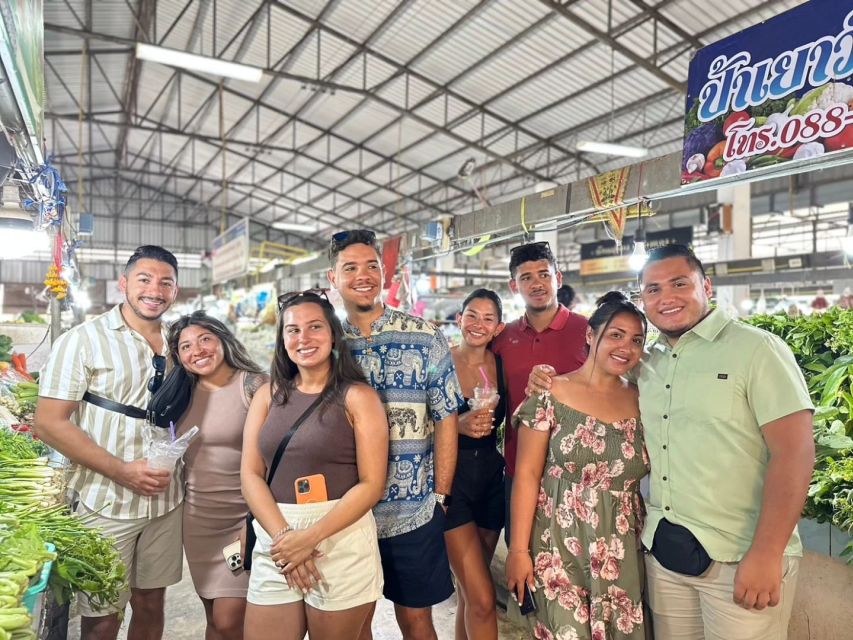
- Market-first shopping and tastings so you learn ingredients before you cook with them
- Open-kitchen, hands-on stations where you follow the steps and cook your own dishes
- Soup + curry + stir-fry menu options (including favorites like Tom Yum and Tom Kha)
- Spring rolls or mango sticky rice as the sweet or crunchy finish
- Recipe book to recreate the dishes at home after you leave
- Small-group flexibility: even with just two people, the class still runs
Entering the experience: Tony’s Phuket class starts with food you can see
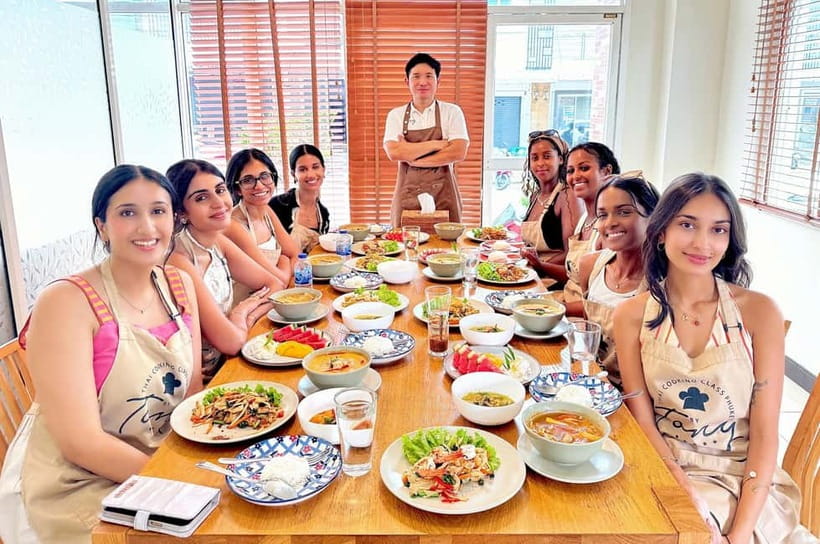
This is a Thai cooking class in Phuket built around one big idea: you understand Thai food faster when you shop for it first. Instead of showing up and being handed ingredients, you meet at the cooking school and head to a local fresh market with Tony’s team. That order matters. You get to see what fresh looks like in Thailand, then connect the flavors to what you’ll actually cook.
At the school, you’ll settle into the kitchen after the market stop, with a welcome drink waiting for you. Then it’s straight to your station. The format is practical: you’re not just watching. You’re cooking while the instructor guides you step by step. You also get water and coffee included, which makes the whole thing feel more like a meal lesson than a rushed performance.
One more reason this works well: the class is run in English, so you can actually follow the why behind the steps, not just repeat instructions. If you’re the type who likes learning a process you can copy at home, this will fit your style.
You can also read our reviews of more shopping tours in Phuket City



Getting to the meeting point (and what to expect right after)
There’s no hotel pickup for this experience. The meeting point info is straightforward: you can search in Google for Thai Cooking Class Phuket by Tony, and that’s the most accurate location. The class ends back at the meeting point, so you don’t have to worry about transportation at the finish.
Right after you meet, the day flows in two clear blocks:
1) market visit
2) cooking and eating back at the school
That structure is helpful if you’re trying to plan your time in Phuket. You’re not bouncing around the island. You’re doing one anchored activity that moves from ingredient shopping to meal-making.
Another small but important detail: the market part includes tastings. You’ll try Thai fruit, a Thai snack, and a Thai dessert as you browse. That makes the market more than a shopping stop. It’s an introduction to flavors you’ll recognize later when you taste your cooked dishes.
The market visit: learning Thai herbs, seasonings, and what good ingredients feel like
The market stop is one of the most valuable parts because it turns Thai cooking into something you can recognize. You’ll walk the market with the chef/instructor and learn how ingredients show up in Thai cooking. The point isn’t to memorize names for later. The point is to understand which ingredients matter and how they influence flavor.
You’ll also learn how to choose what you’ll use in the class. The ingredients you buy become the basis for your meal, which means you’re building a connection between:
- what you picked
- what it tastes like
- and what you learn to cook with
You’ll get to taste Thai fruit, a Thai snack, and a Thai dessert during the market visit. In practical terms, that helps your brain sort Thai flavor into categories early. It’s easier to cook confidently after you’ve already experienced sweet, crunchy, and fruity notes that show up again later in Thai meals.
A bonus from real class experiences: you can take photos of ingredients during the market segment. If you like recreating meals later, those images help you remember what key items looked like.
Your Phuket menu: soup, curry, stir-fry, and the spring rolls or mango sticky rice finish
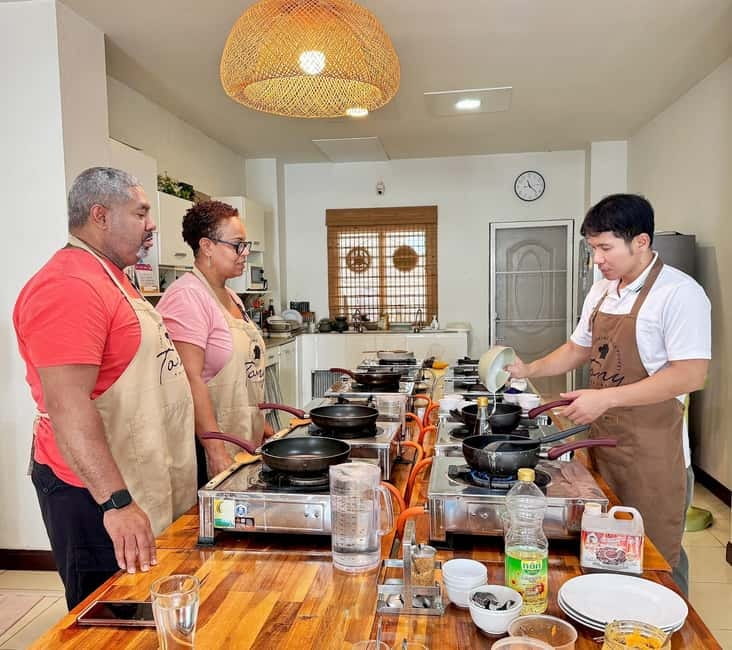
This class is built around cooking four Thai items:
- one soup
- one curry
- one stir-fry
- and spring rolls or mango sticky rice
The exact dishes vary by session, but the menu includes clear choices in each category. Here’s what you can expect to see on the menu, based on the class options:
Soup options
- Tom Yum Soup (Hot and Sour Shrimp Soup)
- Tom Kha Soup (Coconut Soup)
Soup is where many people get their first real lesson in Thai flavor balance. If you’re learning Thai cooking for the first time, this category is a smart entry point because it forces you to pay attention to how sour, salty, spicy, and creamy notes work together.
A few more Phuket City tours and experiences worth a look


Curry options
- Green Curry
- Red Curry
- Yellow Curry
- Panang Curry
- Massaman Curry
Curry is where technique matters. You’re not just tasting spice. You’re learning how curry flavors get built through herbs, seasonings, and cooking steps. If you want a dish that feels cozy and restaurant-level, curry is usually your best bet.
Stir-fry options
- Pad Thai
- Thai Fried Rice
- Pineapple Fried Rice
- Pad Kra Pow
Stir-fry is also where you’ll feel the heat and timing. Thai stir-fry can turn from perfect to overdone fast, so it’s a great way to learn control. If you’re the kind of cook who likes high-energy dishes, this category is for you.
The fourth item: spring rolls or mango sticky rice
You’ll cook spring rolls or mango sticky rice alongside the three dishes (soup, curry, stir-fry). This is a big part of why the class feels like a real Thai meal. It’s not only savory. You finish with something that matches how Thai food often lands on the sweet or snack side.
How the class menu choices work
The class menu changes each session. It features three dishes for the class as a whole and one dish that each person can select individually. You’ll cook spring rolls or mango sticky rice plus three dishes, choosing one from each category (soup, curry, stir-fry). Translation: you get some control over what you cook, without turning the class into a complicated ordering process.
Cooking in a traditional open kitchen: step-by-step practice you can actually repeat
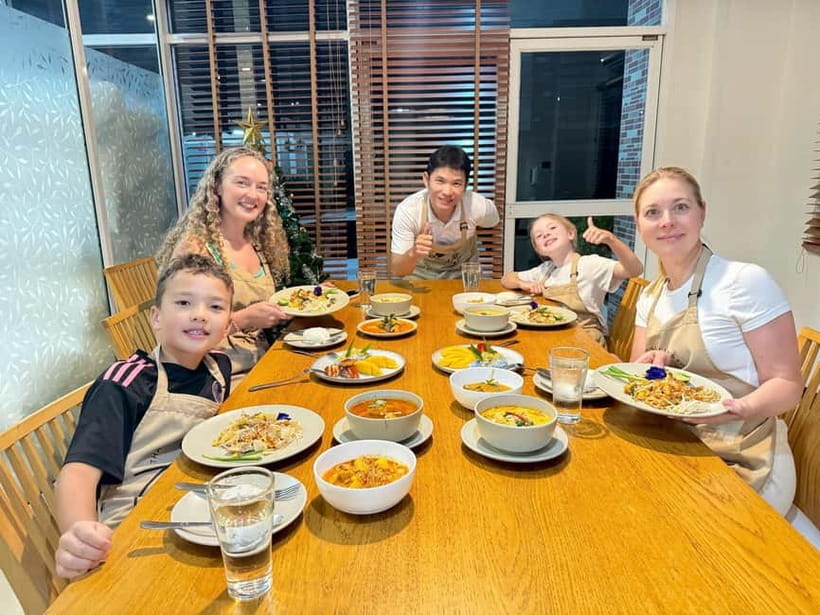
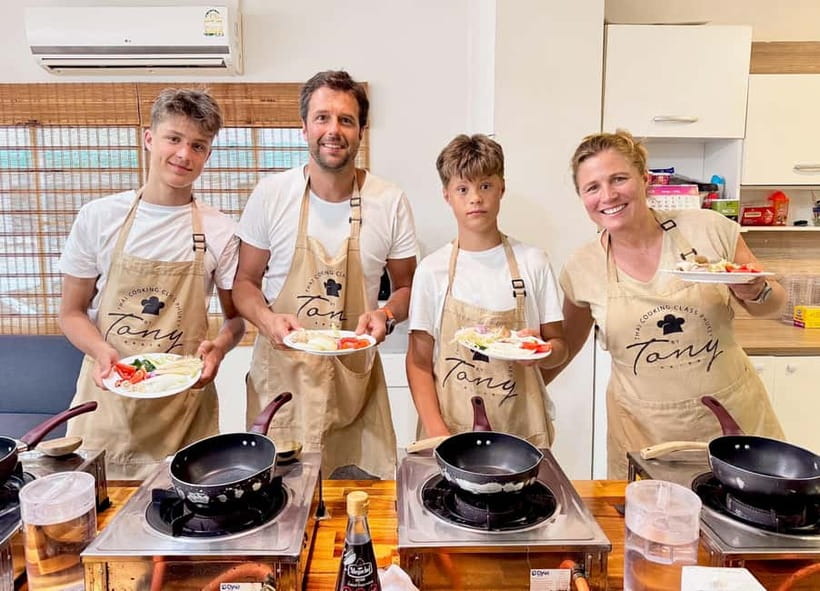
Back at the school, you’ll get a welcome drink, then you’ll start cooking at your own station. The instructor guides you step by step, which is exactly what you want in a hands-on class. Thai food has flavors that can be hard to identify at first, so the structure helps you build confidence.
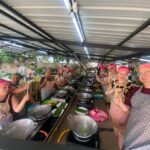
The kitchen setup is a traditional open kitchen, which makes the whole thing feel more like a living cooking space and less like a sealed demo. You can usually see what’s happening around you, and that helps you learn even if you’re focused on your own pan and pot.
This class also includes lessons on different Thai herbs and seasonings. That matters because Thai cooking isn’t only about one ingredient. It’s about combinations. You’ll also get recommendations for substitutions when you cook at home. That’s key for real-world value. Ingredients you find in Phuket may be hard to source in your home city, so having substitution guidance makes the recipe book more useful.
And yes, you’ll taste your results at the end. Cooking feels better when it ends with eating what you made.
One thoughtful detail from real class experiences: the instructor team is considerate about allergies, intolerances, or just not liking a certain ingredient. If you have dietary constraints, bring them up so they can adjust what’s possible within the class format.
Eating what you cooked (and taking extras with you)
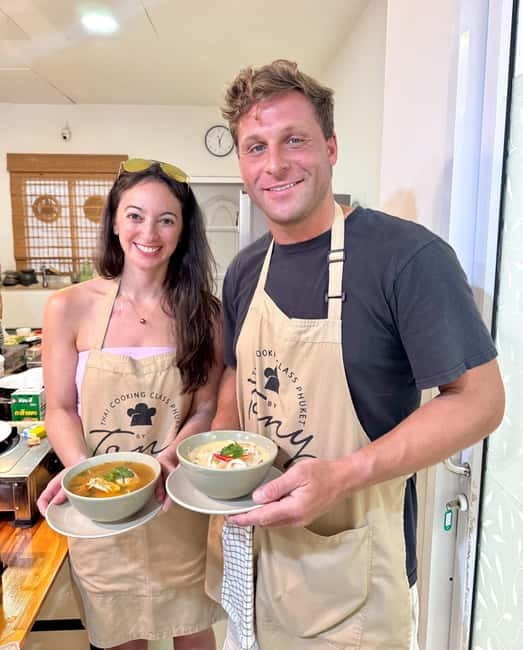
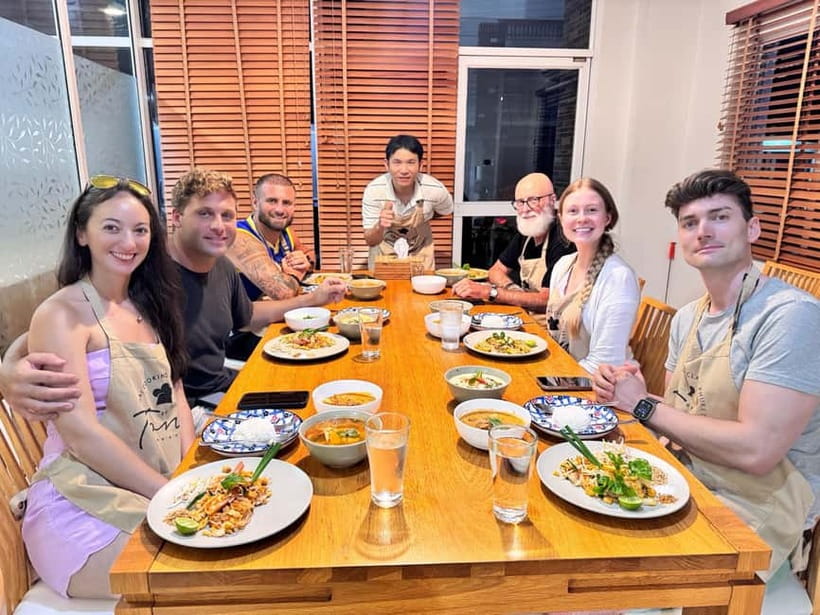
After you finish cooking, you’ll sit down and taste what you made. This is where many cooking classes succeed or fail. The success part here is that the class is designed so your dish is ready for you to eat right after you cook it, instead of being stuck with take-home food that never gets tasted.
If you can’t finish your meal, you can take your cooked food with you. That’s a practical win. It cuts down on waste and gives you a second meal later without having to hunt for dinner plans.
You’ll also have the spring rolls or mango sticky rice as part of the meal. That sweet or snack component is a nice finish after savory dishes, and it helps the whole lunch or meal feel complete.
Price and value: what $77 buys you in real cooking practice
At $77 per person, this isn’t an ultra-budget activity, but it also isn’t overpriced for what you actually get.
Here’s what’s included:
- instructor-guided cooking
- ingredients
- water and coffee
- Thai fruit, snack, and dessert during the market visit
- spring rolls or mango sticky rice
- three dishes you cook (soup, curry, stir-fry)
- a recipe book to take home
What’s not included:
- hotel pickup and drop-off
So what are you really paying for? You’re paying for two things that are hard to replicate on your own in Phuket:
1) a guided market visit with ingredient tastings
2) hands-on cooking instruction with Thai herbs and seasoning coaching
If you compare this to buying ingredients and trying to follow recipes at home, the value jumps. The instructor helps you get the steps right, and the class includes substitution advice so your effort doesn’t die once you’re back in your own kitchen.
One more cost-related note: if you’re 6 years old or older but don’t want to cook, there’s a separate fee of 1,200 THB paid in cash at the school. That can matter for families planning around who actually wants to cook.
Who this class suits best in Phuket
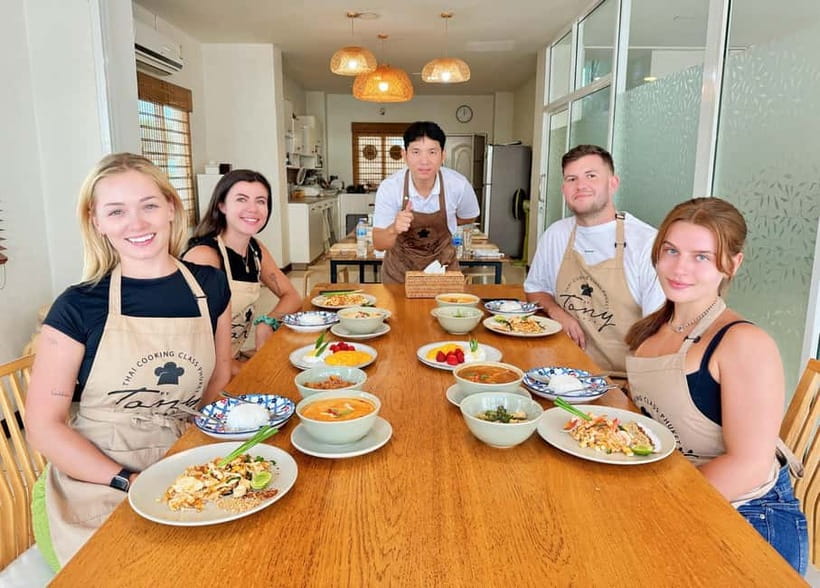
This cooking class is a strong fit if:
- you want a hands-on Thai lesson, not just a food tasting
- you like understanding ingredients before you start cooking
- you want a recipe book and substitution tips so you can recreate the dishes later
- you’re comfortable cooking at a station while an instructor guides you in English
It’s also a good option for small groups. Even with only two people booked, the class can still run, so you’re not stuck waiting for a big crowd to make the experience happen.
If you dislike heat or specific flavors, the instructor team can be considerate about allergies or intolerances. That’s worth asking about directly before you start cooking.
Should you book the Phuket Thai Cooking Class by Tony?
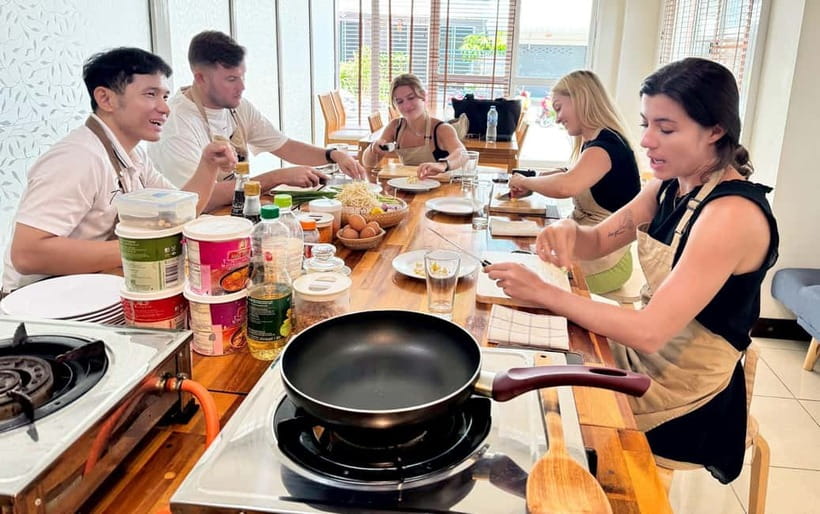
Yes, you should book it if you want Thai cooking that connects market ingredients to cooking technique, and you’re excited to actually cook your meal. The market tastings, the traditional open kitchen format, and the step-by-step guidance make it feel like a real food lesson, not a quick activity.
Skip it only if you truly don’t want to handle the logistics of getting to the meeting point yourself (since there’s no hotel pickup). Also, if you’re looking for a purely observational food tour, this one is built for cooking.
If you want a memorable Phuket activity with practical skills you’ll use again, this is an easy yes.
FAQ
How many dishes do I cook in this Phuket class?
You’ll cook a Thai meal made up of one soup, one curry, and one stir-fry, plus spring rolls or mango sticky rice as part of what you eat.
Do I visit a market before cooking?
Yes. You meet at the cooking school first, then you visit a local fresh market with the chef/instructor to buy ingredients and taste Thai fruit, a Thai snack, and a Thai dessert.
What soup, curry, and stir-fry options are available?
Soup options include Tom Yum Soup and Tom Kha Soup. Curry options can include Green Curry, Red Curry, Yellow Curry, Panang Curry, or Massaman Curry. Stir-fry options include Pad Thai, Thai Fried Rice, Pineapple Fried Rice, and Pad Kra Pow.
Is spring rolls or mango sticky rice included?
Yes. Spring rolls or mango sticky rice is included, and it’s cooked as part of the class.
Does the class include ingredients and drinks?
Yes. The class includes ingredients, water, and coffee. You also get tastings (Thai fruit, snack, and dessert) during the market visit.
Do I need to bring anything?
The provided information doesn’t list any specific items to bring, but you should plan to get to the meeting point yourself since hotel pickup and drop-off aren’t included.
What if I have allergies or food intolerances?
The instructor team is considerate if you have allergies or intolerances or if you don’t like a certain ingredient, so it’s worth discussing your needs before you start cooking.
How do I find the meeting point?
You can search in Google for Thai Cooking Class Phuket by Tony, which is listed as the most accurate way to locate the meeting point. The activity ends back at the meeting point.
What language is the class taught in?
The class is taught in English.
What if someone doesn’t want to cook?
People aged 6 and over who want to attend but don’t want to cook must pay 1,200 THB in cash at the school.