REVIEW · PHUKET CITY
Thai Cooking Class with Market & Garden Tour
Book on GetYourGuide →Operated by The Guide Thailand · Bookable on GetYourGuide
Thai cooking gets real when it starts with the ingredients. This market-to-kitchen experience lets you shop alongside the chef, then cook at his own wood-and-herb setup with clear English guidance from Mr. Woody and his team. I love how hands-on it feels, and I also like that you come away with a stack of how-to tools, not just a full belly. One thing to weigh: you’ll spend a solid half-day doing dishes yourself, so come with some energy (and an appetite).
You’ve got two timing options, morning for lunch or afternoon for dinner, and you choose your dishes from a short, well-thought list. The garden walk and fruit tasting make it more than a cooking ticket, and you’ll see where the flavors actually come from. The main drawback is simple: if you want a passive, watch-the-chef-only style, this class is built for cooking, chopping, and stirring at your station.
In This Review
- Key things to know before you go
- Starting with a local market, not a tourist buffet
- Wooddy Kitchen at Kata Village and the herb garden walk
- Hands-on cooking: choosing 3 dishes and cooking at your own station
- Morning class (lunch cooking: 10:00–13:30)
- Afternoon class (dinner cooking: 15:00–19:00)
- The meal at the table, plus leftovers for later
- Time on the clock: pick-up, cooking flow, and how the 5 hours feel
- Price and value: where the $73 goes
- Who should book this class (and who might prefer another plan)
- Practical tips: what to bring and how to get the most out of it
- Should you book the Thai Cooking Class with Market & Garden Tour?
- FAQ
- How long is the Thai Cooking Class with Market & Garden Tour?
- Is hotel pick-up and drop-off included?
- Do I choose the dishes, or are they fixed?
- What dishes are available for the morning (lunch) class?
- What dishes are available for the afternoon (dinner) class?
- Is the instructor available in English?
- Do I get recipes to take home?
- Are vegetarian options included?
- Is alcohol included in the class?
Key things to know before you go
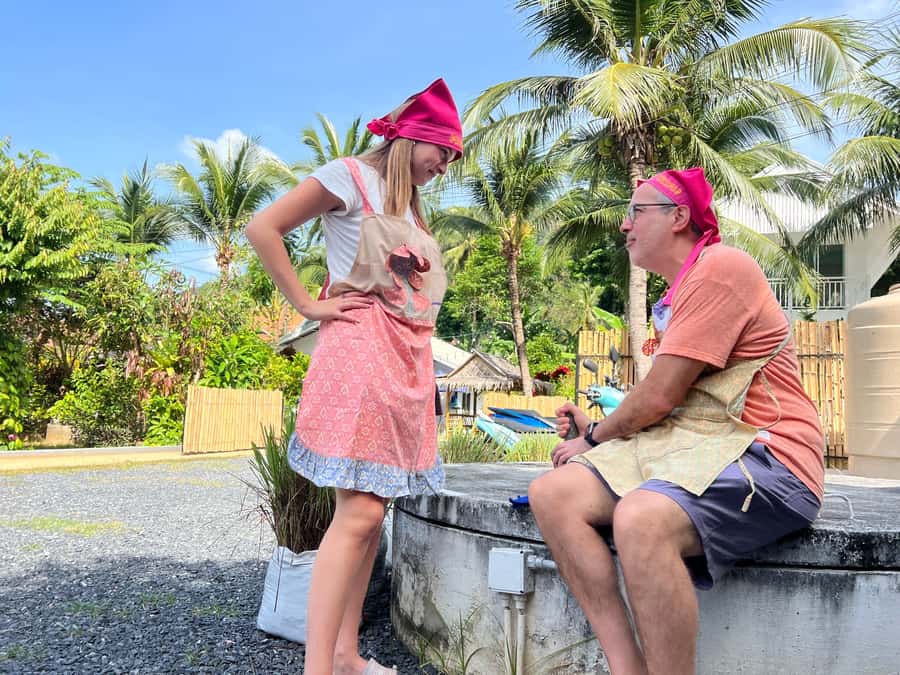
- Market shopping with the chef so you understand herbs, spices, and what to look for
- Herb and fruit garden at the kitchen where many ingredients come from
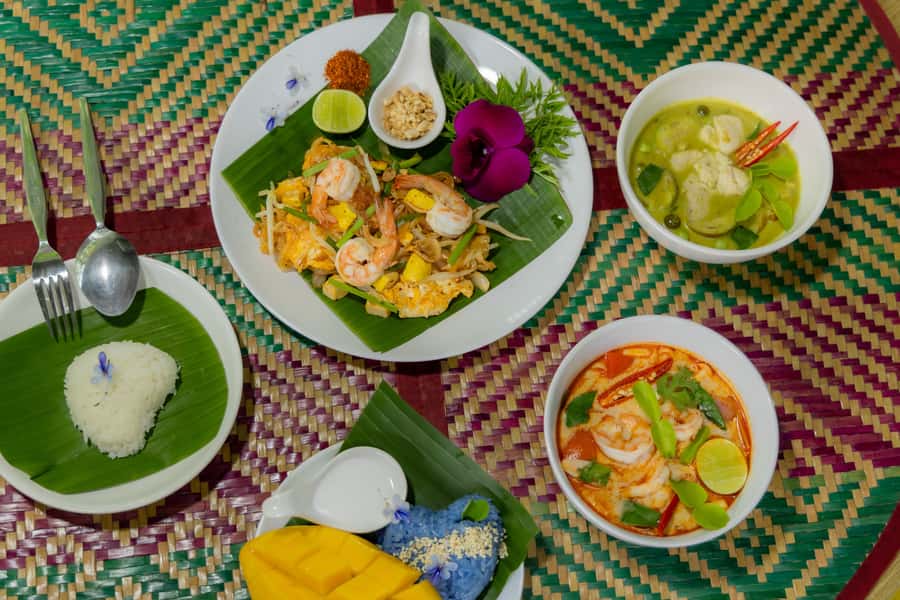
- Pick 3 dishes from options like green/red/panang curry, Tom Yum or Tom Kha, and Pad Thai
- One-on-one cooking guidance at your own station, not just group demos
- You eat what you make and you can usually take leftovers back for later
Starting with a local market, not a tourist buffet
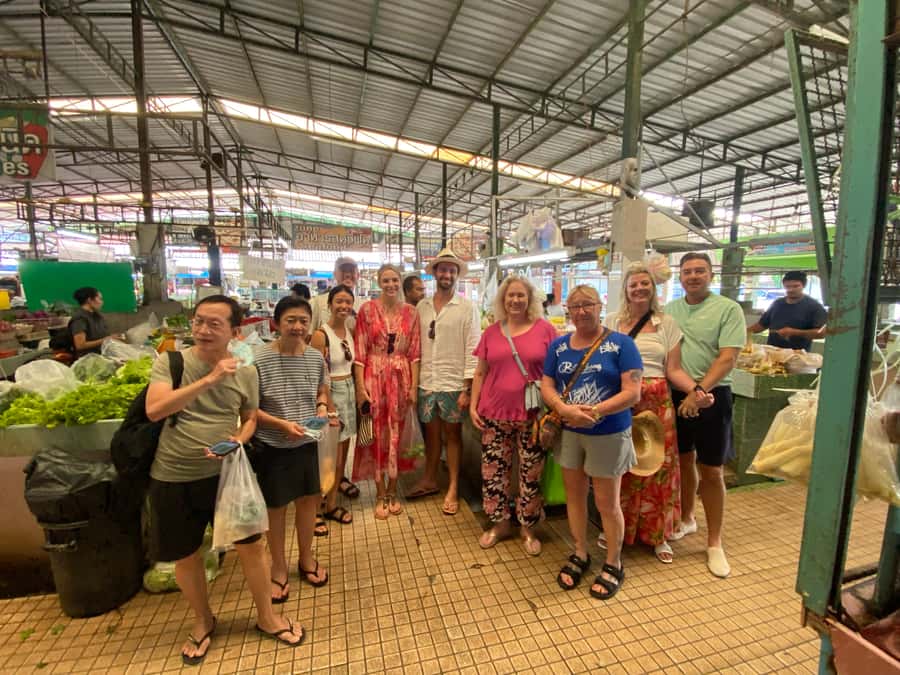
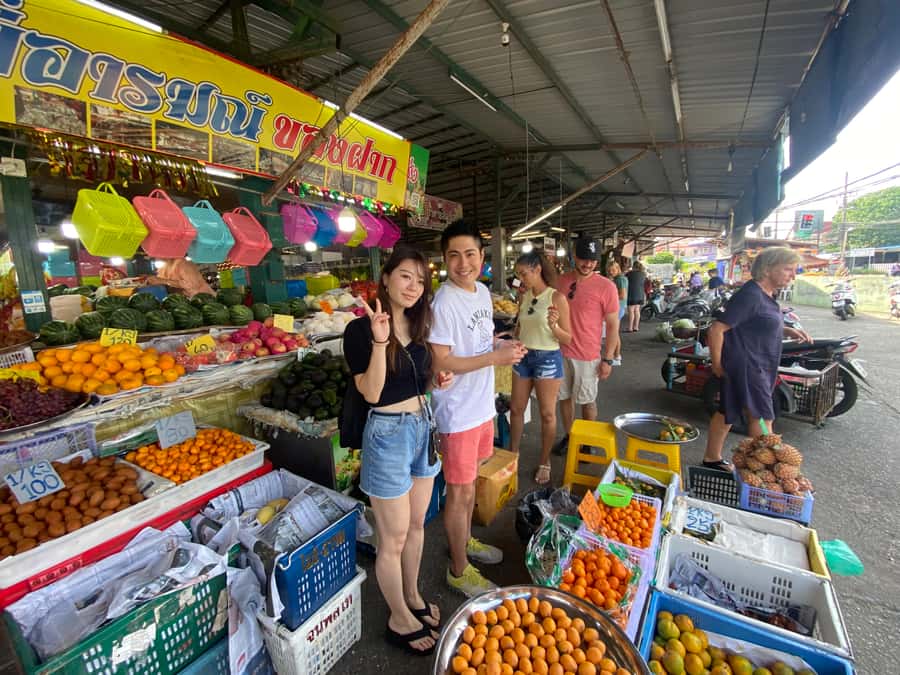
The best part of this experience is the way it flips the usual order. Instead of showing up to a kitchen and being handed prepped ingredients, you begin out in a local fresh market. You walk through stalls with Mr. Woody, where herbs and spices are treated like the main characters, not side notes.
You’ll learn what Thai cooks mean when they talk about balance. People often think Thai food is just spicy, but the market shows the other half of the equation: the fragrant roots, crisp greens, citrusy notes, and the dairy or coconut elements that soften heat. You also get practical shopping insight. When you see ingredients used in your class, you’ll remember what you grabbed and why.
There’s also a short seasonal fruit tasting stop, which helps you understand that Thai flavor isn’t only savory. Some of the fruit is the kind you’ll only see during certain months, so it’s not just a random snack. It’s tied to what’s growing right now, and that matters in Thai cooking.
A small consideration: your market experience will feel cooler and more focused if you don’t arrive with a super rushed schedule. Morning and afternoon classes both start with time to shop, but the whole day is still about one goal: cook well.
You can also read our reviews of more shopping tours in Phuket City



Wooddy Kitchen at Kata Village and the herb garden walk
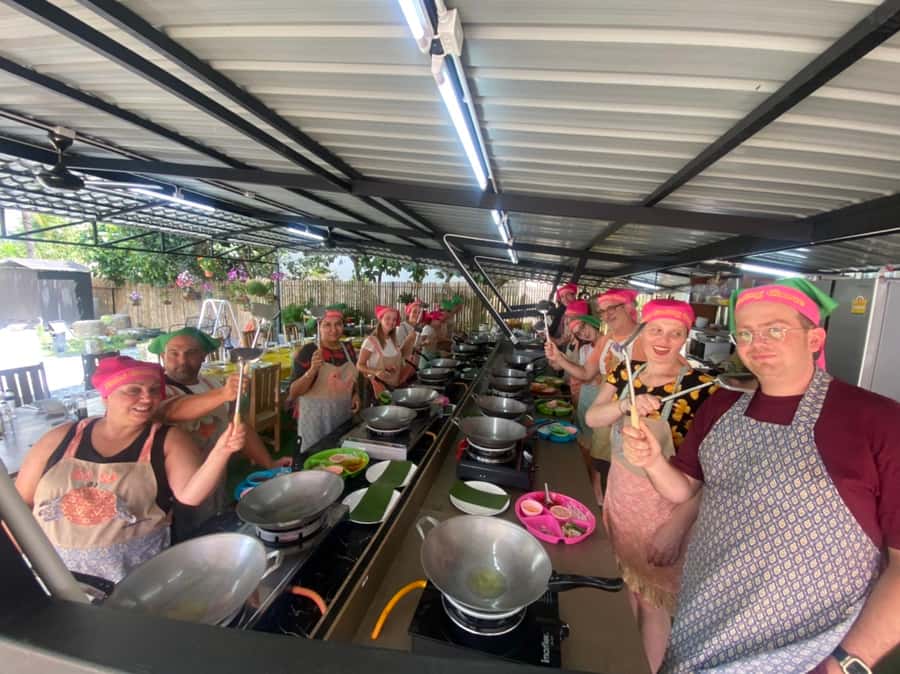
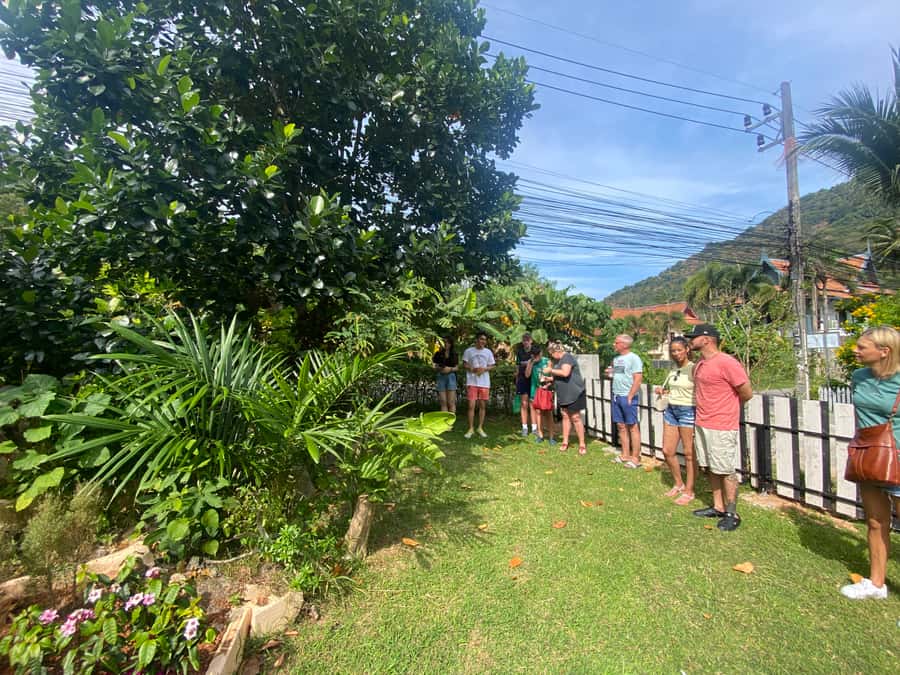
After the market, you head to Wooddy Kitchen in Kata village. Expect a warm welcome, then a quick herbal drink before you get into the garden and cooking setup. This part works because it’s not just pretty scenery. The walk is tied to what you’ll cook later.
The organic garden is where you see Thai herbs and fruits growing around the kitchen. You’ll get a sense of how ingredient quality affects flavor, especially for items that rely on fresh leaves or aromatic stems. When you later stir curry paste or season a salad, that garden knowledge sticks. It also makes the class feel more personal, like you’re being invited into someone’s home routine rather than being processed through a factory-style tour.
Mr. Woody’s English is clear, and his storytelling gives the tour a human rhythm. Past guests repeatedly mention his humor and how he explains steps with reasons, not just instructions. That matters because Thai cooking has a lot of technique-by-sense. If someone tells you only what to do, you can follow it. If they explain why, you can adjust when you cook at home.
One more nice touch: the cooking setting is reported as comfortable, including air-conditioned cooking space for that post-market reset.
Hands-on cooking: choosing 3 dishes and cooking at your own station
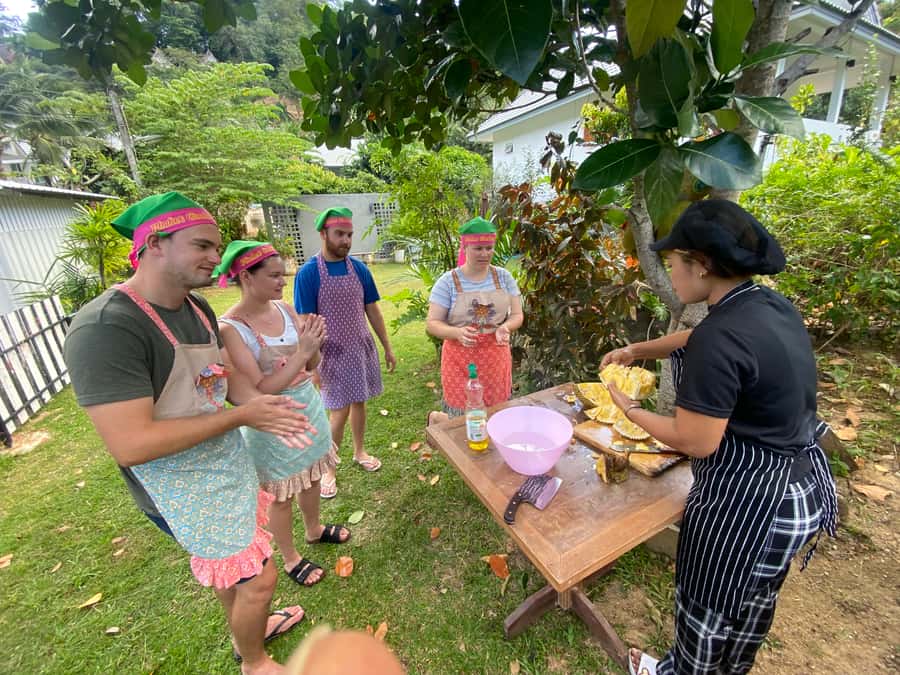
You’ll learn to prepare and cook three traditional Thai dishes. The day is structured so you rotate through core steps while still staying at your station for the parts you need to practice.
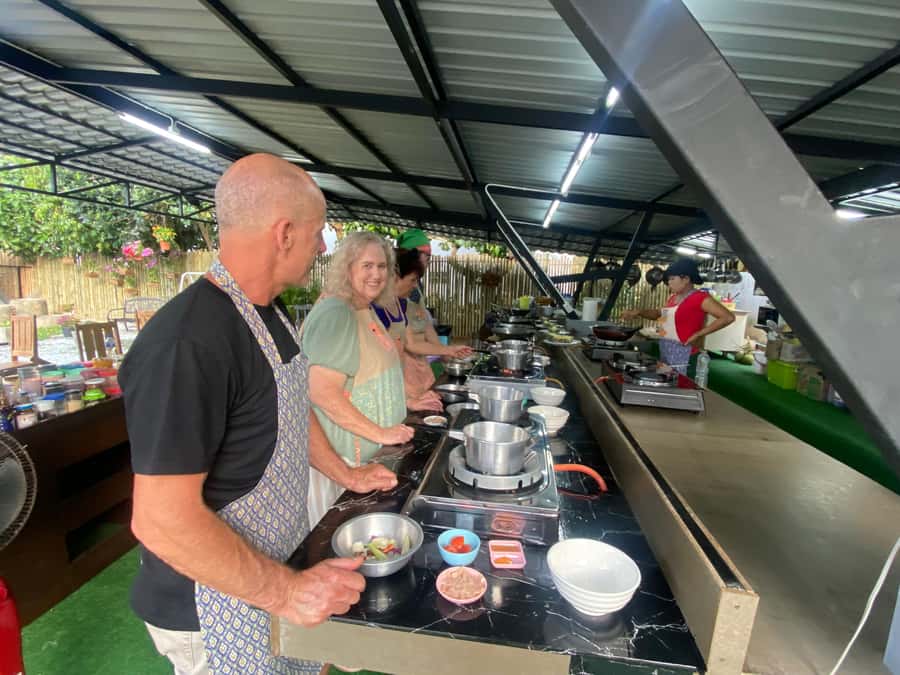
You also get the kind of guidance that’s hard to fake. At your station, you’re not just watching someone else. The instructors help you handle tricky moments, like getting the right curry texture, balancing salt and sour, or managing wok heat for noodle stir-fries. This is the difference between tasting Thai food and learning how to reproduce it.
Here’s how the dish choices work by class time:
Morning class (lunch cooking: 10:00–13:30)
You choose three from options including:
- Green Curry / Red Curry / Panang Curry (chicken or vegetarian options)
- Tom Yum Goong or Tom Kha Kai
- Pad Thai or Pad See Ew
- Mango Sticky Rice
Afternoon class (dinner cooking: 15:00–19:00)
You choose three from options including:
- Panang Curry or Green Curry
- Som Tum (papaya salad)
- Tom Kha Kai
- Stir-Fried Chicken with Cashew Nuts
- Deep-Fried Banana
The menu has a smart spread. Curry teaches paste-building and coconut balance. Tom Yum or Tom Kha teaches sour/spice layering. Pad Thai or noodles teach timing, sauce absorption, and heat control. Mango Sticky Rice gives you a dessert anchor so you leave with a full meal rhythm.
Vegetarian options are actually part of the core choices, not a last-minute swap. That’s a big deal for value and for confidence when you cook later.
A few more Phuket City tours and experiences worth a look



The meal at the table, plus leftovers for later
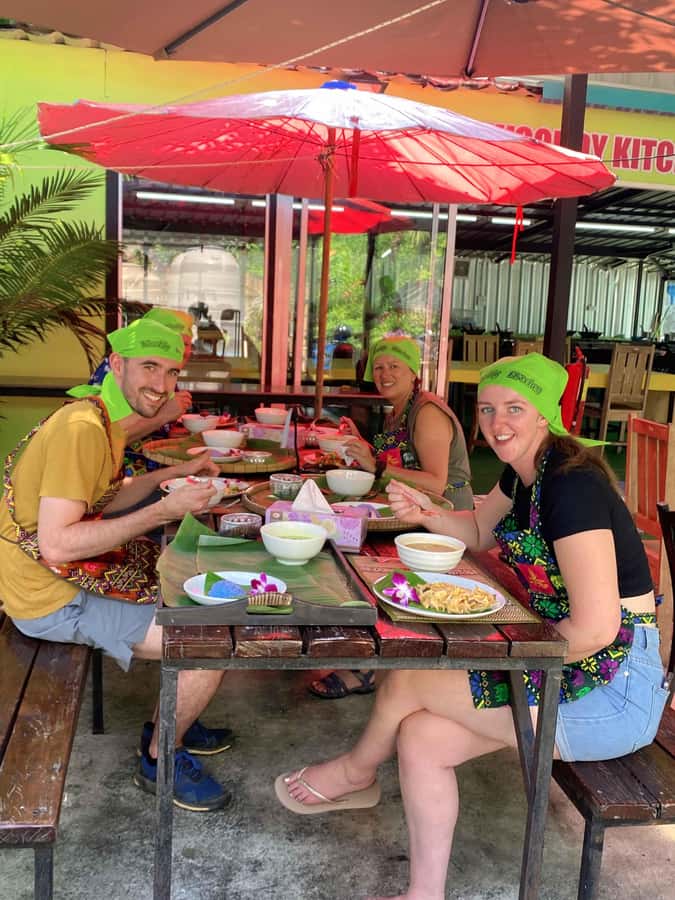
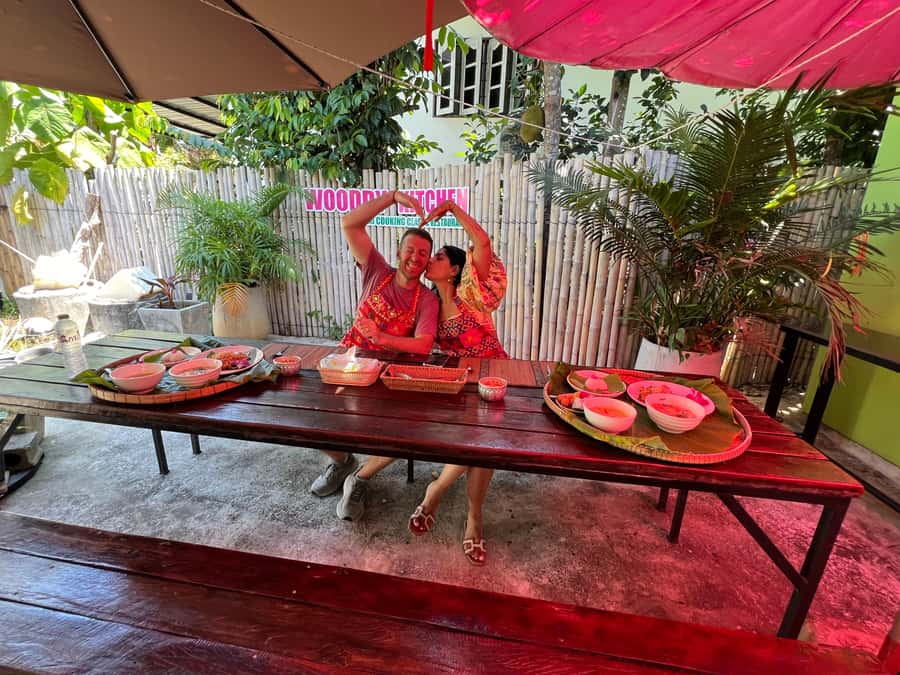
Once your dishes are ready, you sit down and eat what you cooked. You’ll also get views during the meal, which is a simple upgrade from a “stand and sample” setup. It’s not fine dining, but it feels earned.
Many people are surprised by how much food you end up with. Because you’re making multiple dishes from scratch, you usually get more than you can finish. The class can pack up what you can’t eat, which is great for an easy second dinner that doesn’t require you to find a restaurant.
This meal portion matters because it’s where technique becomes flavor. If you did curry paste correctly, you’ll notice it in the first spoonful. If you managed noodles well, they won’t turn gummy or bland. If you got the salad seasoning right, you’ll taste sour-salty-sweet balance right away.
Also, you’ll likely recognize which ingredients drove each flavor. That’s the payoff: you don’t just get a recipe, you build ingredient instincts.
Time on the clock: pick-up, cooking flow, and how the 5 hours feel
The total experience runs about 270 minutes (around 5 hours). That sounds manageable until you remember you’re shopping, cooking, and eating. Still, the schedule is built to keep momentum.
You get hotel pick-up and drop-off in Patong, Karon, and Kata by minibus. If you’re outside that area, you can arrange additional transport at extra cost based on local taxi rates. The transport score is highly rated, with a large share of reviewers giving perfect marks, which you’ll appreciate in Phuket where drive-time can be unpredictable.
For the morning timing, pick-up is roughly 09:00–09:30, then market shopping, then you start cooking at 10:00 and finish around 13:30.
For the afternoon timing, pick-up is roughly 14:15–14:30, then you cook and eat from 15:00–19:00.
A practical tip: if you book the lunch class, don’t overdo breakfast. You’ll be making a lot of food, and you’ll want your appetite for the meal you cooked.
Price and value: where the $73 goes
At about $73 per person for a roughly 5-hour experience, the value comes from the mix of things you receive, not one single highlight.
Here’s what you’re paying for in real terms:
- Round-trip transfer within the main beach areas (Patong/Karon/Kata)
- Market tour with chef-led ingredient shopping
- Garden walk where the ingredients come from
- All ingredients and equipment
- 3-dish, hands-on cooking class at your own station
- English-speaking instructor
- Drinking water
- A recipe book
- Recipe e-book and cooking videos sent to your email or WhatsApp
- Thai-style apron for class use
- Cooking certificate as a souvenir
- Accident insurance
Alcohol isn’t included. Also, alcoholic drinks aren’t allowed in the vehicle, so plan to keep it simple on transport days.
The value is especially strong if you care about learning technique. The class isn’t only about tasting Thai dishes today; it’s designed to help you cook them again later. The recipe e-book and video follow-up reduce the normal problem with cooking classes: you forget half of what you did because it moves fast.
If you love food markets, this is also a solid deal. You get real ingredient shopping time, plus the explanation behind it.
Who should book this class (and who might prefer another plan)
This works best if you want:
- A hands-on cooking experience rather than a show
- Clear, English-friendly instruction
- A Thai meal built around fresh herbs, spices, and garden produce
- A way to bring home recipes and cooking references
It also fits families and mixed groups. In the reviews, people mention it as enjoyable across ages, including teens and grandparents. The cooking station setup and repeated assistant help seem to make it easier for different comfort levels in the kitchen.
You should think twice if:
- You don’t want to cook at all. This is not a sit-back tasting tour.
- You’re very short on time in Phuket. Half a day disappears quickly once you include market and cooking.
- You have strict dietary needs beyond the listed options. The class includes vegetarian choices for certain curry options, but the provided data doesn’t promise broad allergy handling.
Practical tips: what to bring and how to get the most out of it
Before you go, pack light but smart:
- Bring your camera.
- Have cash and a credit card with you, just in case you decide to buy extra items at the market.
- Wear something comfortable for cooking and walking in the garden.
In terms of rules:
- No fireworks are allowed.
- No alcoholic drinks are allowed in the vehicle.
- Plan on drinking water provided during the experience.
For class readiness:
- Don’t show up starving or overly stuffed. If you’re doing the lunch class, keep breakfast reasonable.
- Be ready to take notes even if you plan to rely on the recipe book and e-book later. The instructor explanations include small choices that affect results.
For your future cooking life:
- Save the recipe e-book and cooking videos as soon as you get them. It helps when you recreate the dishes while the steps are still fresh in your mind.
Should you book the Thai Cooking Class with Market & Garden Tour?
If you’re visiting Phuket and you want one activity that connects local food culture to real skills, this is a strong pick. I’d book it if you care about learning how Thai flavors work: herbs and spice at the market, fresh produce at the garden, then technique at your station with an English-speaking chef.
Skip it if you only want a quick photo-and-bite tour. This day is built for cooking and learning, and the time is spent on that goal.
My decision shortcut:
- Choose the morning class if you want lunch and you like curry/noodle plus dessert options like Mango Sticky Rice.
- Choose the afternoon class if you’d rather eat dinner there and prefer dishes like Som Tum or cashew stir-fry options.
If that sounds like your kind of half-day, you’ll likely leave with recipes you actually use, not just memories.
FAQ
How long is the Thai Cooking Class with Market & Garden Tour?
The experience runs about 270 minutes, or roughly 5 hours.
Is hotel pick-up and drop-off included?
Yes. Round-trip transfer is included for hotels in Patong, Karon, or Kata Beach. Other areas may be possible for an extra cost based on local taxi rates.
Do I choose the dishes, or are they fixed?
You choose 3 dishes. The exact options depend on whether you book the morning (lunch) or afternoon (dinner) class.
What dishes are available for the morning (lunch) class?
Morning class options include green/red/panang curry (with chicken or vegetarian options), Tom Yum Goong or Tom Kha Kai, Pad Thai or Pad See Ew, and Mango Sticky Rice. You pick 3.
What dishes are available for the afternoon (dinner) class?
Afternoon class options include Panang or Green Curry, Som Tum (papaya salad), Tom Kha Kai, Stir-Fried Chicken with Cashew Nuts, and Deep-Fried Banana. You pick 3.
Is the instructor available in English?
Yes. The instructor is English-speaking.
Do I get recipes to take home?
Yes. You receive a recipe book, plus a recipe e-book and cooking videos sent to your email or WhatsApp.
Are vegetarian options included?
Vegetarian options are included for certain curry choices (green/red/panang curry can be made with chicken or vegetarian). Other menu items are also listed with standard options you choose from.
Is alcohol included in the class?
No. Alcoholic drinks are not included, and alcoholic drinks are not allowed in the vehicle.