REVIEW · KO CHANG
Padi Advanced open Water Diver Courses (Start at Koh Chang)
Book on Viator →Operated by bbdivers · Bookable on Viator
AOW on Koh Chang turns your open-water skills into real underwater control. This PADI Advanced Open Water course from BB Divers runs about 2 days with five focused training sessions, including mandatory deep-water and navigation work plus three electives you choose once you’re on-site. You get a proper instructor-led progression, not just check-the-box skills.
What I like most is the way the training is kept practical and hands-on, plus the small group set-up (up to 3 people), which makes it easier to get targeted coaching. One thing to plan for: you’ll need to pass a health questionnaire, and there’s a flying-time rule (don’t dive if you’ve flown within 18 hours), so check with your doctor if you have any medical history.
In This Review
- Key things worth knowing
- Koh Chang start time and how the day actually runs
- The AOW course: five specialized training sessions, not just a stamp
- Core skill one: deep-water control and planning
- Core skill two: navigation that helps you stay oriented
- Picking your 3 electives: choose what makes you keep diving after the course
- Instructors, language support, and why a max of 3 matters
- Safety, health questionnaire, and the flying-time rule you can’t ignore
- Boat days, meals, and the practical stuff that makes training easier
- Price and value: what $550.30 includes (and what can cost extra)
- Should you book BB Divers on Koh Chang for PADI Advanced Open Water?
- FAQ
- How long is the PADI Advanced Open Water course?
- What’s included in the price?
- Do you offer pickup from hotels on Koh Chang?
- What fees are not included?
- Is there a health check before I can participate?
- How big is the group?
Key things worth knowing
- Small-group coaching (max 3 travelers) keeps the pace comfortable and lets instructors stay close to your skills
- Five training sessions include the required deep-water and navigation parts, plus 3 electives you select
- Hotel pickup on the west coast of Koh Chang reduces stress on travel days
- Meals and refreshments are included, with a lunch buffet on the day you’re out on the water
- Language matching can be possible, and instructors like Chang, Pierre, Marcus Gallo, Quentin, and Seb show up in past group experiences
- Equipment comfort matters, and if you’re blister-prone, ask about sock options early
Koh Chang start time and how the day actually runs
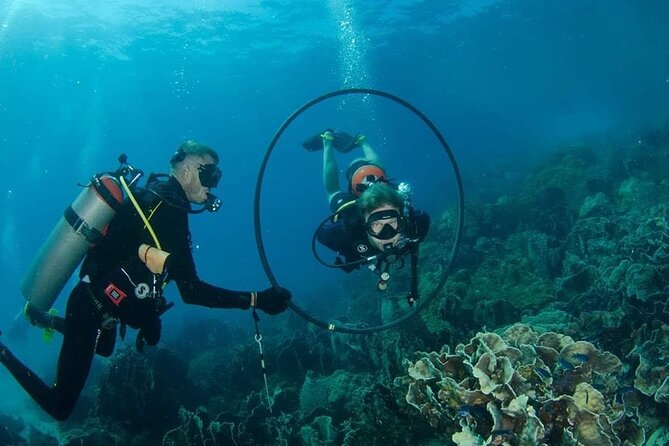
You start at 8:00am in Ko Chang, and the activity finishes back at the same meeting point. If you’re staying on the west coast, the transfer is part of the package, which is a big deal on an island where traffic and ferry timing can turn into a puzzle.
Since you’re doing an AOW course, expect two days that feel like a mix of classroom-style briefings and lots of practical work in open water. The exact dive sites and order of specialties can vary, but the core structure is consistent: five specialized underwater training sessions spread across the course, with mandatory components early on and elective options slotted around them.
In plain terms, your first day is where you’ll get your “working systems” back online—how you manage buoyancy, how you plan your profile, and how you stay calm when conditions change. The second day is usually where you put that control to use in the specialties you picked.
You can also read our reviews of more tours and experiences in Ko Chang.
The AOW course: five specialized training sessions, not just a stamp
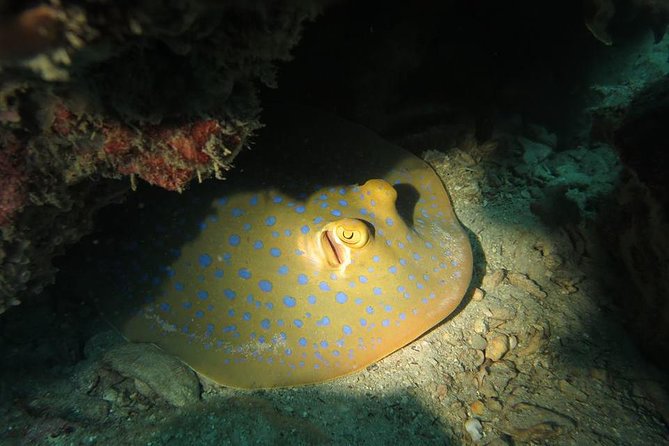
PADI’s Advanced Open Water (AOW) is designed to make you a safer, more confident scuba student by adding skills and judgement. Here, that translates into five specialty-focused training sessions with a professional guide and hands-on coaching.
Two of those are fixed:
- the deep-water session (practice and technique for going deeper, with attention to planning and control)
- the navigation session (so you can stop feeling “lost” when you’re underwater)
The other three are your choice. Once you’ve started, you’ll talk with your instructor and pick the best fit for your goals and comfort level. Options listed include:
- wreck-site training
- underwater digital photography
- naturalist-focused training
- multi-level practice
- peak performance buoyancy
- search and recovery
- night underwater session
If you’re coming from an Open Water course, this is where you’ll notice the biggest upgrade: it’s not about doing more of the same. It’s about learning how to manage your body, your breathing, your gear checks, and your decision-making with more responsibility.
Core skill one: deep-water control and planning
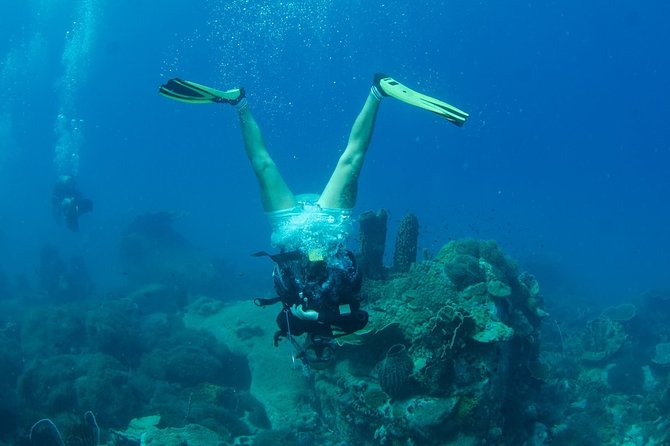
The deep-water requirement is usually the part students feel most tense about. That’s normal. What you want from this training is confidence through technique: better weighting awareness, steadier buoyancy, calmer descents and ascents, and clear habits for how you manage the dive plan.
In this course, that deep-water session is mandatory as one of your core requirements, so you’ll get formal guidance instead of guessing. That matters because going deeper isn’t just “go farther.” It changes breathing patterns, buoyancy behaviour, and how quickly conditions can feel different.
Practical tip: if you’re someone who tends to hold stress in your shoulders or rush movements, tell your instructor early. A good instructor will adjust how they brief you and how they cue you underwater. This team’s instructors have been praised for patient, structured teaching—names that show up repeatedly include Chang, Pierre, and Adam (among others), with a strong emphasis on feeling safe and supported.
Core skill two: navigation that helps you stay oriented
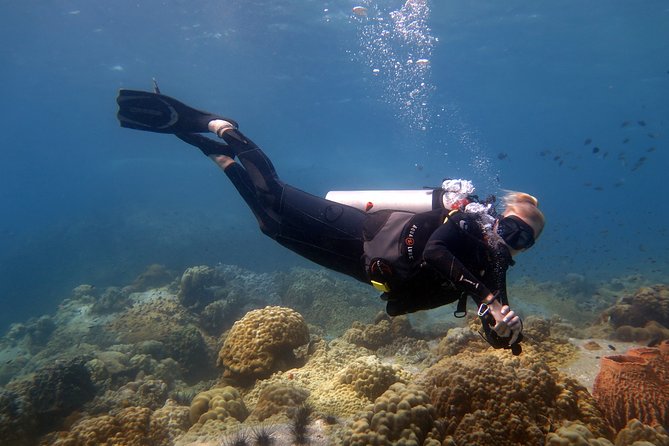
Navigation is the other fixed requirement, and it’s one of the most empowering skills in AOW. The point isn’t to turn you into a compass hero. It’s to help you stop relying on “surface luck” and start using simple techniques to know where you are and where you’re going.
That translates into better planning: you’ll think about direction, timing, and how to keep control of your body so you don’t drift off-route. The navigation session also builds confidence because you can apply it on future dives, not just on this course.
If you like taking photos, you might think navigation will get in the way. In reality, the opposite can happen. When you’re not panicking about where you are, you start noticing more—boats, currents, marine life, and textures—without fighting your position.
Picking your 3 electives: choose what makes you keep diving after the course
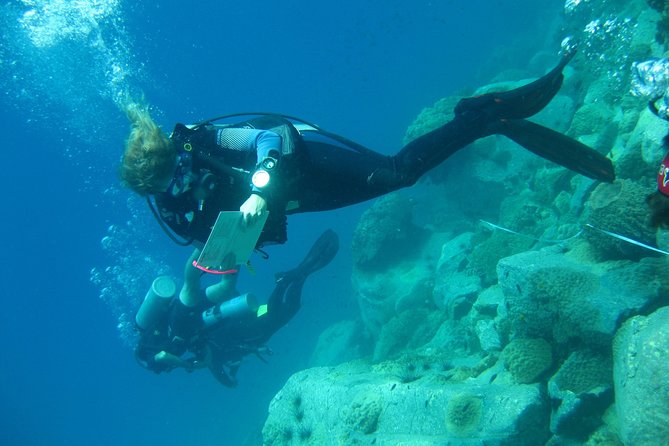
This is where you can tailor the AOW to your personality. Since the course provides multiple elective options, you’re not stuck with a generic set of skills.
Here’s how I’d think about each option, based on what students usually want out of AOW training:
- Peak performance buoyancy: Best if you want smoother control and less fin-scrubbing. If you struggled with hovering in earlier training, this often pays off fast.
- Underwater digital photography: Good if you want a step-up in technique while learning how to handle camera positioning and stability.
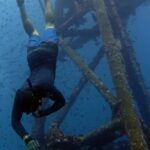
- Wreck-site training: Ideal if you’re drawn to structure, history, and exploring responsibly—just be ready for careful pacing.
- Night underwater session: A favorite for people who want a totally different vibe. Bring patience; movement has to be extra clean in the dark.
- Search and recovery: Solid if you like problem-solving and practicing procedures under instructor guidance.
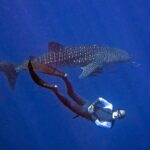
- Multi-level practice and naturalist-focused training: Great if you want broader range and a better feel for what conditions ask of you.
You’ll discuss the best picks once you’re underway, which is smart. Your instructor can steer you based on your comfort level, buoyancy, and what the day’s conditions are likely to support.

Instructors, language support, and why a max of 3 matters
AOW works best when the instructor can watch your technique closely and correct you fast. That’s why I’m a fan of the maximum 3 travelers setup. Small groups mean less waiting, fewer rushed briefings, and more room for you to ask questions without feeling like background noise.
Past experiences with this center include instructors such as Sheila, Marcus Gallo, Chang, Pierre, Adam, Chris, Charles, Seb, Markus, Quentin, Maik Bergmann, Karim, and Delphine. Even if you don’t get the same instructor, that list shows the kind of teaching style the program tends to deliver: structured training, safety-first attitudes, and instructors who mix seriousness with good humour.
Language support is also a real factor. If you want help in French-speaking guidance, the team has been able to match students with trainers like Seb in past setups. That can make a big difference in how fast you relax and learn.
Safety, health questionnaire, and the flying-time rule you can’t ignore
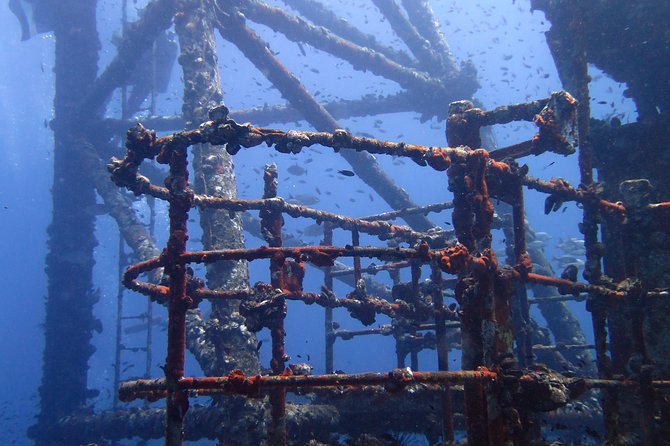
This course requires a health questionnaire before you start. Some pre-existing conditions (like asthma or heart conditions) can prevent you from participating, so don’t try to “tough it out.” If anything is medically uncertain, talk to a doctor before you go.
There’s also a clear rule about recent flights: diving within 18 hours of flying isn’t recommended. That’s one of those annoying guidelines that ends up being worthwhile. It helps reduce risks related to pressure changes, and it keeps your training day from turning into a last-minute compromise.
If you’ve been healthy and cleared for scuba before, this may not be a big deal. But if your situation is borderline, handle it early so you’re not stuck making a decision at the start line.
Boat days, meals, and the practical stuff that makes training easier
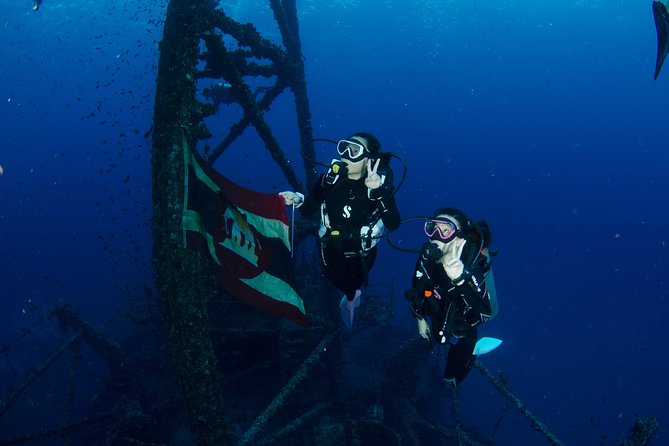
AOW here is built around full activity days. The package includes:
- Hotel pickup and drop-off (west coast of Koh Chang only)
- All activities
- Lunch buffet, plus beverages, light refreshments, snacks, and coffee/tea
- A professional guide
- A mobile ticket
From the kind of feedback this center gets, the boat setup and day flow are usually kept organized, with boats described as clean and crew service as friendly. Food is also part of the experience: lunch gets called out as a highlight, which matters because AOW days can be tiring and you don’t want to deal with hunger right after training work.
One practical caution from previous experiences: comfort with equipment can make or break the day. Some students have had blister issues and mentioned that socks were helpful, but they wish they’d gotten them sooner. Also, rental boots can be tricky for some setups, so ask early what the team can offer for foot comfort.
Price and value: what $550.30 includes (and what can cost extra)
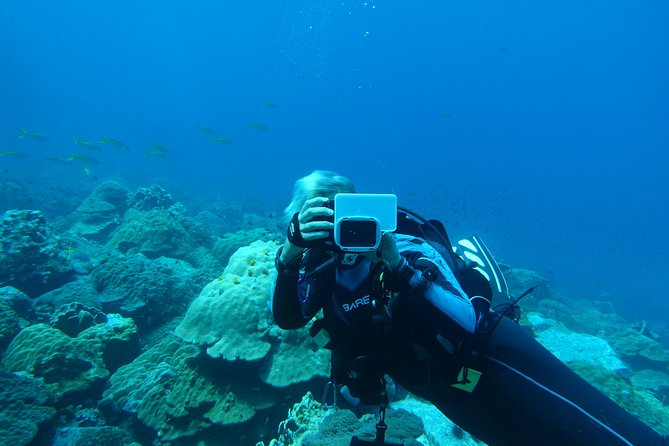
At $550.30 per person for an about 2-day course, the best way to judge value is by what you’re not paying for separately.
Included costs you can count on:
- coaching and professional guide time
- hotel pickup/drop-off (west coast)
- meals and drinks (lunch buffet, snacks, coffee/tea)
- the course activities themselves
Not included:
- Entrance fees for Koh Rang national park
That last point is easy to miss. If your course day(s) include Koh Rang, you’ll likely pay that entrance fee separately. It’s not a deal-breaker, but it’s one of those small add-ons that’s better to budget for up front.
Overall, if you want AOW training with minimal hassle—pickup, food, and instructor time bundled—this pricing structure can be reasonable. If you prefer to control every detail yourself, you might compare options. But for most people, the bundled package saves time and keeps your training schedule simple.
Should you book BB Divers on Koh Chang for PADI Advanced Open Water?
Book it if you want a focused AOW course with small-group attention, instructor-led progression, and clear structure (five specialized training sessions with deep-water and navigation as the core). The fact that this team has repeatedly been praised for safety, organization on boat days, and friendly professionalism makes it a strong choice for people who want to build confidence without chaos.
Don’t book yet if you’re currently dealing with medical uncertainty or if your travel plans put you at risk of the 18-hours-after-flying timing rule. This course depends on you being fit and ready, and that’s not where you want surprises.
If you’re the type who likes planning ahead, tell them what you want from your electives—buoyancy, photography, wreck-site exploration, night training, or search-and-recovery style skills. With options available and instructors named like Chang, Pierre, Marcus Gallo, and Quentin showing up in past groups, you should be able to find a path that fits your goals.
FAQ
How long is the PADI Advanced Open Water course?
The course runs for about 2 days.
What’s included in the price?
The package includes beverages, a lunch buffet, light refreshments, snacks, all activities, a professional guide, hotel pickup and drop-off (west coast of Koh Chang only), and coffee and/or tea.
Do you offer pickup from hotels on Koh Chang?
Yes—transfer from hotels on the West coast of Koh Chang only is included.
What fees are not included?
Entrance fees for Koh Rang national park are not included.
Is there a health check before I can participate?
Yes. You’ll need to complete a health questionnaire before diving, and certain medical conditions may prevent you from participating.
How big is the group?
This activity has a maximum of 3 travelers.