REVIEW · KO CHANG
Padi Freediver, learn how to freedive and get your first license (at Koh Chang)
Book on Viator →Operated by bbdivers · Bookable on Viator
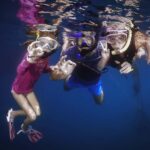
Getting your first freediving license should not feel scary. This PADI Freediver course in Ko Chang keeps the class small (max 5) and teaches you the basics step by step, starting on land at Bang Bao, then moving to the pool, and finally heading out on a boat for open-water practice.
I like that you get a real training rhythm, not just a one-day taster, and you’re looked after with practical coaching plus pickup and drop-off convenience.
One thing to keep in mind: you’ll likely need to pay a national park entry fee (THB200 per person) on top of the course price.
In This Review
- Key points I’d plan around
- Why Koh Chang’s Bang Bao setup works for first-timers
- Pickup, small groups, and what the logistics really change
- Day 1 at Bang Bao: breathing on land, then the pool
- A practical drawback to plan for on Day 1
- Day 2 on the boat: two reef stops for open-water training
- The real consideration for reef days
- Food, drinks, and the equipment side of the course
- Price and value: what you’re paying for (and what you still might pay)
- What you’ll actually learn (based on how the course is structured)
- Who this course is best for (and who should adjust expectations)
- Tips to make the most of your two days in Koh Chang
- Should you book this PADI Freediver course in Koh Chang?
- FAQ
- What’s included in the PADI Freediver course?
- How much does the course cost, and what’s not included?
- How long is the experience?
- What does the training involve on Day 1 and Day 2?
- Is pickup available?
- What time does the course start?
- What happens if the weather is poor?
Key points I’d plan around
- Small group (max 5) means more individual feedback during breathing drills and water practice.
- Land + pool + open water pacing helps you build confidence before you’re out on the reef.
- Bang Bao base gives you a straightforward training hub with a smooth switch from classroom-style work to wetsuit time.
- Full-day boat training includes two reef stops, plus breaks and a lunch buffet onboard.
- Meals and drinks included so you’re not running on empty during long practice hours.
- PADI online manual + equipment provided reduces extra planning and shopping before you arrive.
Why Koh Chang’s Bang Bao setup works for first-timers
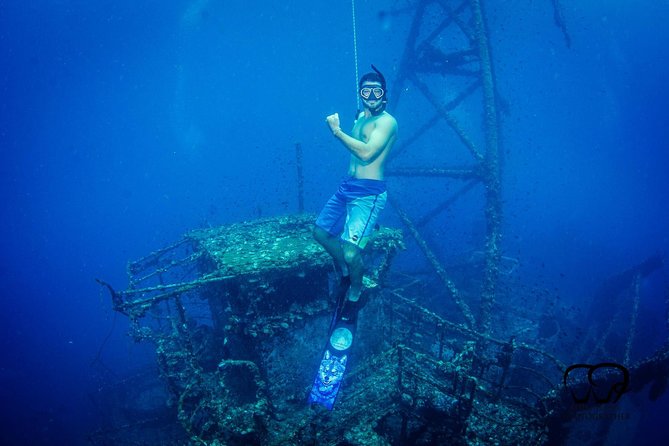
If you’ve ever wondered why some people look calm underwater and you would, understandably, look like a panicked balloon: this course is built around control. You’re taught breath-hold skills in stages, and that matters. On your first day, you start with breathing techniques on land. Then you move to the pool to turn those ideas into muscle memory. Only after that do you head to open water.
Bang Bao is also a smart choice for learning. It gives you a training flow that doesn’t rely on complicated travel between activities. You’re not constantly re-orienting yourself, and your brain can focus on the actual skill: staying relaxed, equalizing comfortably, and managing your breath.
One more detail I liked in the overall vibe: the instructors are described as safety-focused and calm under pressure. Names that came up in past sessions include Markus, Charles, Pierre, and Adam. You should still expect to be challenged, but with clear guidance and a steady pace.
You can also read our reviews of more tours and experiences in Ko Chang.
Pickup, small groups, and what the logistics really change
This is a small-group tour with a maximum of 5 travelers, which directly affects how the day feels. In a bigger class, you wait your turn more often. In a group like this, your time in the water (or in the practice area) gets better coverage, and the instructor can correct small technique issues before they become habits.
Pickup and drop-off are included, but only from the west coast of Koh Chang. So before you book, check where your hotel sits. If you’re on the east side, you might need to arrange your own way to the meeting point. The start time is 8:00 am, so plan an early breakfast and a relaxed morning—this kind of training goes best when you’re not rushing.
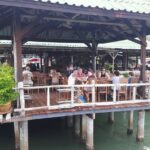
The meeting point is BB Divers – PADI 5 star Dive Center Koh Chang, at 16/2 หมู่ 1, Tambon Koh Chang Tai, Amphoe Ko Chang, Trat, 23170, Thailand. You’ll end back at the same meeting point after both days.
Also, the course is weather-dependent. If conditions are poor and they cancel for safety, you get an option for an alternative date. That’s normal for open-water training, but it’s good to know upfront.
Day 1 at Bang Bao: breathing on land, then the pool
Day 1 is about learning how to work with your breathing system rather than fighting it. The day starts in Bang Bao with breathing techniques on land. This is where you learn the basics of freediving preparation: how to settle your body, how to slow down mentally, and how to coordinate your breathing without wasting energy.
Then you continue training in the pool. The pool stage is not just practice for practice’s sake. It’s your chance to connect theory to real movement. In open water, everything feels bigger—air feels scarce, depth feels strange, and your nerves can spike fast. The pool gives you a safer environment to get that first adjustment to being underwater.
From past course comments, instructors are praised for being patient and safety-focused. Charles, for example, is described as funny and encouraging while still building confidence. Markus is mentioned as meticulous but calm. Pierre also gets credit for helping students stay relaxed and for thorough theory support.
Expect that Day 1 will feel like a mix of instruction and drills. You’ll likely practice multiple rounds, with breaks so you don’t stack fatigue on top of learning. The course also includes light refreshments, drinks, and lunch, so you’re not expected to run your learning on willpower.
A practical drawback to plan for on Day 1
If you’re the type who gets anxious when people judge your performance, Day 1 might bring that feeling to the surface. Even with a small group, you’ll be doing exercises in front of others. The good news is that the coaching style reported here focuses on safety and calming you down, but you should still expect an adjustment period.
Day 2 on the boat: two reef stops for open-water training
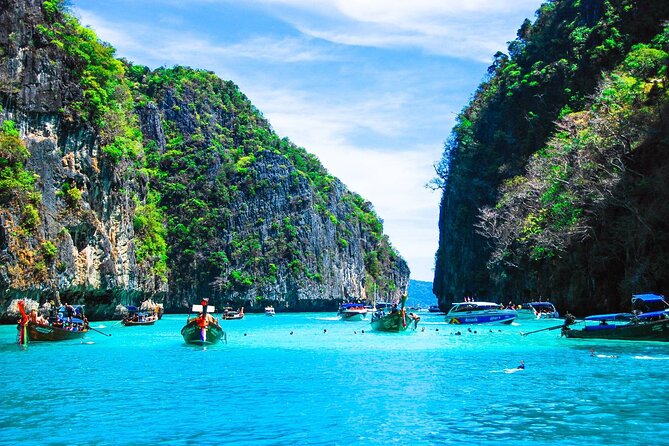
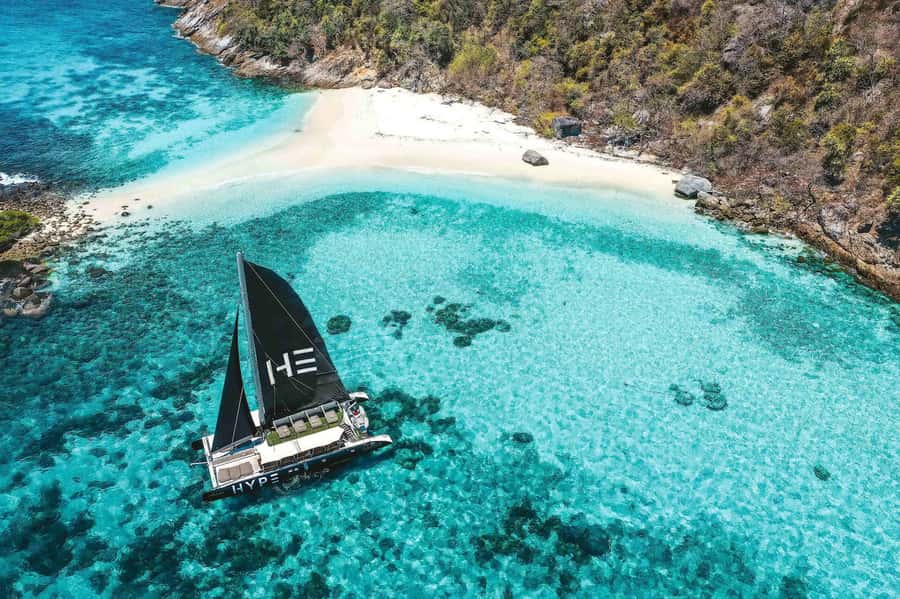
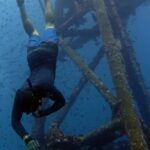
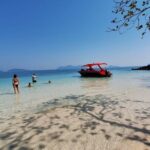
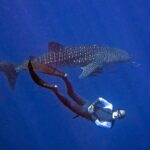
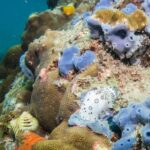
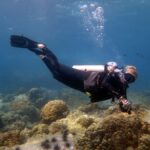
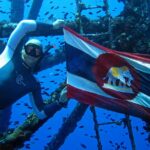
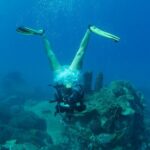
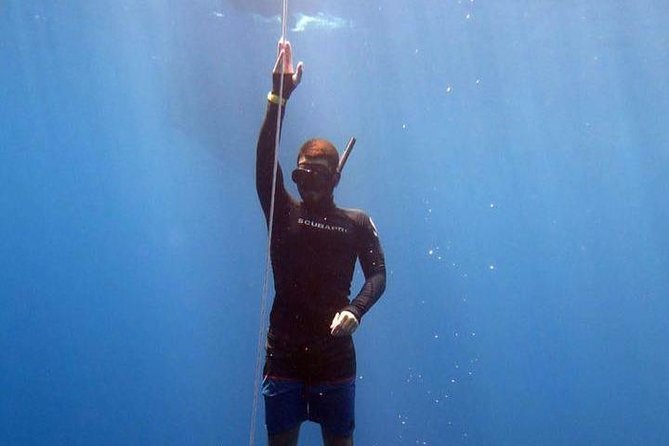
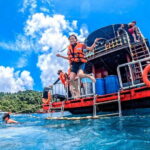
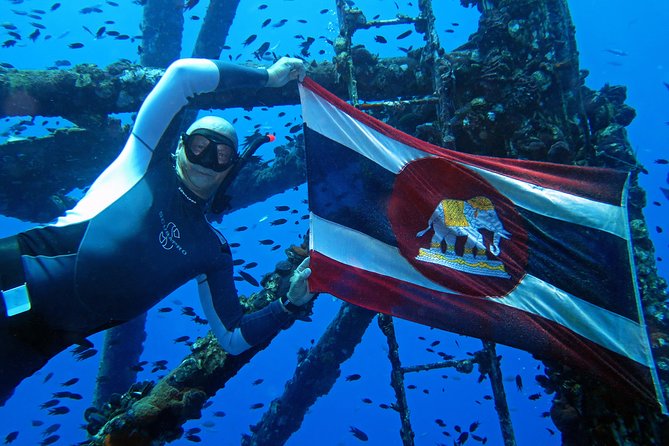
Day 2 is longer—about 8 hours—and it’s the part that makes the course feel real. You join a boattrip for full-day freediving training, with two training stops on the coral reefs.
Between the water time, you get to rest. You’ll also have a lunch buffet on the boat, plus included drinks. For first-timers, the rest matters as much as the practice. Open-water sessions can be tiring, and your breathing control improves faster when you’re not also mentally overloaded and physically drained.
Why these two reef stops are valuable: they give you at least two “chances” to apply what you worked on the first day. If the first stop feels chaotic, the second stop can help you regain rhythm. It’s also a more balanced way to handle conditions—sometimes water clarity or currents shift.
In past sessions, the boat crew and organization were called out positively, including a crew member named Steve who helped manage the group and put people at ease. You’ll want that kind of coordination when you’re moving between the boat, the water, and your training tasks.

The real consideration for reef days
Open water depends on conditions. If you’re prone to getting motion sickness, consider how you typically react to boats. Nothing in the details guarantees a specific sea state, and training days can include waiting between sessions. If you’re unsure, it’s worth planning meds or asking your doctor ahead of time.
Food, drinks, and the equipment side of the course
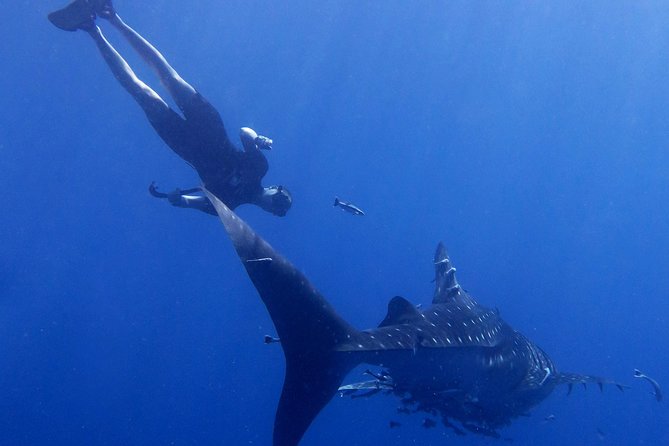
This is one of the more practical aspects of the package. You’re not just paying for instruction—you’re paying for a functioning day. Included items are:
- Light refreshments and drinks
- Equipment use (so you don’t have to guess what to rent)
- Lunch (2) across the two days
- Professional guide
- PADI online manual
For the student, this removes several headaches. When you’re learning a new certification skill, you don’t want to waste time figuring out gear compatibility or arriving dehydrated. The course also gives you the PADI online manual, which is helpful if you like to read ahead or review terms and breathing concepts after class.
Past course feedback also suggests meals and drink timing were done well, with enough food and to keep energy up between sessions. That might sound minor until you’re halfway through a long day and your brain stops cooperating.
Price and value: what you’re paying for (and what you still might pay)
The total price is $389.96 per person for about two days of instruction, including pickup/drop-off, gear use, the PADI online manual, and meals.
Here’s the value logic: freediving coaching is detail-heavy. Even small mistakes in breathing control, relaxation, or equalization can affect everything that follows. A higher coaching intensity is usually worth more than a cheaper “try it” experience that doesn’t carry you into real progress.
The big “additional cost” note is the national park entry fee of THB200 per person, which is not included. So if you’re budgeting, add that amount so there are no surprises.
If you compare the cost to solo coaching or larger-group alternatives, the max 5 setup becomes part of what you’re paying for. More time with the instructor is often the difference between feeling confident and just feeling exhausted.
What you’ll actually learn (based on how the course is structured)
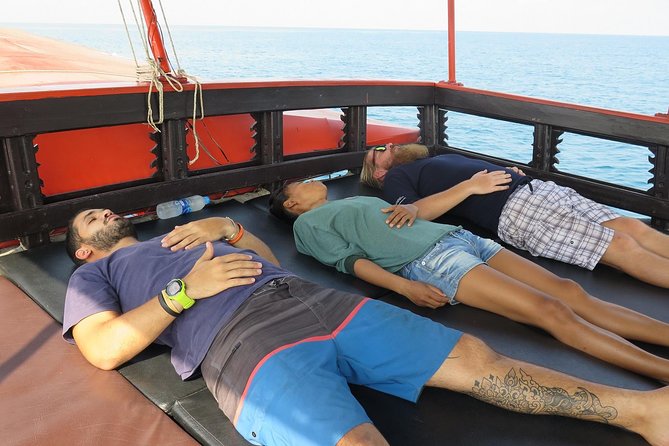
This is a PADI Freediver course, meaning you’re working toward your first freediving license. While exact skill checkpoints aren’t listed here, you can confidently expect the course to cover the core building blocks that come from a structured “on land, pool, open water” path.
In plain terms, that typically means:
- Breath-hold and relaxation techniques you can repeat
- Practice that transitions from controlled settings to real ocean conditions
- Guided training in breathing rhythms and safety behaviors
- Open-water sessions designed for first licensing
Past student comments highlight quick confidence gains, especially after pool training. One common theme: instructors helped students overcome fears and taught them how to stay calm. People also described theory support as thorough and lectures as helpful, with names like Chen and Pierre credited for that part of the teaching.
Even if you’re physically fit, freediving is mostly about control. The course structure is geared toward that.
Who this course is best for (and who should adjust expectations)
This is a strong match if:
- You’re a beginner with little or no freediving experience and want a structured route to certification
- You want a small group with more personal feedback
- You like clear progression: land drills first, then pool practice, then open water
- You want the comfort of meals, drinks, and equipment handled for you
It might be less ideal if:
- You can’t comfortably ride on a boat for a full day
- You’re very sensitive to early mornings (8:00 am start is not optional)
- You’re traveling on a tight budget and don’t want any added fees like the THB200 national park entry fee
Still, “most travelers can participate” is listed, which suggests this is designed for a broad range of first-timers—just not for people who expect it to be effortless.
Tips to make the most of your two days in Koh Chang
You’ll get the best results if you treat this course like training, not a sightseeing day.
A few practical habits that help freediving learning:
- Arrive rested. Breath-control practice is harder when you’re sleepy.
- Stay open to instructor feedback the first time. Small adjustments add up fast.
- Don’t rush equalization. If you feel strain, slow down and reset your breathing instead of forcing it.
- Use the breaks. Long days work best when you truly rest between sessions. The included snacks and drinks make that easier, so take advantage.
Also, if you feel anxious, you’re not alone. One of the strengths highlighted by past feedback is instructor calmness. Instructors like Charles are described as patient with fears, and Adam is mentioned as encouraging. The more you let the training pace work on you, the faster confidence comes.
Should you book this PADI Freediver course in Koh Chang?
Book it if you want a realistic path to your first certification with a small group, step-by-step coaching, and an open-water day that includes reef practice—not just a quick introduction. The structure (land → pool → sea), the included gear and meals, and the convenience of pickup on the west coast add up to real value for the money.
Skip or rethink if you’re likely to be frustrated by added costs like the national park fee, or if you know you struggle with boats and long training days.
If you want first-license freediving that feels organized, safety-first, and genuinely teachable, this Koh Chang course is a smart bet.
FAQ
What’s included in the PADI Freediver course?
The course includes professional guide support, hotel pickup and drop-off (west coast only), a PADI online manual, use of equipment, light refreshments and drinks, and lunch for both days.
How much does the course cost, and what’s not included?
It costs $389.96 per person. A national park entry fee of THB200 per person is not included.
How long is the experience?
It’s scheduled for about 2 days, with Day 1 at around 4 hours and Day 2 at around 8 hours.
What does the training involve on Day 1 and Day 2?
Day 1 focuses on breathing techniques on land and then training in the pool at Bang Bao. Day 2 is a full-day boat trip with two training stops on the coral reefs, plus time to relax and lunch onboard.
Is pickup available?
Yes, hotel pickup and drop-off are included, but only for hotels on the west coast of Koh Chang.
What time does the course start?
The start time is 8:00 am at BB Divers – PADI 5 star Dive Center Koh Chang.
What happens if the weather is poor?
The experience is subject to favorable weather. If it’s canceled due to poor weather, you’ll be offered an alternative date.