Koh Tao is where underwater skills click fast. This Open Water Course is a tightly run, small-group path to SSI certification, taught in your own language, with hands-on help all the way through. You’ll get classroom fundamentals and then real water time with clear feedback.
Two things I especially like are the max-4 student setup (so you’re not stuck waiting for your turn) and the option to work with instructors known by name from past students, like Natasha and George. One thing to consider: the course depends on good weather, and it’s non-refundable if you cancel, so try to book it with a little buffer in your trip.
The structure is refreshingly straightforward. You’ll do theory, then a first water session, then two more open-water sessions on the second day, and the final two on day three, usually finishing around midday with a short exam. The whole point is to build confidence without rushing.
My other favorite part is the safety mindset. DPM keeps training standards high by using its own professional instructor-trainer setup, and you’ll be paired with an instructor plus an added safety lead/assistant during the water work.
In This Review
- Key things you should know before you go
- Koh Tao’s Open Water Course: what you’re really buying
- Small groups, real coaching, and support on every step
- The schedule that builds confidence (without wasting time)
- Day 1: theory, then your first water session
- Day 2: two open-water training sessions
- Day 3: final two sessions and the short exam
- Nang Yuan Island: a strong first taste of Koh Tao
- Safety, nerves, and the stuff that usually worries beginners
- Language and instructor personalities: why it matters more than you think
- Price and value in Koh Tao: is $376 a fair deal?
- Day-by-day practical tips to make your course smoother
- Who this course is best for
- Should you book DPM for Open Water in Koh Tao?
- FAQ
- FAQ
- How long is the Open Water Course in Koh Tao?
- What’s included in the course?
- Do I need any previous diving experience?
- What certification do I get, and how deep can I go?
- How big are the groups?
- Where does the course start?
- What if the weather is bad?
Key things you should know before you go
- Max 4 students per instructor, plus extra support during the water sessions
- SSI-based training standards, with instructors trained through an instructor-trainer center
- Theory plus five total water sessions, spread across about 2.5–3 days
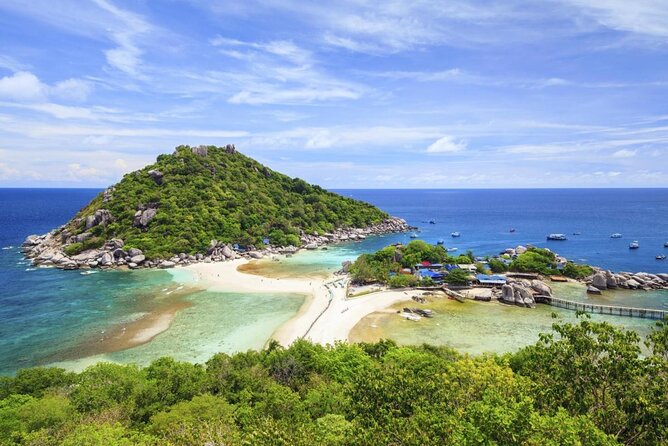
- Nang Yuan Island is part of the plan, starting you off in a well-known Koh Tao area
- Real confidence work for first-timers, including nervous-moment support like ear-pressure concerns
- Certification to 18 meters with international and lifetime validity (Open Water Diver)
Koh Tao’s Open Water Course: what you’re really buying
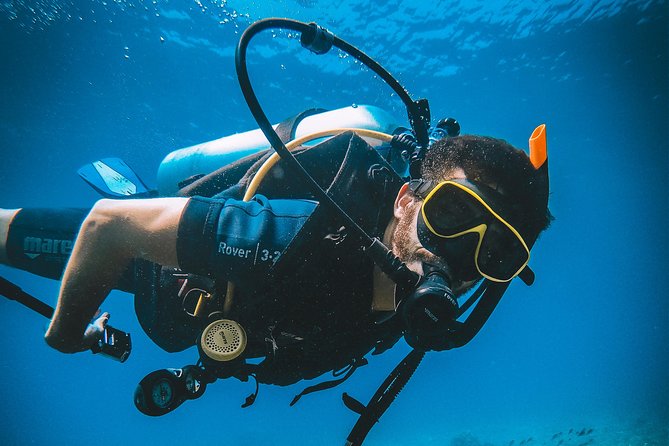
If you’re heading to Koh Tao, chances are you’re thinking about getting certified quickly and safely, without turning your trip into a stressful training marathon. This Open Water Course is basically the “full system” you need: classroom basics, controlled practice, and five total guided sessions in the water that build step by step.
The value isn’t only the price of $376 for roughly 2 days and 12 hours. It’s the how—small groups, constant coaching, and a clear schedule that doesn’t leave you guessing what happens next. If you want a certification that’s internationally recognized and lasts your whole life, this is the standard route: SSI Open Water Diver, valid worldwide up to 18 meters.
And yes, Koh Tao is known for making this kind of training feel doable. The underwater environment here tends to be beginner-friendly, and you’ll spend your early time practicing core skills where you can actually enjoy what’s around you instead of white-knuckling every second.
You can also read our reviews of more tours and experiences in Koh Tao.

Small groups, real coaching, and support on every step
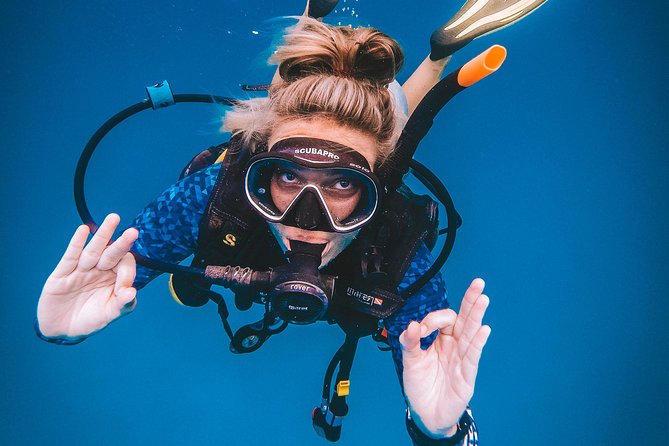
One of the biggest quality signals in this course is the group size. You’ll be in a maximum of 4 students per instructor, and you won’t be left to figure things out on your own while the group waits. That matters because early skills are not just physical—they’re mental. You need time to understand instructions, try them, and correct mistakes.
You also get extra supervision during the water work. The course description notes that you’ll be accompanied by an instructor and a safety lead or assistant. In practical terms, that means fewer “hope-for-the-best” moments and more quick corrections when you’re learning things like buoyancy control, comfort with equipment, and calm breathing habits.
I also like that DPM’s training system is built around its own professional instructor-trainer center. That doesn’t mean you’ll be treated like a number. It means the school aims for consistent standards—so you’re less likely to get the kind of “random quality” that can happen when a school isn’t set up to train instructors the same way every day.
The schedule that builds confidence (without wasting time)
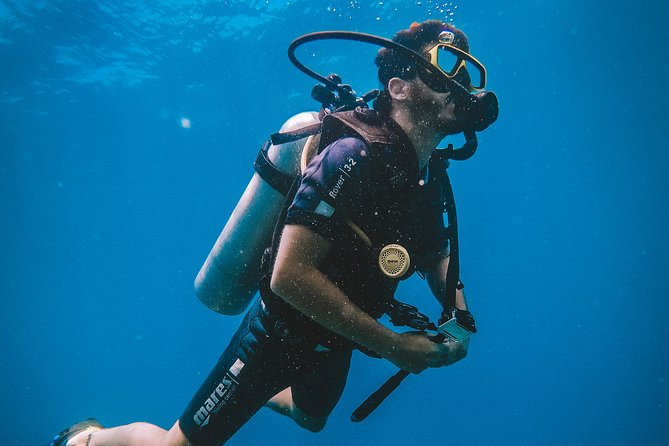
The course runs about 2.5 days, with a format that’s easy to follow. Here’s how it plays out:
Day 1: theory, then your first water session
You start with a morning theory class. This is where you learn what’s happening underwater and how to handle basics in a way that doesn’t rely on luck. Then in the afternoon, you do your first water session. This is your first chance to connect the classroom ideas to real movements, real breathing rhythm, and real comfort.
For first-timers, I find this day usually makes or breaks the experience. If you’re anxious, it helps that the instructor teaches and guides you at all times. You’re not expected to jump straight into complex skills. You’re expected to learn the fundamentals and build a base.
Day 2: two open-water training sessions
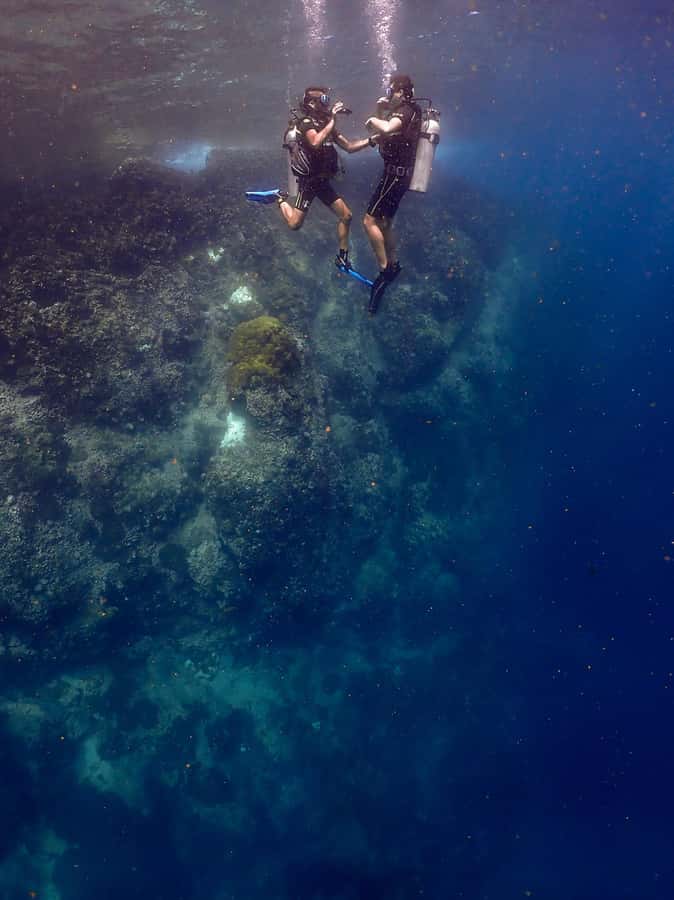
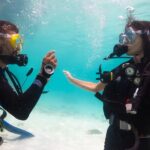
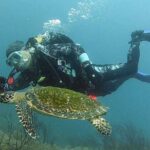
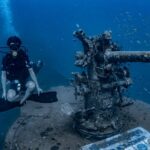
After the classroom sessions, you’ll head into two open-water sessions. These are where the course starts to feel like the real Koh Tao experience. Instead of only doing skill practice in a limited setting, you get to work in open water while staying supported.
This day is a good checkpoint for you to ask yourself a simple question: do I feel more comfortable than yesterday? If the answer is yes, you’re on track. If not, you can use the instructor guidance to slow down and get your basics right before the final day.


Day 3: final two sessions and the short exam
On day three, you complete the final two open-water sessions, usually in the morning, then finish around midday with a short exam. That exam isn’t about catching you off guard. It’s there to confirm you absorbed what you need to know to be safe and independent within the certification limits.
By the end, you’re not just “able to do it once.” You’re certified with an international credential you can use anywhere, with lifetime validity, for dives up to 18 meters under the Open Water Diver limits.
Nang Yuan Island: a strong first taste of Koh Tao
Your course includes Nang Yuan Island. That matters because Koh Tao’s most famous spots can be a lot at first—new gear, new buoyancy feelings, and a lot to look at. Starting your open-water experience in a well-known area like Nang Yuan gives you an environment where you can practice with a sense of payoff.
Even if you’re focused on learning, this is where people typically start noticing the scenery: the coral areas, tropical fish, and that feeling of being suspended in clear water rather than fighting the surface. Early on, that visual payoff helps you stay calm, and calm is a skill.
Possible drawback: because you’re learning and still building comfort, you might not feel like you’re doing a “vacation swim.” Your attention will be on your body position and your instructor’s cues. If you want purely sightseeing underwater, you may want extra days after certification for slower exploration.
Safety, nerves, and the stuff that usually worries beginners
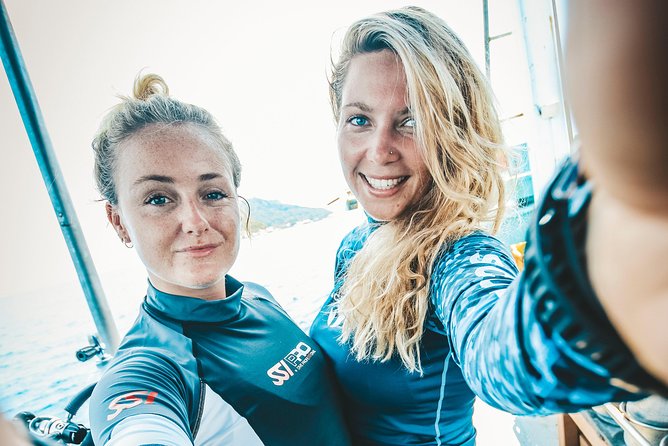
The course is designed around confidence and safety, with constant instructor guidance. That’s especially important for common early anxieties: ear pressure concerns, feeling overwhelmed by equipment, and worrying you’ll do something wrong.
What I appreciate in the learning approach is that it’s not framed as “toughen up and hope.” The school’s coaching style shows up repeatedly in past student feedback, including support for nerves and specific mention of ear pressure anxiety being handled attentively.
Also, you’re learning in a system where everything is structured: theory first, then practice, then open-water sessions with supervision. That sequence reduces the “random chaos” factor. You’ll know what you’re working on each day, and your instructor can adjust to your comfort level.
One small consideration: since it’s a course, you’ll still need to show up ready to learn, not just ready to look around. If you’re the type who gets frustrated by repeating a skill, you might want to mentally prepare for a few repeat tries before it feels natural.
Language and instructor personalities: why it matters more than you think
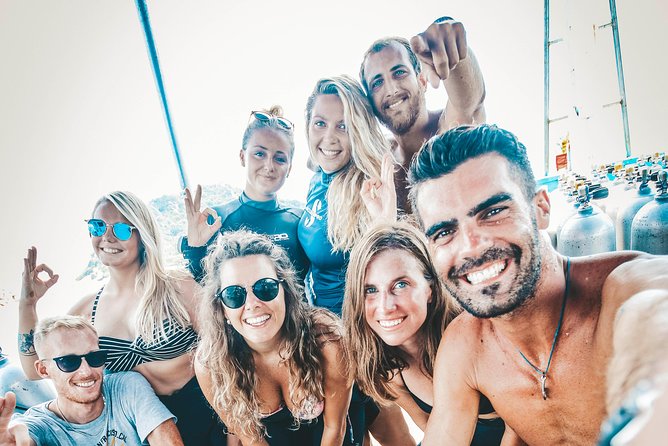
This course is taught in your own language, which is a huge quality-of-life factor. Underwater is not the moment to be translating instructions in real time. Clear language means you understand what you’re doing, why you’re doing it, and what “good” looks like when you’re corrected.
Past students have also referenced specific instructors and staff by name—Natasha, George, Anna, Tomas, and others like Jess, Tyler, Jony, Mind, Joaco, and Malena. While your instructor may not be the same person, the pattern matters: DPM’s training experience seems to come with a personal, friendly vibe alongside professional coaching.
This is the sweet spot you want for a first certification: relaxed enough that you can breathe easy, structured enough that you feel safe.
Price and value in Koh Tao: is $376 a fair deal?
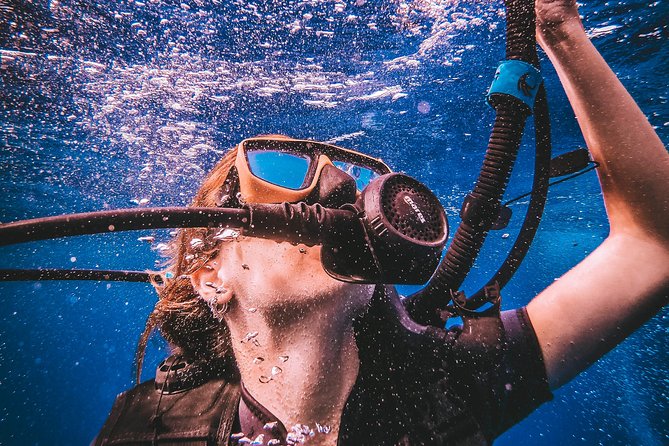
At $376 for about 2 days and 12 hours, the course sits in the mid-range compared to what you’ll see for Open Water programs on training-focused islands. The real question is: what are you getting for that money?
You’re paying for:
- SSI certification to SSI Open Water Diver standards
- theory + five guided water sessions
- small-group coaching with maximum 4 students per instructor
- extra safety supervision during water work
- instruction taught in your language
When you look at it that way, the price feels less like “paying for a tank and a boat” and more like paying for instruction quality and time. That’s what actually helps you pass the final exam and feel comfortable enough to continue diving later.
If you’re on a tight budget, it can still feel like a chunk of money. My advice is to treat certification as a skill investment. If you’ll be in Thailand only briefly, the costs add up fast if you miss the window and have to redo anything. That’s why the weather dependency is worth planning around.
Day-by-day practical tips to make your course smoother
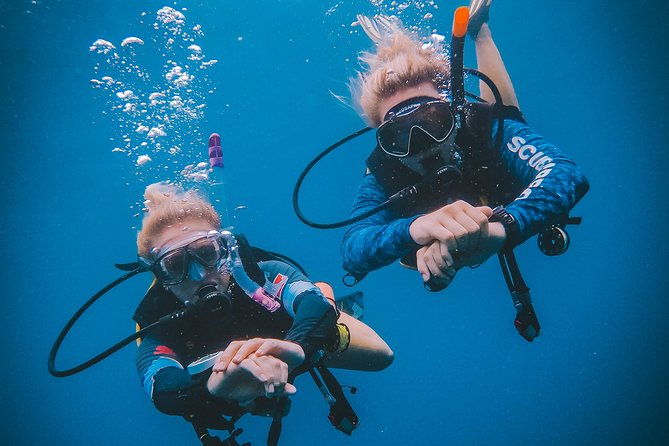
You won’t see these tips in brochures, but you’ll feel their impact:
- Plan your days around the schedule. Day 1 is theory plus a first water session; day 2 has two open-water sessions; day 3 includes the final two plus the short exam. Build your trip with buffer time so you don’t feel rushed.
- Expect a learning curve. If you feel clumsy on day 1, that’s normal. By day 3, the skills should start clicking.
- Bring a calm mindset. The more you focus on steady breathing and following the instructor cues, the faster you’ll gain confidence.
- If you’re nervous about ear pressure, say it early. The course is set up for attentive guidance, and instructors can adjust how they support you.
- Use the mobile ticket. It’s listed as part of the experience, so keep it handy.
Who this course is best for
This Open Water Course is a smart fit if you:
- have no previous experience and want a clear certification path
- want small-group attention (max 4 per instructor)
- prefer instruction in your own language
- are planning to use your certification internationally with lifetime validity
It’s also a solid option if you’re doing Koh Tao as a training base, since you can extend your stay for more certifications. Some students even mention adding an advanced course soon after, which makes sense if you fall in love with the water.
If, on the other hand, you hate any kind of structured exam moment, or you’re dealing with health issues that affect underwater comfort (you’d need personal medical guidance), you’ll want to check with the provider before committing.
Should you book DPM for Open Water in Koh Tao?
If your goal is to get SSI Open Water Diver certification in a way that feels supported and organized, I’d strongly consider booking DPM. The small-group format, constant instructor guidance, and clear day-by-day progression are exactly what you want when you’re learning something new and safety matters.
It’s not a “sit back and float” experience. It’s training. But that training is built to feel manageable, with support for nerves and practical skill-building across five water sessions. And when you finish, you’ll walk away with a credential valid worldwide to 18 meters with international and lifetime validity.
If you can line up good weather and you want to turn Koh Tao into more than just beach time, this is the kind of course that actually pays off.
FAQ
FAQ
How long is the Open Water Course in Koh Tao?
The course runs about 2.5 days, with a total duration listed as 2 days 12 hours (approx.).
What’s included in the course?
It includes theoretical classes and a total of 5 water sessions (with classroom sessions across the days and a short exam on the final day).
Do I need any previous diving experience?
No previous experience is needed. Most travelers can participate.
What certification do I get, and how deep can I go?
You’ll earn SSI Open Water Diver certification, which allows you to dive up to 18 meters, with international and lifetime validity.
How big are the groups?
The program keeps groups small, with a maximum of 4 students per instructor, plus an instructor and safety lead/assistant during the water sessions.
Where does the course start?
It starts at DPM’s Koh Tao meeting point in Tambon Village (9 Soi dpm…, Koh Tao, Surat Thani 84360, Thailand) and ends back at the meeting point.
What if the weather is bad?
The experience requires good weather. If it’s canceled due to poor weather, you’ll be offered a different date or a full refund.