REVIEW · KOH TAO
Become certified diver in 3 days – PADI Open Water Diver course on Koh Tao
Book on Viator →Operated by PADI 5 Star IDC Diving Center Scuba Birds · Bookable on Viator
Koh Tao makes SCUBA feel possible fast. This 3-day open-water certification course on the island mixes classroom work with practical skills at Nang Yuan Island, then checks you off with a PADI credential you can use worldwide. I like how structured it is from day one, and how you get equipment included so you’re not hunting rentals or guessing what you need.
What I also like is the pace: theory is kept focused and then you apply it quickly, including buddy procedures and basic skill drills in sheltered water. One thing to consider: this schedule leans on good weather, and if conditions are rough, your session timing may shift to a different date.
In the real world, that balance matters. The course is rated 5/5 (104 reviews) and recommended by 100%, and one instructor example—Dominik Maier—is described as funny but firm when needed, especially for first-timers who feel nervous.
In This Review
- Quick take: what makes this Koh Tao course worth a close look
- The Koh Tao setting: Mae Haad, an easy walk, and a small-group vibe
- Price and value: what $375.70 really buys you
- Day 1: manual chapters, video parts, and first skills at Nang Yuan
- Day 2: theory review and two open-water sessions to 12 meters
- Day 3: final exam morning, then two sessions up to 18 meters
- Instructors and the nervous-first-timer factor
- Gear, comfort, and what you should plan to bring
- Nang Yuan Island: why this water setting works for beginners
- Who should book this 3-day Koh Tao course
- Should you book Scuba Birds on Koh Tao?
- FAQ
- What does the 3-day experience in Koh Tao include?
- How many open-water sessions are included?
- How deep do the open-water sessions go?
- What happens on the first day?
- What time does the course start and where does it meet?
- What if the weather is poor?
Quick take: what makes this Koh Tao course worth a close look
- Three days, one clear goal: finish with a PADI open-water certification and the paperwork steps to carry it forward.
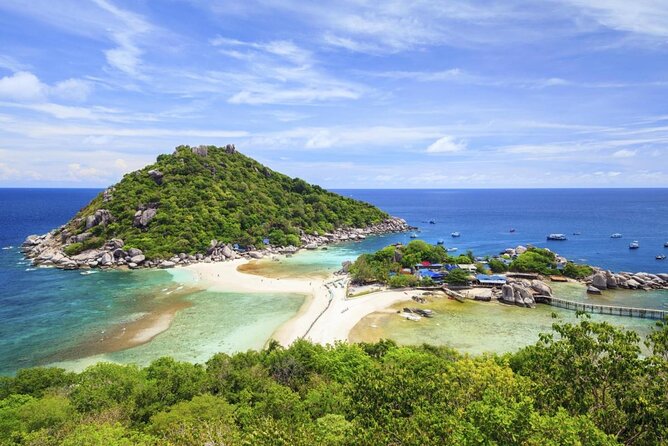
- Nang Yuan Island skills in sheltered water: first practice happens in shallower conditions before you go deeper.
- Max depths you can plan around: up to 12 meters on the second day, up to 18 meters on the final day.
- Small group cap: maximum of 10 people, which helps you get attention during skills practice.
- Course materials are built in: you work through PADI manual chapters and training video parts, then complete knowledge reviews and a final exam.
- Log book included: you take home a SCUBA log book to track your sessions.
The Koh Tao setting: Mae Haad, an easy walk, and a small-group vibe
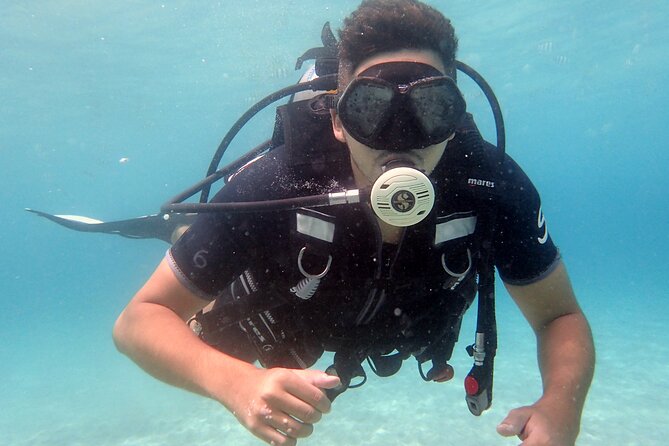
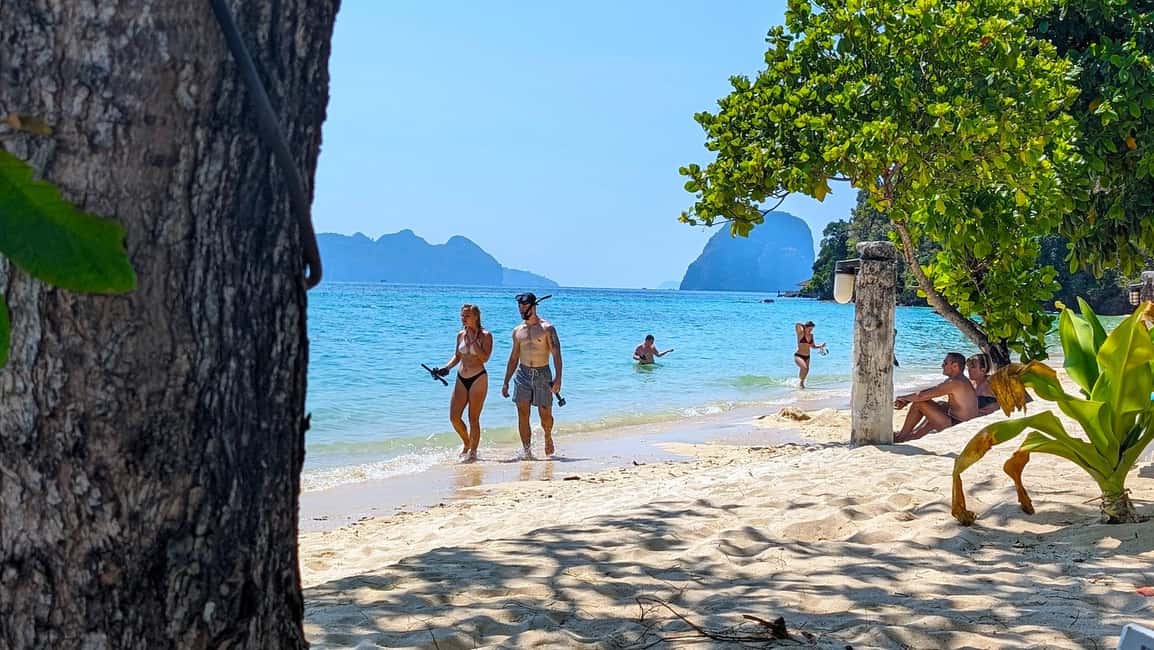
Koh Tao is a classic place for learning SCUBA because it’s set up for it: lots of dive-focused infrastructure, short travel times, and plenty of calm pockets of water. This course meets at Scuba Birds PADI center on Mae Haad (the address is in Ko Tao, Surat Thani). The practical benefit is simple: you’re not starting your day with a long commute.
They also cap the group at 10 travelers, which is not a guarantee of personal attention, but it does make a difference. In skills training, you want your instructor to correct small issues—buoyancy control, hand signals, breathing rhythm, and how you handle gear—without waiting in line.
Another plus: the meeting point is described as near public transportation. Even if you’re staying on the island’s busier stretch, that usually translates to fewer hassles when you’re trying to be on time for a 9:00 am start.
A few more Koh Tao tours and experiences worth a look
Price and value: what $375.70 really buys you
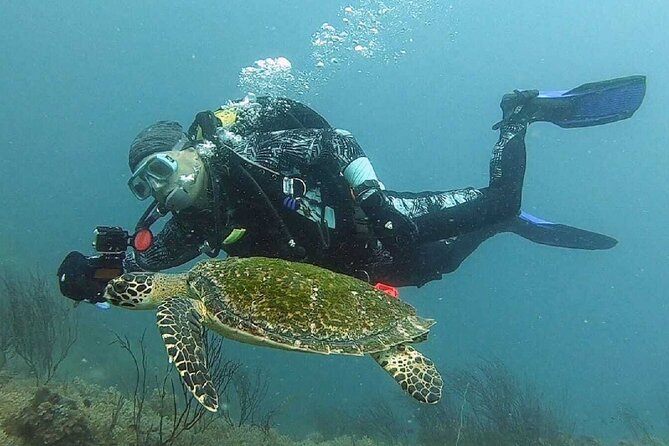
At $375.70 per person, the cost may feel like a lot until you break down what’s included. From the details you’re given, the value comes from three bundled pieces:
- Instruction and certification: you finish with an included PADI certification, which is the main reason people do this course rather than just taking a one-day intro.
- Four open-water sessions across the course: you get practical repetition, not just a single day in the water.
- Equipment and materials: you use provided SCUBA equipment for the open-water work, and you also bring home a SCUBA log book.
So you’re paying for the full “learning-to-certified” package: theory, supervised skill building, real open-water application, and the final certification steps. If you’re trying to assemble all those parts separately—manuals, rental gear, multiple guided trips—the bundle usually ends up being the efficient route.
One practical note: the course is typically booked about 39 days in advance. That’s not a crisis, but it’s a hint that good dates can fill up, especially during peak travel periods. If your schedule is fixed, don’t wait until the last minute.
Day 1: manual chapters, video parts, and first skills at Nang Yuan
Day 1 starts with classroom work designed to get your brain ready before you get your body underwater. You begin by reading five chapters of the PADI open-water manual, and you can supplement that with five training video parts. Then you complete knowledge reviews—think of these as check-yourself moments to confirm you understand core SCUBA basics.
The reason this matters: early SCUBA success is less about being fearless and more about being prepared. When you know what you’re supposed to do in the event of common issues—communication problems, equipment setup mistakes, or panic spirals—you’re calmer when you actually need the skills.
After the theory, you move into the practical portion at Nang Yuan Island. The plan is to start with shallow-water skills in a sheltered bay area, focusing on the fundamentals like:
- equipment assembling
- buddy procedures
- core SCUBA skill drills in confined or controlled conditions
A downside of most beginner programs is that people forget skills only stick when they practice them more than once. Day 1’s value is that it keeps the water part simple and repeats the key building blocks before you’re asked to handle more complexity.
Day 2: theory review and two open-water sessions to 12 meters
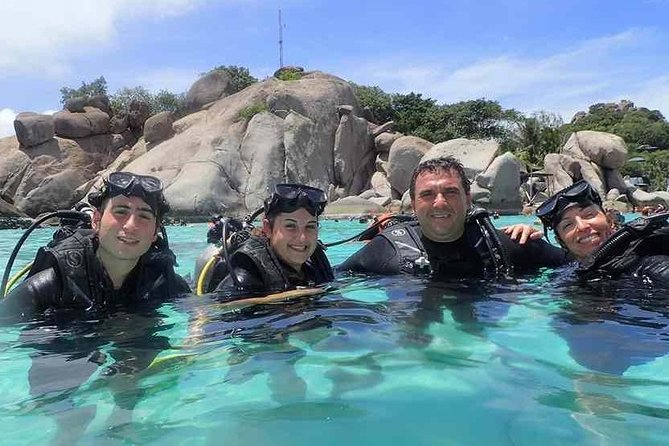
Day 2 continues with more time in the classroom. You go through additional knowledge reviews and quizzes, which keeps you on track for the final written exam on day 3.
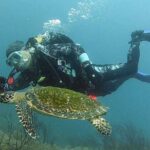
Then comes the most important shift: the course moves you into open-water sessions. On day 2, you do two open-water sessions in the open water (the schedule given is from 10:00 am to 3:00 pm). The maximum depth is 12 meters.
That depth cap is part of why this course feels manageable. You’re building the real-world SCUBA habits—breathing control, staying calm underwater, maintaining buoyancy—while still operating in a zone where most beginners can succeed with the right coaching.
What to expect on a day like this:
- more time practicing skills rather than just sightseeing
- instructors guiding you through procedures in the water, not leaving you to figure it out alone
- buddy teamwork as a core expectation, since that’s what the course tests you on
If you’re the type who worries about performance, I’d treat day 2 as the “prove it” day. Your goal isn’t to be a champion swimmer. It’s to demonstrate you can repeat what you learned yesterday, under slightly more realistic conditions.
Day 3: final exam morning, then two sessions up to 18 meters
Day 3 starts early with theory. At 8:00 am, you continue with theory and then complete the final written exam (the schedule provided lists this as about 1 hour).
This exam is not meant to surprise you. It’s the final checkpoint that confirms the course knowledge stuck. If you’ve been following along during the manual chapters, video parts, and knowledge reviews, you’ll likely find it straightforward.
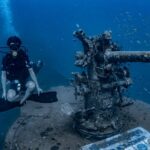
Then you go back to the water. From 9:00 am to 2:00 pm, you complete two open-water sessions, and this time the maximum depth increases to 18 meters. The focus is mastery of your SCUBA skills, followed by the certification procedures to close out the course.
The jump from 12 meters to 18 meters is the biggest “real” change in the whole schedule. It’s still within beginner bounds, but it’s deep enough to make good buoyancy and calm breathing more important. If you tend to tense up when you feel pressure changes, this is where you’ll benefit most from a patient instructor who keeps your attention on the next simple step.
Instructors and the nervous-first-timer factor
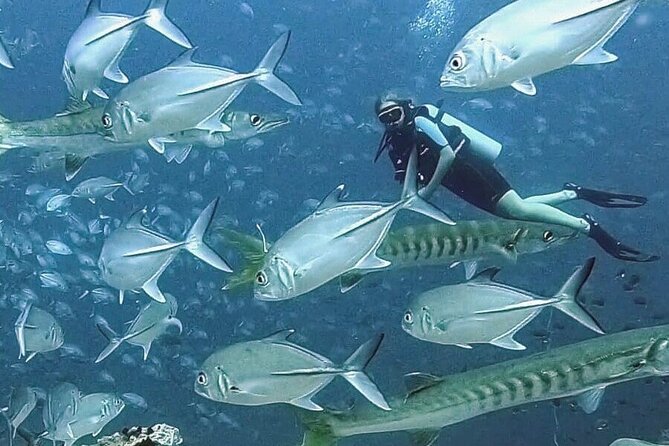
The review highlight you provided points to something that matters more than most people realize: first-timers don’t just need gear and a briefing. They need a calm human being in charge.
One instructor named Dominik Maier is described as hilarious and also stern when necessary—basically, the best of both worlds. That combination helps when you’re nervous: you get humor to relax your nerves, but you also get clear instruction when your body starts to drift off-task.
That’s the difference between a course that feels like a stressful test and one that feels like guided coaching. In a small group (max 10), an instructor who can manage nerves can turn the whole experience from intimidating to doable.
Gear, comfort, and what you should plan to bring
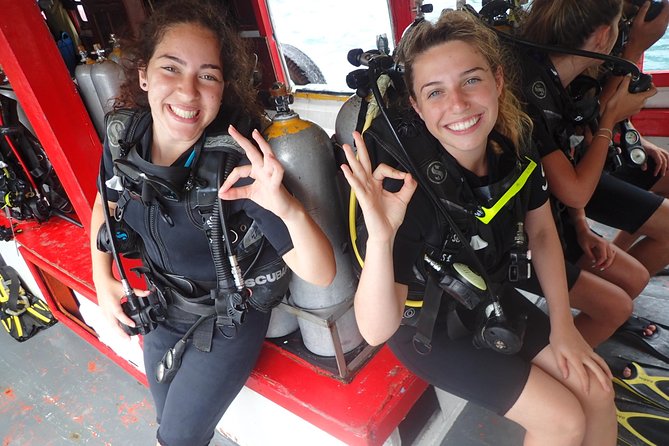
You’re told you’ll use provided SCUBA equipment for the open-water sessions. That’s a major convenience, because it removes one of the biggest beginner headaches: fitting and familiarity.
What this doesn’t eliminate is your personal comfort and preparation. Since your gear is supplied, you should still plan around:
- staying warm enough for early morning and longer surface time
- having a routine that helps you eat and hydrate before training
- being ready for quick turnarounds between classroom and water
If you’re prone to motion sickness, consider how you’ll handle boat travel time (the schedule suggests a full morning/afternoon block each water day). You might find it helpful to plan light meals and avoid heavy food right before sessions.
Also, expect that your instructor will repeatedly emphasize safety checks and buddy procedures. That repetition is normal—it’s how the course gets you confident.
Nang Yuan Island: why this water setting works for beginners
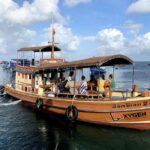
Nang Yuan Island is part of what makes this course feel like more than just “time underwater.” The structure is: start in shallower conditions to practice the basics, then build outward to deeper open-water work.
That progression matters because:
- shallow practice helps you learn control before you’re distracted by depth effects
- a sheltered area makes communication and skill work less chaotic
- it gives you a chance to adjust to breathing and buoyancy in smaller steps
If your main goal is to get certified quickly, this island approach is efficient. You spend your first day setting foundations, your second day proving you can apply them, and your third day finishing with deeper sessions and certification procedures.
Who should book this 3-day Koh Tao course
This course is a strong fit if you:
- want a true certification path in three days (not an endless “maybe next week” schedule)
- want provided equipment and a guided structure with clear milestones
- like small-group training where you’re less likely to feel like a number
- are comfortable with classroom time, including a final written exam
You might think twice if:
- you’re very dependent on having a totally flexible schedule, since the experience requires good weather
- you’re extremely anxious and can’t function well under training pressure (though the instructor support described here suggests many first-timers do manage it)
Should you book Scuba Birds on Koh Tao?
If you want a clear, structured path to SCUBA certification on a schedule that’s realistic, I think this course is a solid booking. The biggest reasons are the ones that affect your success: equipment provided, small-group limits, a built-in training progression (shallow skills first, then deeper sessions), and an included PADI credential with a log book.
The only real caution is weather-dependent scheduling. If you’re traveling during a season where conditions can change quickly, keep a little flexibility in your overall itinerary.
If your timing works and you want the efficient “learn it, practice it, get certified” route, this is the kind of course you can plan around without guessing.
FAQ
What does the 3-day experience in Koh Tao include?
You get classroom training plus supervised open-water sessions, use of provided SCUBA equipment, and you finish with an included PADI certification. A SCUBA log book is also included.
How many open-water sessions are included?
The course includes four open-water sessions in total: two open-water sessions on day 2 and two open-water sessions on day 3.
How deep do the open-water sessions go?
On day 2 the maximum depth is 12 meters. On day 3 the maximum depth is 18 meters.
What happens on the first day?
Day 1 includes manual reading and training video parts, plus knowledge reviews. Then you do your first practical skill work in shallow water at Nang Yuan Island, focusing on basic SCUBA skills and buddy procedures.
What time does the course start and where does it meet?
It starts at 9:00 am at the Scuba Birds PADI center location in Mae Haad, Ko Tao, Surat Thani. The activity ends back at the meeting point.
What if the weather is poor?
The experience requires good weather. If it’s canceled due to poor weather, you’ll be offered a different date or a full refund.