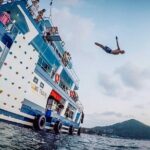
Three days is a lot faster than you think. It’s a PADI Open Water course in Koh Tao built for small groups, with tight coaching and real open-water practice.
I especially like the max group size of four and the fact that you’re moving around with private transportation, so the schedule feels controlled (and not like a cattle-car day).
One thing to think about: this is weather-dependent, and if you’re dealing with sinus/ear pressure, you’ll want to go into the course with patience because you may move more slowly to get comfortable.
In This Review
- Key things to know before you go
- Koh Tao Setup: Nava’s PADI 5-star facility and a schedule that stays tight
- What PADI Open Water actually covers in 3 days
- Day 1: Theory, then skill practice on a private boat near the beach
- Day 2: Deeper theory, then your first open-water sessions
- Day 3: Final open-water practice, then certification wrap-up
- Price and value: what $437.37 per person includes (and what it doesn’t)
- Instructors and safety: why small groups change everything
- Who should book this course in Koh Tao, and who should pause
- Practical tips for making your 3 days smoother
- Should you book the 3-day PADI Open Water in Koh Tao?
- FAQ
- How long is the PADI Open Water course in Koh Tao?
- What time does the course start?
- Where do I meet for the course?
- Is pickup included?
- What’s included in the price?
- Is accommodation included?
- Do I need to complete e-learning before I arrive?
- How many people are in the group?
- Does the course include an exam for certification?
- Is the schedule dependent on weather?
Key things to know before you go
- Small group of up to four: more hands-on attention and fewer people to manage underwater
- Private transportation: smoother timing between the center, classroom, and boat days
- Private boat + two site visits per day: you practice skills on locations that match your level
- Equipment, insurance, and lunches included: fewer extra costs than most “pick your own add-ons” trips
- E-learning reviewed before you start: you’re not starting from zero on day one
Koh Tao Setup: Nava’s PADI 5-star facility and a schedule that stays tight
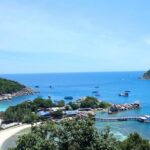
Koh Tao is famous for learning scuba, and this course takes advantage of that. You start at Nava’s PADI 5-star facility at 18/25, Koh Tao (meeting point). The course begins at 9:30 am, and it runs for about three days straight through, so plan your flights and ferry transfers with a little buffer.
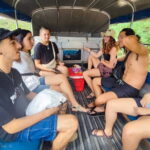
What makes this feel practical is the way the days are organized. The group stays small (capped at four), and you’re not scrambling for transport. You get private transportation, which matters more than it sounds. When you’re learning buoyancy and basic underwater skills, you don’t want random delays, crowded vans, or long waits that drain your energy before the water time.
There’s also a nice “cool down” rhythm. After each day’s water practice, the course includes a debrief, plus guidance on equipment cleaning. One review specifically mentioned relaxing on a beachfront deck after wrapping up, and it’s a big part of why learning here can feel calm instead of stressful.
You can also read our reviews of more scuba diving tours in Koh Tao
What PADI Open Water actually covers in 3 days
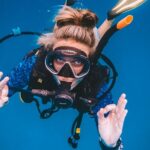
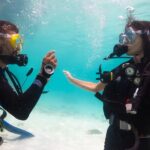
This is a true PADI Open Water program, meaning the goal is certification through structured training—not just a fun day on the water. The course uses a mix of theory sessions, skill practice, and an exam at the end for certification.
A key piece: you’re expected to have completed the PADI e-learning portion already. During the morning theory session, instructors review what you’ve done and walk you through essential concepts. That’s a smart approach because it keeps the classroom time focused on understanding and questions, not on teaching everything from scratch.
You’ll also get instruction in the full “learner package,” not only how to move underwater, but how to handle the basics safely on your own later. Part of the training includes step-by-step equipment cleaning so you can keep rental gear in good shape and build the habit you’ll need when you dive with your own gear in the future.
And yes, there’s a digital record. When you finish the course, you log your training on the PADI app, so your certification and activity history stays organized.
Day 1: Theory, then skill practice on a private boat near the beach
Day 1 starts with theory at Nava’s facility. The morning session is designed to connect the e-learning to real-world situations. Expect to review essential concepts, then get guided through what you’ll do later in the water. This is where instructors set expectations and help you avoid common beginner mistakes—things that can snowball if you’re left to figure them out alone.
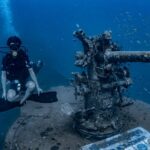
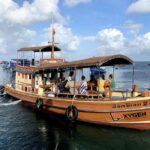
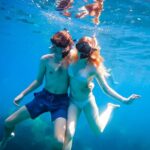
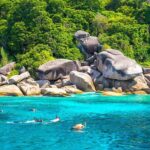
After that, you get on a private scuba boat for your first day on the water. The course visits two underwater locations, and the training focuses on practicing new skills in a controlled way, with close instructor supervision. The emphasis is on shallow, near-beach conditions first—exactly what you want when you’re learning breathing control, buoyancy basics, and how to stay calm when everything feels new.
After the water session, you’re not just dropped off. There’s a debrief and a step-by-step session on cleaning your equipment. One review praised how the team walked people through gear care, which is a small detail until you realize it prevents headaches later. If you’ve ever seen someone pack up with saltwater still trapped in hoses and valves, you know why this part matters.
Day 2: Deeper theory, then your first open-water sessions
Day 2 keeps momentum. You start with more theory, building directly on what you learned on day one. This isn’t just repetition—it’s the “why” behind the skills. If you struggled on day one, this is when instructors typically get you back on track with clearer explanations and more structured guidance.
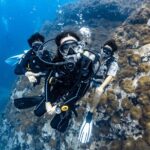
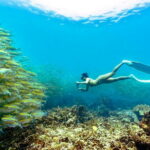
Then you head out again by boat for two underwater locations. This time, the course shifts from early practice into your first open-water sessions—the moment where skills stop being exercises and start becoming real diving habits you can repeat.
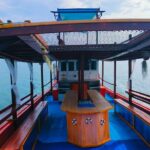
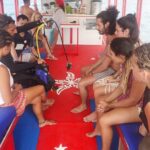
The value of the private format shows up here. One key theme from feedback is that the boat and setup don’t feel crowded. That kind of environment is a big deal for learning. Fewer people onboard means less pressure, and instructors can spend time on your specific issues—like checking your technique, reminding you of key safety steps, and keeping your progress steady.
After the second day’s water time, you’ll get another debrief and a review of remaining theory. The goal is to prepare you for the final day’s sessions so you’re not guessing what will come next.
Day 3: Final open-water practice, then certification wrap-up
The last day is where you put it all together. You complete your final two open-water sessions in Koh Tao, applying what you practiced over the prior two days. The pacing matters here: instructors guide you so you can feel confident using the skills you’ve already built, rather than being rushed into bigger, scarier conditions.
After the final water session, the course ends with a wrap-up debrief at Nava’s facility. You review what you’ve learned, clean your equipment again, and then log your dives on the PADI app so you’ll have a record.
If you want a practical way to think about day three: it’s not about pushing you hard. It’s about demonstrating you can do the basics consistently—breathing, buoyancy control, situational awareness, and safe communication—under supervision.
A few more Koh Tao tours and experiences worth a look
Price and value: what $437.37 per person includes (and what it doesn’t)
At $437.37 per person, you’re paying for a complete, structured learning package. The included items are what make this feel reasonable for Koh Tao:
- Scuba equipment rental
- Insurance
- Private transportation
- PADI certification (through the course)
- Lunch (3 days)
Those add up quickly if you tried to assemble them separately. For example, equipment rental plus an insured, instructor-led training program plus course certification is usually more expensive when booked piece-by-piece.
What isn’t included is also clear:
- Accommodation
- Transport to/from the island
So the “real” cost depends on how you handle lodging and ferries/air transfers. If you’re planning to stay on Koh Tao for other reasons (beach time, scooter sightseeing, island food), this course plugs right into that schedule. If you’re only stopping for a short visit, you may need to add extra budget for getting there and staying overnight between course days.
Instructors and safety: why small groups change everything
When you’re learning a new sport with real safety risks, the instructor style is not a minor detail. It’s the whole experience.
Multiple instructors are mentioned in feedback, including Mo, Les, Sunae, Soonie, and Sam. The common thread is patient teaching and a no-rush pace. People specifically highlighted moments like:
- Going slowly through skills until it clicks
- Helping with comfort issues such as clearing ears
- Staying with students step-by-step so they feel safe
That matters because beginners often worry about getting water in their mask, managing breathing, or feeling out of control underwater. In a small group, an instructor can give clear cues and repeat corrections without making you feel like you’re behind.
Also, the private boat setup helps. Fewer divers onboard generally means fewer distractions, and the instructors can plan the day around your experience level rather than around a big mixed group.
Who should book this course in Koh Tao, and who should pause
This course is a strong fit if:
- You want PADI Open Water certification with a structured path
- You prefer small group learning (max four)
- You like the idea of private transportation and a course that runs on schedule
- You want the convenience of equipment and lunches included
It may be a harder fit if:
- You’re traveling with tight timing and can’t afford a full three-day block (the course runs day-by-day)
- You’re very sensitive to ear or sinus pressure and get anxious about it. The course can be paced carefully, but it still requires patience and cooperation in training.
Age guidance is also stated: it’s not recommended for travelers aged below 10 years old.
Practical tips for making your 3 days smoother
You can’t control the sea, but you can control your readiness. Here are the biggest “make it easier” factors based on how the course is set up:
- Do the PADI e-learning before day one. The first theory session reviews pre-completed e-learning, so arriving unprepared usually creates more confusion.
- Expect slow-and-steady skill work. The program is built around close supervision and gradual comfort in the water.
- Follow gear-cleaning steps seriously. You’ll do it as part of the schedule, and it’s a real skill you’ll use later.
And keep in mind Koh Tao courses require good weather. If the course has to shift due to conditions, you’ll be offered a different date or a full refund based on the policy terms.
Should you book the 3-day PADI Open Water in Koh Tao?
I’d book this course if you want the classic Koh Tao experience without the chaos: small groups, private logistics, and structured PADI training with equipment and lunches handled. The standout value is how the training is paced and supported—especially for people who appreciate patient instruction and careful progression.
Skip it (or at least think hard) if you’re only doing Koh Tao as a one-day stop and can’t comfortably commit to a full three-day window. Also, if ear/sinus issues are a big concern for you, go in knowing the course can move slowly and check that you’ll feel comfortable with that pace.
If your goal is simple—get your PADI Open Water certification with solid coaching in Koh Tao—this format is a strong match.
FAQ
How long is the PADI Open Water course in Koh Tao?
It runs for 3 days (approx.).
What time does the course start?
The start time is 9:30 am.
Where do I meet for the course?
The meeting point is Nava’s PADI 5-star facility, 18/25, Koh Tao, Thailand.
Is pickup included?
Yes, pickup is offered.
What’s included in the price?
Included items are scuba equipment use, insurance, private transportation, PADI certification, and lunch (3 days).
Is accommodation included?
No. Accommodation is not included.
Do I need to complete e-learning before I arrive?
You should have pre-completed PADI e-learning, because the theory session reviews it.
How many people are in the group?
The course has a maximum of 4 travelers, so it stays small.
Does the course include an exam for certification?
Yes, there is an exam at the end for certification.
Is the schedule dependent on weather?
Yes, the experience requires good weather. If it’s canceled due to poor weather, you’ll be offered a different date or a full refund.