REVIEW · KRABI
Thai Cooking School in Aonang
Book on Viator →Operated by Sukhothai cooking school · Bookable on Viator
Want Thai food taught like a craft? At Sukhothai Cooking School in Ao Nang, you’re not just watching. You cook your own Thai menu step by step in a clean open-air kitchen, guided by Chef King and his team’s strong English.
Two things I like a lot: the class is small (so questions don’t get lost), and the focus on Thai herbs and ingredients means you’re learning how dishes get their flavor, not just how to follow steps. One thing to consider: they don’t accept students with allergens, so if that applies to you, you’ll want a different option.
In This Review
- Key takeaways before you go
- Where this class fits in Krabi: Ao Nang convenience with a local-food focus
- Your menu: you cook 6 Thai dishes, plus the class flow
- The teacher makes it land: Chef King, clear English, and Thai herb know-how
- Inside the kitchen: open-air cooking that stays clean and organized
- How the class runs: morning vs afternoon timing, and private options
- Ao Nang Beach start: pickup, tuk tuk delivery, and how to plan your day
- Menu sets A–D: choosing what you cook (and why that’s good for first-timers)
- Vegetarian-friendly, but not allergen-friendly: what to check before you book
- What you get included: ingredients, water, insurance, and take-home food
- Price and value: what $56 buys in a small, guided class
- Who this cooking class is best for (and who should look elsewhere)
- Should you book Sukhothai Cooking School in Ao Nang?
- FAQ
- How long is the Thai cooking class in Ao Nang?
- Are there morning and afternoon classes?
- How many people are in each class?
- Can vegetarians join and choose what they cook?
- Do they accept guests with food allergies?
- Is pickup and delivery included?
- Can I take the food I cook home?
Key takeaways before you go
- Small group cooking (1–10 people): plenty of one-on-one help while you cook.
- Choose your menu sets (A–D): you pick what you want from the class options.
- A real ingredient-and-herb lesson: you learn how to choose Thai herbs, not just cook.
- Generous, eat-it-all structure: you’ll cook, eat at school, and can take food away.
- English-forward teaching with 40+ years experience: Chef King’s background shows in how clearly lessons are run.
Where this class fits in Krabi: Ao Nang convenience with a local-food focus
Ao Nang is where most people base themselves in Krabi, and this cooking school is set up to match that reality. You’re close enough to get to without fuss, with pickup by tuk tuk in Aonang and Klong Muang. If you’re juggling beaches, night markets, and temple trips, a cooking class is a smart anchor day because it gives you something you can actually repeat later.
The other big reason it works here: the class is built around Thai ingredients and Thai herb basics, taught in a way that makes sense even if you’ve never cooked Thai food before. You’re not memorizing a recipe and hoping it works. You’re learning the logic behind the flavors.
If you’re the kind of traveler who likes practical skills (and not just a photo-heavy outing), this fits your style.
You can also read our reviews of more cooking classes in Krabi
Your menu: you cook 6 Thai dishes, plus the class flow
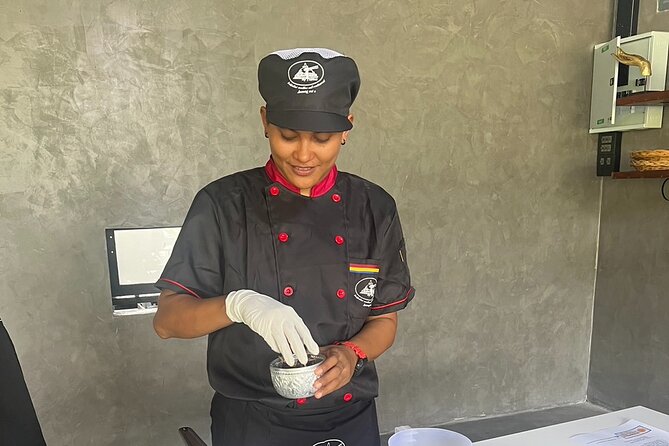
The class experience centers on cooking 6 typical Thai dishes, and the overall menu structure runs as a full set of courses (7 menu items). That includes:
- Thai herb juice
- Authentic Sukhothai noodle
- An appetizer
- Three main-course selections (you choose from them)
- Dessert
The key point for value: you don’t just assemble one dish. You work through a sequence of flavors—starter, noodles, main, sweet finish—so you leave with a clearer picture of Thai food as a whole.
And yes, it’s hands-on. The school follows a cook-it-yourself format, meaning you’re doing the chopping, mixing, and cooking while the teacher guides you. For a 3-hour class, that’s exactly what you want: active time, not long waiting.
One more practical detail: you can eat your food at the school or take it away. If you end up too full (which is easy to do when you’re tasting everything you make), packing it up is part of the experience.
The teacher makes it land: Chef King, clear English, and Thai herb know-how
This school teaches with an emphasis on understanding ingredients. The teacher brings more than 40 years of experience and solid English, which matters because Thai cooking can get confusing when you don’t know what herbs do.
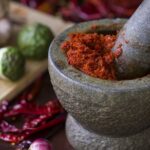
In this class, you learn how to choose Thai herbs and ingredients. That sounds like a small detail, but it changes what you can do later. When you can identify the right herbs and understand what they’re supposed to contribute, cooking Thai food at home stops being guesswork.
From the school’s approach, Chef King and the team aren’t only focused on the final dish. They’re focused on technique and flavor decisions. That’s why the lessons feel structured rather than chaotic.
If you’re learning, the best moment is usually when you’re standing at the ingredient table and you realize you can name what you’re holding—and why it’s there. That’s the kind of progress that sticks.
Inside the kitchen: open-air cooking that stays clean and organized
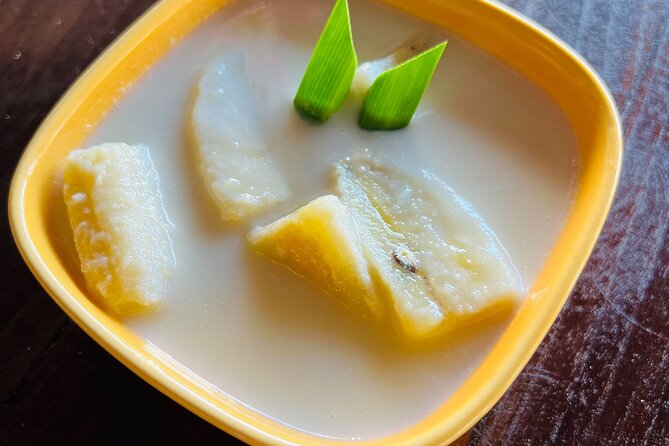
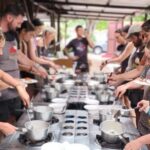
The kitchen is open-air, which is a big plus in Krabi heat and humidity. You feel more like you’re working outdoors than stuck inside a windowless room.
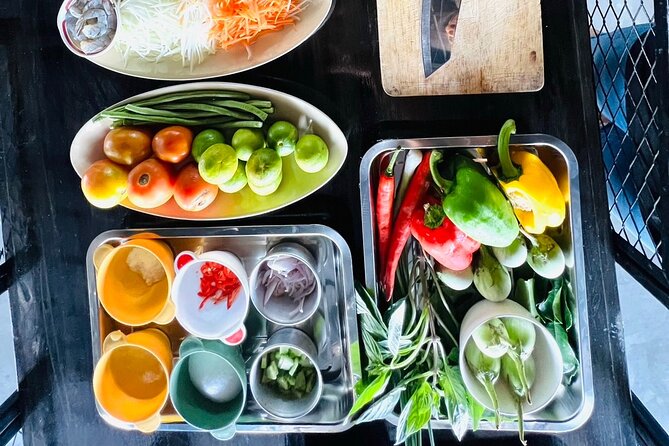
At the same time, the class is run like a professional operation. The kitchen setup is described as very clean and well organized, with ingredients and instructions ready for you. That reduces the awkward travel-class problem where half the class is spent waiting for tools or figuring out what comes next.
For me, open-air + clean is the best combination. You get comfort from the airflow, and you still have the hygiene basics that keep food classes enjoyable.
You’ll follow a simple arc:
- prep your ingredients,
- cook each dish by yourself,
- eat everything you make.
That last step is important. A cooking class where you cook but don’t really eat is less useful. Here, you eat your dishes as part of the plan.
How the class runs: morning vs afternoon timing, and private options
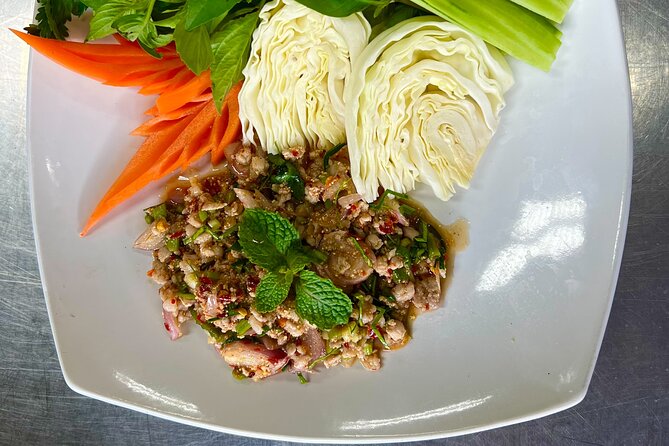
You can choose between two standard sessions:
- Morning: 9:30am–12:30pm
- Afternoon: 2:00pm–5:00pm
Each class is built around about 3 hours, which is a good match for a half-day plan in Ao Nang. It also gives you enough time to cook thoroughly, eat, and still keep your evening open.
If you want a more tailored experience, there are private classes available Wednesday and Saturday, from 10am–4pm. Private classes also allow more flexibility with menu choice. If you’re traveling as a couple or family and want calmer pace and more direct instruction, this is worth considering.






Ao Nang Beach start: pickup, tuk tuk delivery, and how to plan your day
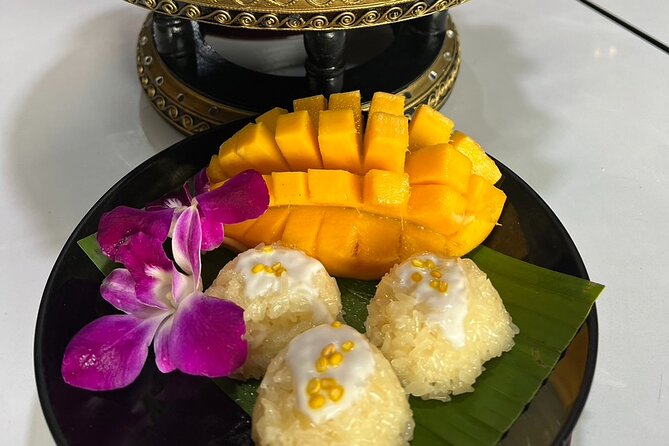
The practical side matters here. The experience includes pickup service, and there’s tuk tuk free delivery in Aonang and Klong Muang. That removes one of the biggest barriers for cooking classes in tourist areas: getting from your hotel to the kitchen without stress.
There’s also a near public transportation note, which is helpful if you’re not using pickup. Even with pickup, I like knowing you’ve got a backup.
How I’d plan the rest of your day:
- Choose a session that leaves a buffer afterward. Cooking + tasting means you may be full longer than you expect.
- If you’re pairing this with beach time, consider doing the class before dinner plans so you can eat at school and then only do something light afterward.
- If you’re heading to markets or a viewpoint, afternoon classes can feel tighter. Morning slots tend to keep the day smoother.
Menu sets A–D: choosing what you cook (and why that’s good for first-timers)
The class uses four set options labeled Set A, Set B, Set C, and Set D. You can select a menu by preference, which is a big deal if you’re picky or if you’re trying to match what you’ve been craving.
For first-timers, menu selection helps you avoid ending up with dishes you don’t like. For seasoned Thai-food fans, it helps you target dishes you want to learn properly rather than settling for whatever’s on the schedule.
A balanced approach is to pick one dish that sounds totally new and the rest from the flavors you already enjoy. That way, you get both confidence and surprise.
Vegetarian-friendly, but not allergen-friendly: what to check before you book
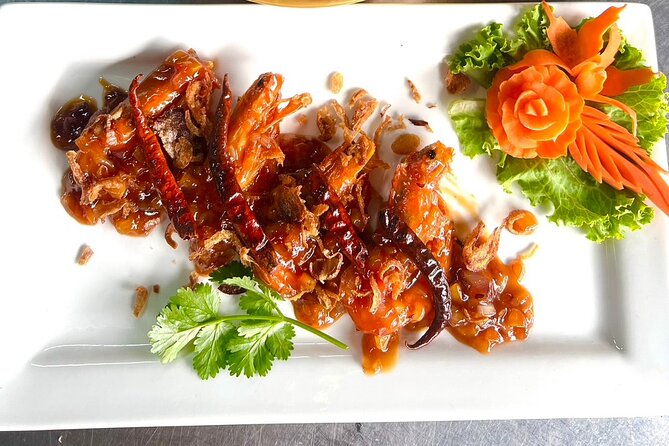
Vegetarian travelers can choose from the regular menu options. That’s a relief if you eat plant-based, because you’re not stuck with a separate “replacement” class menu.
But here’s the important boundary: the school states they are not accepting any allergen student. That’s a hard line, not a “we’ll try our best” situation.
So if you have allergies (even common ones), don’t assume you can make it work. Look for a different class that can handle allergen protocols. If your needs are simpler (like choosing vegetarian dishes), you’re in the better category for this specific school.
What you get included: ingredients, water, insurance, and take-home food
A lot of cooking classes in Thailand charge a similar price but don’t always include the full package that makes the day feel easy. Here, the value is tied to practical inclusions:
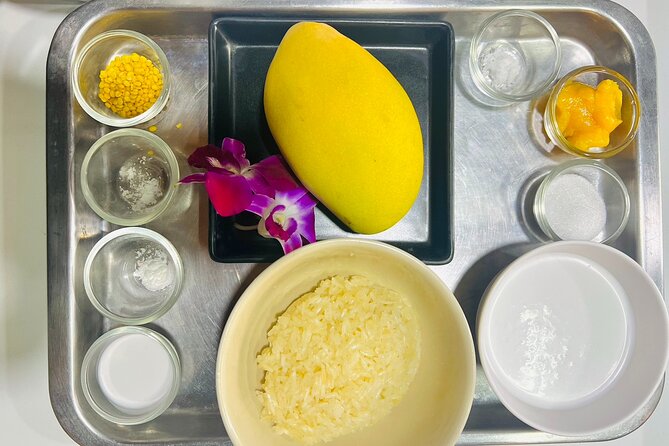
- ingredients and instructions are provided so you can focus on cooking,
- water service is included,
- the class lists insurance for every student,
- you can take your cooked food away or eat at school.
That combination matters on vacation. You don’t want your “fun learning day” to turn into a scramble for supplies or a hydration headache.
Also, take-home food is a quiet win. Even if you plan to eat it all, it’s nice to know you can pack extra for later. In real terms, it turns your class into part meal and part stash for the next day.
Price and value: what $56 buys in a small, guided class
At $56 for about 3 hours, this is priced like a mainstream activity—but it punches above its weight because of the structure.
You’re paying for:
- hands-on cooking (not just watching),
- a small classroom size (max 1–10 people, with a class cap of up to 10 travelers),
- a teacher with 40+ years experience and strong English,
- multiple courses with a complete menu flow,
- water service and insurance,
- pickup/tuk tuk delivery in the Ao Nang and Klong Muang areas.
If you compare it to other half-day activities, the learning you bring home is the difference. You’ll be able to repeat techniques—especially around Thai herbs and ingredient selection—without needing a local guide.
If you want to spend your time collecting experiences more than souvenirs, this is the kind of day that feels worth it.
Who this cooking class is best for (and who should look elsewhere)
This is a great fit if:
- you want a hands-on Thai food class with clear instruction,
- you like small groups and asking questions,
- you want to learn how to choose Thai herbs and ingredients,
- you’re traveling in Ao Nang and want easy pickup.
It might not be the best fit if:
- you have allergies (the school isn’t accepting allergen students),
- you strongly prefer watching over cooking (this is built for doing).
Also, if you’re traveling with friends, the small-group size helps keep everyone involved rather than stuck waiting.
Should you book Sukhothai Cooking School in Ao Nang?
If you want a day where you actually cook, eat, and learn, I think booking makes sense. The class is built for structure: a clean open-air kitchen, clear English teaching, and a menu format that takes you through noodles, mains, and dessert. Add pickup by tuk tuk in Aonang and Klong Muang, and it becomes a low-stress activity you can plug into a beach-focused schedule.
Before you book, check two things:
- Are you comfortable with their allergen policy?
- Which session time works best for your day: morning if you want a calmer schedule, afternoon if you want to keep mornings open.
If those fit, you’re likely to come away with both better tasting Thai food and more confidence cooking it later.
FAQ
How long is the Thai cooking class in Ao Nang?
The class runs for about 3 hours.
Are there morning and afternoon classes?
Yes. Morning is 9:30am–12:30pm, and afternoon is 2:00pm–5:00pm.
How many people are in each class?
The school lists a maximum of 1–10 people per class, with up to 10 travelers for the activity.
Can vegetarians join and choose what they cook?
Yes. Vegetarian students can choose from the regular menu.
Do they accept guests with food allergies?
No. The school states they are not accepting any allergen student.
Is pickup and delivery included?
Pickup is offered, and there is free tuk tuk delivery in the Aonang and Klong Muang area.
Can I take the food I cook home?
Yes. You can take your cooked food away or eat it at the school.