REVIEW · AO NANG
Krabi: Traditional Thai Cooking Class with Expert Cook
Book on GetYourGuide →Operated by Smart Cook Krabi,Thailand · Bookable on GetYourGuide
Thai cooking starts with a wok and a smile.
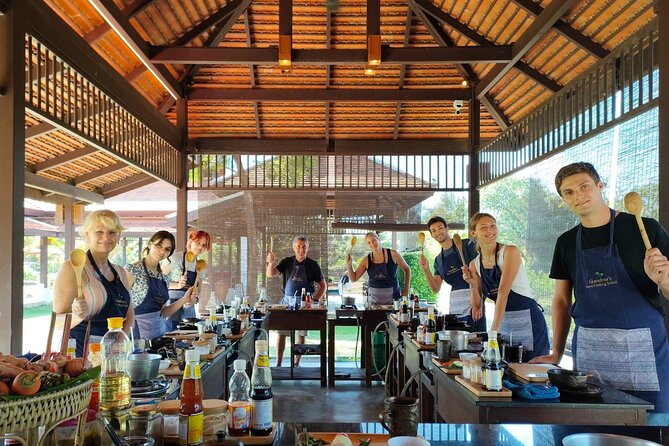
What makes this Krabi experience worth your evening (or morning) is the hands-on setup in a clean, open-air kitchen, plus the Ao Nang hotel pickup and drop-off that keeps things simple. You work at your own station, get clear guidance from a local chef (I kept seeing names like New, Anne, and Poppy pop up in the flow of praise), and then you sit down to eat what you made. One thing to consider: the promised PDF recipe book is sometimes where expectations can miss reality—if you want a reliable download, ask when you arrive and confirm the link before you leave.
You’ll get a real cooking lesson, not just a meal event.
The tradeoff is that this class isn’t a fit for everyone, since it’s listed as not suitable for people with diabetes (and also not for altitude sickness, or age over 95). Also, alcohol isn’t part of the package, so plan on water and soft drinks rather than beer.
In This Review
- Key highlights before you go
- Ao Nang Pickup to an Open-Air Kitchen in Krabi
- Meet the Thai Family Hosts and Choose Your Dishes
- Your Own Station and Wok: Hands-On Cooking That Actually Feels Personal
- The 4-Course Menu: Curry, Stir-Fry, Salads, and Mango Sticky Rice
- Cook-and-Eat Timing: Staying Hungry and Actually Getting Hot Food
- Recipes, Photos, and the PDF You’ll Use Later
- Price and Value at About $45
- Who This Krabi Cooking Class Is Best For
- Who Should Skip It (Health and Comfort Notes)
- Should You Book Smart Cook Krabi?
- FAQ
- Is hotel pickup and drop-off included?
- What do I eat during the class?
- Do I get recipes to take home?
- Is alcohol included?
- What should I bring?
- Is the class taught in English?
- Who is the class not suitable for?
Key highlights before you go
- Private-feeling pacing in some sessions: a few guests reported very small groups, meaning more attention and less waiting
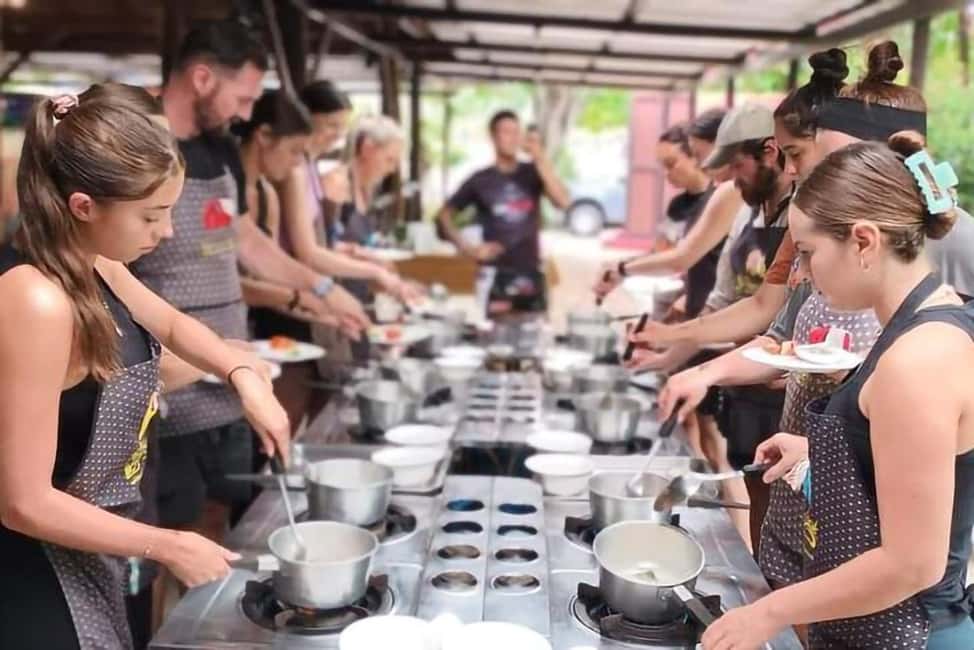
- Open-air kitchen with your own station: utensils and wok are set up for you, so you’re cooking, not watching
- 4-course meal with real Thai classics: curry, stir-fry, dessert, and options like Tom Yum and papaya salad mentioned
- Cook, then eat, then cook: multiple reviews call out the smart timing that keeps food hot
- Recipe book in PDF form + digital photos: designed for recreating the dishes at home
- A family-run, friendly vibe: hosts and chefs are repeatedly described as funny, warm, and structured
Ao Nang Pickup to an Open-Air Kitchen in Krabi
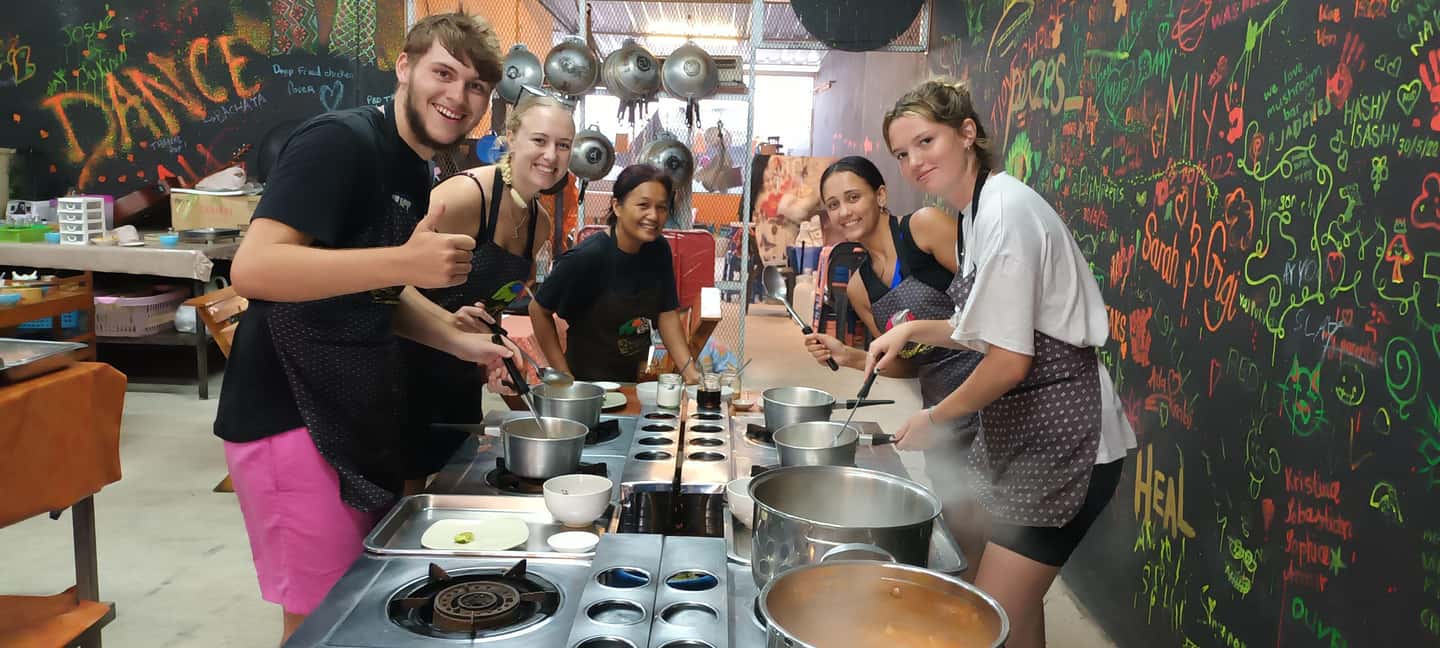
The best part of this class starts before the first ingredient hits the cutting board. You’re picked up from your hotel in Ao Nang, then transferred to the cooking school for a straightforward start. You arrive, meet the host family behind the kitchen, and the whole day feels organized from minute one—no hunting, no awkward waiting around.
Once you’re there, the location style matters. This isn’t a cramped room with one shared pot and a crowd pressed together. It’s a clean open-air kitchen with individual stations. You can breathe, see what you’re doing, and actually follow the steps your chef is teaching instead of losing track in a crowded setup. If you’re the kind of person who learns best while your hands are busy, this format will click fast.
One more detail worth noting: the class is conducted in English, so you won’t be stuck guessing what’s happening when the chef explains the why behind Thai cooking. That explanation shows up in the way guests describe the guidance—clear ingredient notes, step-by-step pace, and lots of humor from teachers like New and Anne.
You can also read our reviews of more cooking classes in Ao Nang
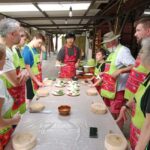

Meet the Thai Family Hosts and Choose Your Dishes
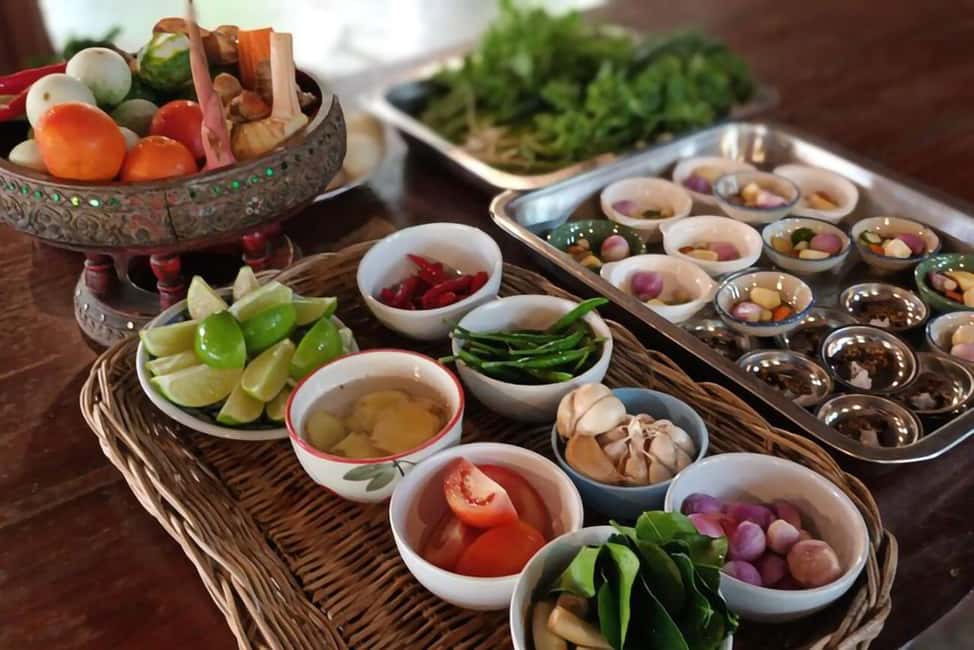
A huge part of the value here is the feeling that you’re learning from people who cook this food at home, not just people who perform it for tourists. Guests repeatedly describe meeting the hospitable family, then getting guided through each step with personalized instruction.
You also get a menu choice dynamic. More than one review says you can pick from dishes on the menu and then cook those alongside the course plan. That’s important because Thai cooking is ingredient-driven. When you cook a dish you actually want—like Tom Yum, papaya salad, or a curry—you pay attention to the flavors that matter to you, and you’re more likely to recreate them later.
The class structure tends to work like this: you choose dishes, the kitchen supplies all ingredients and refreshments, and the chef walks you through each dish in sequence. Several reviews mention learning more than just one curry or stir-fry—some people ended up cooking about five dishes or five courses depending on their menu choices and the session flow. Even if the standard plan is a 4-course meal, the takeaway is consistent: you go home with a broader picture of Thai flavors than you’d get from a one-dish class.
Your Own Station and Wok: Hands-On Cooking That Actually Feels Personal
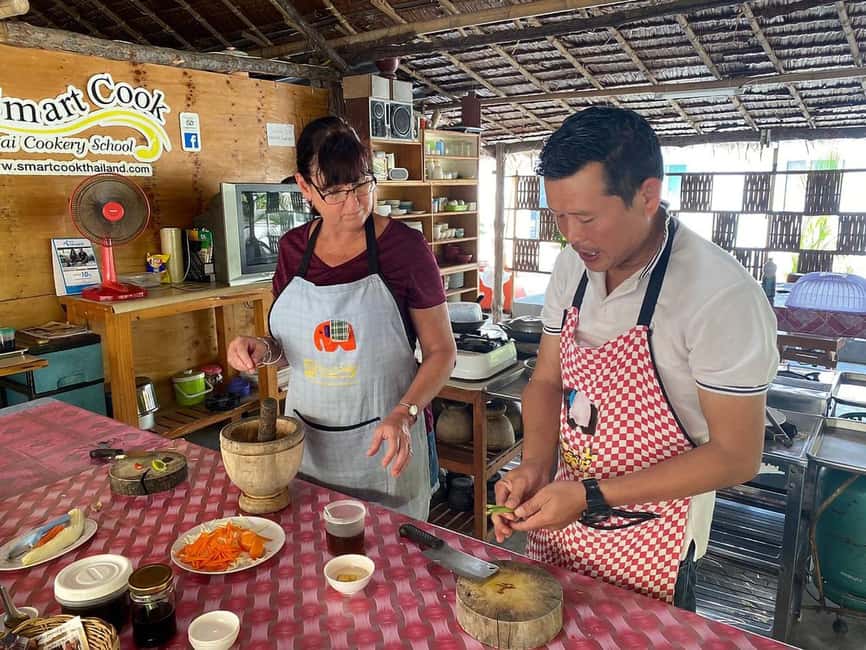
This is one of those rare cooking classes where your role doesn’t shrink to sampling. You get your own station, wok, and utensils, and that changes the whole experience.
Why it matters: Thai cooking often turns from mild to intense quickly—chopping timing, heat control, and knowing when to add paste or sauce are the difference between good and great. When you have your own setup, you can practice those timing moments instead of watching someone else do them while you wait.
The kitchen is also described as efficient. Guests mention that the stations are set up clearly, the utensils are ready, and the chef keeps pace so you’re not stuck waiting while another station runs behind. One review even calls out that the class doesn’t do everything at once and wait until the end. Instead, you cook in separate stages so the food can stay hot when you eat.
If you’re picky about comfort, note the simple advice: bring comfortable clothes. The open-air layout means it can feel warm, and you’ll be moving around your station.
The 4-Course Menu: Curry, Stir-Fry, Salads, and Mango Sticky Rice
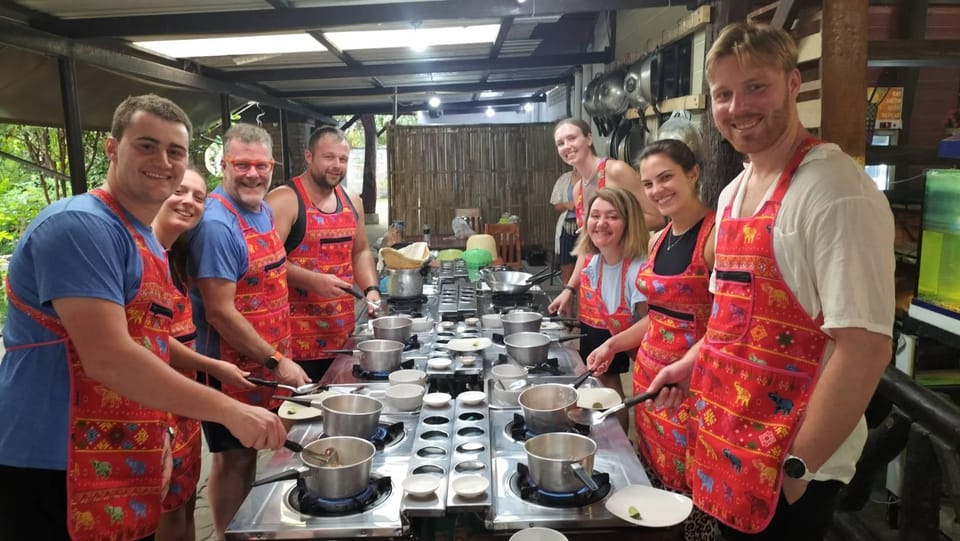
At the core, this experience is built around a 4-course meal. Based on the class description and what guests reported, you can expect a mix like curry, stir-fry, and dessert. Mango sticky rice shows up repeatedly in feedback, and it’s a smart inclusion because it teaches you something different from the savory dishes—sweet balance, texture, and serving style.
Here’s what stands out from the dishes people named:
- Curry from scratch: Several guests specifically mention learning curry-making steps, not just adding paste and calling it done.
- Stir-fry: You’ll get practice with wok technique and quick seasoning.
- Salad options: Tom Yum and papaya salad were mentioned as favorites you could choose, which is great because those dishes depend on sour, salty, and fresh flavors.
- Dessert: Mango sticky rice is the recurring dessert highlight.
One useful benefit: because you choose dishes from a menu, you can steer the class toward the flavors you crave most. If you love spicy-sour soup flavors, lean into something like Tom Yum. If you want the punchy crunch and tang of Thailand’s fresh salads, pick papaya salad. If you’re curry person, you’ll likely end up spending more time mastering curry building blocks.
Also, the chef and host guidance seems to cover ingredient differences in Thai cooking. One guest specifically mentioned learning how Thai ingredients can differ from what people find elsewhere. That kind of detail matters, because replicating Thai food at home often fails when you substitute without understanding what’s essential.
Cook-and-Eat Timing: Staying Hungry and Actually Getting Hot Food
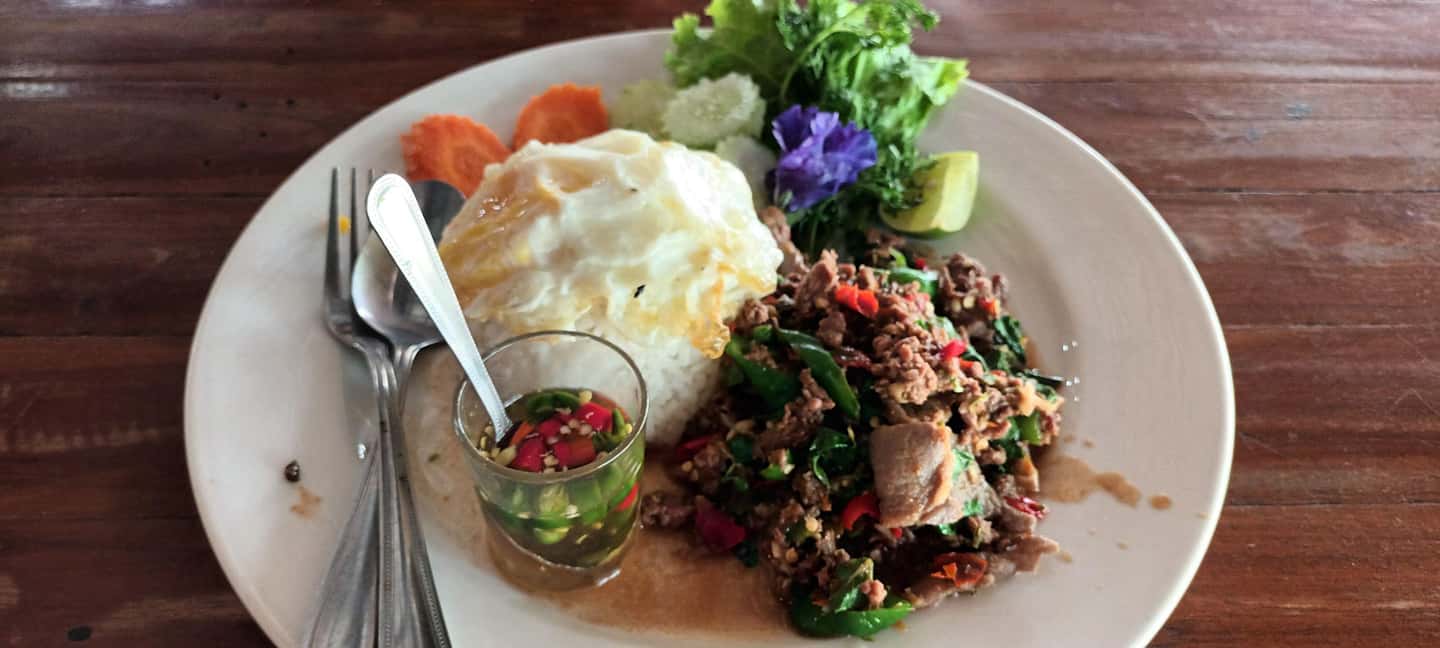
A lot of cooking classes fail at timing. You either cook for too long and eat bland food that has cooled, or you’re stuck waiting while others finish. Here, multiple reviews praise the pacing: you cook, eat, then cook again.
This matters for two reasons:
- Food quality stays high. Stir-fries and soups are best when they’re fresh off the heat.
- Learning sticks. When you taste right after learning, you connect the step to the flavor. It’s the fastest way to understand what the chef wants you to do next.
So instead of one long grind until dinner, the class tends to break things up. One review described the approach as perfect because the hot food was freshly prepared, not waiting until everything was cooked. That same idea shows up in other feedback that mentions sitting down together to eat what you made.
You’ll likely leave feeling like you ate a real meal and learned cooking skills, not just sampled a few bites.
A few more Ao Nang tours and experiences worth a look

Recipes, Photos, and the PDF You’ll Use Later
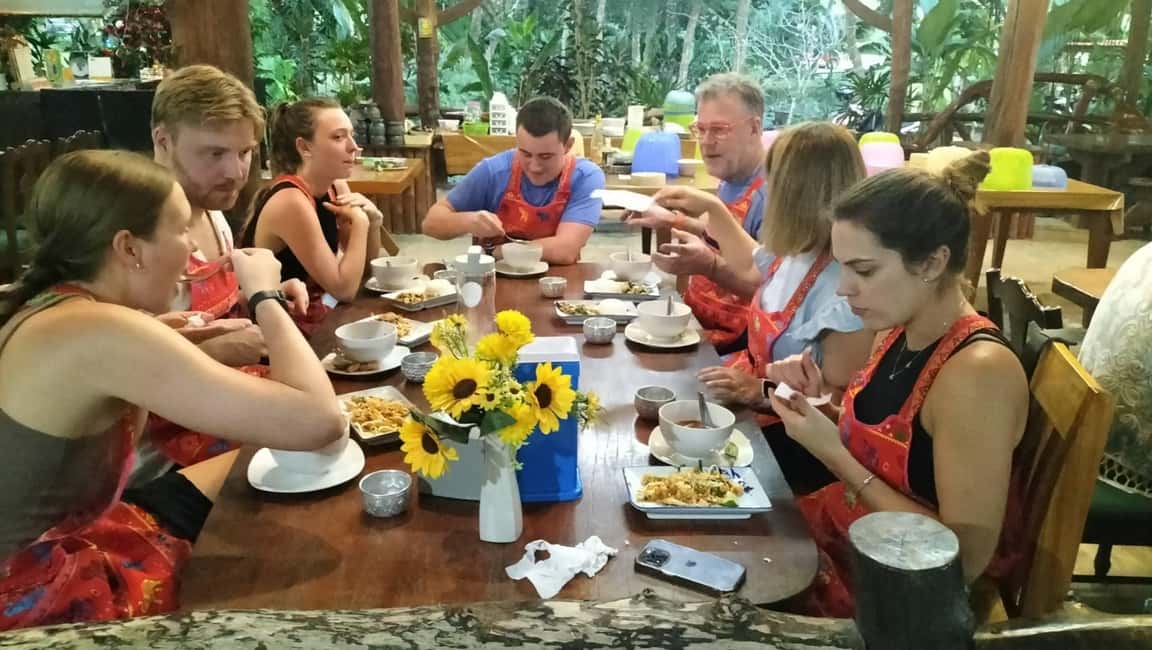
If you’re going to pay for a cooking class, you want more than memories—you want a tool you can use at home. This one includes an online PDF recipe book and a digital photo album.
The practical value is obvious: Thai cooking relies on ratios, order of ingredients, and sometimes prep details that are easy to forget once you’re back in your kitchen. A PDF format is also convenient. You can save it to your phone, read it while cooking, and keep your hands free.
One caution I’ll mention plainly: at least one guest reported that they didn’t receive the PDF they expected. It’s likely a rare snag, but if this matters to you, confirm the download access during the class so you’re not chasing it later.
Also, the photo album isn’t just fluff. Seeing how a finished dish looks helps you judge texture and doneness—especially for curry consistency and dessert finishing.
Price and Value at About $45
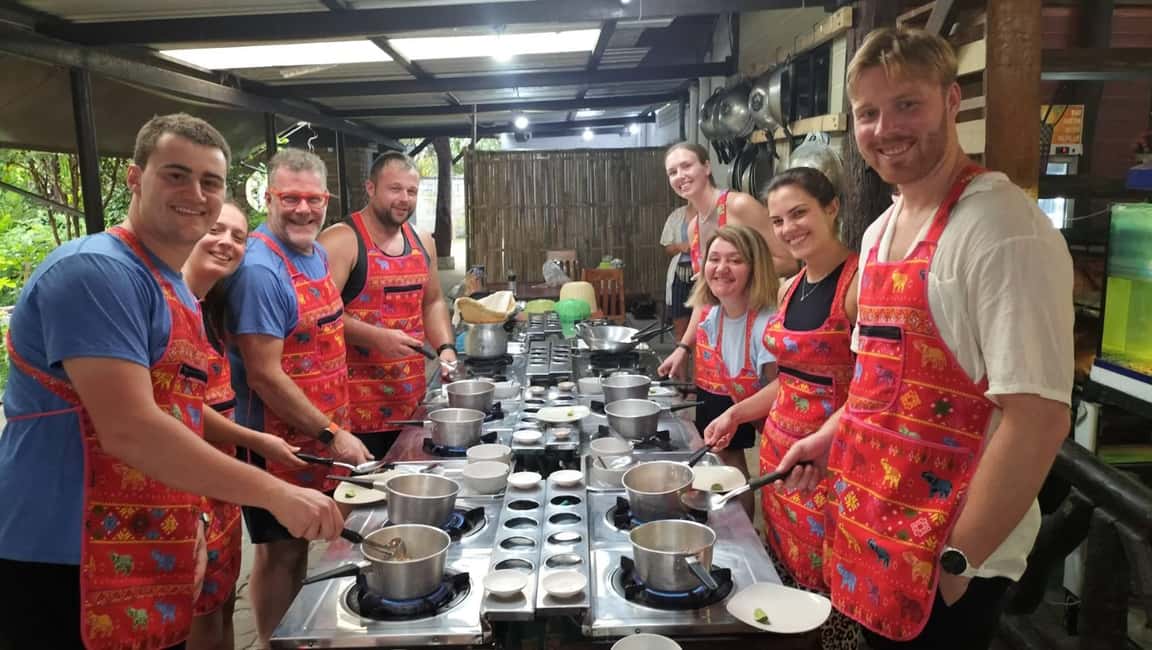
At around $45 per person, this class is priced like a budget-friendly food experience, not a luxury private chef. The value comes from the combination of things included, not just the cooking itself.
Here’s what’s covered:
- Hotel pickup and drop-off from Ao Nang
- A local host/chef and hands-on instruction
- All ingredients and drinking water
- The meal you cook and eat
- The online PDF recipe book
- A digital photo album
When you compare that to the cost of buying ingredients, renting equipment, and then still not knowing the correct order and technique, the price starts to make sense. You’re paying for structure, coaching, and a Thai kitchen workflow you can copy.
And for what it’s worth, the class has an extremely strong rating (near-perfect in the review set provided). Most of the praise isn’t about scenery or “vibes”—it’s about clarity, fun teaching, and the fact that the food turns out really well.
Who This Krabi Cooking Class Is Best For
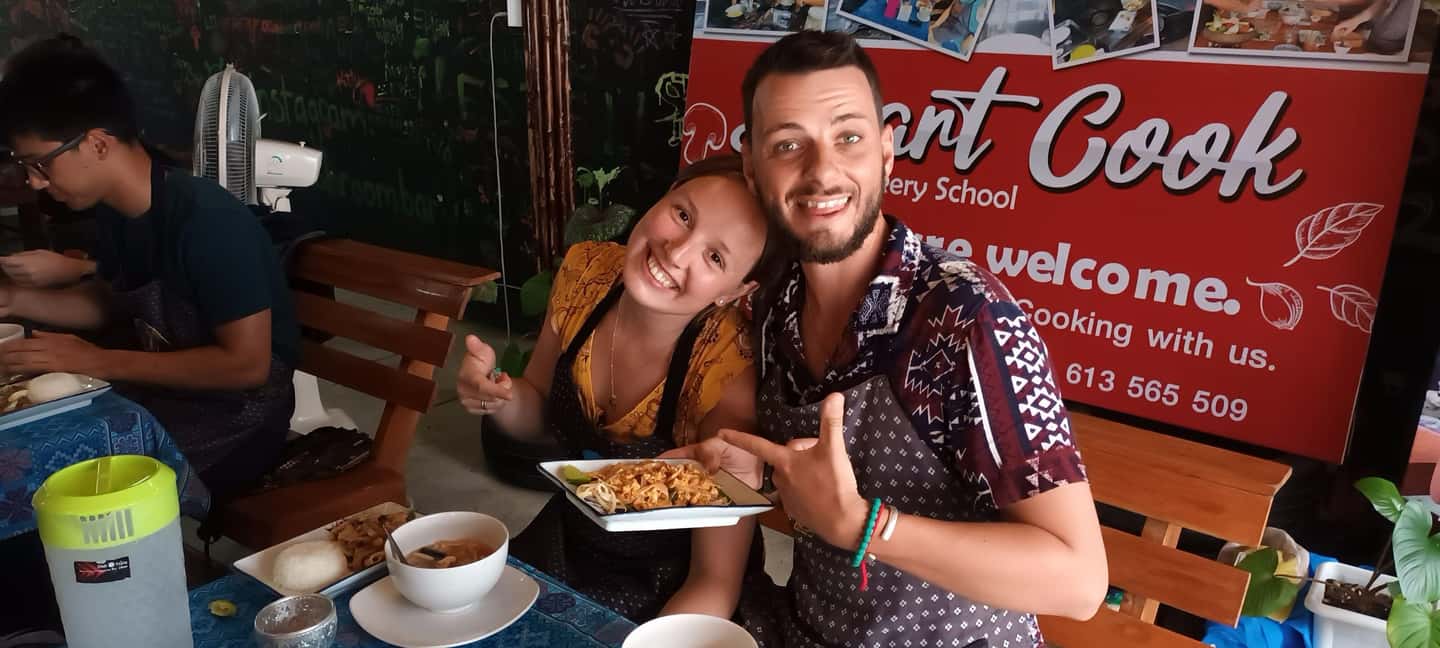
This is a great match if you want a social, active evening where you learn something real. Several guests mention meeting new people, including solo travelers who enjoyed the group energy while cooking and eating together.
It’s also a good fit if you like instruction with personality. Many comments mention guides who were funny and engaging, with names like New, Anne, Gataii, and Poppy showing up often. If you’re nervous about cooking, that humor plus step-by-step guidance can make you feel confident quickly.
You might also like it if you’re picky about dietary needs—but with an asterisk. The class is listed as not suitable for people with diabetes. Beyond that, one guest specifically mentioned gluten-free handling, like having gluten-free soy sauce options and oyster sauce accommodations, plus vegetarian alternatives. That suggests adjustments are possible in some cases, but you should still ask ahead of time if you have dietary restrictions so you’re not hoping.
Who Should Skip It (Health and Comfort Notes)
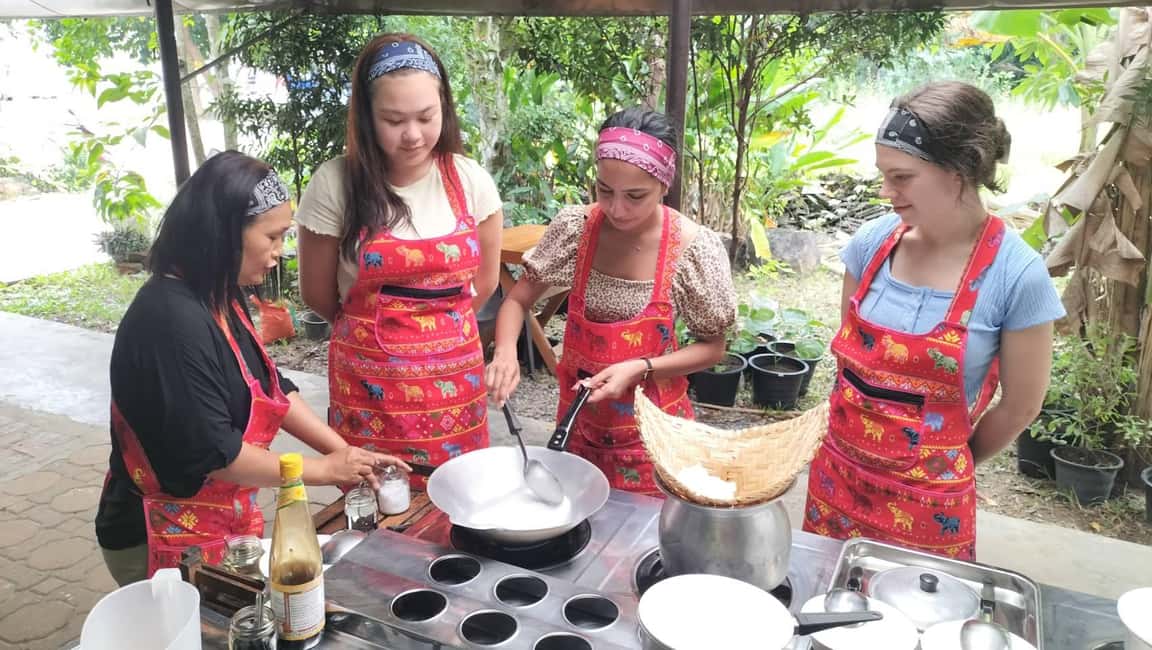
The main restrictions are clear:
- Not suitable for diabetes
- Not suitable for altitude sickness
- Not suitable for people over 95 years
If any of those apply, you’ll want to pick a different activity.
If you’re generally healthy but hate heat or are sensitive to outdoor environments, remember it’s an open-air kitchen. You’ll be chopping and cooking at your station, so comfortable clothes and a practical mindset help a lot.
Lastly, alcohol isn’t included. Drinking water is provided, and you shouldn’t plan around beer being part of the session.
Should You Book Smart Cook Krabi?
Book it if you want:
- Hands-on Thai cooking with your own wok and utensils
- A real meal you cook and eat on the spot
- A PDF recipe book and photos you can actually use later
- A class style that keeps food hot through cook-and-eat timing
I’d think twice if:
- You need a diabetes-friendly activity
- You’re mainly looking for a passive cultural tour (this is active, and you’ll be cooking)
- Getting the PDF download immediately is critical for you—if it’s your make-or-break detail, confirm access during the class
If those points fit your travel style, this is one of the more practical “do it once and use it forever” food experiences in Krabi.
FAQ
Is hotel pickup and drop-off included?
Yes. Pickup and drop-off are included for hotels in Ao Nang.
What do I eat during the class?
You’ll prepare and eat a 4-course meal. Curry, stir-fry, and dessert are included in the course plan.
Do I get recipes to take home?
Yes. You receive an online PDF version of the recipe book.
Is alcohol included?
No. Beer or any alcohol is not included.
What should I bring?
Wear comfortable clothes.
Is the class taught in English?
Yes. The class is listed as English-language.
Who is the class not suitable for?
It’s listed as not suitable for people with diabetes, people with altitude sickness, and people over 95 years old.