REVIEW · AO NANG
Ao Nang: Hands-on Learn to Cook 3 Popular Thai’s street food
Book on GetYourGuide →Operated by Authentic Thai Cooking School · Bookable on GetYourGuide
Thai cooking gets easier fast.
This Ao Nang street-food cooking class is interesting because you pick your own menu, then cook it in a clean, open-air family-style setup. I really like how hands-on it feels (you’re not just watching), and I like that you leave with a PDF recipe book you can actually use at home. The main downside to plan for: there’s no pickup, and this is a focused 150-minute block, so getting there and back takes a bit of thought.
What you end up cooking is very “Thailand on a plate”: a soup course, a noodle or stir-fry-style main, and a papaya or cucumber salad. The teaching is in English, and the instructors are often funny and warm, with names like New, Tu, Gataii, Poppy, Mac, and Khun An showing up in the classroom vibe. If you’re sensitive to spice, tell them early—Thai cooking has plenty of heat, but you can typically steer it.
You’ll also notice the setup is designed for real meals, not a demo. Ingredients are prepared ahead for speed (think chopped aromatics and key prep), and helpers take care of the cleanup so you can cook and eat without spending your holiday doing dish duty.
In This Review
- Key Things I’d Bet You’ll Care About
- How the Three-Dish Menu Works (and Why That Matters)
- The Open-Air Kitchen Setup You’ll Appreciate More Than You Think
- Soup Course: The Starter That Teaches Seasoning
- Main Course Choices: Pad Thai vs. Holy Basil vs. Cashew Chicken
- Pad Thai
- Fried Holy Basil
- Cashew Nuts with Chicken
- Salad Course: Papaya or Cucumber (Fresh, Sour, and Addictive)
- Diet-Friendly Options Without Making It Feel Like a Compromise
- Instructor Energy: Names You Might Meet, Styles You’ll Notice
- What You Take Home: PDF Recipes and Photo Memories
- Timing, Spice Control, and the Reality of Getting There
- Who This Class Is Best For (and Who Might Want Another Option)
- So, Should You Book It for Ao Nang?
- FAQ
- FAQ
- How long is the cooking class?
- What dishes can I choose to cook?
- Are vegan, vegetarian, or gluten-free options available?
- Is a recipe book included?
- Are ingredients included?
- Do I get photos from the class?
- Is pickup or transportation included?
Key Things I’d Bet You’ll Care About
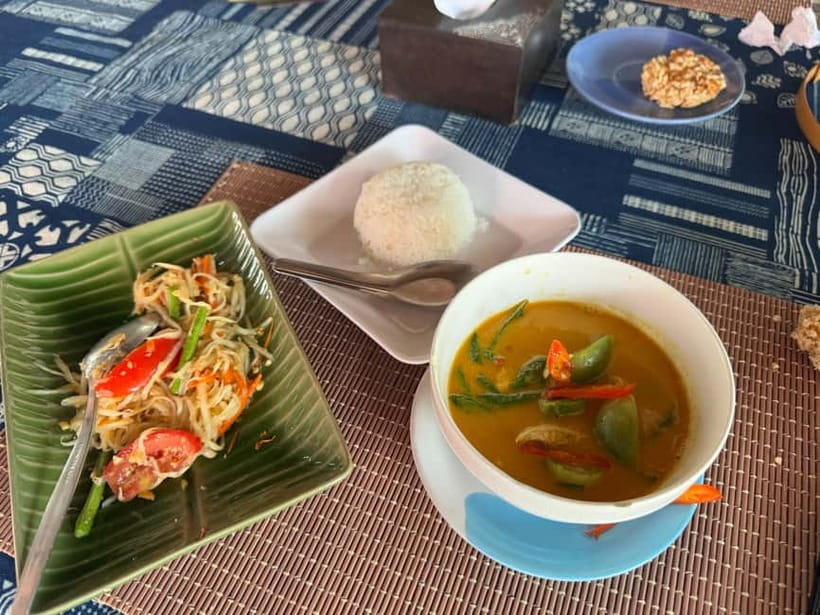
- Pick 3 dishes from a short Thai street-food menu so your meal matches what you crave
- Clean, open-air, family-style kitchen that keeps things practical and comfortable
- Learn sauce and seasoning technique, not just how to follow steps
- Vegan, vegetarian, and gluten-free options are available if you request them in advance
- You leave with a PDF recipe book plus activity photos for later
- Small-group energy shows up often, which makes questions easy to ask
How the Three-Dish Menu Works (and Why That Matters)
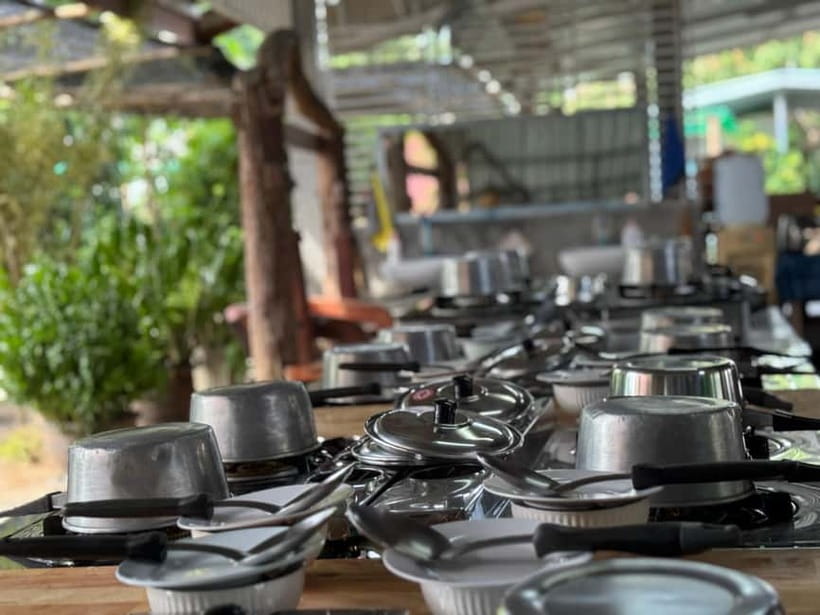
This class centers on one simple idea: you cook three popular Thai dishes, in the same time window, with guidance at each step. Instead of everyone making the same plate, you choose from a menu like a Thai street-food order—soup first, then main, then salad.
Your choices are:
- Soup (choose one): local chicken soup, or chicken in coconut milk soup
- Main (choose one): Pad Thai, fried holy basil, or cashew nuts with chicken
- Salad (choose one): papaya salad or cucumber salad
Why I think this format works for value: you’re not paying for a “tour” of cooking. You’re paying for a real outcome—three dishes you can taste and then repeat later.
You can also read our reviews of more tours and experiences in Ao Nang.



The Open-Air Kitchen Setup You’ll Appreciate More Than You Think
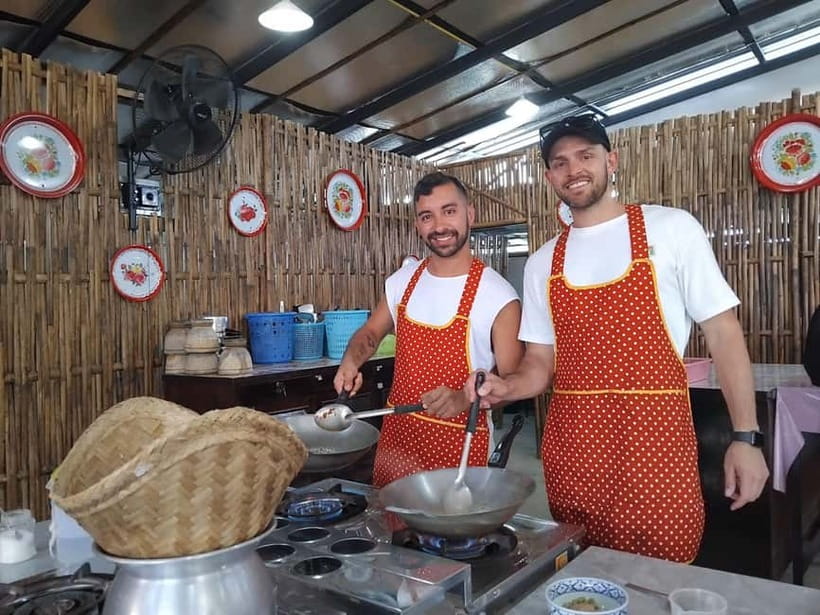
The class takes place in a clean, open-air kitchen, and that detail is practical. In a warm coastal place like Krabi, cooking indoors for hours can get stuffy fast. Here, you get airflow and the experience feels more like a real Thai home kitchen than a sealed studio.
You also get a rhythm that helps beginners. Ingredients may already be partially prepped—so you can focus on what changes flavor: tasting, adjusting seasoning, and building the sauce properly. One of the best parts is that you don’t get stuck doing dish washing. Helpers handle cleanup while you keep cooking and eating.
If you’re the kind of person who worries about making a mess, this still might be a comfort point. You cook, you learn, you eat. The class structure is built around flow.
Soup Course: The Starter That Teaches Seasoning
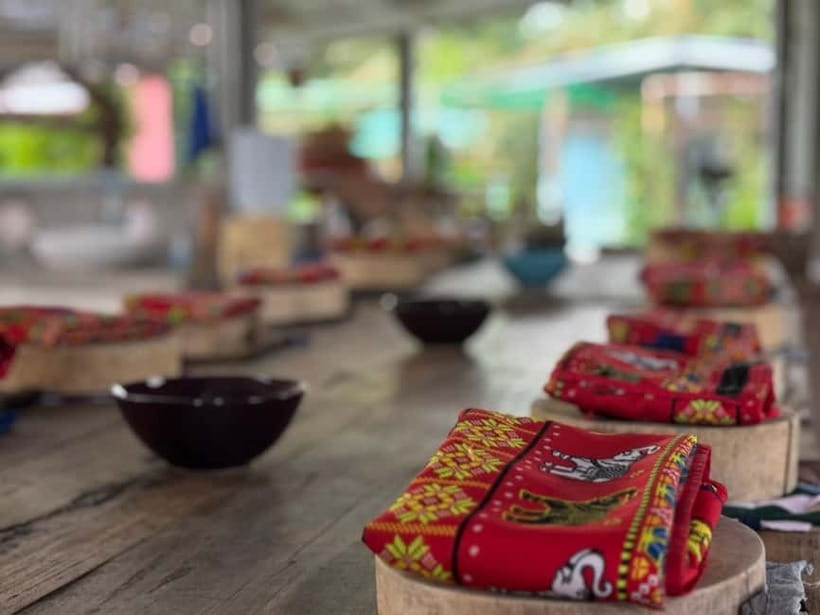
Thai soups are a shortcut to understanding Thai flavor. Even if you only cook once a year, learning soup helps you recognize balance—saltiness, sourness, aroma, and the way herbs carry through a broth.
You’ll pick one:
- Local chicken soup
- Or chicken in coconut milk soup
What to pay attention to while you cook: how the instructor guides you through layering flavor before it hits the pot. In Thai cooking, the order matters. A quick taste-and-adjust moment often shows you how the dish becomes more than “just ingredients boiled together.”
You’ll also feel the pacing here. Soup takes less time than you expect, and it’s a good warm-up for learning technique before the main course.
Main Course Choices: Pad Thai vs. Holy Basil vs. Cashew Chicken
This is where you’ll likely decide what kind of Thai cook you want to become.
Pad Thai
Pad Thai is the classic entry point, and it’s also a technique lesson. You practice how sauce and toppings come together so the noodles don’t taste flat. Expect guidance on timing and mixing so the dish holds its flavor.






Fried Holy Basil
If you want something closer to Thai street stir-fry energy, holy basil fits. This is the dish where aroma becomes part of the final taste, so you’ll likely focus on cooking the base fast and keeping the flavors punchy.
Cashew Nuts with Chicken
Cashew chicken is about texture—crunchy nuts, tender meat, and a sauce that clings. This option is often friendly for first-timers because it’s easier to taste and adjust while the pan is still active.
A useful detail for you: many instructors help tailor spice and can swap out ingredients for vegetarian or vegan needs when requested. So even if the menu says chicken, you won’t automatically end up with a limited experience.
Salad Course: Papaya or Cucumber (Fresh, Sour, and Addictive)
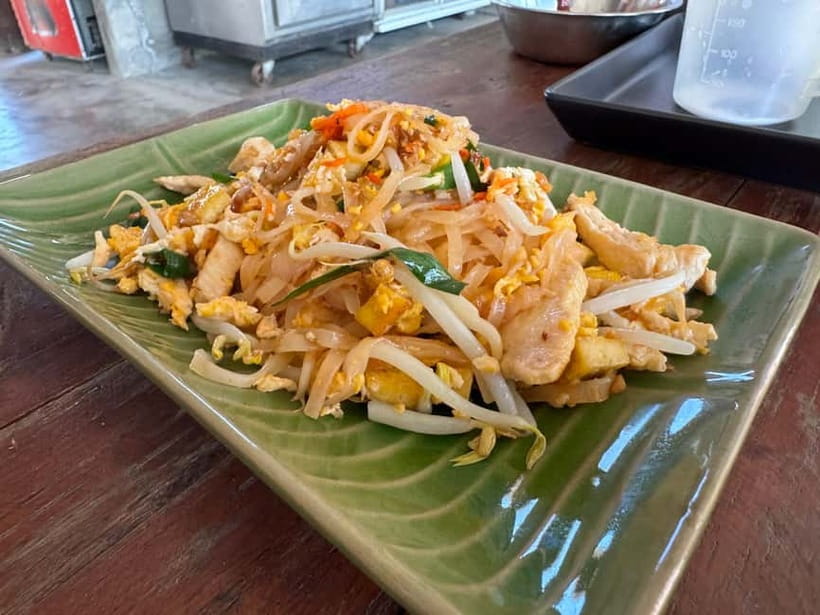
Salad is where Thai food gets its attitude. You’ll choose either:
- Papaya salad
- Cucumber salad
Papaya salad tends to be more dramatic in flavor—sour, salty, slightly sweet, and herb-forward. Cucumber salad is often a bit lighter but still teaches the same idea: balancing dressing and finishing with the right aromatic notes.
Watch what you’re doing with the dressing and the tossing. Thai salads are not just sides. They teach you how to make a dressing that tastes correct before it ever hits a plate.
If you’re cooking for guests back home, this is also the most transferable dish. It’s easier to recreate with ingredients you can find outside Thailand.
Diet-Friendly Options Without Making It Feel Like a Compromise
One of the strongest parts of this class is flexibility for vegan, vegetarian, and gluten-free cooking. You’ll just need to tell the operator in advance about restrictions, since they can plan ingredient swaps.
In practice, this can mean things like substituting meat with vegetarian protein (like tofu) and adjusting sauces so the dish still tastes right. The class approach seems to treat dietary needs as part of the recipe process, not a last-minute apology.
If gluten-free is your concern, you’ll want to confirm how they handle sauce ingredients when you message ahead, but the key point is that gluten-free options are available upon request.
Instructor Energy: Names You Might Meet, Styles You’ll Notice
This is one of those activities where the instructor can make the whole thing feel effortless. The class tends to pair cooking technique with personality—funny, relaxed, and encouraging, even if someone makes a sauce mistake.
You might work with instructors including:
- New, who keeps the class easy and personal
- Tu, who guides step-by-step and makes the process feel simple
- Gataii, who’s described as charming and helps everyone stay productive
- Poppy, known for an upbeat teaching style
- Mac, who focuses on clear explanations
- Khun An and Thiwa, who show calm guidance and strong English instruction
What that means for you: if you’re a beginner, you won’t feel left behind. If you’re a decent home cook, you’ll still get technique tips that sharpen your results.
What You Take Home: PDF Recipes and Photo Memories
This class does two thoughtful things after cooking.
First, you get a PDF recipe book. It’s designed so you can recreate more than just the three you cooked. That’s important because Thai cooking has lots of tiny adjustments, and a printed list of ingredients and steps helps you repeat them confidently.
Second, you get photos of the activity. It’s a small extra, but it helps you remember the dishes you made and the moment you made them. If you’re sharing your time in Krabi, these are quick proof you didn’t just eat your way through Thailand—you learned your way through it.
Timing, Spice Control, and the Reality of Getting There
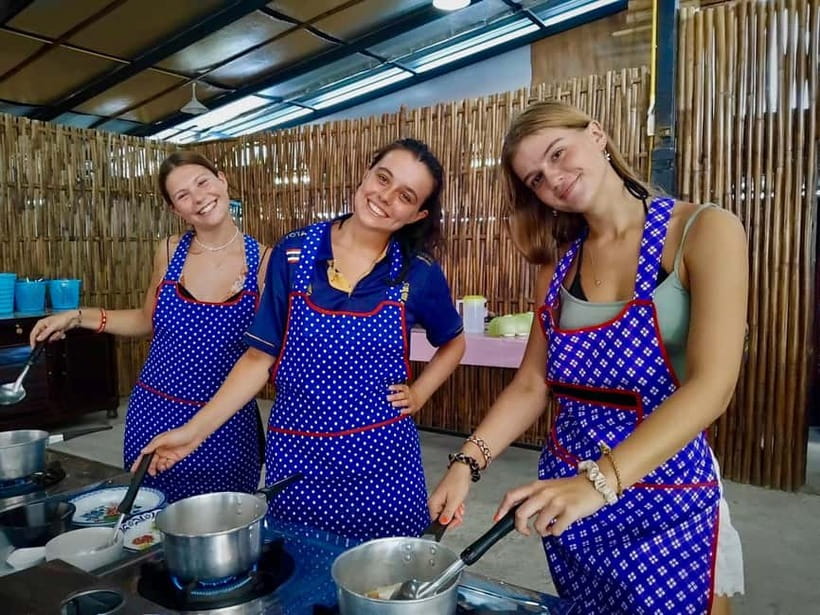
The class runs 150 minutes. That’s long enough to cook, learn, eat, and still feel like the instructor can catch mistakes before they turn into disasters.
Plan for one practical thing: there’s no pickup. You’ll need to handle transport on your own, which can be a simple grab ride situation—but sometimes it’s not as easy as you want on the way back. Build a little buffer into your plans.
Also, be ready for Thai heat, even if you’re not ordering extra spice. If you’re sensitive, say it early. You’ll get a better result when your cooking matches your tolerance.
Who This Class Is Best For (and Who Might Want Another Option)
This experience is a strong fit if you want:
- A hands-on Thai cooking skill you can repeat at home
- A menu that feels like real street-food variety
- Diet-friendly cooking with planning, not guesswork
- A fun class atmosphere that includes humor and lots of help
It’s also a good choice for families, since the activities are interactive and worked for children in past sessions (including kids who wanted to get involved at the station level).
You might choose differently if you mainly want a food tour with lots of walking and market time. This is focused on cooking in the kitchen, and the value comes from what you produce during the session.
So, Should You Book It for Ao Nang?
Yes, if you want a practical Thai souvenir. A PDF recipe book beats another fridge magnet, and three dishes in 150 minutes means you’ll go home with a meal’s worth of skills, not just inspiration.
Book it with confidence if you:
- like eating Thai food already and want the “how”
- want vegan/vegetarian/gluten-free support by request
- value a clean open-air kitchen and helpful instruction in English
Skip it if you need pickup and total convenience, or if you only want a super casual, low-involvement activity. This is cooking class energy.
FAQ
FAQ
How long is the cooking class?
The class lasts 150 minutes.
What dishes can I choose to cook?
You’ll choose 3 dishes: one soup (local chicken soup or chicken in coconut milk soup), one main (Pad Thai, fried holy basil, or cashew nuts with chicken), and one salad (papaya or cucumber salad).
Are vegan, vegetarian, or gluten-free options available?
Yes. Vegan, vegetarian, and gluten-free options are available upon request. You should inform the operator in advance about any dietary restrictions.
Is a recipe book included?
Yes. You receive a PDF recipe book you can use to recreate the dishes at home.
Are ingredients included?
Yes. The class includes all ingredients needed for the dishes, plus drinking water.
Do I get photos from the class?
Yes. Photos of the activity are included.
Is pickup or transportation included?
No. There is no pickup or transportation service provided.