REVIEW · KRABI
Krabi: Hong Islands Early Bird Tour with Breakfast
Book on GetYourGuide →Operated by Krabi Boat Trip · Bookable on GetYourGuide
A sunrise tour is only worth it if the day starts on time. This one combines beachside breakfast and Hong Island lagoon time so you get the calm before the crowds. One catch: if your pick-up runs late or tides slow the boat, the early-bird advantage can shrink fast.
I like that the schedule mixes simple pleasures (walking the sandbar, tropical fruit, coffee) with real water time. You’re not stuck in a bus all morning; you’re on the water early, in the shallows, and back before the heat turns heavy.
If you’re new to snorkeling, I’d still call this a straightforward experience—as long as you can swim and you’re okay with a long, early day starting around 6 a.m.
In This Review
- Key things to know before you go
- Why Hong Islands feel different at sunrise
- Beach breakfast under casuarina trees (and what’s actually good)
- The boat ride: longtail charm vs speedboat comfort
- Hong Island morning: shark viewing, sunrise light, and wildlife time
- Hong Lagoon: the narrow passage, emerald color, and quiet moments
- Ko Lao Lading: lunch stop with a crowd factor
- Ko Lao Ka: quick photo stop, then a focused snorkeling window
- Ko Pak Bia and the sandbar connection: where the day slows down
- Ko Daeng: the snorkeling closer of the day
- Return cruise and the “after” feeling (when the day goes right)
- What’s included (and what you’ll want to pack)
- Price and logistics: when it feels like $112 well spent
- Who this tour suits best (and who should skip it)
- Should you book this Hong Islands Early Bird tour?
- FAQ
- How long is the Krabi Hong Islands Early Bird Tour with Breakfast?
- What areas do you pick up from?
- What time is the pickup?
- What boat do we ride in?
- Is hotel transfer included?
- Is breakfast included, and what does it include?
- What snorkeling equipment is provided?
- Is lunch included?
- Is the tour suitable for non-swimmers or people prone to seasickness?
- What languages are the guides?
Key things to know before you go
- Early-bird timing: you’re aiming for Hong Island before bigger waves of day-trippers land.
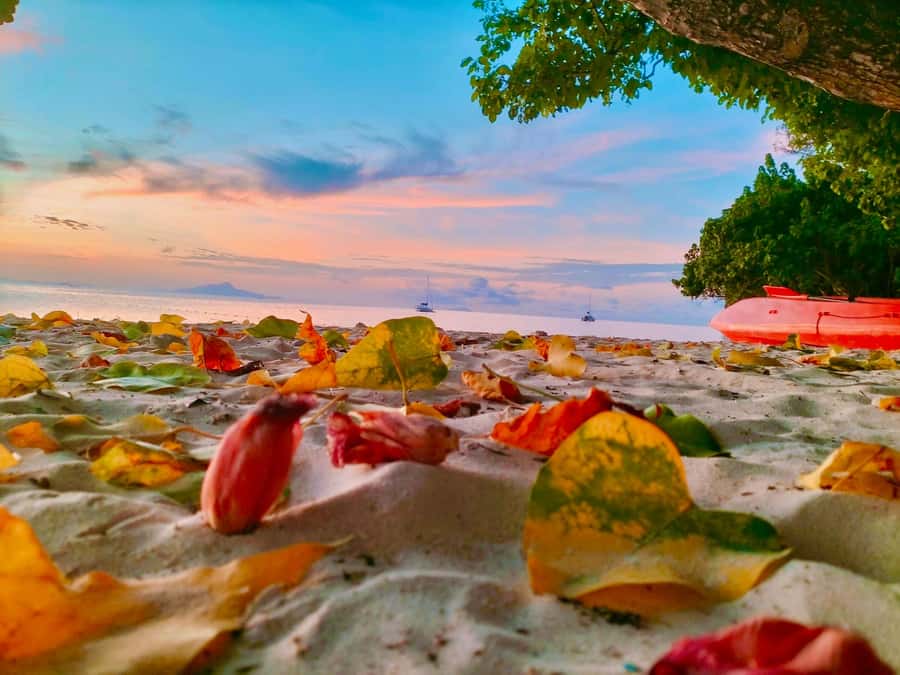
- Beach breakfast setup: fruits, pastries, Thai-style omelets, and coffee or tea under casuarina trees.
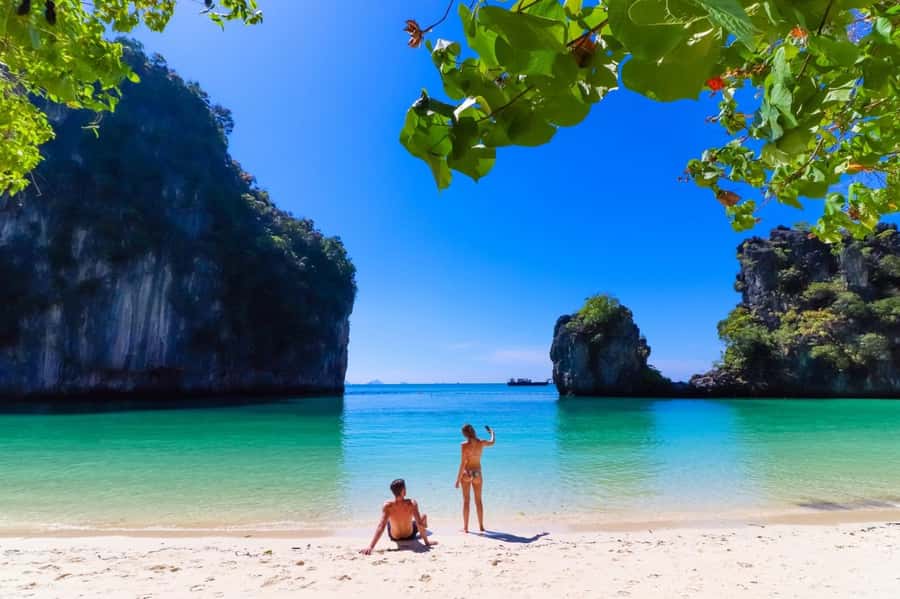
- Hong Lagoon photos: the emerald lagoon is entered through a narrow passage for that postcard look.
- Snorkeling stops built in: Ko Lao Ka, Ko Pak Bia, and Ko Daeng are the main water-time moments.
- Boat type depends on group size: longtail boat for smaller groups (5–15), speedboat when the group is bigger (20+).
- Tide-sensitive logistics: the route can involve waiting if sandbars/boat access are affected by low tide.
Why Hong Islands feel different at sunrise
Krabi’s islands are famous for their water, but timing is what makes this tour special. Leaving early means you’re often looking at the views with fewer people around, and the beaches feel quieter during your first arrivals.
You’ll start with pickup in the dark-cool morning hours, typically from major areas like Ao Nang and Krabi Town (and also Ao Nam Mao / Tubkaek beach). Then you head to the pier, where the water crossing begins early enough that the light is already flattering for photos.
When everything runs smoothly, the tour delivers on its promise: you get to enjoy Hong Island and the lagoon entrance before the day turns into a traffic jam. When things slip, the day still has great scenery, but you lose some of the “get there first” payoff.
You can also read our reviews of more tours and experiences in Krabi.
Beach breakfast under casuarina trees (and what’s actually good)
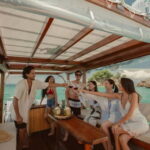
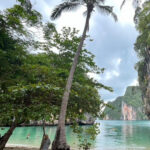
One of the best parts here is the meal. You’re not eating a rushed buffet somewhere indoors—you’re getting a beachside breakfast set up under casuarina trees, with the sea in front of you.
The menu you can expect is varied for a morning boat trip: tropical fruits, fresh pastries, Thai-style omelets, and coffee or tea. That matters because early tours are tiring, and a real breakfast keeps you steady for snorkeling and walking later.
Practical tip: treat breakfast as your main fuel. Snacks are allowed, but try to eat enough here so you’re not scrambling for energy when the morning heat builds.
The boat ride: longtail charm vs speedboat comfort
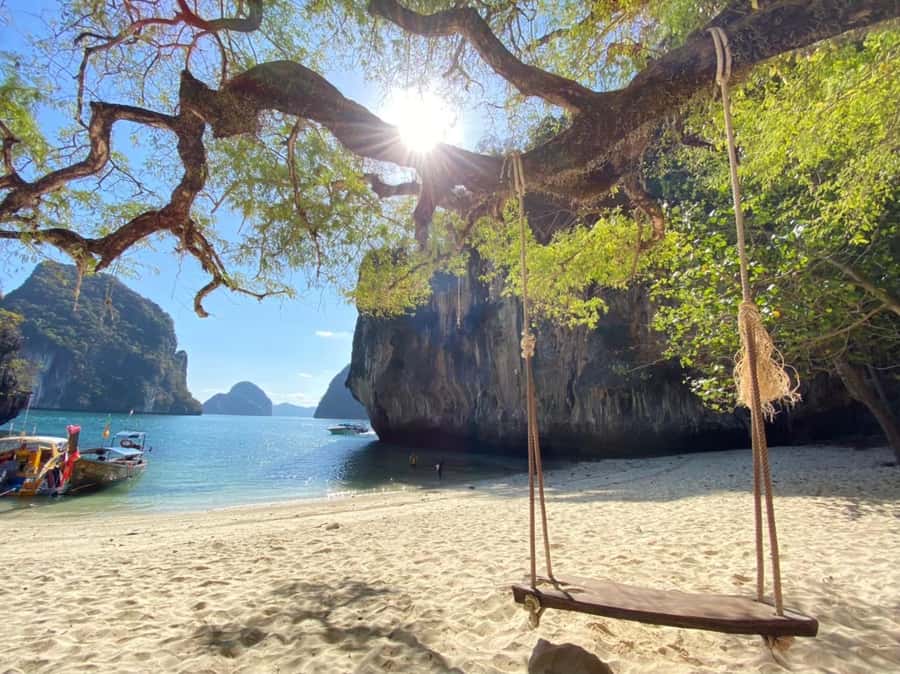
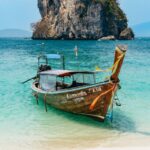
You’ll use a longtail boat or a speedboat depending on group size. For groups of 5–15, you travel by traditional longtail boat; for 20+, it switches to a speedboat for added comfort and speed.
This changes the “feel” of the ride. Longtail boats tend to feel more local and flexible, but you may feel more of the motion. Speedboats usually feel faster and can reduce the time you’re exposed to choppy conditions.
Either way, plan for early-departure fatigue. Life jackets are provided, but you’ll still want to dress in swim-ready layers (shorts, swimwear, quick-dry top) so you’re not overheating while waiting for the next stop.
Hong Island morning: shark viewing, sunrise light, and wildlife time
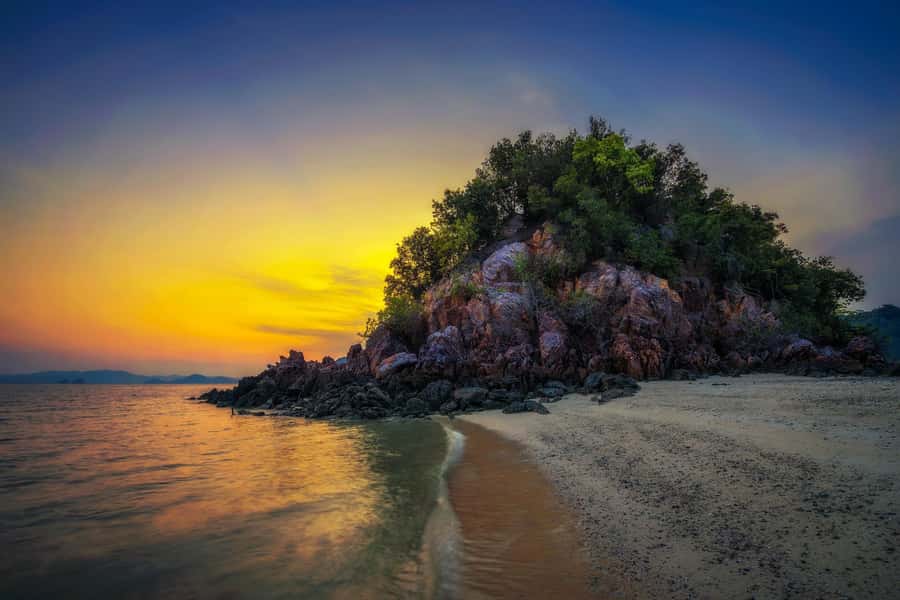
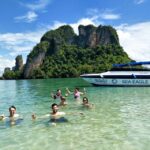
Hong Island is the anchor of the tour, and the morning block is built around a slow start. You get time for sunrise light, plus shark viewing and wildlife viewing (about 1.5 hours total at this main island segment).
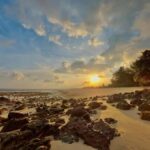
Even if you don’t know exactly what you’re going to see, the timing helps. You’re on the island before crowds spread out across the shoreline, and the sky often looks better in the early hours for both photos and that first calm look at the coastline.
What I like about this section is that it feels like a real island pause, not just a quick “step off, take photo, step back on.” You get enough time to stretch, walk a bit, and settle your head before the water stops start stacking up.
Hong Lagoon: the narrow passage, emerald color, and quiet moments
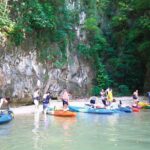
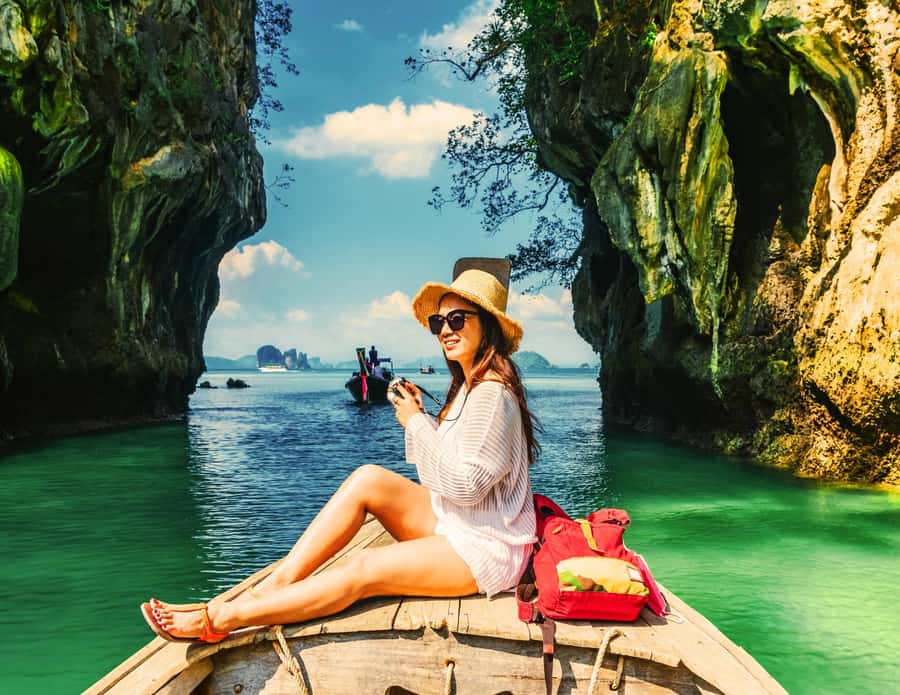
After the main Hong Island time, you head to Hong Lagoon. You’ll pass through a narrow opening to reach the lagoon area, which is why it looks so special on photos.
This is also one of the most peaceful parts of the day if your timing is right. The lagoon stop includes a photo moment and time for sightseeing, plus swimming and scenic views on the way. The water is typically clear enough that you’ll see plenty without needing to rush or go far.
A small but important reality: lagoon access depends on the day’s conditions. That’s one reason the tour’s early start matters—morning timing can make the experience calmer and smoother.
If you’re sensitive to boats or motion, this is also a good place to use that first chance to get your balance and settle in before later snorkeling sessions.


Ko Lao Lading: lunch stop with a crowd factor
Next is Ko Lao Lading, where the day shifts toward longer island time. You’ll get a photo stop, time to visit and sightsee, plus swimming, with about 45 minutes allocated for this stretch.
This is where lunch happens later in the flow as well, and here’s the honest part: lunch can get crowded. If you’re the type who hates shoulder-to-shoulder sitting, plan to treat lunch like a practical reset, not a long, relaxed picnic.
That said, Ko Lao Lading is still a worthwhile stop because it breaks up the snorkeling rhythm with a change of scenery. You also get another window to swim and enjoy the water without it feeling like you’re only wearing a mask for the entire day.
Ko Lao Ka: quick photo stop, then a focused snorkeling window
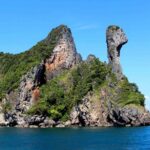
Ko Lao Ka is shorter but purposeful. You’ll have a photo stop and then a focused snorkeling segment (around 30 minutes).
This stop works best as part of the “warm-up.” By the time you’re here, you’ve already been through at least one swim area and you’ve figured out your pace—how long you can comfortably stay in the water, when you want to rest, and how you handle breathing without rushing.
If you’re bringing your own comfort routine, this is the time to use it. Wear your sunscreen early, and keep your time efficient so you still enjoy the scenery above the waterline.
Ko Pak Bia and the sandbar connection: where the day slows down
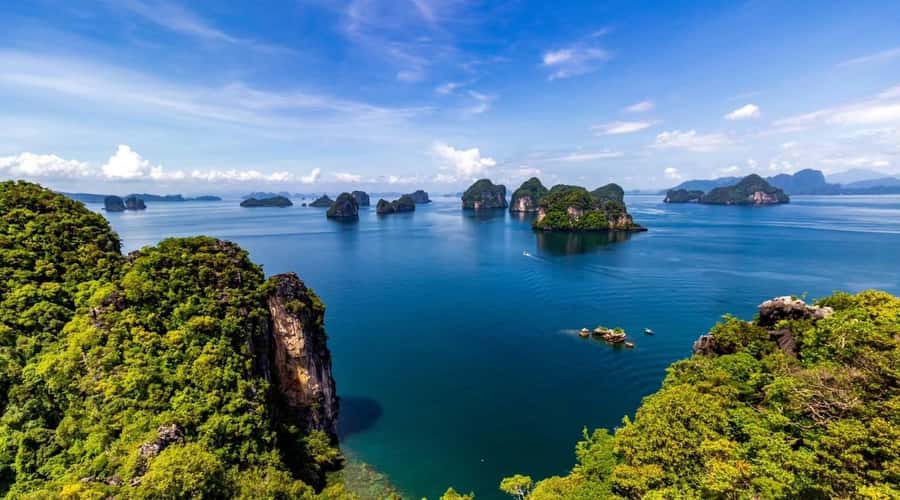
Ko Pak Bia is one of the more important water stops. You’ll have time to visit, then swim and snorkel for about 1.5 hours.
This is also tied to the sandbar experience. The day includes time on the connecting sandbar between Pakbia and Rai Island. It’s ideal for sunbathing, shell collecting, or just soaking in that quiet, shallow-water feeling.
This is the part of the tour that can feel almost “soft” compared to the faster sightseeing stretches. The sandbar moments are often what people remember, because it’s not just about seeing underwater life—it’s about standing in shallow water, looking out, and letting your brain slow down.
One more practical note: sandbar and boat access can be tide-sensitive. If the water levels affect where the boat can stop, you may lose some of that relaxed pacing. When timing is right, it feels effortless.
Ko Daeng: the snorkeling closer of the day
Ko Daeng comes next with another swimming and snorkeling segment (about 30 minutes). It’s shorter, which actually helps. By this point, you’ve likely had enough time in the water to enjoy it, but you’re not trapped for hours.
Because the day is long and early, this stop works as a final push rather than a marathon session. You’ll still get the chance to see marine life in clear water, but you’ll also be ready for the return cruise later.
If you’re planning your comfort strategy, now is when you want to be consistent: rinse salt water if you can, keep your sunscreen protected, and don’t overdo it if you’re tired.
Return cruise and the “after” feeling (when the day goes right)
Once the snorkeling blocks are done, you get a break and then additional time at Ko Pak Bia (about an hour total in that later break window). This includes lunch, swimming, and scenic views on the way—so it isn’t a sudden wrap-up. The day eases back toward the boat.
Then the return cruise starts, typically around 45 minutes. By now, the sun is higher, you’ve got salt on your skin, and the best memories are often the simple ones: breakfast taste, quiet lagoon photos, and that sandbar walk.
In other words, the tour is designed to end while you’re still in a good mood, not while you’re exhausted beyond belief.
What’s included (and what you’ll want to pack)
This tour has a solid baseline of included items, which is a big part of the value. You get:
- Hotel transfer
- Breakfast on the beach
- Lunch
- Snorkeling gear
- National park fee
- Drinking water
- Life jackets
- English-speaking guide
- Insurance
What’s not included:
- Fins
- Dry bags
- Personal expenses
Bring these for a smoother day:
- Sunglasses and a hat
- Swimwear and a towel for snorkeling
- Sunscreen
- Camera
- Snacks (if you like extra insurance)
- Water (though drinking water is provided)
Also note the rules. Smoking in the vehicle is not allowed, and bags are not allowed. Feeding animals and touching marine life aren’t allowed either, along with restrictions like no fireworks, no making fire, and no nudity.
If you want to avoid hassle, pack light and keep your essentials easy to grab. You’ll appreciate that during the quick transitions between stops.
Price and logistics: when it feels like $112 well spent
At around $112 per person for a full day, the value comes down to one thing: timing. When the pickup and transfers are smooth, the tour feels like a great deal because you’re getting breakfast, lunch, multiple snorkeling stops, and park fees all handled.
But if logistics wobble—especially with morning departure timing and tide-related waiting—you can end up paying for an early-bird concept that doesn’t fully land. That doesn’t mean the day is ruined. Hong Island and the snorkeling still exist. It just changes how “special” the early-morning advantage feels.
A second practical value factor is lunch comfort. One experience was less ideal at lunch because the area became crowded and it was hard to find a comfortable spot to sit. If you’re picky about comfort, aim to keep your expectations realistic and treat lunch as a reset rather than a long relaxing pause.
Who this tour suits best (and who should skip it)
This early-bird Hong Islands tour is a good fit if you:
- Can swim and are comfortable in open water
- Enjoy morning travel and don’t mind starting early
- Want snorkeling plus photo-friendly lagoon time
- Prefer a guided day where transfers and fees are handled
It’s not a good match if you:
- Don’t swim
- Get seasick easily
- Have pre-existing medical conditions that make boats risky
- Are over 95 years (there’s an age limit)
Wheelchair accessible is listed, but remember that boat transfers and uneven surfaces can affect real-world comfort. If mobility is a concern, it’s worth asking the operator how they handle boarding and movement on the day.
Should you book this Hong Islands Early Bird tour?
I’d book it if you care about the early-morning vibe and you want a well-fed, organized day in one of Krabi’s most photogenic island areas. The breakfast is genuinely a highlight, and Hong Lagoon time plus the sandbar walk can feel calmer than the later crowd rush.
I’d hesitate if your schedule is fragile or you hate uncertainty around early logistics. The early-bird idea depends on the morning running on time, and tide or pickup delays can reduce that advantage.
If you do book, go in prepared: swim-ready gear, sunscreen, and a lightweight daypack situation. Also, be ready for the tour pace. This is a 7-hour island circuit, not a slow beach day.
FAQ
How long is the Krabi Hong Islands Early Bird Tour with Breakfast?
The tour runs for about 7 hours.
What areas do you pick up from?
Pickup is available from Ao Nang and Pak Nam. Times also include Krabi Town, Ao Nam Mao, and Tubkaek beach.
What time is the pickup?
Pickup is scheduled from about 6:00–6:30am for Krabi Town, Ao Nam Mao, and Tubkaek beach. For major hotels in Ao Nang, pickup is around 6:20–6:40am.
What boat do we ride in?
For smaller groups (5–15 guests) you travel by traditional longtail boat. For larger groups (20+), it upgrades to a speedboat.
Is hotel transfer included?
Yes. Hotel transfer is included, and drop-off is also available in Pak Nam and Ao Nang.
Is breakfast included, and what does it include?
Yes. Breakfast on the beach is included, with tropical fruits, fresh pastries, Thai-style omelets, and coffee or tea.
What snorkeling equipment is provided?
Snorkeling gear is included, along with life jackets. Fins and dry bags are not included.
Is lunch included?
Yes. Lunch is included during the tour.
Is the tour suitable for non-swimmers or people prone to seasickness?
No. The tour is not suitable for non-swimmers or people prone to seasickness.
What languages are the guides?
The tour is run with an English-speaking guide, and languages listed include English, Thai, and Malay.