REVIEW · BANGKOK
Kanchanaburi World War 2 Private Charter Pathway of the Past Tour
Book on Viator →Operated by Sky Horizon Thailand · Bookable on Viator
One day, three haunting WWII landmarks. This private Kanchanaburi route is built for a calmer pace, with hotel pickup and focused transport between major sites so you can spend your energy absorbing what matters. I especially like that it’s designed to feel less like a cattle-stand-in and more like you have time to think—at the cemetery, on the bridge, and along the Hellfire Pass trail.
The one catch: the plan is heavy on meaning but light on inclusions—you’ll handle meals and some entrance fees on your own, so budget a bit extra.
In This Review
- Key things that make this charter day work
- Why Kanchanaburi’s WWII route feels calmer than DIY
- Price and what $103.67 per person really buys you
- Hotel pickup, timing, and the no-chaos pacing
- Stop 1: Kanchanaburi War Cemetery to begin with respect
- Stop 2: Thailand-Burma Railway Centre for the story behind the sites
- Stop 3: The Bridge over the River Kwai at the right moment
- Stop 4: KraSae Death Railway Bridge, cliff views, and a real Thai lunch
- Stop 5: Hellfire Pass Interpretive Centre and the memorial walking trail
- The kind of traveler this suits best
- What you should budget for beyond the tour price
- Book it or skip it? My decision guide
- FAQ
- How long is the Kanchanaburi WWII charter tour?
- What is the price per person?
- Is hotel pickup and drop-off included?
- Is this tour private?
- Which stops are included during the day?
- Are entrance fees included?
- Are meals included?
- Is there a guide included?
- What’s the cancellation policy?
Key things that make this charter day work
- Private transportation from Bangkok keeps you from juggling buses, trains, and timetables
- A relaxed, not-rushed rhythm at stops, based on how the day is structured
- Major Death Railway landmarks in one itinerary, so you don’t miss the big ones
- War Cemetery time to pay respects at a quieter, grounded start
- Hellfire Pass memorial trail gives you a reason to slow down and walk thoughtfully
- Flexible itinerary means your day can adapt if roads or timing need a tweak
Why Kanchanaburi’s WWII route feels calmer than DIY
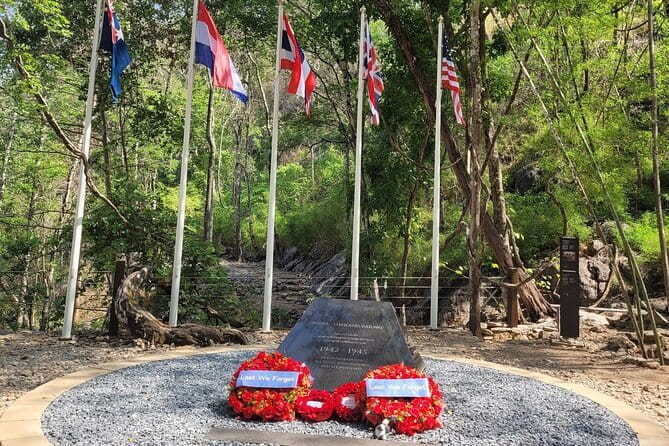
Kanchanaburi is not hard to reach, but doing it well takes planning. With this charter-style day, you get a prepared path between the big Second World War sites, which means less time guessing routes and more time being present.
I like that the schedule is built around how long these places actually take, not just how long the operator wants to move you. You’re looking at an approx. 12-hour day that includes travel time plus meal time, which helps you avoid the feeling of constantly sprinting.
This is also a good day for people who want context. When sites are connected in the right order, the story starts to click: POWs, the railway, the bridge, and then the section that became one of the most infamous parts of the route.
You can also read our reviews of more private tours in Bangkok


Price and what $103.67 per person really buys you
At about $103.67 per person, you’re paying for convenience and logistics. You’re not just buying entry to museums—you’re buying a day where transport is handled and your schedule is kept moving between far-flung locations.
Here’s the value breakdown:
- You get hotel pickup and drop-off from Bangkok, plus private transport between stops. That’s the real cost saver versus DIY travel.
- You’ll still be responsible for meals and some entrance fees (for example, the Thailand-Burma Railway Centre museum isn’t included).
- A tour that’s emotionally heavy still needs breathing space, and this itinerary is paced to avoid the worst kind of rushed sightseeing.
So the price makes sense if you want a guided-feeling day without the stress of coordinating every leg yourself.
Hotel pickup, timing, and the no-chaos pacing
The day runs for roughly 12 hours, and the stops are spaced so you’re not constantly waiting in traffic with no plan. The itinerary includes dedicated time for each stop—short at the cemetery and bridge, longer at the museum and memorial areas—so you can match your pace to the location.
This is exactly the kind of day that can go wrong if it’s poorly organized: you arrive late, you lose museum time, or you feel forced to speed through spaces that deserve care. The strongest praise for this experience centers on that relaxed timing and the way it doesn’t feel rushed.
Also, remember: the listed duration includes meal time. That’s important in Kanchanaburi because you’ll want a proper pause before the later, more reflective stop at Hellfire Pass.
Stop 1: Kanchanaburi War Cemetery to begin with respect
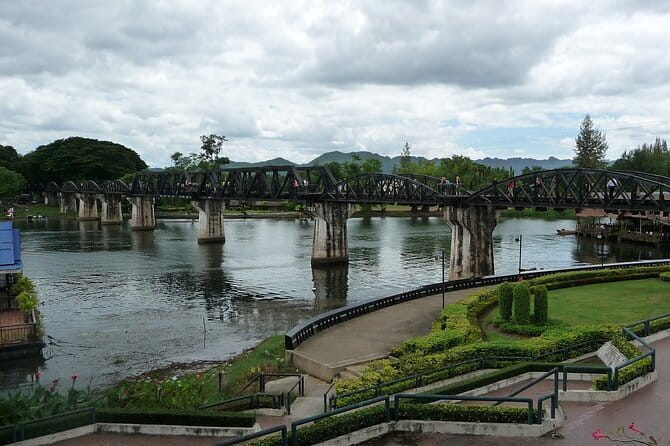
You start at Kanchanaburi War Cemetery, with about 20 minutes on-site. It’s the final resting place of nearly 7,000 POWs who perished during the construction of what people often call the Death Railway.
This first stop works because it anchors the day before the famous landmarks. You’ll see a carefully maintained cemetery setting that encourages quiet attention, not check-the-box tourism.
Practical tip: wear shoes that work for respectful walking and uneven ground. Even if the time is short, you’ll likely want to move slowly and take in the layout.
Stop 2: Thailand-Burma Railway Centre for the story behind the sites
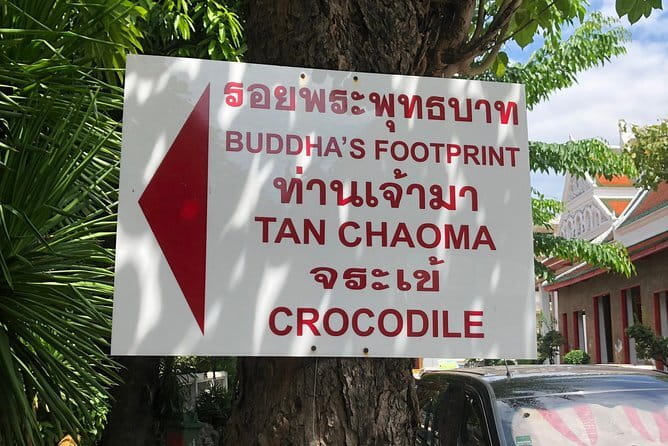
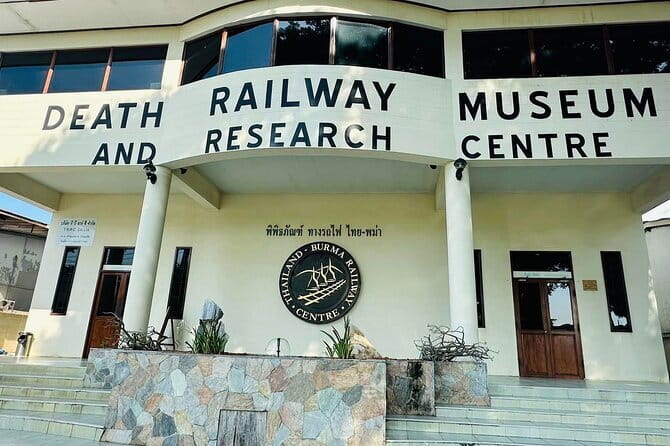
Next comes the Thailand-Burma Railway Centre (Thailand-Burma Railway Centre / Death Railway museum). You’ll have about 45 minutes here.
This is the stop that gives you the why behind everything you’ll see afterward. Without a baseline of context, the bridge and passes can feel like famous photos. With this museum time, the railway becomes a real human story: what it was, who was caught in its path, and why Hellfire Pass matters so much.
Two key notes for planning:
- Admission for this stop is not included, so check current entry costs closer to your date.
- 45 minutes is enough to get oriented, but it’s not enough to read every single detail. If you want the most impact, focus on the sections that explain the railway’s construction and the POW experience.


Stop 3: The Bridge over the River Kwai at the right moment
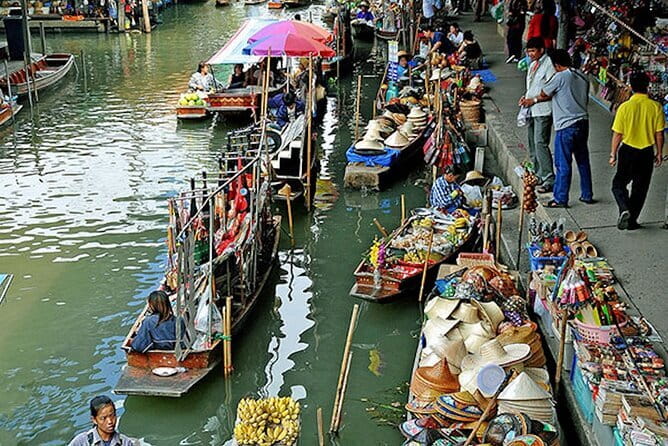
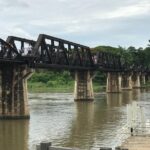
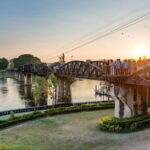
Then you’ll visit the Bridge over the River Kwai, with about 30 minutes to experience it. This bridge is iconic because it became globally known through literature and film, but the physical structure is also tied directly to the railway era.
This stop is quick by design, but that’s not automatically a drawback. In a day like this, you’re balancing emotional density with time. Thirty minutes lets you cross the bridge, take in the river setting, and move on while the story is still fresh.
Practical tip: bring a lens-friendly mindset. The bridge is photogenic from several angles, but the best photos tend to come after you’ve walked a bit rather than snapping from the first spot you reach.
Stop 4: KraSae Death Railway Bridge, cliff views, and a real Thai lunch
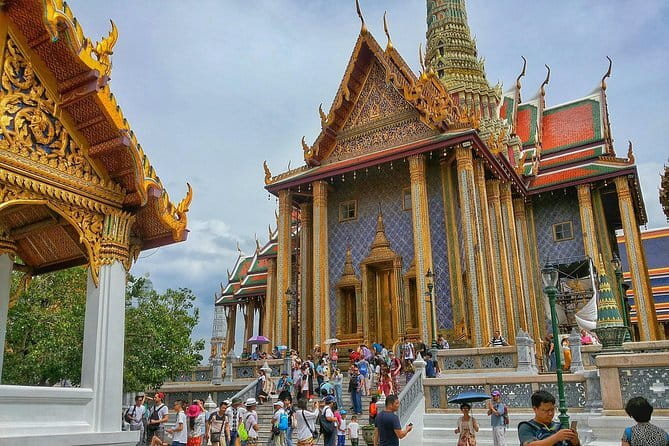
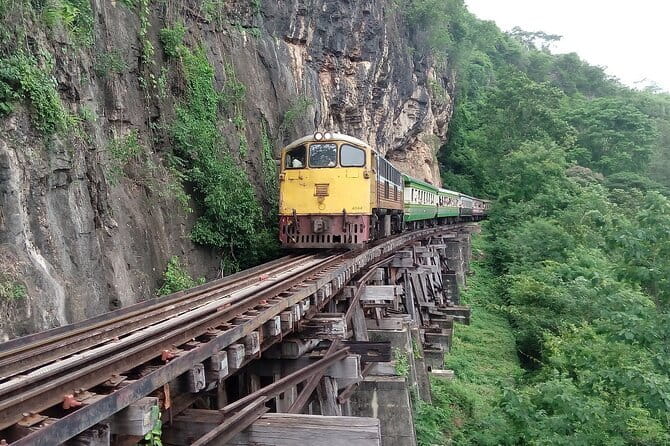
Midday, you’ll have lunch near KraSae Cave along the Death Railway, then take in the views where the railway winds along the cliffside. You’ll spend about 1 hour total at this stop, including the meal time.
What I like about this part of the itinerary is the variety. After cemetery and bridge, you get a more rugged setting—one where the geography itself tells part of the story. The railway hugging the cliffside makes it easier to understand why certain sections were so brutal to build and survive.
For the lunch: meals aren’t included, but you’re given time to eat at a restaurant near the area. That matters because going hungry into Hellfire Pass is the kind of self-inflicted problem you can avoid.
Practical tip: expect walking and lookout moments. If it’s hot, slow down in the open areas and drink water when you can.
Stop 5: Hellfire Pass Interpretive Centre and the memorial walking trail
In the afternoon you’ll head to Hellfire Pass Interpretive Centre and Memorial Walking Trail. You’ll have about 1 hour here.
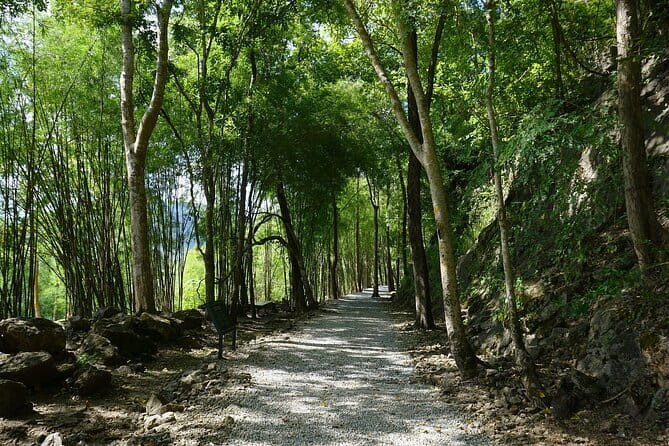
This is the stop that many people remember longest, because it’s designed to make the suffering behind this part of the railway harder to ignore. The interpretive centre offers a vivid portrayal of what POWs endured during this infamous section, and then the memorial trail turns understanding into something you do with your legs and your attention.
The walking trail is where the day often shifts. Instead of just looking, you’re moving through a landscape tied to the railway’s most difficult sections.
Practical tip: keep your pace slow on the trail. If you rush, you miss the point of a memorial walk. Also, dress for comfort—this is when you’ll appreciate breathable clothing and solid shoes.
The kind of traveler this suits best
This private charter day is a strong match if you:
- Want the big WWII sites in one organized run without DIY transport stress
- Prefer a not-rushed schedule where you can pause and absorb
- Like learning in context—cemetery first, then railway history, then the landmarks tied to it
- Value hotel pickup from Bangkok and private transportation between locations
It’s less ideal if you want a very hands-on guide-driven experience with lots of on-the-spot explanation, because the provided inclusions emphasize transport and a driver with basic English support. The itinerary still gives you interpretive stops, but the depth of personal narration may vary depending on how your day is staffed.
What you should budget for beyond the tour price
The tour price covers private transportation and hotel pickup/drop-off, plus the day structure itself. But you’ll want to plan for:
- Meals (not included)
- Entrance fees where listed as not included, such as the Thailand-Burma Railway Centre museum
- Personal expenses (snacks, water, souvenirs, and so on)
If you travel with a daily budget mindset, you’ll be fine. If you’re trying to keep costs ultra-tight, this is where you’ll feel the extra spending.
Book it or skip it? My decision guide
You should book if you want a meaningful WWII day with transport handled, a calmer rhythm, and the ability to see the key sites—War Cemetery, the bridge, the KraSae cliff area, and Hellfire Pass—without spending your trip on logistics.
You might skip (or consider another format) if you’re primarily chasing museum-only depth and want all entrances and meals fully covered, since this experience leaves those as your responsibility.
If your goal is a smooth, private, well-timed route through the Death Railway’s most important memorial and landmark stops, this is a strong option.
FAQ
How long is the Kanchanaburi WWII charter tour?
It runs for about 12 hours approximately, including travel between locations and time set aside for meals.
What is the price per person?
The price is listed at $103.67 per person.
Is hotel pickup and drop-off included?
Yes. Hotel pickup and drop-off are included, along with private transportation between sites.
Is this tour private?
Yes. It’s described as a private tour/activity, so only your group participates.
Which stops are included during the day?
The day includes Kanchanaburi War Cemetery, the Thailand-Burma Railway Centre (museum), the Bridge over the River Kwai, KraSae Death Railway Bridge area for lunch and views, and Hellfire Pass Interpretive Centre and Memorial Walking Trail.
Are entrance fees included?
Not all of them. The Thailand-Burma Railway Centre museum entrance is listed as not included. Other stops shown as free include the cemetery, River Kwai Bridge, and Hellfire Pass areas, but fees aren’t listed for every item.
Are meals included?
No. Meals aren’t included, though the schedule includes a lunch stop near KraSae.
Is there a guide included?
The tour data lists tour guide service as not included, but it does include a basic English-speaking driver and private support for the day.
What’s the cancellation policy?
Free cancellation is offered up to 24 hours in advance for a full refund. If you cancel less than 24 hours before the start time, the amount paid isn’t refunded.