REVIEW · BANGKOK
Bangkok: Koko Japanese Omakase
Book on GetYourGuide →Operated by Hungry Hub · Bookable on GetYourGuide
Sushi shows in Bangkok, with real chef energy. Koko Japanese Omakase turns a simple dinner into a focused, multi-course meal built around Japan-sourced ingredients and attentive service. It’s set up for an intimate sit-down, not a loud food court stop.
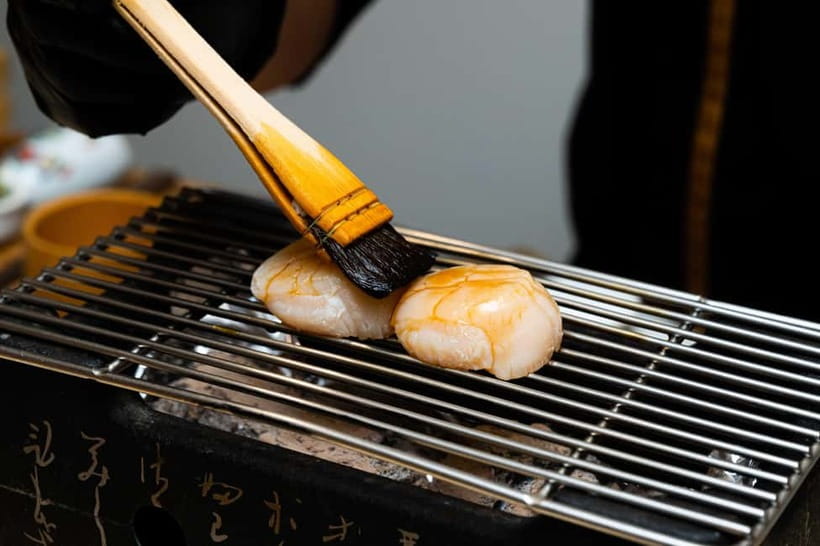
I like the chef craftsmanship—you’re watching skill in action as dishes are prepared and presented one after another. I also like the practical value: sharing set packages let you sample more while keeping the total cost reasonable.
One thing to consider: explanations can be brief, and one reviewer noted the chef spoke mostly Thai for Thai-speaking tables, then quickly labeled what was on the plate when it was their turn.
In This Review
- Key Things That Make This Omakase Worth Your Time
- Ninety Minutes of Japanese Omakase in Central Bangkok
- What $24 Gets You: Value in a Seafood-Forward Meal
- How the Omakase Experience Unfolds (And What to Watch For)
- Practical advice for the course flow
- Chef Craftsmanship You Can See Up Close
- The one catch: language and speed of explanations
- Sharing Set Packages: The Best Way to Eat More for Less
- Food Quality: Japan-Sourced Ingredients and Freshness First
- House Rules and Dress Expectations (Read This Before You Go)
- Timing, Starting Times, and How to Plan Your Evening
- Who This Omakase Is Best For
- Should You Book Bangkok Koko Japanese Omakase?
- FAQ
- How long is Bangkok Koko Japanese Omakase?
- What does the price include?
- How much does it cost per person?
- Is transportation included?
- Is alcohol available during the meal?
- Can I get a refund if my plans change?
Key Things That Make This Omakase Worth Your Time
- 90-minute timing keeps the experience tight, so you don’t burn a whole evening waiting between courses
- Chef-prep artistry is part of the show, not just the eating
- Sharing set packages help groups sample more without paying for a full separate order each
- Japan-sourced seafood and ingredients are the main reason this feels like Japanese cuisine, not just sushi-by-name
- Intimate, exclusive atmosphere means you’ll likely get calmer attention than at big banquet tables
Ninety Minutes of Japanese Omakase in Central Bangkok
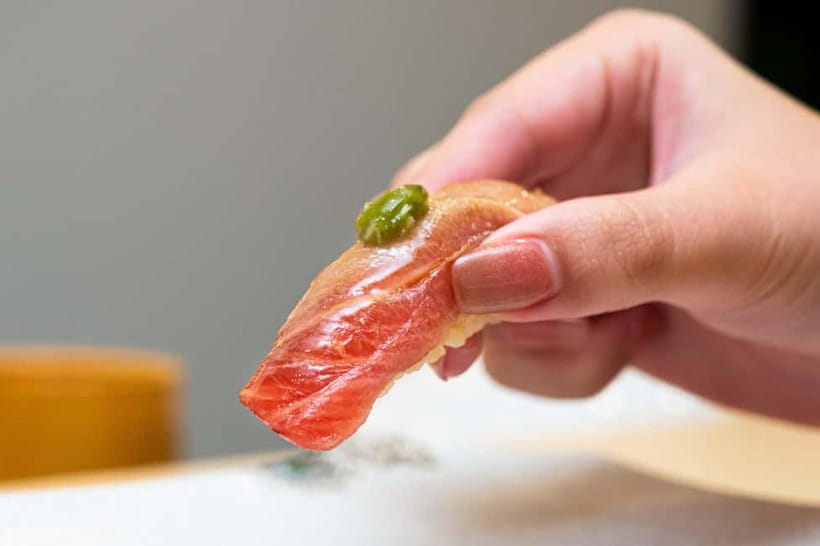
This isn’t a marathon. The experience runs 90 minutes, which is perfect when you want the omakase idea—fresh ingredients, chef-led courses, and a thoughtful flow—without turning your night into a two-hour scheduling puzzle.
Since it’s in Central Thailand (Bangkok), it also works well as a stop you can slot into an evening that already includes shopping or sightseeing. Just plan your arrival so you’re seated on time; omakase works best when you’re ready to settle in and follow the course rhythm.
The room is designed to feel intimate and exclusive, so don’t expect a chaotic, walk-in restaurant vibe. Think: you’re there for the meal and the chef’s pace, not to bounce around.
You can also read our reviews of more tours and experiences in Bangkok.

What $24 Gets You: Value in a Seafood-Forward Meal
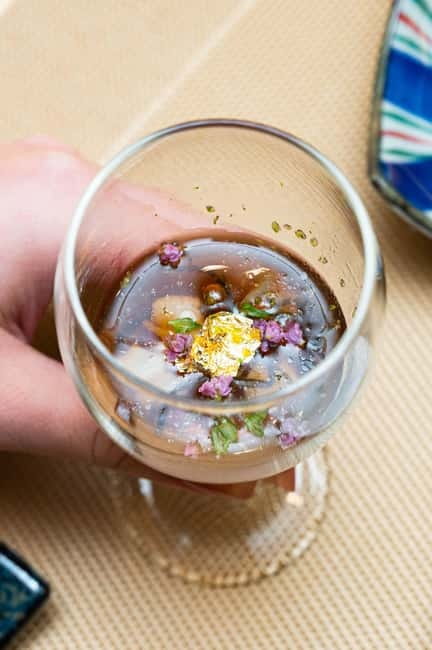
At $24 per person, this meal sits in the “surprisingly good value” category—if your priority is quality seafood and an actual omakase-style structure.
Here’s the value logic: omakase isn’t just about having sushi. It’s about ingredient freshness, careful preparation, and presentation by the chef. The activity promises unmatched freshness and quality and highlights highest quality seafood and ingredients sourced from Japan. When a price stays low while the seafood is positioned as Japan-sourced, you should expect a simple but serious meal—less about luxury theatrics, more about the food.
If you’re traveling with friends, the sharing set packages are the smart financial move. Instead of each person ordering one thing, the sets are built so you can sample a wider selection across the table while still paying a straightforward per-person price. For groups, that usually translates into better variety per dollar.
How the Omakase Experience Unfolds (And What to Watch For)
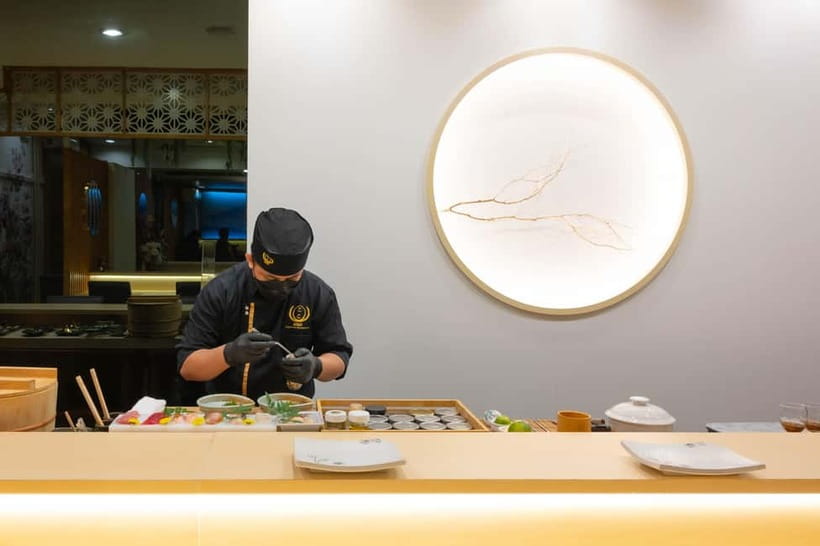
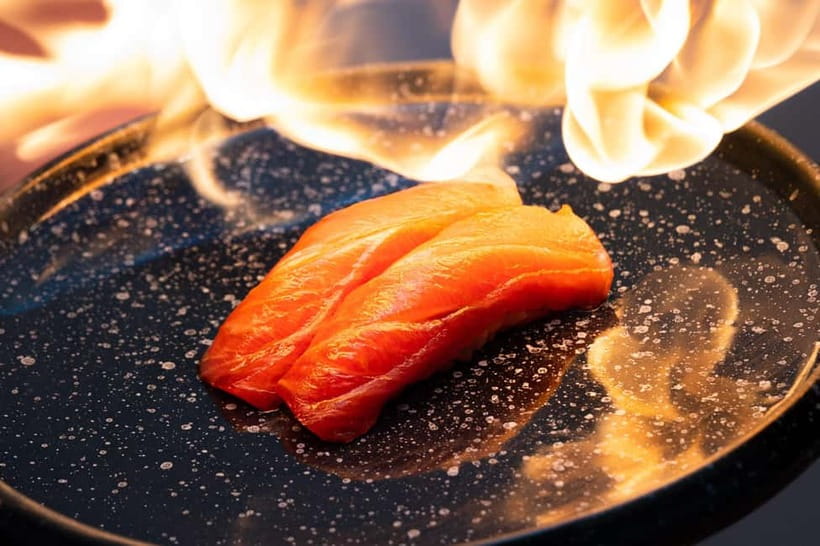
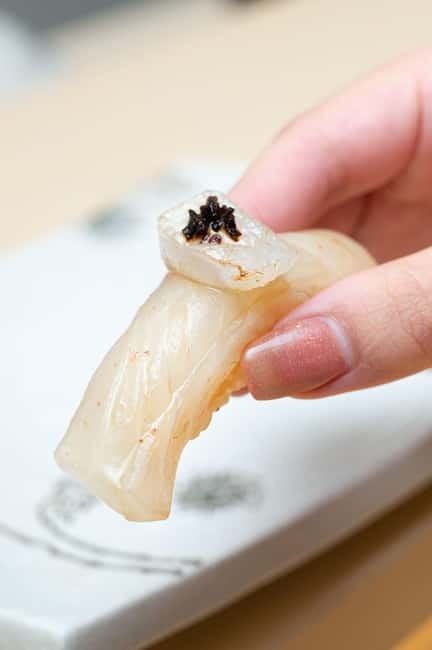
Even though the exact dish list isn’t spelled out in the info you have, the experience is clearly structured around Omakase dining and multiple courses. You can expect a sequence where dishes arrive as they’re prepared, with the chef playing an active role.
What matters most in omakase is the pacing and attention. Over your 90 minutes, you’ll be in a rhythm: eat, watch, react, then the next course arrives. This is where the “chef artistry” promise becomes real. You’re not just consuming; you’re observing the craftsmanship in real time.
Practical advice for the course flow
- Go in ready to eat at a steady pace. If you’re the type who wants slow, conversation-first dinners, you might feel slightly rushed.
- Pay attention when the chef describes what’s coming. One reviewer noted the chef may give brief labels when it’s your turn, so don’t rely on long explanations.
Chef Craftsmanship You Can See Up Close
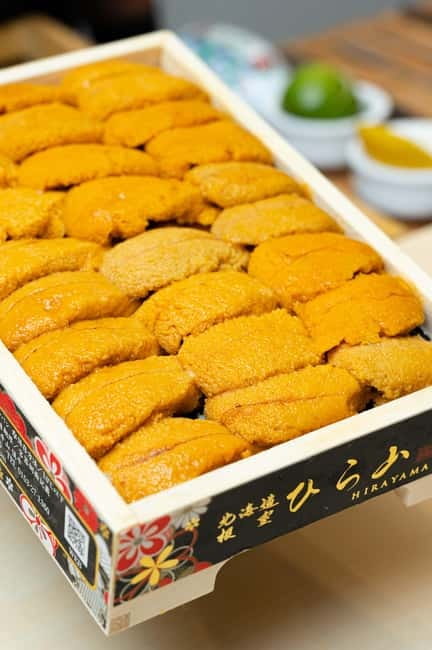
One of the most consistent points in the feedback is the focus on kokken og maden—the chef and the food. That’s exactly how omakase is meant to work: the chef’s skill is part of the entertainment.
The info also flags masterful culinary craftsmanship and impeccable hospitality, and those usually show up in small ways:
- clean, deliberate prep
- thoughtful presentation
- attentive handling of your table during the course sequence
This is also why the experience feels “exclusive.” Smaller, more focused settings tend to let chefs interact better—at least with the people they can explain to clearly in the moment.


The one catch: language and speed of explanations
A reviewer from the Netherlands described a situation where, when Thai people were at the table, the chef spoke only Thai. Then, when it was their turn, the chef explained what the dish was quickly.
You can’t plan for everything, but you can plan for this. If you’re not fluent in Thai, assume explanations may be fast and short. Bring a calm attitude. The main event is the food anyway, and the chef’s hands are the universal language.
Sharing Set Packages: The Best Way to Eat More for Less
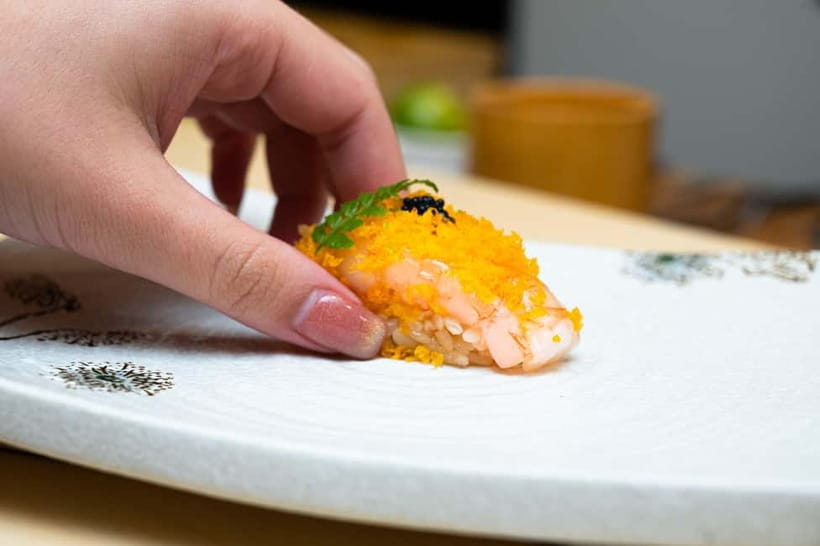
The activity specifically mentions sharing set packages designed for groups. That’s a big clue about how Koko Japanese Omakase is built for practical fun, not just solo dining.
A sharing set approach typically means:
- you’re exposed to more variety across the table
- you don’t have to commit to one course style for the whole meal
- you can split the cost of variety while still staying in a reasonable price band
For couples and friends, this is often the sweet spot. You get a more interesting dinner without turning it into a negotiation over who orders what.
Just remember: sharing sets work best when everyone is comfortable eating together and keeping pace with the course rhythm. If your group has one slow eater, it can mess with the flow a bit, and omakase is built for momentum.
Food Quality: Japan-Sourced Ingredients and Freshness First
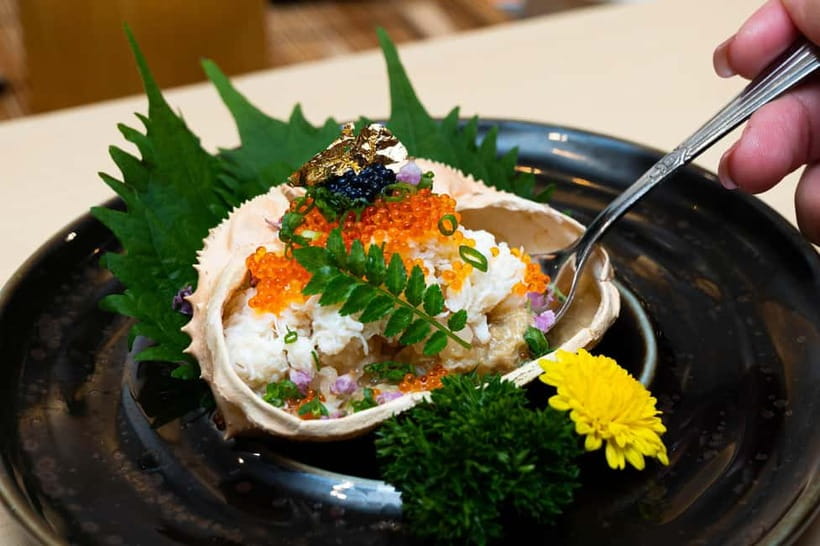
The description leans hard on highest quality seafood and ingredients sourced from Japan, and the overall rating backs up the idea that the food lands well.
What you should take from that isn’t just “good sushi.” It’s the freshness and careful selection that makes omakase feel different from a generic Japanese meal. With seafood-forward courses, freshness matters fast—temperature, texture, and flavor hit quickly when the ingredients are truly top tier.
If you’ve had mediocre sushi in travel mode before, you’ll appreciate what this is trying to do: a focused experience where the chef’s preparation and ingredient sourcing carry the weight.
House Rules and Dress Expectations (Read This Before You Go)
The activity lists several not allowed items and behaviors. It’s not trying to be difficult; it’s creating a clean, safe dining environment.
You should plan around these:
- Alcohol and drugs are not allowed
- Bare feet aren’t allowed
- Swimwear and sportswear aren’t allowed
- No weapons or sharp objects
- Swimming isn’t allowed
So dress like you’re going to a nice dinner, not the gym, the beach, or the pool. Casual is fine, but skip the flip-flops and beach clothes. If you’re coming straight from a day out, take a minute to clean up before you arrive.
Also note: transportation isn’t included. That means you’ll need to handle getting there on your own.
Timing, Starting Times, and How to Plan Your Evening
You’ve got 90 minutes, and starting times depend on availability. That means you should treat this like a scheduled experience, not a drop-by meal.
Here’s how I’d plan it so it feels enjoyable:
- Eat something lighter earlier in the day so you arrive hungry
- Don’t schedule something right on top of the start time
- Leave a small buffer afterward, because you’ll be in a course flow until you’re done
If you’re the kind of traveler who likes tight itineraries, this is a good fit. If you hate rushed meals, make sure you give yourself time for the dinner to finish at a natural pace.
Who This Omakase Is Best For
This works best if you want:
- a Japanese omakase-style experience without spending a fortune
- chef-led courses and a calmer setting than the big loud restaurants
- a meal that fits in about 90 minutes
It’s also a good choice for groups because of the sharing set packages. If you’re celebrating something, you get that special-dinner feeling without needing a complicated plan.
If you strongly need long, detailed explanations in a language you speak, consider the language pacing note from a reviewer. The food quality is the headline here, and the chef descriptions may be short.
Should You Book Bangkok Koko Japanese Omakase?
If you want a value-priced omakase meal with Japan-sourced seafood and a chef-driven experience, I’d say it’s an easy “yes, book it” candidate. The price-to-experience ratio looks strong for Bangkok, especially if you’re eating with friends and can take advantage of sharing set packages.
The main reason to hesitate is simple: if you need extensive explanations in your preferred language, you might find the chef’s labels brief. Also, because it’s non-refundable, only book if you’re confident you can make the time you choose.
For most visitors, though, this is the kind of dinner that makes you feel like you did one smart, Japan-focused thing—without turning the whole trip into a spreadsheet.
FAQ
How long is Bangkok Koko Japanese Omakase?
The experience is 90 minutes long.
What does the price include?
The activity includes Omakase dining, an intimate and exclusive atmosphere, masterful culinary craftsmanship, unmatched freshness and quality, the omakase experience, and impeccable hospitality.
How much does it cost per person?
The price is $24 per person.
Is transportation included?
No. Transportation is not included.
Is alcohol available during the meal?
No. Alcohol and drugs are not allowed.
Can I get a refund if my plans change?
No. The activity is non-refundable.