REVIEW · KANCHANABURI
Kanchanaburi: River Kwai and Death Railway Day Tour
Book on GetYourGuide →Operated by TripGuru Thailand · Bookable on GetYourGuide
This route turns Kanchanaburi into a living classroom. I like the thoughtful pacing between the War Cemetery and the JEATH War Museum, and I also like that the tour is built as a low-impact day, with glass-bottled water and carbon emissions offset credits. One thing to consider: the temple stop includes a steep climb, and the day also has a lot of standing and walking, so it is not ideal if your mobility is limited.
The other big win is the guide. Names like Na show up repeatedly in the way this trip gets described: energetic, caring, and very tuned in to helping with photos (yes, even phone shots). If you are expecting a full train ride, don’t count on it here—this day focuses on viewing key railway spots and the passing trains from viewpoints rather than a dedicated ride.
In This Review
- Key points I’d bookmark before you go
- River Kwai and the Death Railway: why this day hits
- War Cemetery and JEATH War Museum: where to slow down
- Bridge over the River Kwai: the quick stop that still matters
- Tham Krasae Station viewpoints and the railway views
- Coffee break and the calm middle
- Wat Tham Suea (Tiger Cave Temple): tiger paw prints and an 18-meter Buddha
- How the day works logistically: pickup, van time, and group size
- Responsible tourism angle: GSTC-certified and lower-impact choices
- Price check: what $96 gets you, and what it doesn’t
- Who should book this tour, and who should skip it
- Should you book the Kanchanaburi River Kwai and Death Railway day tour?
- FAQ
- How long is the Kanchanaburi River Kwai and Death Railway day tour?
- Where does the pickup happen?
- Is the tour a small group?
- What are the main stops on the tour?
- Is lunch included in the price?
- What is included in the ticket price?
- Are there dress requirements for the temple?
- Is this tour suitable if I have mobility issues or if I am pregnant?
Key points I’d bookmark before you go
- Small group up to 9 people keeps the day from feeling like a cattle herding exercise
- JEATH War Museum + War Cemetery give context before you look at the famous sites
- Bridge over the River Kwai stops fast, then moves on so you don’t burn the day on one photo spot
- Tham Krasae Station viewpoints are where the railway scenery really clicks
- Wat Tham Suea includes tiger paw prints and a steep hike to reach the big Buddha statue
- Low-impact extras like glass bottles and carbon offset credits fit the responsible-tour goal
River Kwai and the Death Railway: why this day hits
Kanchanaburi is not just another Thai weekend stop. This area is tied to one of World War II’s most painful stories: the Siam–Burma Railway, built under harsh conditions by forced labor. What makes this tour worth your time is that it does not jump straight to landmarks for a quick snapshot. It helps you understand what you are looking at before the famous names show up.
A typical 8-hour rhythm keeps things moving: an early start, a comfortable A/C ride in a van, then a sequence of stops where each place adds another piece of the picture. You spend real time at the memorial sites, then you shift to the railway-related viewpoints, and only after that do you head up to a temple that feels worlds apart in mood. That contrast is part of what makes the day memorable: grief and reflection first, scenery and statues next.
You can also read our reviews of more tours and experiences in Kanchanaburi.
War Cemetery and JEATH War Museum: where to slow down
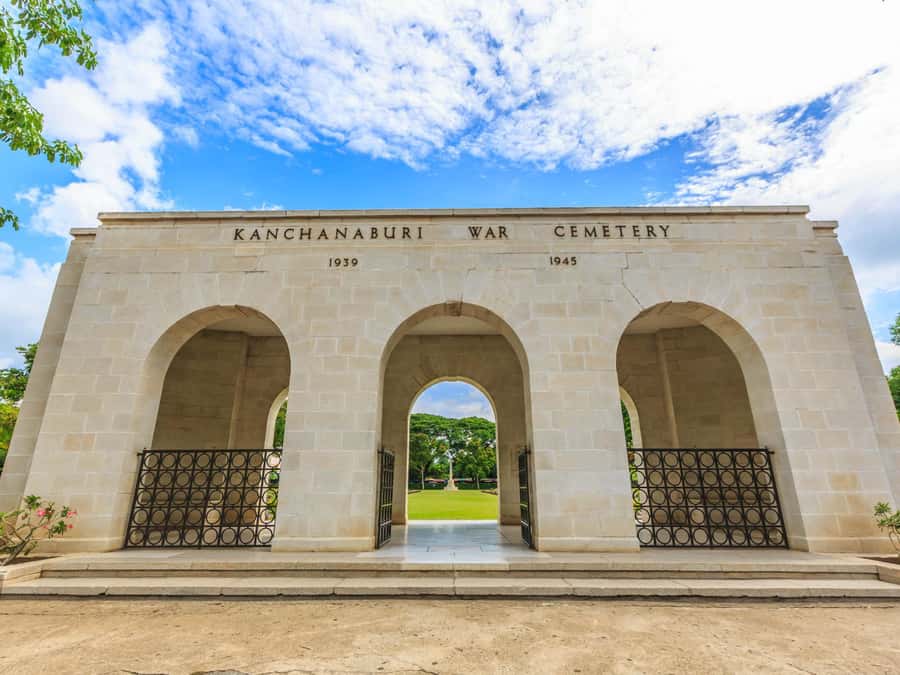
The first major stop is Kanchanaburi War Cemetery, where you walk through carefully maintained grounds to honor soldiers, prisoners of war, and civilians who died while working on the Death Railway under the Japanese Empire. Even if you have visited memorials elsewhere, this one carries its own weight because the railway story is tied to this exact region.
Then you go to the JEATH War Museum. The museum is built to commemorate those who lost their lives working on the railway during World War II. What I like about this museum visit is that it is not vague. The collection includes tools, weapons, uniforms, medals, and replicas showing the living conditions prisoners of war faced. It is designed around the nationalities of the people associated with the railway effort—Japanese, English, Australian, American, Thai, and Hollander—which helps you see this as an international tragedy rather than a single-country tale.
Practical tip: plan to spend more time with the exhibits than you think you need. The day will keep going afterward, but the museum is where you get the details that make the later photo spots mean something. If you are a quick-scan museum person, give yourself permission to slow down at least once.
Bridge over the River Kwai: the quick stop that still matters
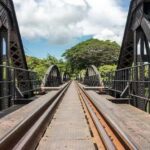
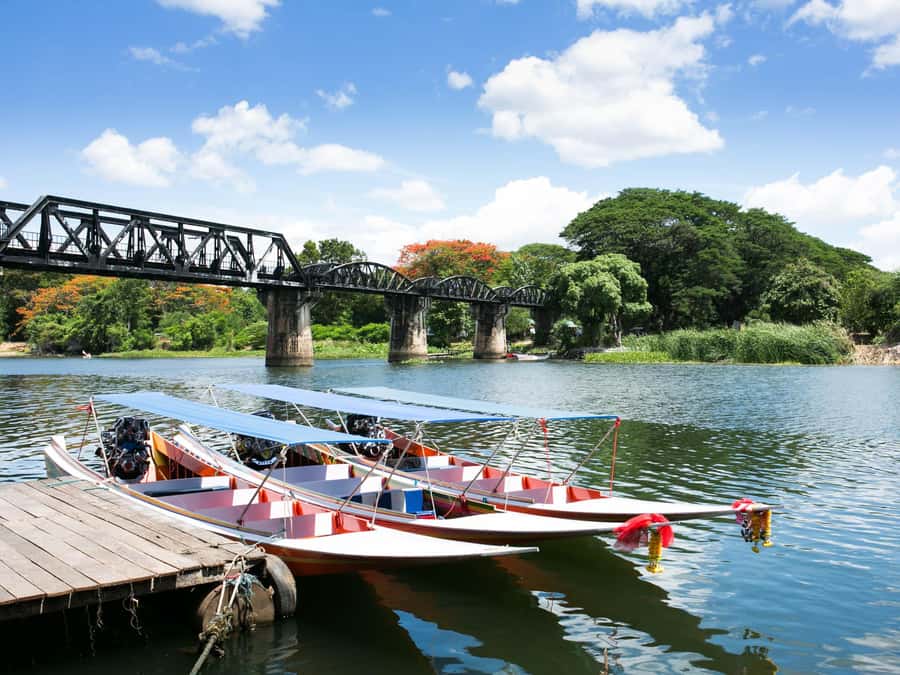
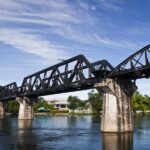
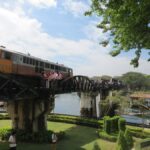
Next comes a stop at the Bridge over the River Kwai. This is your chance to see the place that most people know from schoolbooks and films. The tour’s structure keeps it to a short window—enough time to look closely, take a photo, and connect it to what you just learned.
Here’s the mindset shift that helps: don’t treat this as a postcard. The value is in the meaning you carry with you from the cemetery and museum. When you look at the bridge, you are not just seeing a bridge. You are seeing part of the infrastructure tied to forced labor and wartime suffering.
If the day feels intense, that quick bridge stop is actually a good balance. You get the landmark moment without getting stuck for too long before the next viewpoint.
Tham Krasae Station viewpoints and the railway views
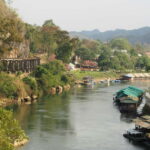
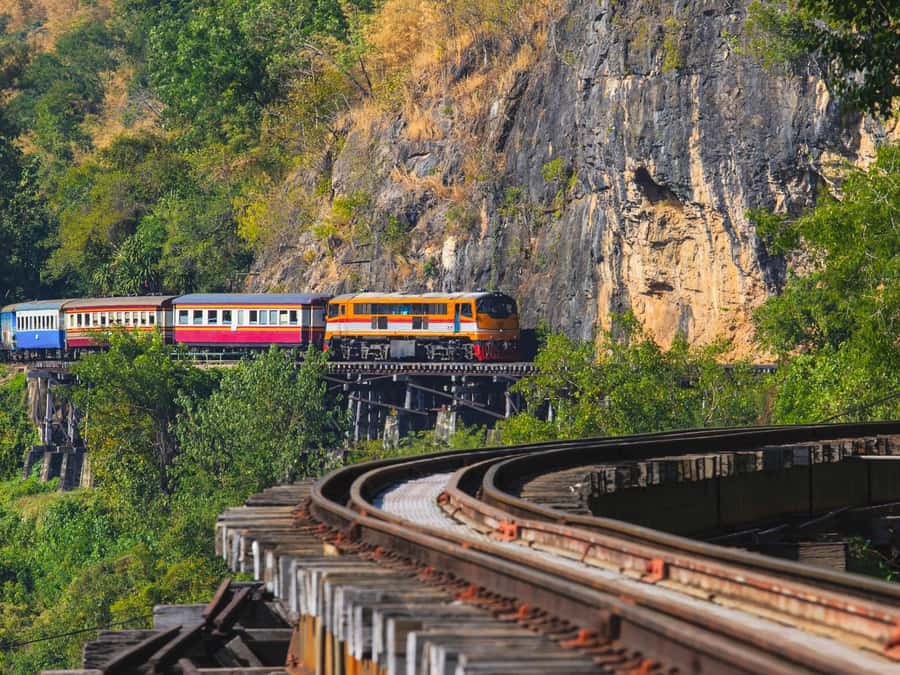
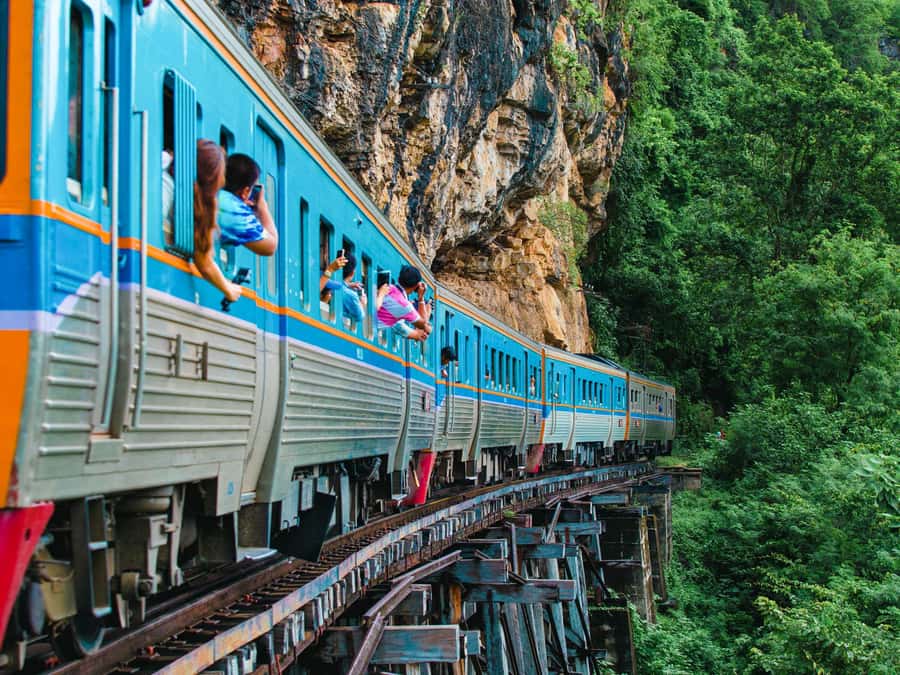
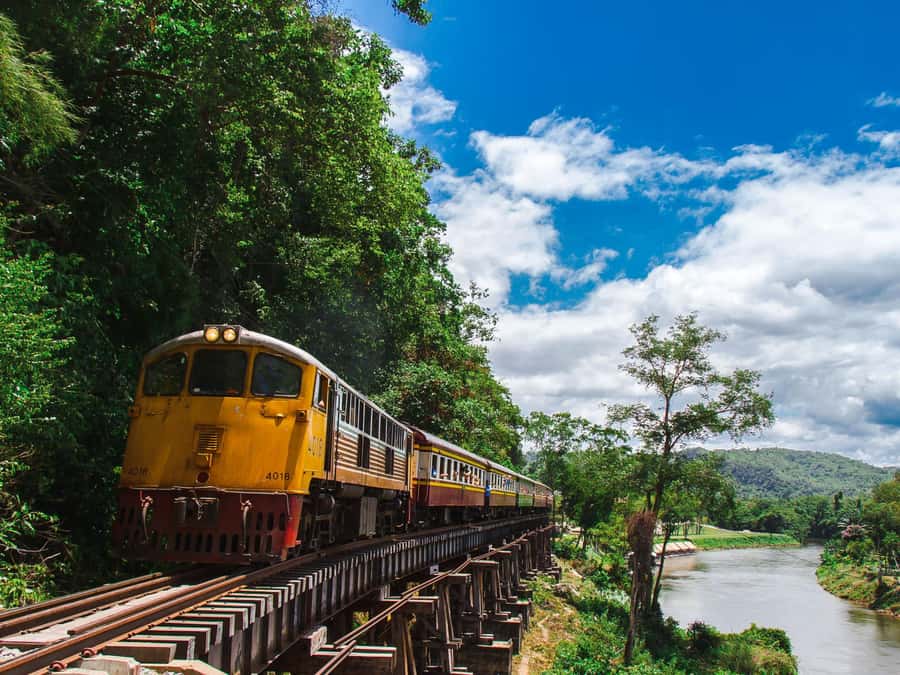
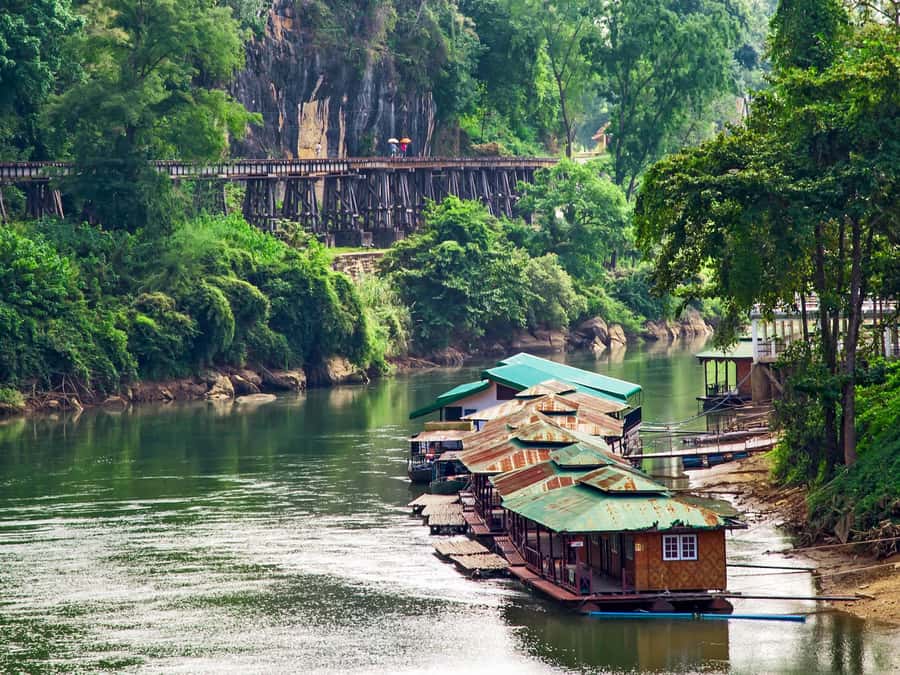
After the bridge, you head toward Tham Krasae Station, including a scenic section of the railway where tracks run along a cliffside. The big payoff is the view: you get that sense of engineering fighting against the terrain, with trains sometimes passing through as you watch from the area.
Lunch happens around this stop, and the schedule gives you about 1.5 hours. Lunch is not included in the price, so you will want to have some cash or card ready and be ready to choose something simple and filling. This is also a smart place to pace yourself. The day already asks for reflection; the cliffside views ask for attention and good walking shoes.
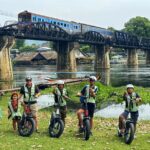
One more note based on how this trip tends to be described: this is not positioned as a train-ride excursion. If what you want most is an actual railway experience where you sit on a train for a big portion of the day, this day tour may feel like it’s focusing on viewing instead.
Coffee break and the calm middle
Between the railway area and the next temple, you get a local café break (about 30 minutes). I like this kind of pause because it resets your brain. By the time you reach the Tiger Cave Temple, you will be dealing with heat, stairs, and crowds that can build up. A scheduled breather keeps the day from turning into a nonstop shuffle.
If you are the type who photographs a lot, this is also where you can charge your phone, clear storage, and decide which photos you will actually want to keep. A small-group tour makes it easier to move when you are ready.
Wat Tham Suea (Tiger Cave Temple): tiger paw prints and an 18-meter Buddha
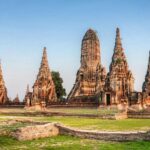
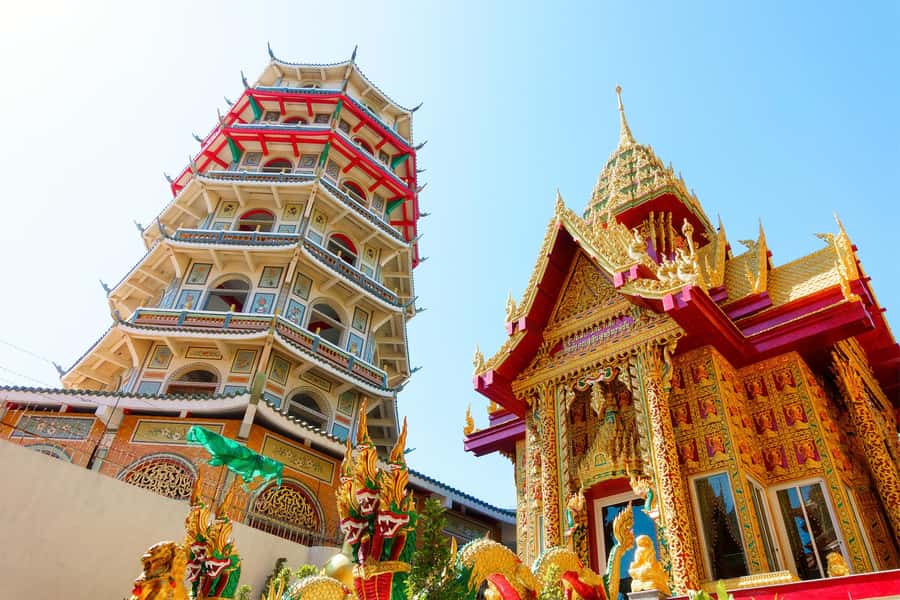
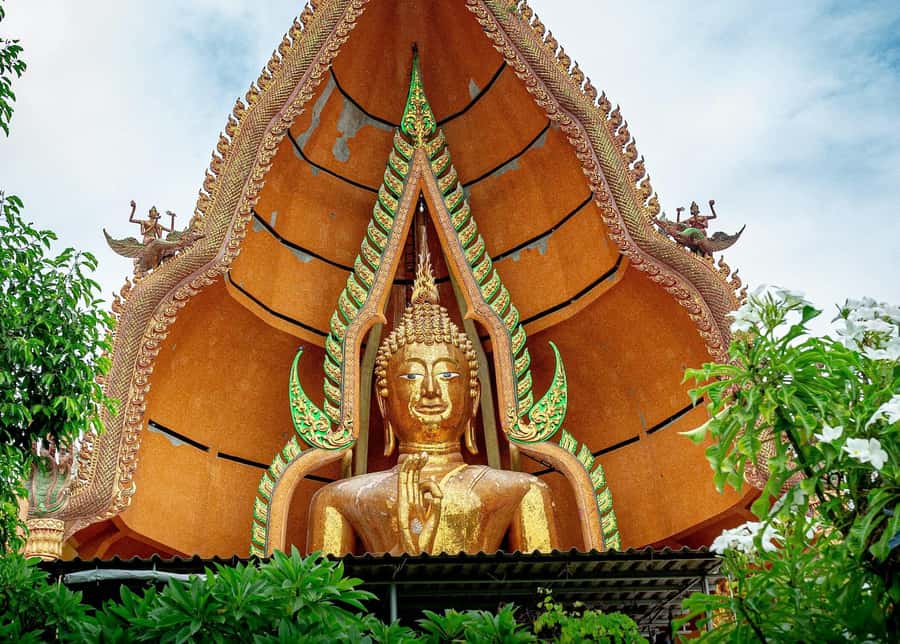
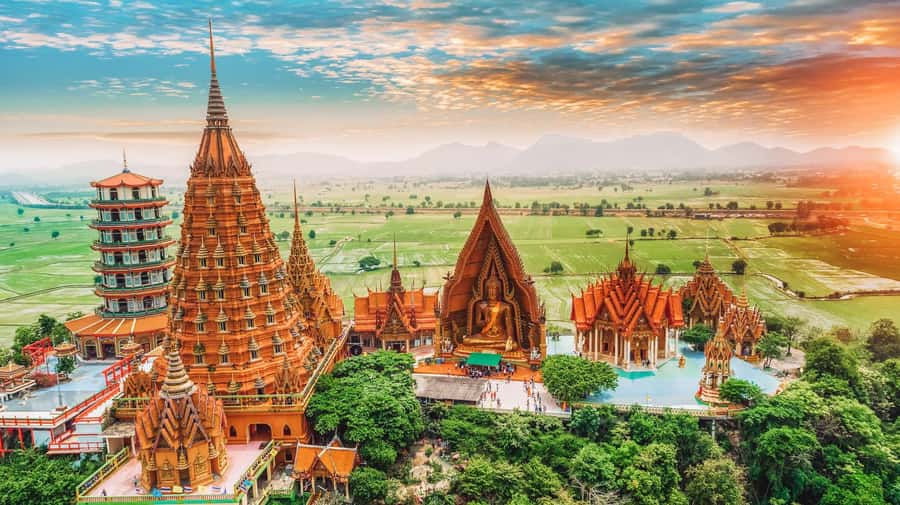
Then it’s time for Wat Tham Suea, also called Tiger Cave Temple. The day shifts from wartime sites to a religious space with a dramatic physical approach. It is famous for tiger paw prints on cave walls, and for the 18-meter-tall Buddha statue you see at the top.
The schedule gives you about 1 hour on site. The climb is the real star here. It is described as a steep hike, and you will feel it in your legs once you are partway up. Once you reach the statue area, you get close-up views of the big Buddha plus wide-ranging scenery around the temple.
Two practical points so you enjoy this part instead of fighting it:
- Wear shoes with traction. Temple stairs can get slippery.
- Bring a sun hat and sunscreen. This temple stop happens after other outdoor segments, so you can end up taking a lot of sun at once.
Also, keep expectations real: this is a temple visit. The tour has a dress requirement—no shorts and no short skirts, and visitors are asked to dress properly for temple entry. If you show up in beachwear, you may end up uncomfortable or turned back, and that can steal your time.
How the day works logistically: pickup, van time, and group size
The tour runs about 8 hours and keeps you in an A/C van. That matters here because Kanchanaburi heat can be real, and you also want to recharge after the memorial and museum stops.
Pickup is set up in two ways:
- From your accommodation in the Mueang Kanchanaburi District area (Lat Ya)
- Or you can meet your guide at the Kanchanaburi Bus Terminal
The guide holds a TripGuru sign, and you are asked to be ready in the lobby about 10 minutes before pickup. You’ll also get a confirmation message by email the evening before, with the pickup time and meeting point.
Group size is limited to 9 participants, which is a big deal for this kind of day. It is easier to hear explanations, easier to move calmly between stops, and easier for the guide to adjust when someone needs a slower pace.
A detail I really appreciate from how guides have been described: guides like Na are not only friendly and informed, they also help with photos in a practical way. If you care about getting good pictures without wrestling with your camera all day, that kind of support can save you time and frustration.
Responsible tourism angle: GSTC-certified and lower-impact choices
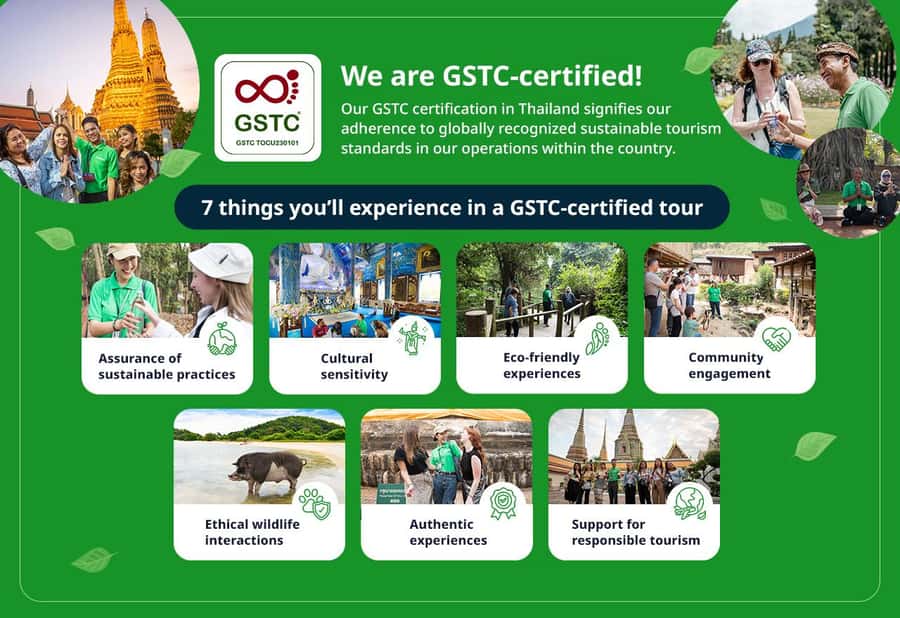
This tour is GSTC-certified and designed for responsible exploration. The low-impact touches are small but meaningful: water provided in glass bottles and carbon emissions offset credits for every tour.
Will that make a difference in the moment when you’re standing at a memorial? Probably not. But it reflects a bigger principle: you are spending time in a place that deserves care, and you are not treating it like a disposable checklist.
This also signals that the operator is thinking about the full day, not only the iconic stops.
Price check: what $96 gets you, and what it doesn’t
At $96 per person, this tour is not a budget bus ride, but it also isn’t overpriced for what you cover. You get hotel pickup/drop-off (in the pickup zones), an English-speaking guide, an A/C vehicle, entrance fees for the JEATH Museum, drinking water, insurance, and carbon offset credits.
What you should budget extra for:
- Lunch is not included
- Personal expenses are not included
In plain terms: you are paying for a structured day, guided explanations, and admission where it counts. If you try to DIY this yourself, you would still need transport, a guide for the context (especially at the museum and memorials), and time to coordinate stops. Paying for the planning is what makes the day feel smooth.
Who should book this tour, and who should skip it
This is a good fit if you want:
- A guided day connecting the Death Railway story to the actual sites
- Museum context before landmark photos
- A small-group experience with time for reflection
- Temple scenery at the end, including tiger paw prints and the tall Buddha
It may not be a great fit if:
- You have mobility impairments (the tour is listed as not suitable)
- You are pregnant
- You dislike steep climbs (the Tiger Cave Temple hike is part of the plan)
- You are hoping for an extended train ride (this is viewpoint-and-stops focused)
If you are traveling as a couple or solo and prefer a guided structure, the small group size is the sweet spot.
Should you book the Kanchanaburi River Kwai and Death Railway day tour?
I’d book it if you want a day that treats the area seriously while still keeping the experience engaging. The combination of War Cemetery, JEATH War Museum, and the railway viewpoints does the important work of turning famous names into lived reality. Then Wat Tham Suea gives you a totally different kind of experience—action, views, and that striking Buddha statue.
I would think twice if you cannot handle a steep hike, or if your priority is specifically riding a train rather than seeing railway sites from key locations. In that case, you might end up wishing you had chosen a more rail-focused itinerary.
FAQ
How long is the Kanchanaburi River Kwai and Death Railway day tour?
The tour lasts 8 hours.
Where does the pickup happen?
Hotel pickup is offered from hotels or registered accommodations in the Mueang Kanchanaburi District area (including Lat Ya). If you prefer not to use pickup, you can meet at the Kanchanaburi Bus Terminal.
Is the tour a small group?
Yes. It is limited to 9 participants.
What are the main stops on the tour?
You visit Kanchanaburi War Cemetery, the Bridge over the River Kwai, Tham Krasae Station for lunch and sightseeing, and Wat Tham Suea (Tiger Cave Temple). You also visit the JEATH War Museum.
Is lunch included in the price?
No. Lunch is not included.
What is included in the ticket price?
Hotel pickup and drop-off (private tour option), an English-speaking tour guide, an air-conditioned vehicle, JEATH Museum entrance fees, drinking water, insurance, and carbon emissions offset credits.
Are there dress requirements for the temple?
Yes. Shorts and short skirts are not allowed, and you are expected to dress properly for temple entry. Avoid mini skirts and short shorts.
Is this tour suitable if I have mobility issues or if I am pregnant?
No. It is not suitable for pregnant women or for people with mobility impairments.