REVIEW · BANGKOK
Kanchanaburi and Erawan Waterfalls Day Tour from Bangkok
Book on GetYourGuide →Operated by DiscoverEase Tours · Bookable on GetYourGuide
A long day, but worth the pull. I like the mix of Erawan National Park’s waterfall time and the emotional stop at the Bridge over the River Kwai. The drawback: the schedule squeezes in a war museum and bridge visit, so if you want more pure waterfall time, you may feel the pace.
You’re picked up around 7:00 AM in central spots like Banglamphu Square or Erawan Shrine (plus an I’m Chinatown option). With a van and a max group size of 12, the day feels organized, not chaotic, even though you’re away from Bangkok for a solid 12 hours.
The best part is how the day balances nature and memory without turning either into a checklist. I also appreciate that lunch and bottled water are included, and guides work in English—though one common consideration is that museum storytelling can feel hard to follow if you’re sensitive to nuance or have any language gaps.
In This Review
- Key Things I’d Mark on Your Map Before You Go
- The 7:00 AM Start: Why This Tour Feels Organized (Even When It’s Long)
- Erawan National Park: Waterfall Beauty Plus Real-World Rules
- How the Swimming Window Really Works (And How to Avoid a Bottleneck)
- Lunch at a Riverside Setting: A Break That Actually Feels Like a Break
- The Bridge Over the River Kwai: WWII Memory in 45 Minutes
- JEATH War Museum: Moving, But Not Always Easy to Follow
- Driver and Van Comfort: Small Details That Change the Feel of the Return
- Price and Value: Is $73 Really Fair for This Day?
- Who This Tour Fits Best (And Who Might Prefer Another Style)
- Should You Book This Kanchanaburi and Erawan Waterfalls Day Tour?
- FAQ
- Where do pickups start for this tour?
- What time does the tour start?
- How long is the day trip?
- Does the tour include entrance fees and lunch?
- Can I swim at Erawan Waterfalls?
- Do I need to rent a life jacket to enter the water?
- How much time is spent at the Bridge over the River Kwai and the JEATH War Museum?
- What is the group size?
Key Things I’d Mark on Your Map Before You Go
- Small-group size (max 12) keeps the stops calmer and the questions more possible.
- Erawan Waterfalls include swimming time for about 2.5 hours, not just a quick look.
- Life jacket rules can slow you down because rentals may be compulsory before you enter the water.
- Upper waterfalls may close around 15:30, so plan how far up you want to go early.
- Lunch is built into the schedule (about an hour) and served at a pleasant riverside-type setting.
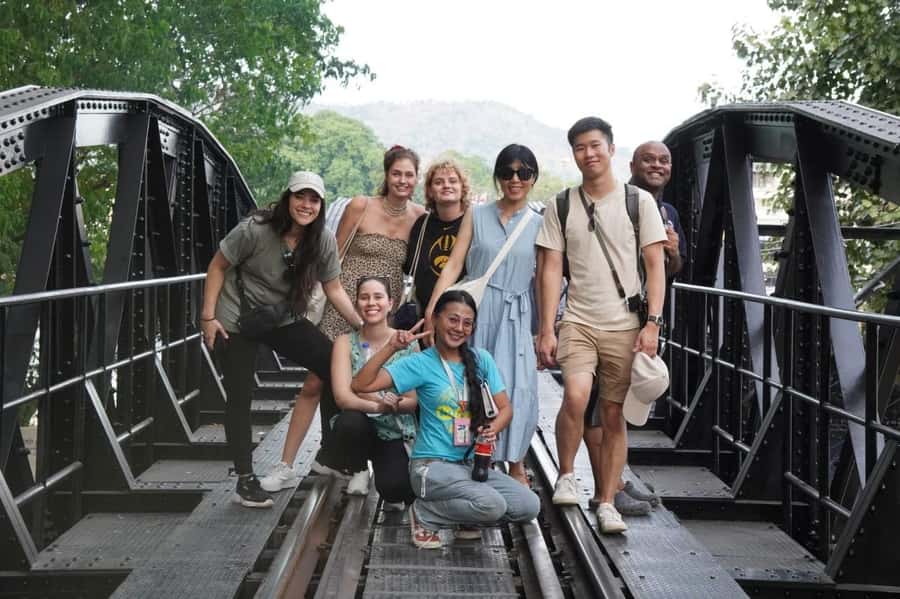
- You’ll pack in multiple WWII stops in a short window at the bridge and JEATH War Museum.
The 7:00 AM Start: Why This Tour Feels Organized (Even When It’s Long)
This is a true full-day outing—around 12 hours—and the first clue you’ll have a plan is the early departure. You meet at one of three convenient Bangkok locations: Banglamphu Square, Erawan Shrine, or I’m Chinatown Mall. Expect pickup to be smooth, but do not underestimate the early start if you’re used to Bangkok’s late nights.
The ride out to Kanchanaburi is about 3 hours by van. That time matters because it sets your energy level for the waterfall portion later. If you’re the type who gets carsick, consider sitting where the ride feels most stable and keep your water handy—this tour includes bottled water, which is a small but real comfort on a long day.
What I like about the pacing is that the day doesn’t waste time after you arrive. You head straight into the main nature focus first, before you pivot into the memorial stops. That order helps you get the most joy from the trip while you’re still fresh.
You can also read our reviews of more tours and experiences in Bangkok.
Erawan National Park: Waterfall Beauty Plus Real-World Rules
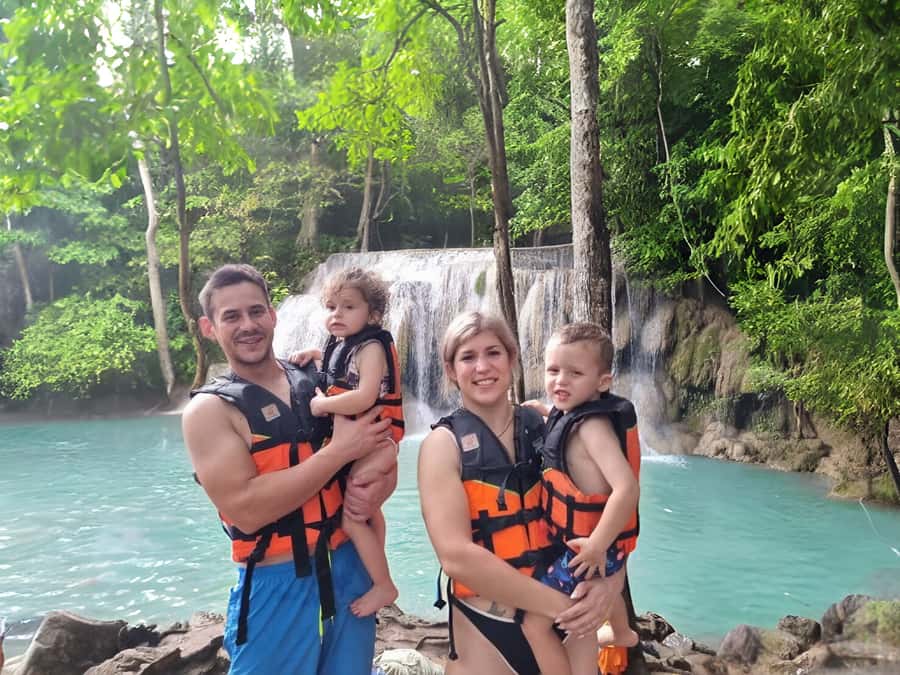
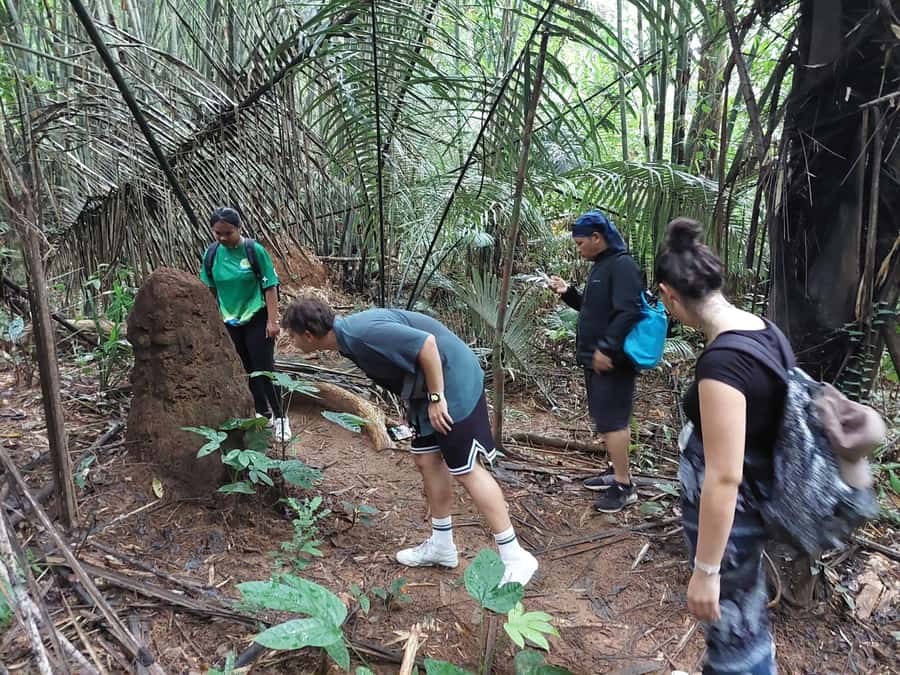
The headline is Erawan National Park and its waterfall area. You get about 2.5 hours here, including sightseeing and swimming. That’s enough time to see several falls, wet your feet, and still have a breather without feeling you missed everything—if you move at a sensible pace.
Here’s the practical thing that can catch people off guard: a life jacket rental may be compulsory if you want to enter the water. It’s not included, so you’ll need to plan for it before you climb too far. I’d treat this like a checklist item: when you’re about to go into the water, pause and handle the life jacket first so you don’t lose time later or get stopped midstream.
Timing matters at Erawan. One clear warning from real on-the-ground experience: the upper waterfalls start closing at around 15:30. If your priority is going higher up, you should aim to start your climb earlier rather than assuming you’ll just take your time and catch everything later.
Also, the physical side is real. Even with a guided schedule, you’re doing stairs and moving between tiers. Wear shoes you trust on wet steps. If you show up in flip-flops, the day can turn annoying fast. Bring a dry change of clothes if you can, because you’ll likely end up sticky and damp.
What you’ll enjoy most is the contrast: you’ll go from thick forest vibes to bright water cascades, and the swimming window gives you more than just photos. If you want a day where nature is the main event—not the extra—you’ll probably feel satisfied with how much time you actually get.
How the Swimming Window Really Works (And How to Avoid a Bottleneck)

With about 2.5 hours total at the park, you need a plan that includes the little delays. That life jacket requirement can be one. Another is simply the flow of people on popular sections—everyone wants the same best angle and the same level of wading depth.
So here’s how I’d optimize your time: start with sightseeing first, then commit to swimming once you’re ready. If you swim early, you may come back to higher points with energy still intact. If you climb too far first, you risk running into the life jacket requirement right when you’d rather be already in the water.
If you’re hoping for upper tiers, don’t wait until the afternoon. With upper closures around 15:30, you’ll want to be already in motion toward the higher sections well before that cutoff. If you’re more interested in calmer lower water, you can keep those for later and save your legs for the easiest walking.
Bottom line: Erawan is worth it, but it’s not a casual stroll. You’ll get a better day if you think in terms of steps, water time, and closure timing—not just a vague “waterfalls and photos” idea.
Lunch at a Riverside Setting: A Break That Actually Feels Like a Break
After the park, you shift to lunch at a local restaurant. You’ll have about 1 hour for the meal, and the setting tends to feel pleasant and unhurried compared to the sort of rushed stop that only exists to move you to the next photo spot.
The lunch is included, and it’s a meaningful part of the value here. When a tour is priced as a full-day package, you want food that doesn’t feel like a consolation prize. In practice, the lunch is described as tasty and served in an attractive riverside-type environment, which helps reset your energy for the WWII-focused stops afterward.
What I’d do is eat like you’re about to walk again—aim for enough protein and carbs to power you through the bridge and museum segments. You won’t have time for a second snack stop built into the schedule, so if you’re sensitive to low blood sugar, drink your water and don’t skip dessert if it’s offered.
One more small but important note: you’ll be in the sun earlier than you think. Hydrate before lunch, then keep sipping after. Bottled water is provided, but you’ll still benefit from pacing yourself like you would on a hot day in Bangkok.
The Bridge Over the River Kwai: WWII Memory in 45 Minutes
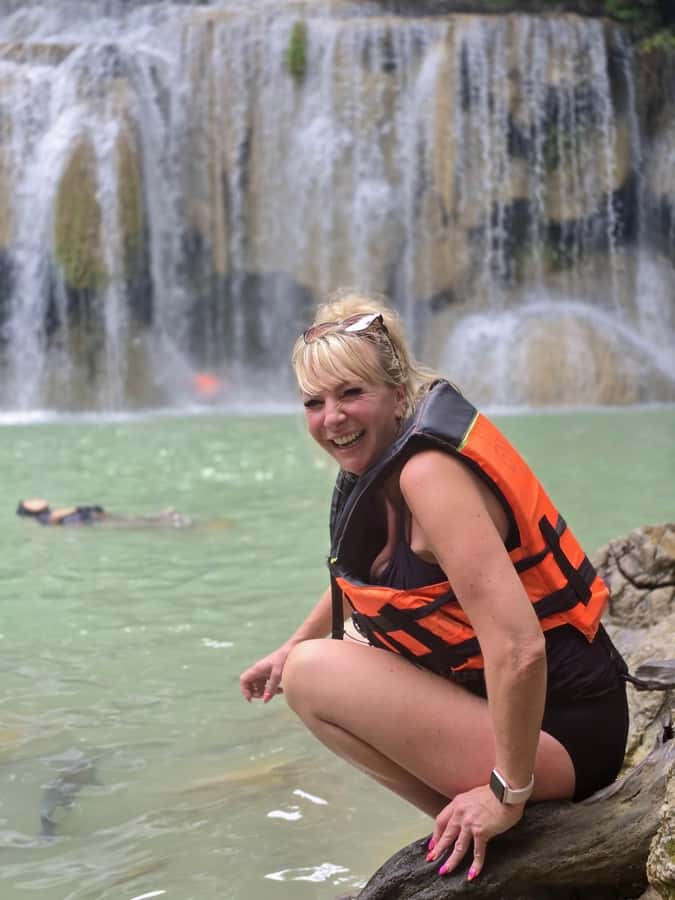
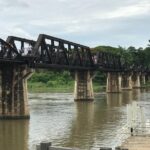
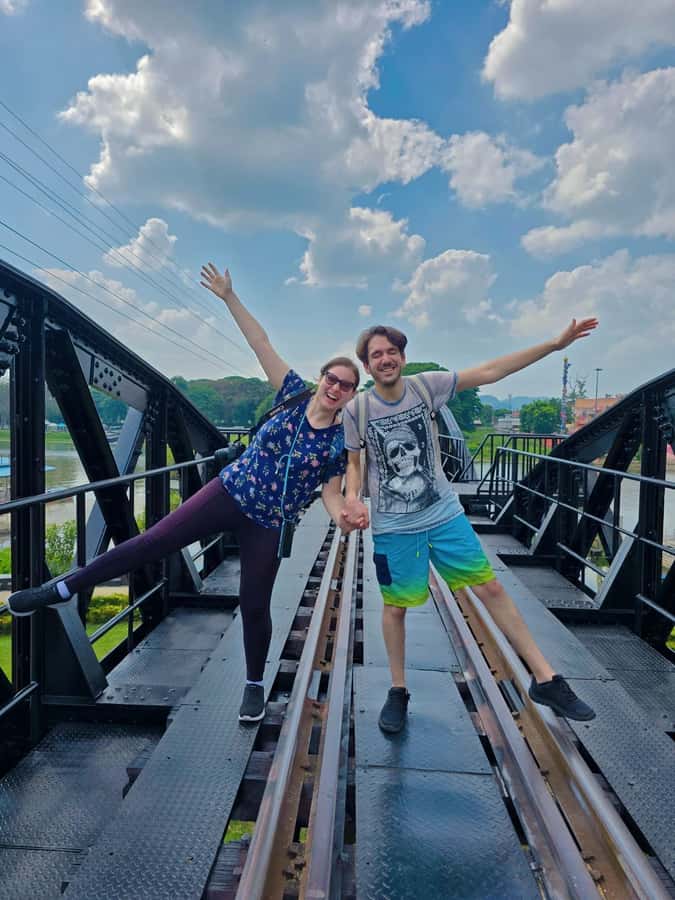
Next up is the Bridge over the River Kwai, with about 45 minutes for sightseeing. This stop is famous for a reason: it’s a World War II symbol tied to human suffering and forced labor. It can hit hard even if you’re not a history buff.
What you’ll like here is the clarity of the experience. In a short time window, you can understand why this bridge has become a global shorthand for wartime brutality and survival. You can also do practical sightseeing—walk, look for angles, and take photos—without feeling you’ve been trapped at the site for hours.
What might not work for everyone is the time limit. Forty-five minutes is enough for a first look, but not enough if you want to go super deep on details and captions. If you’re the type who reads every sign and wants the whole story, you may feel slightly rushed.
There’s also an optional add-on some people like at this stage: a brief boat ride has been enjoyed by at least one participant, priced at 200 BHT per adult and 100 BHT per child. If you’re the sort who enjoys water views, this can add variety. Just remember it’s not mentioned as a built-in inclusion, so you’d want to confirm what’s feasible with your guide on the day.



JEATH War Museum: Moving, But Not Always Easy to Follow
Then comes the JEATH War Museum, again with about 45 minutes for visiting and sightseeing. This is the point in the day where the tone shifts. The museum clearly aims to commemorate a major human tragedy, and it can feel deeply emotional if you connect with memorials.
The challenge is understanding. Even with an English-speaking guide, museum displays can be complex, and the story shown inside may not always land instantly for every visitor. If you’re very history-oriented, I think you’ll still appreciate the emotional weight. If you’re looking for a smooth, easy narrative with lots of context on your first pass, you may wish you had a bit more time.
This is also where having a great guide makes a noticeable difference. One named example from the experience: Toodtu is described as friendly with strong positive energy, and some guides go beyond logistics by sharing local food ideas and context. A good guide can turn a museum stop into something you actually understand, not just something you walk through.
If your goal is to leave with a stronger grasp of WWII history in this area, treat your museum time as a chance to ask your guide questions. Don’t assume the exhibits will do all the explaining for you.
Driver and Van Comfort: Small Details That Change the Feel of the Return
After the memorial stops, you’re dropped off at your choice of return points: I’m Chinatown, Erawan Shrine, or Banglamphu Square. The return ride will be in the same general van setup, and this is where comfort can vary day to day.
One practical complaint to keep in mind: the van’s air conditioning can be noisier or less effective in the afternoon heat, which can make the ride back slightly uncomfortable. If you’re sensitive to noise or temperature, pack light earplugs and keep a light layer handy for AC swings.
That said, the driver is described as careful, which matters on winding roads. Overall, the transportation is a big part of why this tour works for many people: you don’t have to coordinate buses, tickets, and timing yourself across two very different parts of Thailand in one day.
Price and Value: Is $73 Really Fair for This Day?
At about $73 per person, you’re paying for a lot of what normally costs you time and stress: round-trip transportation from Bangkok, an English-speaking guide, entrance fees, lunch, and bottled water. That’s not a small bundle.
Here’s how I’d judge the value. If your priorities are both Erawan waterfalls and the Bridge over the River Kwai, plus a WWII museum stop, then this package price starts to make sense. You’re essentially buying a whole-day framework where someone else handles the order and timing.
Where value can slip is if your personal interest is mostly in one part. If you only care about the waterfalls, you might feel the bridge and museum time takes up space. On the flip side, if you mainly want history, the waterfall portion might feel too short even though it’s still generous enough to swim.
My take: this tour is best viewed as a balanced day—nature plus memorials—rather than a single-theme excursion. If you want that balance, the price feels more reasonable. If you want to linger, you’ll probably wish the schedule leaned more heavily toward your preferred stop.
Who This Tour Fits Best (And Who Might Prefer Another Style)
This day tour suits you if:
- You want a first-time introduction to Kanchanaburi highlights without planning.
- You like seeing the big landmarks and also having time to swim at Erawan.
- You’re comfortable with a structured day, including museum time.
It may be less ideal if:
- You dislike memorials and want a purely relaxing nature day.
- You strongly prefer slow travel and reading every detail in museums.
- You are very sensitive to heat, steps, or vehicle comfort.
Also consider your expectations about languages and interpretation. Even with an English-speaking guide, the museum experience itself may still feel more complex than a simple guided walk. If you love crisp explanations, ask your guide for the key takeaway points early.
Should You Book This Kanchanaburi and Erawan Waterfalls Day Tour?
I’d book it if your ideal day is a mix: waterfalls you can swim in and two iconic WWII-related stops you can’t easily connect on your own within a single day. The small group size helps, and the included lunch and water are the kind of details that make the day feel smoother.
I would think twice if you’re chasing maximum time at Erawan. The waterfall window is solid, but closures around 15:30 for upper tiers mean you’ll need to move with purpose. And if you’re the type who wants more storytelling time at the bridge and museum, the schedule may feel a bit tight.
If you want a structured, memorable overview with real time outdoors, this tour is a strong match. Just go in prepared: life jacket needs, closure timing, good shoes, and a mindset that the day has two missions—nature and remembrance.
FAQ
Where do pickups start for this tour?
Pickup options include Banglamphu Square, Erawan Shrine, and I’m Chinatown Mall.
What time does the tour start?
The tour start time is listed as 7:00 AM.
How long is the day trip?
The total duration is about 12 hours.
Does the tour include entrance fees and lunch?
Yes. Entrance fees, lunch, and bottled water are included.
Can I swim at Erawan Waterfalls?
Yes. The itinerary includes Erawan Waterfall time with sightseeing and swimming.
Do I need to rent a life jacket to enter the water?
A life jacket may be required to get into the water, and life jackets are not included in the tour.
How much time is spent at the Bridge over the River Kwai and the JEATH War Museum?
Both are scheduled for about 45 minutes each.
What is the group size?
The tour is limited to a small group, with a maximum size of 12 participants.
![Floating & Railway Market and Coconut Farm Tour [Optional Luxury] - Pickup, ride time, and the Siam Square to MBK Center flow](https://6.thethailandtraveler.com/wp-content/uploads/floating-railway-market-and-coconut-farm-tour-optional-luxury.jpg)