REVIEW · BANGKOK
Grand Palace, Wat Pho, and Wat Arun: Guided Tour in Spanish
Book on GetYourGuide →Operated by Tu Guia en Tailandia Ltd. · Bookable on GetYourGuide
Bangkok temples hit you fast. In five hours you’ll see Wat Pho, the Grand Palace/Wat Phra Keo, and Wat Arun with a Spanish-speaking guide and smart transport between stops.
What I like most is the way the route is built to keep your day moving: you’ll do a fair amount of walking, but you also get public transport used to dodge some of Bangkok’s worst traffic. I also love that the guide explanations are in Spanish, so the stories behind the sights actually land, not just the photos.
The one thing to watch is that royal-site schedules can change. One example: the Grand Palace portion can sometimes get disrupted by events connected to Thailand’s royal family, which means you may see fewer palace areas than expected.
In This Review
- Quick hits before you go
- Wat Pho first: Reclining Buddha, temple walls, and what makes it special
- Grand Palace and Wat Phra Keo: Siam’s royal stage and the Emerald Buddha’s pull
- The boat crossing: a breather that also sharpens the city view
- Wat Arun, the Temple of Dawn: porcelain tiles and the reward of climbing
- Walking-smart logistics: how transport helps without killing the vibe
- Spanish-speaking guide: why language changes what you notice
- Price and value: what you really get for $109 per person
- What to bring and what to wear (this matters in temples)
- Who this tour suits best (and who should choose a different plan)
- Should you book this Spanish temple tour of Wat Pho, Grand Palace, and Wat Arun?
- FAQ
- What sites are included in this guided tour?
- How long is the tour?
- Is the guide available in Spanish?
- Where do we meet?
- Is transportation included, and do we avoid traffic?
- Does the price include entry fees?
- Is hotel pickup included?
- What should I bring?
- Are there dress code rules?
- Are large bags allowed?
- Is the tour wheelchair accessible?
Quick hits before you go
- Wat Pho first: Reclining Buddha photos are the easy part; the complex scale is the real wow.
- Emerald Buddha is the focus: You’ll step into the temple where religious ceremonies still happen today.
- Boat crossing for views: You get a change of pace and city panoramas between temple zones.
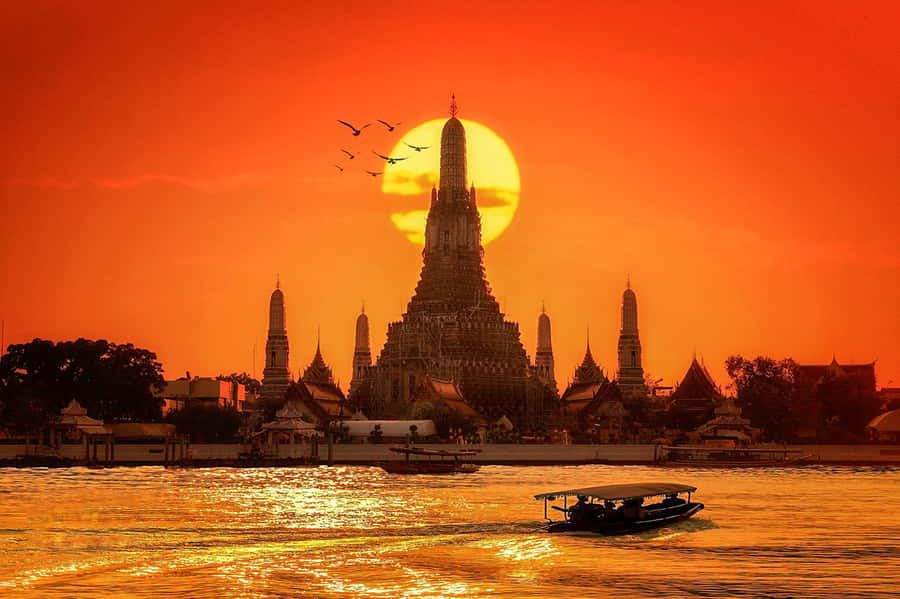
- Wat Arun’s porcelain pagoda: Chinese porcelain details and a climb that turns into real payoff.
- Spanish-speaking Thai guide: Clear storytelling in Spanish, including practical pointers for what you’re seeing.
- Meet at Bangkok City Pillar Shrine gate: A clean starting point that helps the morning feel organized.
Wat Pho first: Reclining Buddha, temple walls, and what makes it special
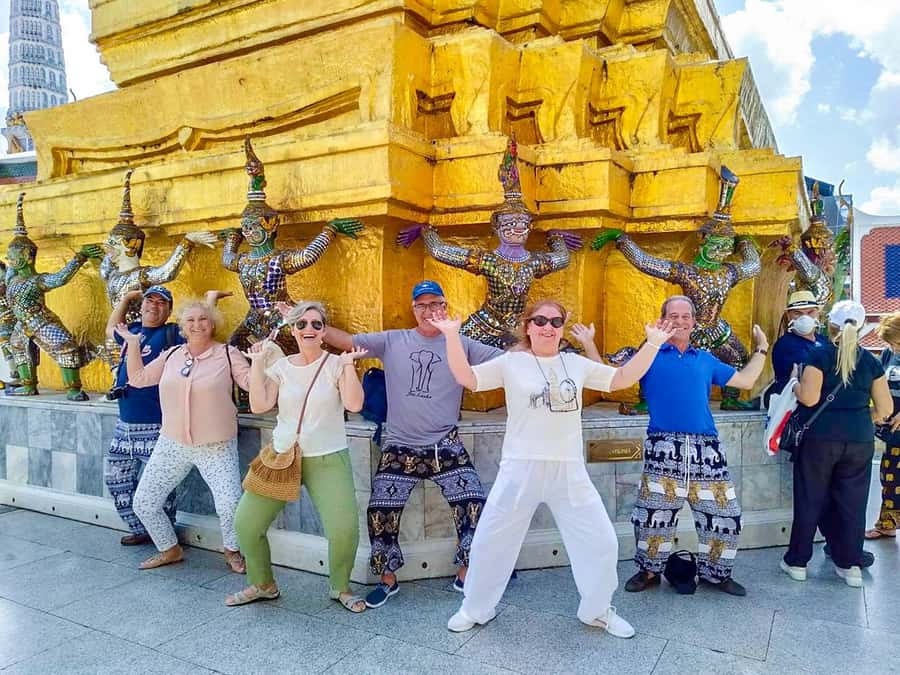
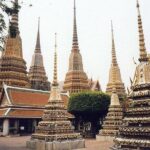
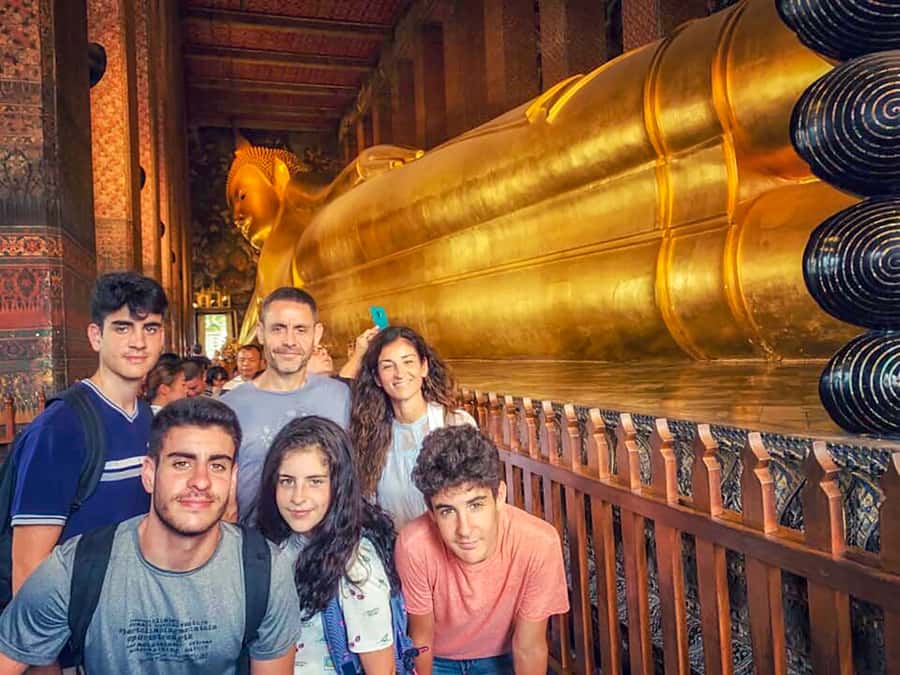
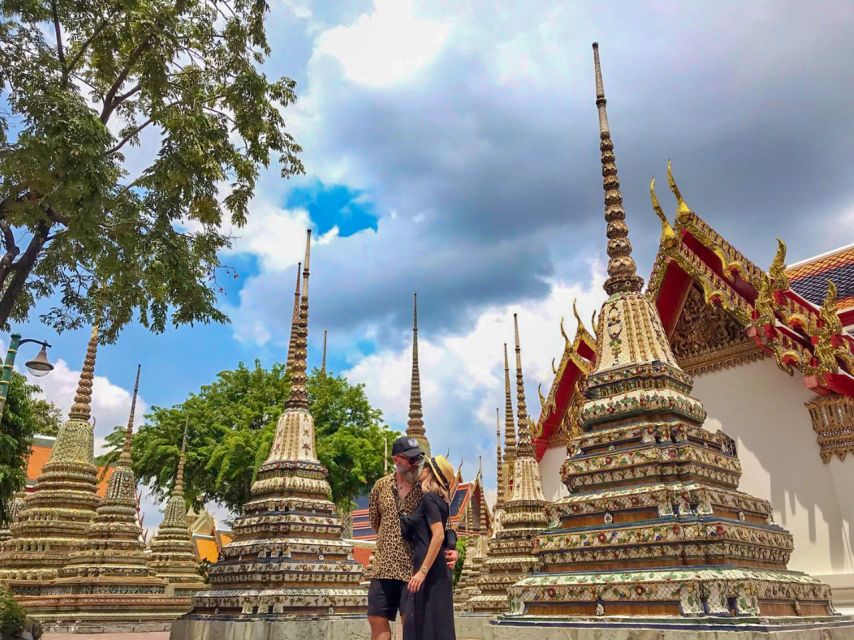
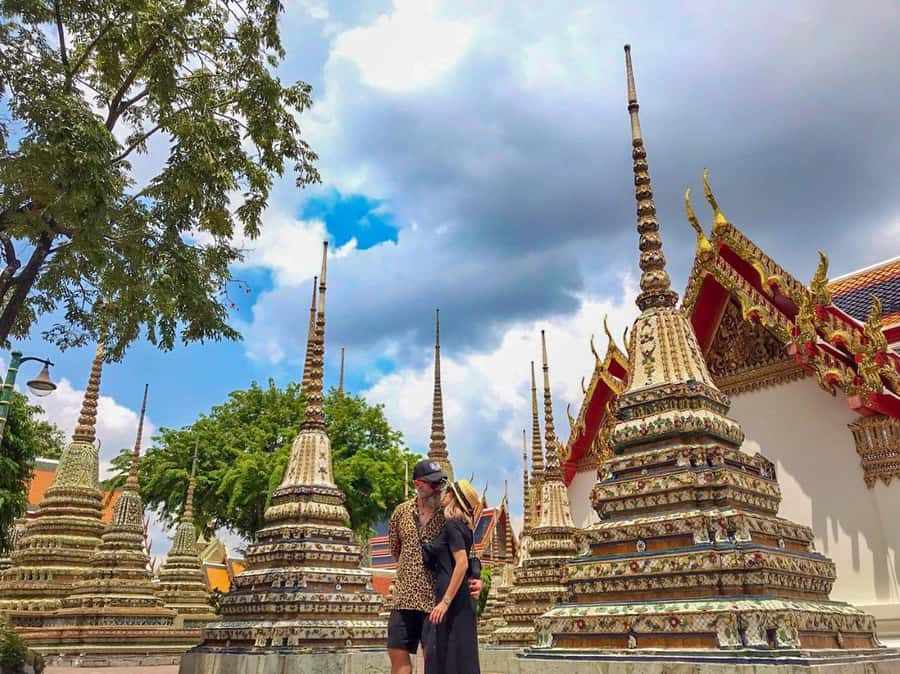
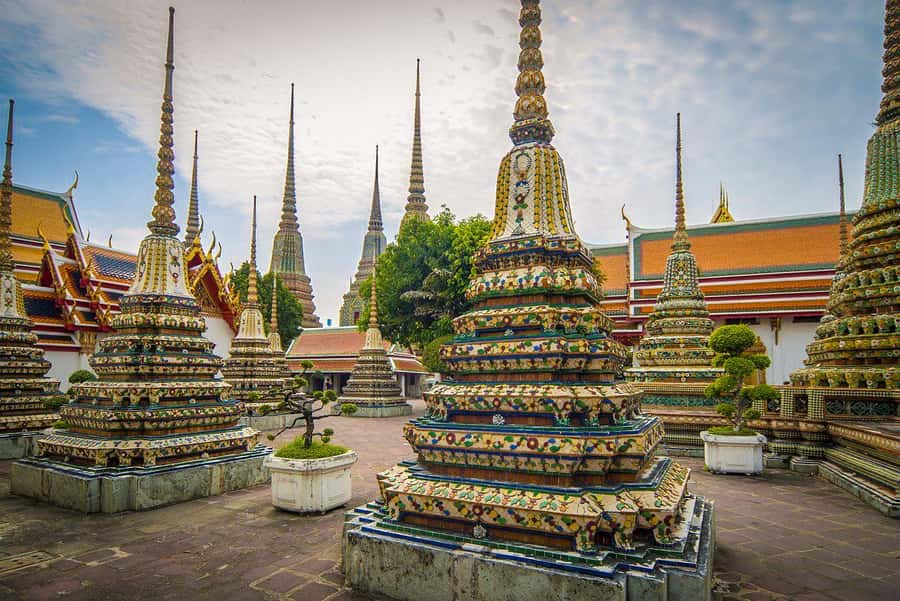
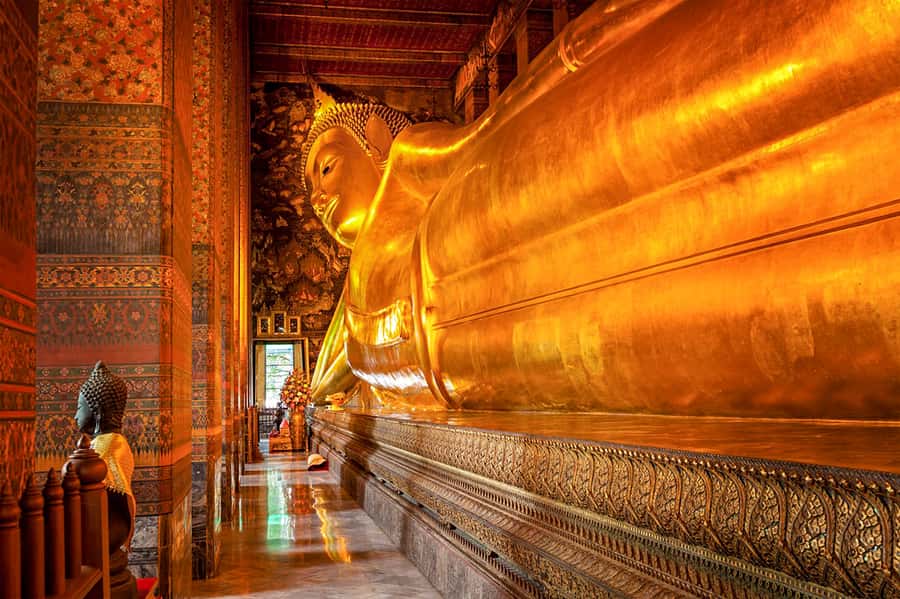
Starting at Wat Pho sets the tone. This is the oldest and largest temple complex in Bangkok, and it feels that way the moment you arrive. The Reclining Buddha is the headline, but what makes Wat Pho memorable is the way the temple grounds spread out, with impressive enclosures and a site area of almost 20 acres.
You’ll likely spend time absorbing the Reclining Buddha from different angles. That’s the trick here: don’t rush to one perfect photo spot and leave. Look around first. Wat Pho has a layout that rewards slow scanning—golden surfaces, patterned details, and enough space that you can step back and actually take in the full scene.
Practical tip: plan to wear comfortable shoes and expect some uneven surfaces. Even with a guide keeping you on track, temple walking can feel longer than you think, especially in Bangkok’s heat and humidity.
If you’re interested in why Wat Pho matters beyond the obvious, you’ll get the historical context from your Spanish-speaking guide—why it became such an important stop in Bangkok and how its role developed over time. That context turns the big visuals into something with meaning.
You can also read our reviews of more guided tours in Bangkok
Grand Palace and Wat Phra Keo: Siam’s royal stage and the Emerald Buddha’s pull
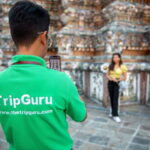
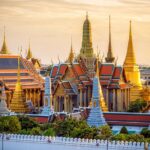
Next comes the Grand Palace, the once-home of the kings of Siam and one of the most famous sights in Thailand. Even if you’ve seen pictures before, it hits differently in real life. The buildings and towers carry a kind of visual intensity—bright color, golden spires, and glittering mosaics that make it hard to look anywhere else.
Inside the palace grounds is Wat Phra Keo, home to the Emerald Buddha. The guide framing is key here: the Emerald Buddha is described as the most important Buddha in Thailand, and you’ll see a temple where religious ceremonies continue to be held today. That matters because it’s not just a museum stop. It’s still a working sacred space.
You’ll want to move carefully. Palace and temple etiquette is part of the experience. You’re not there to treat it like a theme park. Your guide will help you navigate what’s allowed, where to stand, and how to respect the flow of visitors and worshippers.
One more thought for your expectations: the Grand Palace portion can be visually overwhelming in a good way, but time inside is limited. If you only look at the most photogenic spots, you’ll miss the subtle beauty—how different areas feel distinct and how the Emerald Buddha area anchors the whole complex.
The boat crossing: a breather that also sharpens the city view
After the temple-palace focus, you’ll cross the river by boat. This is more than a transfer. It gives your body a rest and gives your eyes a different Bangkok.
Expect panoramic city views as you move. Bangkok’s riverside can look very different depending on light and your angle, and the boat gives you those angles without you having to fight for space on a crowded walkway. It’s also a smart way to break up a day that otherwise runs on foot-and-heat.
If you’ve been in other “temple tours” that feel like back-to-back photo stops, the boat moment is a small but real upgrade. It helps the day feel like a circuit through Bangkok, not a checklist.
Wat Arun, the Temple of Dawn: porcelain tiles and the reward of climbing
Then it’s on to Wat Arun, also known as the Temple of Dawn. If Wat Pho is your “wide complex” moment and the Grand Palace is your “royal wow,” Wat Arun is your “vertical detail” stop.
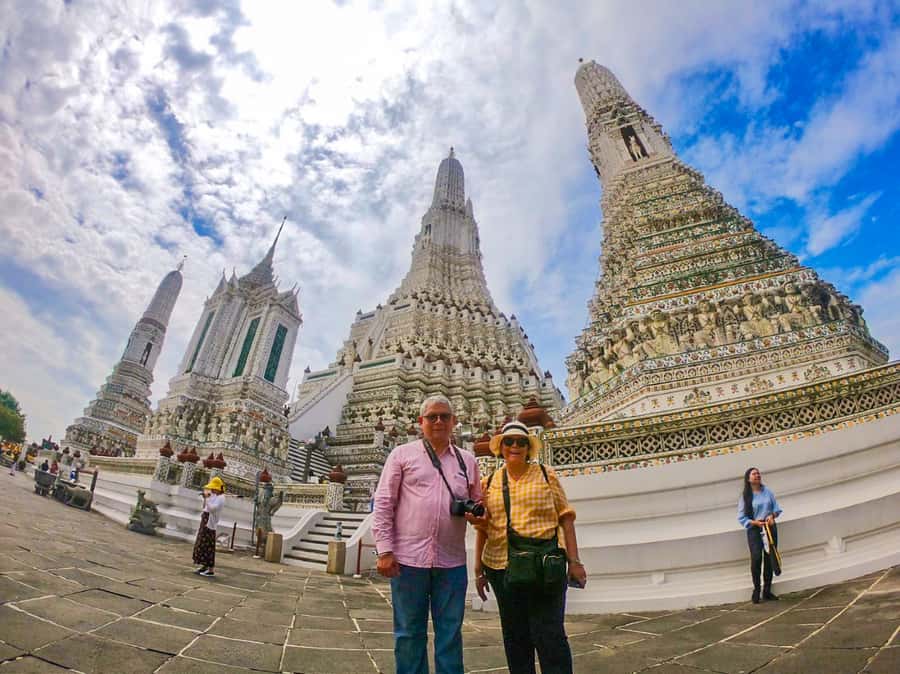
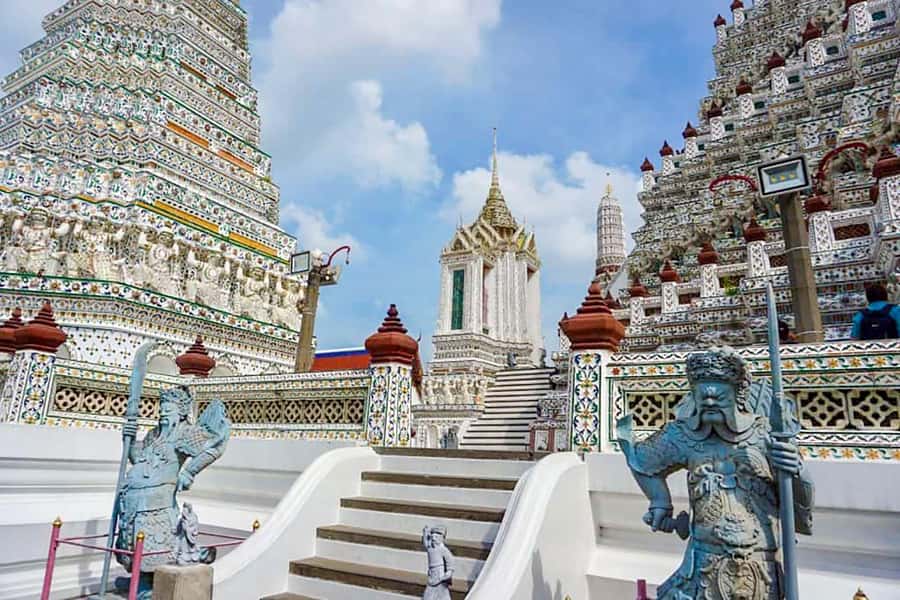
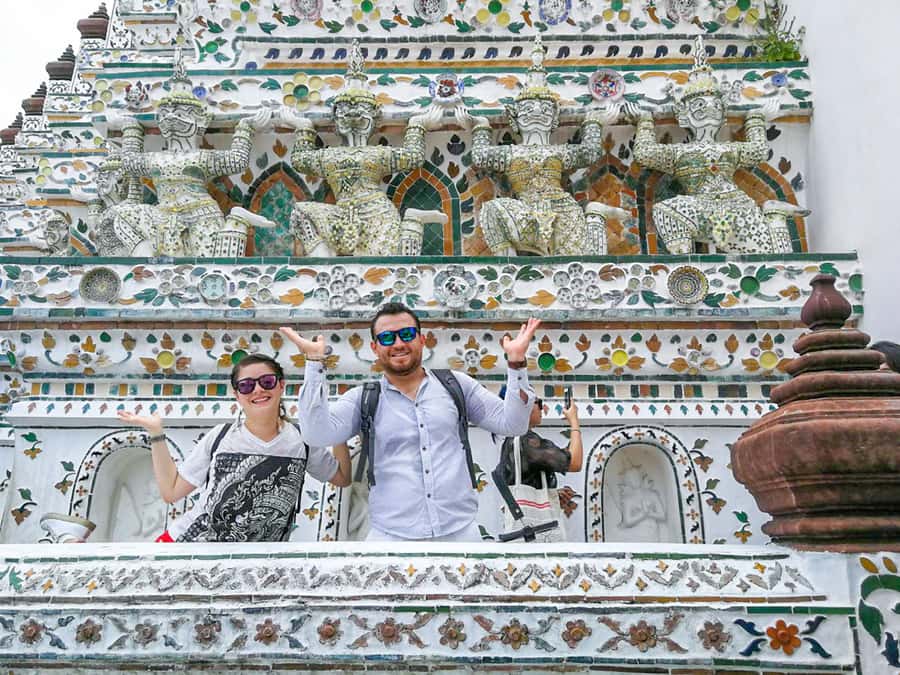
The standout here is the main pagoda silhouette—described as made of Chinese porcelain—with colorful porcelain tiles that create a textured look from far away and up close. You’ll also see the bell tower and giant statues, which add to the sense that this isn’t just one monument but a whole dramatic scene.
What you should plan for: time and stamina. Your guide will explain Wat Arun’s history and you’ll have the chance to climb to the top of the pagoda. That climb is where the temple really comes alive. From up high, details that look scattered at ground level start to make sense as parts of a bigger composition.
A quick reality check: your legs will notice the climb. If you’re traveling with mobility limits, use the wheelchair-accessible note when checking how your route will work in practice. (Wheelchair accessibility is listed for the experience, but the day still includes walking and stairs for many guests.)
Walking-smart logistics: how transport helps without killing the vibe
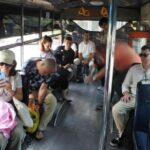
This tour is designed around walking, but it also includes public transport fees to move between locations. That’s a big deal in Bangkok, where traffic can be brutal and time can vanish fast. The goal is simple: keep your schedule intact enough to see the major sights without losing hours in transit.
You’ll start at the meeting point: the gate of Bangkok City Pillar Shrine. Having a clear, specific meeting place helps. From there, you’re guided through the day like a flowing itinerary rather than a scavenger hunt.
If you’re the type who hates standing in the wrong place with a hot coffee you can’t finish, this “walk plus transport” approach tends to feel calmer. You get the benefits of temple walking—closer views, better photo angles, more atmosphere—while reducing the chances of your day turning into a traffic story.


Spanish-speaking guide: why language changes what you notice
I love Spanish-guided tours in cities where the sights are tied to living traditions, not just old stones. Here, the guide language is Spanish, and the stories connect dots that most self-guided visitors miss.
A Spanish-speaking guide helps you understand what you’re seeing at the level that matters:
- why Wat Pho is important and what makes its layout meaningful
- what role the Emerald Buddha holds in Thailand
- why Wat Arun got its name and what the design symbolizes
One name that stood out in the guide chatter I’ve seen is Nori, described as a very good guide. The best part of having a guide like that is that you don’t need to do detective work. You just follow, look, and get the context as you go.
Also, a guide helps with timing and movement. Temples don’t work on your schedule, but your guide tries to keep your group moving in a way that reduces backtracking and keeps you from missing key areas.
Price and value: what you really get for $109 per person
At $109 per person for about 270 minutes (5 hours), the value depends on what you’d otherwise pay to piece the day together yourself.
Here’s what’s included that matters for value:
- guide in Spanish
- all entry fees
- insurance
- public transportation fees
- hotel pickup and drop-off for private tour only
- listed wheelchair accessibility for the experience
When you add those up, the price feels less like you’re paying only for a ticket and more like you’re paying for a managed day: someone handles the transitions, takes care of entry logistics, and keeps the Spanish explanations flowing.
Your main cost trade-off is time flexibility. This is a tight circuit. If you want to linger for hours at one temple, you may find the schedule a bit firm. But if your goal is a high-hit day without guessing how everything connects, the price makes more sense.
One caution: there can be occasional disruptions at royal-related sites. If that happens, your “must-see” expectations may shift. It’s rare, but it’s the type of risk you should accept when choosing a day centered on major palace grounds.
What to bring and what to wear (this matters in temples)
This tour asks you to bring a passport or ID card and cash. The cash piece is worth noting because it’s better to have it than to rely on last-minute decisions.
Dress rules are strict, especially for temple/shrine areas:
- No sleeveless shirts
- For chapel or national shrine areas, you’ll be required to wear proper attire: no bare shoulders or knees
- Strapless-heel shoes are not permitted
Also, don’t bring luggage or large bags. Plan light. If you’re carrying a big daypack, expect it to be more hassle than help.
If you’re thinking, I’ll just wear whatever, don’t. A simple outfit choice can save you from getting stuck outside parts of the complex or having to adjust on the spot.
Who this tour suits best (and who should choose a different plan)
This experience is a great fit if you want:
- a Spanish-speaking guide
- a one-day hits tour through Bangkok’s most recognized temple names
- a route that uses public transport to help with timing
- less mental load and more story context
It’s also good for first-time visitors who want a strong foundation: Wat Pho gives you scale and tradition, the Grand Palace and Emerald Buddha show religious and royal power, and Wat Arun closes the day with dramatic visuals and a climb.
It may feel less ideal if you:
- want deep, slow study of one location
- hate stairs or lots of uneven walking
- are sensitive to the possibility of schedule changes at palace areas
Should you book this Spanish temple tour of Wat Pho, Grand Palace, and Wat Arun?
If you want an efficient, well-structured temple day with Spanish explanations and entry fees handled, I’d book it. The strongest reasons are simple: you’ll see the three big anchors—Wat Pho, the Grand Palace/ Emerald Buddha, and Wat Arun—and you’ll get a guide who can connect what you’re seeing to why it matters.
Book it with clear expectations: this is about momentum. You’ll walk, you’ll move, and you’ll trade some lingering time for a full circuit. If you’re okay with that trade and you can meet the dress requirements, it’s a solid way to get a meaningful introduction to Bangkok’s most famous temple world.
If royal-site disruption would ruin your day, consider adding a little flexibility to your schedule elsewhere in Bangkok. But for most visitors, this tour’s structure—walking plus transport, plus a boat breather—makes it an easy yes.
FAQ
What sites are included in this guided tour?
The tour includes Wat Pho (Temple of the Reclining Buddha), the Grand Palace and the Temple of the Emerald Buddha (Wat Phra Keo), and Wat Arun (Temple of Dawn).
How long is the tour?
The duration is about 270 minutes (5 hours).
Is the guide available in Spanish?
Yes. The tour includes a live guide in Spanish.
Where do we meet?
You meet at the gate of Bangkok City Pillar Shrine.
Is transportation included, and do we avoid traffic?
The tour is done by walking, and it also includes public transportation fees to travel between locations during the day to help avoid Bangkok traffic problems.
Does the price include entry fees?
Yes. All entry fees are included.
Is hotel pickup included?
Hotel pickup and drop-off are included for private tours only. Otherwise, you’ll use the listed meeting point.
What should I bring?
Bring a passport or ID card and cash.
Are there dress code rules?
Yes. Sleeveless shirts are not allowed. For the national shrine chapel area, bare shoulders or knees are not permitted, and strapless-heel shoes are not permitted.
Are large bags allowed?
No. Luggage or large bags are not allowed.
Is the tour wheelchair accessible?
Yes, it is listed as wheelchair accessible.