REVIEW · KRABI
From Railay: Island Hopping Tour by Private Longtail Boat
Book on GetYourGuide →Operated by Discover Thailand · Bookable on GetYourGuide
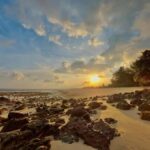
A sunrise boat ride off Railay turns the Andaman Sea into your own playground. This private longtail tour feels special fast: you cruise with a local captain, get a fresh fruit set on board, and choose a route that can include big-name spots like Hong Island or quieter beaches farther out. The one thing to plan around is the sea and the weather—Andaman waves can be rough, and the tour may continue in rain if conditions stay safe.
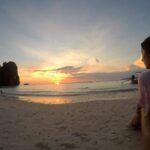
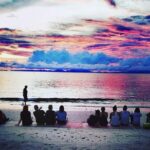
I like that you can steer the day toward what you actually want: quick beach time and a simple snorkel, or a more active mix with a hike to a viewpoint and lagoon swims. I also like the flexibility built into the timing—start early to reduce crowds, or go late for a softer feel and potentially a sunset at sea. Just remember the captain’s English is very basic, so it helps to have your must-dos written down or shown on your phone.
In This Review
- Key highlights worth getting excited about
- Why a private longtail boat from Railay is the smart way to do Krabi
- Picking the right route: three ways to shape your day
- Meeting point and departure flow at Railay West Beach
- The private longtail experience: what’s included and what you should bring
- Koh Poda, Tub Island, Chicken Island, and Thale Waek: a nearer-to-shore plan
- Hong Lagoon and Hong Island: the calm lagoon moments and the 360° viewpoint
- Ko Lao Lading and Pakbia Island: when the scenery feels less rehearsed
- Chicken Island snorkeling and Ko Tup: finishing strong with water time
- Snorkeling, swimming, and how to make the water time actually fun
- Managing the 4–6 hour window without feeling rushed
- Price and value: what $135 per private group really buys you
- Safety, sea conditions, and who should skip this one
- A note on communication: basic English is normal here
- Who this tour is best for (and who it isn’t)
- Should you book the Railay private longtail island hopping tour?
- FAQ
- FAQ
- How long is the private longtail island hopping tour from Railay?
- What’s included in the tour price?
- Are national park fees included?
- Where do I meet the tour?
- Do I need to bring snorkeling gear?
- What should I bring for the day?
- Is this tour suitable for young children, pregnancy, or seasickness?
Key highlights worth getting excited about
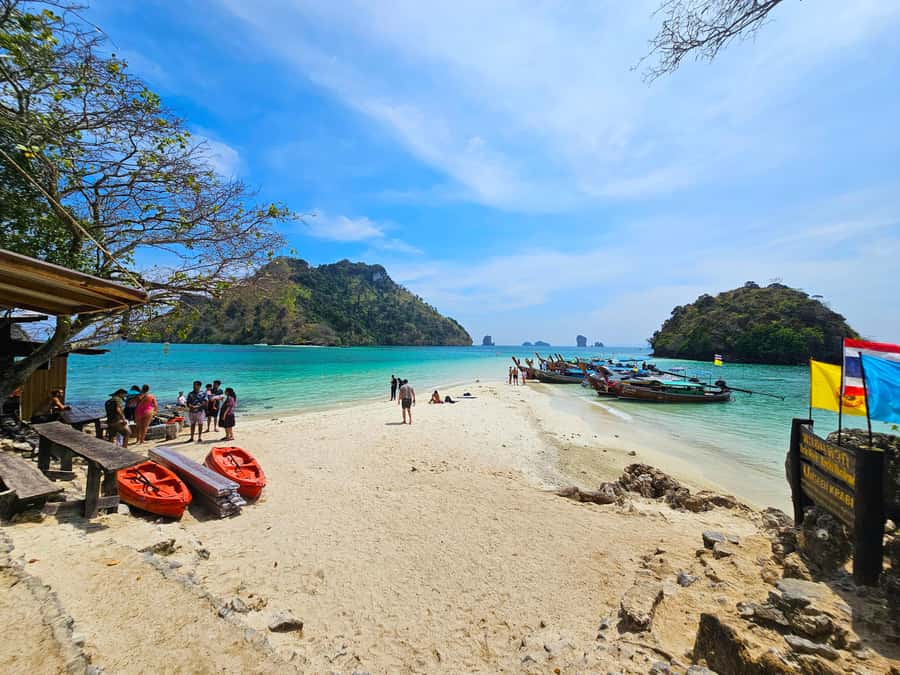
- Private longtail boat with a local captain, plus masks and life jackets
- Fruit set on board and water, with time for real swimming and snorkel stops
- Route choices that range from nearby islands to a full day hitting up to seven stops
- Early departure for calmer crowds and a chance at sunrise scenery
- Hong Island 360° viewpoint hike on the Hong-focused routes
- Serene lagoon moments like Hong Lagoon with shallow-water swimming
Why a private longtail boat from Railay is the smart way to do Krabi
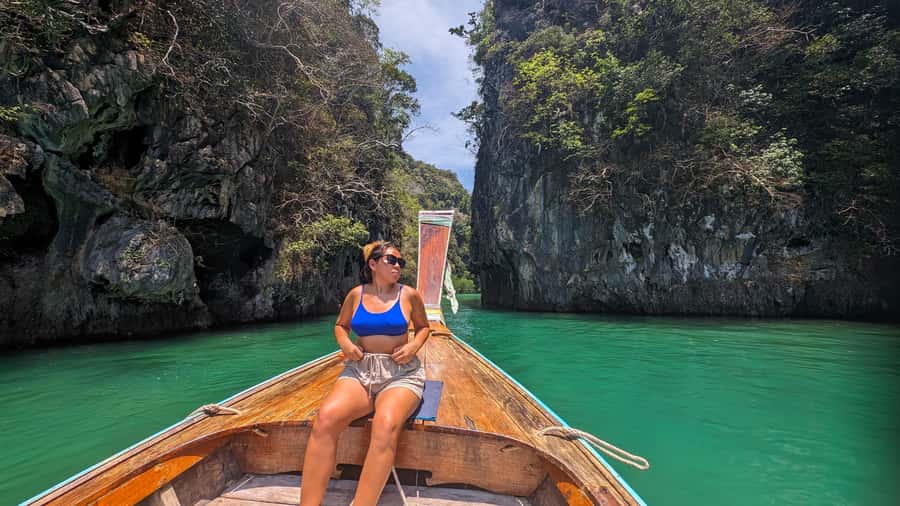
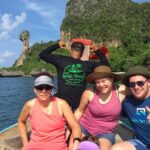
Railay is one of those places where the scenery looks postcard-perfect even before you leave the dock. The best part here is that you’re not stacked into a crowd. A private longtail means the day can feel paced for you—your captain can adjust the route based on conditions and your vibe, and you can linger where the water and beaches actually feel good.
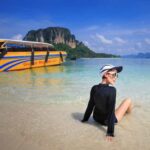
You also get a practical setup for water time right away. Snorkel masks and life jackets are included, and the fruit set (cut fresh on the boat) is the kind of small touch that makes island time feel like a full-day outing, not just “transport between stops.”
One more bonus: longtail boats are built for island hopping. You’re able to reach beaches and viewpoints that don’t feel like a big-ship stop. That matters in Krabi, where the best moments often happen at the waterline—shade, reflections, and that calm stretch where you can float and breathe.
You can also read our reviews of more boat tours in Krabi
Picking the right route: three ways to shape your day
This tour works because it gives you choices. You pick a plan, and the captain designs the timing around the stops. There are three itinerary styles, and the differences affect how much time you spend per island.
Option focused on the closest islands
If you want the simplest day—great beaches, a little snorkeling, and less travel time—you’ll hit three nearby islands: Koh Poda, Tub Island, and Chicken Island. You’ll also have a chance to see Thale Waek, the separated sea area that changes with tides. It’s a solid choice when you don’t want to spend the whole day in transit.
Option focused on the Hong area
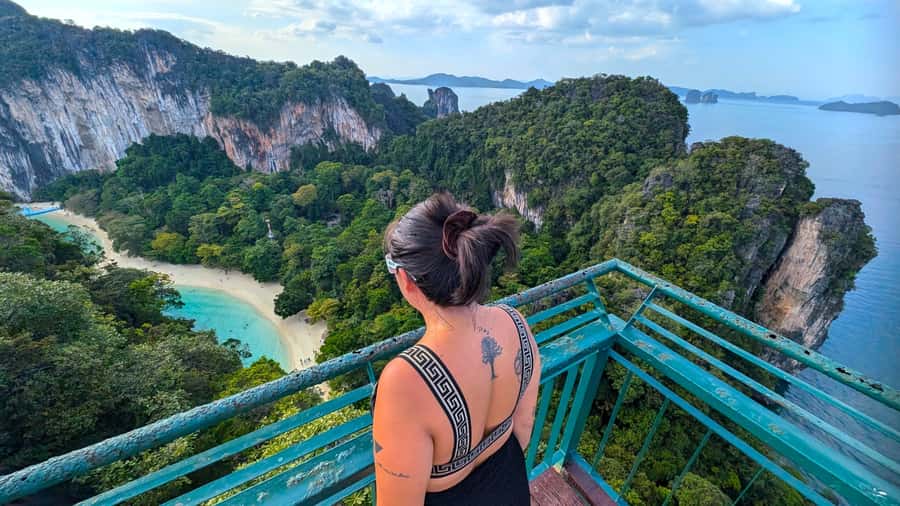
This route shifts toward Krabi’s signature scenery: Hong Island, Hong Lagoon, Koh Lao Lading, and Pakbia Island. The star move is usually the Hong Island 360° viewpoint hike. It’s short enough for many fit visitors, but it’s steep enough to make the payoff worth it—wide views over the islands and limestone cliffs. Hong Lagoon is where the day often turns peaceful, with shallow-water swimming.
Full route that stacks the highlights
Want more stops and more variety? The full option covers up to seven islands, combining the best parts of the other routes. The tradeoff is time pressure. With more islands, you spend less time at each stop, so you’ll want to decide in advance what you care about most: longer beach time, more snorkeling, or the hike and viewpoint.
Meeting point and departure flow at Railay West Beach
Start at Railay West Beach in front of Railay Beach Cafe. Plan to arrive about 10 minutes early so your captain can grab everyone smoothly. Most days, this is straightforward.
There’s one practical wrinkle: if strong waves come from the west, you might switch to Railay East Beach on the day of the tour. That’s not uncommon in this part of the Andaman Sea. If you’re the type who hates last-minute changes, just know this is part of sea-day reality.
Once you’re aboard, you’ll get set up quickly. You’ll have snorkel masks and life jackets available, and the captain will guide you through the day’s rhythm—boat time, beach time, snorkel time, and photos when it makes sense. Expect a calm, functional flow rather than a scripted, timed performance.
The private longtail experience: what’s included and what you should bring
Included is refreshingly simple and useful: the private longtail boat, a local captain, snorkel masks and life jackets, fresh fruits, and water.
That leaves you to bring the comfort and the basics:
- Sunglasses and sunscreen
- A towel and beachwear
- Cash (national park fees are paid on the ground)
- Food and drinks if you want extras beyond what’s provided
Also, pack with the water schedule in mind. You’ll want sunscreen that doesn’t run immediately, and a towel that dries fast. If you’re prone to seasickness, take it seriously here—the Andaman Sea can get choppy with big waves.
Koh Poda, Tub Island, Chicken Island, and Thale Waek: a nearer-to-shore plan
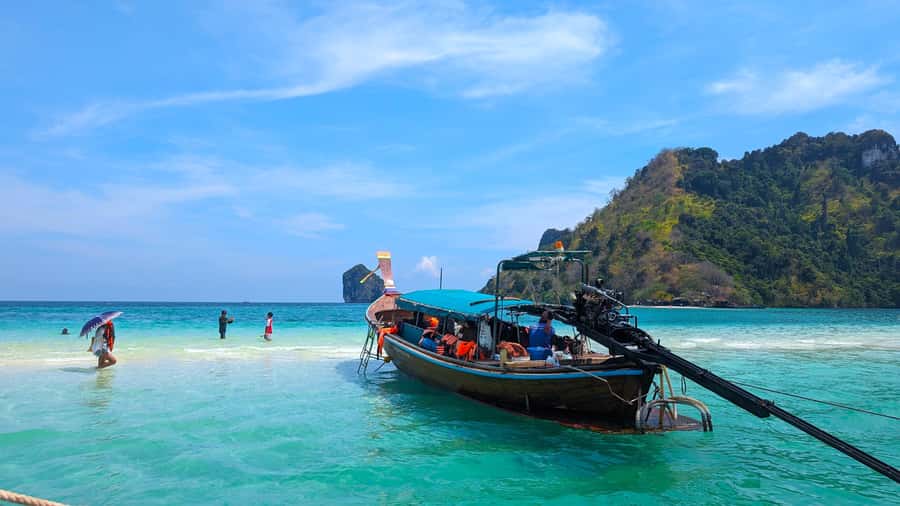
This is the route for people who want classic Railay-area beauty without adding extra boat time. You’ll spend time on white-sand beaches and in clear water where swimming feels straightforward.
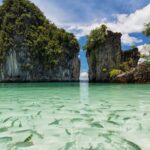
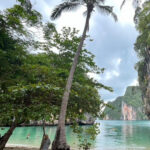
Koh Poda is the kind of stop where photos look good, but the real win is the swim. The water clarity makes snorkeling feel less like a chore and more like a quiet activity.
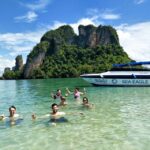
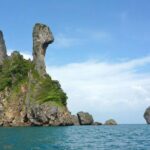
Chicken Island fits that same pattern. It’s a beach-and-water stop, with snorkeling time built in. If you’re newer to snorkeling, life jackets make it easier to stay calm while you get used to the rhythm.
Tub Island tends to work well when you want beach time that isn’t rushed. It’s also the kind of island where you can pause, wade, and just enjoy the view instead of treating every moment like a “must-do” checklist.
Thale Waek is a special add-on because it’s tide-dependent. This is the separated sea area—basically a sea split that looks surreal from the right angle. You’ll get the best effect when timing and tide line up, so don’t assume you’ll see it exactly the same way every time.
A practical note: the near-island route is often a better fit if you don’t want to worry about keeping your energy up for a full slate of stops.
You can also read our reviews of more private tours in Krabi
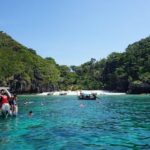
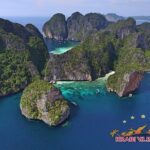
Hong Lagoon and Hong Island: the calm lagoon moments and the 360° viewpoint
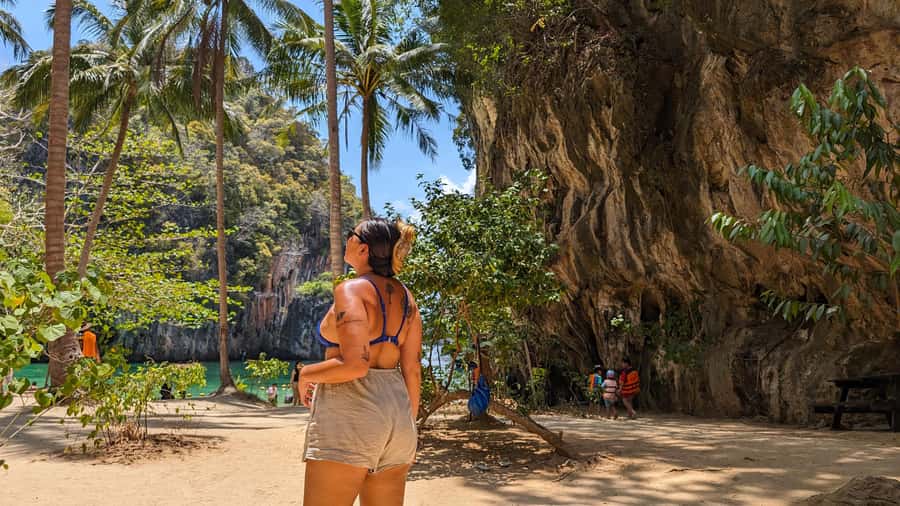
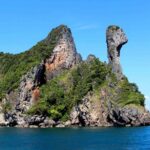
If you choose the Hong-focused route, you’re basically buying yourself two different kinds of scenery: scenic limestone islands and the lagoon-style calm that makes Krabi feel intimate.
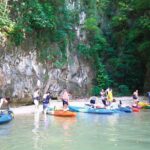
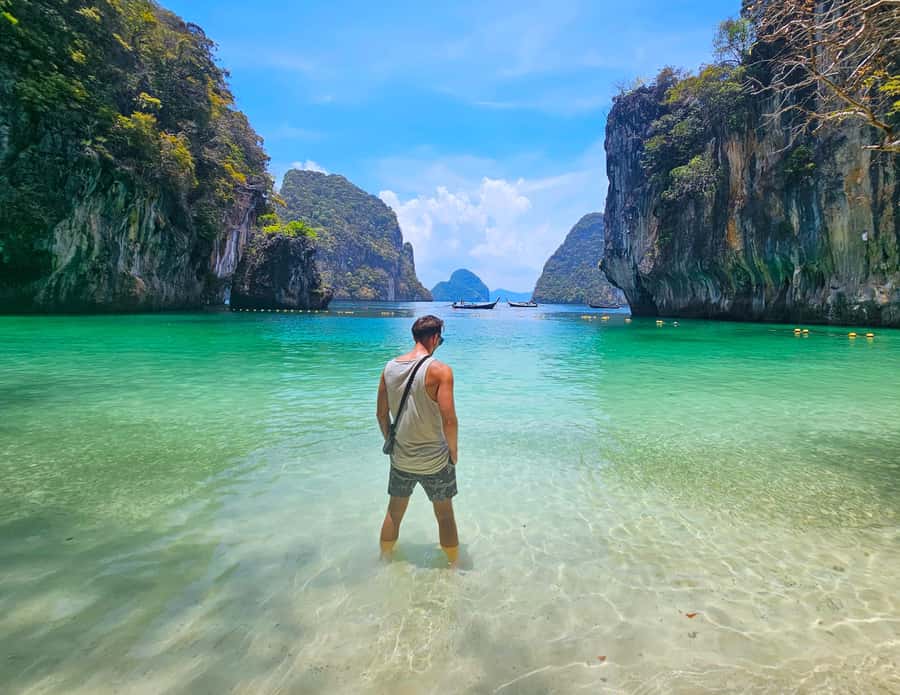
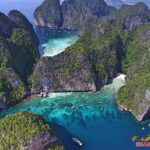
Hong Lagoon is the serene stop. The best part is that it’s not just a photo stop. You can swim in the shallow waters, and it can feel magical because the water stays gentle enough to linger. This is a great place to slow down—float, breathe, and let your day slow with the sea.
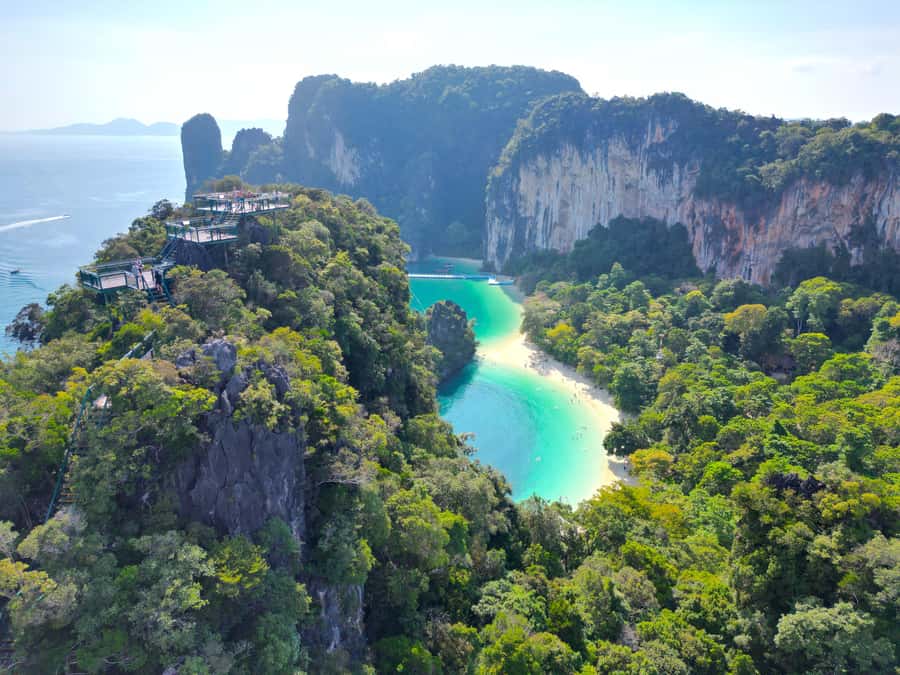
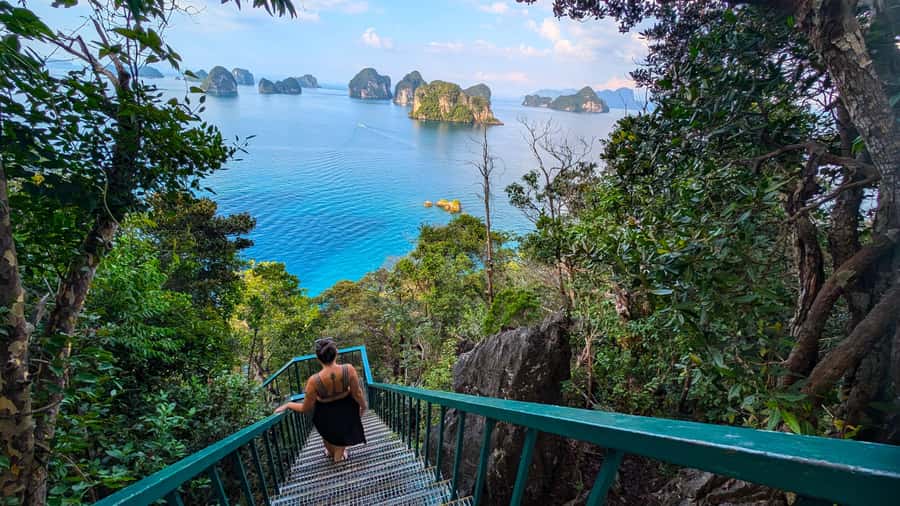
Then there’s Hong Island. The highlight is the short hike to the 360° viewpoint. From there, the view stretches over the island cluster and the limestone forms that define the area. It’s the kind of viewpoint where you understand why this region is famous; the geometry becomes clear from above.
Keep your expectations grounded. The hike isn’t described as a long trek here, but it is still a hike. Wear footwear you’re comfortable in, and go at a steady pace. The payoff is the wide panorama, not just a quick photo.
One more subtle detail: Hong Island and Hong Lagoon are often popular areas. The early departure option matters because it can reduce the number of boats around you when you arrive. That’s where your experience shifts from “seeing” places to actually enjoying them.
Ko Lao Lading and Pakbia Island: when the scenery feels less rehearsed
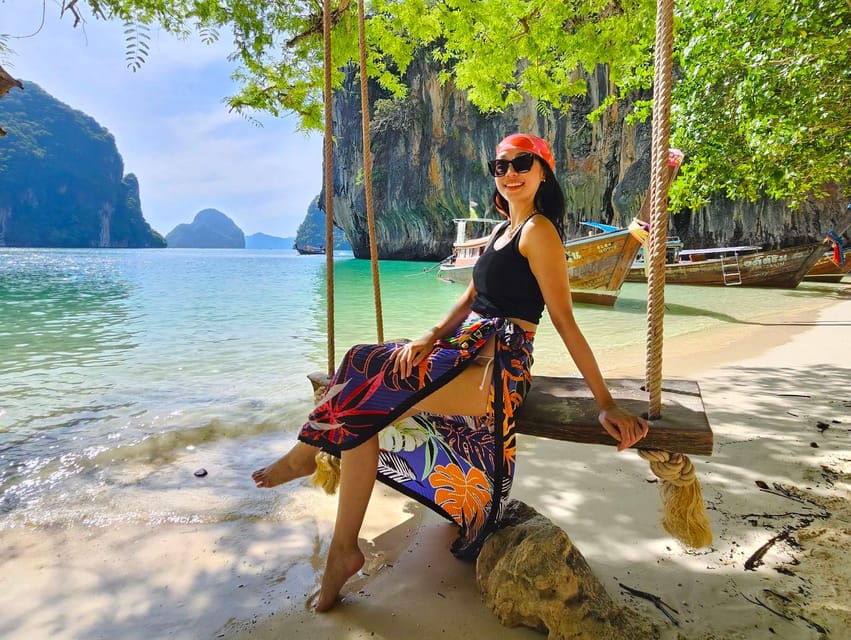
Koh Lao Lading and Pakbia Island are the kinds of stops that help your day feel less predictable. They’re not just another beach—they add variation, including more swimming time and scenic angles along the limestone coasts.
Lao Lading is especially notable because it pairs well with the overall Hong-area vibe. It can feel quieter than the big-name moments, which makes it a good spot to reset. You can swim, relax, and watch how light changes across the water as the boat moves on.
Pakbia Island adds that extra “island hopping” feeling. You’ll get free time for swimming and enjoying the beach environment, without having to commit to a long hike. It’s a nice balance if you want activity but don’t want to wear yourself out.
Chicken Island snorkeling and Ko Tup: finishing strong with water time
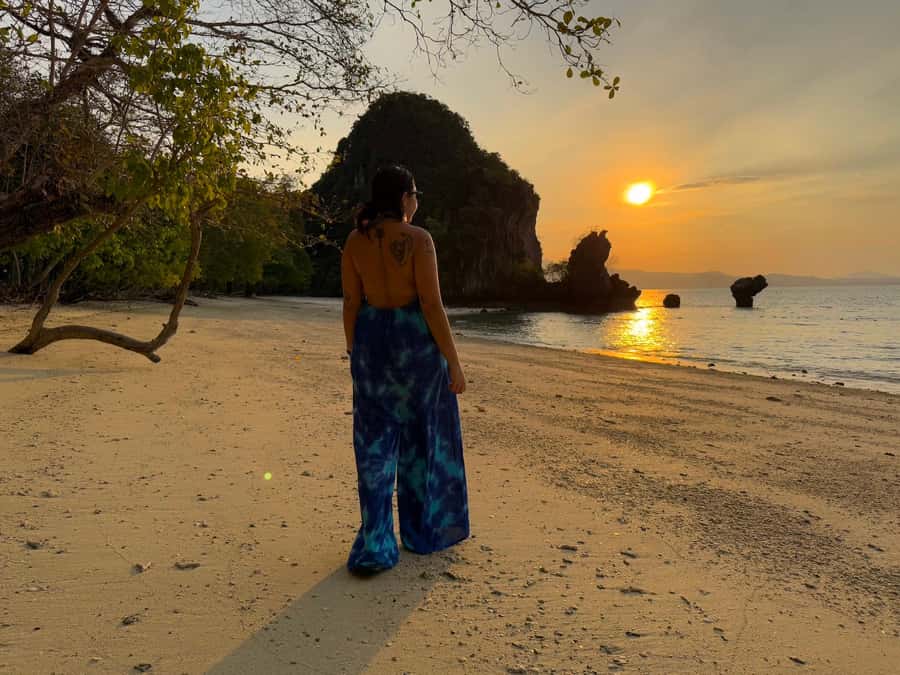
On the fuller route, your day can extend into more islands after the Hong area. Chicken Island shows up again as a swim-and-snorkel stop, and that’s often a great closing moment because snorkeling near these islands can be clear and exciting.
Ko Tup is the later add-on. It’s another beach-and-swim style stop, giving you one more chance to enjoy the water before the boat heads back.
If you’re deciding what to do, think about your energy level. More stops usually means less time per stop. If snorkeling is your top priority, you might prefer the route that gives you enough time to actually enjoy each swim without feeling rushed.
Snorkeling, swimming, and how to make the water time actually fun
This tour includes snorkel masks and life jackets, which is a big help. It means you don’t have to track down gear in Railay before your ride. It also makes you safer if you’re not confident in open water.
And here’s the real trick: pace your snorkeling like you’re on vacation, not training for a course. Spend a few minutes getting used to floating and breathing, then move slowly. If you feel anxious, stay calm and use the life jacket. The point is to enjoy the water, not prove anything.
There’s also a “sea day realism” factor. The Andaman Sea can be rough with big waves, and that can affect how comfortable you feel on boat legs. If your stomach is sensitive, plan accordingly. Water time can be great; boat time can be bumpy.
Managing the 4–6 hour window without feeling rushed
The duration you’ll see is the maximum—so your day can finish earlier if you spend less time at each stop than usual. That’s helpful because it means you’re not automatically trapped into a long schedule.
The bigger timing story is how the route affects your rhythm:
- The near-island plan usually gives you more time per stop.
- The full plan stacks more islands, so each stop can feel shorter.
- The Hong-focused plan adds the hike, which takes energy but gives you a standout viewpoint.
One common feeling to plan for: the first islands often set the tone. If your early stops feel slow and quiet, the rest of the day tends to feel more relaxed. If you want “go-go” energy, the captain can usually help match the pace, but you’ll still be working within sea conditions and tide timing.
Price and value: what $135 per private group really buys you
The headline price is $135 per group, and the key point is what that price represents. You’re paying for a private boat experience, not a seat on a big schedule.
That private element matters because:
- You get flexibility to adjust your timing by your preferences.
- You avoid the friction of a crowd setting the pace for your day.
- You’re not stuck waiting around for other people’s choices.
Now add what’s included: fruit, water, masks, and life jackets. For many people, that’s part of the value equation. You’re not paying extra just to be properly set up for water time.
Then there are the national park fees. Those are not included and vary by route—200 Baht per person for the first option, 300 Baht per person for the second, and 500 Baht per person for the full route. If you want to compare the true cost across options, factor those in. The full route can feel pricier on paper, but it may also be the best match if you want to see more islands in one day.
Safety, sea conditions, and who should skip this one
This is a water-and-boat tour, so safety isn’t optional.
The Andaman Sea can be rough with big waves. If you’re sensitive stomach-wise, take seasickness precautions before you go. People prone to seasickness aren’t a good fit for this tour.
Pregnant women, children under 3, and people with back problems or mobility impairments also aren’t suited to this experience. That’s less about the islands being unsafe and more about the reality of getting around by boat and moving on beaches.
Weather is another factor. Rain in southern Thailand can show up at any time. The tour will continue in the rain if conditions are safe, and refunds aren’t guaranteed just because it’s raining. If conditions are unsafe, the tour is canceled and you can reschedule or get a full refund.
A note on communication: basic English is normal here
One thing to go in knowing: the captain speaks very basic English. That doesn’t mean the tour will be hard. It just means your best results come from simple communication.
I’d handle it like this:
- Tell your top priorities before the first stop: snorkeling, swimming, photos, or the hike.
- Use a phone screenshot of what you want to see, if needed.
- Be patient when you’re asking for adjustments.
On the water, a friendly captain can still read your body language—where you’re comfortable swimming, where you want photos, and how fast you want to move.
Who this tour is best for (and who it isn’t)
This is great if you want an island day that feels personal rather than chore-like. It’s especially good for couples and small groups who care about timing—like early starts for fewer boats around you, or late departures with a softer mood.
It also works well if you like a mix of activities: swimming, snorkeling, beach time, and possibly a viewpoint hike. If you want your day to feel flexible, private really helps.
It’s not the right fit if you’re dealing with mobility limits, if you have significant back issues, if you’re pregnant, if your child is under 3, or if you’re likely to struggle with seasickness.
Should you book the Railay private longtail island hopping tour?
I’d book it if you want a private longtail day with real swimming time and clear choices on how your route is built. The combination of included masks and life jackets, the fruit set on board, and the option for early departures is a strong package. If Hong Island and Hong Lagoon are on your list, this is one of the more direct ways to experience both—especially with the 360° viewpoint adding that extra “I can see the whole place” feeling.
Skip it if you know the boat ride will make you miserable or if you need accessibility options this type of tour can’t reliably provide.
If you’re deciding between routes, choose based on your energy:
- Want calm and signature scenery? Go Hong-focused.
- Want straightforward island beaches and less transit? Go nearer-to-Railay.
- Want variety and don’t mind shorter stops? Pick the full route and be ready to move efficiently between islands.
FAQ
FAQ
How long is the private longtail island hopping tour from Railay?
The duration is listed as 4 to 6 hours maximum. Your actual time can be shorter if you spend less time at each stop.
What’s included in the tour price?
You get a private longtail boat in Railay, a local captain, snorkel masks and life jackets, fresh fruits, and water.
Are national park fees included?
No. National park fees are added on-site and vary by route: 200 Baht per person (option 1), 300 Baht per person (option 2), and 500 Baht per person (option 3).
Where do I meet the tour?
Meet at Railay West Beach in front of Railay Beach Cafe. Wait about 10 minutes before departure. If there are strong waves from the west, you may meet at Railay East Beach instead.
Do I need to bring snorkeling gear?
No. Snorkel masks and life jackets are provided. You should still bring sunscreen, a towel, and beachwear.
What should I bring for the day?
Bring sunglasses, a towel, sunscreen, beachwear, and cash. You should also bring food and drinks if you want extras, since food is not included.
Is this tour suitable for young children, pregnancy, or seasickness?
It’s not suitable for children under 3, pregnant women, people with back problems, people with mobility impairments, or people prone to seasickness.