REVIEW · KRABI
Full-Day Rock Climbing Course at Railay Beach by King Climbers from Krabi
Book on Viator →Operated by Trip Store Krabi · Bookable on Viator
Railay turns climbing into a beach day. This full-day course by King Climbers has you practicing top rope, bouldering, and rappelling on the dramatic limestone cliffs around Railay. You’ll be in the water-and-rock mix that makes this corner of Krabi so famous: cliffs right by the sea, plus beaches like Pranang and Tonsai that feel separate from the mainland.
I like two things right away. First, the hotel pickup plus longtail boat makes the day simple to manage. Second, you’re not stuck with one wall or one grade; you choose from 700 graded, bolted routes, so beginners can learn while stronger climbers still have options.
One thing to consider: if you’re expecting a strict step-by-step “course” where every moment is teaching, be aware that instruction quality can vary by group and conditions. One past guest felt it was more climbing time than training, so it’s worth going in with realistic expectations and asking your instructor what your plan will be for the day.
In This Review
- Key things to know before you climb Railay with King Climbers
- Railay Beach rock climbing in Krabi: why this setting matters
- What you actually practice: rope climbing, bouldering, and rappelling basics
- The full-day flow: from King Climbers base to Pranang and Tonsai
- Stop 1: King Climbers (your setup and gear time)
- Stop 2: Railay Beach (main climbing time on karst walls)
- Stop 3: PhraNang Cave Beach (a scene break that keeps the day fun)
- Stop 4: Phra Nang Cave (worth a look, even between routes)
- Stop 5: Basecamp Tonsai (ending with a climbing vibe)
- Price and value: what $85.22 covers (and what it doesn’t)
- Small group climbing: where you benefit and where you should be ready
- Should beginners trust this day? Yes, with the right mindset
- Practical tips so the day feels smooth (not stressful)
- Quick reality check: why the negative review should still matter
- Should you book King Climbers Full-Day Rock Climbing at Railay?
- FAQ
- What is the meeting point for the Railay Beach climbing course?
- What time does the tour start?
- Is hotel pickup included?
- Do I need to pay extra if I’m staying in Klong Muang or Tubkaek?
- How do you get to Railay Beach?
- What climbing activities are included?
- Can complete beginners join?
- What is included in the price?
- What if weather or sea conditions are bad?
Key things to know before you climb Railay with King Climbers
- Small group up to 30 people, so you’re less likely to get lost in the crowd
- 700 graded, bolted routes across skill levels, from first-timer to advanced
- Top rope, bouldering, and rappelling basics taught with a professional, certified instructor
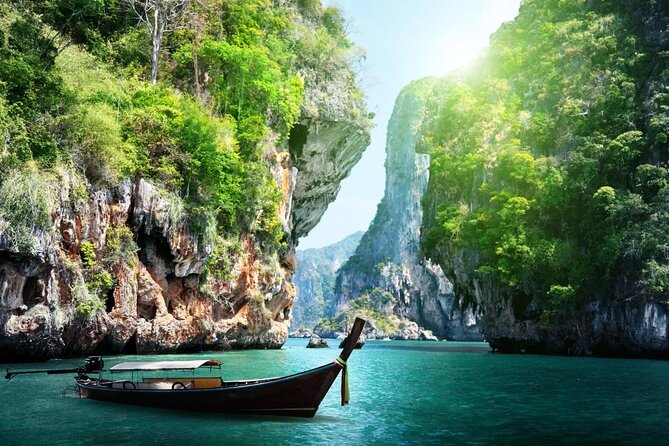
- Longtail boat access to Railay Beach, since the peninsula is reached by boat
- Lunch, drinking water, and climbing gear included, so you can travel light
Railay Beach rock climbing in Krabi: why this setting matters
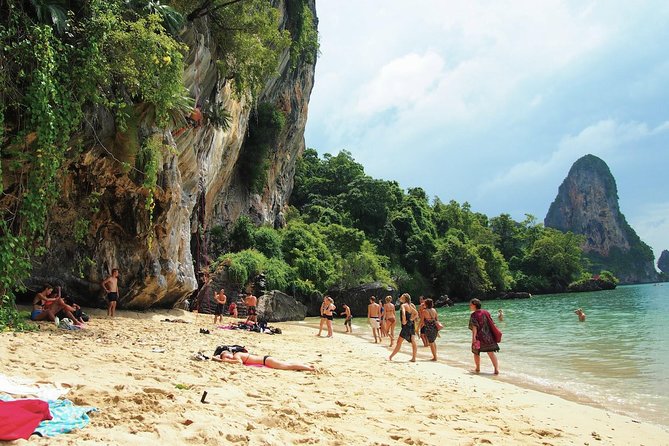
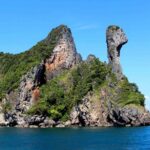
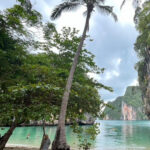
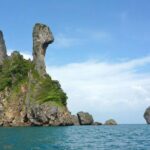
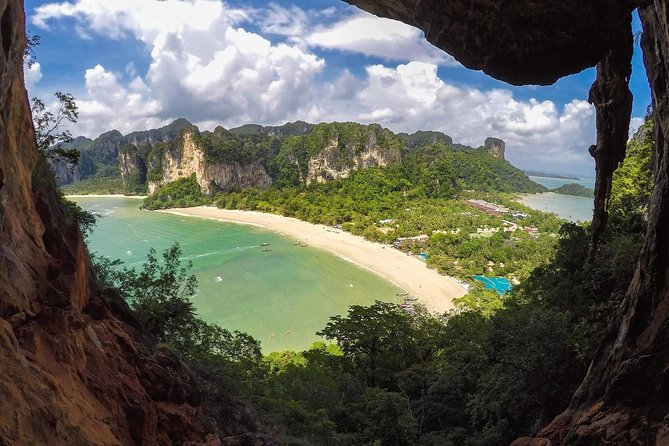
Railay is the kind of place where climbing doesn’t feel like a separate hobby. The cliffs are limestone karsts rising straight from the coast, and the approach is part of the adventure. You get the classic Railay “wow” factor before you even touch the rope: bright sea light, steep rock faces, and beaches close enough that you’re not stuck staring at walls all day.
What I really like about this setting is how it helps different skill levels share the same day. Even if you’re new to climbing, you can learn core movement and safety routines on routes that match your level. If you climb already, bolted routes and varied grades let you keep challenging yourself without the logistics getting in the way.
And the rock here is limestone, tied into the broader marine story of Krabi since it connects to the region’s reef system that stretches from China down to Papua New Guinea. That makes the whole Railay area feel like one continuous environment: rock, sea, and sky all in the same frame.
A few more Krabi tours and experiences worth a look


What you actually practice: rope climbing, bouldering, and rappelling basics
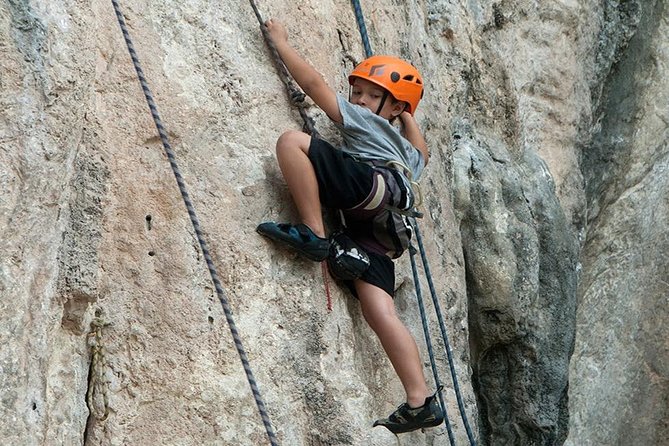
This isn’t just “go climb.” The course is built around teaching you how to climb safely and confidently. You’ll spend time with a certified instructor covering core rope skills, plus bouldering and rappelling.
Here’s how that helps your real-world climbing:
Top rope and rope fundamentals
Top rope is the easiest way to learn safety systems without the stress of taking falls on your own lead. You’ll get used to harnesses, clipping, and staying calm while you move through steeper terrain.
Bouldering technique
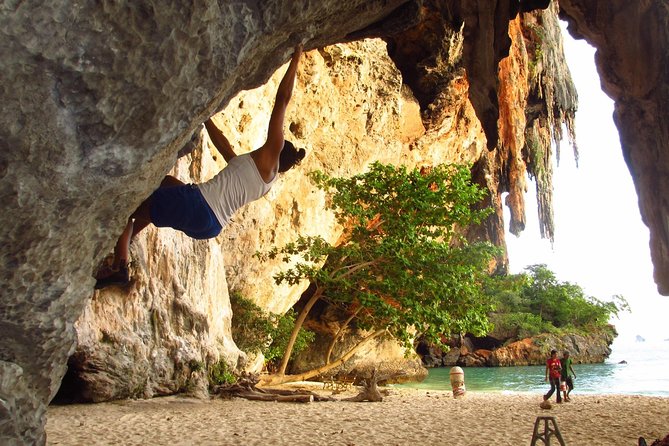
Bouldering is where you sharpen body position and problem-solving. Since you’re not dealing with rope management for every move, it’s a great way to build confidence fast.
Rappelling basics
Rappelling turns “how do I get down” into a learned skill instead of a fear. Even if you only practice the basics this day, you’ll come away understanding the key safety steps your instructor uses.
The tour also makes it clear you can choose routes from 700 graded, bolted options, which is huge for a full-day experience. It means your day is less likely to feel repetitive or mismatched to your level.
The full-day flow: from King Climbers base to Pranang and Tonsai
The schedule has a simple rhythm: start with the provider, travel to Railay, then spend time at spots around the peninsula before returning.
Stop 1: King Climbers (your setup and gear time)
You begin at King Climbers, which is where you’ll get your day started properly. Expect the team to help with climbing gear and get you briefed before you’re out on the rock. This is also the time to clarify your expectations if you’re worried about getting actual teaching versus just “climb and follow.”
Because there’s a small-group cap (up to 30), you’re more likely to get quick attention here compared with larger boat-to-cliff setups.
Stop 2: Railay Beach (main climbing time on karst walls)
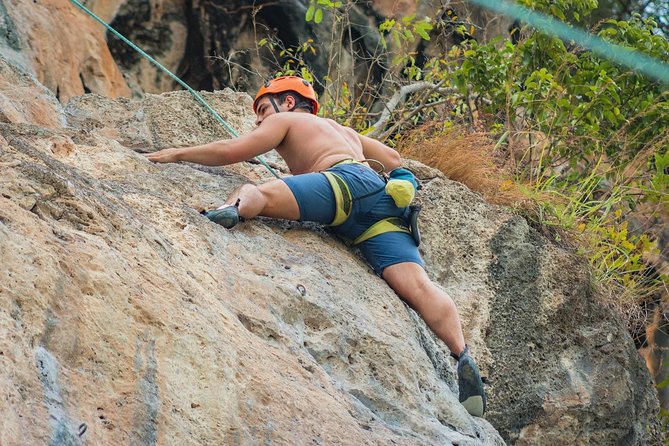
This is the heart of the day. You’ll climb around Railay Beach where the routes are bolted and graded, and you’ll spend time alternating between rope climbing and other formats depending on your level.
A practical note: Railay is known for climbing areas that sit close to the beach. So the day doesn’t feel like a gym where you walk from one wall to the next. You’re out in open air, with the Andaman Sea nearby.
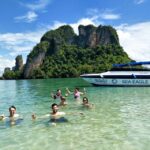


Stop 3: PhraNang Cave Beach (a scene break that keeps the day fun)
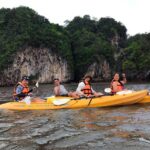
Phra Nang Cave Beach gives you a reset. Even if you’re focused on climbing technique, this stop is a reminder that Railay is also about the coast. You’ll have a good chance to breathe, hydrate, and look at the rock from the ground after being on it.
Stop 4: Phra Nang Cave (worth a look, even between routes)
Phra Nang Cave is part of why people remember Railay long after they’ve packed up their gear. It’s not a climbing lesson stop, but it supports the whole experience by giving you that “this place is special” feeling.
If you’re new to climbing, these scene stops help you stay motivated. If you’re experienced, they add variety to a day that can otherwise turn into nonstop rope time.
Stop 5: Basecamp Tonsai (ending with a climbing vibe)
Your last stop is Basecamp Tonsai, another strong anchor for the Tonsai side of Railay’s climbing culture. Since this area is linked to both beaches and routes, it tends to feel like you’re finishing your day in the middle of the action, not far away from it.
The day also includes time to recover afterward. You’ll return to your hotel at your leisure, which matters if you want to rinse off, eat something extra, or just sit with a view instead of immediately jumping back into the chaos of planning.
Price and value: what $85.22 covers (and what it doesn’t)
At $85.22 per person for an approximately 9-hour full-day outing, the value comes from what’s bundled. You’re not paying separately for getting to the cliffs, equipment, an instructor, and meals.
Included highlights that affect real cost:
- Hotel round-trip transfer in Ao Nang, Krabi Town, and Ao Nam Mao
- Longtail boat to Railay Beach
- Climbing equipment
- Drinking water and lunch
- A professional, certified climbing instructor
- Basic accident insurance
So you’re paying mostly for instruction and the logistics that would be annoying to piece together yourself—especially the boat connection to Railay.
What can change the final cost is pickup location. Pickup in Klong Muang & Tubkaek Beach isn’t included, and there’s an extra 200 THB per person fee. If you’re staying near those beaches, factor that into your budget so you don’t get surprised.
Also remember: the tour depends on weather and sea conditions, so the exact timing and program can shift.
Small group climbing: where you benefit and where you should be ready
This is capped at a maximum of 30 travelers. That’s important because climbing instruction needs room for attention. When groups are too big, people wait, and learning slows down.
With a smaller group, you’ll be more likely to:
- get hands-on help adjusting gear
- get feedback on safe rope habits
- switch activities (rope, bouldering, rappelling) without long delays
Still, there’s one reality check. Even with a certified instructor, the day may not be structured like a classroom. Some people interpret “course” as a rigid curriculum and others interpret it as guided coaching on the wall. Since you’re moving between climbing styles and locations through the day, your learning will likely feel active, not lecture-heavy.
Given the overall rating of 4.4 from 7 reviews, it’s a sign the experience usually works well. But one low rating pointed to a mismatch between expectation and what was delivered. If you want a more training-heavy day, say so early and ask your instructor how they’ll assess your skills and plan the route choices.
Should beginners trust this day? Yes, with the right mindset
The course is designed for all abilities, from complete beginners to expert climbers. That matters because it suggests route grading and instruction are built to match people where they are.
If you’re new to climbing, what you’ll likely appreciate most is the order of learning:
- start with skills that are safer to practice
- build comfort with rope systems
- then add controlled descent like rappelling
If you’re an advanced climber, you’ll probably care more about variety and route selection. The 700 graded, bolted routes gives you options for pushing difficulty, not just repeating beginner lines for the full day.
Either way, your best results will come if you treat the day as skill-building. That means listening during setup, asking questions when something feels unclear, and being honest about your comfort level before you’re on belay.
Practical tips so the day feels smooth (not stressful)
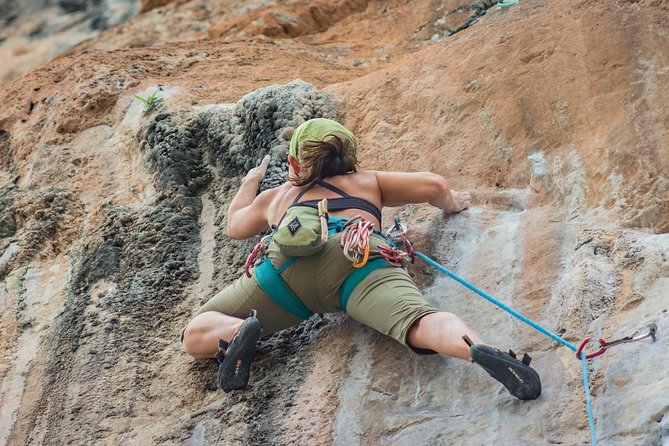
You’ll be climbing for most of the day, plus moving between stops. A few practical things can make a noticeable difference:
- Bring a light change of clothes and something dry for afterward. You’ll be near water and you’ll want to cool down after.
- Use sun protection. Railay can feel bright and hot, and you’re outside most of the time.
- Keep your phone protected. You’ll likely be in and around beach areas and rocky paths.
- Arrive on time for the 9:00 am start. Boats and transfers run on tight timing, especially when sea conditions matter.
Since equipment is included and you’ll have an instructor, you don’t need to show up with climbing gear. Focus on comfort and staying hydrated.
If you’re concerned about instruction quality, ask your guide early what your day will include (top rope time, bouldering time, and rappelling time). This is the simplest way to make sure your experience matches what you’re hoping for.
Quick reality check: why the negative review should still matter
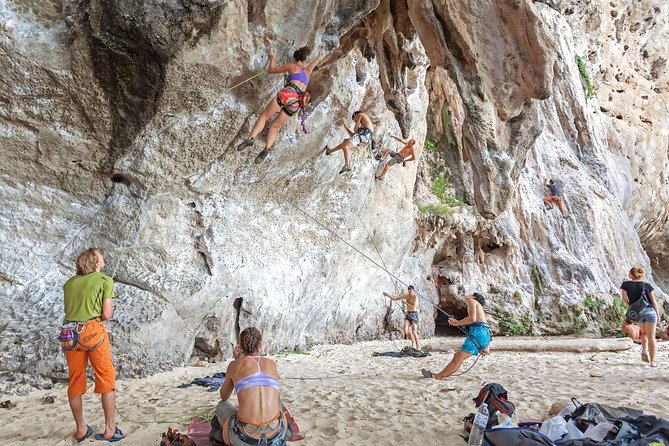
One past guest complained that it was not really a course and felt like only about two hours of climbing without teaching or leading. That’s exactly the kind of warning that helps you decide.
Here’s how I’d handle it as a traveler:
- Go in knowing the day is an active workshop, but instruction may be woven into climbing rather than delivered as a long formal lesson.
- Ask at the start how they teach. If you don’t get a clear answer about what skills you’ll cover, that’s your cue to speak up immediately.
- If weather affects the plan, you might end up doing more climbing time in fewer sessions, or the order might shift.
Most days probably run as intended—especially with the certified-instructor setup—but your expectation management will make the experience much better.
Should you book King Climbers Full-Day Rock Climbing at Railay?
I’d book this if you want a full-day introduction-to-intermediate climbing plan in one of Thailand’s most scenic climbing areas, without having to organize transportation, gear, and route selection yourself. The combination of hotel pickup (in key areas), longtail boat access, lunch, and hands-on practice across rope climbing, bouldering, and rappelling makes it solid value.
Skip or reconsider if you’re very sensitive to the difference between a “course” and a “guided climbing day.” If that’s you, ask specific questions before the day starts about how much coaching you’ll receive at your skill level.
For most people—especially those who want to learn practical climbing skills while soaking up Railay’s views—this is an easy yes.
FAQ
What is the meeting point for the Railay Beach climbing course?
The start point is Ao Nam Mao Beach (the pier/meeting point at Tambon Sai Thai, Amphoe Mueang Krabi).
What time does the tour start?
The tour starts at 9:00 am.
Is hotel pickup included?
Pickup is included for Ao Nang, Krabi Town, and Ao Nam Mao.
Do I need to pay extra if I’m staying in Klong Muang or Tubkaek?
Yes. Pickup in Klong Muang & Tubkaek Beach is not included and costs 200 THB per person.
How do you get to Railay Beach?
Transportation to Railay Beach is by longtail boat.
What climbing activities are included?
You can expect practice in rope climbing (top rope), bouldering, and rappelling with instruction.
Can complete beginners join?
Yes. The course is described as suitable for all abilities, from complete beginners to expert climbers.
What is included in the price?
The tour includes round-trip hotel transfer (for the included pickup areas), longtail boat transport, climbing equipment, drinking water, lunch, a professional certified instructor, and basic accident insurance.
What if weather or sea conditions are bad?
The program can change due to weather and sea conditions. If the tour is canceled due to poor weather, you’ll be offered a different date or a full refund.