REVIEW · CHIANG RAI
From Chiang Rai 3 Temples & Golden Triangle &Tea Plantation
Book on GetYourGuide →Operated by LocalCNXTours · Bookable on GetYourGuide
Three temple stops in one day.
This full-day Chiang Rai outing mixes modern art temples with classic northern Thailand stops, starting with Wat Rong Khun and ending at the Golden Triangle area, plus tea and Karen Hilltribe culture. I love how the White Temple turns Buddhist symbolism into something you can’t stop staring at.
I also like the small-group feel and a private English-speaking guide, which keeps the day clear and relaxed. You get a Thai buffet lunch, plus air-con minivan transport and drinking water, so you’re not spending the day guessing your way around.
One big consideration: standard entrance fees are not included, so you’ll need cash for temple and site tickets. And if you’re not into art-turned-museum weirdness, the Black House can feel like a long detour.
In This Review
- Key points at a glance
- Entering Chiang Rai’s Temple Art World at Wat Rong Khun
- The Blue Temple: When Faith Looks Like Color-Driven Sculpture
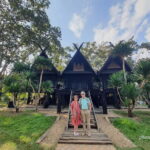
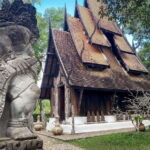
- Black House Museum: The Stop Some People Love, Some People Skip
- Golden Triangle Area: Famous Name, Guided Context
- Karen Hilltribe Village and the Opium Museum Stop
- Tea Plantation Visit: A Much-Needed Pace Reset
- Thai Buffet Lunch: Fuel for a Long, Structured Day
- Transportation and Group Size: Why Small-Group Works Here
- Price and What You’re Really Paying For
- What This Tour Is Best For (and When to Pass)
- Quick Tips to Make the Day Easier
- Should You Book the Chiang Rai Temples & Golden Triangle Tour?
- FAQ
- How long is the Chiang Rai 3 Temples & Golden Triangle & Tea Plantation tour?
- How much does the tour cost?
- What’s included in the tour price?
- What’s not included?
- Do I need cash for anything?
- What language is the guide?
- Will I be able to eat vegetarian food?
- Where does pickup happen?
- Is the tour suitable for wheelchair users or older travelers?
- Is there a cancellation option?
Key points at a glance
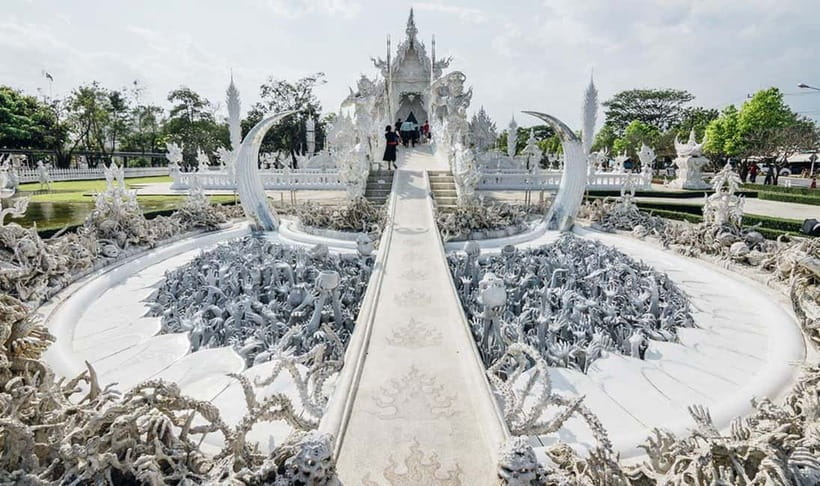
- Wat Rong Khun (White Temple): Buddhist themes rendered through striking modern art.
- Blue Temple: a color-heavy, imagination-first stop that links art to faith.
- Black House (museum): not a traditional temple visit; treat it like an art and story stop.
- Golden Triangle area: a guided look at Chiang Rai’s most famous boundary-region.
- Karen Hilltribe Village + Opium Museum: culture and difficult history, explained on the ground.
- Tea plantation visit: a break from temples, with northern Thailand’s tea world in the mix.
Entering Chiang Rai’s Temple Art World at Wat Rong Khun
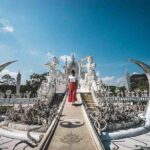
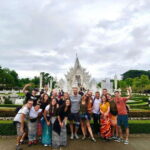
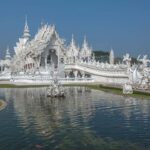
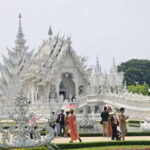
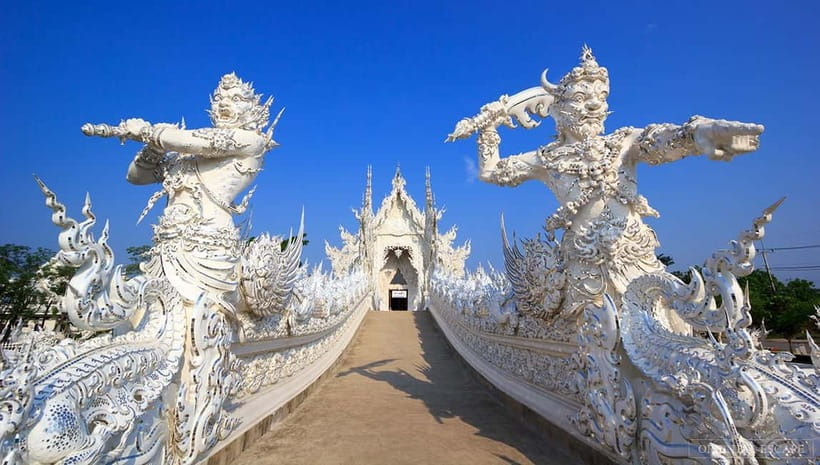
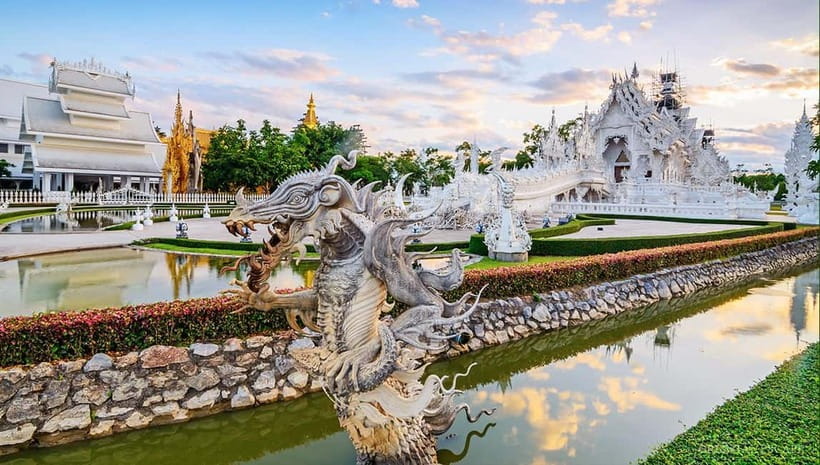
If you only know Chiang Rai as a quick stop on the way somewhere else, this tour is designed to change that. The day’s energy starts with Wat Rong Khun, the White Temple also called Wat Rong Khun in most English directions. It’s a modern art temple that uses Buddhist ideas as the starting point, then pushes them into contemporary design.
What I like here is the way it asks you to look slowly. You’ll see details that feel almost like a pop-art version of spiritual symbolism, and you’ll get context from your guide so you don’t just walk by shiny surfaces. One piece of trivia you’ll likely hear is that the artist behind it is often described as wanting Chiang Rai to have its own version of a Taj Mahal moment. Whether you treat that as legend or motivation, it explains the big dream energy of the whole place.
Practical tip: go ready to walk. Even if the site isn’t huge, you’ll want time to move, step back, and take photos without feeling rushed. Bring a hat and sunscreen because this area can be bright during the day.
You can also read our reviews of more tours and experiences in Chiang Rai.
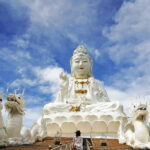
The Blue Temple: When Faith Looks Like Color-Driven Sculpture
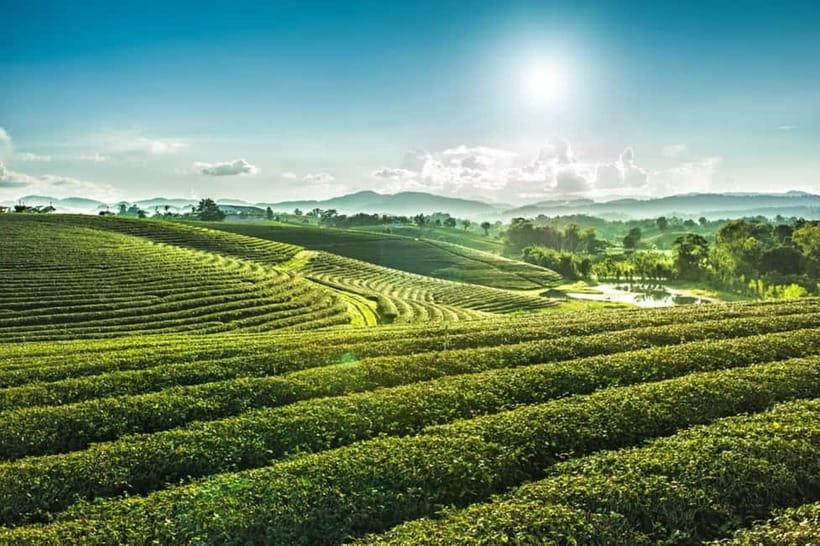
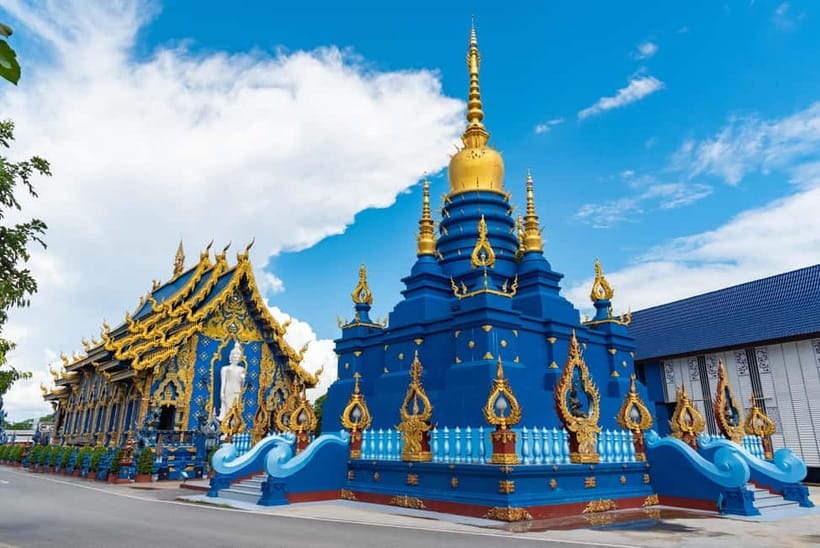
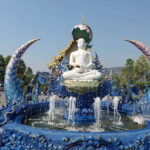
After White Temple, the tour shifts gears into the Blue Temple area. The overall vibe is still spiritual, but the visuals get louder and more playful. Expect a temple experience that uses color, pattern, and design to communicate ideas—this is Chiang Rai doing modern interpretation rather than strict traditional presentation.
Why this matters for you: it prevents the common problem of temple days turning into a blur of similar-looking buildings. Here, you’re not just checking boxes. You’re watching the region express Buddhism through different artistic approaches.
If you care about the story behind the look, this is where your English-speaking guide pays off. The guide can help you connect design choices to what you’re seeing, instead of leaving you to figure out the symbolism on your own.
Black House Museum: The Stop Some People Love, Some People Skip
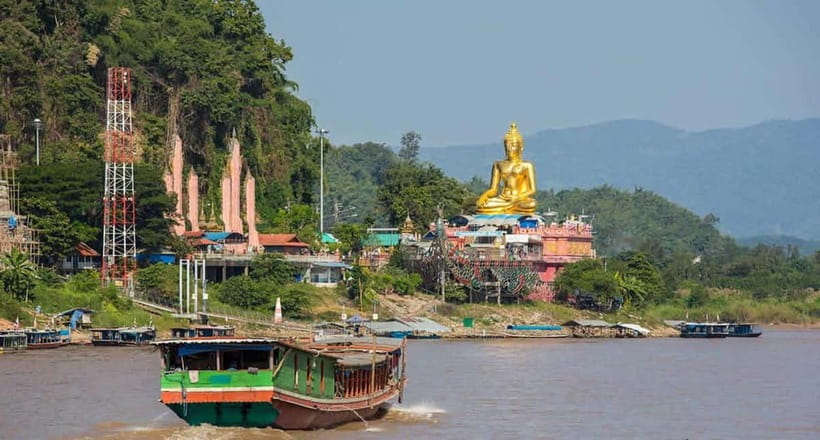
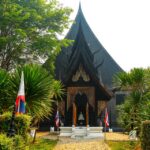
Next comes the Black House, and it helps to understand what it is before you arrive. This is not really a traditional temple stop. It’s a museum-style place, and it can feel strange in the best way—or simply too odd—depending on your taste.
You’ll likely spend a fair chunk of your time here. That makes sense if you enjoy art installations and personal storytelling, because the site leans into atmosphere and narrative more than prayer-space structure. But if you’re more interested in viewpoints and outdoor moments, the Black House can feel like it hogs time.
I’ll put it bluntly: if you’re a person who can’t stand uncomfortable weirdness in museums, this is the one stop to consider mentally opting out of. And if you’re chasing more time around the Mae Kong area, take note that you may feel there’s not enough daylight left after the Black House. That feedback comes up often enough to matter when you plan your expectations.
Golden Triangle Area: Famous Name, Guided Context
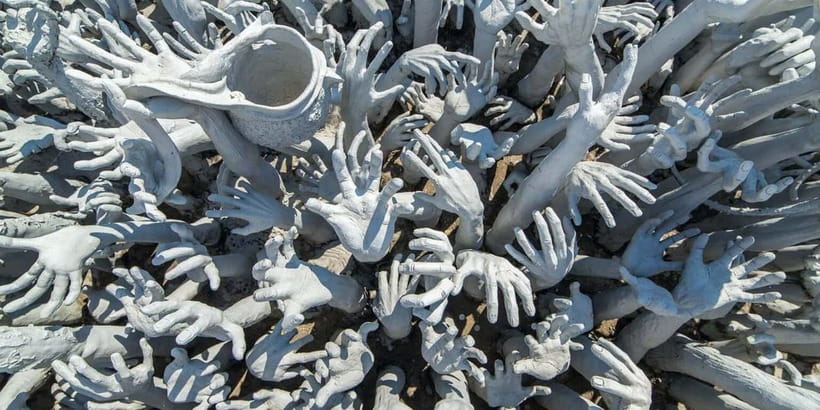
From the temple art stops, you shift into the Golden Triangle area. This is one of Chiang Rai’s headline destinations, and it’s the kind of place where the meaning of the name matters even if you don’t need a long stay.
On a day tour, the goal isn’t to drag you through everything. It’s to get you oriented, show you the key viewpoints, and explain what you’re looking at—then move on before the schedule gets exhausting. Your guide’s job here is especially useful because the region’s story can be confusing if you’re reading signs only.
What you can do to make the most of it: keep your questions simple. Ask what makes this area historically important, and ask what you can see from the viewpoint you’re at. When you get a clear answer, you’ll start noticing details you would otherwise miss.
Time note: this is one of those stops where you can feel the pressure of a full day. If you’re the type who wants slow travel and unplanned detours, you might wish the Golden Triangle had more minutes. The tradeoff is that you still get temples plus village culture plus tea before evening.
Karen Hilltribe Village and the Opium Museum Stop
One of the most substantial parts of the day is the Karen Hilltribe Village visit, followed by a stop at the Opium museum. This combination is doing two jobs: giving you a window into Karen community life, then explaining a difficult chapter tied to the region.
Here’s the value for you: it’s more than shopping, and it’s more than a quick photo stop. The village visit is set up so your guide can explain what you’re seeing, and you’ll also get guided context around the Opium museum. If you like human-scale learning, this portion can become the most memorable part of your day.
That said, not everyone loves the Opium museum. Some people feel it takes time from other priorities. If your primary goal is scenic time, you might find yourself wishing for more room to roam or a different photo viewpoint instead. If your goal is understanding, though, this stop is exactly where a day tour earns its keep.
Practical advice: keep your pace respectful. People in village areas have routines, and your presence should feel like a visit, not a takeover. Listen to what your guide says about photography and behavior while you’re there, and follow that lead.

Tea Plantation Visit: A Much-Needed Pace Reset
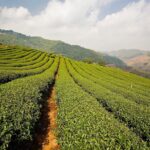
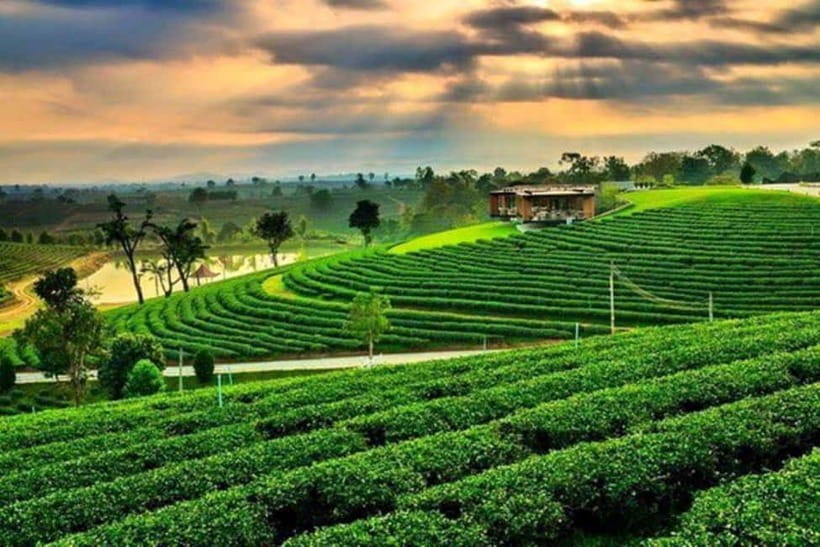
After temples and cultural sites, the day adds a tea plantation visit. This is a smart choice for a full-day itinerary. It shifts your senses away from buildings and into outdoors and crops.
Tea plantation stops give you something different: a chance to see how northern Thai agriculture connects to daily life and local products. Even if you don’t buy anything, it helps you understand that the Chiang Rai experience isn’t just architecture and history. It’s also land use and food culture.
When you plan for this stop, expect it to be sunny and warm. Wear the hat and use sunscreen you packed. Also think about hydration. You’ll have drinking water included, but tea plantation areas are often the kind of places where you’ll want to slow down and keep sipping.
Thai Buffet Lunch: Fuel for a Long, Structured Day
Lunch is a Thai buffet, included in the tour price. If you have dietary restrictions, tell the guide ahead of time. The tour notes that vegetarian food is available on request, which is a real help if you’re trying to plan without stress.
This matters because a full-day tour can turn into a hunger problem if food isn’t handled well. Here you can count on a real meal rather than grabbing something random near each stop. You’ll get a chance to reset before the second half of the day.
Tip: don’t make lunch the only time you drink water. Chiang Rai days can feel hot even when you’re not expecting it, especially after temple walking and outdoor viewing. Drink earlier, not only when you feel thirsty.
Transportation and Group Size: Why Small-Group Works Here
You’ll travel by air-conditioned minibus with a driver and a private English-speaking tour guide. The small group limit is up to 10 participants, which makes a big difference on a day like this.
With a smaller group, it’s easier to:
- hear the guide clearly at each stop
- ask follow-up questions without waiting your turn for a long time
- keep the schedule on track when a photo moment takes longer than expected
Pickup is included within 6 kilometers of Chiang Rai city center, and the tour says pickup is in the old city area around 5 km from the center. If your hotel is outside the city area, you’ll need to contact the operator for specifics.
The not-so-fun part: the tour isn’t for everyone. It’s not suitable for wheelchair users, and it’s also not suitable for people over 70. If you’re in either category, it’s better to choose a shorter or more flexible option.
Price and What You’re Really Paying For
The listed price is $43 per group up to 1, and the tour runs for 1 day. The smart way to think about value here is to separate what you get versus what you still pay separately.
Included:
- round-trip service via pickup and drop-off within the stated radius
- air-conditioned minibus transport
- private English-speaking tour guide
- Thai buffet lunch
- drinking water
- travel accident insurance
Not included:
- all standard entrance fees
- souvenirs and other personal expenses
- tipping personnel
So you’re paying mainly for the guide, the transport, and the structured day with the lunch. If you would pay entrance fees anyway, this becomes a decent deal for the amount of guided stops you get. But if standard fees end up feeling expensive to you, you’ll want to factor that into your total budget early.
One very practical note: the tour explicitly warns that it does not include the standard fee to visit the temples and places. Bring cash so you’re not stuck scrambling at ticket windows.
What This Tour Is Best For (and When to Pass)
This tour is ideal if you want a fast, focused sampler of Chiang Rai’s most distinctive sights without spending your whole day planning. It’s especially good for people who like modern art temples—Wat Rong Khun and the Black House setup are central to the experience.
You should also consider it if you want cultural variety in one day: a Karen Hilltribe Village visit, the Opium museum stop, and a tea plantation break. That mix is the real selling point.
When to pass:
- If you dislike museums that lean dark or confrontational, the Opium museum may feel like a slog.
- If you don’t enjoy art that feels quirky or overly stylized, the Black House might not be worth the time for you.
- If your mobility is limited or you’re traveling later in life, the tour’s suitability limits may make it a poor fit.
Quick Tips to Make the Day Easier
Here’s how to set yourself up for a smoother day, based on the practical notes you’re given:
- Bring a hat and sunscreen.
- Wear comfortable shoes for walking through temple and outdoor areas.
- Bring cash for standard entrance fees since they’re not included.
- If you have allergies or diet needs, tell your guide so they can handle the lunch.
- Remember the day is structured and full, so plan to be flexible with timing at each stop.
Also note what’s not allowed: pets, and alcohol and drugs. It’s a straightforward rule set, but it’s good to know if you’re traveling with anything unusual.
Should You Book the Chiang Rai Temples & Golden Triangle Tour?
I’d book this tour if you want a single-day plan that covers the big Chiang Rai hits: the modern art temple at Wat Rong Khun, the Blue Temple, the Black House museum-style stop, then the Golden Triangle area, followed by Karen Hilltribe village culture and tea.
I would hesitate if your priorities are very specific—like skipping darker historical stops or avoiding the Black House vibe entirely. Also, because standard entrance fees are not included, it’s smart to budget for them upfront and bring cash so the day stays smooth.
If you want structure, a private English-speaking guide, and a small-group pace that still hits a lot of ground, this is a solid pick.
FAQ
How long is the Chiang Rai 3 Temples & Golden Triangle & Tea Plantation tour?
It’s listed as a 1-day tour.
How much does the tour cost?
The price shown is $43 per group up to 1. Starting times vary, so check availability when booking.
What’s included in the tour price?
Pickup and drop-off within 6 kilometers of the city center, air-conditioned minibus transport, a private English-speaking tour guide, buffet Thai lunch, drinking water, and travel accident insurance.
What’s not included?
All standard entrance fees, other personal expenses like souvenirs, and tipping personnel.
Do I need cash for anything?
Yes. The tour notes that standard entrance fees are not included, so you should prepare cash for tickets at the temples and places.
What language is the guide?
The guide is listed as English.
Will I be able to eat vegetarian food?
Yes. Vegetarian food can be served on request if you inform the tour guide about dietary restrictions or allergies.
Where does pickup happen?
Pickup is included in the old city area about 5 km from the center of Chiang Rai, within 6 kilometers of the city center. If you stay outside the city, you should contact the provider for details.
Is the tour suitable for wheelchair users or older travelers?
No. It’s listed as not suitable for wheelchair users and not suitable for people over 70 years.
Is there a cancellation option?
Free cancellation is offered up to 24 hours in advance for a full refund.