REVIEW · BANGKOK
From Bangkok: Kanchanaburi, River Kwai and Erawan Waterfall Tour
Book on Viator →Operated by DiscoverEase Tours · Bookable on Viator
River mist in the morning, war memory by midday. This Bangkok-to-Kanchanaburi tour pairs Erawan Waterfalls (seven tiers and swim-ready pools) with a walk across River Kwai Bridge and time for the nearby memorial area. If you like days that balance nature breaks with real-world history context, this route does the job.
I also like that the day is built around three very different moods: cooling forest trails, a quiet reflection walk over the Death Railway, and a temple climb with big countryside views. One heads-up though: the schedule is long, and the day’s flow can feel tight—especially if the bus pick-up routing stretches your time.
In This Review
- Key takeaways before you go
- Price and value: $70 for waterfalls, bridge, and a temple
- 7:00 am start and a 12-hour day: how to plan your energy
- Erawan Waterfalls: seven tiers, multiple swim moods
- River Kwai Bridge and the Death Railway memorial area
- Wat Tham Sua (Tiger Cave Temple): stairs, caves, and countryside views
- Lunch and the time budget: where the day can feel crowded
- Group size and the guide: what max 12 usually means
- Comfort and timing reality: what to watch for on the road
- Who should book this Kanchanaburi day trip
- Should you book it?
- FAQ
- How long is the tour?
- What are the main stops on this day trip?
- Is lunch included?
- Are entrance fees included?
- What is the group size limit?
- Is this tour suitable for people with limited mobility?
- What does the price include, and what is not included?
Key takeaways before you go

- Seven-tier waterfall access: You can focus on one tier or spread your time across multiple pools.
- River Kwai Bridge + memorial area: The walk comes with context, and you get time for the museum and cemetery area if you want it.
- Wat Tham Sua’s hilltop viewpoint: Expect stairs, panoramic scenery, and a chance to see temple caves and carvings.
- Small group size (max 12): This usually means easier pacing and quicker coordination when stops run long.
- Lunch and entrance fees included: You’re not scrambling for cash just to get into key sights.
Price and value: $70 for waterfalls, bridge, and a temple
At about $70 per person, the value hinges on what you actually do with the included time. You’re getting lunch, bottled water, an onboard tour guide, and entrance fees for each of the main stops. For a day tour that includes both a National Park waterfall area and major historical sites, that’s a reasonable bundle—especially if you’d otherwise pay separate tickets and struggle to piece together transport on your own.
Where the math can go sideways is when you’re expecting a relaxed pace. This is a 12-hour day starting at 7:00 am, and some time is reserved for travel and lunch. If you’re the type who likes lingering, you may want to plan your expectations around shorter “at the place” blocks rather than a slow stroll through everything.
Also note what’s not included: personal expenses, and lifejackets. Since the itinerary mentions waterfall pools (not boat rides), you may not need lifejackets at all—but it’s good to know you might have to handle that if it’s required for any specific activity you choose.
You can also read our reviews of more tours and experiences in Bangkok.
7:00 am start and a 12-hour day: how to plan your energy
A start time of 7:00 am means you’ll feel like you’re on a schedule before you even get coffee. This tour is not built for a late breakfast. You’ll also be on the road for a good chunk of the day, because the stops are spread between Erawan National Park and Kanchanaburi’s historical and temple sights.
Here’s how I’d prep your day so it feels enjoyable instead of exhausting:
- Wear shoes that handle uneven, possibly wet paths. Waterfalls mean slick ground.
- Bring a small dry bag or zip pouch for your phone and ticket/savings items.
- Decide in advance how long you want to spend changing plans at Erawan. If you wander and stop often for photos, the day can compress quickly elsewhere.
One more practical reality: the itinerary says there’s a set amount of time for lunch and travel. That’s usually where flexibility goes to disappear first. If you’re sensitive to timing, keep your expectations realistic and stay ready for a faster rhythm at later stops.
Erawan Waterfalls: seven tiers, multiple swim moods
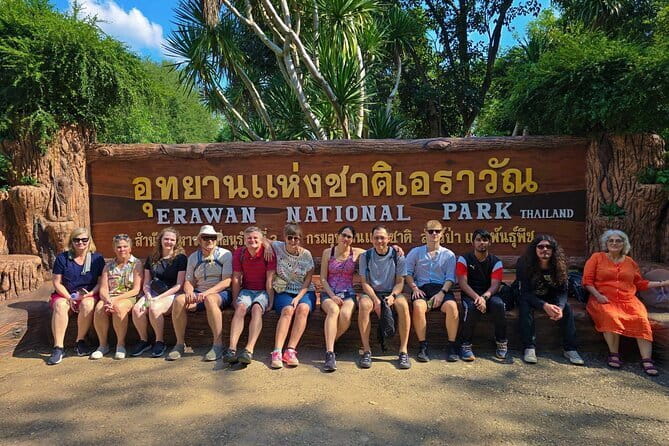
Erawan Waterfalls in Erawan National Park is the nature anchor of the day. You’ll have about 3 hours here, with entrance included. The big idea: the falls come in seven distinct tiers, and each tier can feel different—some are better for photos, some are better for relaxing, and some are more “cool off in the water” territory.
Because you’re hiking through lush forest trails, you’ll want to think less like this is one attraction and more like this is a choose-your-own-walk day. With 3 hours, you can’t truly do everything at leisure, so your best strategy is to pick a comfort level:
- If you want maximum swimming and rest, focus on one or two tiers.
- If you want the full progression for views, move steadily and accept that you’ll spend less time at each pool.
What I like about the way this stop is set up is the mix of options. You’re not forced into one exact routine. You can soak, take photos at scenic viewpoints, or simply walk until you hit the tier that matches your energy level that day.
The tour guide support also matters here. The itinerary mentions insights into local flora and fauna and background on the park. Even if you’re mostly there for the water and scenery, that kind of context helps you notice more than you would on your own.
River Kwai Bridge and the Death Railway memorial area
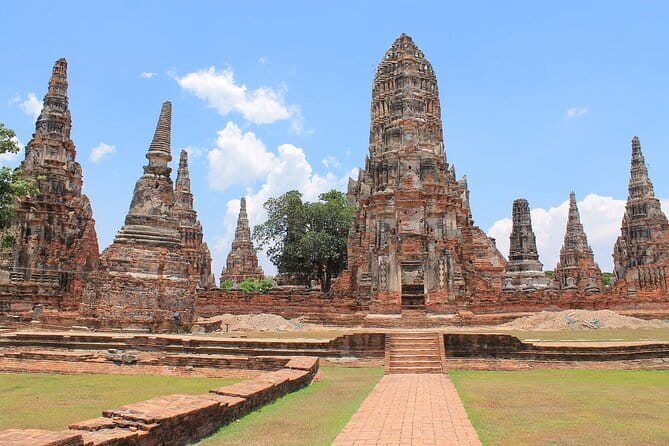
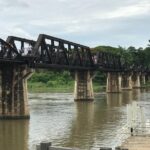
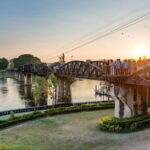
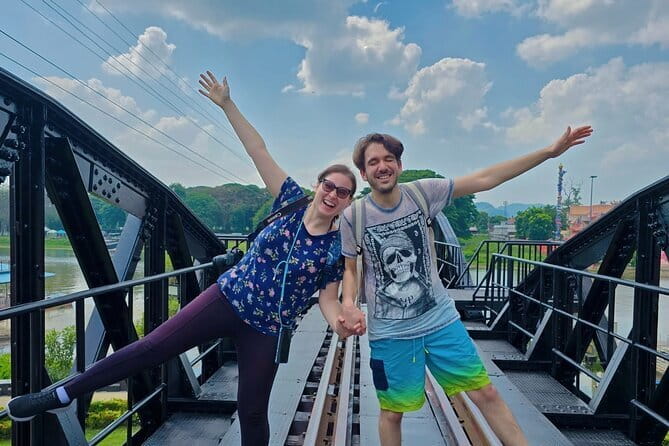
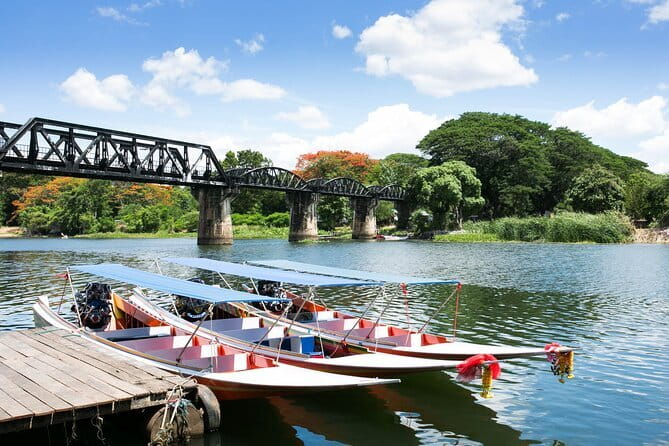
After the forests, the day turns serious. The River Kwai Bridge is tied to the WWII-era Death Railway, built under harsh conditions by Allied prisoners of war. The tone shifts fast when you’re walking across the bridge, because you’re not just looking at a landmark—you’re moving through a place loaded with memory.
Your stop here runs about 2 hours, and entrance is included. The itinerary includes time to explore the nearby war museum and cemetery area. One important practical detail: the museum and cemetery are described as something you can explore rather than a timed, scripted visit. That means your actual experience depends on how your group pace lands and how much time you spend on the bridge itself.
My advice: treat this stop like two separate choices.
1) The bridge walk and reflection: give it a few minutes even if you’re rushing for photos.
2) The museum/cemetery time: if you care about details, don’t leave it as an afterthought. If you care about photos and views, do that first—but then plan to still get inside the memorial area before the clock squeezes you.
This is also the stop where the tour’s timing issues can be most noticeable. If the day runs late or the group is slower than planned, museum time is the most likely to feel shortened. Go in knowing that the bridge walk is the guaranteed centerpiece; the museum and cemetery are the “bonus if timing allows” part.
Wat Tham Sua (Tiger Cave Temple): stairs, caves, and countryside views
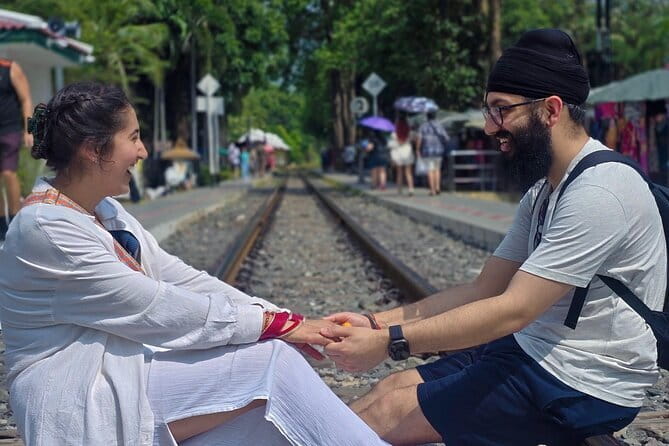
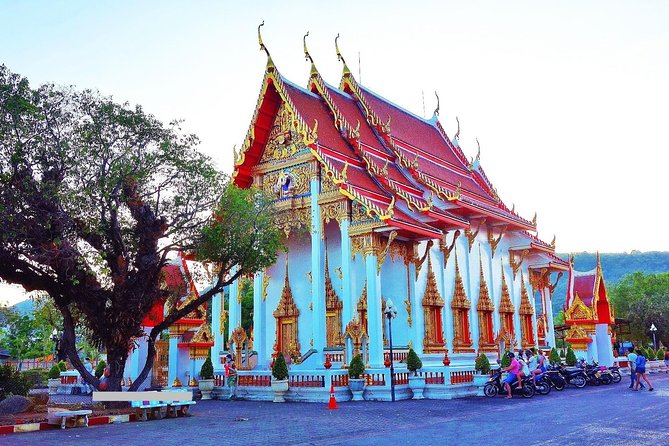
Wat Tham Sua, also called the Tiger Cave Temple, gives you a temple experience with a view—and that’s a very different kind of payoff than the waterfall.
You’ll have about 45 minutes at this stop. Expect a climb of stairs up to the hilltop temple area, with panoramic views over countryside that includes rice fields and the Mae Klong River. From a practical standpoint, 45 minutes is enough to do the main climb, take in the vista, and see key parts of the temple/caves—but it’s not enough for a long, slow circuit.
The itinerary says you can explore sacred caves with carvings and spiritual significance. This is one of those places where you’ll get more out of it if you pause to look. In a short stop, it’s easy to rush, but the carvings and cave atmosphere are exactly what people remember later.
A quick note on who this suits: if you’re not comfortable with stairs or you arrive with low energy, you might find this is the hardest physical part of the day. The tour itself is not recommended for limited mobility or low fitness, and this hill climb is a big reason why.



Lunch and the time budget: where the day can feel crowded
The tour includes lunch and bottled water, but the schedule also notes that leftover time is assigned to lunch and travel. That’s a polite way of saying lunch might be your most efficient break—and it may not be a long sit-down.
So don’t plan to use lunch as a recovery meal plus a shopping break. Treat it as fuel. If you have dietary needs, the tour states all dietary restrictions can be accommodated if you inform them when booking. That’s worth doing early, because special meals need lead time.
Also, keep in mind what a 12-hour route means for “small comforts.” Bathroom breaks, time to buy snacks, and moments to rest can be limited. Bringing a few small essentials—water if you tend to drink more than average, a light layer, and any personal meds—makes the day smoother even if lunch and water are included.
Group size and the guide: what max 12 usually means

The tour caps at 12 travelers. In practice, that helps at busy stops. Smaller groups usually mean less chaos at photo spots and quicker regrouping at trails and stair areas.
The guide is included, and the itinerary calls for guided insights at the waterfall and historical/temple contexts. That matters because each stop could otherwise feel like a separate checklist item. With a guide, you get the “why” behind what you’re seeing:
- Why Erawan’s tiers and park setting matter.
- What WWII context turns River Kwai Bridge into a memorial walk.
- How Wat Tham Sua’s temple and cave carvings fit the spiritual landscape.
One more plus: with a mobile ticket, you’re less likely to waste time at the counter on arrival. You can focus on getting moving rather than hunting confirmations.
Comfort and timing reality: what to watch for on the road
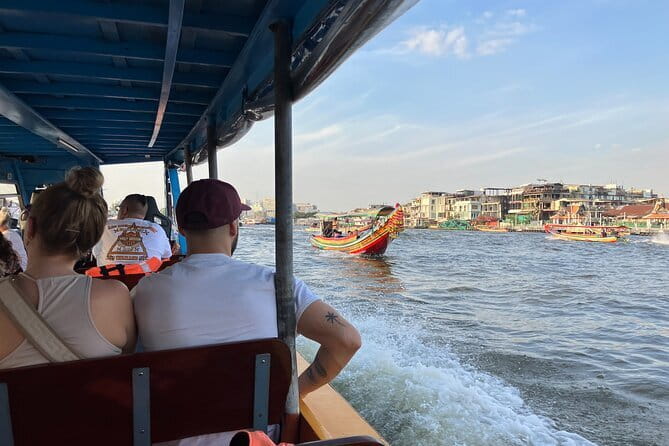
One of the less pleasant parts of day tours like this is that the bus journey can shape your mood just as much as the sights. This specific tour runs with pick-up and timing that can feel inefficient if the routing pulls time from multiple locations.
If your stop sequence starts to feel rushed, or if you notice you’re waiting between sights, the likely culprit is usually travel time compression—especially when group members are gathered from different places before departure. In a long day, even an extra stop or slow boarding can steal minutes from the waterfall tiers or museum time.
Comfort matters, too. A 12-hour tour can feel rough if seating is tight or if you don’t have a plan for breaks. I’d recommend traveling with a light layer for air-conditioning, and packing a small cushion if you know you get uncomfortable on long rides.
The upside: the stop lineup is strong, so when you do reach Erawan, Wat Tham Sua, and the bridge area, you’ve got real payoff. The key is managing the road time so you still enjoy each moment instead of feeling like you’re just running from one place to the next.
Who should book this Kanchanaburi day trip
This tour is a good fit if you want one day in Kanchanaburi that covers:
- A major waterfall experience with pools and forest trails
- A meaningful WWII-linked landmark walk at River Kwai Bridge
- A temple climb with caves and countryside views
It’s especially appealing if you’re mixing interests—say you like photos and nature but you also want a history stop that has emotional weight. The combination works because the day changes pace and atmosphere three times.
It’s less ideal if:
- You have limited mobility or low fitness. The Wat Tham Sua climb is a real factor.
- You prefer lots of free time at each site. With time allocated to travel and lunch, you may feel the clock.
- You need highly predictable timing for optional add-ons. The museum/cemetery exploration is an opportunity, not a scripted, guaranteed experience down to the minute.
Should you book it?
I’d book this tour if you want a structured, value-priced day that hits three big “wow” categories: waterfalls, war memorials, and a hilltop temple viewpoint—and you’re okay with a long, early start and some schedule pressure.
I’d skip or choose a different format if you’re the type who hates being rushed, hates stair climbs, or needs every optional component to happen exactly as planned. In that case, you might be happier with a tour that gives more time per stop or a private option.
If you do book, the smartest move is to set your priorities: decide what matters most to you at Erawan (swim vs. climb), and be ready to spend your museum/cemetery time thoughtfully so it doesn’t get squeezed out later in the day.
FAQ
How long is the tour?
The tour lasts about 12 hours, starting at 7:00 am.
What are the main stops on this day trip?
You’ll visit Erawan Waterfalls, River Kwai Bridge, and Wat Tham Sua (Tiger Cave Temple).
Is lunch included?
Yes. Lunch is included, along with bottled water.
Are entrance fees included?
Yes. Entrance fees for the stops are included.
What is the group size limit?
The maximum group size is 12 travelers.
Is this tour suitable for people with limited mobility?
It is not recommended for travelers with limited mobility or low levels of fitness.
What does the price include, and what is not included?
Included: lunch, bottled water, entrance fees, and the tour guide. Not included: personal expenses and lifejackets.