REVIEW · BANGKOK
Electric Scooter Tour of Bangkok
Book on Viator →Operated by Go Bangkok Tours · Bookable on Viator
Bangkok slips by on two wheels. This 3-hour electric scooter tour is built for small-group comfort and guided stops that take you beyond big roadways, with a choice of morning or afternoon departures. You’ll practice your scooter first, then cruise through old districts, temples, and markets while your guide keeps the story going along the way.
I especially liked how the tour balances safety practice with real city riding. Helmets are provided, and the first stop is specifically about getting comfortable before you roll through tighter streets. I also appreciated the food side: you get snacks and coffee/tea, plus bottled water, so you’re not rationing energy while you hop from market to temple.
One thing to consider is that the day starts with training time, so it’s not a grab-and-go speed tour. If you’re expecting nonstop explanation the whole time, plan to ask questions and keep your guide on what you care about most—because you’ll spend plenty of time simply looking around.
In This Review
- Key highlights worth planning for
- Why this Bangkok scooter tour feels different from the bus
- Meeting at Bang Rak and getting scooter-ready the right way
- Bang Rak to the Grand Postal Building: old-city Bangkok in bite-size stops
- Mosques, church roots, and the Talad Noi wall art area
- Thonburi-style back streets and the China Town maze moment
- Wat Chakrawatrachawat: crocodiles and why that story matters
- Pak Khlong Flower Talat at original wholesale scale
- Ferry crossing and Wat Kalayanamit’s big bell and Buddha
- Portuguese settlement vibes at Baan Kudichin Museum
- Lhong 1919: Chinese immigrant history and murals you can feel
- Tempo, logistics, and what you actually get in 3 hours
- Who should book this electric scooter tour?
- Should you book this tour?
- FAQ
- How long is the electric scooter tour in Bangkok?
- How many people are in the group?
- Where do we meet for the tour?
- What should I wear for the temple stops?
- Are there age, height, or weight limits?
- Is anything included besides the scooter ride?
- Can I cancel and get a refund?
Key highlights worth planning for
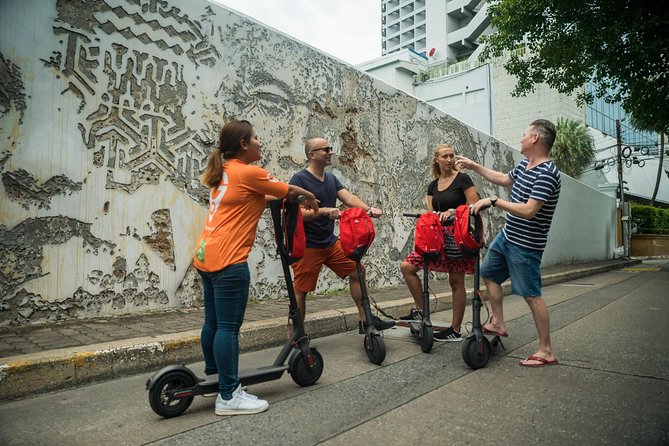
- Max 3 people keeps the pace human and the attention personal.
- Scooter practice first helps you get comfortable before busier lanes.
- Back-alley Bangkok means markets, wall art areas, and short cuts on footpaths.
- Ferry crossing included gives you a classic river moment without the full logistics of DIY.
- Multiple religious sites in one loop (mosque and several wats) shows Bangkok’s layers.
- Free entry at stops helps your budget feel predictable.
Why this Bangkok scooter tour feels different from the bus
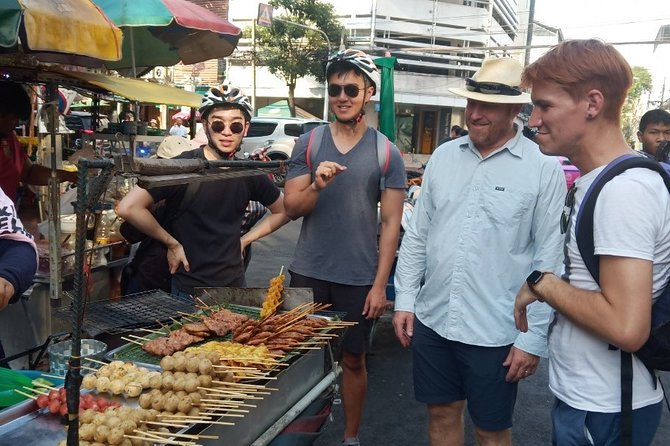
A Bangkok tour can either feel like you’re watching the city from behind glass—or it can feel like you’re part of the motion. This ride is the second kind. You travel on an electric scooter, which makes it practical to see places that buses can’t reach easily, especially when you want to cut through older neighborhoods and side streets.
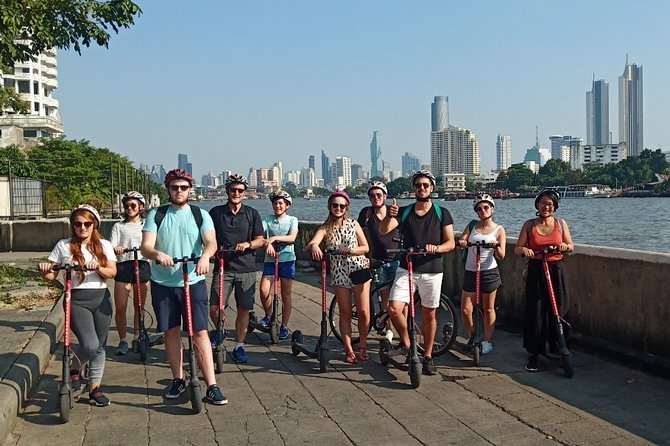
The small-group cap (up to three travelers) is more than a nice promise. It changes how the tour feels: you’re not negotiating space with a crowd, and you can actually hear what your guide is pointing out. In places like market lanes or temple entries, that matters.
Another reason I like this format is the mix of sights. You’re not only stacking temples or only browsing shops. The route blends historic districts, big-name landmarks like the old Grand Postal Building, and sensory stops where Bangkok smells and sounds like Bangkok—markets, spices, and street-food neighborhoods.
A few more Bangkok tours and experiences worth a look
Meeting at Bang Rak and getting scooter-ready the right way
You start at the Thai Cooking School, in Bang Rak (69, 2 Soi Charoen Krung 44, Khwaeng Bang Rak). The good news is the tour starts where it ends—so you don’t spend the session worrying about the “where do I go back?” part.
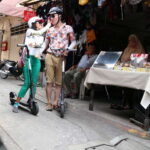
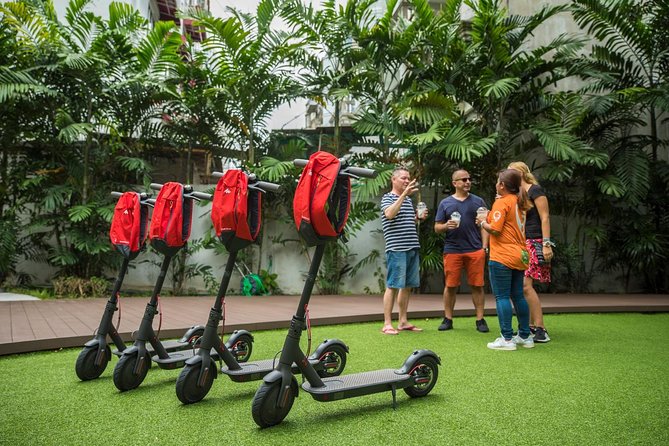
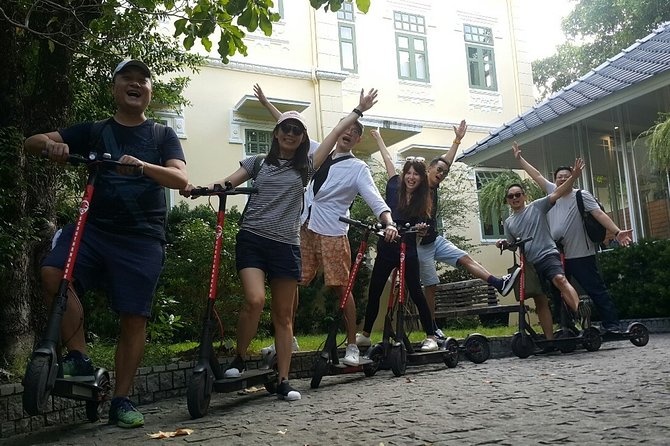
Before you move through traffic and tighter streets, there’s a dedicated practice phase. Your first stop is right in the Bang Rak market, and the goal is simple: get you rolling safely. That training time is a real part of the experience, not just a formality, so you’ll likely feel more confident once you transition from practice to sightseeing.
If you’re nervous about scooters, treat this phase as your buffer. Go slowly, ask any questions early, and don’t be shy about practicing basic controls. The tour is built for people to participate (with a few limits), and the structure reflects that: helmet on, instruction first, then city cruising.
Bang Rak to the Grand Postal Building: old-city Bangkok in bite-size stops
After you’re comfortable on the scooter, the tour moves into classic Bangkok textures. You’ll pass through Bang Rak, an area often described as one of the city’s older districts, and it sets the tone for what’s next: a loop where architecture and community life sit side by side.
One quick stop is the Grand Postal Building, which you’ll recognize as a former post office now turned into a cultural center. Even if you don’t go inside for long, it’s worth the pause because it’s a strong example of how Bangkok repurposes major buildings instead of only demolishing and rebuilding.
You’re not rushing past everything either. The timing is designed for short stops—minutes, not hours—so you can get a feel for each place without burning the whole 3 hours on one attraction.
Mosques, church roots, and the Talad Noi wall art area
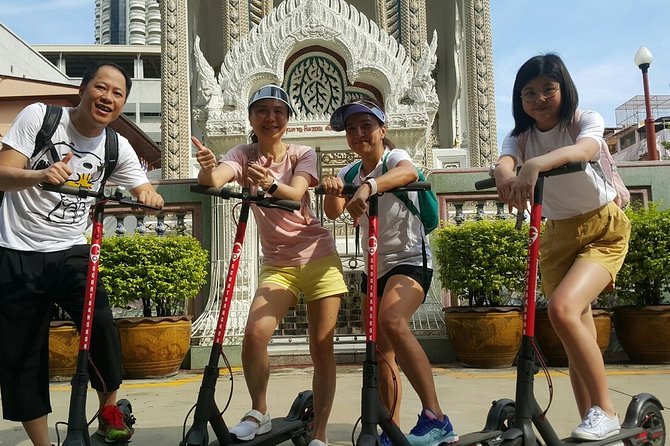
As the route shifts into the old-town side, you’ll see a Haroon Mosque stop. It’s one of Thailand’s early mosques and is located right in the heart of the old town. The stop isn’t about ticking a box; it’s about recognizing that Bangkok is religiously layered, and neighborhoods hold multiple traditions close together.
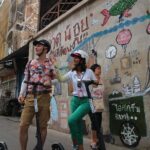
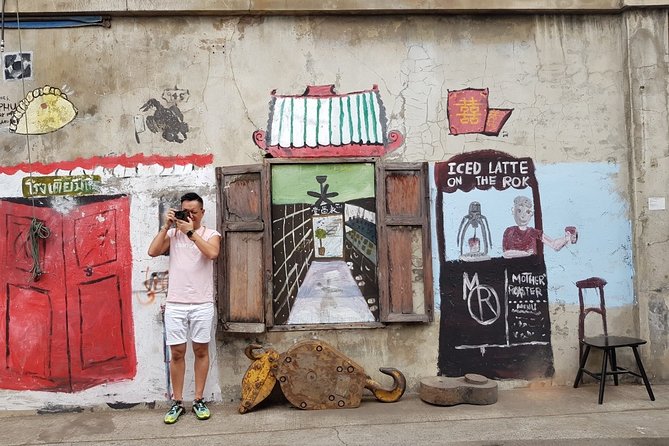
Then you move to Talad Noi Wall Art. This is where the city starts to feel more playful and street-level. The area is known for wall art, but it also connects to older institutions—early church presence and the mention of Siam Commercial Bank as one of the first banks tied to that area’s development. The practical value for you is that you get both visual streets and context in a short time.
If you like wandering with a purpose, this is a good section of the tour. Even when you’re not stopping for long, your guide’s pacing helps you notice what you’d otherwise skip: signs, building styles, and the way foot traffic shapes what’s visible.
Thonburi-style back streets and the China Town maze moment
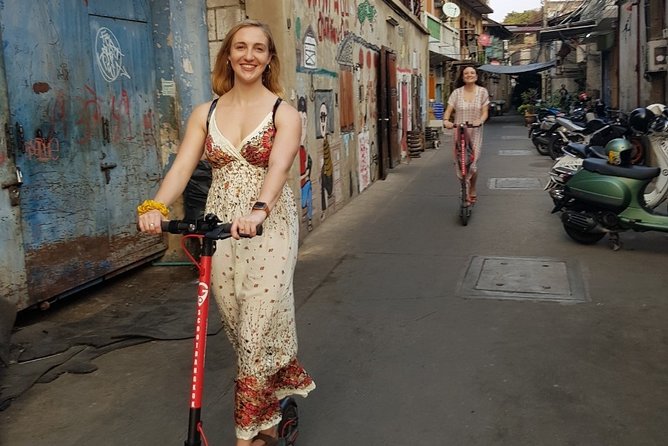
Bangkok has “main route” energy, but some of the best moments happen when you get redirected into side lanes. This tour does that, taking you through back streets and alleys and setting you up for a bigger China Town experience.
You’ll spend time near one of the world’s biggest China Town sections, described as a maze connecting several parts. The important detail: the tour won’t slow to a full stop-and-shop crawl there. Instead, you’ll get the overall feel and movement of the area without it turning into a long shopping detour.
If your goal is photos and food scouting, you’ll still get chances. But if you’re hoping to spend an hour hunting specific vendors, you’ll likely want to return later on your own after the tour finishes. The scooter gives you a taste; you choose the rest.


Wat Chakrawatrachawat: crocodiles and why that story matters
One of the more memorable stops is Wat Chakrawatrachawat Woramahawihan, a temple dating to the 1800s. Here’s the twist: it houses crocodiles, and the background story is tied to traders along the river who once captured and killed them.
That kind of origin detail changes how you experience a temple. Instead of only seeing architecture, you get a sense of local survival logic and river-era trade pressures. It’s exactly the sort of context that makes short stops feel worth it.
You’ll only spend around ten minutes here, so plan to focus. Look at the main points your guide highlights, then take a quick moment to absorb the overall atmosphere before you move on.
Pak Khlong Flower Talat at original wholesale scale
Next comes the Pak Khlong Flower Talat Original, described as Thailand’s biggest wholesale market for flowers, spices, and vegetables. One practical note that matters: the market is open 24 hours, but flower-selling streets tend to come alive in the evenings. So depending on your tour time, the vibe may feel different than what you’d imagine from photos.
Still, even with a shorter walk-around, you’ll understand the scale fast. Flowers, spices, and produce pull the senses in different directions, and it’s the kind of place where you see Bangkok’s supply chain at street level.
If you want souvenirs, this is one of the best times for it. Even if you don’t buy, it’s a solid place to do your “what should I eat later?” mental checklist.
Ferry crossing and Wat Kalayanamit’s big bell and Buddha
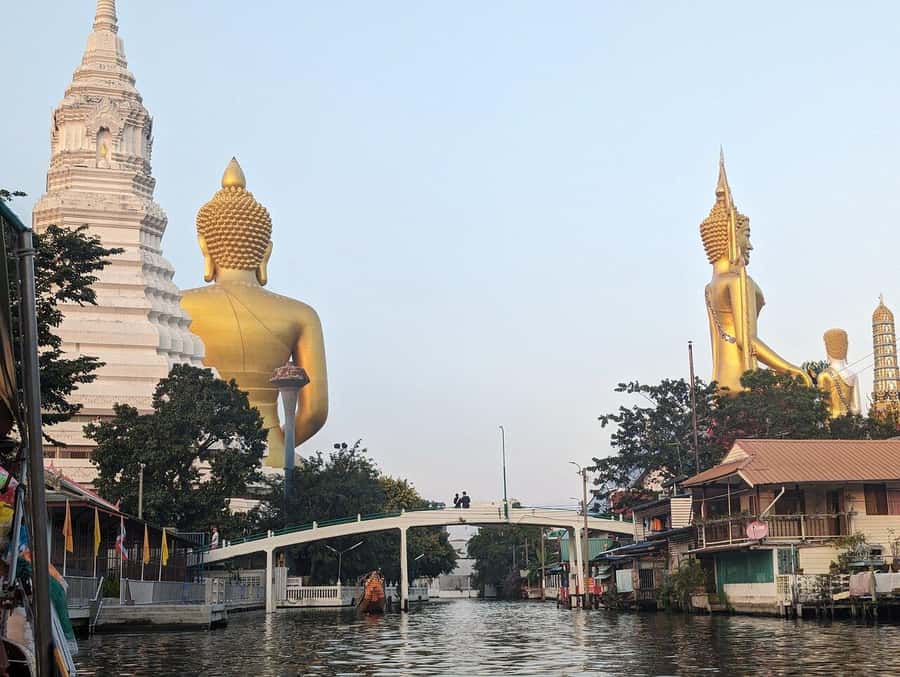
From the flower market, the route crosses the river by ferry and lands at Wat Kalayanamit Woramahawihan. This stop is for big visual moments: a very large sitting Buddha and a famously large bell.
The ferry section is valuable because it breaks the scooter rhythm. You’ll get a classic Bangkok river pause without needing to plan it like a separate activity. And landing at the temple side gives the day a nice arc: market textures, river motion, then a calmer religious setting.
If temple attire is required (it is), this is also where you’ll appreciate it. You’ll already be in the right clothing to enter comfortably and avoid last-minute stress. Just remember to be practical: covered shoulders and legs matter here.
Portuguese settlement vibes at Baan Kudichin Museum
After you’ve crossed and seen the big temple moment, the tour shifts into the historical back-and-forth of Bangkok cultures. One of the standout areas is Baan Kudichin Museum, tied to a Portuguese settlement that still keeps a distinctive identity.
This stop includes time at the museum, plus the area has coffee shops and a bakery. The tour description notes that the cookies baked there have a lineage stretching back over 200 years to when they were introduced. Even if you just grab a taste, it’s a fun contrast to the Thai market-and-wat rhythm you’ve already experienced.
In my view, this kind of stop is what makes a short half-day feel more like a story instead of a checklist.
Lhong 1919: Chinese immigrant history and murals you can feel
Later, you may stop at Lhong 1919, a complex tied to Chinese immigrants and now filled with restaurants and shops. What makes it especially interesting is the mention of murals—described as almost forgotten—so the visual focus is different from the earlier market sections.
If you like street art or wall history, this is the part of the tour where you’ll likely slow down without realizing it. It’s also a good place to reset your energy before the ride wraps back around toward your starting point.
Tempo, logistics, and what you actually get in 3 hours
This tour is about three hours. That’s short enough to feel manageable, but long enough to cover a meaningful slice of Bangkok’s older neighborhoods. You also get a choice between a morning or afternoon tour, which matters for market atmosphere and light for photos.
Group size (maximum of three) helps a lot with the tempo. It reduces delays, keeps safety easier, and makes it more realistic to stop for brief moments at multiple places.
Price-wise, at $36.58 per person, it lands in the “small-group experience” category rather than a cheap sampler ride. The value comes from what’s included: professional and local guiding, helmet use, snacks, bottled water, coffee or tea, and insurance. Also, the stops listed all show admission tickets as free, which helps avoid surprise add-on costs.
Who should book this electric scooter tour?
This is ideal for you if:
- You want Bangkok street-level sightseeing without trying to manage scooter rentals alone.
- You like a guided route that mixes markets, temples, and community landmarks.
- You prefer a small group and don’t want to fight for space behind a bigger tour crowd.
- You’re comfortable with a few minutes of walking at each stop and short photo breaks.
It may not be your best fit if:
- You hate the idea of any practice time. Your day begins with scooter training, so you won’t be racing instantly.
- You want a long, slow museum-and-cafe crawl. This is designed for movement and multiple brief stops.
The experience also has clear participation rules. The minimum age is 12 years or 140 cm, your weight can’t be over 120 KG, and you should plan to dress for temples. Service animals are allowed.
Should you book this tour?
If you’re choosing one half-day activity that helps you understand Bangkok’s layers—old markets, religious sites, side streets, and a river crossing—this scooter tour is a strong pick. The biggest payoff is the combination of route style (scooter-friendly and back-street heavy) and the way the stops connect into a single flow.
My advice: book it if you like city texture more than museum time, and if you want a guide’s help noticing what you might otherwise zoom past. And when you start, speak up early. Ask what you care about—temples, food spots, street art, or river life—so your guide can tailor the commentary to your interests.
FAQ
How long is the electric scooter tour in Bangkok?
The tour runs for about 3 hours.
How many people are in the group?
The group size is capped at a maximum of 3 travelers.
Where do we meet for the tour?
You meet at Thai Cooking School, 69, 2 Soi Charoen Krung 44, Khwaeng Bang Rak, Khet Bang Rak, Krung Thep Maha Nakhon 10500, Thailand. The tour ends back at the same meeting point.
What should I wear for the temple stops?
The dress code is temple attire.
Are there age, height, or weight limits?
Yes. The minimum age is 12 years or 140 cm height, and your weight can’t be over 120 kg.
Is anything included besides the scooter ride?
Yes. The tour includes bottled water, snacks, coffee and/or tea, helmet use, a professional guide and local guide, and insurance.
Can I cancel and get a refund?
Free cancellation is available. You can cancel up to 24 hours in advance for a full refund. If you cancel less than 24 hours before the experience starts, you won’t be refunded.