REVIEW · BANGKOK
Electric Bike Tour
Book on GetYourGuide →Operated by Go Scoot Bangkok · Bookable on GetYourGuide
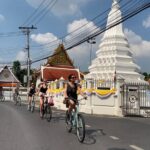
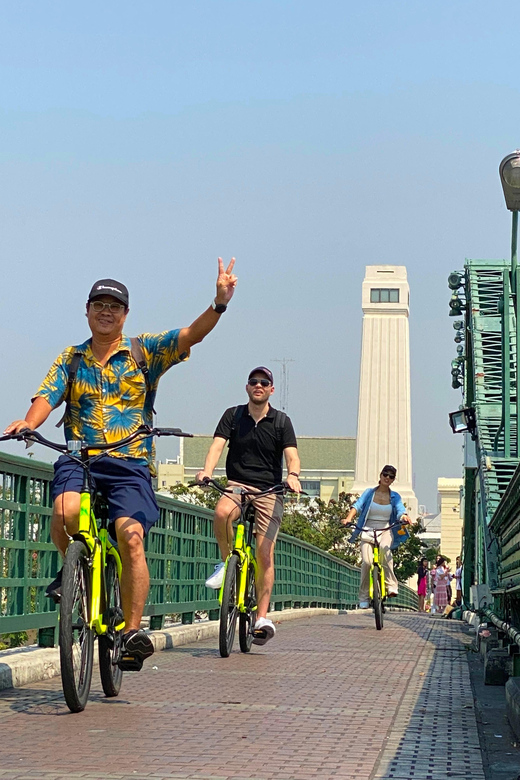
Bangkok by e-bike feels like a shortcut. You’ll glide through 2-century-old alleys away from traffic, then hop riverside streets and temple paths with a super easy e-bike your guide controls from the start. Expect a relaxed, small-group ride that mixes Muslim community life, Chinatown backstreets, and Thai temple moments in one compact loop.
One heads-up: photo delivery can be hit-or-miss. I’d ask the team how they handle the promised tour photos before you count on getting them by email.
In This Review
- Key highlights that make this ride work
- Why an e-bike tour is the smartest way to see Bangkok neighborhoods
- Meeting in the fresh market and getting your bearings (in 10 minutes)
- Bang Rak: Muslim community streets and the Old Customs House start
- Talat Noi and Chinatown: maze streets, cultural mixing, and smart guidance
- Pak Khlong Talat: the flower-and-market photo stop that sets the mood
- Santa Cruz Church break: a reset point with Portuguese influence
- Ferry to Wat Kanyalanamitr: river air, temple beauty, and a calmer rhythm
- Thonburi: Portuguese desserts and scenic river-side views
- Wat Prayoon and turtle feeding: a temple moment you’ll remember
- E-bike reality check: easy to ride, but you still need the right mindset
- Price and value: why $46 can make sense in Bangkok
- Practical rules you should follow before you show up
- Who this Bangkok electric bike tour is best for
- Should you book this electric bike tour of Bang Rak, Chinatown and Thonburi?
- FAQ
- How long is the electric bike tour?
- How much does it cost per person?
- What is included in the tour price?
- How big are the groups?
- Where is the meeting point?
- Is there a safety briefing?
- What language is the guide?
- What should I wear or avoid?
- Is there a height or weight requirement?
- Is free cancellation available?
Key highlights that make this ride work
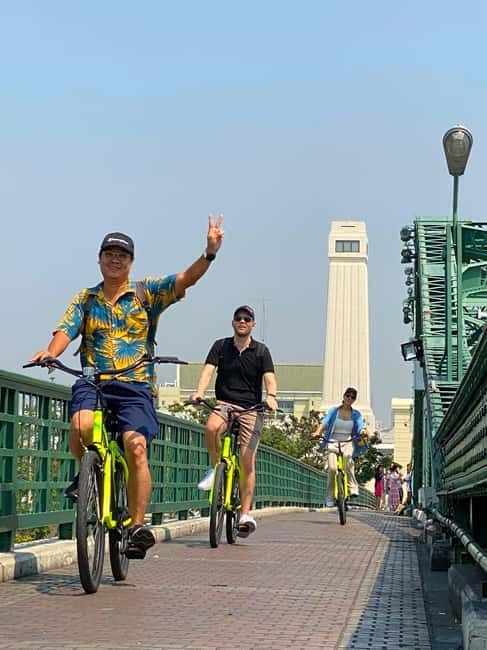
- Old streets without the main-road grind, so you actually feel the neighborhood
- Local culture stops in Muslim Bang Rak and Chinatown side streets, with time to ask questions
- A ferry crossing for river air plus a temple visit that feels away from the crowds
- Wat Prayoon’s turtle-feeding moment, which turns temple time into something interactive
- English-speaking guides and a calm pace, even if you’ve never used an e-bike before
Why an e-bike tour is the smartest way to see Bangkok neighborhoods
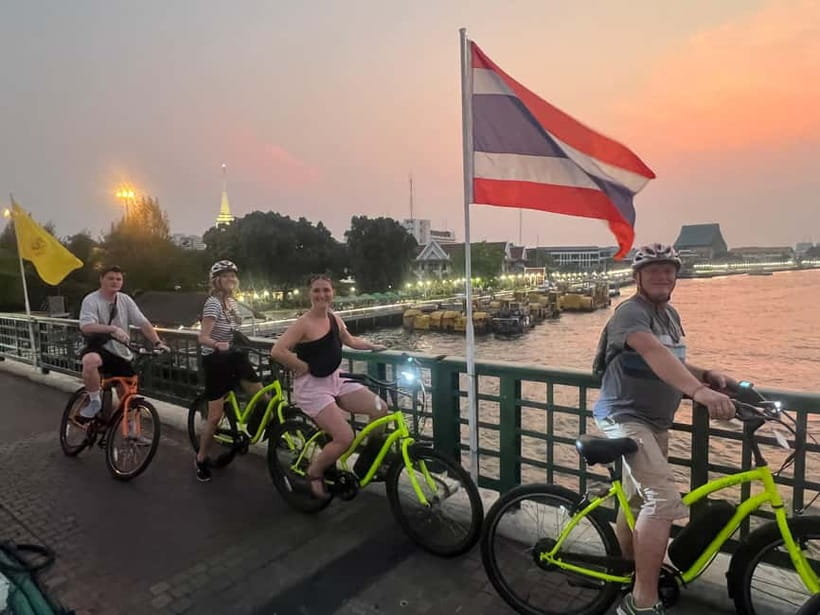
Bangkok is great on foot—until you’re stuck in traffic, heat, and “tourist route only” patterns. An electric bike solves that problem fast. You still cover real ground, but you move through lanes that feel like normal daily life, not just a highlight reel.
I also like that this tour is built around variety. You’ll shift from community streets to market smells to temple quiet, with enough breaks that you’re not cooked by hour two. And with a maximum group size of 6, you’re not shouting over noise the whole time.
Most importantly, the ride is designed to be manageable. The guide handles safety early and keeps the route easy enough for a wide range of people—so long as you meet the height requirement.
You can also read our reviews of more cycling tours in Bangkok
Meeting in the fresh market and getting your bearings (in 10 minutes)
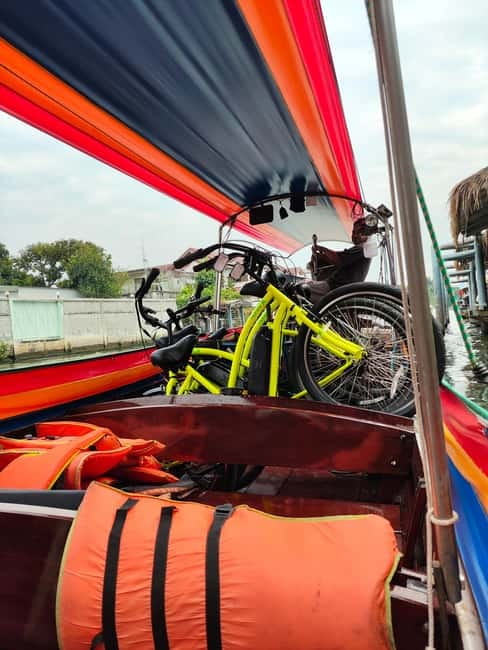
The tour starts at Electric Bike Tours Bangkok, in the middle of a fresh market area. Plan to arrive with a little time to settle in. You’ll grab cold water right away, then get a short safety briefing before you roll.
That first briefing matters more than people think. In narrow streets, confidence is everything. A good guide doesn’t just say be careful—they help you understand how the bike responds and how the group moves together. One recurring theme with this tour is that the guides stay patient while you get used to the feel of the electric assist.
You’ll also want shoes that work well on uneven pavement and crowded sidewalks. The rules are clear: no high-heeled shoes, and you’ll want comfortable closed footwear for the parts where you stop and walk.
Bang Rak: Muslim community streets and the Old Customs House start
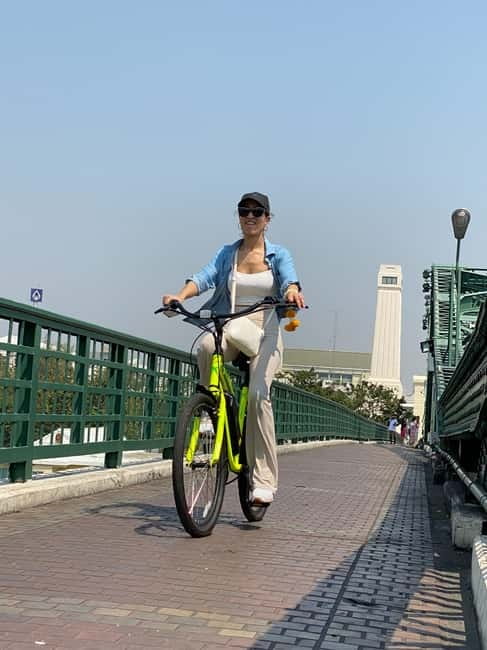
Early on, the route heads into Bang Rak, where you’ll experience Bangkok through a Muslim community lens. This isn’t just a photo stop. You’ll get guided context as you move through streets that feel older and more local than the big-name corridors.
A key part of the start is the Old Customs House area on the river. The idea here is simple: start where ancient travelers would’ve made their first entry into Bangkok. That makes the rest of the day click. When you later cross waterways, pass market zones, and move into river temples, you understand why the river has always been the spine of the city.
This segment is also a nice warm-up for the e-bike. It’s structured and calmer than the tightest Chinatown turns, so you can learn the rhythm of stopping, starting, and grouping up.
Talat Noi and Chinatown: maze streets, cultural mixing, and smart guidance
From Bang Rak you’ll weave toward Talat Noi, then into Chinatown. This is where Bangkok’s “street logic” becomes obvious. You’ll ride through tight lanes—woven streets, alleys, and small corners where you’d never naturally wander if you were only following big signs.
What makes this part valuable is that the guide isn’t just pointing at storefronts. You’ll get explanations for how different cultures overlap in this part of the city, and you’ll learn what to notice as you pass: where the neighborhood energy changes, what certain areas were historically used for, and why the markets matter.
This is also where the small group size pays off. With up to 6 people, you can actually hear the guide while also taking photos and asking questions. And because you’re on an e-bike, you can keep moving without turning the day into a sweaty stop-and-go walking tour.
Pak Khlong Talat: the flower-and-market photo stop that sets the mood
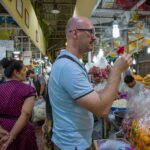
One scheduled pause is at Pak Khlong Talat, with time for photos and guided context. This is the kind of market area that can overwhelm you if you come in cold—so the built-in stop is smart. You get a moment to orient yourself, then you continue with a better sense of what you’re seeing.
Markets here aren’t just visuals. They’re smells, textures, and the constant motion of people doing normal daily buying and selling. If you like street photography, this is a strong point in the route because you’re close enough to capture details but still moving as a group.
It also works as a transition. After this stop, the day shifts toward cooler river air and temple time, so you don’t stay in the densest market heat for the whole tour.


Santa Cruz Church break: a reset point with Portuguese influence
Another highlight is the Santa Cruz Church stop, built in as a break time with photo opportunities and guidance. Places like this offer a change of pace from the market noise. You’re not just riding—you’re stepping into a different layer of Bangkok’s story.
What I like about this kind of stop is that it gives your brain a breather. You get off the bike, stand somewhere calmer, and let your eyes adjust. Then you’re back on the road for Thonburi and the river temple segment.
And since this day includes Portuguese community desserts later, this church stop helps the pieces connect. It’s the same cultural thread showing up in different forms.
Ferry to Wat Kanyalanamitr: river air, temple beauty, and a calmer rhythm
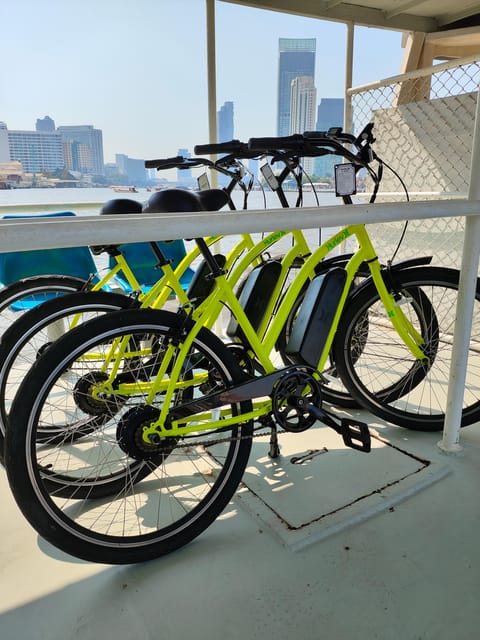
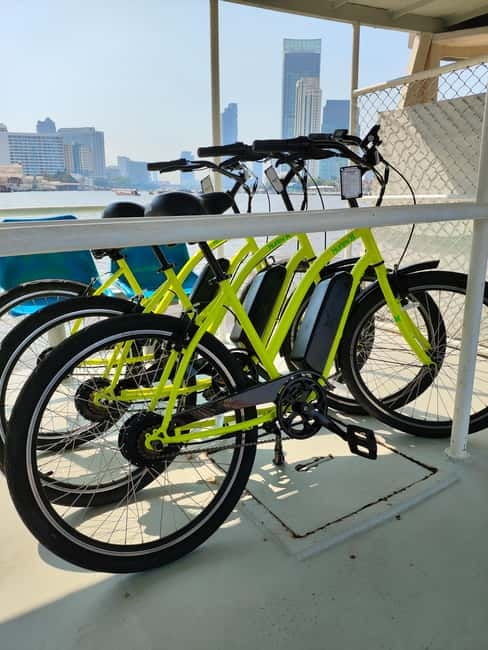
After the market area segment, the tour heads toward the river. You’ll cross the mighty river by ferry, and then dock at Wat Kanyalanamitr, one of the beautiful temples in Bangkok.
That ferry ride is more than transport. It gives you a breather from tight lanes and adds a change in sound and weather. You’ll notice the shift right away: river air feels cooler, and the city’s rhythm changes from street traffic to water movement.
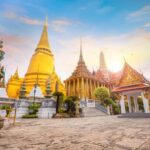
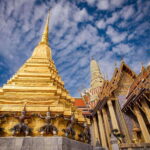
Wat Kanyalanamitr is part of the payoff for doing this tour by bike instead of only walking. You arrive with the momentum of the day, but you also slow down at the temple, where guided explanation helps you understand what you’re looking at.
Thonburi: Portuguese desserts and scenic river-side views
Once you’re on the Thonburi side, you’ll slow further into history and local flavor. One standout stop is the Portuguese community area, where you can try desserts still made the same way they did over 200 years ago.
This is the kind of detail that turns a “see Bangkok” tour into a “understand Bangkok” day. The city’s food history isn’t abstract here—you can taste a lingering influence and connect it to what you saw earlier near Santa Cruz.
You’ll also get scenic views while passing along the way. Even if you’re not a scenery person, those river-side moments help you feel how Bangkok is built around waterways and neighborhoods layered by trade, religion, and migration.
Wat Prayoon and turtle feeding: a temple moment you’ll remember
Near the end of the route, you’ll visit Wat Prayoon and feed turtles. This is one of the most memorable parts of the day because it changes temple time from purely watching to doing something.
I find turtle-feeding stops are best when you keep your behavior respectful and your expectations grounded. It’s not a theme park show. It’s a simple local activity tied to the temple atmosphere. You’ll feel the difference immediately: calmer energy, more focus, and a moment where your guide’s instructions really matter.
If you love animals, this is a strong reason to book. If you’re less into animals, it’s still worth it because it gives the temple visit a human, everyday connection.
E-bike reality check: easy to ride, but you still need the right mindset
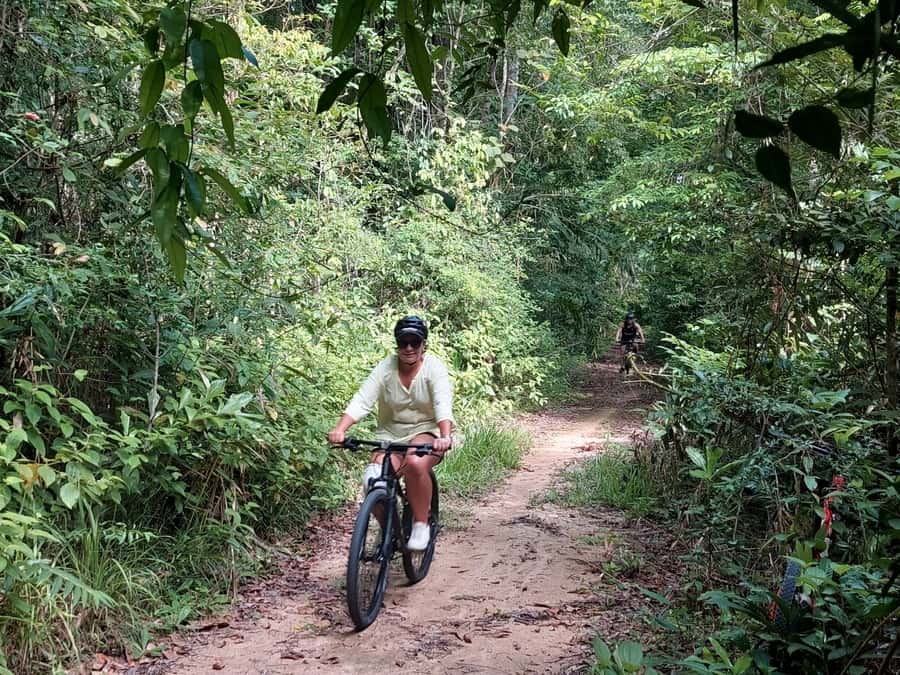
The e-bike on this tour is described as super easy to use, and that matches what you want from Bangkok cycling. You’re not fighting gears constantly. The electric assist makes the route feel approachable, especially on flat stretches and stop-and-go segments.
But ease doesn’t mean zero learning. One booking noted the bikes took a bit of getting used to, and the guide was patient on every twist and turn. That’s exactly what you should expect from a well-run bike day: the guide won’t rush you, and they’ll keep the group together so you don’t feel lost.
Two practical tips that will help you enjoy it:
- Bring a small layer in case river air feels cool when the ferry arrives.
- Don’t wait until you’re hungry. The tour includes snack and drinks, but you’ll still feel better with a steady energy level across street stops.
Price and value: why $46 can make sense in Bangkok
At $46 per person for a 4-hour electric bike tour, you’re paying for far more than a bike. Your price includes the e-bike, a fantastic guide, drinking water, a snack, soft drinks, insurance, and ferry tickets.
That combination is what makes it good value. Buying those pieces separately can add up quickly—especially ferry access and a guide who can navigate the “why” behind each stop. If you want the freedom to move through neighborhoods without worrying about directions, that guide component is the real cost-saver.
Also, small group size matters. With a maximum of 6 participants, you’re not paying for a tour where you see things at distance while everyone else gets the guide’s attention.
Practical rules you should follow before you show up
This tour has clear clothing and behavior rules, and they’re easy to follow if you plan ahead:
- No high-heeled shoes
- No sleeveless shirts
- No alcohol and drugs
There are also size limits:
- Min height is 160 cm
- Max weight is 140 kg
- No baby carriers are available
If you’re visiting temples, dress matters. The sleeveless-shirt rule also keeps you from getting stopped at entrances, and it helps you blend in better once you’re off the bike and walking.
Finally, the tour is English-guided, so you’ll get explanations without needing to guess your way through signage.
Who this Bangkok electric bike tour is best for
This is a strong match if you want:
- A real-neighborhood Bangkok experience off the main roads
- A structured day that still feels flexible
- Temple visits that come with activities (like turtle feeding)
It’s also a good fit for people who might find Bangkok walking tours too long. The route is planned to be easy, and the e-bike does most of the physical work.
If you hate bikes, rough lanes, or crowded market energy, you might prefer a non-cycling tour. But for most visitors, this is a smart middle ground: you get movement, guidance, and local texture.
Should you book this electric bike tour of Bang Rak, Chinatown and Thonburi?
If you want a 4-hour hit of Bangkok culture that isn’t limited to one famous street, I’d book it. The route mixes Muslim community streets, Chinatown side lanes, a market mood shift, a ferry crossing, and temple moments that actually involve you.
Before you commit, do two small things:
- Ask how the photo process works so you’re not surprised later.
- Come dressed for temples and comfortable for short walks, since the stops include multiple on-foot moments.
Given the included e-bike, ferry tickets, guide time, and drinks/snack, this is priced like a value tour—and it’s built around the kind of places you’d miss if you only used a map and your own instincts.
FAQ
How long is the electric bike tour?
The tour lasts 4 hours.
How much does it cost per person?
The price is $46 per person.
What is included in the tour price?
You get an e-bike, a live English guide, drinking water, a snack, soft drinks, insurance, and ferry tickets.
How big are the groups?
The group is limited to 6 participants.
Where is the meeting point?
You meet at Electric Bike Tours Bangkok, and you’ll see the office in the middle of the fresh market area.
Is there a safety briefing?
Yes. You’ll get a safety briefing at the start (10 minutes).
What language is the guide?
The tour is guided in English.
What should I wear or avoid?
High-heeled shoes and sleeveless shirts are not allowed, and alcohol and drugs are not allowed.
Is there a height or weight requirement?
Yes. The minimum height is 160 cm, and the maximum weight is 140 kg.
Is free cancellation available?
Yes. You can cancel up to 24 hours in advance for a full refund. Reserve now and pay later is also available.