REVIEW · KO LANTA
Dinner Cooking Class with Thai Master Chef at Sukho Cuisine Koh Lanta
Book on Viator →Operated by Oh-Hoo · Bookable on Viator
One of the best ways to spend an evening in Ko Lanta. This hands-on Thai cooking class with a master chef turns an ordinary dinner plan into a skill you can use at home. I like two things a lot: you make curry paste from scratch with a mortar and pestle, and you sit down to eat what you cook right after. The one catch to think about: it’s an evening class with kitchen gear involved, so the minimum age is 9+ and the pace runs late.
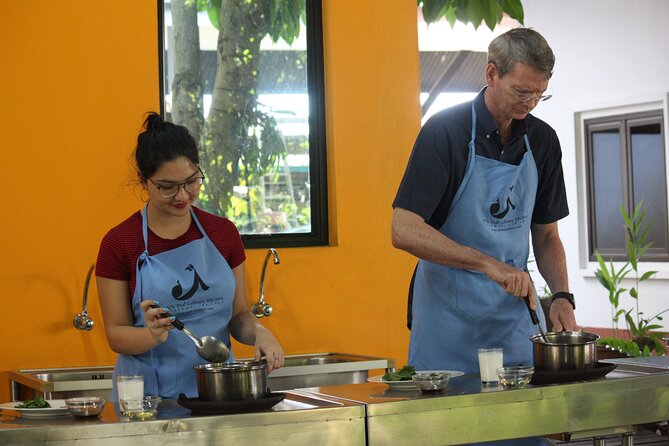
You’re not just watching someone cook. You’re working through a guided flow of Thai ingredients and techniques—herbs, vegetables, spices, rice, and condiments—then putting it into practice across a set of favorite dishes (five total). The class is kept small (up to about 10 people), which matters here because Thai cooking is detail-heavy and you’ll want help when flavoring gets tricky.
If you’re picky about heat or ingredients, that’s covered. The format allows vegetarian and vegan options, and you can usually choose how spicy you want things. Still, if you’re hoping for a super-short activity or a totally hands-off experience, this may feel like the wrong fit because you’ll be cooking on a real schedule.
In This Review
- Quick highlights
- Sukho Cuisine in Ko Lanta: a cooking school that stays hands-on
- Pickup and the evening timeline: why the schedule works
- Ingredient basics at 4:00 pm: spices, herbs, rice, and condiments
- Making curry paste with a mortar and pestle
- Cooking the main dishes: soup, meat curry style, and dessert
- Dinner with your creations: the part that makes it feel complete
- Value check: is $79.44 worth it in Ko Lanta?
- Who should book this class (and who may not love it)
- Tips to get the most out of your 5-hour Thai cooking session
- Should you book this cooking class in Ko Lanta?
- FAQ
- What is the duration of the Dinner Cooking Class with Thai Master Chef?
- Is pickup offered from hotels in Ko Lanta?
- When is this cooking class available?
- How many dishes will I cook?
- Can I choose vegetarian, vegan, or different spice levels?
- What is the minimum age to attend?
- How large is the class group?
- What happens if weather is poor?
Quick highlights
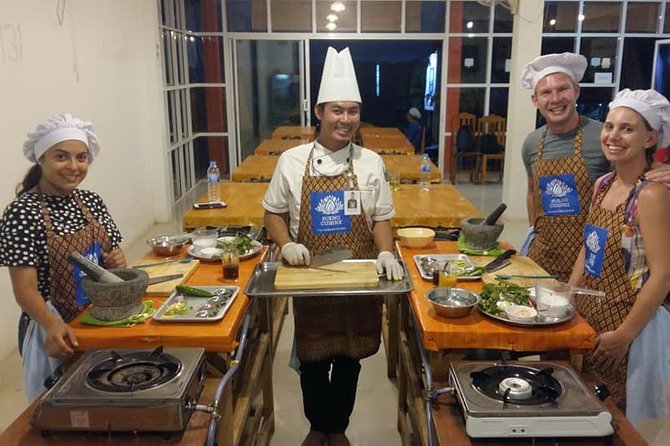
- Small group feel: capped around 10 people so the chef can check your work.
- Curry paste from scratch: mortar-and-pestle grinding is the big “aha” skill.
- A full 5-dish meal: you learn and then eat your creations.
- Spice and diet options: vegetarian/vegan and spicy vs mild can be adjusted.
- You leave with proof: you get a certificate plus a guide to take home.
- Comfortable planning: pickup is offered and the class wraps with fruit after dinner.
Sukho Cuisine in Ko Lanta: a cooking school that stays hands-on
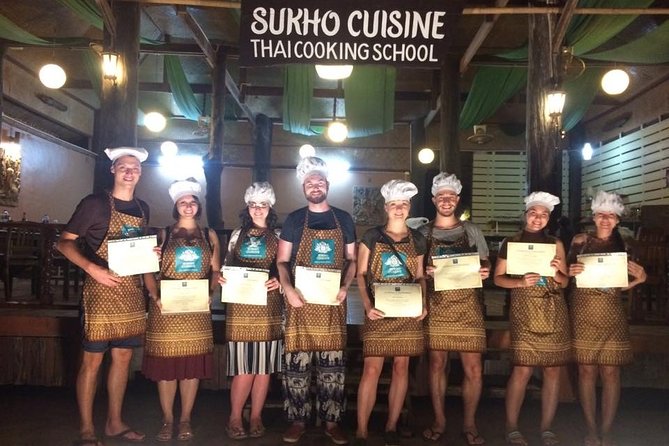
Sukho Cuisine Thai Cooking School is built around the idea that Thai cooking isn’t just recipes—it’s a system. You start with ingredients and flavor logic, not only the final dish. That’s why this class feels useful even if you only cook occasionally.
One of the best parts is how the school keeps it practical. The chef and staff use solid English, and the teaching style is geared toward you doing the steps, not just listening. In at least some recent sessions, the chef also leads guests through a local market to talk ingredients and snacks, then helps people source what they want. Even if your exact class doesn’t include that extra stop, you’ll still get that same ingredient-first mindset.
The group size is another quiet advantage. When you’re making paste, chopping aromatics, and balancing salty/sour/sweet/spicy, it helps to have close guidance. This isn’t a giant buffet-cooking show where you rush through steps and hope for the best.
You can also read our reviews of more cooking classes in Ko Lanta
Pickup and the evening timeline: why the schedule works
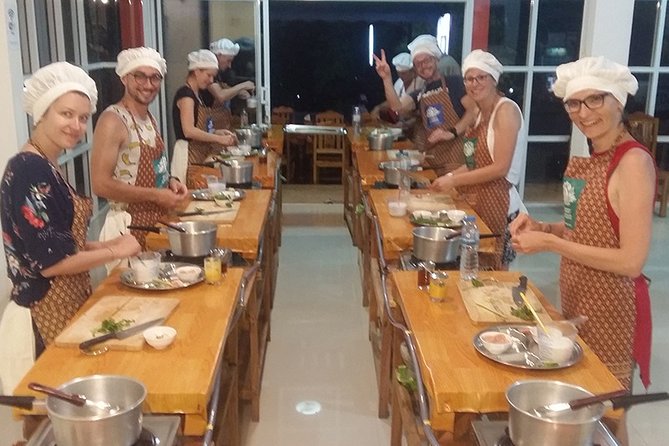
This is designed as a dinner-time activity, not a lunchtime detour. Expect about a 5-hour block from pickup to return. Pickup is offered, and the class ends back at your meeting point.
The flow is structured like this, in plain language:
- you get picked up in the mid-afternoon
- you start with ingredient basics (spices, herbs, rice, condiments)
- then you move into cooking the day’s dishes
- dinner happens at the end, after your dishes are finished
- you wrap with a certificate and a fruit platter
- then you’re back to your accommodation
What I like about this timing is that you’re not starving while you learn. The class is long enough to teach real technique, but it ends at a point where dinner actually feels like dinner—not a rushed meal you eat on the walk back.
A small consideration: it’s only offered Tuesdays, Thursdays, and Fridays, and it runs with a good amount of “kitchen time.” If you hate late evenings, plan your rest of the day accordingly.
Ingredient basics at 4:00 pm: spices, herbs, rice, and condiments
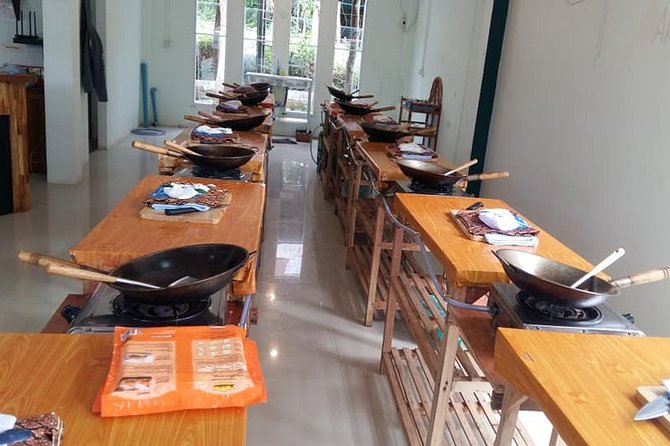
Before you touch a stove, you build the Thai flavor toolbox. This is the part that makes the rest of the meal easier.
You’ll learn about:
- herbs and vegetables that show up again and again in Thai cooking
- spices used to create aroma before you even reach for heat
- Thai rice and how it fits into meals
- condiments that bring balance (the stuff that makes Thai taste Thai)
The practical value here is huge. Many cooking classes jump straight to a recipe and hope you copy the steps. This one starts with the reason behind the flavor, so you can adjust later at home instead of guessing.
Also, you’ll be told that Thai flavors come from combining things correctly—not only dumping in spice. That helps if you’re trying to make food that tastes like the real deal, not like a generic “spicy sauce.”
Making curry paste with a mortar and pestle
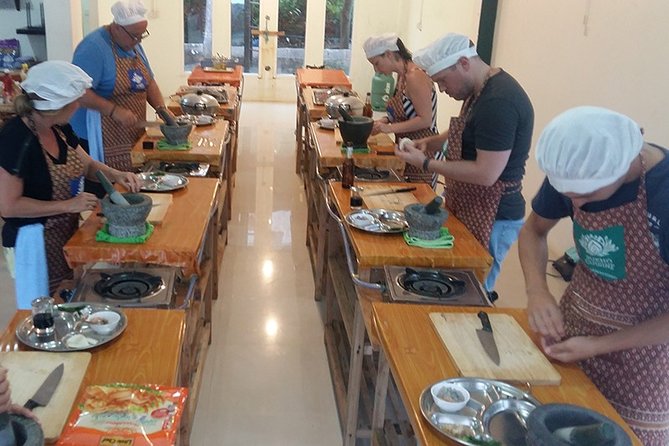
If you take only one skill from this class, make it the paste technique. Thai curry paste is the backbone. When it’s made from scratch, the flavors go from one-note to layered.
You’ll learn how to make your own curry paste using a mortar and pestle. Grinding matters because it releases aromatics and helps ingredients blend instead of sitting in separate chunks. It’s physical work, but it’s also the fastest way to understand what’s happening flavor-wise.
What’s smart is that you’re not just grinding blindly. The teaching ties the paste to what comes next, so you taste and cook with purpose. You get to see how the paste changes texture and aroma as you work, then you apply it in later dishes.
This is also where your spice control comes in. The class allows you to adjust whether you want things vegetarian/vegan and how spicy you want your food. That means you can learn the technique without forcing your palate into a punishment challenge.
Cooking the main dishes: soup, meat curry style, and dessert
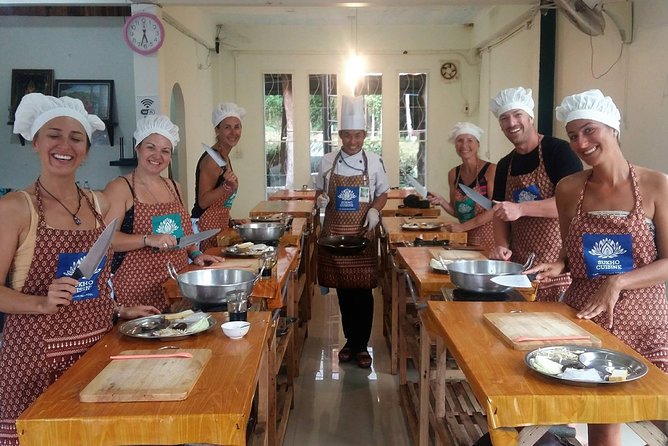
The class is paced through several cooking segments. Each one adds a different technique, so you don’t just repeat the same motion for five hours.
Here’s the practical idea of the cooking sequence:
- you cook dishes that rely on your curry paste work
- you make a Thai soup and learn how seasoning and timing affect the final bowl
- you move into a dish listed as mean cot
- you make a homemade meat curry paste (or the class equivalent based on your chosen diet)
- you finish with Thai dessert
Even if the dish names are new, the kitchen skills are familiar: prepping aromatics, balancing flavors, and managing heat so ingredients cook without turning harsh. And because the class is small, the chef can correct you while you’re still in the process—not after it’s already plated.
If you’re a “measure by instinct” cook, this class can actually teach you how to adjust without panic. You learn the feel of Thai cooking: taste, tweak, and keep moving. If you like exact instructions, it still works, because the chef explains what each component does.
One note: since the class uses knives and gas, the minimum age is 9 years old. If you’re traveling with kids, that’s the first checkpoint before you fall in love with the idea.
A few more Ko Lanta tours and experiences worth a look

Dinner with your creations: the part that makes it feel complete
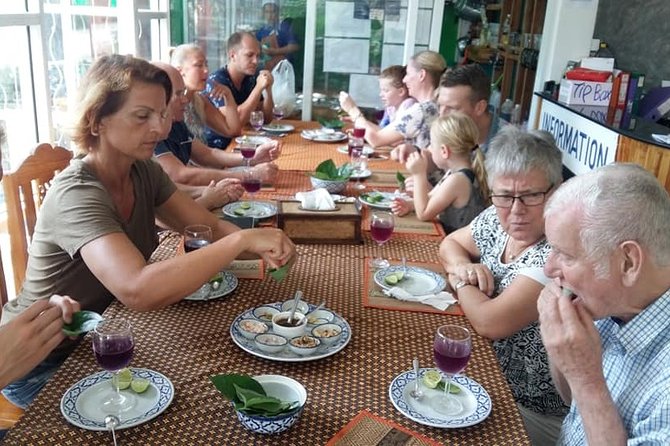
This is a dinner cooking class, so yes, you eat. After you finish cooking, you enjoy your dishes and then get a fruit platter later in the evening.
I like this arrangement because it locks in learning. When you cook and then taste the result in the same session, it’s easier to connect flavors to technique. You can also ask quick follow-up questions while the food is in front of you.
You’ll also receive a certificate and take-home materials (a cooking guide). That’s not just a souvenir. It helps you reproduce the flavors later, when your memory fades and your kitchen starts smelling like your own life again.
This “cook, eat, and document” structure is why the experience feels like more than a fun night out. You leave with both the story and the tools.
Value check: is $79.44 worth it in Ko Lanta?
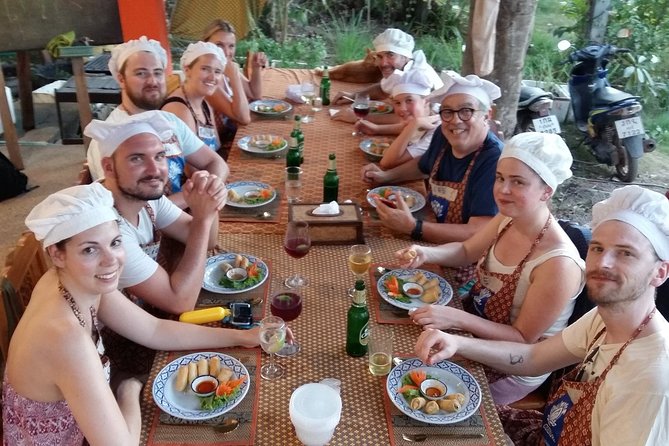
At $79.44 per person, this isn’t the cheapest thing in Ko Lanta. But value isn’t only about price—it’s about what you actually get.
Here’s where the money goes:
- a dedicated Thai chef teaching in English
- instruction built around a hands-on workflow, including from-scratch curry paste
- cooking across five dishes, not just a single demo dish
- dinner, because you eat what you cook
- pickup offered and transport back after the class
- a certificate and a cooking guide
In other words, it’s paying for a guided meal plus a skill-building workshop. For a small-group setting, that’s strong value.
One extra cost to note: if you bring a companion who doesn’t want to cook, they can pay an additional 700 Baht per person. That cost includes sharing in the food and transportation. So if you’re traveling as a pair and only one person is cooking, budget for that.
Also keep your expectations realistic. You may want to buy ingredients or snacks if the class includes local market time. The data here doesn’t say every session does, but if it does happen, small purchases are possible.
Who should book this class (and who may not love it)
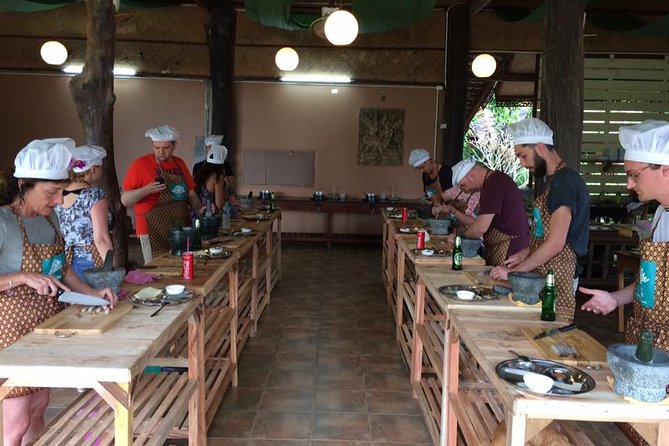
This is a great fit if:
- you want a real skill, not just a meal
- you like Thai food and want to understand why it tastes the way it does
- you’re open to learning spice balancing
- you want something structured and social in a small group
It may not be ideal if:
- you want a super short activity (this is about a 5-hour evening commitment)
- you can’t handle knives and gas-related kitchen setup (minimum age is 9+)
- you’re hoping for a fully passive experience (the class is designed for cooking)
If you have dietary needs, you’re in a good spot. The class can be vegetarian or vegan, and you can tailor the spice level. That makes it easier for mixed groups where people have different comfort zones.
And if your cooking style is timid, don’t worry. The class format is set up for people to learn step-by-step. Reviews have praised the chef’s supportive teaching and the feeling that the day was both fun and structured, not chaotic.
Tips to get the most out of your 5-hour Thai cooking session
A few small choices can make the class smoother:
- Wear comfortable clothes you don’t mind getting spice-splashed. Cooking tends to be messy even when you try hard.
- Bring an appetite. The schedule ends with dinner and then fruit, so you’ll want room for it.
- Tell the staff your spice preference clearly when you start. It’s easier to adjust early than mid-dish.
- If you’re cooking with a partner or friend, coordinate expectations. The companion option exists, but the best experience is when everyone participates.
Also, take notes on flavors, not just steps. In Thai cooking, the taste at each stage is often the real lesson. A curry paste that tastes right in the mortar is already halfway to right on the stove.
Should you book this cooking class in Ko Lanta?
If you like Thai food and want to come home with a skill (not just memories), I’d book it. The class is built around what matters: curry paste from scratch, small-group attention, and a complete dinner you eat immediately after cooking. At around $79.44, the value looks best when you treat it as both a meal and a workshop, not just entertainment.
Book it especially if:
- you’re traveling with friends who also enjoy learning
- you want an evening plan that feels purposeful
- you care about tasting the difference between homemade paste and store-bought
Skip it if you’re sensitive to kitchen tools, you dislike late schedules, or you’re truly only looking for a light, watch-from-the-side activity.
If you can only pick one cooking experience in Ko Lanta, this is the kind that gives you something to repeat at home. And yes—you’ll probably want seconds.
FAQ
What is the duration of the Dinner Cooking Class with Thai Master Chef?
It runs for about 5 hours.
Is pickup offered from hotels in Ko Lanta?
Yes, pickup is offered, and transportation is included back after the class.
When is this cooking class available?
It’s available only on Tuesdays, Thursdays, and Fridays.
How many dishes will I cook?
You’ll learn to cook five well-known favorite Thai dishes.
Can I choose vegetarian, vegan, or different spice levels?
Yes. The class can be vegetarian or vegan, and dishes can be spicy or non-spicy to suit your taste.
What is the minimum age to attend?
Children must be 9 years or older, since knives and gas are involved.
How large is the class group?
The class is limited to a maximum of 10 travelers (the operator also mentions a limit of maximal 12, but the activity lists up to 10).
What happens if weather is poor?
The experience requires good weather. If it’s canceled due to poor weather, you’ll be offered a different date or a full refund.