REVIEW · KO LANTA
Ko Lanta: Thai Cooking Class with Market Tour and Dinner
Book on GetYourGuide →Operated by Lanta Tourist Center · Bookable on GetYourGuide
Ko Lanta cooking gets real fast. This class works because you start with what locals buy in the market and then you cook with a chef who explains the why, not just the how. I especially love the market tour approach and the homemade curry paste focus that helps Thai food make sense.
One thing to keep in mind: the class description promises certificates, but one past participant reported not getting the certificate they expected. I’d just confirm what you should receive at the start so you’re not left guessing.
In This Review
- Key things to know before you go
- A Wok-Friendly Lesson Plan for Real Thai Flavor
- Monday, Wednesday, Saturday: Market Tour to Lunch Cooking (09:00–14:30)
- What you cook on Monday
- What you cook on Wednesday
- What you cook on Saturday
- The main drawback of the lunch format
- Tuesday, Thursday, Friday Dinner Class (16:00–21:00) and Curry-Paste Skills
- Tuesday dinner menu
- Thursday dinner menu
- Friday dinner menu
- What I like about the dinner format
- Art With Food: Fruit and Vegetable Carving (15:00–18:00, Mon–Sat)
- The consideration for carving
- The Dish Lineups: What Each Menu Teaches You
- What You Take Home: Apron, Recipe Book, Certificates, and Food
- One small thing to double-check
- Price and Value: Why $80 Can Make Sense Here
- Who This Works Best For (And Who Should Think Twice)
- Tips to Get Better Results in Less Time
- Should You Book This Ko Lanta Thai Cooking Class?
- FAQ
- What days is the market tour and lunch cooking program offered?
- What time is pickup and what time does the market tour and lunch program start and end?
- What days is the dinner cooking program offered?
- What time is pickup and what time does the dinner program start and end?
- How long is the fruit and vegetable carving program, and which days does it run?
- What are included in the class after you finish?
- What refreshments are included?
- Can I reserve and pay later, and how late can I cancel?
- What languages are used during the experience?
Key things to know before you go
- Market tour plus cooking: you see local ingredients first, then turn them into food.
- Chef-led, hands-on instruction: you learn techniques that connect to the dishes.
- Homemade curry pastes: a big deal for how the curries actually taste.
- Take-home items: apron, recipe book, and a cooking certificate (plus the option to bring food).
- Fruit and vegetable carving add-on: a calm skill session with a keepsake certificate.
A Wok-Friendly Lesson Plan for Real Thai Flavor
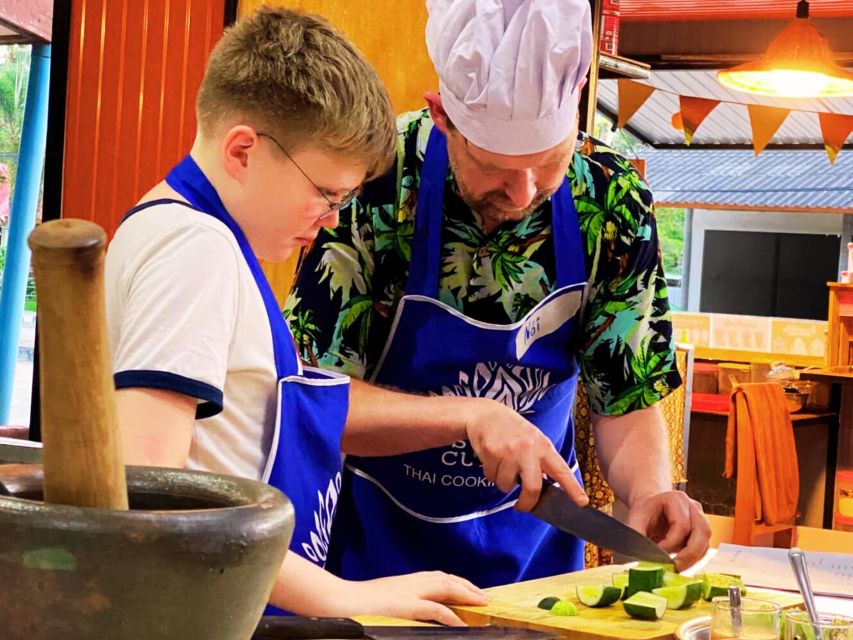
This is the kind of cooking class that feels like it has a spine. You’re not just copying a recipe on autopilot. You learn how Thai flavors build: herbs, aromatics, spice blends, and the small choices that change the final taste.
The setup is also practical. You’re picked up from your resort, brought to the class, and kept moving through a clear schedule. For people who like structure, it’s a relief. For people who get overwhelmed in kitchens, the step-by-step teaching style helps a lot.
The standout theme from the experience details and past feedback is patient, fun teaching. A past participant named Chef Pak came up as especially helpful and entertaining, with clear explanations that start from basics and then get more specific dish by dish. That matters, because Thai cooking often looks simple until you try it and realize timings, textures, and seasoning steps are the whole game.
There’s also a strong “make it yours” angle. You cook enough that you can taste what you did, adjust, and learn what to do next time. You also leave with tools for that—an apron you take home, a recipe book with a pen, and a certificate.
You can also read our reviews of more shopping tours in Ko Lanta
Monday, Wednesday, Saturday: Market Tour to Lunch Cooking (09:00–14:30)
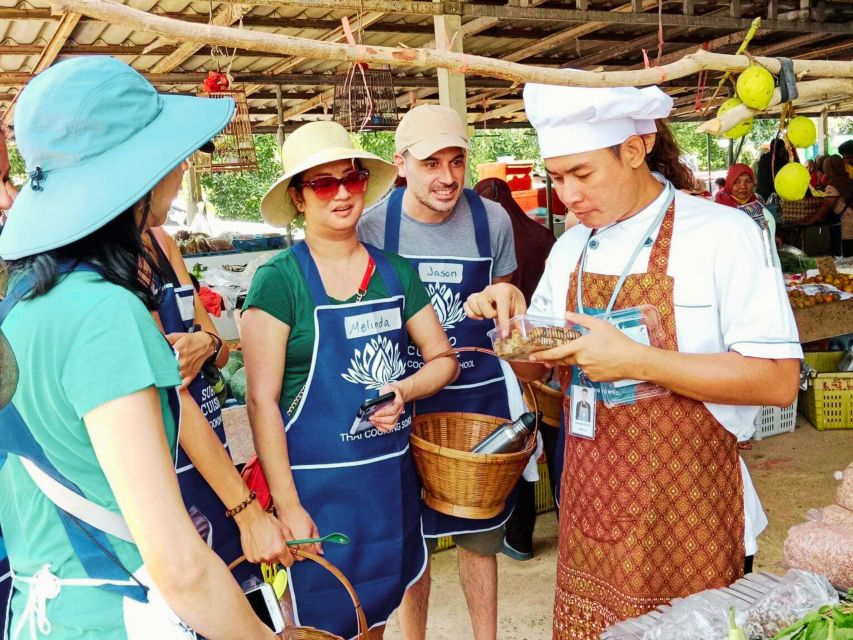
If you want the full Thai shopping-to-cooking connection, this is the day to pick. The Market Tour and Lunch format runs on Monday, Wednesday, and Saturday. Pickup is at 08:30, and the program starts at 09:00 and runs until 14:30.
What makes this option valuable is the market portion. Even if you think you already know Thai food ingredients, seeing them in context helps. You get a chance to connect what you’ve heard—like how certain herbs smell, how spices look, and what “fresh” actually means—with what you end up cooking.
Then you move straight into cooking class. The format is built around a set menu of Thai dishes for that day, and the experience is designed to reflect local Lanta life, not just a staged show for visitors.
What you cook on Monday
On Monday, the lineup is:
- Pad Thai
- Goong Hom Sabi
- Tom Kha
- Home Made Pad Thai Sauce
- Khao Niew Ma Muang
Notice the mix: you’re not only learning the savory part of Thai food. You also touch a dessert (mango sticky rice), and you make the sauce component that can make or break Pad Thai at home.
What you cook on Wednesday
On Wednesday, the lineup is:
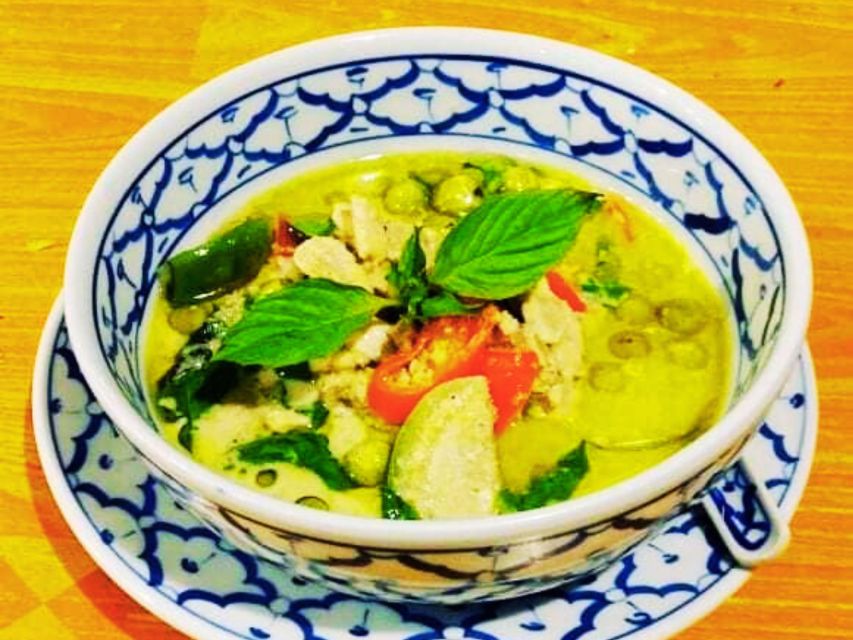
- Gaeng Kiew Wan
- Kanom Pang Na Gai
- Tom Yam Goong
- Home Made Green Curry Paste
- Tub Tim Grob
This is the day for anyone who wants curry depth. Making green curry paste means you’re not stuck buying pre-mixed paste and hoping the flavor lines up.
What you cook on Saturday
On Saturday, the lineup is:
- Pad Thai
- Wihok Non Rang
- Tom Jiw Gai
- Home Made Pad Thai Sauce
- Khao Niew Ma Muang
Saturday is a strong choice if you want comfort classics plus something different from the usual tourist menu (like the specific regional-style dishes listed).




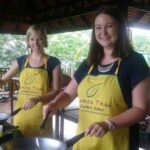

The main drawback of the lunch format
The program is a half-day, but it’s still a full focus block. If you’re the type who likes to wander slowly on vacation, this kind of structured schedule may feel “busy.” The tradeoff is you get a market experience plus multiple dishes in one go.
Tuesday, Thursday, Friday Dinner Class (16:00–21:00) and Curry-Paste Skills
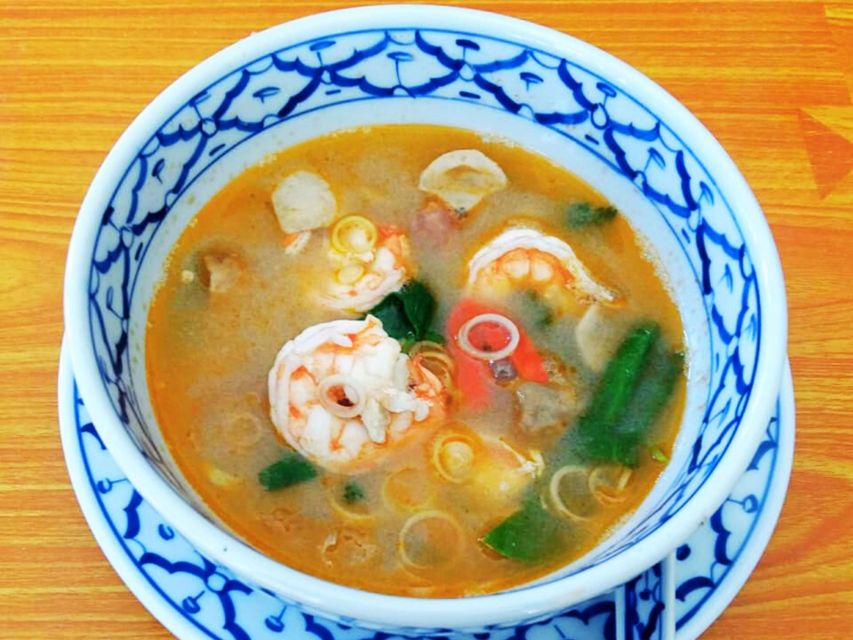
If mornings aren’t your thing, choose the evening schedule. The Dinner Cooking program runs on Tuesday, Thursday, and Friday with pickup at 15:00. Class begins at 16:00 and goes until 21:00.
This version also adds a bit more context. The program starts with an explanation of the history of foods and how ingredients, herbs, and spices fit into the recipes. That’s not just trivia. It’s the kind of explanation that helps you remember what you’re tasting and why it works.
Like the lunch format, you cook a set of classic Thai dishes. The detailed promise here is clear: you’ll work through an appetizer, a soup, and two main dishes, including homemade curry paste.
Tuesday dinner menu
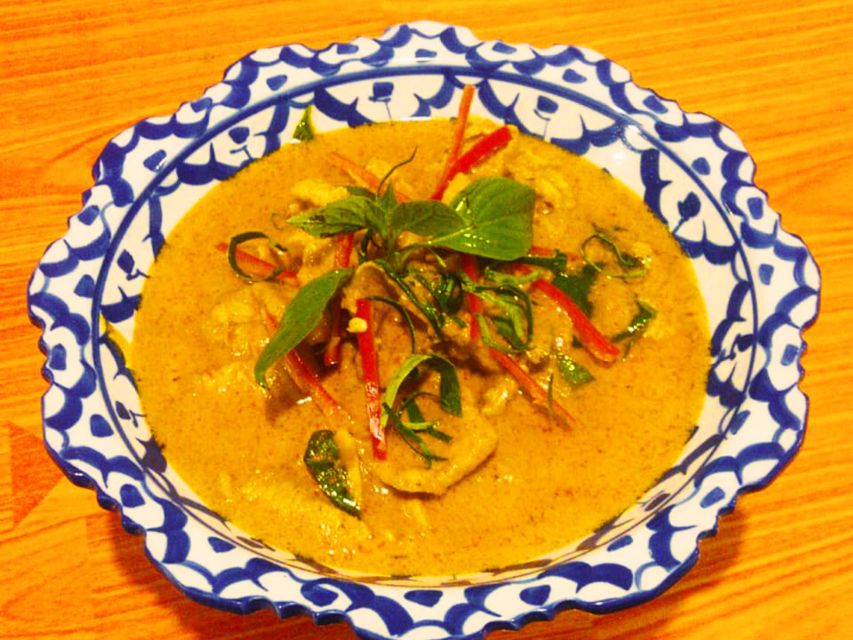
- Home Made Panang Curry Paste
- Poh Pia Puk Tod
- Khao Pad Subparod
- Gaeng Panang
- Bue Loy Kai wan
Panang day means you’re learning curry paste as a process, not just a product. That’s the key skill if you want to recreate the flavor later.
Thursday dinner menu
- Home Made Red Curry Paste
- Khao Pad Ga Prao Gai
- Toong Tong
- Tom Kha
- Gaeng dang
Red curry paste plus a mix of stir-fry and soup teaches you how Thai flavors shift across dish types.
Friday dinner menu
- Home Made Massaman Curry Paste
- Som Tum Thai
- Gaeng Massaman
- Tom Yum Goong
- Tub Tim Grob
Massaman day is great for anyone who likes a deeper, more rounded curry profile. And you also get Tom Yum Goong and Tub Tim Grob, so the menu covers sour, spicy, and sweet textures.
What I like about the dinner format
You end the day with something satisfying and hands-on. It’s also a good fit for anyone who wants a Thai cooking class without losing their whole day to travel. Evening timing can be easier if your mornings are already packed with beach time.
Art With Food: Fruit and Vegetable Carving (15:00–18:00, Mon–Sat)
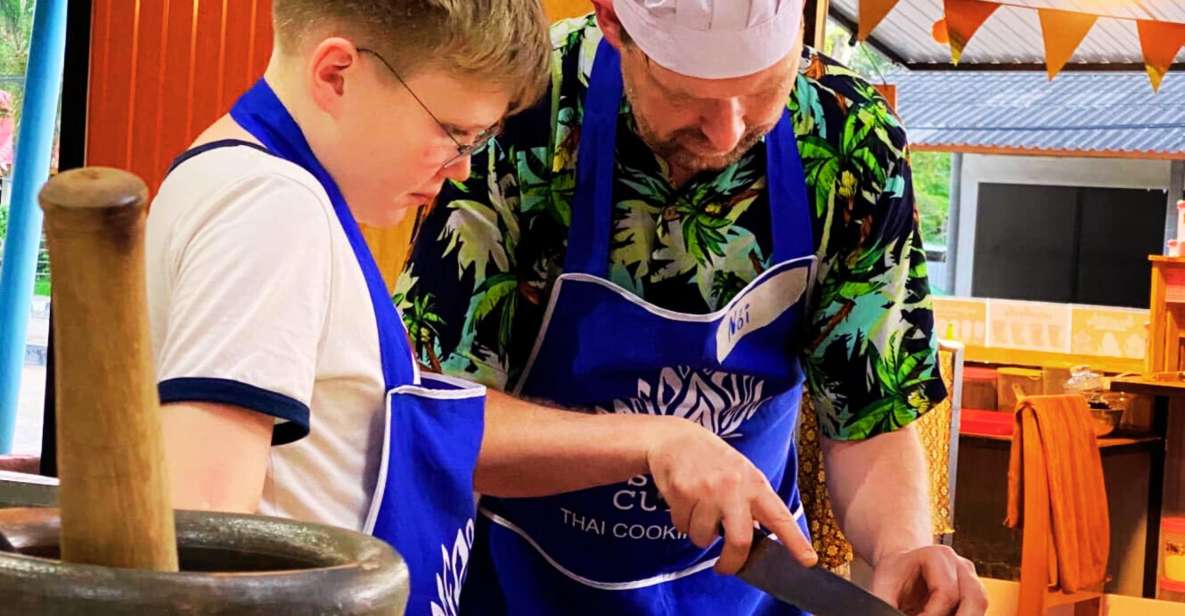
There’s a separate add-on for people who want something extra beyond cooking. The Art Fruit and Vegetable Carving session runs Monday through Saturday, from 15:00 to 18:00.
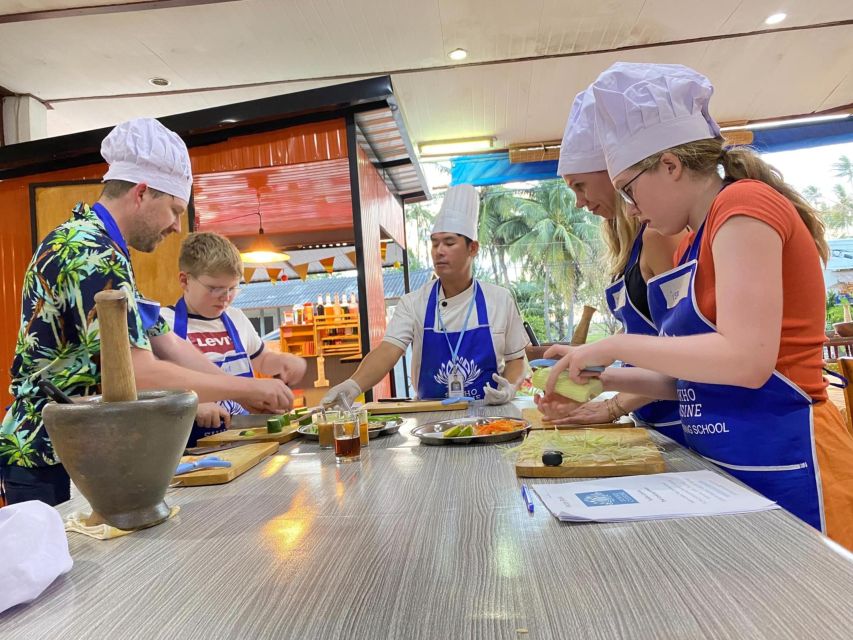
This part is calmer. You’re taught how to use carving equipment, learn basic carving skills, and decorate food with the pieces you create. You also get free coffee and tea during the program.
One of the best pieces of feedback tied to this carving session was about technique and patience. A past participant described it as delicate work that takes a light touch, and said the teacher’s calm guidance helped them succeed. That’s exactly what you want from a class like this: a gentle, steady pace where you’re not rushed.
You’ll also receive a certificate of carving program, and you get to take your fruit/vegetable carving along to show family and friends.
The consideration for carving
Carving is not the kind of thing where you learn advanced results in one sitting. You’re building basics. If you’re expecting professional-level flowers, you might be disappointed. If you want a fun, skill-based souvenir and a new technique, it’s a great match.
The Dish Lineups: What Each Menu Teaches You
The menu isn’t random. Each day trains a different part of Thai cooking.
On the Pad Thai days, you’re learning more than noodles. You also make a homemade Pad Thai sauce, which is the behind-the-scenes flavor engine. That helps you understand how Thai dishes balance sweet, sour, salty, and savory without guessing.
On the Tom Yum / Tom Kha days, you see how Thai soups depend on aromatics and spice behavior. These soups are a great training ground because seasoning needs to be right early, not after the fact.
On the curry days, the emphasis on homemade curry paste changes everything. Store-bought paste can be fine, but it’s harder to control freshness and intensity. Paste-making also forces you to notice texture and scent. When you do it yourself, you start to recognize what the curry wants: more chili heat, more herbal punch, or a better-roasted spice blend.
And dessert is part of the lesson plan too. Mango sticky rice and Tub Tim Grob show you Thai sweetness is about contrast, not just sugar. You’re learning to appreciate how desserts land after spicy and sour dishes.
What You Take Home: Apron, Recipe Book, Certificates, and Food
The package includes more than the class itself. After finishing, you get:
- A Sukho Cuisine apron to take home
- A recipe book and pen
- A certificate of cooking (for cooking)
Carving has its own certificate too.
You may also be able to bring food back to share with family or friends. That’s a nice bonus in a vacation setting, especially if you’re cooking for more than just yourself and want something tangible to take back.
One small thing to double-check
Because one participant said a promised certificate wasn’t received, I recommend a simple check-in: ask what certificates you’ll get for your specific day and add-on. It takes a minute and can prevent the kind of disappointment that lingers later.
Price and Value: Why $80 Can Make Sense Here
At $80 per person, the value comes from the full bundle, not just “someone teaches me recipes.”
You’re paying for:
- Hotel pickup and drop-off
- Welcome drink, snack, coffee, tea, and drinking water
- Multiple dishes in a structured menu
- Instruction from a Thai food-focused school
- Take-home items: apron, recipe book, pen, and certificate
When you add that up, $80 is less about the cooking and more about buying back your time and effort. Market mornings and ingredient sourcing can take a lot of planning. Here, it’s built in.
Is it pricey compared to cooking at your own pace? Yes. But this is a vacation experience. You’re trading a chunk of time for skills and souvenirs that last longer than a meal you can’t recreate.
Who This Works Best For (And Who Should Think Twice)
This course is a strong fit if you:
- Want to learn Thai cooking beyond a single dish
- Like hands-on instruction and clear steps
- Enjoy market shopping and food-product details
- Want a take-home recipe book and apron, not just a one-time meal
It’s also suitable for Thai and foreign participants who love cooking, with English and Thai languages available.
You might think twice if you:
- Want a super casual, no-structure experience
- Are only interested in one dish and nothing else (the day is menu-driven)
- Are sensitive to the idea that certificates might vary unless you confirm what’s included
Tips to Get Better Results in Less Time
These are simple moves that improve your odds in any cooking class, and they fit this one’s teaching style.
1) Arrive ready to taste and adjust. Thai cooking rewards small seasoning changes.
2) Ask about ingredients you don’t recognize. The whole point is herbs and spices that define Thai food.
3) Take notes during sauce and paste steps. Paste texture and spice timing are hard to remember later unless you write something down.
4) Go slow on carving. If you’re doing the fruit/veg session, treat it like a skill class, not a speed contest.
5) Plan your day around pickup. Whether it’s 08:30 or 15:00 pickup, you’ll waste less energy if you’re already set with shoes, water, and a light appetite.
Should You Book This Ko Lanta Thai Cooking Class?
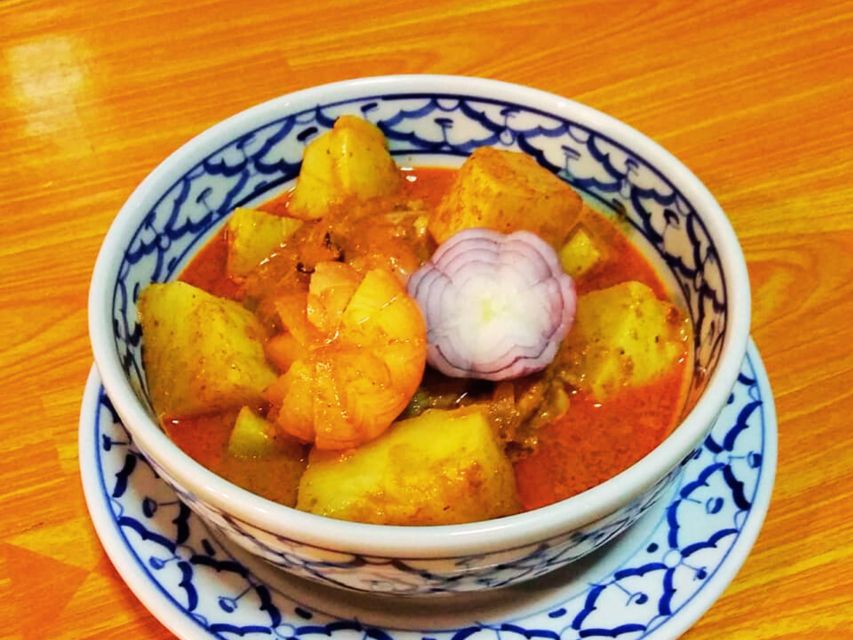
I think you should book if you want a real Thai food skill day on Ko Lanta, not just dinner with a photo at the end. The market-to-cooking flow, the focus on homemade curry paste, and the take-home package make it a good value for $80.
You should also consider it if you like learning from a chef who’s known for clear teaching and a fun vibe—people consistently point to Chef Pak’s helpful, patient style. And if you want a bonus activity that’s relaxing and pretty, the fruit and vegetable carving session is a smart add-on.
Book it and do it with intention: pick the day that matches your schedule (market-and-lunch vs dinner), and if certificates matter to you, confirm what you’ll receive before you start.
FAQ
What days is the market tour and lunch cooking program offered?
The market tour and lunch program runs on Monday, Wednesday, and Saturday.
What time is pickup and what time does the market tour and lunch program start and end?
Pickup is at 08:30, the program starts at 09:00, and it runs until 14:30.
What days is the dinner cooking program offered?
The dinner cooking program runs on Tuesday, Thursday, and Friday.
What time is pickup and what time does the dinner program start and end?
Pickup is at 15:00, the program starts at 16:00, and it runs until 21:00.
How long is the fruit and vegetable carving program, and which days does it run?
The carving program runs from 15:00 to 18:00 and it is available Monday through Saturday.
What are included in the class after you finish?
You receive a Sukho Cuisine apron, a recipe book and pen, and a cooking certificate.
What refreshments are included?
You get a welcome drink and snack, plus coffee and tea, along with drinking water.
Can I reserve and pay later, and how late can I cancel?
You can reserve and pay later, and you can cancel up to 24 hours in advance for a full refund.
What languages are used during the experience?
The experience is offered in English and Thai.