REVIEW · BOPHUT
Cooking Class by Samui Native Instructor Geng and O Family
Book on Viator →Operated by Go Samui Cook · Bookable on Viator
Cooking in Thailand is fun. Cooking it with a real local family makes it click. This 4-hour Koh Samui class pairs a market walkthrough with hands-on cooking in a clean, open-air farm kitchen, so you learn flavors you’ll actually recognize later.
I especially like the start at Big Buddha Samui’s local market, where you get a focused look at herbs, vegetables, and ingredients used for curry paste. I also like the way they keep it practical: you’ll work with fresh ingredients, including coconut milk from real coconuts, not a mystery carton. One thing to consider is that the kitchen is outside (there’s a fan), so you’ll want to dress for warm, humid weather.
In This Review
- Quick Highlights (What Makes This Class Worth Your Time)
- Entering the Rhythm: Chef Geng and a Family-Run Class
- The Market Stop at Big Buddha Samui: Where Flavor Starts
- Heading to the Farm Kitchen: Location and Setup
- Your 4 Menus Plus Dessert: What You’ll Actually Cook
- Coconut Milk From Real Coconuts: The Flavor Difference You Can Taste
- Kids, Families, and the Waiting-Now-Solve-It Area
- Pickup, Timing, and the Max-15 Group Size
- Vegetarian Menu Choice: Easy to Plan, Simple to Participate
- Price and Value: Is $81.53 Worth It?
- What You Take Home: Skills That Translate Beyond the Trip
- Should You Book This Samui Cooking Class?
- FAQ
- How long is the cooking class?
- Is pickup included, and where do they pick up from?
- What’s included in the class besides cooking?
- When do I need to choose the daily menu?
- Can I request a vegetarian menu?
- What is the cancellation policy?
Quick Highlights (What Makes This Class Worth Your Time)
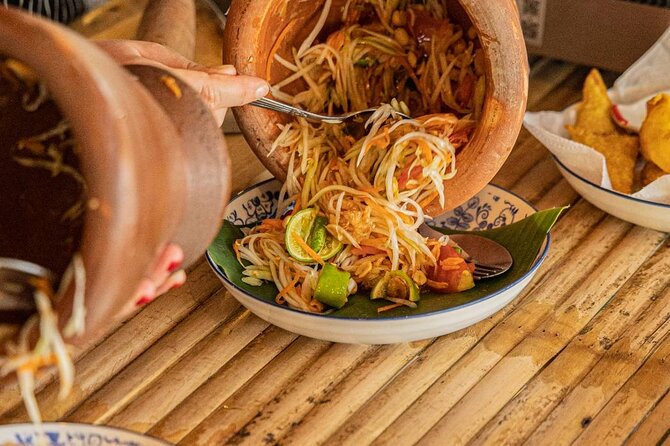
- Big Buddha Samui market stop for ingredient education that helps you understand what you’re cooking
- Chef Geng and the O family teaching style that feels welcoming and organized
- Real coconut milk process so you taste the difference from day-one ingredients
- A clean, open-air bamboo kitchen setup with comfortable stations
- Small group size (max 15) for better attention while you cook
- Kid-friendly extras including a playing area and coloring books
Entering the Rhythm: Chef Geng and a Family-Run Class
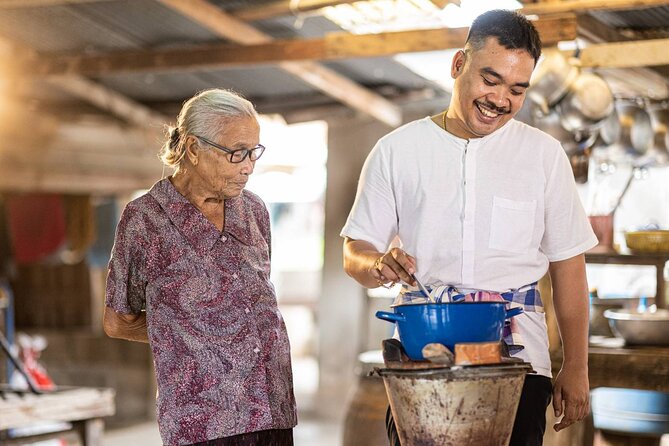
This isn’t a cold, corporate cooking factory. It’s a family-run operation led by Chef Geng and his family, and you feel that in the tone of the day. The vibe is friendly and light, but the teaching still stays structured. You’re not just watching someone else cook while you take photos. You’re doing the steps, tasting as you go, and learning the logic behind the flavors.
That teaching approach matters on an island like Koh Samui, where it’s easy to collect Thai food memories that don’t translate into real cooking. Here, the goal is hands-on confidence. You’ll learn how to build flavor day by day, using ingredients you can recognize, even after you’ve gone home.
The kitchen setup is also a big deal. It’s described as outside with a fan, but very clean and comfortable, with a bamboo-style kitchen studio feel. That combination is ideal for learning: you get ventilation, space to work, and a straightforward station layout so you’re not constantly bumping elbows.
You can also read our reviews of more cooking classes in Bophut


The Market Stop at Big Buddha Samui: Where Flavor Starts
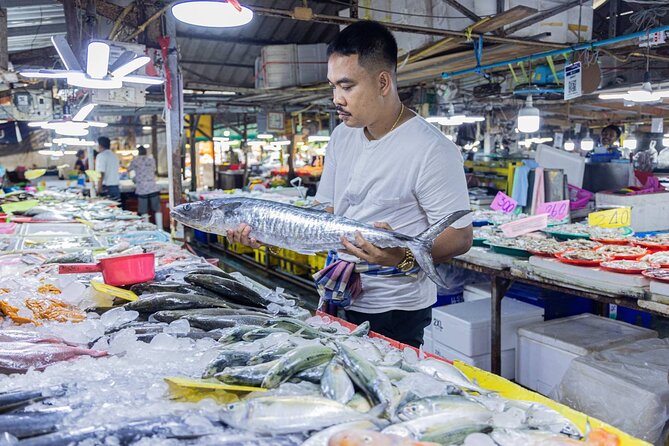
Your day begins with round-trip transfer from Lamai, Maenam, or Chaweng, then you head to the local market area for about 15 minutes of guided exploring. This is not a rushed photo stop. The emphasis is educational: you’ll learn about the variety of Thai herbs, fresh vegetables, and key ingredients such as those used to make curry paste.
Why this matters: if you’ve ever tried to cook Thai food at home and everything tastes close but not right, it’s usually the ingredient base. This market segment helps you map what you bought (or what you’d substitute) to what the Thai kitchen actually uses.
From past course feedback, one highlight is how surprising the fruit and vegetable variety can be, especially if you’re used to supermarket versions. The market also sets you up mentally. You arrive at the farm kitchen already knowing what some ingredients are meant to do—sweetness, aroma, heat, freshness, and balance.
Heading to the Farm Kitchen: Location and Setup
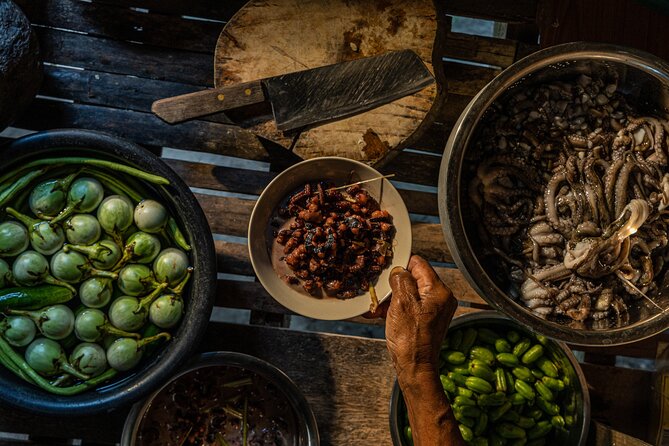
After the market, you go to the cooking farm located at Plailaem Soi 8. The kitchen is outdoors, but it’s described as clean and comfortable, with a fan for airflow. Stations are set up for cooking with an organized, bamboo-style feel.
This matters more than you might think. A Thai cooking class can be chaotic if the workspace is cramped or messy. Here, the facilities are repeatedly described as hygienic and the stations as well-equipped. That gives you a safer feeling while you chop, blend, and taste.
Also, because the group is capped at 15 travelers, the teaching tends to stay human-sized. You’re more likely to get help when you have a question—like how something should smell or how the sauce texture should look—without waiting forever.
Your 4 Menus Plus Dessert: What You’ll Actually Cook
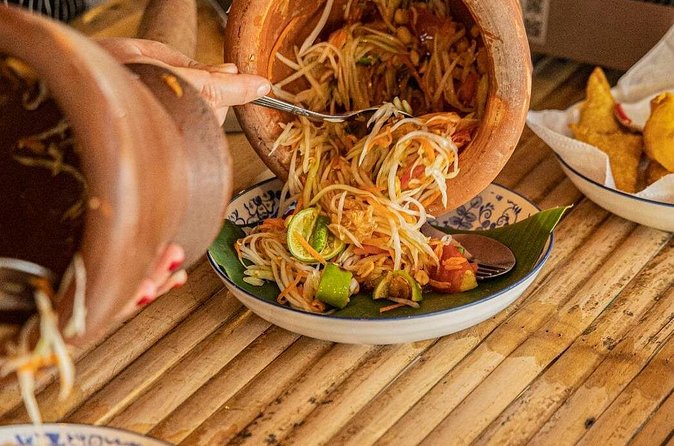
The class is built around 4 menus, including 1 local menu and dessert. You also get a soft drink and seasonal fruit. When they say learning by doing, this is the point: you’ll cook the dishes yourself, not just eat them.
The info provided also specifically mentions curry paste as part of the ingredient education, so expect curry-building skills as part of the experience. One dish that has been singled out by many participants is Tom Yum, often described as exceptional. Even if your exact menu varies by day, Tom Yum-style sour-spicy balance is a common thread of Southern Thai cooking.
Dessert inclusion is a smart touch here. Many classes skip it or treat it as a last-minute afterthought. Getting dessert as part of the structured menu means you leave with the full arc of Thai flavors—savory first, then something sweet.
One practical tip: since you select your daily menu at least 1 day in advance, don’t wait until the last moment. If you have dietary needs or specific cravings, locking that choice in early makes the day smoother.
Coconut Milk From Real Coconuts: The Flavor Difference You Can Taste
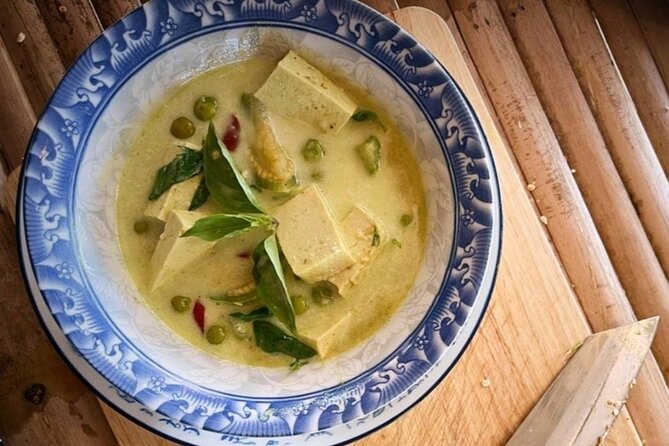
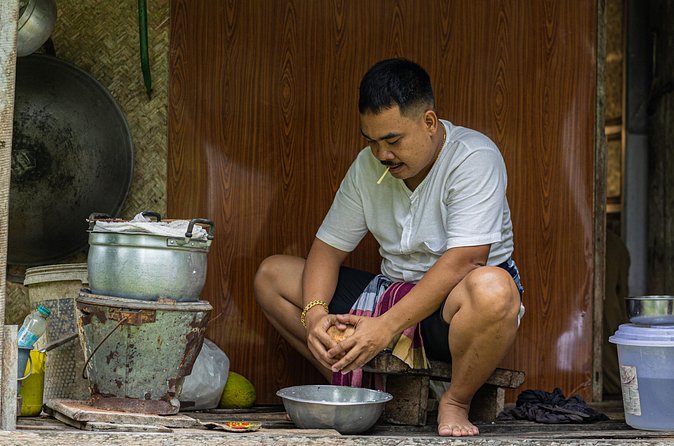
A standout feature is how they handle coconut milk. Instead of giving you pre-made shortcuts, the class provides coconut milk from actual coconuts, and you grate the coconut yourself using a coconut grater.
That detail is more than “cool.” It changes the cooking in two ways:
- Freshness is real: coconut aroma shows up differently when it’s prepared for your menu.
- You learn the process: once you understand how coconut becomes milk (and how texture affects flavor), it’s easier to replicate at home.
Even if you’re not a confident cook yet, doing that grating step makes the rest of the day feel less mysterious. You connect the ingredient to the final taste. That’s the whole trick with successful Thai cooking: ingredients behave differently than you expect, and hands-on steps teach you the correction.
A few more Bophut tours and experiences worth a look

Kids, Families, and the Waiting-Now-Solve-It Area
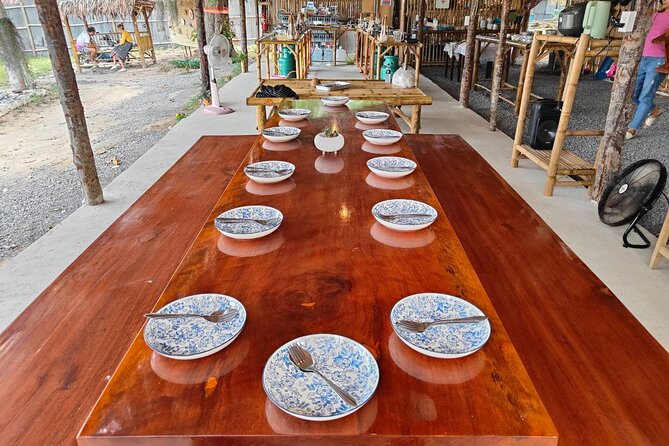
This class is family-friendly. There’s a space for playing with activities and souvenir coloring books for kids. That matters if you’re traveling with children and want a real experience, not a stressful one where everyone is restless.
It also helps adults. When kids have something to do, you can pay attention during the market explanation and while you cook. You’re more likely to actually remember ingredient names and steps.
If you’re traveling as a family, this option is worth considering over classes that feel strictly adult-focused. It’s one of the easier ways to keep everyone involved without turning your day into a compromise.
Pickup, Timing, and the Max-15 Group Size
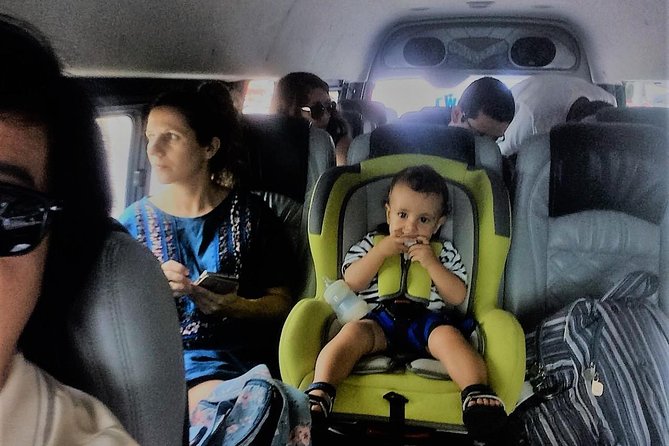
The class runs about 4 hours. Round-trip transfer is included from Lamai, Maenam, and Chaweng. That’s not just convenience; it’s time savings and fewer logistics headaches. On Koh Samui, transfers can eat half a day if you’re figuring them out on your own.
The group size is capped at 15 travelers, which tends to keep the experience personal. With smaller groups, it’s easier to ask questions while cooking—especially for steps like getting curry paste texture right or adjusting seasoning.
One drawback to keep in mind: because the kitchen is outside, plan for heat. The fan helps, but you’ll still want light clothing, water, and maybe sunscreen. If you’re sensitive to humidity, bring something to stay comfortable.
Vegetarian Menu Choice: Easy to Plan, Simple to Participate
If you want a vegetarian menu, you can choose it. That’s important because Thai flavors are often built on fish sauce and shrimp pastes, so “vegetarian” has to be handled properly, not just swapped at random.
The good news here is that the class explicitly offers a vegetarian menu option. If you have dietary restrictions, make sure you pick the vegetarian menu at booking time (and do it at least 1 day in advance for the daily menu selection). That way the instructors can prepare the correct ingredients and you can fully participate rather than adapting on the fly.
Price and Value: Is $81.53 Worth It?
At $81.53 per person for about 4 hours, the value depends on what you want from a class. If you’re paying for an hour of watching and a few bites, it’s not a bargain. If you want real cooking practice with an ingredient-focused start and a take-home recipe, it’s a solid deal.
Here’s why:
- Round-trip pickup from major areas (Lamai, Maenam, Chaweng) reduces hidden costs and time.
- The class includes 4 menus plus dessert, plus soft drink and seasonal fruit.
- You get a recipe, so you can cook again after your trip.
- You work with fresh ingredients, including coconut milk from actual coconuts.
- The group stays small (max 15), which usually means more attention and less waiting.
In plain terms: you’re paying for a guided food day that combines market education with hands-on cooking, not just a meal.
What You Take Home: Skills That Translate Beyond the Trip
This is where most cooking classes either succeed or disappoint. A good class gives you one or two dishes. A great class teaches you how to think while cooking.
This one leans toward that learning-by-doing approach. By the time you finish, you should understand:
- how herbs and vegetables contribute to aroma and balance,
- how curry paste ingredients shape flavor,
- and how coconut milk preparation affects taste.
Even if you never make every dish perfectly at home, you’ll have a better sense of what to adjust. Add more citrus. Adjust saltiness. Re-check thickness. That kind of practical judgment is what makes the course worth repeating.
Should You Book This Samui Cooking Class?
Book it if you want a Thai cooking day that’s structured, friendly, and hands-on. The market stop gives you ingredient context, the bamboo-style farm kitchen is described as clean and comfortable, and the class includes 4 menus plus dessert with coconut milk made from real coconuts. If you’re traveling with kids, the included play area and coloring books make it easier to manage the day.
Skip it only if you hate outdoor heat or you need a very minimal time commitment. The kitchen is outside, and the menu choice works best if you plan ahead at least 1 day before.
If you’re trying to bring Koh Samui flavor back home in a way that actually works, this class is one of the most practical options on the island.
FAQ
How long is the cooking class?
It runs for about 4 hours.
Is pickup included, and where do they pick up from?
Yes. Round-trip transfer is included from Lamai, Maenam, and Chaweng.
What’s included in the class besides cooking?
You’ll get 4 menus (including 1 local menu and dessert), soft drinks, seasonal fruit, and a recipe.
When do I need to choose the daily menu?
You need to select the daily menu at least 1 day in advance when making your reservation.
Can I request a vegetarian menu?
Yes. A vegetarian menu is available for your choice.
What is the cancellation policy?
You can cancel for free up to 24 hours in advance for a full refund. Canceling less than 24 hours before the start time isn’t refunded.