REVIEW · CHIANG RAI
Chiang Rai: The Adventure of Trekking & Bamboo Cooking
Book on GetYourGuide →Operated by MOONG TOUR · Bookable on GetYourGuide
A jungle walk with bamboo cooking feels like a whole day movie. This Chiang Rai trek blends mountain trails, tribal village visits, and a Pasoet Hot Spring soak into one tight 8-hour adventure.
I especially like the mix of forest walking plus real-life village stops, not just photo stops. I also love that lunch is cooked with bamboo, so you’re learning something practical, not watching from a distance. One thing to consider: the day includes 10–12 km of walking and 5–6 hours on your feet, so good shoes and a steady pace matter.
This trip runs with pickup from your hotel in Mueang Chiang Rai, and it keeps the group small (up to 9 people). You’ll have an English/Thai guide, and the day is paced to include several guided moments plus longer stretches where you’re moving through bamboo and jungle paths.
Plan for heat and a bit of effort. The hot spring includes a dip in the spa pool, but you’ll likely pay for the swimming ticket (about 100 baht) and beverages aren’t included. Bring water, and treat the waterfall swim as a bonus, not a guarantee of towel-and-flip comfort.
In This Review
- Key things that make this day trek worth it
- A Full-Day Trek From Chiang Rai Into Bamboo Forests
- Village Stops With Lisu, Chinese, Akha, and Lahu Communities
- Huai Kaeo Waterfall: Timing for Photos and a Real Cool-Down
- Bamboo Cooking Lunch: Making Food With Bamboo
- Pasoet Hot Spring: How to Enjoy the Soak Without Stress
- Price and Value: What $57 Really Buys You
- Who Should Do This Trek (and Who Should Skip It)
- Packing Tips That Actually Matter for This Chiang Rai Day
- Should You Book This Chiang Rai Bamboo Trek?
- FAQ
- How long is the Chiang Rai trekking and bamboo cooking experience?
- What is the total walking distance?
- What’s included in the price?
- What extra costs should I expect at the hot spring?
- Is hotel pickup included, and where does it cover?
- What time should I be ready for pickup?
Key things that make this day trek worth it
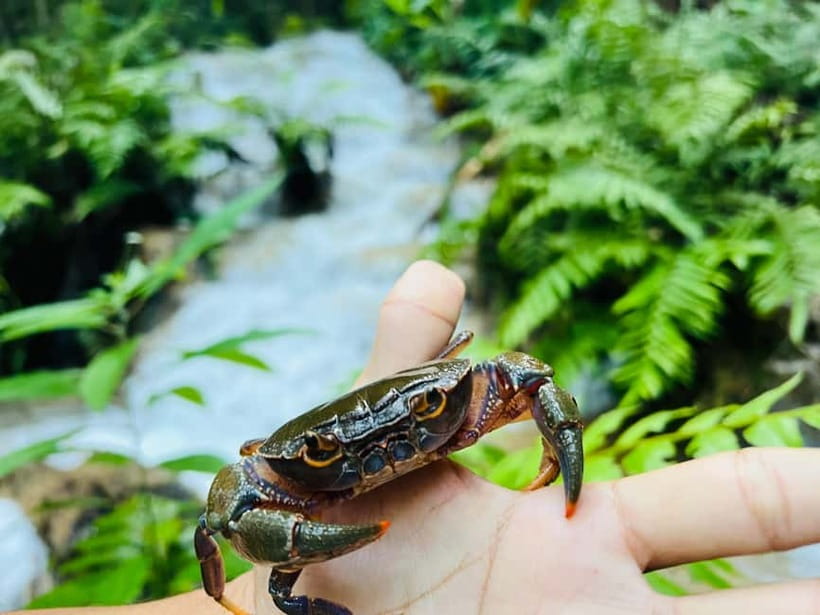
- Tribal village variety across Lisu, Chinese, Akha, and Lahu communities
- Bamboo cooking lunch using bamboo, with hands-on instruction
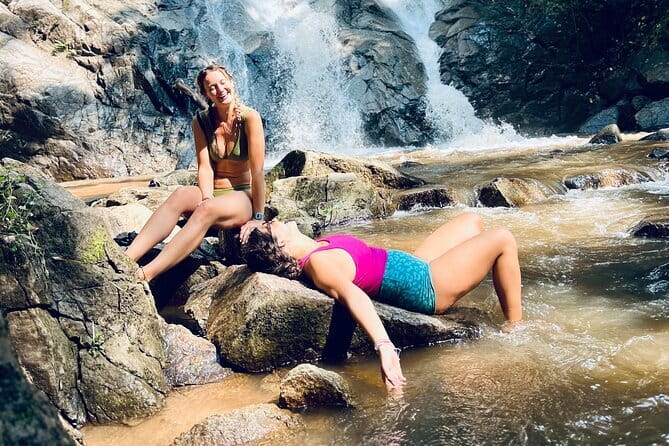
- Waterfall time with a chance to cool off after lunch
- A long, real trek through bamboo forests (about 10–12 km total)
- Small-group energy with a maximum of 9 participants
- Hot spring recovery at Pasoet Hot Spring after the walking
A Full-Day Trek From Chiang Rai Into Bamboo Forests
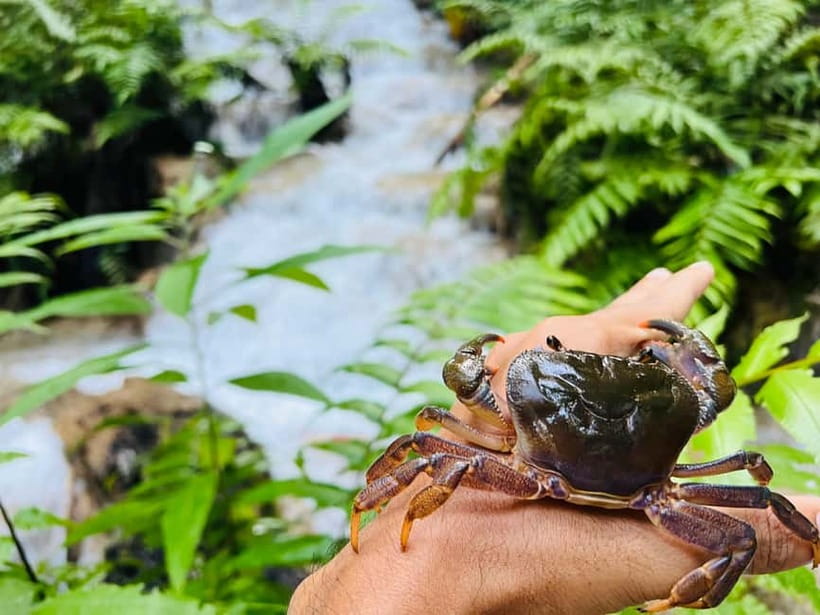
The day starts with pickup in Mueang Chiang Rai. You’ll meet your guide, then drive for about 45 minutes before the trekking portion really gets going. That drive is useful—it moves you away from the city enough that the day feels like it belongs to the mountains, not traffic.
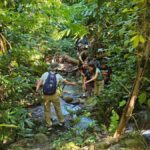
Once you’re on the trail, expect a guided start (about 2.5 hours). This part matters because it sets the pace and helps you get comfortable with the conditions—uneven ground, slippery patches after moisture, and that steady uphill rhythm that jungle trails love to throw in. After the guided portion, you’ll spend more time walking through bamboo forests and mountain paths.
The total walking distance is roughly 10–12 km, with 5–6 hours of walking time. That’s not “just a stroll.” It’s a full hiking day, spread out with cultural stops and breaks so it doesn’t feel like a single nonstop grind. If you’re coming from Bangkok or another fast-paced place, treat this as your active reset day.
What I think makes the trekking portion especially good value is that it’s not only about the view. You’re moving through actual terrain to reach the village visits, tea plantation, waterfall, and then the hot spring. You end up earning the soak.
You can also read our reviews of more cooking classes in Chiang Rai

Village Stops With Lisu, Chinese, Akha, and Lahu Communities
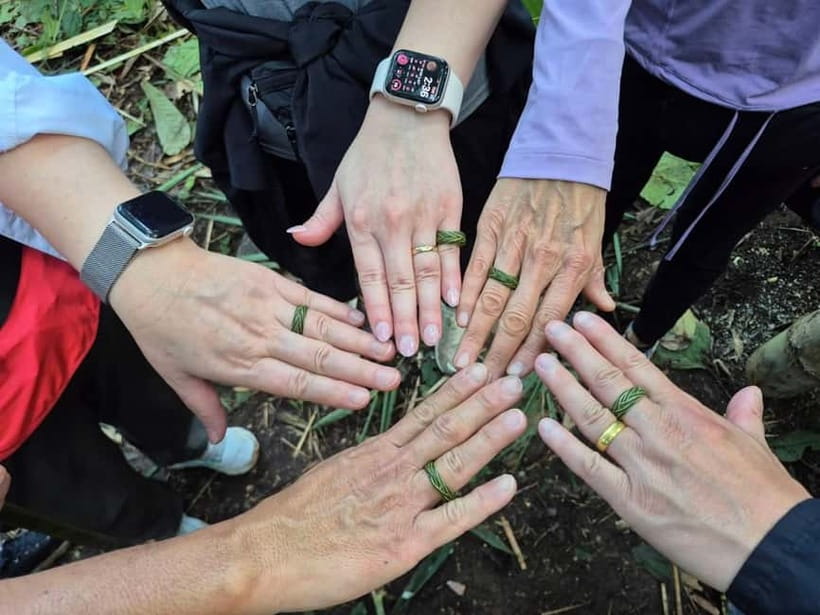
A big part of this experience is the cultural thread running through the trek. You’ll visit Lisu and Chinese villages as part of the mountain-bamboo route. Later, after lunch and more jungle walking, you’ll reach the Akha and Lahu tribe village.
These stops are valuable for two reasons. First, they break up the physical effort with moments that feel different from pure nature time. Second, they give you a chance to see how village life and daily routines connect to the land. Even if you only understand part of what’s explained, you’ll still feel the difference between a tourist viewpoint and living communities.
Practical advice: keep your pace respectful and be ready for uneven steps near village edges. Also, remember that you’re walking into someone’s home area. A calm attitude goes farther than quick photos.
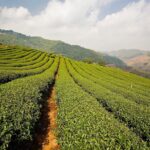
There’s also a tea plantation tour on the route. That adds another layer beyond “village plus waterfall.” It’s a look at how crops and livelihoods connect to the region’s cooler, higher terrain.
Huai Kaeo Waterfall: Timing for Photos and a Real Cool-Down
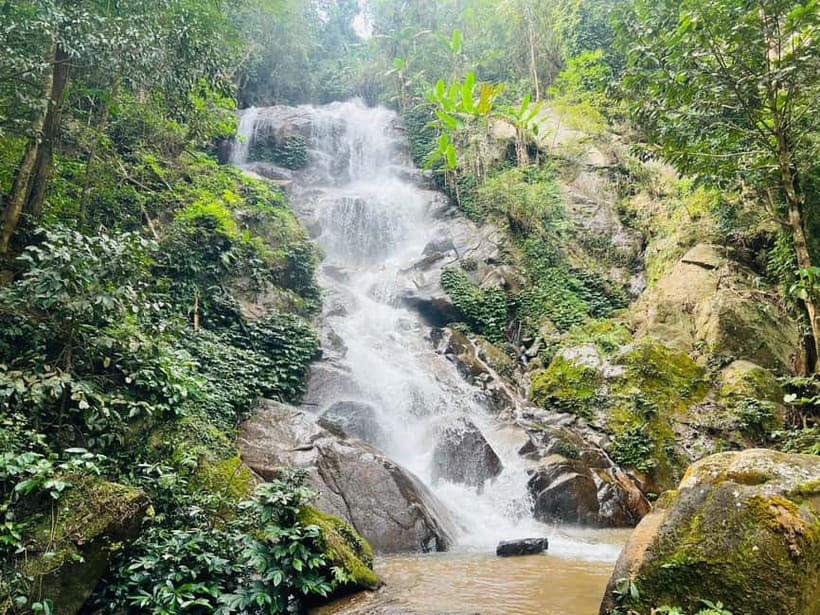
Waterfall time happens in two stages. You’ll have a guided waterfall visit for about an hour, then later you’ll return for additional time right after lunch.
Why that split matters: it keeps the day from feeling like one long “arrive, look, leave” routine. The first waterfall stop helps orient you in the area and lets you enjoy the scenery. The second time is the payoff moment, because you’ll have that refreshing swim option after your bamboo cooking lunch.
If you’re the type who gets tempted to skip swims because you don’t want to manage wet gear, don’t overthink it. Just plan smart: wear quick-dry clothing you’re comfortable with, and keep your essentials protected so you’re not scrambling after.
One more thing to know: the hot spring has a swimming ticket cost (about 100 baht), and beverages aren’t included. The waterfall swim is a nice counterbalance, but don’t assume every water-related expense is covered.
Bamboo Cooking Lunch: Making Food With Bamboo
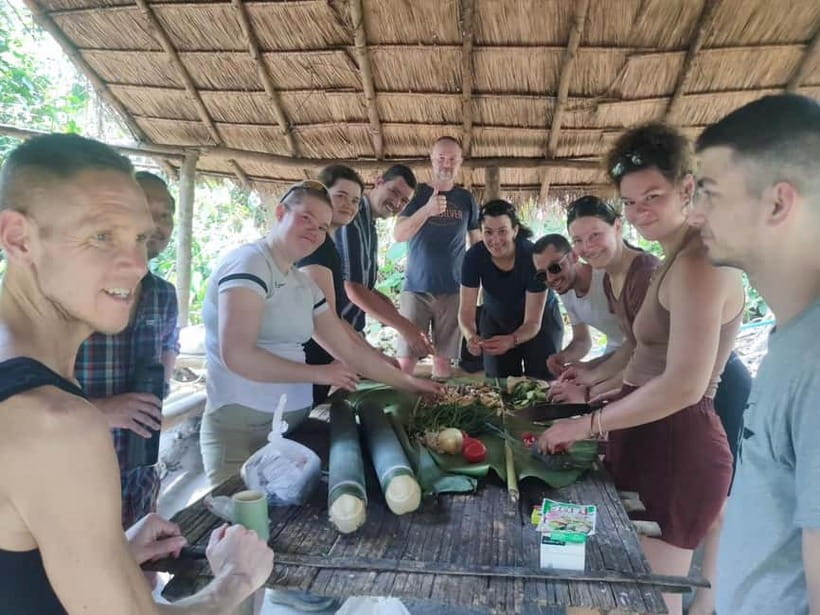
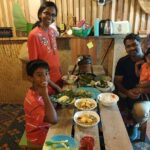
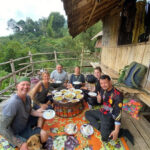
This is the heart of the day for many people, and it’s easy to see why. After you’ve been trekking and visiting villages and a tea plantation, you stop for bamboo cooking lunch. You learn how to cook using bamboo, and you eat as part of that hands-on process.
This matters because it turns lunch into an activity with a learning curve. You’re not just holding a sandwich and waiting for the day to continue. You’re part of a small cooking lesson that fits the environment—bamboo is literally the material around you.
You’ll cook lunch, then after eating, you continue toward the waterfall and the swim. That order is smart. It keeps your energy up before the second leg of walking, and it helps you cool off when you need it.
What to expect in terms of effort: you’ll likely come in warm and sweaty from trekking, so give yourself a few minutes to settle before the cooking starts. The smell of smoke, wood, and fresh food is part of why this lunch feels memorable.
From the people who’ve done this before, one theme comes through: the day’s best moments include the jungle hike plus the meal cooked right in the middle of it, followed by that refreshing dip. That’s a rare combo when you compare it to many “trek and lunch” tours.
Pasoet Hot Spring: How to Enjoy the Soak Without Stress
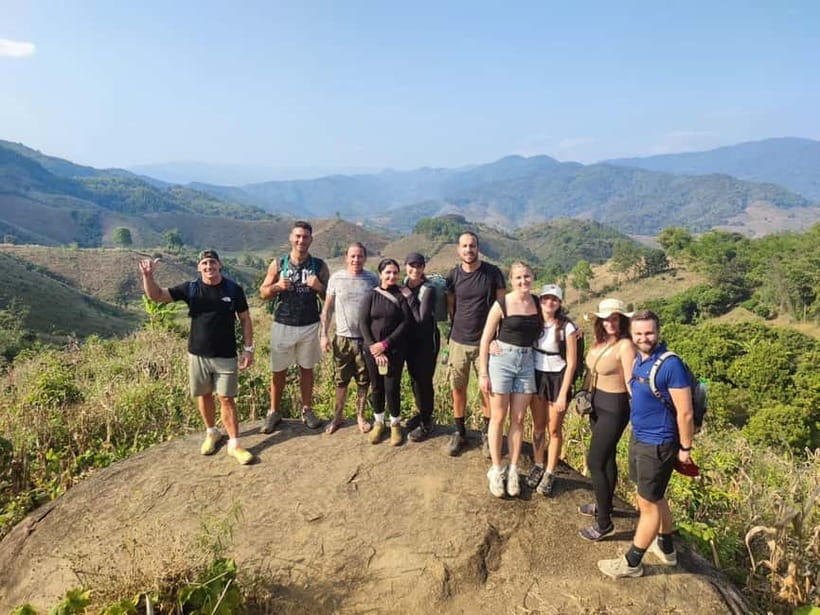
Near the end of the day, you keep walking through the jungle to reach Pasoet Hot Spring. Then you take a dip in the hot spa pool. This is your recovery moment, and it’s not a small one.
If your legs are tight, the hot water makes a difference. After 10–12 km of walking (even with breaks), your body will appreciate the change of temperature and the chance to relax. It’s also a nice shift in scenery—less trekking focus, more unwind mode.
Plan for one extra cost detail: the swimming ticket at the hot spring is about 100 baht, and beverages aren’t included. The tour handles the trek, visits, and the hot spring dip access, but you’ll still want some cash for that ticket and any drinks you want.
Then you head back to Mueang Chiang Rai after the soak, with the day wrapping up back near your pickup area. Total duration is about 8 hours, which feels like a full day without eating your entire schedule.
You can also read our reviews of more hiking tours in Chiang Rai
Price and Value: What $57 Really Buys You
At about $57 per person for an 8-hour small-group day, you’re paying for more than transportation and a meal. You’re buying guided time, multiple route stops, and active logistics.
Here’s what your money covers:
- Hotel pickup and drop-off in the downtown area
- Insurance
- A guided trek experience
- Village visits (Lisu, Chinese, Akha, Lahu)
- Tea plantation tour
- Bamboo cooking lunch
- Waterfall visits
- English/Thai live guide
What’s extra:
- Beverages
- Swimming ticket for the hot spring (around 100 baht)
The value calculation for me comes down to this: the tour builds a full day experience out of real movement plus cultural access plus a hands-on lunch. Many half-day tours do “a couple stops” with no real activity. This one gives you hiking time, community visits, and the bamboo cooking lesson in one package.
If you’re traveling solo, this small-group format also helps. You’re not getting the “mass bus tour” energy. With a maximum of 9 participants, it’s easier to keep the pace comfortable and ask questions.
Who Should Do This Trek (and Who Should Skip It)
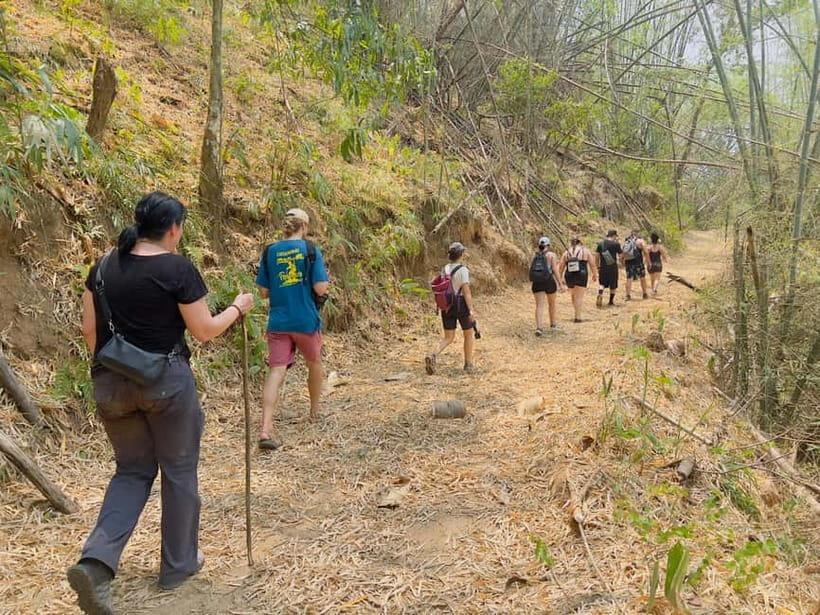
This is best for you if you want a physically active day and you like learning through doing. The trek is roughly 10–12 km total, and walking time is around 5–6 hours. You’ll be happier if you enjoy paths, steps, and getting a little muddy.
It’s also a good fit if you’re interested in Thai northern culture beyond temples—tribal village visits, tea plantation time, and the way food traditions show up in the landscape (like bamboo cooking).
It may not be for you if:
- You want minimal walking
- You’re sensitive to heat and humidity (the day requires a hat and sunscreen)
- You’re traveling with constraints around weight or age limits
The tour isn’t suitable for babies under 1 year, people over 70 years, or anyone over 95 kg. If you fall outside those limits, it’s a good idea to choose a shorter, lower-impact day instead.
A practical tip: plan to bring your own water and drinks. The info here is clear about it, and it makes the day smoother—no waiting around for refills mid-trek.
Packing Tips That Actually Matter for This Chiang Rai Day
The list is short for a reason. Bring what keeps you comfortable and safe on uneven, hot, outdoor paths.
What to bring:
- Hat
- Hiking shoes
- Sunscreen
- Water (and your own drinks)
- Long pants
- Hiking pants
Not allowed:
- Alcohol and drugs
Why this matters: trekking trails don’t care about your schedule. If you show up in sandals or with no sun protection, the day can go from fun to annoying fast. Long pants also help with trail contact and general comfort.
One more “small but real” suggestion: wear clothes that dry quickly. You’ll pass through multiple stops and you’ll have a chance to swim at the waterfall. You don’t need to plan for a full beach day, but you do want to avoid ending the day in cold, heavy wet fabric.
Should You Book This Chiang Rai Bamboo Trek?
Book it if you want a full, active day in Chiang Rai Province that combines nature, culture, and hands-on food. The strongest reasons to say yes are the bamboo cooking lunch, the tribal village circuit, and the mix of waterfall cool-down plus a hot spring soak at the end.
Skip it if you’re after an easy half-day. Between the total 10–12 km walking and 5–6 hours on foot, this is a hike first, sightseeing second. Also factor in the extra hot spring swimming ticket (about 100 baht) and plan for beverages.
If you’re the kind of traveler who likes your itinerary to feel like a story—walk, learn, eat, swim, soak—this one fits.
FAQ
How long is the Chiang Rai trekking and bamboo cooking experience?
It runs for about 8 hours.
What is the total walking distance?
The total walking distance is approximately 10–12 kilometers, with about 5–6 hours of walking time.
What’s included in the price?
Hotel pickup and drop-off, insurance, a guided trek, village visits (Lisu, Chinese, Akha, Lahu), tea plantation tour, bamboo cooking lunch, and waterfall visits are included.
What extra costs should I expect at the hot spring?
Beverages are not included, and the hot spring swimming ticket is about 100 baht.
Is hotel pickup included, and where does it cover?
Pickup is available from hotels in Chiang Rai within a 3-kilometer radius of downtown and Bus Station Terminal 1.
What time should I be ready for pickup?
Pickup is typically between 09:00 and 09:30. You should wait in the hotel lobby about 5 minutes before your scheduled pickup time.