REVIEW · CHIANG RAI
Chiang Rai: Explore Mountain & Border Routes – Private Tour
Book on GetYourGuide →Operated by Black Dragon Tours · Bookable on GetYourGuide
Border views beat postcards.
This one-day private tour in Chiang Rai strings together mountain scenery, big border panoramas, and history that feels local rather than textbook. I love the three-country viewpoint focus—Thailand, Laos, and Myanmar all in one day—and I also like the stop-by-stop guidance that helps you make sense of what you’re seeing instead of just taking photos. The only real drawback to flag: it’s a full, packed day with some paid ticket add-ons at attractions and a lot of time in the car.
You’ll start at 8:30 from your hotel lobby and come back around 5:30, with an air-conditioned vehicle, drinking water, and an English-speaking guide. Expect walking at viewpoints and garden paths, plus photo stops where you’ll want your camera ready. Also, bring your passport or ID—there are checkpoints on the way out to the border routes.
In This Review
- Key Highlights That Matter
- Why Chiang Rai’s border route feels different than a “regular tour”
- Price and value: what $77 really buys you
- The day’s timing: 8:30 to 5:30 and how to pace yourself
- Doi Tung Royal Villa: royal grounds with a good first payoff
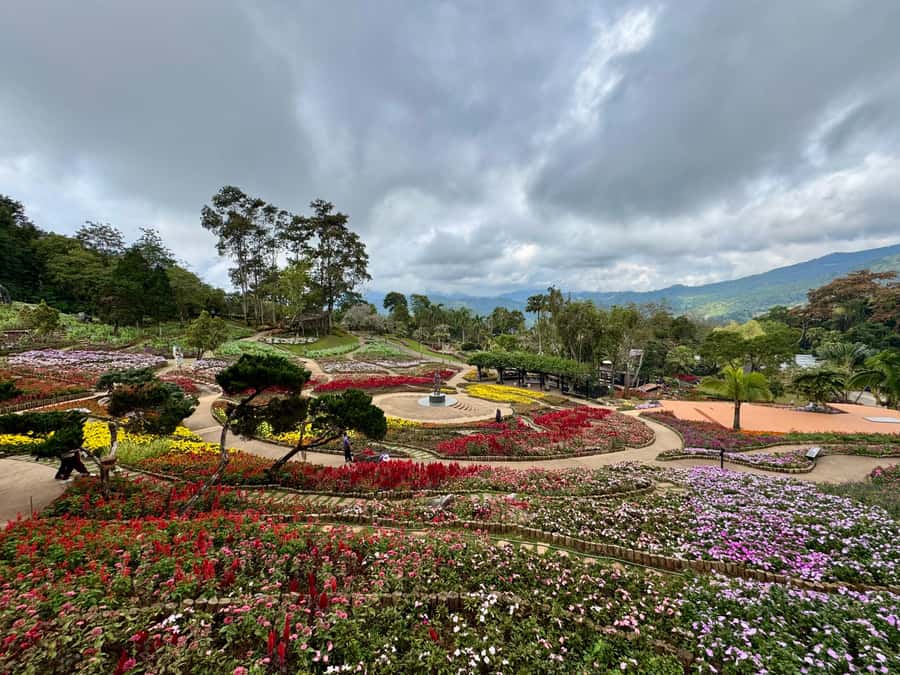
- Mae Fah Luang Flower Garden: a garden stop that actually earns its time
- Doi Chang Moob: the border viewpoint where the geography does the talking
- Pha Hee Village lunch: scenic dining and a real break from driving
- Golden Triangle viewpoint: seeing Thailand, Laos, and Myanmar at once
- House of Opium (Opium Museum): what to look for on the self-guided visit
- The guide factor: why English explanations can make the border day click
- What to bring and what to avoid on border-route checkpoints
- Who this tour is best for (and who should choose something else)
- Should you book Chiang Rai: Explore Mountain & Border Routes?
- FAQ
- What time does the Chiang Rai border route tour start and end?
- Is hotel pickup and transfer included?
- What language is the tour guide?
- Do I need a passport for this tour?
- What tickets are not included in the tour price?
- Is lunch included?
Key Highlights That Matter
- English guide with real border explanations (the guides listed for this tour, like Bank, Poppy, and Mos, are praised for clear English and answering questions)
- Doi Tung Royal Villa and Mae Fah Luang Flower Garden with small onsite entry fees you should budget for
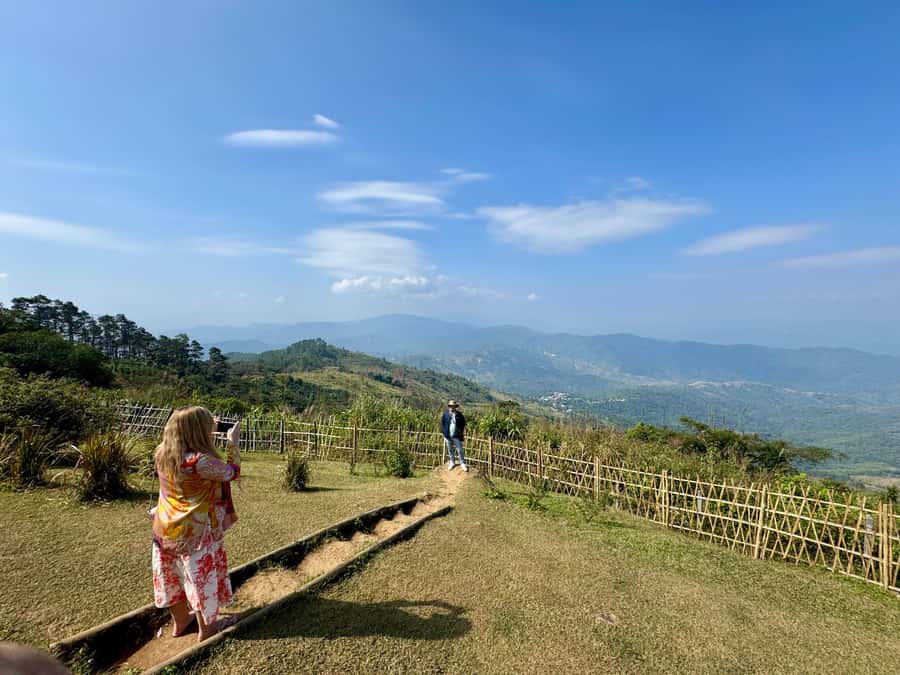
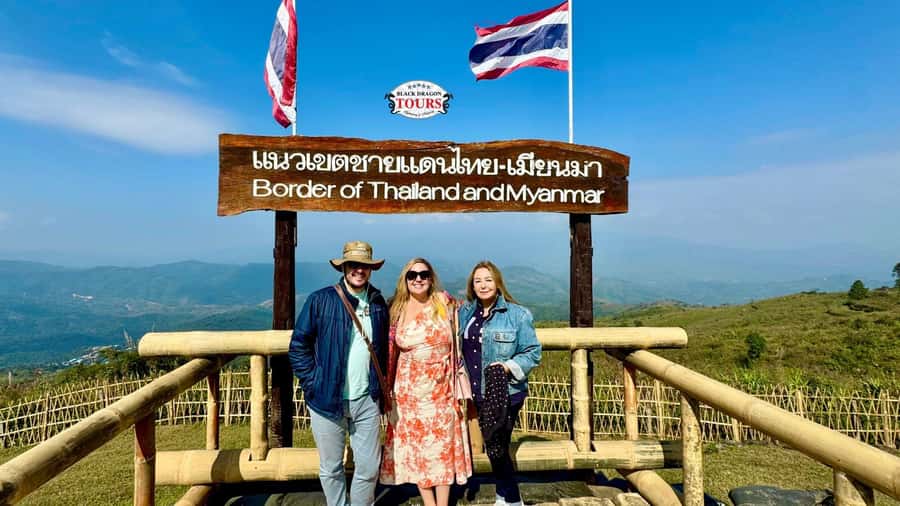
- Doi Chang Moob viewpoint for a strong Thailand–Myanmar border perspective and photo time
- Golden Triangle viewpoints where the guide puts the past and present of the region into context
- House of Opium (Opium Museum) with exhibits plus a self-guided upstairs section about hill tribes and opium connections
- Local food breaks (including a lunch stop and coffee during the day) that keep the pacing comfortable
Why Chiang Rai’s border route feels different than a “regular tour”
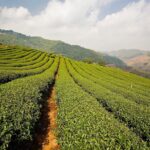
Most Chiang Rai days either stay focused on temples or stick to markets and towns. This route pushes north toward viewpoints that actually explain why this region matters. You get scenic drives through hilly countryside, then you rise to spots designed for seeing far distances—exactly the kind of geography that makes border history click.
What makes it feel practical is the way the guide handles transitions. You’re not just dropped at a viewpoint and told to wander. You get context on what you’re looking at—especially around the Golden Triangle and the opium-era stories that still shape how people talk about this area.
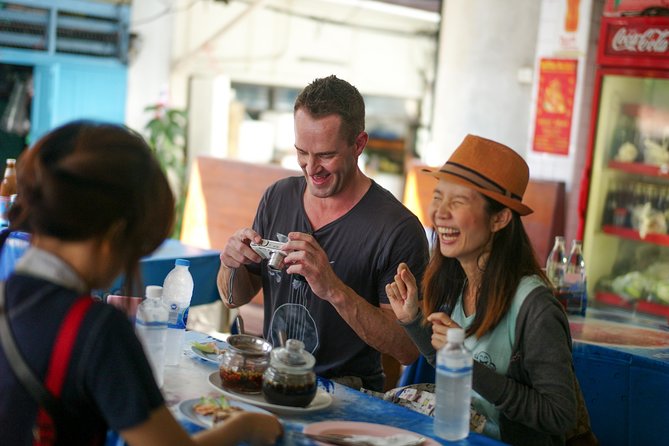
And yes, there’s a food component that isn’t an afterthought. Between the coffee and the Thai restaurant lunch stop, the day doesn’t feel like you’re surviving on snacks.
You can also read our reviews of more private tours in Chiang Rai
Price and value: what $77 really buys you
At $77 per person for a full day, the value comes from the package, not just the places. You’re paying for:
- an English tour guide
- hotel pickup and transfer
- an air-conditioned vehicle
- drinking water and insurance
That matters because the route is spread out. Doing this by yourself means more planning, more transport decisions, and less confidence at checkpoints.
Now the fine print you should plan for: attraction tickets are not included. The Royal Villa ticket is listed at 90 THB per person, the Royal Flower Garden ticket is also listed at 90 THB per person, and the Opium House ticket is listed at 50 THB per person. Add those up before you go so there are no surprises when you’re ready to enter.
Also note the inclusion line says lunch isn’t included, even though the day clearly has a lunch stop on the schedule. I’d treat lunch as a likely extra unless your exact booking states otherwise.
The day’s timing: 8:30 to 5:30 and how to pace yourself
The tour runs from 08:30 to 17:30. Pickup is at your hotel lobby, and you’re asked to wait about five minutes before the scheduled time. Once you’re on the road, you should plan for a steady rhythm: ride, short visit, photo stop, then ride again.
That pace works well if you like structure. It’s also why the guide adds value. You get help with timing so you don’t miss key viewpoints when light changes.
The walking is not described as extreme, but you will be out at places with uneven ground—especially garden paths and viewpoint areas. Wear shoes you’re comfortable standing in and bring a light layer for cooler morning air. If motion sickness is an issue, this kind of day can feel long in the vehicle, so take that seriously.
Doi Tung Royal Villa: royal grounds with a good first payoff
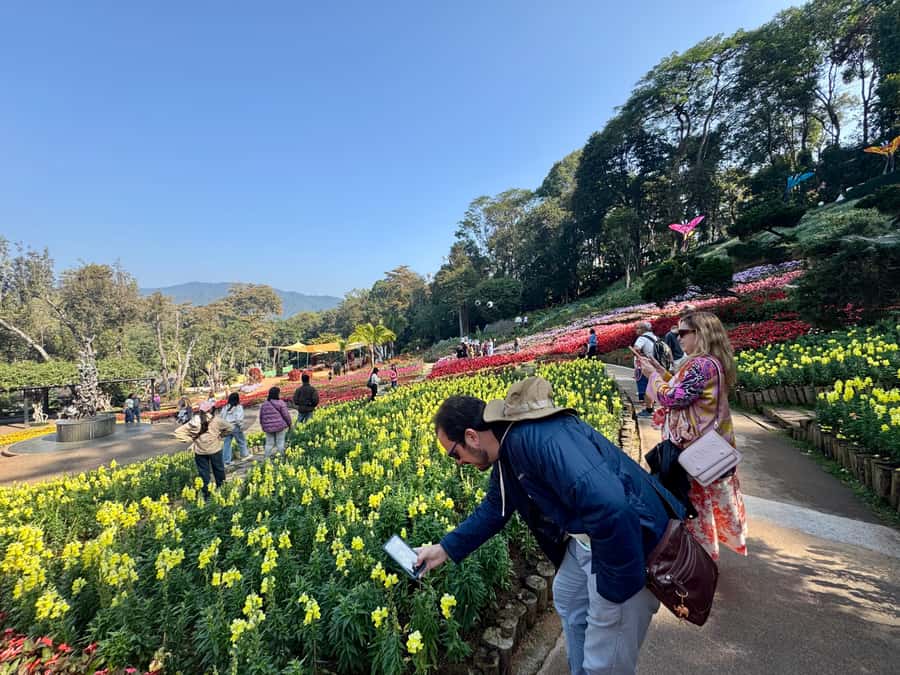
Your day begins in the Doi Tung area, about an hour northwest of Chiang Rai. The first major stop is Doi Tung Royal Villa, with time for a guided tour and then free time to wander.
This is a smart first stop because it sets the tone: you’re not starting with a quick photo. You’re learning what the grounds represent, then you get time to absorb the details at your own pace. The drive in also matters. You pass through forested, mountainous scenery, so even the travel portion sets you up for the viewpoints later in the day.
One practical tip: go in with a passport or ID in your day bag, not buried in luggage. You’ll need it during the border-route portion with checkpoints. Having it handy reduces stress if you’re asked for documents again later.
Mae Fah Luang Flower Garden: a garden stop that actually earns its time
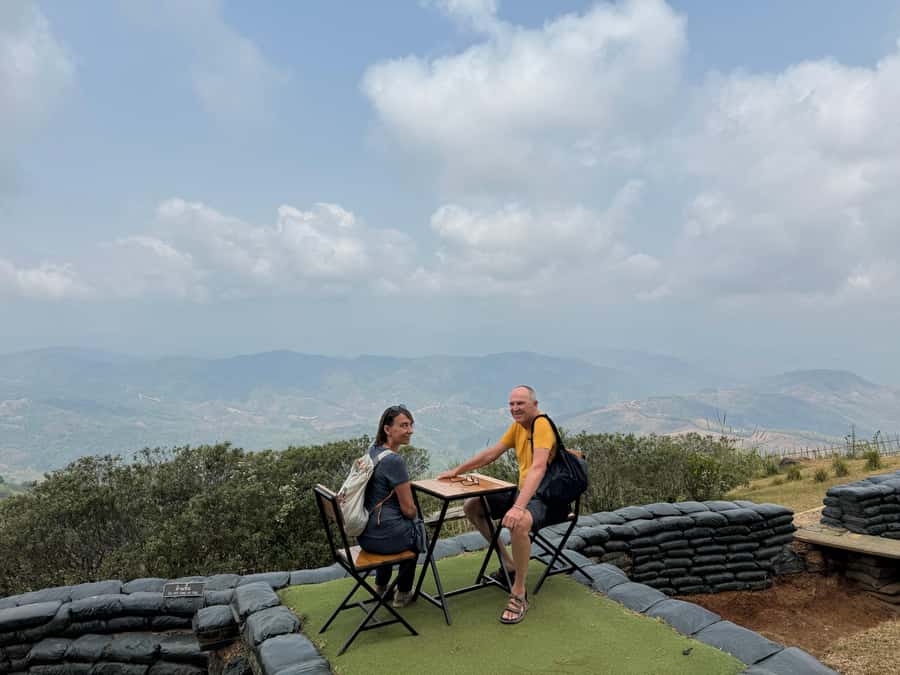
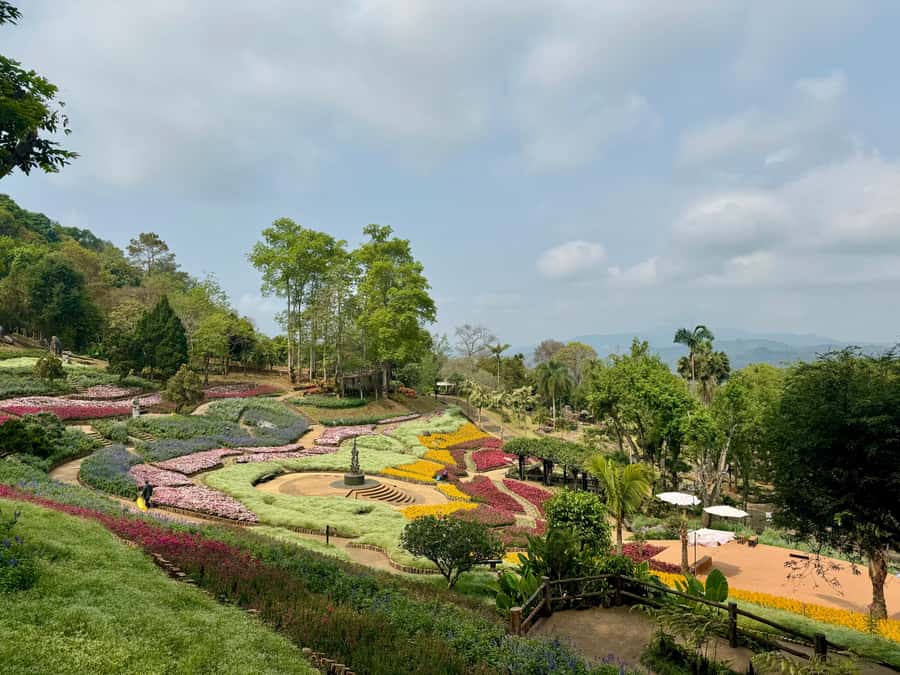
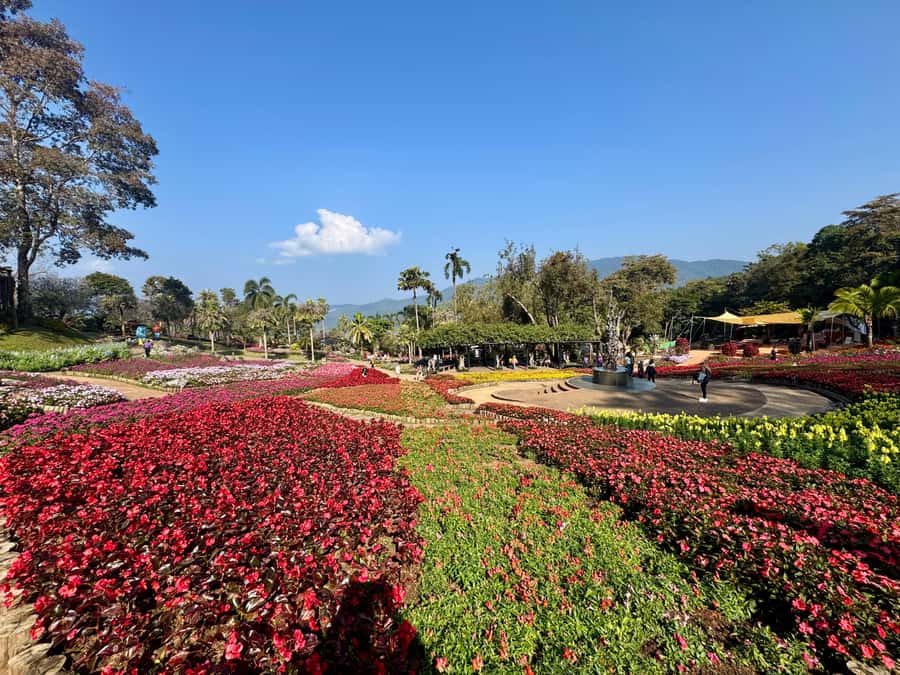
After the Royal Villa, you head to Mae Fah Luang Flower Garden. The structure here is similar: guided time plus free time for sightseeing and walking.
This is the part of the day that balances the history with something lighter on your feet. The tickets for both the Royal Villa and the garden are listed as 90 THB each, so decide early whether you want to go all the way in or treat the garden time as the “relax” segment.
If you’re the type who likes scenic variety, this stop also gives you visual contrast. You’ll later see border viewpoints where the horizon is the main feature. Here, the gardens let you shift attention to color, layout, and slower exploration.


Doi Chang Moob: the border viewpoint where the geography does the talking
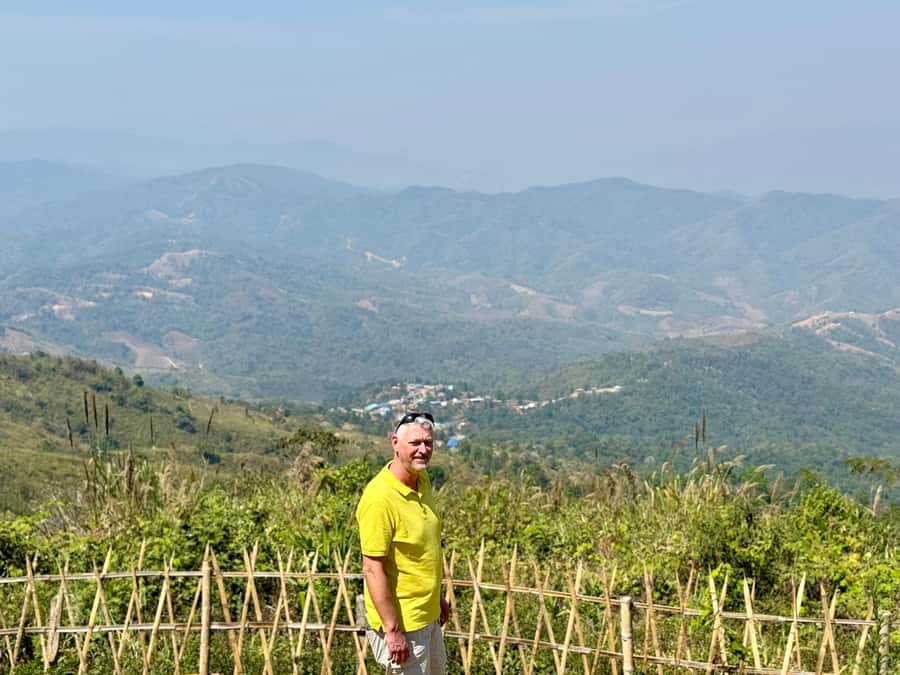
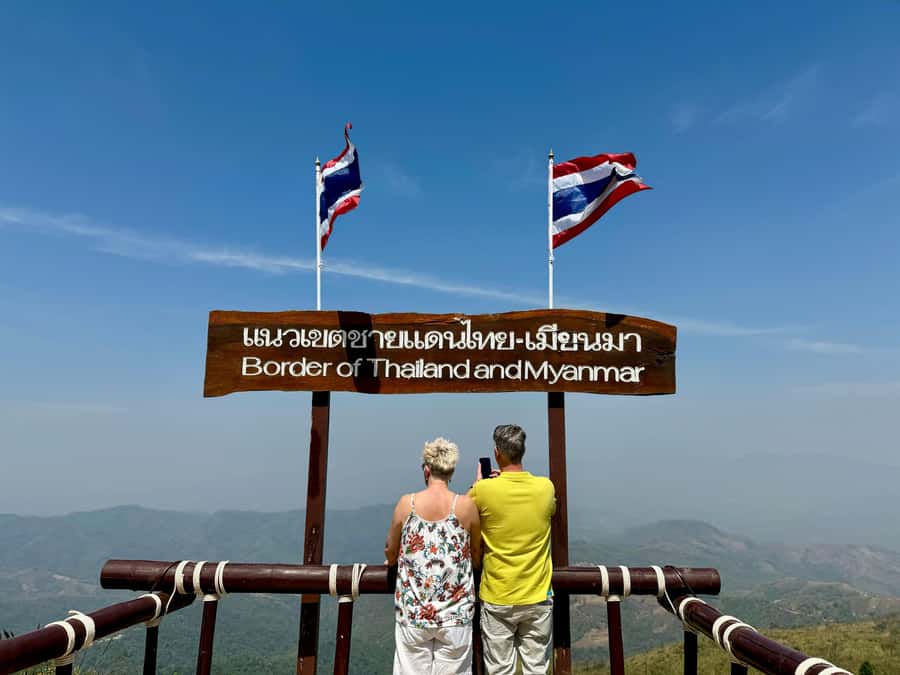
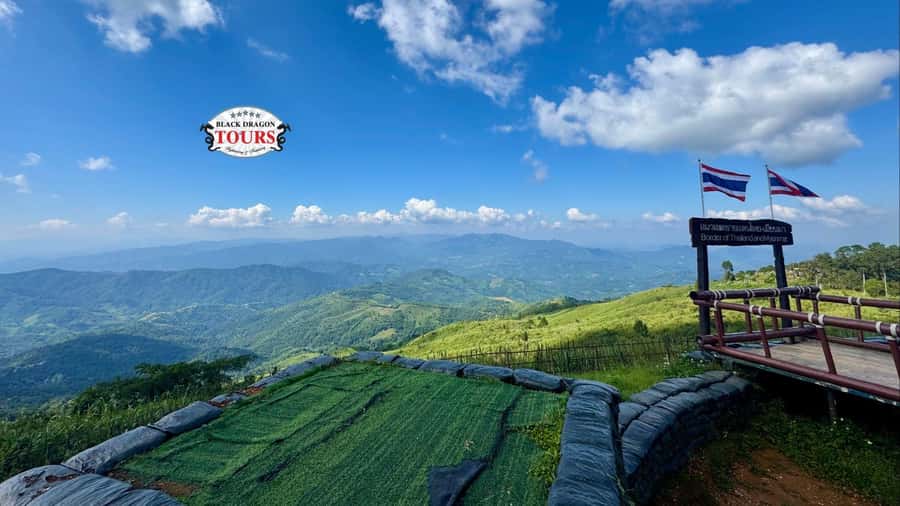
Next up is Doi Chang Moob. This is built for photos and for seeing the border in a way that’s hard to grasp from city life. You’ll get a viewpoint, time for photos, and a guided explanation.
From here, the guide points out what you can observe across the Thai–Myanmar border, including a small village and a Myanmar military base nearby. Even if you’re not looking for politics, the practical reality is this: border life isn’t theoretical here. It’s visible in the way settlements and infrastructure sit in the terrain.
Expect this to be one of those stops where you pause more than you move. Bring your camera settings ready. The best photos often happen after you’ve stood still for a moment and let your eyes adjust to the distance.
Pha Hee Village lunch: scenic dining and a real break from driving
Then it’s time to refuel at a local restaurant in the Pha Hee Village area. The day includes Thai local food, and this lunch stop is described as scenic, with a restaurant setting that matches the surrounding views.
This is not a quick grab-and-go. The allotted time is 45 minutes, which is enough to eat without feeling rushed back into the vehicle.
Since lunch is listed as not included in the pricing details, don’t assume it’s automatically covered. Still, treat it as a benefit of the tour. The point isn’t just food—it’s that someone else handles finding a place you can eat easily in the middle of a long day.
If you’re sensitive to heat or want to avoid spice, it helps to tell the guide your preferences early.
Golden Triangle viewpoint: seeing Thailand, Laos, and Myanmar at once
After lunch, you drive about 30 minutes to the Golden Triangle area, known as the meeting point of three countries: Thailand, Laos, and Myanmar. You’ll have a photo stop and guided time from a viewpoint.
What makes this stop more meaningful is how the guide frames the area’s role in the opium trade in the past. You’re not asked to memorize dates—you’re shown how geography, trade routes, and conflict shaped the region. Even today, that story hangs over how the area is described and how people explain their hometown connections.
Give yourself time here. Golden Triangle stops can be visually intense because you’re trying to orient three places at once. Take the guided explanation first, then use your free time to reconnect the view to what you just heard.
House of Opium (Opium Museum): what to look for on the self-guided visit
To close the day, you visit the Opium Museum, also referred to as the House of Opium. You’ll have time for a self-guided tour.
The museum is described as covering:
- the opium production process
- tools and equipment used in the past
- an upstairs focus on hill tribes and their connection to opium trade
This structure is useful. Start with the main exhibits so you understand how production worked. Then upstairs, you’ll be able to connect that system to people and communities in the region, rather than treating opium history as only machines and dates.
Plan your pace. Self-guided time is set at about 30 minutes. That’s enough for a thoughtful skim and key highlights, but not enough for slow reading of everything. If you care about specific aspects, pick the section your guide’s explanation made you curious about and start there.
The guide factor: why English explanations can make the border day click
This type of day lives or dies on interpretation. A viewpoint is a viewpoint until you know what you’re seeing and why it matters. That’s where the English-speaking guide really earns their seat.
The guides connected to this experience are praised for being punctual, friendly, and high-competence, with the ability to answer questions throughout the day. One of the most practical compliments is that guides don’t just run the schedule—they also help with extra local food and places to go in Chiang Rai after the tour.
If you want authentic-feeling guidance, pick up on what the guide says in the car as much as what they say at the stops. The best border-route understanding often comes from the ride-between-the-views context.
What to bring and what to avoid on border-route checkpoints
You’re told to bring passport or ID card—and a copy of the ID is accepted. On the way to the border routes, there are checkpoints that may require you to show your document to officers. That’s one reason this tour is better with a guide than on your own.
Bring:
- your passport or ID
- a camera
- simple day-bag items like water and a light layer
Avoid bringing weapons or sharp objects. Alcohol and drugs aren’t allowed, and you should also skip strollers and baby carriages for this outing.
And take the “not suitable for” list seriously. It’s especially relevant for people with back problems, heart problems, wheelchair users, anyone with motion sickness, or those who get altitude sickness. Pregnant travelers are also listed as not suitable.
Who this tour is best for (and who should choose something else)
This is a great fit if you:
- want border viewpoints without the hassle of planning transport and navigation
- enjoy history that’s tied to geography
- like a structured full-day format from hotel pickup to hotel drop-off
It’s also a good choice if you don’t want to fight with language and logistics at checkpoints. The guide’s role is practical: they help you move through the day with confidence.
If you’re dealing with motion sickness, back pain, or medical limits, this will likely feel like too much vehicle time plus walking at viewpoints. In that case, consider a slower Chiang Rai day focusing on fewer sites.
Should you book Chiang Rai: Explore Mountain & Border Routes?
Book it if your ideal Chiang Rai day includes border panoramas and you want a guide to explain what you’re seeing, not just where to stand for photos. The route’s value is strong because the price includes hotel transfer, an air-conditioned vehicle, an English guide, and insurance—and you’re getting a coherent story across multiple locations.
Skip or rethink if you don’t want added onsite ticket costs or you prefer a lighter, shorter itinerary. Also, if lunch coverage in your specific booking matters to you, double-check whether lunch is included in your final price. The day includes a lunch stop, but the pricing details list lunch as not included.
If you’re ready for a full day with viewpoints and museum time, this is one of the more memorable ways to see what northern Thailand’s borders look like in real life.
FAQ
What time does the Chiang Rai border route tour start and end?
It starts at 08:30 and ends at 17:30, with hotel pickup at your lobby.
Is hotel pickup and transfer included?
Yes. Pickup is included, and you’ll meet the guide at your hotel lobby.
What language is the tour guide?
The tour guide is English-speaking.
Do I need a passport for this tour?
Yes. You’ll need your passport or ID card because checkpoints on the way to the border routes may require you to show it to officers.
What tickets are not included in the tour price?
The Royal Villa ticket (90 THB per person), the Royal Flower Garden ticket (90 THB per person), and the Opium House ticket (50 THB per person) are not included.
Is lunch included?
The schedule includes a lunch stop at a local restaurant, but the pricing details list lunch as not included. Check your booking to confirm whether lunch is covered.