REVIEW · BANGKOK
Bangkok: Private Old Quarter, Night Street Market, Temples
Book on GetYourGuide →Operated by Roamhertravel · Bookable on GetYourGuide
Chinatown in three hours feels like a highlight reel. This private route strings together Yaowarat night market food and Talat Noi street art, plus quieter temples like Wat Liap. The trade-off: it’s a walking-heavy route, and Mondays can be hit-or-miss because parts of the market area close.
I like that the tour keeps things practical—your English-speaking guide (you might even get one like Natty, Patt, or Tini) points out what you’re looking at and explains the why, not just the what. The pacing works well for a first time in the Old Quarter, starting from The House by Hongkong House and ending with a river-view moment near Memorial Bridge.
It also makes sense for small groups: it’s $76 per group up to 3 for about three hours. Just note it’s not suitable for mobility impairments, and you’ll want to travel light since luggage or large bags aren’t allowed.
In This Review
- Key Things I’d Prioritize on This Bangkok Old Quarter Tour
- Entering Bangkok’s Old Quarter in a Tight 3-Hour Window
- Talat Noi Street Art and the Rong Kueak Shrines: Where History Shows Up on Walls
- Holy Rosary Church to Chinagate: Getting Your Bearings Fast
- Wat Traimit and Kuan Yim Shrine: Big Fame, Quick Calm
- Yaowarat Night Street Market: Street Food and Browsing Without the Overthinking
- Ong Canal Break: A Breather From the Streets
- Pak Khlong Talat Flower Market and Wat Liap: Color, Scent, and Serenity
- Ending at Memorial Bridge: A Chao Phraya River View to Close the Loop
- Price and Value: Is $76 for Up to 3 People Worth It?
- Practical Tips: Shoes, Monday Closures, and Light Packing
- Should You Book This Private Old Quarter and Temples Walk?
- FAQ
- Where do we meet the guide?
- How long is the tour?
- Is this a private tour?
- How much does it cost?
- Which major places are included?
- Is the tour running normally on Mondays?
- What should I bring?
- Is luggage allowed?
- Is it suitable for people with mobility impairments?
Key Things I’d Prioritize on This Bangkok Old Quarter Tour
- Talat Noi art lanes: street art + alleyway atmosphere with Chinese roots in the background
- Rong Kueak and Kuan Yim shrines: Thai-Chinese architecture you can actually slow down to notice
- Wat Traimit golden Buddha photo stop: the famous statue in a short, efficient stop
- Yaowarat night street market: street food and browsing time on the main Chinatown artery
- Pak Khlong Talat flowers + Wat Liap calm: a strong mix of color, scent, and quiet temple time
Entering Bangkok’s Old Quarter in a Tight 3-Hour Window
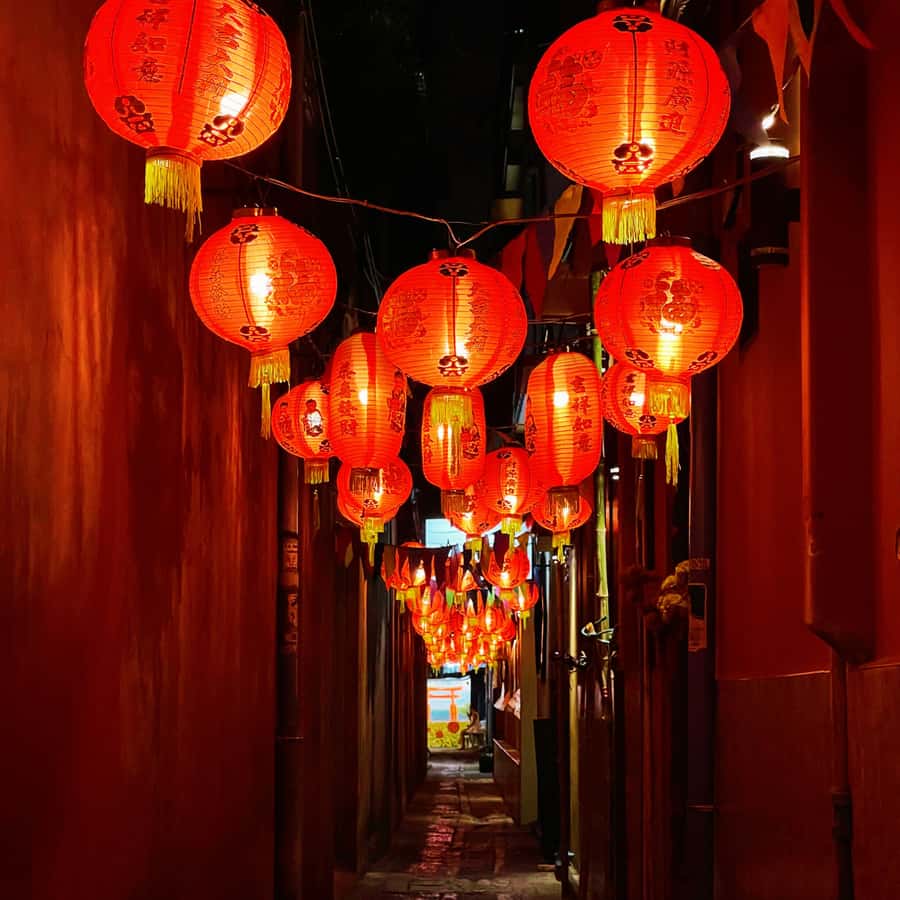
This tour is built for people who want the essentials without spending a full day crisscrossing the city. In about 3 hours, you cover Chinatown’s core vibes, plus a few calmer stops that most people skip when they only chase photos.
The route is also a smart mix of big-name landmarks and less-visited places. You start around the Holy Rosary Church area, then work your way toward Chinatown gateways, temples, and the night market stretch on Yaowarat. You finish near the Chao Phraya River with views from Memorial Bridge, which helps the whole walk feel like a complete arc rather than a list of stops.
If you’re a first-timer, this structure is helpful. It gives you context on Thai-Chinese cultural mixing—how shrines, gates, and marketplaces connect to daily life. If you’ve been to Bangkok before, it still works because the schedule leaves room for real wandering in places like Talat Noi and the flower market area.
You can also read our reviews of more private tours in Bangkok


Talat Noi Street Art and the Rong Kueak Shrines: Where History Shows Up on Walls
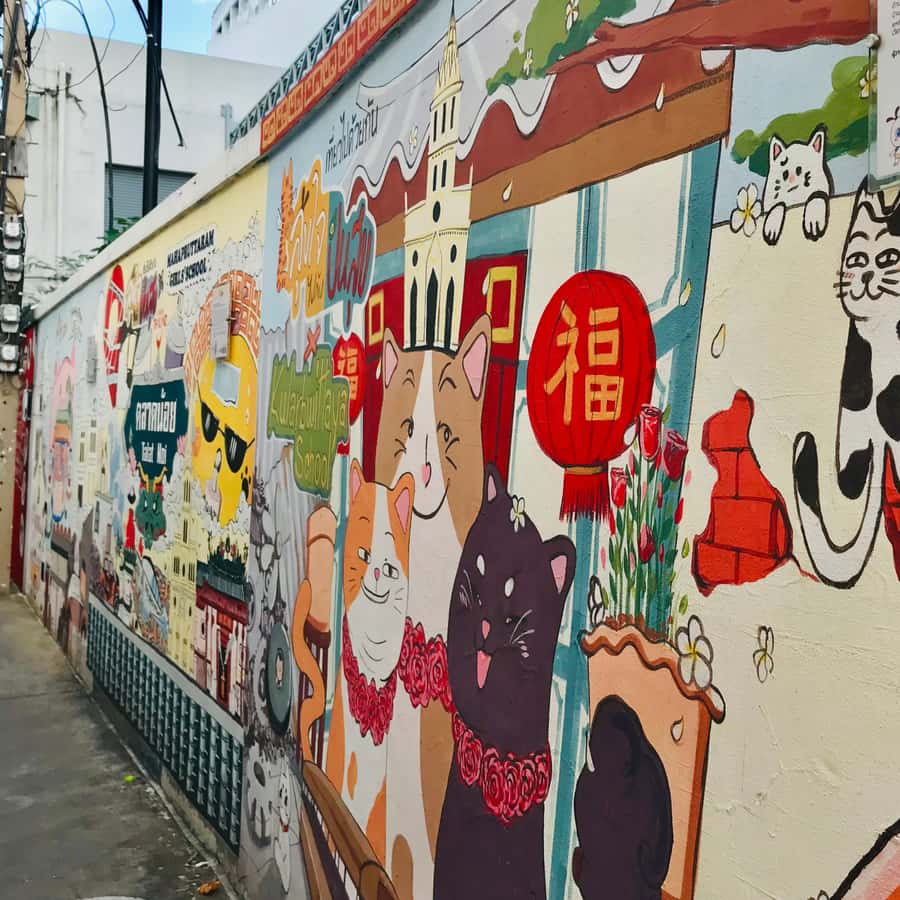
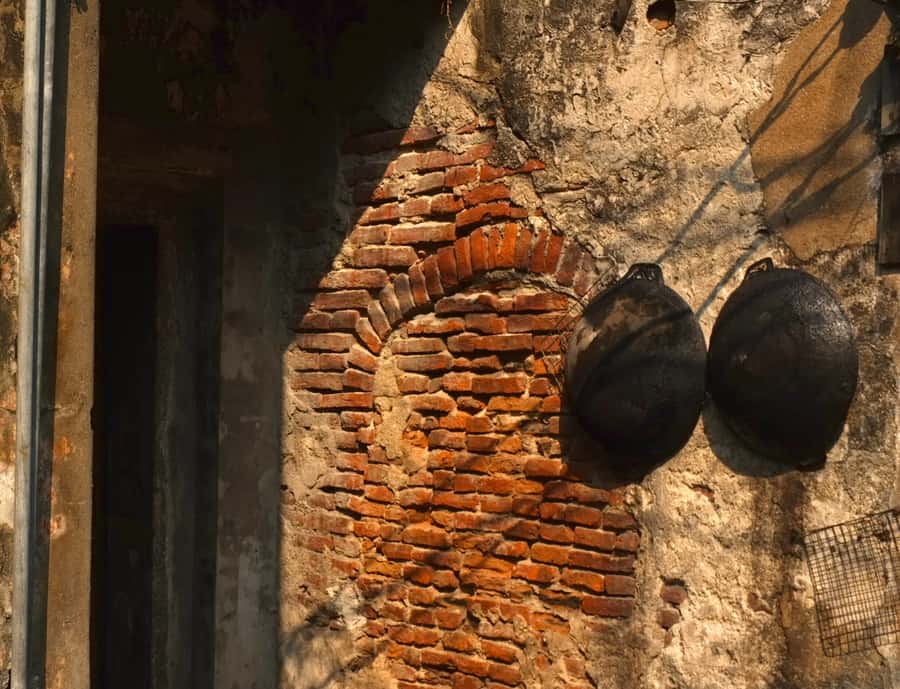
Your first major stop is Talat Noi, one of those areas that feels built for slow-looking. The lanes are narrow, and the walls carry street art alongside clues to the neighborhood’s Chinese heritage.
Talat Noi is the kind of place where you quickly understand why Bangkok has such a strong street-culture reputation. The art isn’t just decoration; it’s part of how the neighborhood tells its story now while keeping ties to what came before.
From there, you move into shrine territory—starting with Rong Kueak Shrine and also stopping by the Chao Mae Shrine area. This is where the tour shifts from street-level creativity to spiritual, architectural details. You get to see the blend of Thai and Chinese design in a way that feels close to everyday life, not staged.
What I’d pay attention to here:
- Decorative details you can only notice when you’re walking past slowly
- How the architecture changes from one shrine zone to the next
- The local shops nearby, which help the area feel lived-in
Holy Rosary Church to Chinagate: Getting Your Bearings Fast
Before you hit the deeper Chinatown streets, there’s a short orientation stretch. The tour begins at The House by Hongkong House, where you meet your guide in front of the cafe. Then you walk toward Holy Rosary Church for a brief guided moment.
That early stop matters more than it sounds. It helps you orient to the area before you plunge into Yaowarat at night. You’ll also have a better sense of direction when you later pass through Chinagate, the recognizable gateway into Bangkok’s Chinatown.
Chinagate is one of those checkpoints that makes the whole neighborhood feel coherent. Instead of random walking, you get a real sense of entering Chinatown proper. It’s also a nice photo moment without turning the entire tour into a photo contest.
Wat Traimit and Kuan Yim Shrine: Big Fame, Quick Calm
Right after Chinagate, you reach Wat Traimit, known for the world’s largest golden Buddha statue. You’ll have a photo stop rather than a long temple lesson here, which keeps the pace moving.
Even as a short stop, this location changes how you view the rest of Chinatown. It’s a reminder that the area isn’t only about shopping and food—it’s also a religious center with major landmarks.
Then comes a gentler shift: Kuan Yim Shrine, which is dedicated to the goddess of mercy. This stop is longer than the golden statue moment, and it’s where the tour gives you permission to slow down. You’ll be able to notice intricate details at a calmer tempo than the streets around you.
If you’re traveling with anyone who gets overwhelmed by noise, this is a strong point in the itinerary. It breaks the sensory load without wasting time.
Yaowarat Night Street Market: Street Food and Browsing Without the Overthinking
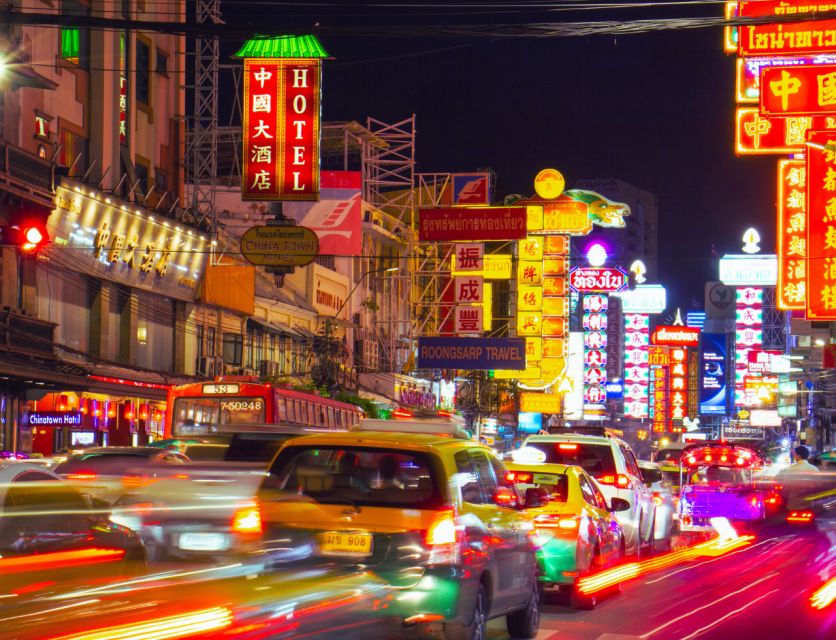
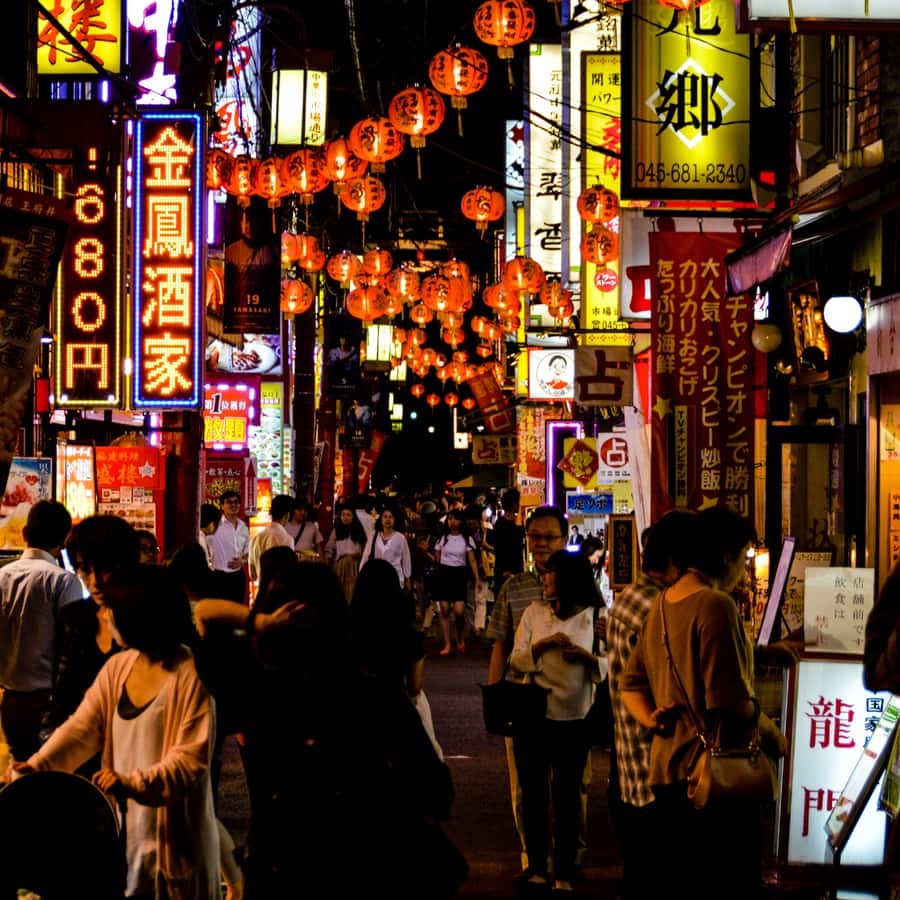
Once you step onto Yaowarat Street, the energy level rises. This is the core Chinatown artery, and the tour is designed to help you experience it in a way that’s both fun and readable.
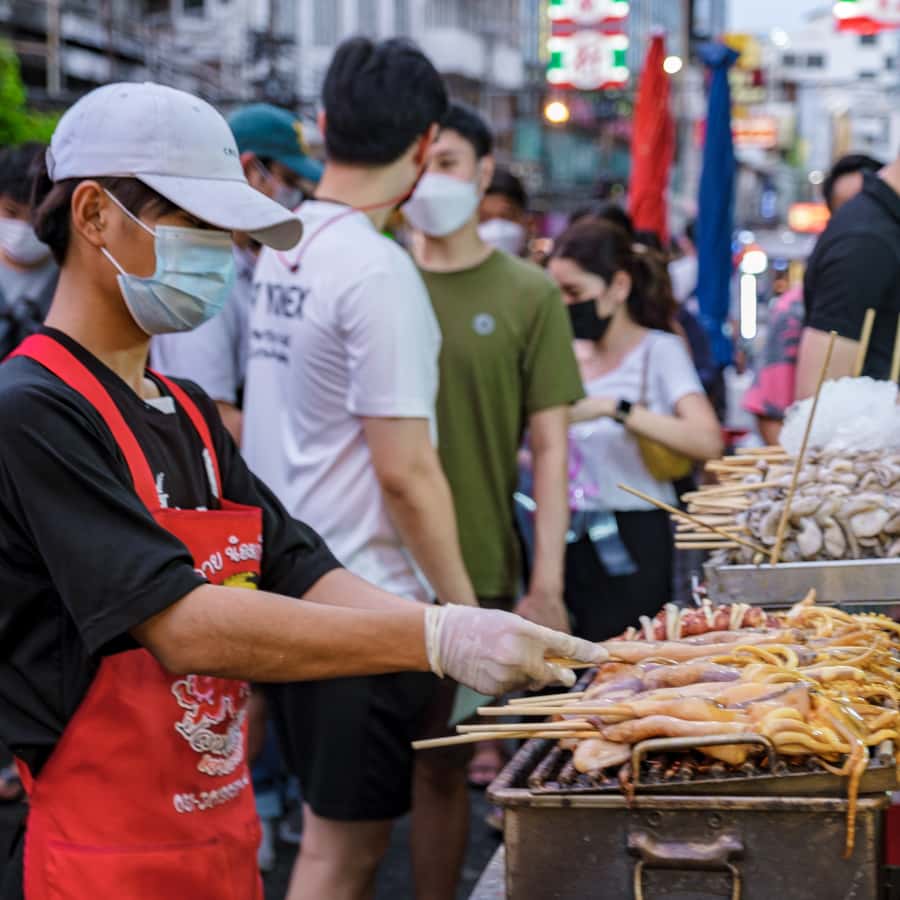
You’ll get guided walking time along the night market stretch, with a focus on what you’ll actually want to try and see. The emphasis is on authentic food territory—think Chinese and Thai flavors, with options that can range from savory bites (like dim sum styles) to sweet pastries.
A practical note: you’re not forced into a single tasting. The guide’s job is to steer you through what’s appropriate for the moment—what looks fresh, where the food rhythm makes sense, and how to keep moving so you don’t lose the group.
For me, the best part of Yaowarat as a tour stop is the browsing logic. It’s not just eating. It’s also watching the street life—how goods are displayed, how people navigate the stalls, and how the market atmosphere changes block to block.
You can also read our reviews of more shopping tours in Bangkok
Ong Canal Break: A Breather From the Streets
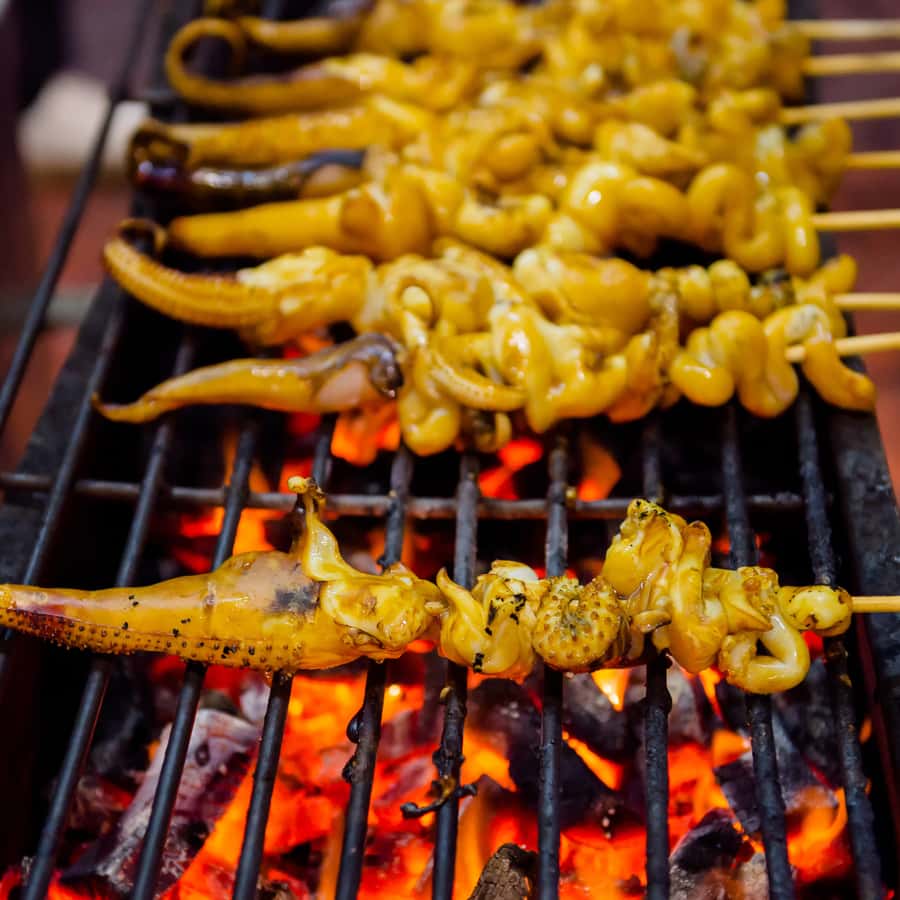
Between market zones, the tour takes you to Ong Canal, a quieter waterway where the city’s pace feels less intense. Strolling here is a smart reset. You get air, shade where available, and a different perspective on daily life in Chinatown.
The canal walk also helps you understand the neighborhood layout. Even if you don’t know the geography of Bangkok, you can feel how waterways once shaped movement, and how today’s streets layer on top of that legacy.
This is exactly the kind of stop that makes a short tour feel thoughtful instead of rushed. It gives you contrast—street food energy in one direction, slower daily life in another.
Pak Khlong Talat Flower Market and Wat Liap: Color, Scent, and Serenity
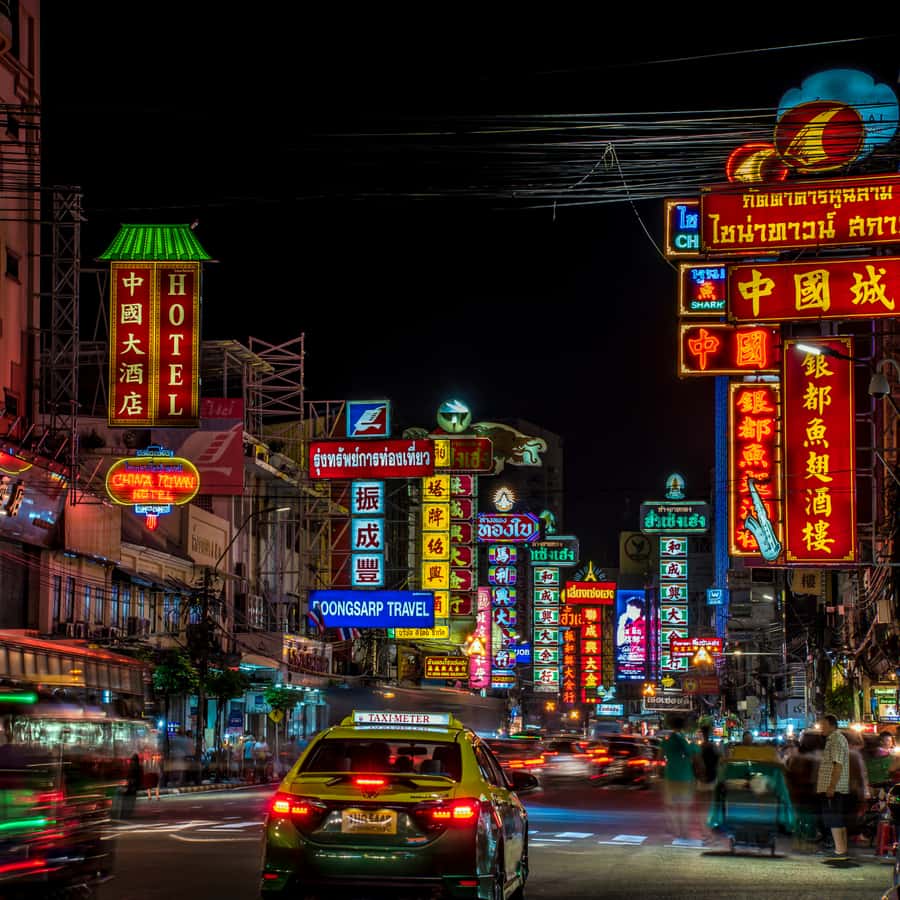
After the canal, the tour heads to Pak Khlong Talat, one of Bangkok’s best-known flower markets. You’ll see countless blooms and get guided time to soak in the sights and the busy atmosphere around the stalls.
Even if you don’t love shopping, the flower market works because it’s sensory in a way that photographs can’t fully capture. The mix of color and scent can make the whole Old Quarter route feel more human and less like a checklist.
Right near this area, you’ll also find peace at Wat Ratchaburana Ratchaworawihan—often referred to as Wat Liap. This is one of the more tranquil moments on the itinerary. Instead of market noise, you get a calmer temple setting where you can focus on architecture and details.
If you’re wondering whether the tour is too focused on food and streets, Wat Liap is the answer. It’s the quiet counterweight that gives you balance.
Also, the route design is efficient: you get contrast in the same general area, so you don’t spend time commuting just to find one calm stop.
Ending at Memorial Bridge: A Chao Phraya River View to Close the Loop
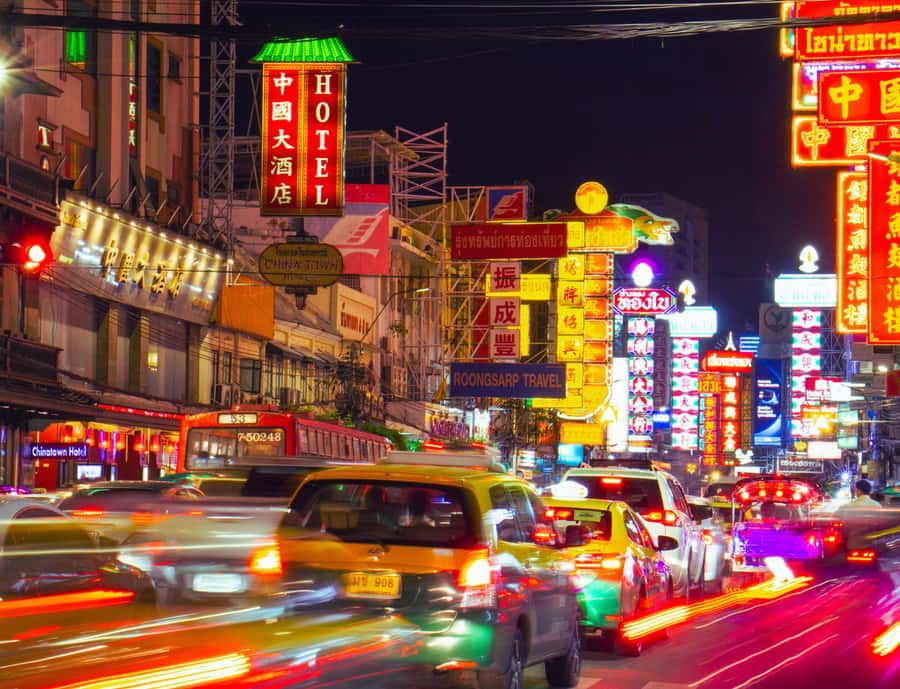
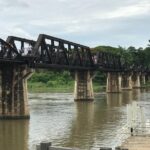
Your last stop is Memorial Bridge, where you can look out toward the Chao Phraya River. This final view is more than a postcard moment. It’s a visual reset after walking through alleys, shrines, markets, and temple streets.
It also helps you remember where you are in Bangkok. Once you’ve got the river orientation in your head, it’s easier to navigate on your own afterward.
And there’s a small extra convenience: your guide can help you reach your preferred destination or your hotel after the walk. That’s useful when you don’t want to immediately fight for direction at the end of a packed route.
Price and Value: Is $76 for Up to 3 People Worth It?
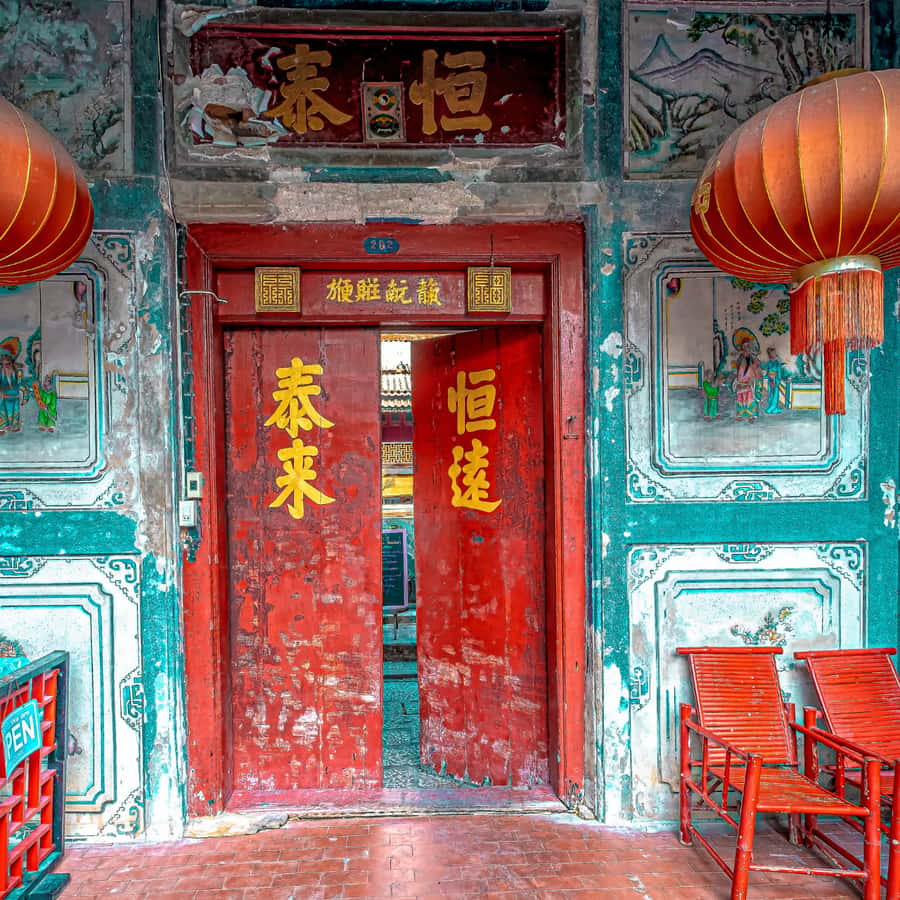
At $76 per group up to 3 for about three hours, you’re paying for two main things: a private guide and route efficiency. This isn’t just “access to landmarks.” You’re getting someone to connect the dots between shrines, architecture, market streets, and the quieter side of Chinatown.
That value tends to make sense if you’re:
- Traveling with one or two people (so you split the group price cleanly)
- Busy with a tight schedule and want a structured Old Quarter introduction
- Interested in Thai-Chinese culture, street food areas, and temple details
If you’re traveling solo and already comfortable building your own route, it might feel pricier. But private guiding does save time and reduces the guesswork—especially in busy market zones where it’s easy to wander off course.
In short: this is good value if you want someone to manage the flow and interpretation, not if you just want a DIY stroll.
Practical Tips: Shoes, Monday Closures, and Light Packing
Plan for the fact that this is a walking tour. Wear comfortable shoes you can handle on uneven pavement and through narrow alleys.
If your trip happens on a Monday, keep an eye on closure patterns. The Chinatown market section is closed on Mondays, and that can mean quieter streets and less market activity in parts of the route. If you want the full Yaowarat market feel, consider booking on another day.
Also, travel light. Luggage or large bags aren’t allowed, so pack smart. If you’re carrying shopping bags already, you might want to delay major purchases until after the tour.
You’ll also get a message by text or WhatsApp about 3 hours before departure, which helps with timing and meeting confirmation. And since it’s a private group, your guide can adjust the route slightly to help you get where you’re going next.
Finally, this tour isn’t suitable for people with mobility impairments, which is important to take seriously if walking distance and steps are a concern for you.
Should You Book This Private Old Quarter and Temples Walk?
Book it if you want a focused, well-paced introduction to Bangkok’s Chinatown world: Talat Noi street art, major temple highlights like Wat Traimit, the calmer contrast of Kuan Yim and Wat Liap, and a night market experience on Yaowarat plus flower color at Pak Khlong Talat.
Skip or rethink it if Monday timing is locked in and you really want full market atmosphere, or if mobility is limited. Also reconsider if you hate walking and would rather spend your short Bangkok time on faster transportation.
If you’re the type who likes your travel with context—street scenes plus meaning—this private 3-hour route is a solid, efficient choice.
FAQ
Where do we meet the guide?
You’ll meet your guide in front of the cafe at The House by Hongkong House.
How long is the tour?
The tour lasts about 3 hours.
Is this a private tour?
Yes, it’s a private group tour.
How much does it cost?
The price is $76 per group for up to 3 people.
Which major places are included?
The route includes Talat Noi, Rong Kueak Shrine, Kuan Yim Shrine, Wat Traimit (golden Buddha photo stop), Yaowarat Night Market, Pak Khlong Talat flower market, and Wat Ratchaburana Ratchaworawihan (Wat Liap), with the tour ending near Memorial Bridge.
Is the tour running normally on Mondays?
Chinatown Market is closed on Mondays, so parts of the market experience may be limited.
What should I bring?
Wear comfortable shoes.
Is luggage allowed?
No. Luggage or large bags are not allowed.
Is it suitable for people with mobility impairments?
No. It’s not suitable for people with mobility impairments.