REVIEW · BANGKOK
Bangkok: Longtail Boat and Tuk tuk Tour with Temple Visit
Book on GetYourGuide →Operated by Jiatours · Bookable on GetYourGuide
Bangkok by canals beats the usual grid. This tuk-tuk and longtail boat tour mixes two temple visits with a real-world canal ride, plus fruit tastings and plenty of guide talk on Bangkok’s Buddhist culture. I like that you get both the land-chaos experience of a tuk-tuk and the slower, calmer canal views, and I also like the way guides such as Yui, Yuri, Bo, or Jia (the rep) tend to explain what you’re seeing instead of just pointing at it. One thing to plan for: you’ll be visiting temples, so pack a scarf or sarong and expect some walking and steps.
For $25, the value is solid because you’re not just buying a ride. You’re getting transport between stops (tuk-tuk plus the boat), entrance fees, a live English-speaking guide, and included food-style tastings (including fruit). The pace is usually comfortable for a 2–3 hour slot, though a few guests note it can run a bit longer depending on how things line up that day.
In This Review
- Key highlights you’ll feel fast
- Getting started at MRT Itsaraphap (exit 2, Soi 23)
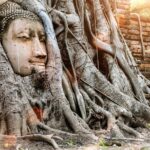
- Temple stop 1: Wat Khun Chan and Bangkok’s seated Big Buddha
- Wat Pak Nam Fang Tai: relic stupa plus museum time
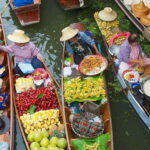
- Khlong Bang Luang floating market area from the longtail boat
- Fruit tastings and the food you might not expect
- Why the tuk-tuk ride matters (not just transportation)
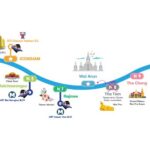
- The drop-off: pick up your next Bangkok plan at Rachinee Pier
- Price and value: what $25 buys you in real terms
- Who should book (and who should skip)
- A practical packing checklist before you leave
- Should you book this Bangkok longtail boat and tuk-tuk temple tour?
- FAQ
- Where is the meeting point?
- How long does the tour take?
- How much does the tour cost?
- What’s included in the price?
- What is not included?
- What language is the tour guide?
- Do I need to dress a certain way for the temples?
- What should I bring with me?
- Is the tour allowed with alcohol or drugs?
- Who shouldn’t take this tour?
Key highlights you’ll feel fast
- Longtail boat canal time with views of old-Bangkok water life and market-area scenery
- Wat Khun Chan for the biggest seated Buddha in Bangkok
- Wat Pak Nam Fang Tai with a stupa containing Buddha relics and a museum stop
- Khlong Bang Luang area sightings from the boat, including the Ban Silapin artist house area
- Fruit and seasoning tastings built into the tour so you’re not just sightseeing
Getting started at MRT Itsaraphap (exit 2, Soi 23)
You meet at MRT Itsaraphap station, exit 2 (Soi 23), and the guide is there with a name list. Give yourself extra time and arrive about 15 minutes early, because Bangkok timing can swing quickly and you don’t want to be chasing the group through side streets.
From there, you hop into a local tuk-tuk for a short ride (about 15 minutes) to get you into the temple part of the day. The tour is run with a live English-speaking guide, and the stops are timed so you’re not stuck watching the clock. If you like learning as you go, this style works well: you’re moving, you’re seeing, then you’re hearing context right after.
You can also read our reviews of more boat tours in Bangkok
Temple stop 1: Wat Khun Chan and Bangkok’s seated Big Buddha
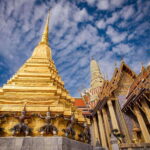
The first temple visit is Wat Khun Chan, typically around 30 minutes. This is the payoff stop for people who want something iconic without spending a whole day in the largest tourist zones.
What makes it worth your time is the focus on a major Buddha image. The tour is specifically designed so you can see the temple’s most striking feature: the biggest seated Buddha in Bangkok. That gives you something concrete to look at, and it also makes the guide’s explanations easier to follow. When a place has one clear visual anchor, you’ll remember it long after the photos.
Practical note: temples in Thailand have clothing rules. You’ll want to have your scarf or sarong ready before entry, because the tour’s own guidance is clear about this. Comfortable shoes matter too; even a “short” temple stop involves uneven floors and some standing.
Wat Pak Nam Fang Tai: relic stupa plus museum time
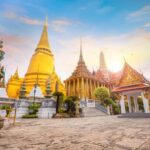
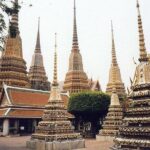
Next comes Wat Pak Nam Fang Tai, usually around 40 minutes. This stop is a nice change of pace from the first temple because it adds variety beyond just one main hall.
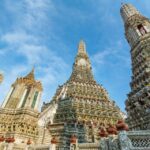
Here you’ll also see a stupa that contains Buddha relics, plus a museum component at the temple site. That combination matters if you care about understanding Buddhism as a living tradition, not just as architecture. The guide can connect the physical objects you’re looking at—relics, ceremonial spaces, and display areas—to how Thai people experience religion day to day.
The risk at any temple-and-museum mix is time pressure. Forty minutes can be enough to see the highlights, but it’s not enough for a slow, sit-down read of everything. If you’re the kind of visitor who likes to linger, stay alert to where the guide is spending most of the attention. That’s usually where the story is strongest.
Khlong Bang Luang floating market area from the longtail boat
After the temples, you switch to the water. This is the heart of why this tour feels different from the typical “temples plus a quick photo” routine.
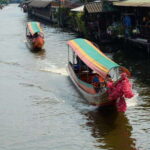
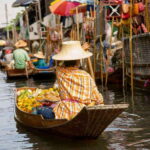
You’ll take a longtail boat ride to explore canal sections along the old capital. The route is timed as about 2 hours of boat time in the overall experience, and the goal is to see how Bangkok looks when you’re not on the road. From the boat, you get viewpoints over canal edges and waterways tied to daily life—plus scenery connected to Ban Silapin artist house and the Khlong Bang Luang market area.
What I like about canal tours like this is that you stop fighting traffic. Roads can be chaotic, but canals move at their own speed. You’ll also notice that the water-side world has a different rhythm: people, goods, and routines sit close to the waterline, and the scenery changes more gradually than it does on streets.
One more practical detail: longtail boats can mean spray and wind. Bring a light layer if you get cold easily, and keep your phone secured so you’re not playing tug-of-war with your gear while the boat turns.
Fruit tastings and the food you might not expect
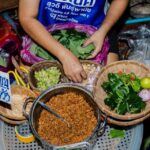
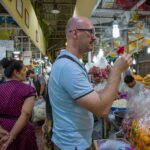
Food is included, and it’s not just a token snack. The tour includes sharing seasoning fruit taste, plus a drink (one drinking water is included).
That little food moment does two useful things. First, it breaks up temple time so you don’t feel like you’re only absorbing rules and history. Second, it gives you something small and local you can actually process with your senses. When a guide pauses for fruit, it usually comes with context—what the flavor is, how Thai people use it, and why it might show up around markets.
One guest also mentions a surprising stop involving eel. The important takeaway for you: expect the day to include at least one food moment that might be unusual if you’re used to only mainstream tourist snacks. If you don’t want to eat something specific, it’s okay to focus on what’s offered and skip what you’re not comfortable with.


Why the tuk-tuk ride matters (not just transportation)
The tuk-tuk portion is short on paper, but it’s a real part of the Bangkok feel. You ride through local streets to reach temple areas, and you also get the chance to experience how Thai city life looks from a moving cart instead of from a seated bus.
This matters because it changes how the day connects. A tuk-tuk isn’t just a ride; it’s a sensory bridge between the urban noise and the calm canal scene. Even if you’re not a big fan of traffic, the short format keeps it manageable.
Also, there are typically small transit segments between stops (the day includes a metro/subway portion around 10 minutes). That mix helps avoid the “all day in one vehicle” fatigue. You’ll also notice that the day is paced so you’re not constantly repeating the same type of movement.
The drop-off: pick up your next Bangkok plan at Rachinee Pier
The tour ends with a drop-off around Rachinee pier, which is handy because it places you near other popular add-ons.
The tour info suggests you can head from there to things like:
- the flower market
- additional temple time such as Wat Pho
- the Royal Grand Palace area
- Thai food near Thatien market
And you may also see other drop-off options listed depending on your booking. Either way, you’re not stuck far from the action. You can treat this tour as a “morning or early afternoon anchor,” then build the rest of your day around the sights you still want most.
If you’re planning a full day, think about energy. You’ll have temples plus a boat. That’s a good combo, but it’s still active. After the tour, keep your next plan simple: food, a walk, and one major sight is a sweet spot.
Price and value: what $25 buys you in real terms
At $25 per person for 2–3 hours, the value comes from combining several things that usually cost money and time separately.
You’re paying for:
- live English-speaking guidance
- entrance fees
- transport (tuk-tuk plus longtail boat time)
- included refreshment (water)
- included tastings (fruit and seasoning taste)
In other words, you’re not buying a “view-only” experience. You’re buying a guided day that solves logistics for you. In Bangkok, that’s often the difference between seeing a few highlights and actually understanding the places you visit.
The fact that guides can tailor explanations to what you’re looking at also matters. A good guide can turn a quick stop into a memorable one, because you walk away knowing what the place is for—not just what it looks like.
Who should book (and who should skip)
This tour is a strong fit if you want a concentrated introduction to Bangkok that includes temples plus canals, without feeling like you’re trapped in a huge group schedule. It’s also a good option if you like learning from a local guide and eating a little along the way.
It’s not suitable if:
- you have back problems
- you weigh over 220 lbs (100 kg)
Also, because temples require respectful dress, bring your scarf or sarong. The tour specifically tells you to wear or put these on before entry, so treat it as a real requirement, not a suggestion.
If you’re traveling with someone who dislikes boats, this might be the tricky part. The experience heavily features the canal longtail boat ride, and that’s the main “wow” moment.
A practical packing checklist before you leave
You’ll save time and stress if you come ready.
Bring:
- comfortable shoes
- a scarf (and a sarong if you have one)
- a passport (or a copy accepted)
Also remember:
- alcohol and drugs are not allowed on the tour
If you keep those items simple, the day feels smooth. If you forget them, temples can slow you down fast, especially in places where entry rules are enforced at the door.
Should you book this Bangkok longtail boat and tuk-tuk temple tour?
Yes, if you want Bangkok that feels lived-in. This is one of those tours where the canal ride gives you a different angle on the city, and the temple stops keep it meaningful.
Book it if:
- you want Wat Khun Chan and its big seated Buddha moment
- you like the idea of Wat Pak Nam Fang Tai with relics and museum content
- you’d rather spend your time on a boat than stuck in traffic
- you value included transport and entrance fees in one package
Skip it if:
- you have mobility or back issues
- you’re not comfortable with temple dress requirements
- you want a slower, free-roaming day with lots of unstructured time
If you’re optimizing for variety in a short window, this one makes sense. You’ll leave with temple memories plus canal images—two sides of Bangkok that most itineraries never connect as well.
FAQ
Where is the meeting point?
You meet at MRT Itsaraphap station exit 2 (Soi 23). The exact meeting point may vary depending on the option booked.
How long does the tour take?
The duration is listed as 2–3 hours.
How much does the tour cost?
The price is $25 per person.
What’s included in the price?
Included: 1 drinking water, sharing seasoning fruit taste, a live tour guide (English), entrance fees, and the tour time.
What is not included?
Not included: shopping and extra drinks.
What language is the tour guide?
The tour guide provides live English.
Do I need to dress a certain way for the temples?
Yes. Since you visit temples, you should wear or bring a scarf or sarong for entry.
What should I bring with me?
Bring comfortable shoes, a scarf, passport (a copy is accepted), and a sarong.
Is the tour allowed with alcohol or drugs?
No. Alcohol and drugs are not allowed.
Who shouldn’t take this tour?
It is not suitable for people with back problems, and it’s not suitable for people over 220 lbs (100 kg).