REVIEW · BANGKOK
Bangkok: Grand Palace, Wat Pho, Wat Arun Sacred & Local Tour
Book on GetYourGuide →Operated by Bigcountry Experience Co.,Ltd. · Bookable on GetYourGuide
A day like this turns Bangkok into a living textbook. You’ll move from the glitter of the Grand Palace to the calm of Wat Pho, then finish with river-temple views at Wat Arun and the color of Pak Khlong Talad. It’s a tight route that helps you understand what makes the city tick: royal power, Buddhist devotion, and everyday street life all in one loop.
What I like most is the mix of big-ticket sights and street-level Bangkok. The Flower Market (Pak Khlong Talad) is a perfect finish, and it’s not just for photos, it shows how flowers are used in ceremonies and daily offerings. I also really appreciate the built-in transport plan: a short riverboat ride plus a tuk-tuk leg keeps the day from feeling like one long slog.
One thing to consider: this is temple-heavy and you do need the right clothing and lots of walking time. If you’re heat-sensitive or have mobility limits, you’ll want to plan for slower moments and keep your breaks smart.
In This Review
- Key highlights you’ll notice fast
- The Bangkok temple circuit that makes sense: Palace to river temples
- Getting there and moving around: riverboat, tuk-tuk, and short travel legs
- Dress code and shoe rules: the stuff that decides whether you’re delayed
- Wat Phra Kaew and the Emerald Buddha: where history meets photo rules
- Wat Pho’s Reclining Buddha: the calm courtyard contrast
- Wat Arun at the river: porcelain spires and big-sky views
- Pak Khlong Talad: why the flower market is the perfect finish
- Price and value: what you’re paying for, and what you’ll still need
- Heat, crowds, and pacing: the real-day factor
- Who should book this temple-and-market tour
- Should you book the Bangkok Grand Palace, Wat Pho, Wat Arun, and Pak Khlong Talad tour?
- FAQ
- What sights are included on this tour?
- Are entrance fees included in the $18 price?
- What transport is included?
- Do I need special clothing for the temples?
- Do I have to remove my shoes?
- Is photography allowed?
- Where does the tour finish?
Key highlights you’ll notice fast
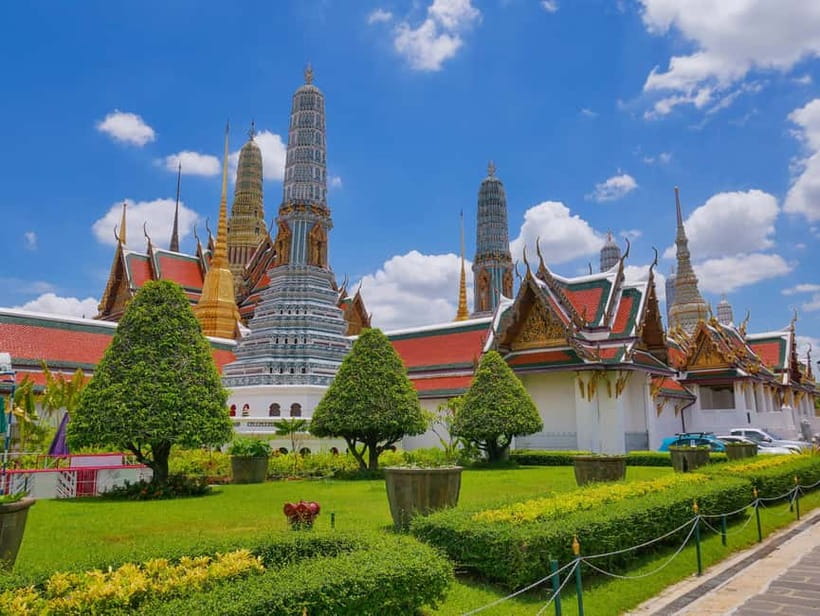
- Grand Palace + Emerald Buddha focus so you know what you’re looking at (and where you can photograph)
- Wat Pho Reclining Buddha plus the temple courtyards that feel calmer than the streets
- Wat Arun riverside views from the Temple of Dawn with the spires decorated in porcelain
- River City Bangkok to Tha Chang Pier transfer then a ferry loop to Wat Arun, cutting down on confusion
- Pak Khlong Talad finish where the day ends in color, shopping, and fragrant chaos
The Bangkok temple circuit that makes sense: Palace to river temples
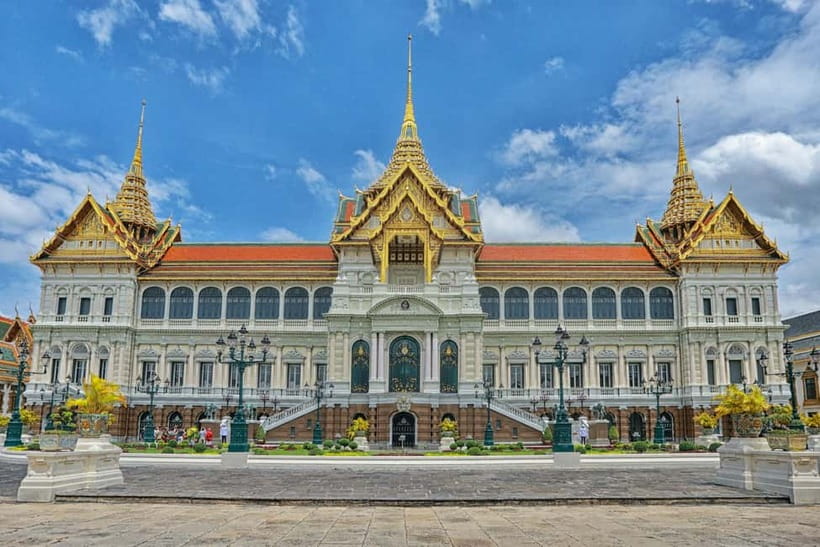
This tour is built like a smart route puzzle. You start with the royal heart of Bangkok at Wat Phra Kaew (Emerald Buddha), then slide into Wat Pho’s famous Reclining Buddha and traditional massage roots. After that you cross to the river side for Wat Arun, the Temple of Dawn, with its landmark spires and big sky views over the Chao Phraya.
The value isn’t just that you see three major sites. It’s that you see them in an order that helps you compare styles: royal architecture first, then a teaching/meditation space, then the riverside symbol of Bangkok. You’ll leave with a clearer mental map of the city’s sacred geography, not just a pile of images on your phone.
Also, the tour includes drinking water, which matters in Bangkok. You’re outdoors a lot, and the day can feel intense even when the guide is doing everything right.
You can also read our reviews of more tours and experiences in Bangkok.
Getting there and moving around: riverboat, tuk-tuk, and short travel legs
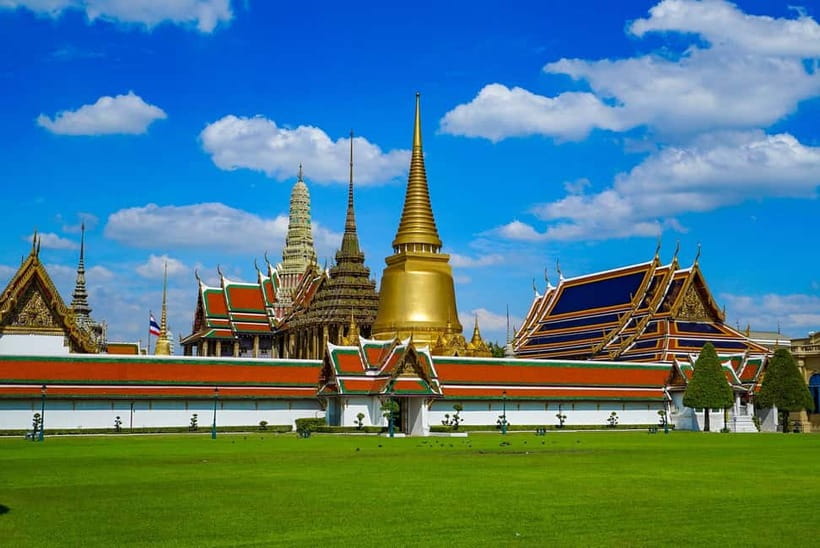
You have two start options depending on what you book: River City Bangkok (Golden Place, Tha Chang Pier Branch) is one common pickup point. From there, you’ll take a river boat ride (about 20 minutes) as part of the plan.
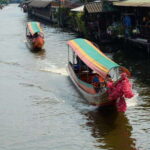
Getting between temple areas is handled for you. You’ll use a tuk-tuk from the Grand Palace area to Wat Pho, which is a nice break from walking and helps you avoid traffic frustration. Then, for Wat Arun, you get a round-trip ferry ticket (from Tha Tien Market to Wat Arun), which makes the riverside leg feel quicker and more scenic than a long detour by road.
Why this matters for you: if it’s your first time in Bangkok or you only have one day for temples, transport is the hidden time-waster. This itinerary keeps the day flowing so you spend your energy where it counts: the sites.
Dress code and shoe rules: the stuff that decides whether you’re delayed
Bangkok’s top temples run on respect and rules, and this tour is clear that you’ll need proper attire. Since the chapel is a national shrine, plan for no bare shoulders and no knees, and skip strapless-heel shoes. If you show up wrong, you’ll lose time finding a quick workaround.
There’s also a non-negotiable temple habit: shoes must be removed before entering temple buildings. Wear easy slip-on footwear if you can, and keep your sock situation in mind if you’re going in and out of buildings multiple times.
One practical tip from how this kind of tour runs: people often get surprised by the entry clothing requirement, which can stall the first part of the day. You’ll be happier if you treat the dress code as a checklist before you leave your hotel.
Wat Phra Kaew and the Emerald Buddha: where history meets photo rules
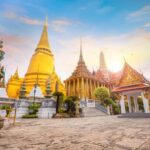
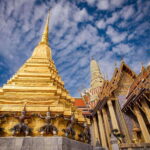
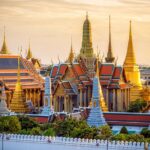
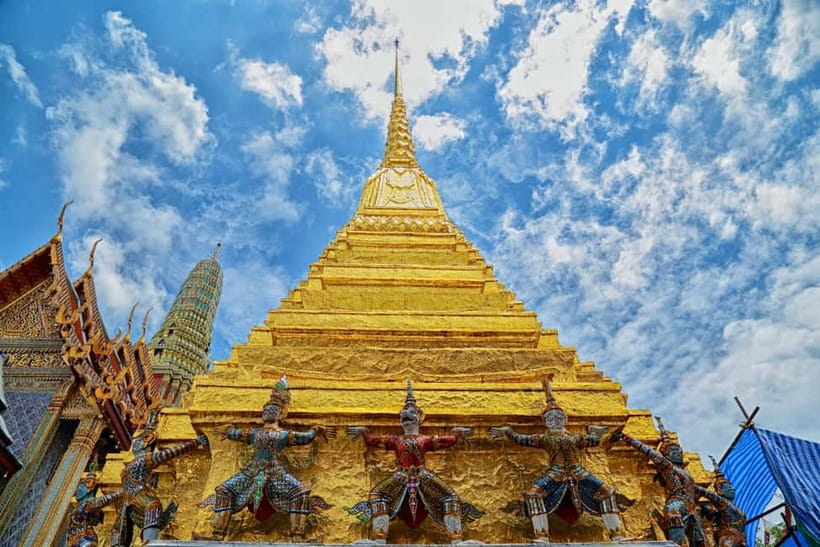
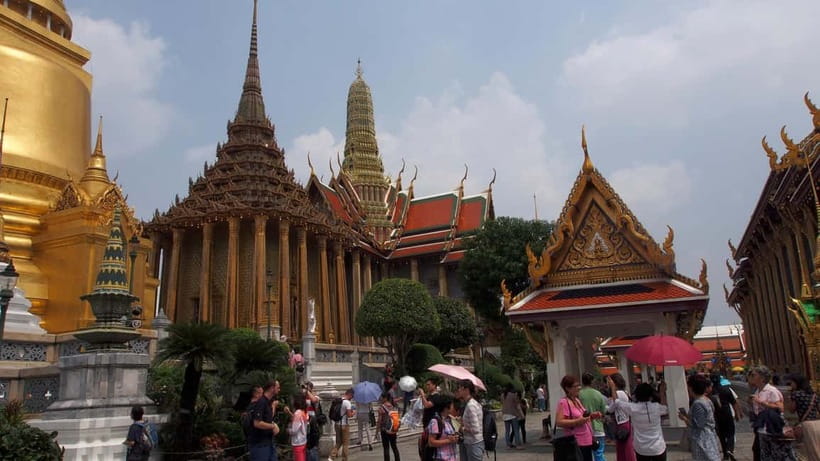
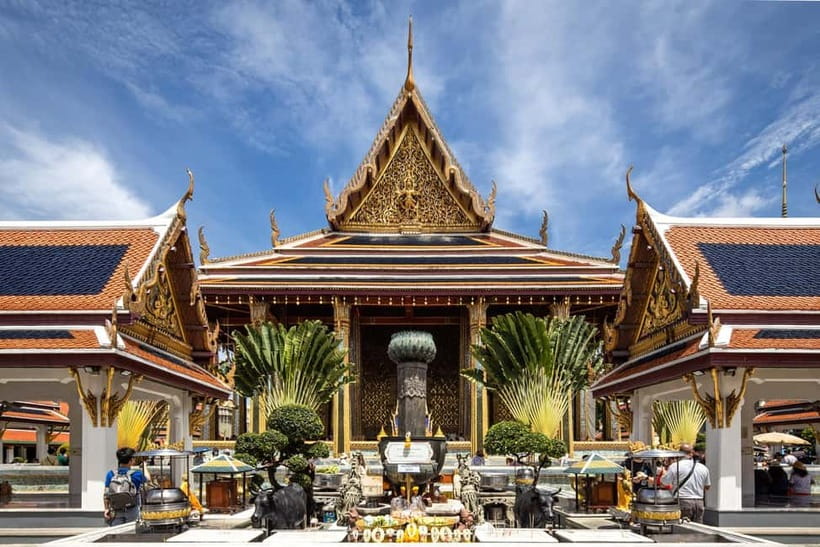
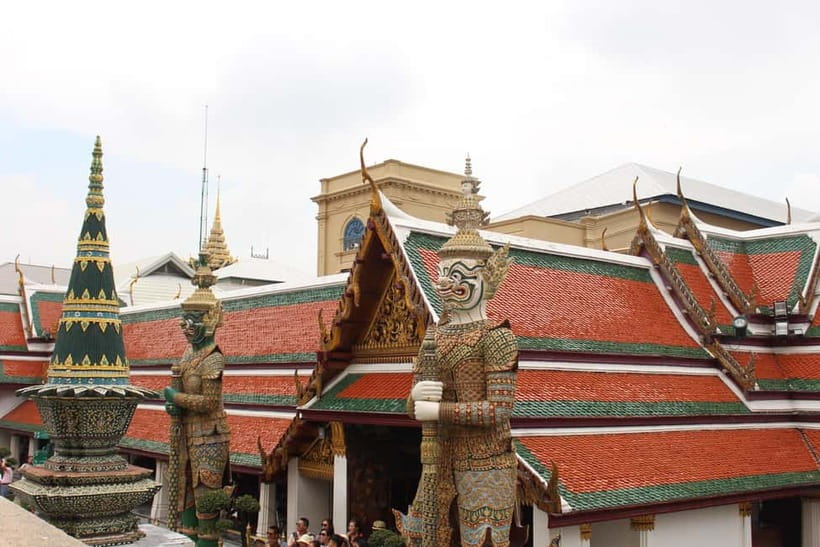
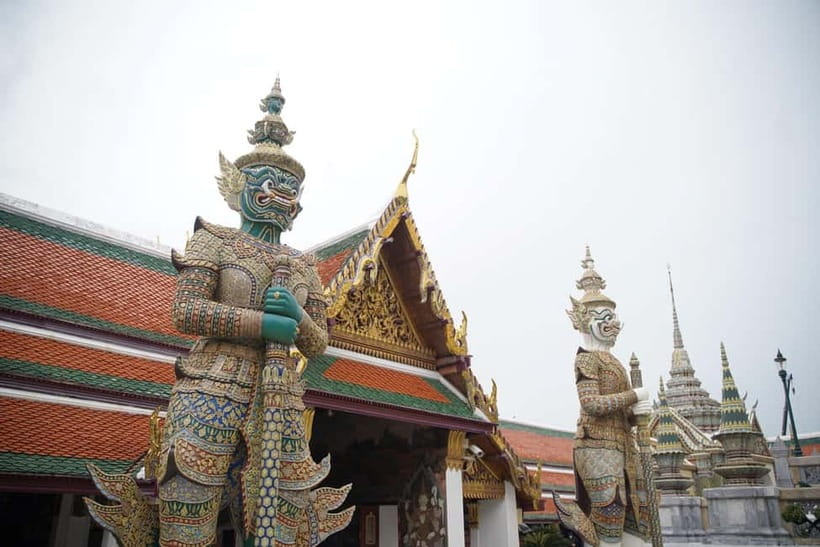
Your Wat Phra Kaew time is structured: a photo stop plus a guided visit, with about 1.5 hours at the site. This is the royal compound connected to the Emerald Buddha (Wat Phra Kaew), and the atmosphere is striking—everything feels designed to draw your eyes upward.
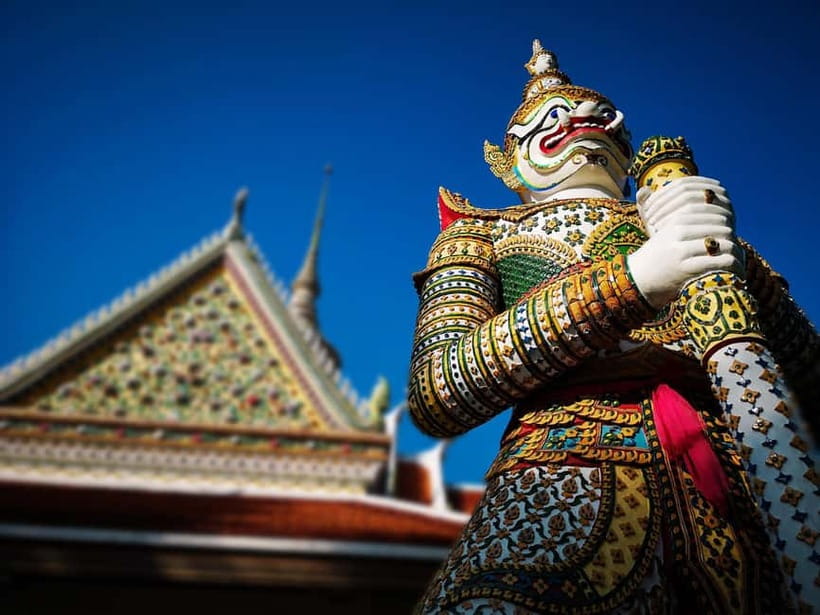
Your guide’s job here is important. The grounds can look like a maze of gold detail and angles, and without context you’ll just scan surfaces. With commentary, you’ll start noticing the meaning behind the complex decorative style and the way the royal story is physically built into the compound.
Photography rules matter too. You can take photos in the Royal Palace grounds and in the Emerald Buddha Temple compounds, but photography isn’t allowed inside the buildings. If you plan your pictures with that in mind, you won’t get caught mid-moment by a reminder from staff.
Potential drawback: Royal compounds can be crowded, and your “guided time” means you may not linger as long as you want on one specific viewpoint. If you love long, quiet temple wandering, you might want to pair this with a separate, slower day later.
Wat Pho’s Reclining Buddha: the calm courtyard contrast
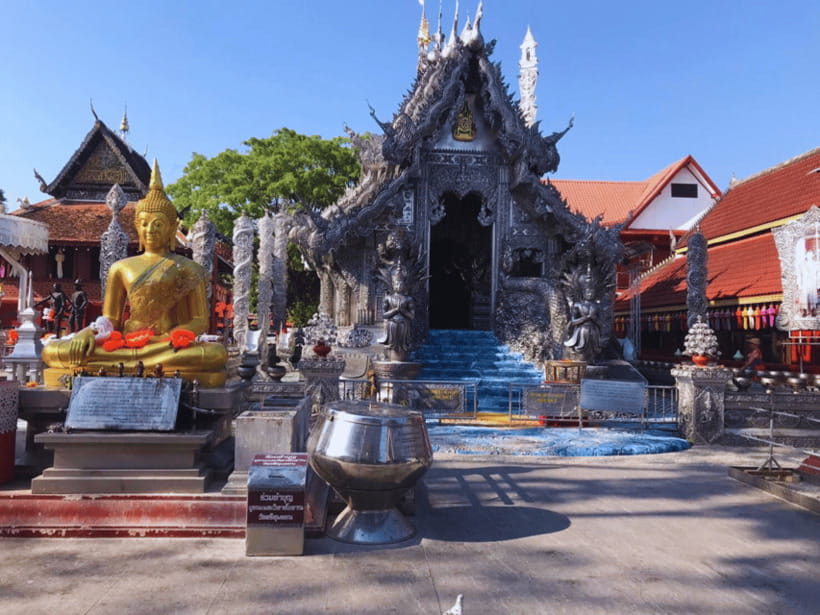
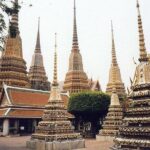
Next you’ll go to Wat Pho, home to the 46-meter-long Reclining Buddha. Your visit is about 1 hour, with photo stops, guided time, and time to walk.
What makes Wat Pho special is the contrast. The main temple energy is awe-inspiring, but the courtyards often feel more restful. When you step away from the big statue focus, you’ll start noticing smaller details and patterns that make this site feel like a working spiritual space, not just a landmark.
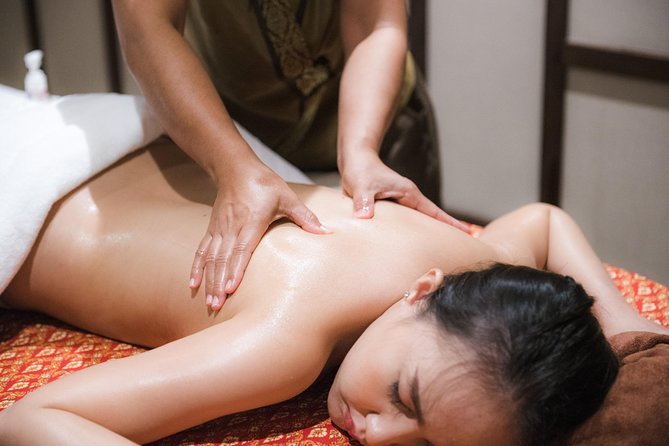
Also, Wat Pho is the birthplace of traditional Thai massage. You don’t need to be a massage fan to appreciate that fact—it’s another way the temple connects to everyday life, not only ceremonies.
Here’s the practical reality: one hour goes fast if you’re climbing stairs, checking every mural, and also trying to hear the guide. If you’re the kind of person who wants both commentary and slow exploring, keep your “must-see list” short: Reclining Buddha first, then courtyards, then whatever detail you can realistically reach.


Wat Arun at the river: porcelain spires and big-sky views
Wat Arun (Temple of Dawn) is the riverside finale, with about 1 hour including photo stop, guided visit, and sightseeing time. The signature feature is its spires decorated with colorful porcelain, which look almost unreal when the sun hits them right.
The ferry leg from Tha Tien Market to Wat Arun adds to the mood. You’re not stuck inside traffic, and you get that river view that makes Wat Arun feel like a Bangkok icon instead of just another temple stop.
Your guide will likely point out why Wat Arun is so recognizable and how the river location ties into the city’s symbolism. And you’ll get time for views across the Chao Phraya. If your timing lines up with better light, this is one of the best places to capture the temple’s look as it changes through the day.
One consideration: Wat Arun is also a “busy photo spot.” If you hate crowds, you’ll still have fun, but you’ll want to be patient for the best angles.
Pak Khlong Talad: why the flower market is the perfect finish
The tour ends at Pak Khlong Talat, Bangkok’s largest flower market. Your time here is about 30 minutes, including a break, photo stop, guided tour, free time, and shopping. It’s a very different vibe from the temples: noisier, smellier (in a good way), and full of movement.
This is more than a souvenir stop. Flowers are used for ceremonies, offerings, and decorations, and seeing the scale of the market helps you understand how religious practice and daily life connect. You’ll spot workers, arrangements in every style, and plenty of color that feels unmistakably Bangkok.
Practical win: the market timing gives you a cooldown at the end of temple walking. If you want to buy small items, it’s also an easy moment to do it without feeling like you’re abandoning the sightseeing.
Price and value: what you’re paying for, and what you’ll still need
The tour price is $18 per person, and at this level the value mainly comes from the guiding, the included transport legs, and making the route simple. You get drinking water, travel insurance, an English-speaking guide, and the key movement parts: the boat ticket from River City Bangkok, the tuk-tuk from Grand Palace to Wat Pho, and the round-trip ferry for Wat Arun.
What is not included is the big-ticket part that surprises people: admission fees. You’ll need to budget:
- Grand Palace: 500 Baht per person
- Wat Pho: 300 Baht per person
- Wat Arun: 200 Baht per person
So the real sightseeing cost is those entry fees plus the tour price. Because the tour price is low, the entrance fees are the main variable. If you’re traveling on a tight budget, it’s smart to bring cash and plan for the total up front.
Meals aren’t included either. And there’s no official lunch stop built into the schedule, so don’t expect a sit-down break at a set time.
Heat, crowds, and pacing: the real-day factor
Bangkok temples can feel nonstop. Even with a well-run guide, you’ll deal with sun, crowds, and lots of walking. That’s why the guide’s style matters, and this tour’s guides seem to vary in tone but often share the same goal: keep the group together and informed without losing the flow.
In the past, I’ve seen this kind of tour work especially well when the guide handles heat proactively—pointing out shaded moments, taking breaks for the group, and keeping energy up. Names like Kiwi, Amy, Sunny, Aor, Lek, Pom, Kay, Woody, Iris, Mena, and Pat J show up often, and you can take that as a sign that the tour company tends to rotate through guides who know how to keep visitors moving.
Your best strategy: accept that this is a fast-and-fascinating circuit, not a slow retreat. If you want deeper history per minute, you might later add a private follow-up to one temple. If you want a smart first pass that keeps you oriented, this works well.
Also, expect time management to be real. One guide keeps schedules tight for larger groups, and that can mean you get just enough time for solo exploring rather than endless wandering.
Who should book this temple-and-market tour
This tour fits best if:
- You have limited time in Bangkok and want the key sights in a single day.
- You like having a plan for transport so you don’t burn time figuring things out.
- You want a guided explanation that helps you recognize what you’re seeing at the Emerald Buddha, the Reclining Buddha, and Wat Arun.
It’s not a good match if you:
- Need a stroller-friendly setup. Baby strollers and baby carriages aren’t allowed.
- Struggle with lots of walking. People have warned that it can be a full-on day, especially in heat.
- Fall into the stated limits: children under 2, people with altitude sickness, people over 75, and people over 95.
If you’re traveling solo, it also tends to work well because the route is clear and the group format helps you feel less lost in major temple areas.
Should you book the Bangkok Grand Palace, Wat Pho, Wat Arun, and Pak Khlong Talad tour?
If your goal is to see the classic Bangkok temple trio plus the flower market, this is a strong value. For the $18 base price, you’re getting guided context and the harder travel pieces handled, so you can focus on the sights instead of logistics.
Book it if you’re ready for rules (dress code, shoes off), plan for entry fees, and accept that you’ll be moving quickly through big sites. Skip it if you want a slow, quiet temple day or you’re sensitive to heat and walking length.
FAQ
What sights are included on this tour?
You’ll visit Wat Phra Kaew (Emerald Buddha area), Wat Pho (Reclining Buddha), Wat Arun (Temple of Dawn), and end at Pak Khlong Talad (the flower market). Transport is included between these stops.
Are entrance fees included in the $18 price?
No. Admission fees are not included. The Royal Palace costs 500 Baht per person, Wat Pho 300 Baht per person, and Wat Arun 200 Baht per person.
What transport is included?
You’ll use a river boat from the River City Bangkok starting area (about 20 minutes), a tuk-tuk from the Grand Palace area to Wat Pho, and a round-trip ferry from Tha Tien Market to Wat Arun.
Do I need special clothing for the temples?
Yes. You must wear proper attire: no bare shoulders and no knees, and avoid strapless-heel shoes. Since it’s a national shrine chapel, the dress code matters.
Do I have to remove my shoes?
Yes. Shoes must be removed before entering temple buildings as a matter of respect.
Is photography allowed?
Photography is allowed in the Royal Palace grounds and in the Emerald Buddha Temple compounds, but not inside the buildings.
Where does the tour finish?
The tour finishes at Pak Khlong Talat (the flower market).