REVIEW · BANGKOK
Bangkok: Cook authentic Thai food with Smart Cook
Book on GetYourGuide →Operated by Smart Cook Bangkok · Bookable on GetYourGuide
Your hands learn Thai faster than your guidebooks. Bangkok Smart Cook puts you in a 100+ year teak-wood home in the old city, then has you cooking real Thai dishes with an English instructor. I love the hands-on menu choice (you don’t just watch), and I love the way the class teaches the role of herbs and spices so your food tastes right, not just hot. One possible drawback: the kitchen setup is part indoor/part outdoor, so comfortable clothes matter, especially if Bangkok weather is doing its thing.
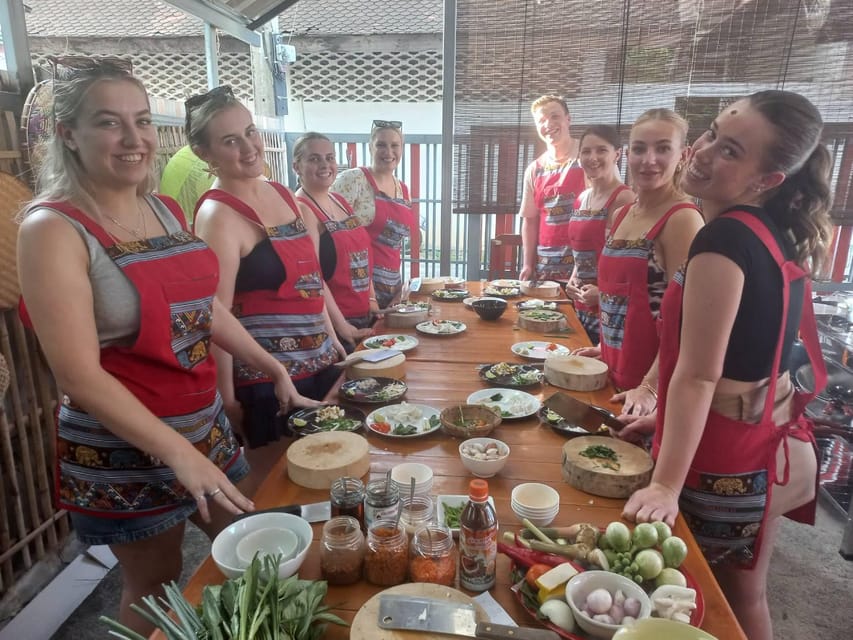
The class runs for 210 minutes and stays small (up to 7 people), so you can actually ask questions while you’re chopping, mixing, and frying. You’re also in a local, old-town neighborhood near the Giant Swings area, which makes it feel like you’ve stepped into everyday Bangkok, not a staged show. Do note that alcohol isn’t part of the experience, and you won’t be allowed to bring it in.
In This Review
- Key highlights you’ll care about
- Entering a 100-year teak-wood home near Bangkok’s old city
- Picking dishes is half the fun (and half the reason this class works)
- The herb and spice lesson: how Thai flavor gets built
- Spring rolls, stir-fries, and soups: practical skills you can reuse
- Making green curry paste (Pha Naeng and Kao-soi styles) for real flavor
- The sticky rice with mango ending: sweet, simple, and memorable
- Teacher energy and the small-group advantage
- Price and value: why $41 can make sense here
- Logistics that keep the day stress-free
- Who should book this class (and who might not)
- Should you book Bangkok Smart Cook with Smart Cook?
- FAQ
- How long is the Smart Cook Bangkok class?
- What does the class cost?
- How big is the group?
- Is the instructor available in English?
- Where is the meeting point?
- What can I cook during the class?
Key highlights you’ll care about
- Old-city meeting point near the Giant Swings makes orientation easy
- Small group size (limited to 7) means more hands-on time
- You choose your menu from spring rolls, stir-fries, soups, curry paste, and curry
- Green curry paste + Pha Naeng/Kao-soi options give you real Thai variety
- Teak-wood home + indoor/outdoor kitchen keeps the cooking feeling authentic
- PDF recipe book online helps you cook again at home
Entering a 100-year teak-wood home near Bangkok’s old city
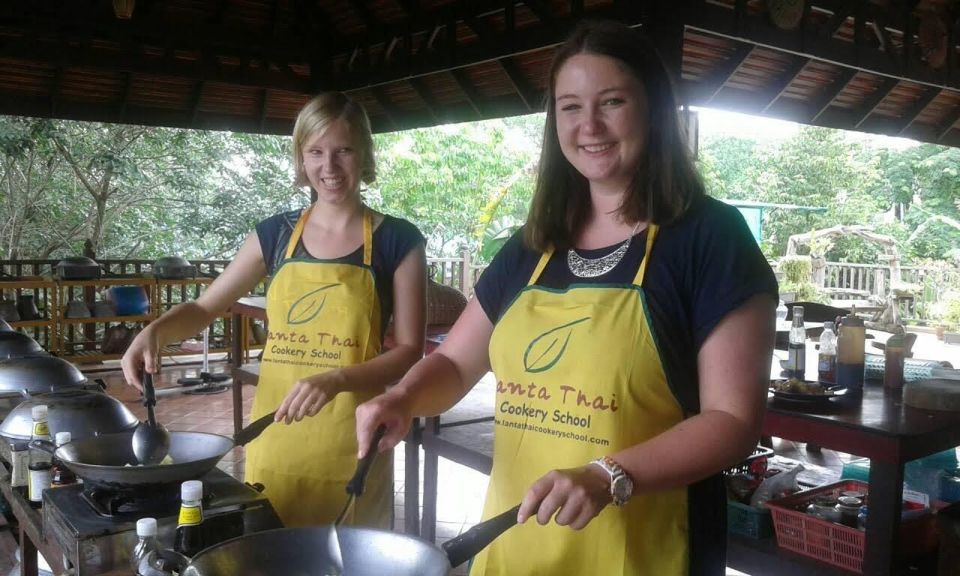
This is the kind of cooking class that feels like Bangkok lives in the walls. You’ll spend your 210 minutes inside a traditional teak-wood home that’s over 100 years old, right in the heart of Bangkok’s old city. That setting isn’t just pretty. It slows things down. You pay attention. You notice smells before you taste, and you understand ingredients as ingredients instead of random flavor dust.
The location also helps you avoid the “tourist bubble” feeling. The meeting point is near the Giant Swings, and you walk about 100 meters to Trok Turk Din alley. If you’ve already been wandering around the old city temples and streets, this is a nice change of pace: you’re close enough to connect with the area, but the class itself gives you structure.
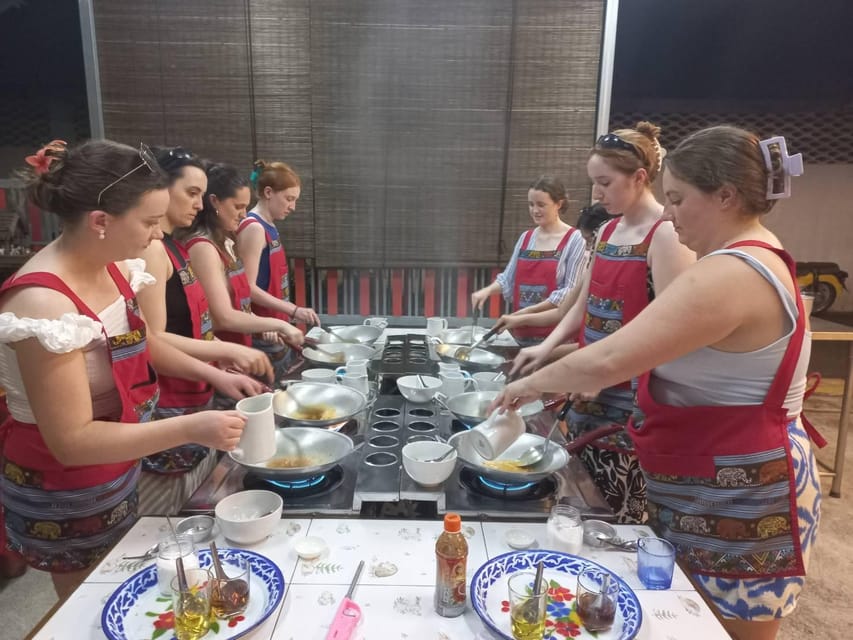
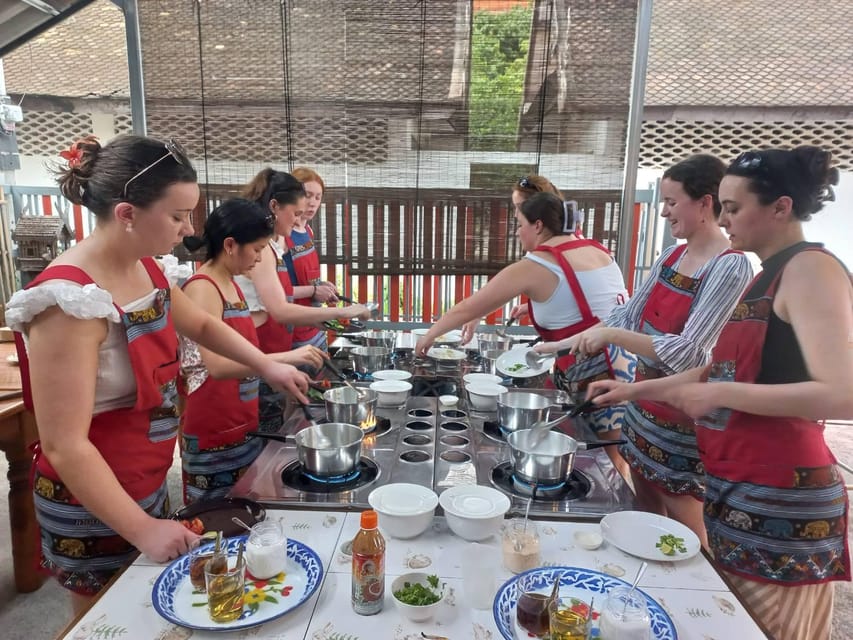
One practical plus: the kitchen is set up both indoors and outdoors. That can be great for authenticity and for airflow, but it also means you’ll want to dress for movement and for warmth. Bring comfortable clothes and expect to stand at a working station while you cook.
You can also read our reviews of more food & drink experiences in Bangkok


Picking dishes is half the fun (and half the reason this class works)
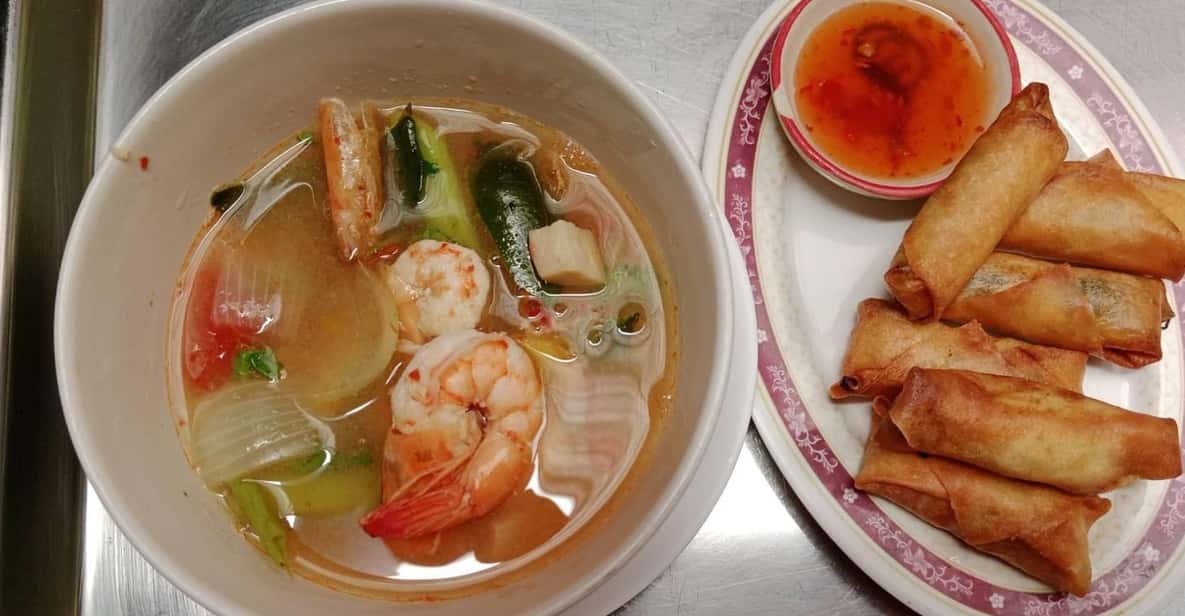
A lot of cooking classes work like a conveyor belt: everyone makes the same thing, and you follow along. Here, you get to choose from a set menu, which makes the experience feel personal.
Your core dishes include:
- Deep fried spring rolls for everyone
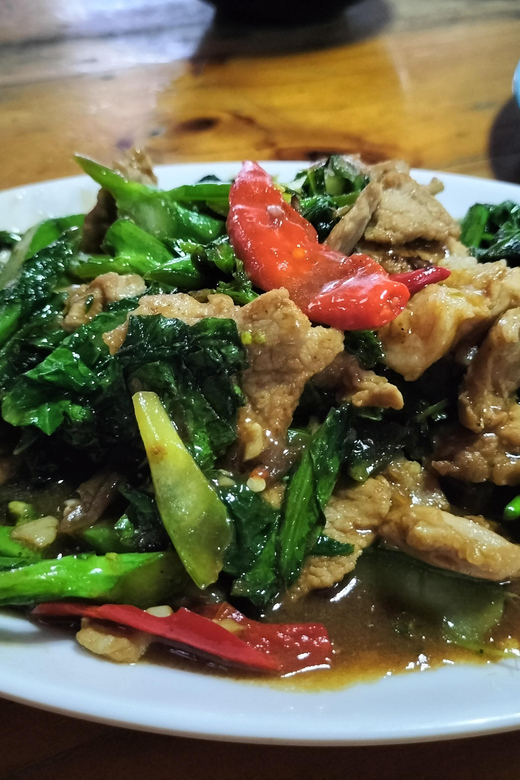
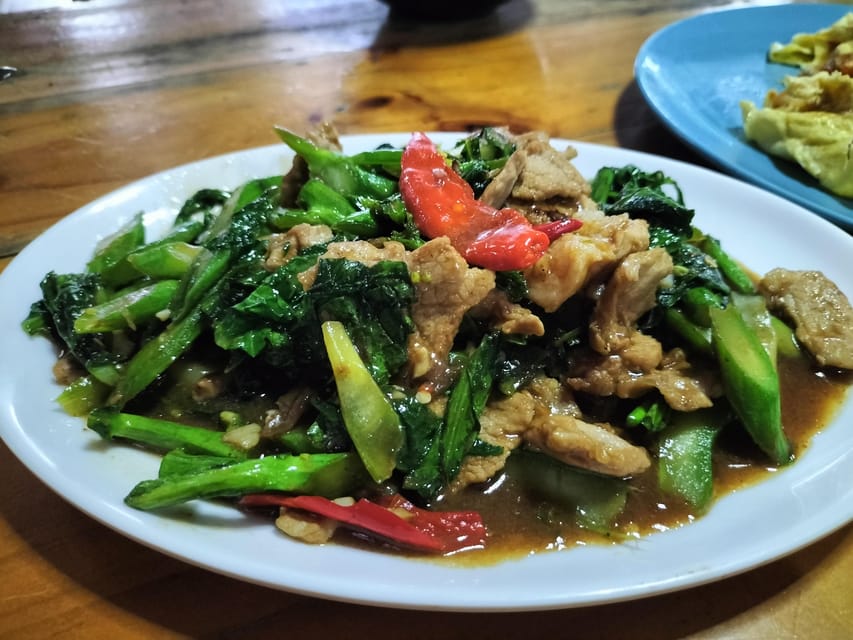
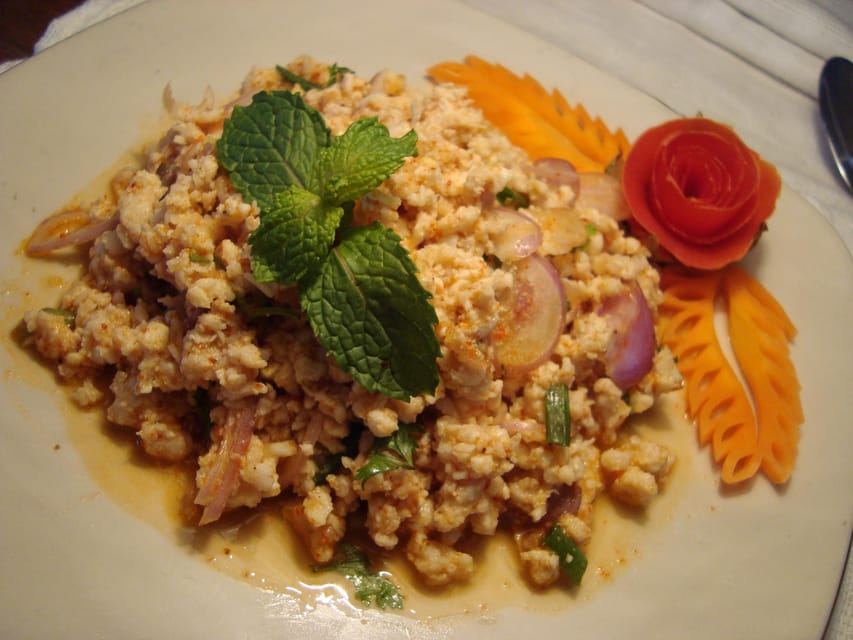
- Stir-fried choices, such as fried rice with chicken, Pad Thai, or fried chicken with holy basil
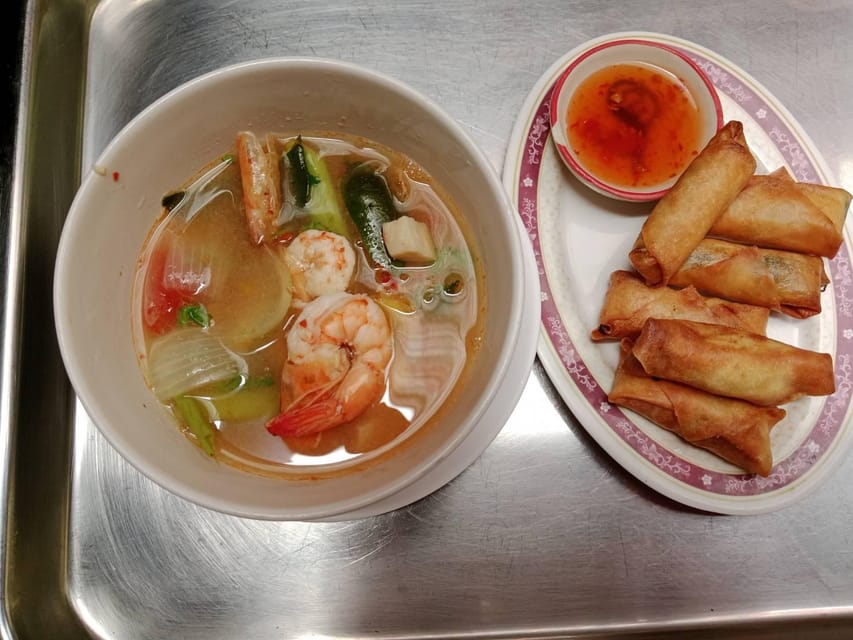
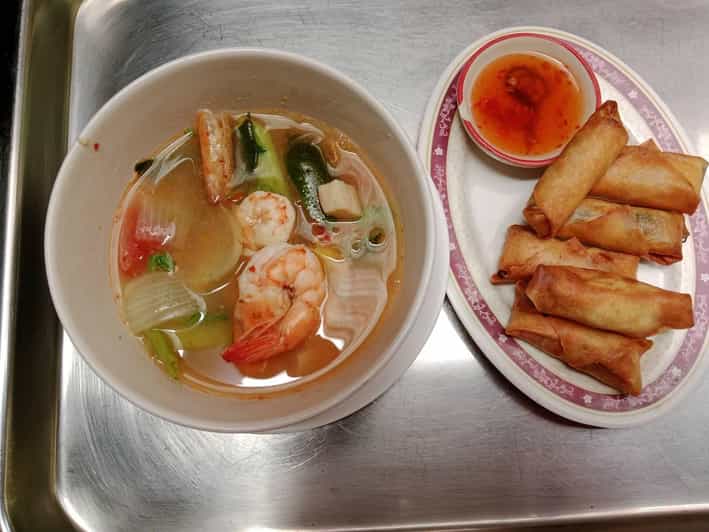
- Soup choices, such as hot & sour prawns soup, chicken in coconut milk soup, or local hot & sour chicken soup
- Green curry paste, including Pha Naeng or Kao-soi curry paste
- Then you cook green curry / Pha Naeng / Kao-soi with chicken as your choice
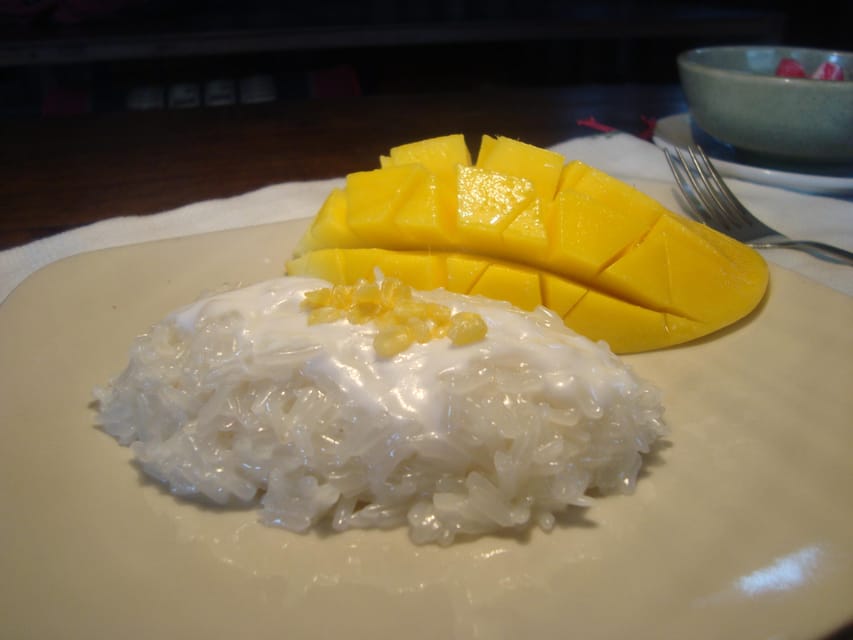
- Sweet sticky rice with mango
Why this matters: when you choose your dishes, you’re more likely to learn the parts that matter to you. If you’re into spicy food, you’ll focus on curry paste and the flavor balance. If you prefer something milder or comforting, you might lean toward coconut milk soup or stick with crowd-pleaser stir-fries. Either way, you leave knowing what to repeat at home, not just what you watched someone else do.
Also, the format is very family-style. You don’t just plate and leave. You cook, you eat, and you talk about what you’re making. That turns a cooking lesson into an actual Thai meal experience.
The herb and spice lesson: how Thai flavor gets built
The class starts with the stuff you’ll taste in every bite later. You’ll learn about Thai vegetables and ingredients, and you’ll go through Thai herbs, spices, and what makes them important in Thai cooking.
This is the part that separates a “recipe workshop” from real cooking skills. Thai food often tastes balanced because the herbs and spices aren’t just there for heat. They’re there for fragrance, acidity, sweetness, and depth. When you understand what each ingredient does, you can adjust at home instead of copying blindly.
You’ll also get shown how to use fresh ingredients for a healthy Thai meal. That’s not a diet pitch. It’s more like: you learn how Thai cooking stays fresh-tasting—through proper ingredient handling, not heavy shortcuts.
And if you’re thinking, Will I remember all this? Don’t worry. You’ll have your PDF recipe book afterward, and you’ll have the muscle memory from chopping and mixing during the class.
Spring rolls, stir-fries, and soups: practical skills you can reuse
Everyone makes deep fried spring rolls. That’s a smart anchor dish. It teaches technique: how to assemble filling, how to keep things from going soggy, and how to manage frying so the result is crisp rather than greasy.
Then you move into your stir-fry selection. You can choose options like:
- Fried rice with chicken
- Pad Thai
- Fried chicken with holy basil
This is where you’ll likely feel the biggest difference between Thai home-style cooking and generic “Thai-style” restaurant meals. Thai stir-fries are about timing and seasoning. You’re not only learning what goes in—you’re learning the order and the reason. That helps you stop cooking by guesswork.
Next comes soup. You can choose between:
- Hot & sour prawns soup
- Chicken in coconut milk soup
- Local hot & sour chicken soup
Soup is also a skill-builder. You learn how flavor layers work, and you get practice balancing the hot-sour effect (if you pick that option) or using coconut milk for a rounder, smoother taste. Even if you don’t cook much soup at home, this part teaches you how Thai sauces and seasonings behave.
During the cooking, you’ll have dedicated instruction and hands-on guidance. The class is taught in English, which matters because seasoning and technique are easier to learn when you can ask questions clearly.
Making green curry paste (Pha Naeng and Kao-soi styles) for real flavor
If you want the Thai cooking “core,” this is it. You’ll make green curry paste, and the menu includes choices like Pha Naeng curry paste or Kao-soi curry paste.
Making curry paste by hand changes how you think about curry. Store-bought paste can be tasty, but homemade paste teaches you the aroma-building process. You see how ingredients combine into a paste that smells alive. And you learn that curry paste isn’t just spice. It’s fragrance, texture, and flavor foundation.
Then you cook the curry itself with chicken, choosing from:
- Green curry
- Pha Naeng
- Kao-soi
This choice gives you a mini journey across Thai curry styles rather than repeating the same dish. It’s a more interesting result at the table, and it helps you understand how Thai cuisine changes based on paste style and balance.
A few more Bangkok tours and experiences worth a look




The sticky rice with mango ending: sweet, simple, and memorable
The class finishes with sweet sticky rice with mango. This is a great closer because it balances all that savory cooking with something bright and familiar. Mango adds perfume and sweetness. Sticky rice teaches a different texture discipline than stir-frying and frying.
It also gives you a moment to eat what you made without rushing. You’re not just training your hands anymore. You’re tasting your outcome—and that tasting is how the lessons stick.
After you wrap up and answer questions, you’ll be taken back to your hotel safely. That’s a nice detail if you’d rather avoid the “now what?” scramble after a busy 3.5 hours.
Teacher energy and the small-group advantage
In past sessions, the instructor has been Snow White, and the teaching style has been described as patient and fun, with clear directions while keeping things clean and organized. Even if your instructor isn’t Snow White, the structure you’re buying is the same: a long-term experienced teacher guiding small groups, with English instruction and dedicated help at the station.
The limit of 7 participants matters more than it sounds. In bigger classes, someone is always waiting. In a small class, you get the right kind of pressure—just enough to focus, not so much that you’re lost. You’ll also get more attention while making paste, frying, or balancing soup.
Price and value: why $41 can make sense here
At $41 per person for 210 minutes, this sits in the “worth it if you’ll actually cook” category. Here’s why it can feel like good value:
- You’re not just eating a meal. You’re learning multiple dishes and techniques: frying, stir-frying, soup making, curry paste, and curry cooking.
- You choose among several dish options, so the food you eat is closer to your tastes.
- The setting is a traditional teak-wood home in the old city, not a generic school kitchen.
- You get a PDF recipe book online, which helps you repeat the dishes later instead of losing the skills after the class.
- Alcohol isn’t included, which keeps the price focused on the cooking and meal portion. (And since alcohol is also not allowed, you don’t have to worry about budgeting extra or planning around it.)
If you’re the type who learns by doing, this price can pay off quickly. If you’re only curious and want to watch without cooking much, you might find you want a different kind of experience.
Logistics that keep the day stress-free
The meeting point is simple: from the Giant Swings, walk to Trok Turk Din alley about 100 meters. This matters because the old city can be confusing if you’re relying on memory or if your navigation app is struggling.
The tour runs for 210 minutes, so it’s long enough to feel like a full activity, but not so long that it eats your entire day. Because it ends with a safe return to your hotel, it’s also easier to fit into a travel schedule.
What to bring is straightforward: comfortable clothes. You’ll stand, chop, stir, and fry. You don’t need fancy gear, but you do want clothes you can move in and that won’t mind heat and splashes.
Who should book this class (and who might not)
This class is ideal if you:
- Want a hands-on Thai cooking lesson rather than a demo
- Like the idea of learning the ingredients behind the flavors (herbs, spices, fresh vegetables)
- Enjoy curry, stir-fries, and soups—and want to cook multiple dish types
- Want to take home practical recipes in PDF form
It’s not the best fit if you:
- Need alcohol included (it isn’t, and alcohol is not allowed)
- Have young children. It’s not suitable for children under 7
- Prefer a totally passive experience. You’ll be working with food.
Should you book Bangkok Smart Cook with Smart Cook?
I’d book it if you want Thai cooking skills that actually transfer to your kitchen. The combination of a small group, a traditional teak-wood home, and real menu choice makes it feel less like a ticket and more like an afternoon with a Thai cook who teaches you why things work.
I’d think twice if you’re worried about weather, since the kitchen includes indoor and outdoor space. And I’d consider another option if you don’t plan to cook much—this class is built around participation.
If you’re planning your Bangkok food day and you want something educational without being stiff, this is a strong pick.
FAQ
How long is the Smart Cook Bangkok class?
The experience lasts 210 minutes.
What does the class cost?
The price is $41 per person.
How big is the group?
It’s a small group limited to 7 participants.
Is the instructor available in English?
Yes, the instructor speaks English.
Where is the meeting point?
From the Giant Swings, walk to Trok Turk Din alley about 100 meters.
What can I cook during the class?
You can choose from dishes including deep fried spring rolls, stir-fries (fried rice with chicken, Pad Thai, or fried chicken with holy basil), soups (hot & sour prawns soup, chicken in coconut milk soup, or local hot & sour chicken soup), green curry paste (Pha Naeng or Kao-soi curry paste), curry (green curry, Pha Naeng, or Kao-soi with chicken), and sweet sticky rice with mango.