REVIEW · BOPHUT
3-Day PADI Open Water Diver Course, Koh Samui
Book on Viator →Operated by Samui Discovery Divers, Co., Ltd · Bookable on Viator
Learning to scuba skills in Koh Samui is a smart vacation add-on. I like that this PADI Open Water course gets you comfortable fast with pool training and then moves you to open-water boat sessions in the Gulf of Thailand. I also like that you can do the theory early using the e-learning app, which leaves more time for hands-on practice. The main thing to consider is weather and health: the schedule depends on conditions, and you’ll need a medical questionnaire to make sure scuba is safe for you.
Here’s the practical upside: you’re not just “watching” or doing one quick taster. You’re working step-by-step toward full open-water certification, with four boat-based sessions split across the last two days. And because the group is small (max 4), instruction stays personal instead of feeling rushed.
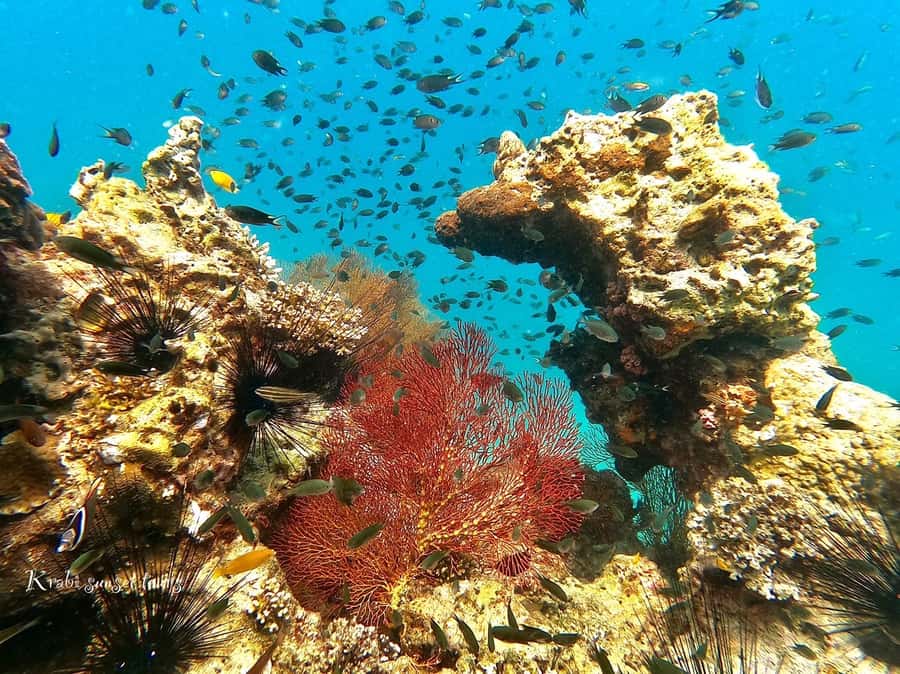
Koh Samui is a good place to do this kind of course because you get a real water-world payoff at the end—colorful marine life in the Gulf of Thailand—without having to travel far from your hotel. If you’re aiming for the best value in time and attention, this setup is hard to beat.
In This Review
- Key highlights that make this course worth a look
- How the 3-day structure actually helps you learn
- Day 1 at Discovery Dive Centre: pool practice and getting comfortable
- Days 2 and 3: boat sessions with real marine life in the Gulf of Thailand
- Hotel pickup, small group size, and why it affects your experience
- Price and value: what you’re really paying for
- Marine life expectations: fun, but keep the training first
- Scheduling realities in Koh Samui: weather and your body
- Who this course suits best
- Quick FAQ
- FAQ
- What does the PADI Open Water course include in Koh Samui?
- Is hotel pickup included?
- What time does the course start?
- Can I do the theory part before my course starts?
- Is this weather-dependent?
- What happens if I need to cancel?
- Should you book this Koh Samui PADI course?
Key highlights that make this course worth a look
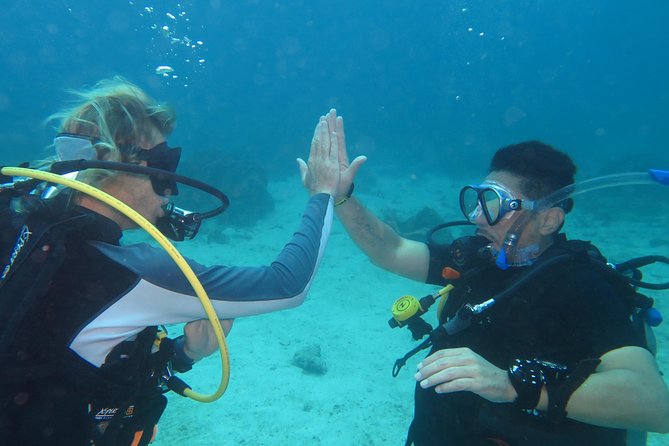
- Do theory early with e-learning so class time doesn’t eat your whole trip
- Pool-first training to build skills before you go out on the water
- Four boat sessions across days two and three, led by a professional instructor
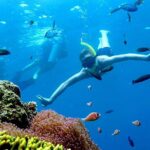
- Gulf of Thailand marine life so your training happens in real conditions
- Hotel pickup and drop-off (selected hotels) plus an air-conditioned ride
- Small maximum group size (4) for calmer, more focused coaching
How the 3-day structure actually helps you learn
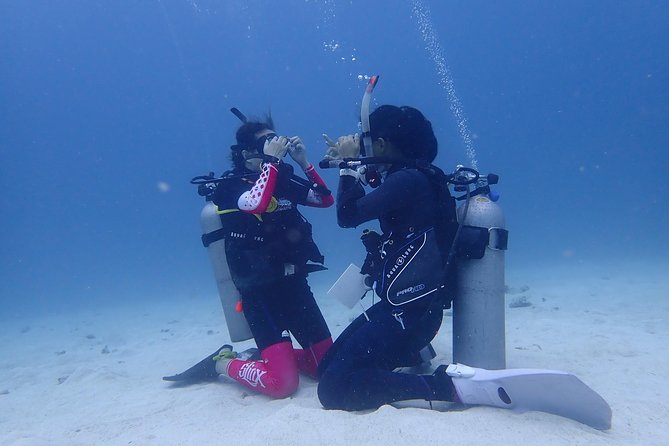
This course is built around a clear progression: start in confined water (the pool), then move to open water on a boat for the last two days. That rhythm matters. In the pool, you can learn buoyancy basics, gear handling, breathing control, and the safety steps without the added stress of current, waves, or boat movement.
By the time you’re on the water, you’re not starting from zero. You’ll already have muscle memory for the key skills, which makes your time outside feel less like “surviving” and more like practicing with purpose. The course also includes e-learning you can complete at any time, and the option to finish theory early via a downloadable app can compress the classroom-style part so you spend more of the vacation actually doing skills.
One more smart detail: the course is designed so you can complete it in about three days. That’s important if Koh Samui is just one stop on a longer trip.
You can also read our reviews of more tours and experiences in Bophut.

Day 1 at Discovery Dive Centre: pool practice and getting comfortable
Day one is confined water training at the Discovery Dive Centre. The point of this phase is simple: you learn how to manage your equipment and your breathing in a controlled environment, under supervision, before you take on open-water conditions.
You’ll generally start the morning at 8:00 am (meeting time). From a planning perspective, that’s helpful because your course day begins early and you’re more likely to have a clear schedule for the rest of the day afterward. The course also includes bottled water, and you’ll have a professional guide with you throughout.
What I like about the pool-first approach is the pacing. You can get feedback in real time on posture, regulator breathing, and the way you manage basic underwater tasks. Even if you’re nervous at first, this first day gives you a path to confidence rather than throwing you straight into open water.
A practical note: if you’ve never used scuba gear, don’t underestimate how much “learning the system” matters. The pool day is where you build that comfort.
Days 2 and 3: boat sessions with real marine life in the Gulf of Thailand
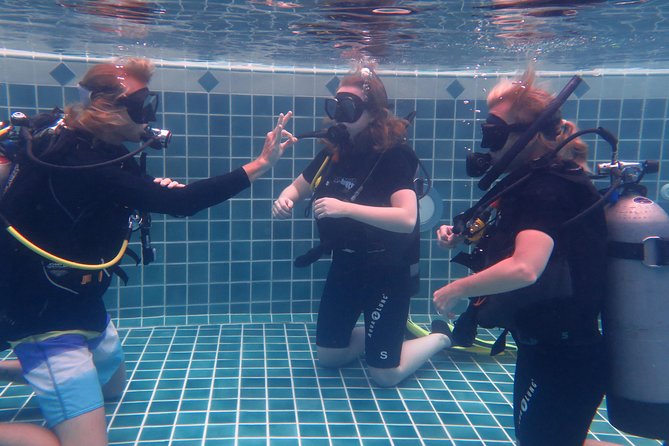
The last two days switch to boat trips for open-water training, with four boat sessions across those days. This is where your course stops feeling like a classroom and starts feeling like an actual day at sea—complete with the Gulf of Thailand’s marine life.
These are not just scenic swims. The goal is training in real water conditions: you practice skills you learned earlier, but now you’re also dealing with boat setup, time on the surface, and the reality that water conditions can change.
Two things from the best feedback that help set expectations:
- Boats are described as new/fast, which usually means less bumpy transfer time to your session area.
- People also call out that the day is well organized from pickup to drop-off, plus there’s good lunch. That sounds small, but on a course that spans multiple mornings, it affects your energy level and patience.
If you’re deciding whether to schedule this around other activities in Koh Samui, I’d treat days 2 and 3 as your main “priority mornings.” Even on a well-run course, you’re at the mercy of water conditions.
Hotel pickup, small group size, and why it affects your experience
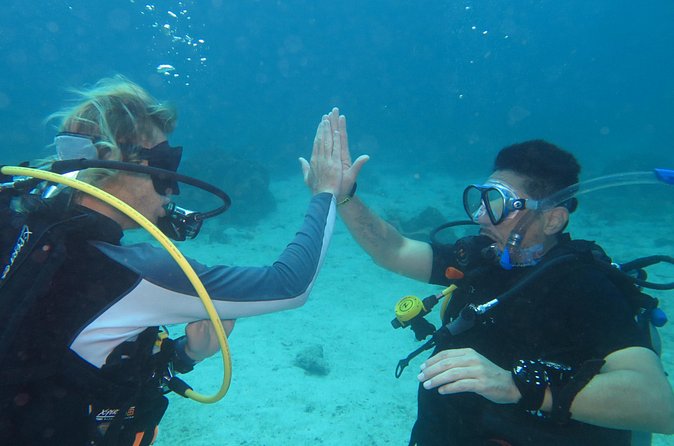
This course includes hotel pickup and drop-off for selected hotels, plus an air-conditioned vehicle and bottled water. That’s a real value add in Koh Samui, where travel time can quietly eat your schedule if you’re coordinating on your own.
Then there’s the group size: maximum of 4 travelers. In a learning environment, small groups mean:
- more time for questions,
- more consistent attention to your technique,
- fewer “waiting your turn” moments when skills need adjustment.
You’ll also find that guides may be multi-lingual, and feedback highlights fluent English and other languages. One instructor name that stood out is Yuan (described as patient, kind, and professional). That kind of teaching style matters if you’re the type who learns better when you feel calm and supported.
Price and value: what you’re really paying for
At $681.10 per person (3-day course), you’re not just paying for paperwork. Based on what’s included, this price covers a lot of the “hard parts”:
- all taxes/fees/handling,
- a professional guide,
- pool + open-water training structure,
- hotel pickup and drop-off (selected hotels),
- air-conditioned transport,
- bottled water,
- e-learning access.
The best value angle here is the balance between time and instruction. A course that lets you do theory early with e-learning tends to reduce wasted hours in front of a screen and increases hands-on time. Combine that with a max group size of 4, and you’re paying for coaching attention, not just access to a program.
Is it the cheapest option in Thailand? Maybe not. But if you want the “learn it right” experience—especially if you’re new to scuba—this kind of setup often costs less in the long run because it avoids the need to repeat fundamentals later.


Marine life expectations: fun, but keep the training first
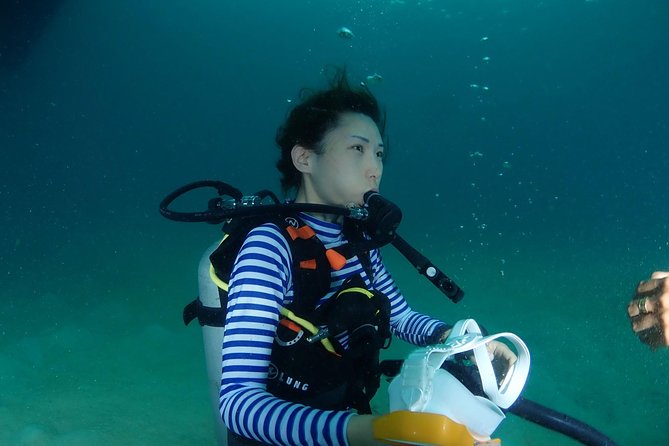
The course promises colorful marine life in the Gulf of Thailand. That’s a great incentive. Still, you’re on a certification course, so your time underwater will be structured around learning and skill checks.
The trick to getting what you want is mindset. If you treat it like “practice first, sightseeing second,” you’ll have fewer frustrations. If you go in chasing only photos and animal encounters, you might feel disappointed when the instructor brings you back to technique.
A nice strategy: view the marine life as the reward for completing skills well. It usually leads to better focus during training, and your calm attention tends to make the experience more enjoyable.
Scheduling realities in Koh Samui: weather and your body
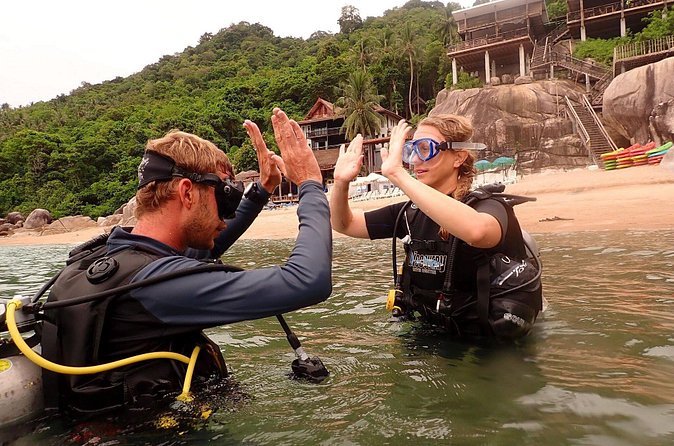
This experience requires good weather. If conditions aren’t right, the provider may cancel and offer a different date or a full refund. That’s a key planning point because Koh Samui weather can be changeable.
Also, scuba training has safety limits. You’ll complete a health questionnaire, and some medical conditions (like asthma or heart conditions) may prevent you from diving/scuba activities, so it’s smart to check with your doctor if you have any concerns.
Another scheduling consideration: scuba activities within 18 hours of flying isn’t recommended. If you’re traveling from far away, build in at least a little recovery time so your body is ready.
If you’re the kind of traveler who always schedules “one more thing” every hour, this is a place to slow down. Your day-of training windows matter.
Who this course suits best
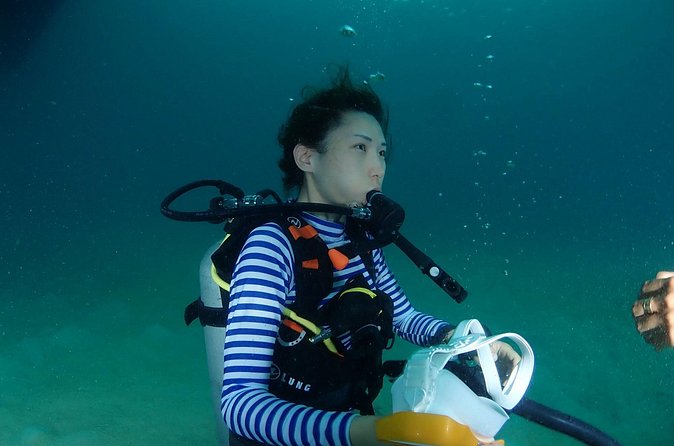
This is a strong fit if you:
- want a real step-by-step path to open-water certification in a short vacation,
- prefer instruction in a structured sequence (pool first, then open water),
- like small groups for more personal coaching,
- want hotel pickup so you can focus on the learning.
It also seems especially good if you’re nervous or learning later in life. One standout comment described learning to scuba skills at nearly 60 as inspiring, crediting patient instruction from Yuan. That’s a helpful signal that the course can be taught with kindness and pace—not just speed.
On the other hand, this might be less ideal if you:
- can’t be flexible with scheduling due to tight travel plans,
- have medical limitations that could affect scuba safety,
- dislike being outdoors on boat days (even well-run boats depend on conditions).
Quick FAQ
FAQ
What does the PADI Open Water course include in Koh Samui?
You get e-learning, pool training on the first day, then boat trips for open-water training across the last two days with four boat sessions total. It’s led by a professional guide.
Is hotel pickup included?
Hotel pickup and drop-off are included for selected hotels. You’ll also get transport in an air-conditioned vehicle.
What time does the course start?
The meeting time is 8:00 am.
Can I do the theory part before my course starts?
Yes. The course includes e-learning you can complete at any time, and there’s an option to complete the theory early using a downloadable app so you can spend more time practicing skills.
Is this weather-dependent?
Yes. The experience requires good weather. If it’s canceled due to poor weather, you’ll be offered a different date or a full refund.
What happens if I need to cancel?
This experience is non-refundable and cannot be changed for any reason. If you cancel or request amendments, the amount paid isn’t refunded.
Should you book this Koh Samui PADI course?
If you want a well-organized, small-group path to certification—pool practice first, then structured boat sessions in the Gulf of Thailand—this is an excellent bet. The biggest strengths are the e-learning option (so you use your vacation for skills), the very small group size, and the fact that instruction quality shows up in feedback (including praise for Yuan’s patience).
Book it if your travel timing can handle weather shifts and you’re comfortable completing the required health questionnaire. If you’re fit, flexible, and ready to learn step-by-step, you’ll likely leave with real confidence—and a lot of satisfaction from seeing marine life while you’re doing the training.