REVIEW · KO PHI PHI DON
Travel from Koh Phi Phi to Krabi by Ferry/Speedboat
Book on Viator →Operated by Trip Store Krabi · Bookable on Viator
A two-hour ferry fixes the Phi Phi shuffle. This direct high-speed hop from Ton Sai Pier to Krabi Passenger Port makes it easy to leave island life behind and still keep your day on track. I like that it typically takes about two hours, with a straightforward route and no extra stops to slow you down.
What I really like next is the simple choice once you’re aboard: you can sit on the upper deck or in the air-conditioned cabin. The main thing to watch is the obvious one: weather and sea conditions can cause delays, postponements, or a cancellation, even with a reserved spot—so plan with a little slack.
Key things to know before you go
- Direct transfer: Ton Sai Pier to Krabi Passenger Port without additional stops
- Timing that’s usually fast: about 2 hours on the water
- Pick your comfort level: upper deck for open-air views or AC inside
- Show up early: arrive at least 30 minutes before departure
- Baggage support: heavy luggage handled and stored during the trip
- Reserve ahead: helps guarantee your spot on a schedule that runs multiple times daily
In This Review
- Koh Phi Phi Don to Krabi: a fast, direct crossing in about two hours
- Ton Sai Pier to Krabi Passenger Port: why these ports matter for your next ride
- Boarding on Phi Phi: arrive 30 minutes early and know your seat options
- On the water: what comfort feels like, and how to choose the right spot
- The crew and service: friendly help, plus one baggage-smart detail
- When weather hits and when tickets get weird
- Value for money: what you get for about $17.36 one-way
- Who should book this ferry, and who might not love it
- Should you book Trip Store Krabi for Phi Phi to Krabi?
- FAQ
- How long does the ferry take from Koh Phi Phi to Krabi?
- How often does the ferry run?
- Where do I depart from and where do I arrive?
- Do you include hotel pickup and drop-off?
- When should I arrive at Ton Sai Pier?
- What happens if the ferry is cancelled due to bad weather?
Koh Phi Phi Don to Krabi: a fast, direct crossing in about two hours
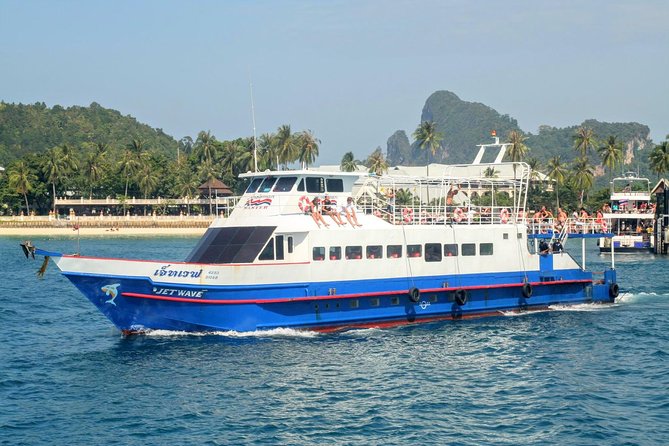
If your Phi Phi days are stacked with boat tours, viewpoint hikes, and beach time, the last thing you want is a slow or complicated transfer. This ferry ride is built for the opposite. The crossing from Koh Phi Phi Don to Krabi is designed as a one-way, direct journey, with an approximate duration of 2 hours.
It also runs four times a day, which is useful because Krabi logistics can be tight. Depending on where you’re staying, you may want to arrive early enough for dinner, or late enough to avoid the sun. Multiple departures give you options, and reserving ahead helps keep those options real.
The bigger value here is mental. When your transfer is predictable—same departure port on Phi Phi, same arrival port in Krabi—you spend less time guessing and more time planning what comes next. And in a place like Krabi, where you often connect to beaches, islands, or your hotel by another ride, arriving on time matters.
One note: the schedule depends on conditions. If the sea is angry, the ferry can be delayed, postponed, or cancelled. That’s not a reason to skip the trip—it’s just a reason to build a little buffer into your travel day.
Ton Sai Pier to Krabi Passenger Port: why these ports matter for your next ride
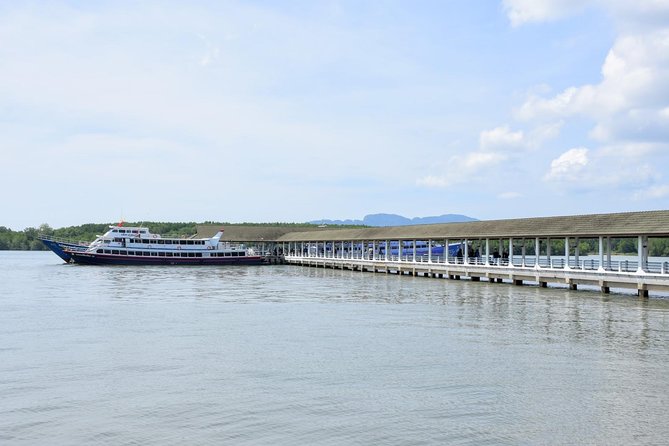
On Phi Phi, you’ll depart from Ton Sai Pier. In Krabi, you arrive at the Krabi Passenger Port. That sounds basic, but it’s actually key. Ports are not interchangeable in this region. Each one can change your next transport by a lot—time, cost, and hassle.
Here’s the practical angle: once you land in Krabi, you’ll usually need to continue to your accommodation. This ferry doesn’t include hotel pickup and drop-off, so you’ll rely on whatever you planned—taxi, local transport, or a pre-arranged transfer with your hotel. That means your arrival location becomes your starting point, not just a final stop.
Because the ferry is direct, you’re not arriving via an in-between dock with extra transfers. That tends to reduce confusion on the ground. And if you’re trying to catch onward connections, direct routes are worth more than they look like on paper.
Also, don’t treat the arrival port as a place where everything is perfectly organized. You’ll still need to get your bearings, find transport, and check the easiest way to your hotel. Having the right arrival port name ahead of time helps you do that faster.
You can also read our reviews of more tours and experiences in Ko Phi Phi Don.



Boarding on Phi Phi: arrive 30 minutes early and know your seat options
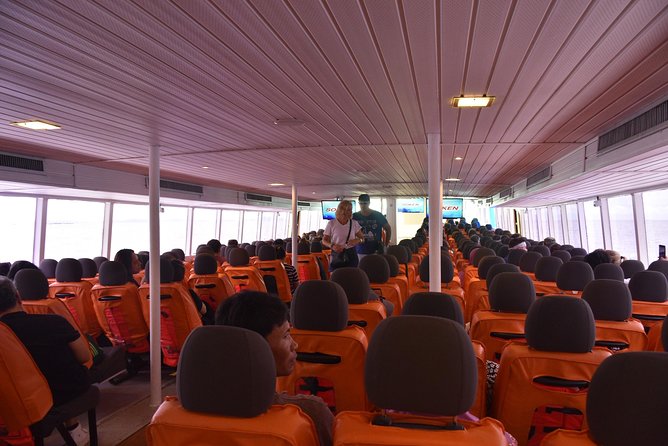
Plan on arriving at Ton Sai Pier at least 30 minutes before departure. This is one of those instructions that sounds routine until you’re standing in the wrong spot at the wrong time. Ferries here can move quickly once boarding begins.
Once you’re checked in, you can pick your comfort. The ferry offers two main styles of seating:
- Upper deck seating, which is great if you want fresh air and a more open feel
- Inside seating with air-conditioning, better if you want to relax in cooler comfort during the ride
You can also find upgrade options. In one account, a passenger specifically mentioned a premium class experience with a more lounge-like setup and the ability to nap, plus charging ports. If you’re sensitive to motion, or you just hate being stuck without power for a few hours, that upgrade may be worth it. The flip side is simple: if you don’t care about extra comfort, the standard seating still does the job.
Check-in can be smooth, and it can also be confusing on a busy day. One report described a chaotic check-in situation. You can reduce the odds of a headache by arriving earlier than the minimum and keeping your phone ready with your booking confirmation.
On the water: what comfort feels like, and how to choose the right spot
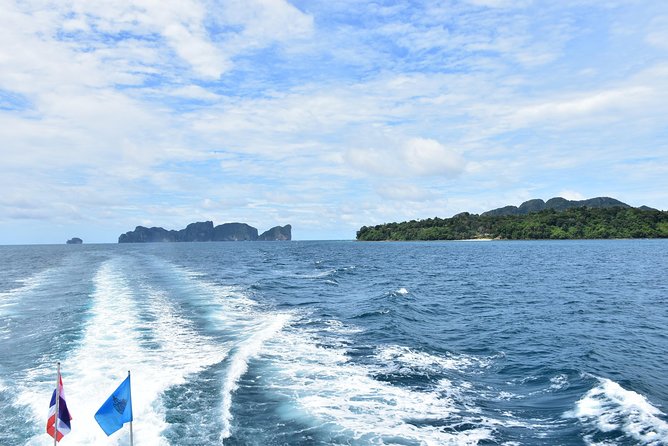
Most of what you’ll do during the trip is sit, hold your stuff, and watch the sea and coastline slide by. That’s why seat choice matters more than people think.
If you want the scenery and don’t mind the elements, the upper deck is the play. It tends to feel more open, and for many folks it’s the most enjoyable part of the trip. If the sun is strong or you just want to cool down, go inside for the air-conditioned section.
Comfort is also about whether you get a clean, usable seat. The most positive reports describe the ferry as clean and comfortable, with staff running things in a calm, organized way. There was also a less positive note about dirty and tired seating in one situation. You can’t control that day’s condition, but you can control your response: pick your seat early, wipe down your area if needed, and focus on getting comfortable fast.
Motion is a factor on any speedboat or high-speed ferry. The best strategy is plain: bring a layer, keep your bag secured, and don’t overpack the space you’ll need for your feet and legs. A ride around the islands can be smooth one day and bumpy the next.
And if you’re traveling with heavier luggage, pay attention to how it’s handled. One highly rated description said the crew takes care of heavy bags, stores them inside during the journey, and unloads them onto the dock for pick-up. That’s a big deal if you’re not trying to juggle suitcases in a crowded pier environment.
The crew and service: friendly help, plus one baggage-smart detail
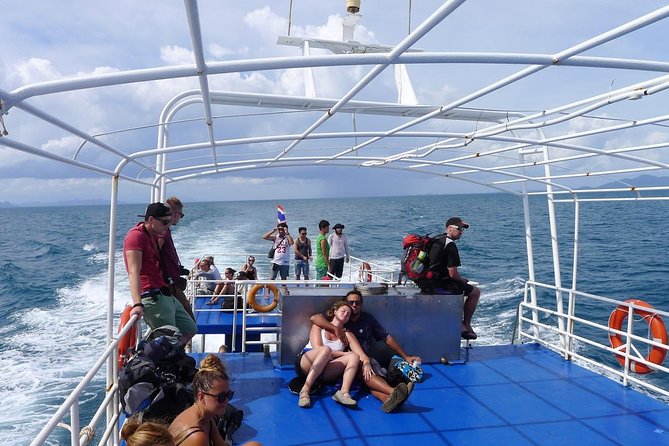
I really value ferry staff who treat the trip like a system, not a free-for-all. The positive feedback here points to courteous, friendly staff and a ride that left on time with the boat described as clean.
The standout service detail is luggage handling. One review said the crew manages heavy luggage for you—stored inside during the crossing, then unloaded after arrival for pick up. Even if you’re traveling light, that can save time and stress, especially at busy docks where everyone is trying to move at once.
That said, service quality can vary by day, and that’s not unique to this route. One negative account complained about disorganized and extremely rude staff during check-in and described an overall unpleasant onboard experience. I can’t promise your day will match the good reports or the bad ones. What I can say is this: arriving early and having your documents ready gives you the best chance of a smooth start.
If you’re the type who likes everything controlled, you’ll probably like this service. If you’re flexible and willing to let the system work, you’ll likely feel calmer too.
When weather hits and when tickets get weird
This route requires good weather. If conditions are bad, the transfer may be delayed, postponed, or cancelled—and you should expect a full refund in those situations. That part matters because it changes your plan from a fixed schedule into a conditional one.
So how do you travel smart? Build a buffer. If you’re heading to a tight appointment, give yourself extra time. If you’re staying in Krabi, confirm that your hotel can handle a later arrival without drama.
Now for the other issue: ticket problems. There’s at least one report of being asked to pay again because the access paperwork at the pier didn’t work. That doesn’t mean it will happen to you. But it does point to a simple best practice: keep your booking confirmation and any ticket/access details easily accessible.
If something feels off at check-in, don’t argue in circles. Get help quickly. The support response described in positive reviews suggests customer service can be responsive when problems come up.
If you’re traveling during a peak season week, double-check times and consider reserving earlier rather than trusting walk-up luck.






Value for money: what you get for about $17.36 one-way
At around $17.36 per person, this ferry is priced for people who want a practical connection, not a full-day excursion. It includes one-way ferry/speedboat transfer and basic travel insurance. Hotel pickup and drop-off are not included, but that’s common for point-to-point ferry tickets.
So what’s the real value? Two things:
- You save time with the direct route and about two-hour travel time.
- You reduce complexity by removing extra stops and extra transfers between multiple transport legs.
Premium upgrades can change the onboard experience. One passenger specifically praised paying extra for comfort, with lounge-like seating and charging ports. If you’re the kind of person who gets cranky without power or you just like to arrive feeling less squeezed, that upgrade could be worth it for you. If your goal is simply to get to Krabi and start enjoying the area, standard seating is often enough.
Also, keep in mind the size of the operation. The activity has a maximum of 200 travelers. That suggests it’s not an endless cattle-truck situation. It won’t feel like a tiny private boat either, but it should be manageable.
Who should book this ferry, and who might not love it
This transfer makes the most sense if you’re trying to:
- Move from Koh Phi Phi Don to Krabi efficiently
- Use a direct ferry instead of piecing together multiple legs
- Get to your next base without losing most of the day
It’s also a decent fit for most people, since the activity notes that most people can participate.
You might think twice if you:
- Have zero flexibility in your schedule because of a tight, non-negotiable commitment
- Hate any uncertainty related to sea conditions
- Want door-to-door service, since hotel pickup/drop-off isn’t included
If you like a clear plan, choose your seat style early, arrive on time, and you’ll probably enjoy the ride. If you’re relaxed and you travel light enough to handle pier-to-transport transitions, this one-way ticket is a sensible value.
Should you book Trip Store Krabi for Phi Phi to Krabi?
If your priority is a fast, direct connection to Krabi without extra stops, I’d book it. The ride time of about two hours, plus multiple daily departures, gives you options once you’re ready to move on. The included basic insurance and the fact it’s a straightforward one-way transfer make it a clean match for many itineraries.
I would also book it if you’re comfortable handling your own onward transport from Krabi Passenger Port, and you don’t mind arriving a bit early to make check-in smoother.
Skip or at least plan carefully if weather timing is your biggest risk. Build a buffer in Krabi. And keep your confirmation/ticket details ready so you’re not scrambling if anything looks unclear at the pier.
FAQ
How long does the ferry take from Koh Phi Phi to Krabi?
The high-speed ferry ride takes about two hours (approx.).
How often does the ferry run?
It runs about four times a day.
Where do I depart from and where do I arrive?
You depart from Ton Sai Pier on Koh Phi Phi Don and arrive at Krabi Passenger Port.
Do you include hotel pickup and drop-off?
No. Hotel pickup and drop-off are not included.
When should I arrive at Ton Sai Pier?
Arrive at least 30 minutes before the boat’s due departure time.
What happens if the ferry is cancelled due to bad weather?
If bad weather or sea conditions affect the transfer, it may be delayed, postponed, or cancelled. In case of cancellation, you get a full refund.