REVIEW · KO PHI PHI DON
From Phi Phi: PADI Open Water Course *eLearning (2+ days)
Book on Viator →Operated by Blue View Divers · Bookable on Viator
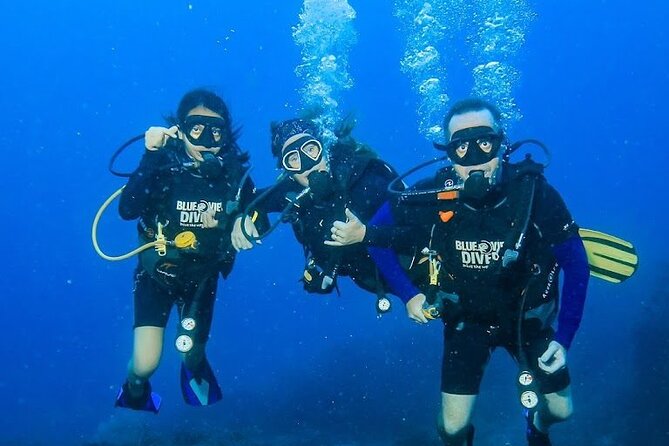
Scuba badge training in Phi Phi feels unreal. You’ll do PADI eLearning first, then finish your small-group Open Water skills in Ko Phi Phi Don with real reef wildlife around Phi Phi Leh and Bida islands. It’s a tidy mix of classroom work, calm in-water coaching, and ocean time that’s built around safety and eco-minded practices.
I love how safety-first the coaching feels, especially during confined training and swim-test checks. I also like the way you learn right where marine life shows up, with plenty of chances to spot turtles and sharks during your open-water training.
One consideration: it depends on weather and your health clearance, and there’s also 8–12 hours of eLearning study before you arrive. If you want zero schedule pressure, you’ll need to plan that self-study time upfront.
In This Review
- Key points to know before you go
- Underwater training on Ko Phi Phi Don, with small-group attention
- eLearning setup: plan for 8–12 hours before the pool
- Confined training first: skills off the beach
- Two days, two sessions a day: what a boat day feels like
- Where you go: Phi Phi Leh, Maya Bay, and Ko Bida Nok
- Ko Phi Phi Le
- Maya Bay
- Ko Bida Nok
- Price and logistics: what you’re paying for, and what’s extra
- Is this worth it over a cheaper option?
- Instructors and safety: the calm coaching factor
- Who this course fits (and who should think twice)
- Should you book this PADI Open Water course on Phi Phi?
- FAQ
- How long is the PADI Open Water course?
- Do I need to complete eLearning before I arrive?
- Where do I check in?
- What are the training sessions like on the water?
- What is included in the price?
- What’s not included?
- Is this suitable for people with asthma?
Key points to know before you go
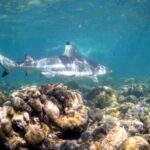

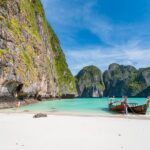
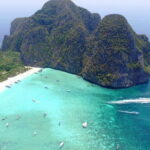
Ko Phi Phi Le
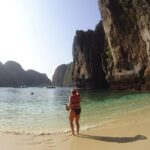
This stop is your first big reef-area experience. It’s a familiar name in the Phi Phi world for a reason: you’re in a marine park zone where color and life tend to show up, which helps keep motivation high during the parts of training that can feel repetitive.
Maya Bay
Maya Bay is a famous name, so expect the area to be popular in general. What you’re really looking for during your course is not sightseeing—it’s underwater learning in a place where marine life is present. The upside of including Maya Bay is that it adds variety to your learning route. The potential drawback is that any famous spot can come with more people around, depending on day and conditions.
Ko Bida Nok
This is where many people hope for a more wildlife-forward experience. The goal is to keep your practice grounded while giving you chances for the animals that make you remember why you signed up in the first place—turtles, and possibly sharks, depending on conditions.
Price and logistics: what you’re paying for, and what’s extra
eLearning (2+ days) – Price and logistics: what you’re paying for, and what’s extra’ />
The price is $475.80 per person for the 2+ day Open Water Course with eLearning. For most learners, that’s good value because several things that typically add cost are already folded in.
What’s included:
- Scuba equipment use
- All fees and taxes (note: National Park fee is listed separately)
- PADI eLearning + certification fees
- Coffee or tea at the dive centre
- Basic insurance via basic redemption policy
- Scuba computer rental
What’s not included:
- National Park fee: 800 THB
That National Park fee is a reminder to keep a little cash ready or plan on paying it at departure. It’s also why I like seeing the course as a package: the biggest uncertainties for learners are handled upfront (equipment, course fees, and a structured learning plan).
Is this worth it over a cheaper option?
If you’ve seen lower-priced courses, the question isn’t just the total cost. Ask whether you’re getting small groups, structured safety coaching, and real reef-area practice (not just a quick checklist). The max-10 group size and the emphasis on safety and eco behavior are the parts that protect your learning quality.
If you want the “first-time scuba confidence” outcome, that value matters more than saving a few dollars.
Instructors and safety: the calm coaching factor
eLearning (2+ days) – Instructors and safety: the calm coaching factor’ />
This is the part I care about most for beginners. A first scuba course isn’t only about seeing animals—it’s about learning how to stay relaxed with breathing, buoyancy, and gear. When instructors are patient, you learn faster, and the fear factor drops.
In the experiences people share, Jose is singled out for being easy to understand and for speaking Spanish and English in addition to his native language. Michael Davey shows up as super patient and calm, and the coaching is described as thorough. Other names include Renzo, Rebecca, and Caroline, with Caroline described as professional and fun, and focused on confidence in the pool before moving to the open-water training.
There’s also a practical safety example in how the boat crew handled situations when needed, including helping a lone diver reconnect with their boat. That’s not something you want to depend on, but it does suggest they’re paying attention and acting when something goes off plan.
If you’re anxious about water skills, you’ll feel better when the team’s standard is safety and clear communication.
Who this course fits (and who should think twice)
This experience is meant for people with moderate physical fitness. It’s not recommended for travelers with asthma, and you’re required to review the diver medical statement before booking to confirm you meet scuba medical requirements.
So here’s my simple rule:
- If you’re healthy, comfortable studying before you arrive, and you want a real skills build in one of Thailand’s best-known island areas, this course is a strong match.
- If you have asthma or any medical uncertainty, don’t wing it. Check the medical statement first.
Also, if you’re the type who hates homework, the eLearning requirement may feel like friction. But it’s usually worth it because it keeps your time on the island focused on skills and not cramming.
Should you book this PADI Open Water course on Phi Phi?
I’d book if your top goals are:
- a small-group learning experience
- a structured PADI Open Water path with pre-study
- calm, safety-focused coaching from instructors like Jose, Michael Davey, Renzo, Caroline, Rebecca, and others
- training in reef areas where wildlife like turtles and sharks are possible
I’d pause if any of these are deal-breakers:
- you cannot commit to the 8–12 hours of eLearning prep
- you’re highly sensitive to schedule changes because the experience needs good weather
- you have asthma or can’t clear the diver medical requirements
If you’re trying to turn a childhood ocean dream into a certification you can use anywhere, this is a sensible way to do it in Phi Phi: learn the basics properly, practice in real reef environments, and come away with confidence instead of nerves.
FAQ
How long is the PADI Open Water course?
The program runs about 2 days 6 hours (approx.) for the Open Water course portion, with the full learning plan completed over 2–3 days depending on when you start.
Do I need to complete eLearning before I arrive?
Yes. After booking, you’ll receive the PADI eLearning and Open Water videos. You’re expected to study on your own schedule (about 8–12 hours) before arriving.
Where do I check in?
You check in at the office one day before at Viewpoint Resort, about 5 minutes outside town, with views of Loh Dalum Bay.
What are the training sessions like on the water?
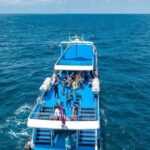
After confined training and theory checks, you go out by boat for training sessions. Each day includes two underwater sessions with lunch in between, and the boat trip lasts about 5 hours.
What is included in the price?
Included are scuba equipment use, all fees and taxes, PADI eLearning plus certification fees, coffee or tea at the dive centre, basic insurance (basic redemption only policy), and scuba computer rental.
What’s not included?
The National Park fee (800 THB) is not included.
Is this suitable for people with asthma?
It is not recommended for travelers with asthma. You also must review the diver medical statement before booking to ensure you meet scuba diving requirements.