REVIEW · PHUKET CITY
Phuket: Turtles, Rafting & Elephants Private Ethical Tour
Book on GetYourGuide →Operated by LOVE KHAOLAK HOLIDAY · Bookable on GetYourGuide
Phang Nga is where a quiet day turns into several worlds at once. This private Phuket tour strings together sea turtle conservation, bamboo rafting, and an ethical elephant sanctuary with plenty of Thai culture built in. I love the way the day balances nature, learning, and hands-on local food making, not just photos.
I really like two parts of this itinerary: the observation-only elephant experience (no riding, no bathing, no physical contact) and the human touch from guides such as Kim, Zico, Shane, and Boom, who kept the pace clear and the explanations practical. I also appreciate the meal: a southern Thai set lunch that many people rated as one of their best during the Phuket stay.
One thing to think about before you book: it’s an all-day format with travel time, and on at least one private booking the guidance felt less complete during a portion of the day. If you care a lot about commentary at every stop, it helps to set expectations early with your guide and stay close when transitions happen.
In This Review
- Key highlights worth planning around
- A private day that mixes turtles, rafts, temples, and ethical elephants
- Getting to Phang Nga: why the drive is part of the experience
- Sea Turtle Conservation Center: learning what rescue actually means
- Bamboo rafting at Wang Kiang Koo, plus a real-water reset
- Wat Lak Kaen: a calmer cultural stop with temple etiquette
- Southern Thai set lunch: not a rushed stop
- Khaolak Elephant Conservation: observation-only, and the rules are the point
- Elephant “bathing” expectations
- Herbal supplement prep, Ya Dom, and Khanom Krok: Thai culture that sticks
- Herbal supplement preparation for the elephants
- Make a Thai herbal inhaler (Ya Dom)
- Cook Khanom Krok
- Police Boat 813: a meaningful tsunami memorial stop
- Price and value: what $418 per group buys you
- Logistics that matter on a water-and-temple day
- Who should book, and who should skip it
- My booking advice: should you take this private Phuket tour?
- FAQ
- How long is the Phuket: Turtles, Rafting & Elephants private ethical tour?
- What is the group size and pricing?
- Is elephant riding or bathing included?
- What stops are included during the day?
- What Thai cultural activities are included?
- What should I bring for the tour?
- Does the tour run in rain?
- What happens if there’s low water during rafting season?
Key highlights worth planning around
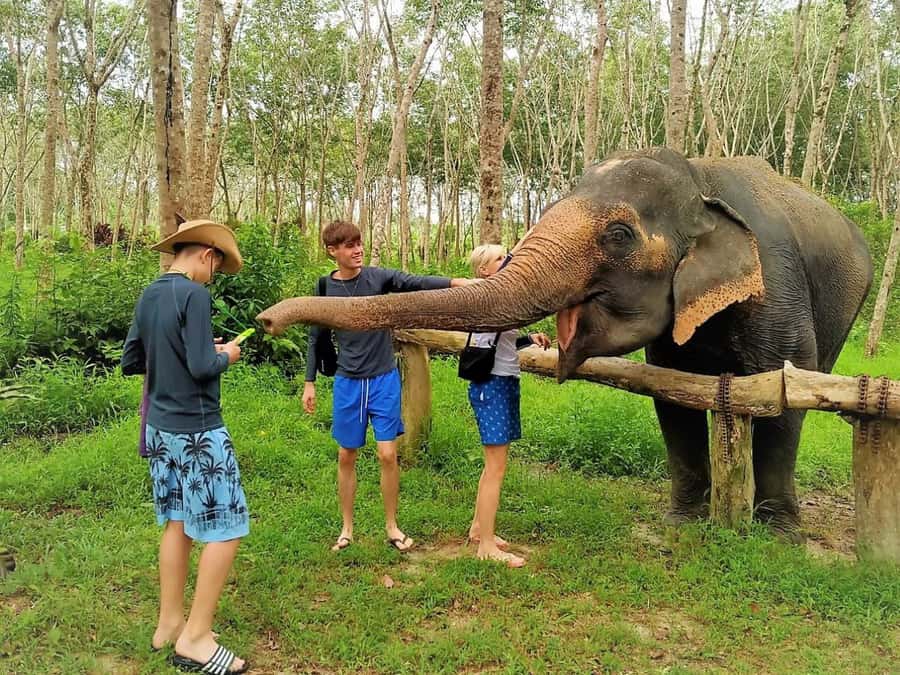
- Ethical elephants, no riding or controlling: you follow from a respectful distance while mahouts guide the day.
- Start with sea turtles at a rescue and conservation center, then learn how rehabilitation works.
- Bamboo rafting through jungle streams with a real chance to cool off in natural water.
- Temple time at Wat Lak Kaen with a stop focused on the Buddha relic story and proper visiting etiquette.
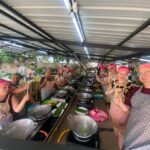
- Thai culture workshops: make a Thai herbal inhaler (Ya Dom) and cook Khanom Krok coconut custard.
- Police Boat 813 memorial stop on the way back—powerful, and it may include graphic images.
A private day that mixes turtles, rafts, temples, and ethical elephants
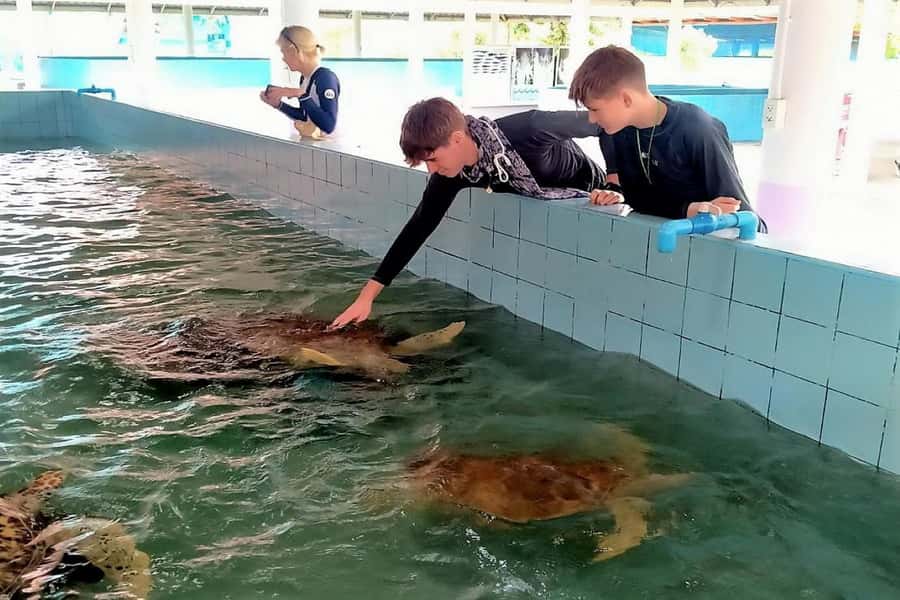
This is the kind of Phuket-area tour that saves you from picking just one “big thing.” You get sea life conservation, a classic Phang Nga-style bamboo rafting experience, temple context, and then a wildlife encounter that’s built around observation—not performance.
What makes it feel especially worth your time is how the day is paced. The wildlife stops aren’t crammed into a single photo sprint. You have moments to watch, cool off, and switch gears into Thai culture with workshops and a solid set lunch. It’s still a long 8-hour day, but it doesn’t feel like a blur of random stops.
And since it’s private, you’re not stuck in a big group shuffle. You choose your route comfort level through the day—whether that’s asking quick questions, taking your time at viewing points, or moving at a calm pace through the temple and workshops.
You can also read our reviews of more private tours in Phuket City


Getting to Phang Nga: why the drive is part of the experience
You’ll start with hotel pick-up in Phuket, with multiple pickup zones (including Mai Khao and Thai Mueang). From there, you travel in an air-conditioned vehicle toward Phang Nga Province. The ride itself is a practical reminder that Phuket’s “beach bubble” is only part of the region.
During the drive, it helps to think of it as a prelude. The day’s theme is responsible tourism and local life. That fits better after you’ve seen rubber plantations and small villages roll by than if you were dropped into the first activity with zero context.
Time matters here. You’re not just commuting—you’re building a full day. For that reason, I’d treat snacks, water, and a relaxed mindset as part of your planning. Included drinks can help, but you’ll still want to keep energy steady.
Sea Turtle Conservation Center: learning what rescue actually means
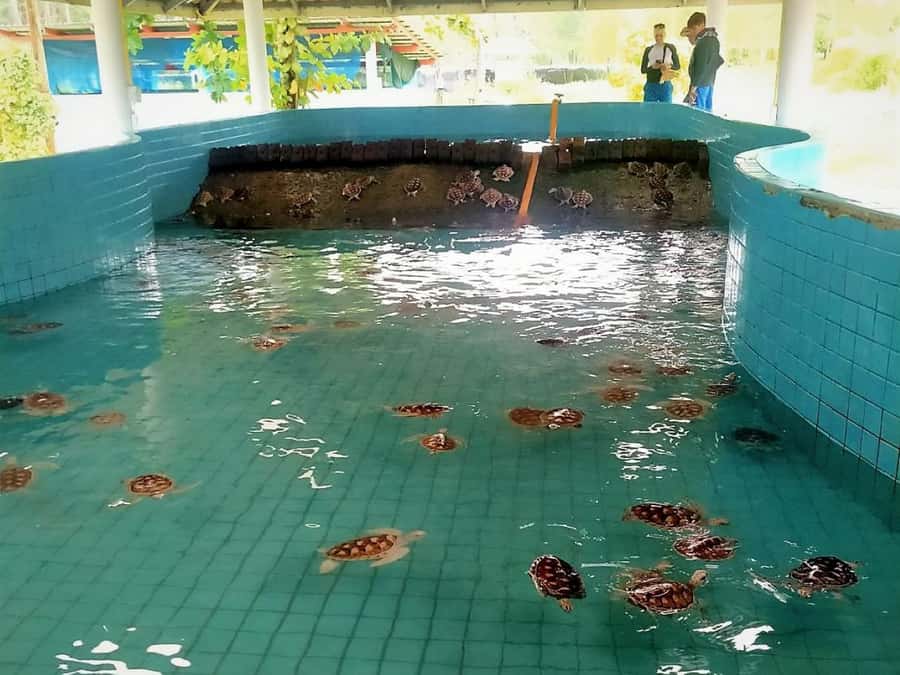
The day begins at the Sea Turtle Conservation Center, where you focus on marine life viewing and conservation education. This stop is more than a quick “look at turtles” moment. You learn about endangered sea turtle species and the rescue and rehabilitation efforts behind the scenes.
What I like about structuring the tour this way: it sets expectations for the rest of the day. You’re reminded that animal experiences don’t have to be staged for entertainment. Instead, they can be educational and tied to protection work.
You’ll observe turtles in different stages of rehabilitation, which gives you a clearer sense of the process. It also helps you avoid the common disappointment of expecting one simple scene. If you’re the type who likes understanding the why, this first stop delivers.
Bamboo rafting at Wang Kiang Koo, plus a real-water reset
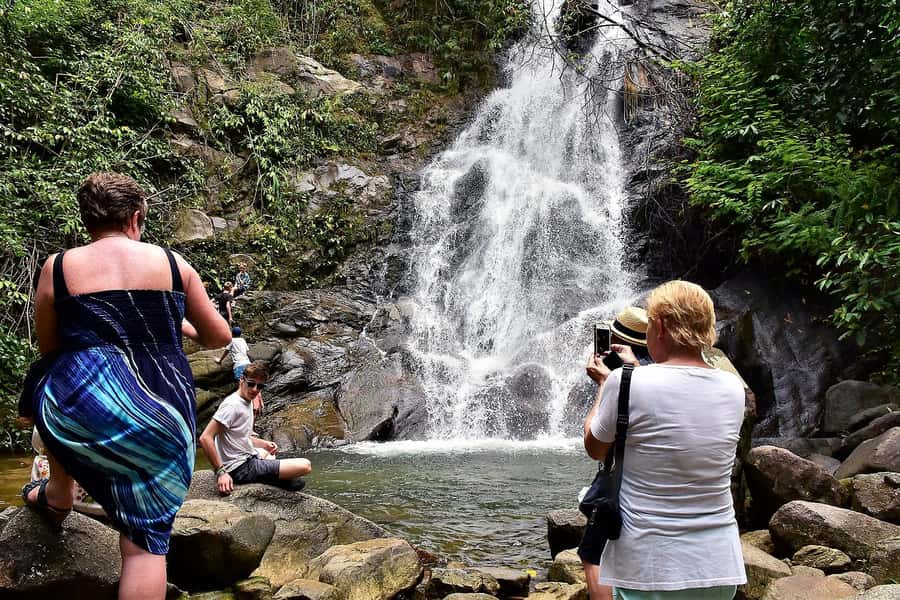
After the turtle center, the tour heads toward Wang Kiang Koo Waterfall for bamboo rafting. This part is practical and fun: you drift along a jungle stream while local paddlers guide the raft. It’s not an adrenaline ride. It’s more like getting a slow look at the waterway and surrounding greenery—while the paddlers do the work.
A big reason this stop is popular is that it feels classic and local. Bamboo rafting is one of those “you won’t get this at home” activities, and it pairs well with the conservation theme from earlier.
Then comes the optional fun: the tour also includes time to swim at Ton Pling Waterfall. Bring your towel mindset here. Even if you don’t plan to swim, water time can happen fast, and you’ll be happier if you’re ready with a change of clothes.
One seasonal note is important. In the summer months (February to May), water levels in the rafting river can be low. The operator has alternatives planned and may skip the waterfall visits when conditions don’t support the usual route. If you’re traveling in that window, don’t worry—just be ready for the day to adjust.
Wat Lak Kaen: a calmer cultural stop with temple etiquette
Next is Wat Lak Kaen, an older and significant temple in the region. This stop adds cultural depth after the water-based activities and gives you a chance to slow down and observe local spiritual life.
You’re visiting with a focus on the story of the Buddha’s holy relic and the spiritual traditions tied to the area. For me, this is a good contrast moment. You’re not just switching scenery—you’re switching energy. Bamboo rafting and waterfalls wake you up. A temple stop helps you land.
Dress matters. You’ll want clothing that works for visiting a temple, and a sarong is useful if you need a simple cover-up. Take the few extra minutes to dress appropriately. It keeps the day respectful and stress-free.


Southern Thai set lunch: not a rushed stop
Lunch happens at a local restaurant setting (WonderlanD Bar & Restaurant is part of the day plan), with southern Thai set lunch served after rafting. What stands out in the feedback is that the lunch is not just “included” but often rated as one of the best meals of the trip.
I like that the tour doesn’t treat food like an afterthought. You get a relaxed break in the middle of a long day, which matters because your afternoon includes the ethical elephant sanctuary and cultural workshops.
If you’re picky, there’s at least evidence that the team can adapt for fish-eating guests by providing alternatives. Still, if dietary needs are strict for you, I’d make sure to flag them clearly before the day starts.
Khaolak Elephant Conservation: observation-only, and the rules are the point
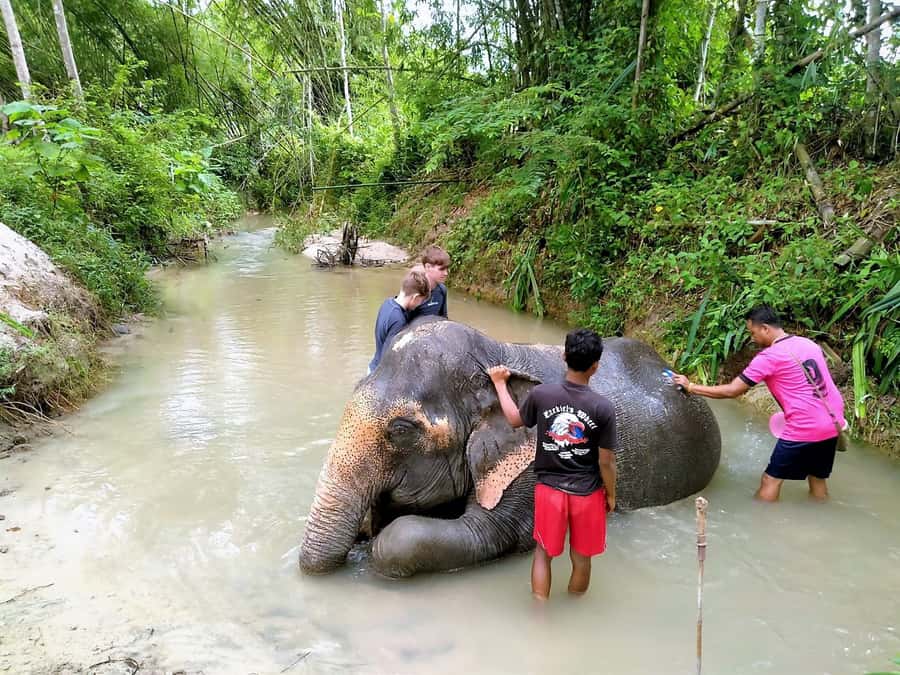
This is the centerpiece for most people, and it’s also where ethics show up in plain language.
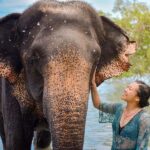
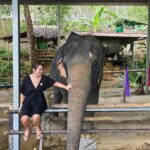
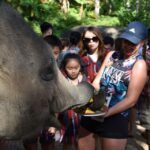
At the ethical elephant sanctuary (Khaolak Elephant Conservation), you’ll meet rescued domestic elephants cared for by experienced mahouts. The rules are strict:
- No riding
- No bathing
- No physical contact
That’s the core value here. This isn’t a “sit on an elephant” experience. It’s an observation experience designed to let the elephants set the pace.
You’ll participate in two elephant-focused moments:
- A guided observation walk where you follow behind at a respectful distance as the elephants move naturally within a defined area. You don’t touch, lead, or control the animals.
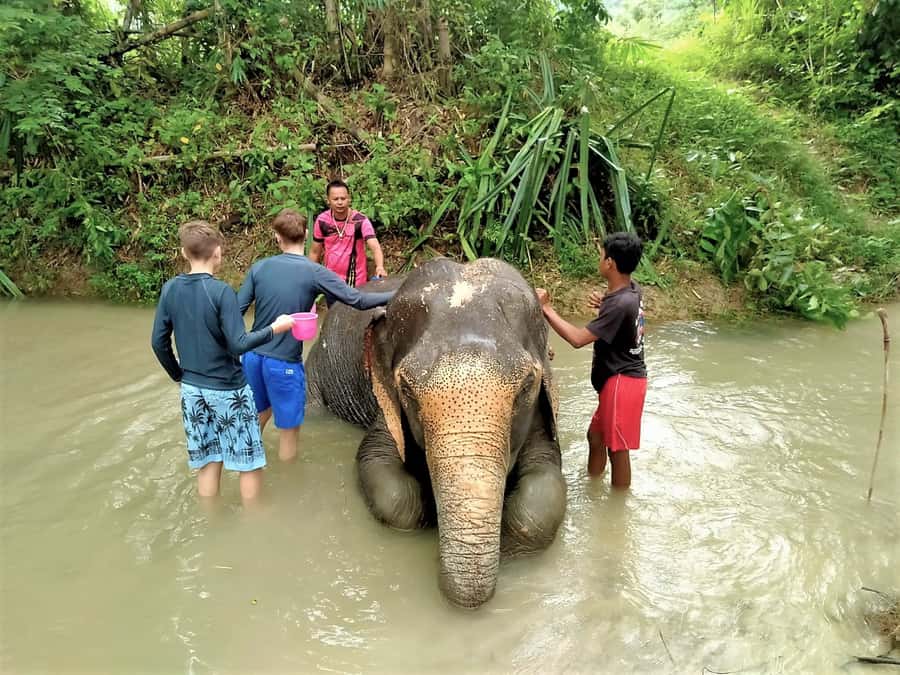
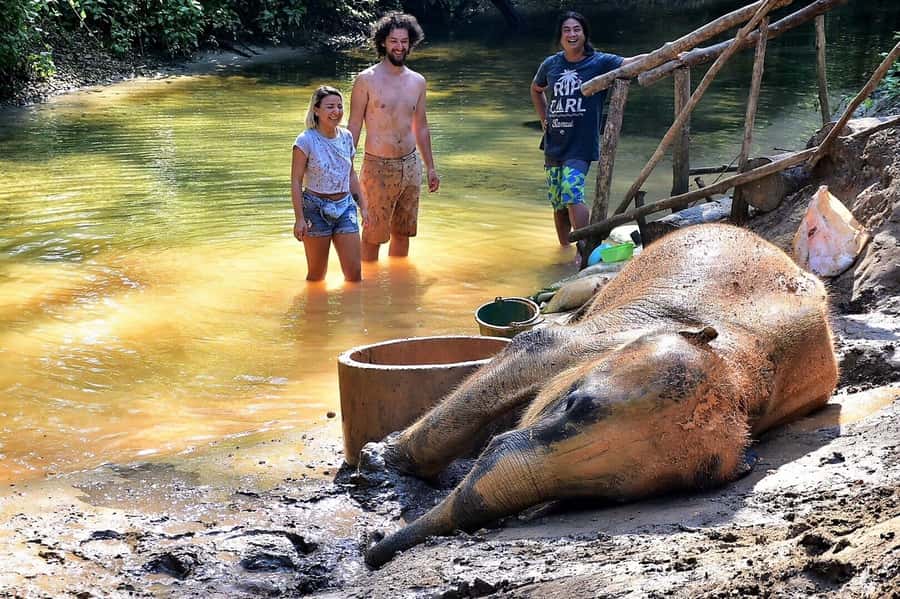
- A designated viewing platform near a natural creek where you can watch the elephants if they choose to bathe or play in mud.
Here’s the key difference: you’re not forcing a bath and you’re not creating a performance. If they bathe or get muddy, it’s their decision. That distinction is what makes this feel genuinely responsible rather than “humans controlling the interaction.”
Also worth noting: some guides and routines include viewing and care storytelling, and there can be a visible sense of routine around elephant welfare and daily needs. That helps you understand the elephants as living animals with care systems, not just attractions.
Elephant “bathing” expectations
Even though the sanctuary experience is observation-only, you may still see mud play if the elephants choose to do it at the creek viewing point. Some people also describe the elephants enjoying mud during their time near the water. The goal remains the same: you watch, you don’t manage the behavior.
If you’re bringing kids, you’ll appreciate that the day includes clean showers afterward on some days, based on guest notes. It’s a small detail, but it can matter when your day involves water and mud zones.
Herbal supplement prep, Ya Dom, and Khanom Krok: Thai culture that sticks
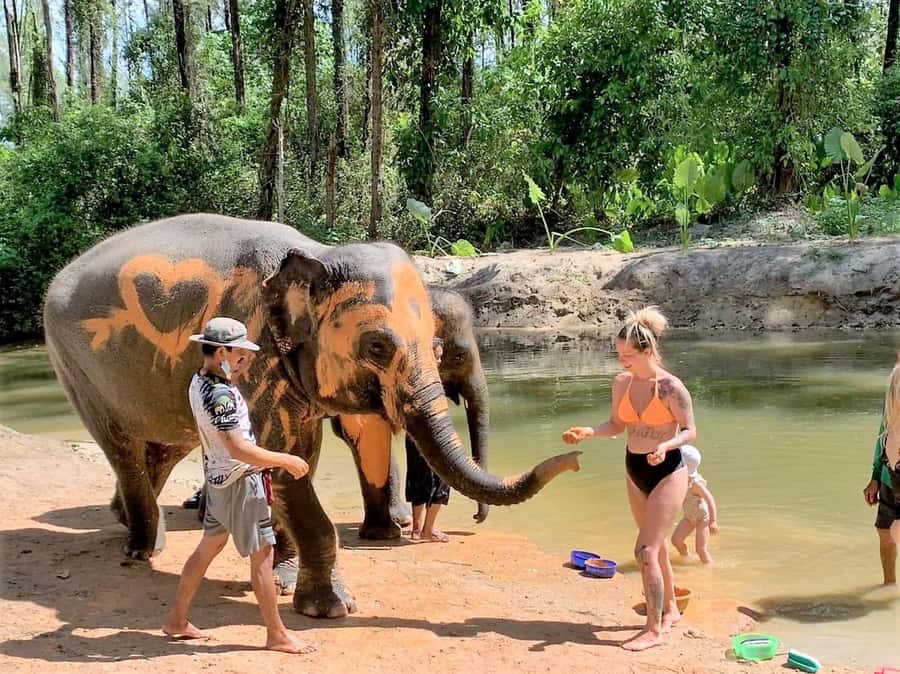
Right after the elephant observation portion, the tour shifts into Thai hands-on culture with a smart rhythm: you’ve been in nature mode, now you use your hands.
Herbal supplement preparation for the elephants
You’ll take part in preparing a traditional herbal supplement for the elephants, following welfare-based practices. It’s paired with educational storytelling about each elephant’s background and rescue story, plus daily care routines.
This is valuable because it helps you connect your “seeing” with “understanding.” You’re not just watching elephants. You learn about what caretakers do to support them. Even if you don’t fully grasp the herbal specifics, the process builds respect.
Make a Thai herbal inhaler (Ya Dom)
Next, you craft your own Ya Dom herbal inhaler. This isn’t a generic souvenir craft. It’s a small, practical cultural item with Thai roots, and it’s something you can take home and remember.
Cook Khanom Krok
Then you make Khanom Krok, one of Thailand’s famous coconut street snacks. It’s fun, it’s edible, and it gives you a “real life” souvenir: the taste of southern Thai flavors.
What I like is that these workshop stops make the day feel more Thai than “only wildlife.” If you worry that elephant tours become one-note experiences, this cultural pairing helps a lot.
Police Boat 813: a meaningful tsunami memorial stop
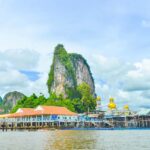
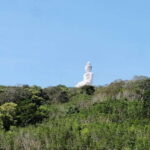
On the way back toward Phuket, you stop at Police Boat 813 in Phang Nga Province. It’s a tsunami memorial with photo opportunities and scenic views on the route.
This stop is powerful. One practical heads-up: it may include graphic photos. If you’re traveling with children, decide ahead of time how you feel about that type of imagery.
That said, it’s also one of the more meaningful parts of the day because it ties local history and resilience into your wildlife and nature experiences. It makes the day feel grounded in real places, not just attractions.
Price and value: what $418 per group buys you
At $418 per group up to 3 people for an 8-hour private outing, the price isn’t cheap. But you’re paying for more than a seat in a van.
You’re also getting:
- Private hotel pickup and drop-off
- A dedicated guide in English or German
- Turtle conservation education, temple visit, rafting, swimming time, and the tsunami memorial stop
- Elephant sanctuary admission with observation-only rules
- Two cultural workshops (Ya Dom and Khanom Krok)
- A southern Thai set lunch plus bottled water and cola
- Basic accident insurance
For many couples or small families, the value comes from stacking experiences that would be hard to bundle independently without spending time coordinating transport and timing. And because it’s private, you’re not stuck waiting on a large group schedule.
Still, the best value depends on you. If you want a big, multi-stop day with guided context, you’ll likely feel satisfied. If you prefer a single long activity with minimal driving, you might find the full-day pace a bit much.
Logistics that matter on a water-and-temple day
This tour runs rain or shine, so pack for wet conditions. The most useful items are simple:
- Change of clothes (bring at least 2 sets)
- Towel
- Sarong for temple needs
- Cash for any photos or small souvenirs (some people specifically recommend bringing it)
- Passport (a copy is accepted)
Also remember the elephant and temple areas have different dress expectations. Comfortable, easy-to-change clothing wins here.
Then there’s the seasonal change in water conditions (Feb to May). The operator can switch rafting locations and may skip the waterfall visits if water levels are too low. That flexibility is part of why the day stays functional even when weather and river conditions don’t cooperate.
Who should book, and who should skip it
This tour fits best if you:
- Want ethical elephant viewing rather than riding
- Like variety in one day: conservation, rafting, temple culture, and Thai food making
- Prefer a private setup for a more relaxed rhythm
- Appreciate guides who explain what you’re seeing (guide quality is a big theme in the feedback)
It’s not suitable for pregnant women or people with mobility impairments, based on the provided info. Also, it’s a rain-or-shine plan, so if you’re not comfortable getting wet or handling muddy moments, plan your expectations accordingly.
My booking advice: should you take this private Phuket tour?
If you want a memorable southern Thailand day that doesn’t turn animals into amusement, I’d book it. The ethical elephant structure is the deciding factor—no riding, no bathing, no physical contact—plus the chance to watch natural behaviors rather than manufactured ones. Add in bamboo rafting, Ton Pling swim time, and Thai workshops, and you get a day that feels like it belongs to the region.
I’d only hesitate if you’re the type who needs a tight, constant stream of commentary every single minute. One negative experience highlighted that when a guide stepped away during part of the day, the value of the explanations dropped. If that’s your worry, message the provider before you go and ask how they handle stop-by-stop guidance and timing.
FAQ
How long is the Phuket: Turtles, Rafting & Elephants private ethical tour?
It runs for about 8 hours.
What is the group size and pricing?
It’s a private group. The price is $418 per group up to 3 people.
Is elephant riding or bathing included?
No. The elephant sanctuary experience is observation-only. There is no riding, no bathing, and no physical contact.
What stops are included during the day?
The day includes the Sea Turtle Conservation Center, Wat Lak Kaen, bamboo rafting at Wang Kiang Koo Waterfall, Ton Pling Waterfall swimming time, lunch at WonderlanD Bar & Restaurant, the ethical elephant sanctuary experience, and a stop at Police Boat 813.
What Thai cultural activities are included?
You’ll make a Thai herbal inhaler (Ya Dom) and make Khanom Krok.
What should I bring for the tour?
Bring change of clothes, a towel, cash, and your passport (a copy is accepted). A sarong is also recommended.
Does the tour run in rain?
Yes, it runs rain or shine.
What happens if there’s low water during rafting season?
During February to May, low water can affect rafting and waterfall visits. The operator has alternative locations and may skip the waterfalls when needed.
If you tell me your travel month and whether you’re traveling with kids, I can help you judge how weather-dependent the rafting and swimming parts might feel for your dates.