Four elephants. One rare kind of day.
This Phuket experience is built around rescued elephants who roam freely in a forest reserve, with an observation-first approach (no riding, no forced bathing). I like that you get close enough to feel the animals’ presence, but you’re guided to keep their comfort front and center.
What I love most is the straightforward, respectful flow: you’ll meet and feed the elephants from a safe distance, then follow their day as they move through the sanctuary. The second big plus is the included lunch—locally based vegetarian food, served while you watch the elephants in the pond and muddy wallows.
One consideration: this is a hands-off experience, and it’s not ideal if you want a heavy-duty physical activity day or if your mobility or health needs limit walking. Also, touching animals is not allowed, so plan on observation over interaction.
In This Review
- Key things that make Hidden Forest Elephant Reserve memorable
- Why this Phuket elephant reserve feels different than most
- How the transfer works and what to expect from the ride
- The welcome video and how the meet-and-feed is handled
- The forest walk through bamboo observation huts
- Pond viewing: muddy wallows and elephant behavior you can actually respect
- Lunch near elephant viewing: vegetarian food with a purpose
- Price and value: what your $99 actually buys
- Who should book this, and who should skip it
- Practical tips that will make your half-day smoother
- Final verdict: should you book Hidden Forest Elephant Reserve?
- FAQ
- How long is the Hidden Forest Elephant Reserve experience?
- Do I get hotel pickup and drop-off?
- Is the tour conducted in English?
- Is there a meal included?
- Can I touch the elephants?
- Is bathing with elephants included?
- What should I bring?
- Is water provided during the tour?
- Is this tour suitable for everyone with mobility issues?
- Can I cancel for a refund?
- Who operates the tour?
Key things that make Hidden Forest Elephant Reserve memorable
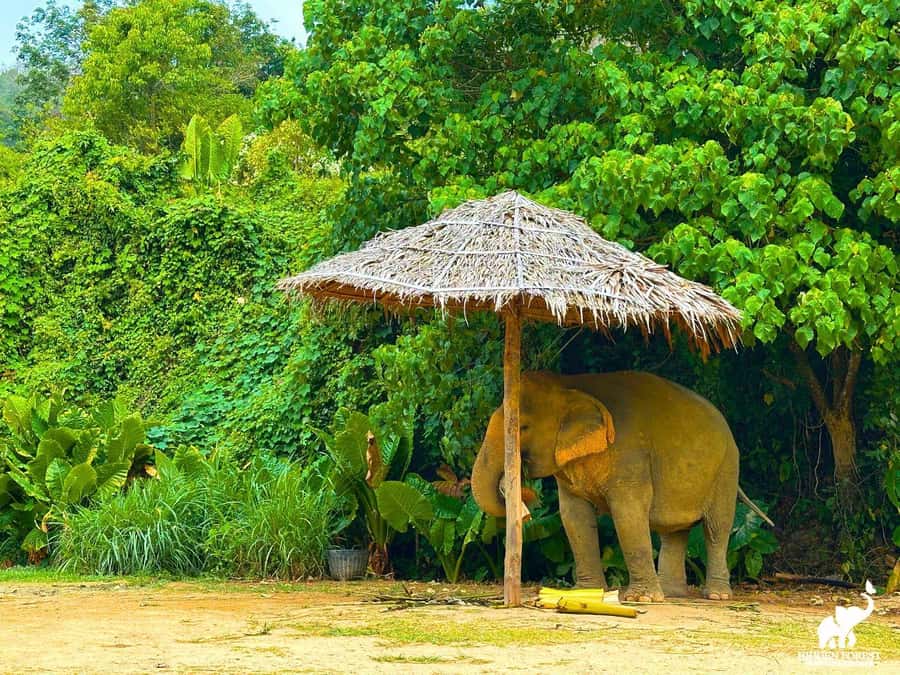
- Rescued, female elephants living in a peaceful hillside habitat (no rides, no bathing as an activity)
- Meet-and-feed from a distance, with clear rules that keep pressure off the elephants
- Bamboo observation huts placed along the forest walk for calm, sit-and-watch moments
- Elephants free to roam and forage, so the route can shift based on what the elephants do
- Vegetarian meal timed with elephant viewing near the pond/mud areas
- Extra wildlife sightings like egrets and eagles around the water and trails
Why this Phuket elephant reserve feels different than most
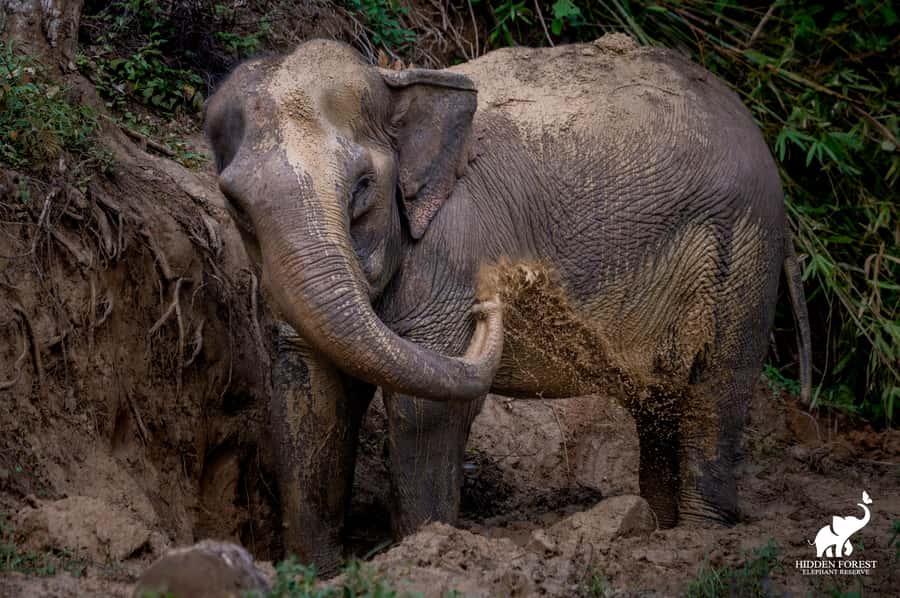
Most elephant tourism in Thailand is built on control: schedules, photo poses, and activities that interrupt natural behavior. Here, the reserve is designed around something simpler and rarer to find: letting elephants act like elephants.
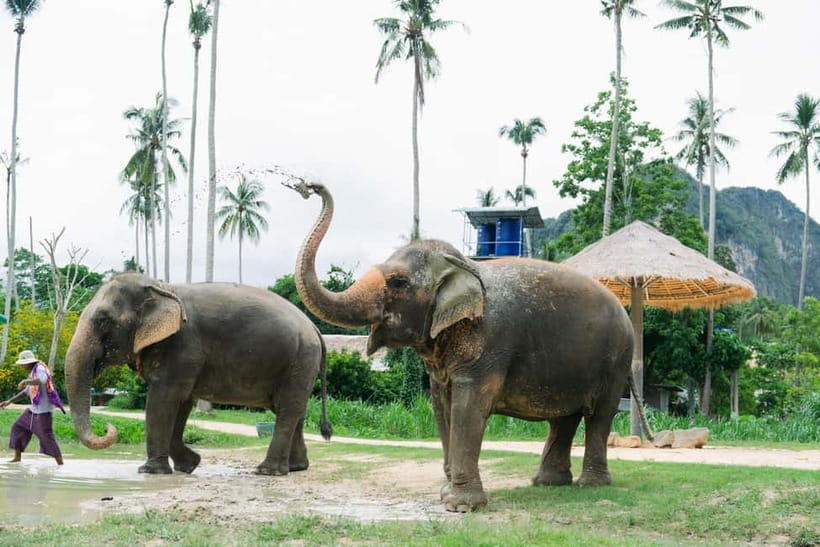
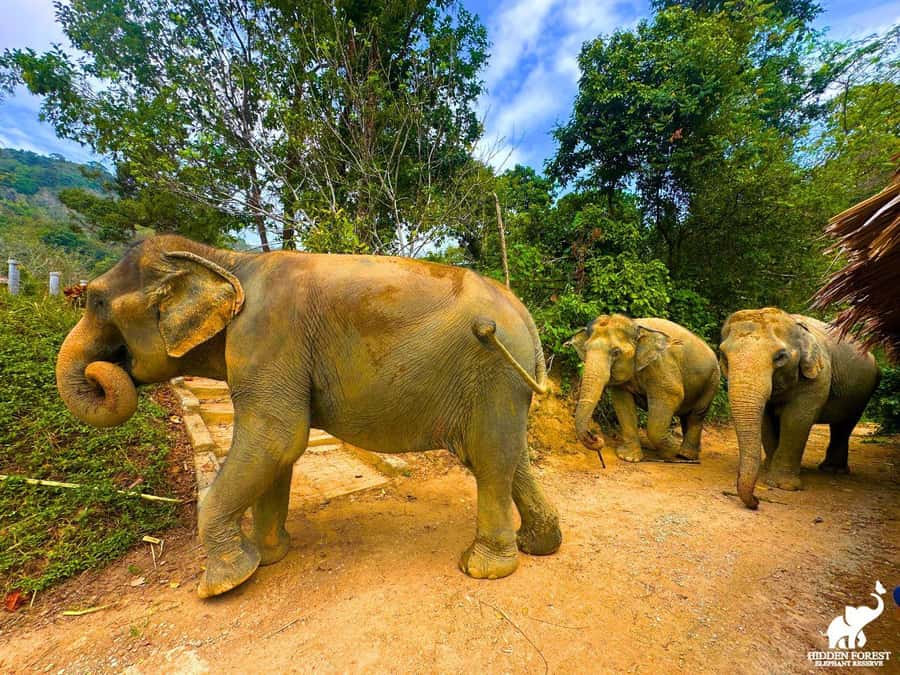
Hidden Forest Elephant Reserve is co-founded by elephant specialists Mr Kong and Louise Rogerson, and it’s home to four rescued female elephants. According to the reserve’s own approach, these are elephants rescued from the tourism riding industry, now able to roam, socialize, and play across ponds, streams, and muddy wallows. That context matters because it changes what you’re doing all day—you’re not steering their day, you’re observing it.
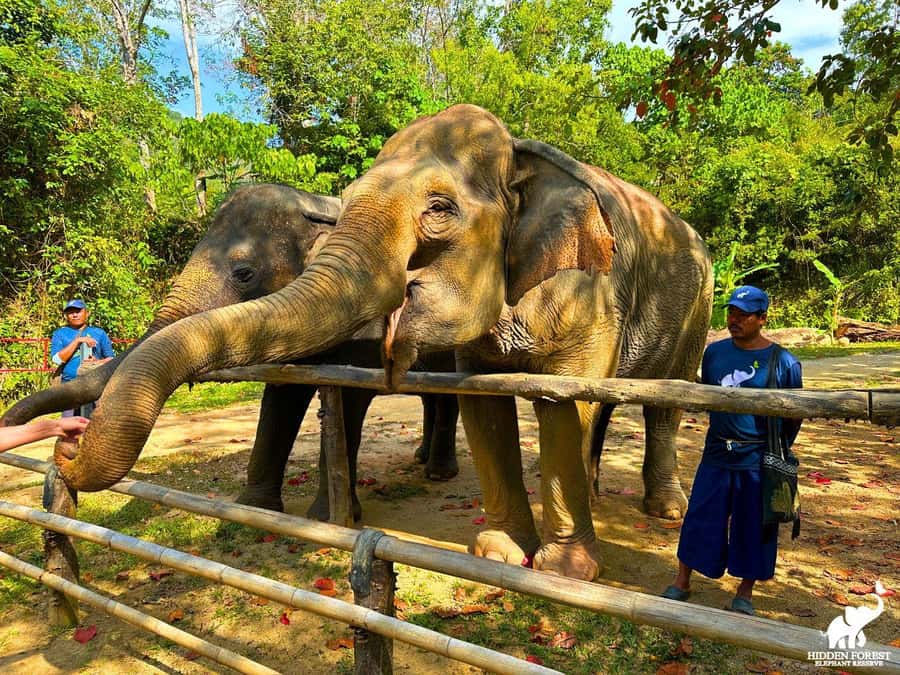
You also get a clear ethical framework from the start: there’s an orientation video, an introduction with staff, and a no-touch rule that’s repeated in how the feeding and viewing are done. From my perspective, this is one of the best ways to judge a sanctuary: the experience is built to reduce stress, not to maximize closeness at any cost.
A few more Phuket City tours and experiences worth a look


How the transfer works and what to expect from the ride
This tour is structured around straightforward hotel-to-reserve logistics. You’ll use an air-conditioned van for transfers, and the reserve visit itself takes about 2.5 hours, with the total experience typically landing around 3 hours including travel.
Pickup is available across many Phuket areas. That said, pickup is explicitly limited to certain zones such as Mai Khao, Nai Yang, Pa Klok, Ao Po, Yamu, Layan, Laguna, and the airport area. You’ll want to double-check your hotel name and address during booking, because the company will confirm the exact pickup time by email. Plan to show up about 15 minutes early at the lobby so you don’t stress the schedule.
One small thing I appreciate: the day includes water refills. Phuket heat can sneak up on you, and a short but active morning still adds up. In the shade breaks and observation stops, the pacing tends to feel calm rather than rushed, which makes the ride-to-reserve part feel smooth instead of chaotic.
The welcome video and how the meet-and-feed is handled
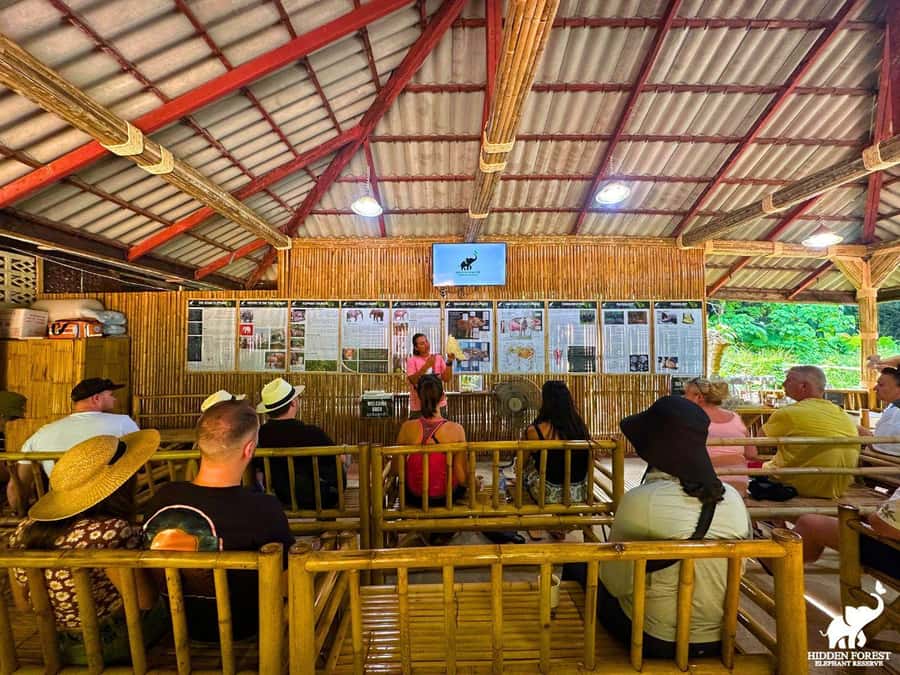
Before you even step into the forest, you start with an educational introduction video. It’s not just a warm-up. It’s there to set expectations: what life looks like for the elephants here, why the sanctuary approach is different, and what respectful visitor behavior looks like.
Then comes one of the day’s most vivid moments—meeting and feeding the elephants. You’ll feed them before you go on the forest walk, and the feeding is done in a way that keeps pressure off the animals. Touching isn’t part of the plan (touching animals is listed as not allowed), so your role becomes calmer and more observational: you offer food, then you watch what the elephants choose to do.
This is one of those experiences where you’ll feel the emotional weight more than the physical closeness. Several people mention how the elephants show their personalities through normal behavior—walking past close enough to notice, eating when they’re ready, and moving on when they want. That’s the difference between an activity and a sanctuary visit: you’re not forcing an interaction.
The forest walk through bamboo observation huts
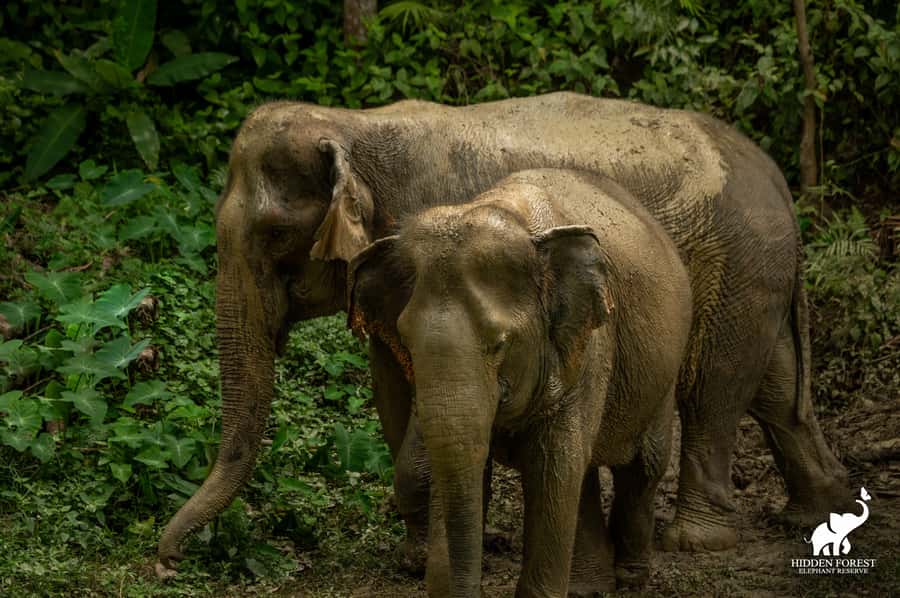
After feeding, you’ll head into the hills for a scenic walk through the hidden forest. One detail that matters a lot for the vibe: the sanctuary says they don’t follow a set route. Instead, if the elephants stop, the group stops. That changes the day from a scripted checklist into something that feels like you’re watching a living routine.
Along the way are bamboo observation huts dotted along the route. These are set up for you to sit quietly while elephants move around their areas—pond approaches, forage pauses, and social moments. The huts aren’t just cute props. They help you do the most important thing: give the elephants space while still getting great viewing.
In real-world terms, this part of the experience is also where you’ll feel the weather. Rain happens in Phuket. When it does, you’ll likely get wet feet and slick paths, but the observation structure helps you avoid turning the walk into a sprint. You’ll still want comfortable shoes because you’re walking on uneven ground in a forest environment.
Another nice bonus is the wildlife layer. The reserve highlights daily chances to see birds such as eagles and egrets around the water areas, plus butterflies and dragonflies. Even if you don’t spot everything, knowing the reserve is designed as a habitat—not just an elephant exhibit—helps you understand why the day feels peaceful.
Pond viewing: muddy wallows and elephant behavior you can actually respect
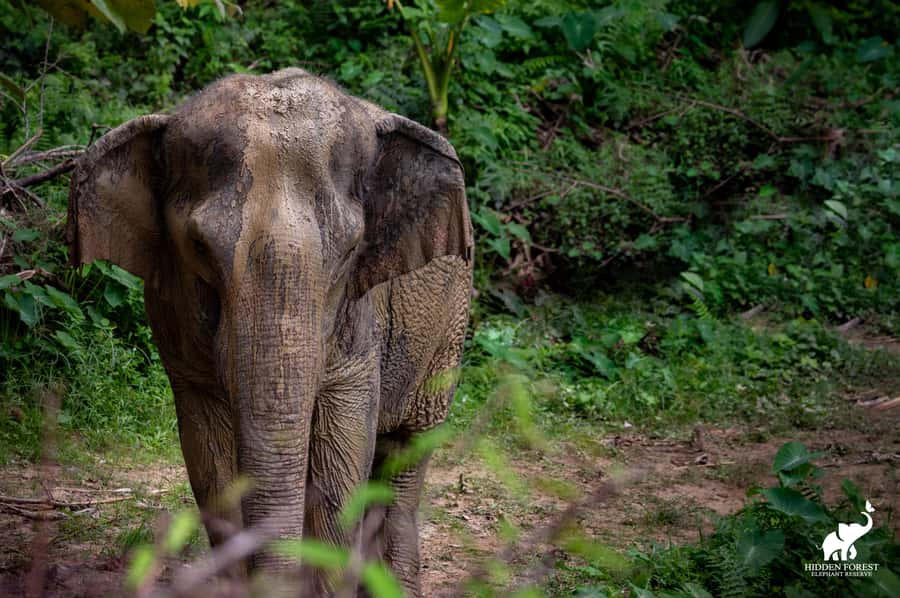
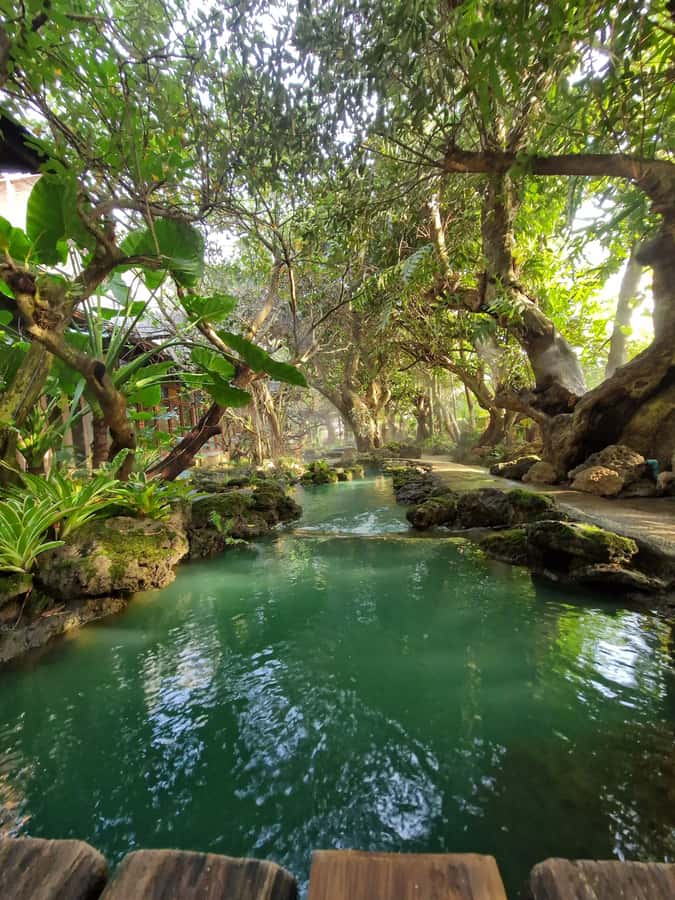
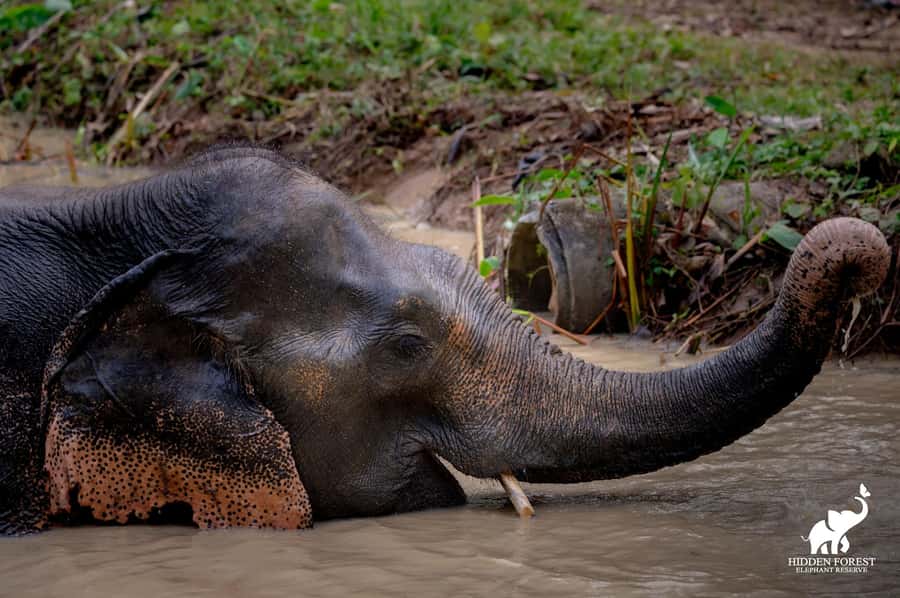
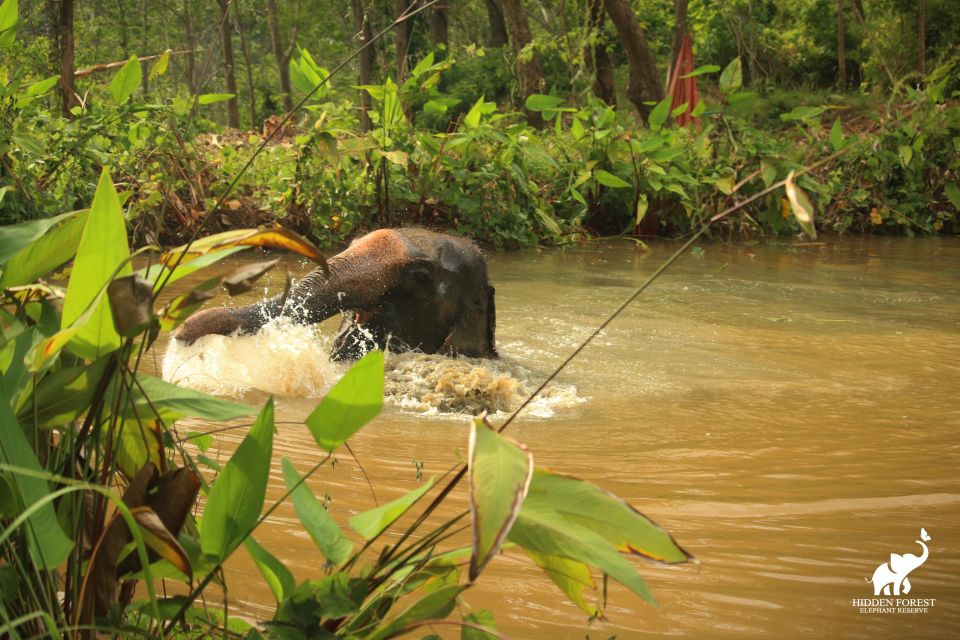
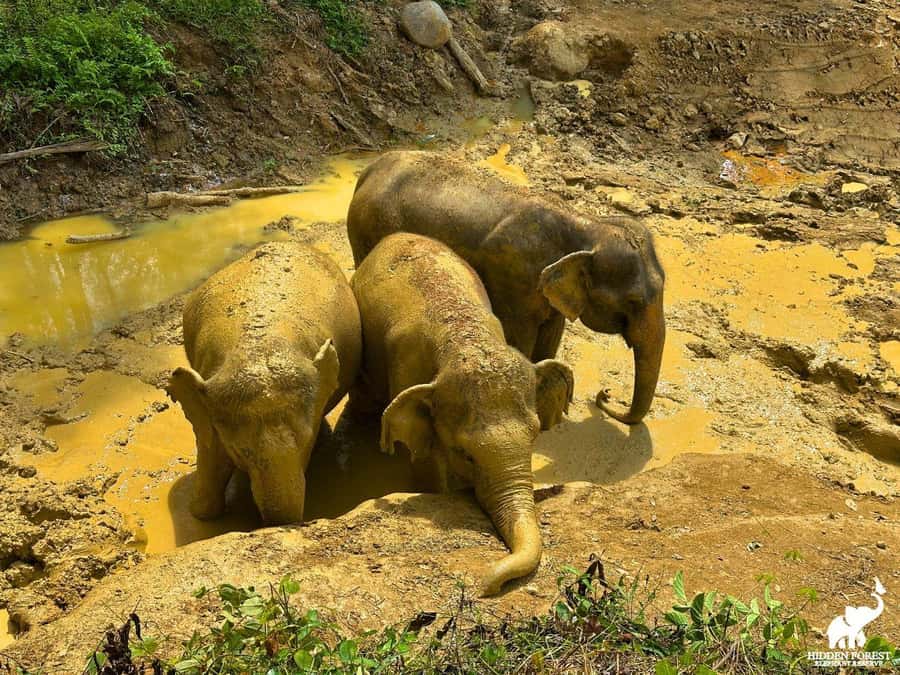
When the day reaches the water, the experience gets even more memorable. You’ll move into a viewing area designed to let elephants come to you naturally at the pond. This is where you’ll see elephants frolic, splash, and cover themselves in mud, including in muddy wallows.
This isn’t scheduled “performing.” It’s presented as part of how elephants regulate themselves and socialize. And because there’s a no-touch policy, your closeness is limited to observation and watching the elephants’ own choices. In practice, that tends to create a different kind of excitement: less staged, more real.
You’ll also get the chance to watch them at multiple moments—before and during the meal—rather than just one short stop. People describe the pond viewing as emotional because the elephants look settled, calm, and comfortable, not pressured. That matters, because it’s easy to tell the difference between an animal enduring a tourist routine and an animal living their day.
There’s one more practical note: bring patience. If elephants decide to forage farther, you’ll likely adjust. The reserve’s approach is built on their behavior, not yours.



Lunch near elephant viewing: vegetarian food with a purpose
At the pond area, you’ll enjoy an included vegetarian meal. The food is described as freshly cooked using local ingredients, which is a big part of why this lunch feels like part of the experience rather than a quick add-on.
One of the most praised details is who cooks it. Several visitors mention the meal being prepared by the mahout’s wife’s at the reserve. That detail isn’t just charming—it’s also a sign the day supports the people around the elephants, not only the ticket system.
You’ll eat while watching elephants in the water and muddy areas. That pairing changes the lunch from a break-away moment into a continuation of the sanctuary theme: you’re resting, eating, and still quietly observing.
The day also includes water (fresh clean water is provided for free). It’s a small thing, but in Phuket it can mean the difference between enjoying lunch and feeling drained.
Price and value: what your $99 actually buys
At $99 per person for a roughly half-day experience, it’s not the cheapest option in Phuket. The value here comes from what’s included and what’s not.
Included:
- English-speaking guide
- Hotel pickup and drop-off (in the eligible pickup zones)
- Air-conditioned van
- Entrance ticket
- Vegetarian meal
- Introduction video
- Water refills
Not included:
- Tipping
- Bathing with elephants (this is explicitly not part of the experience)
So where does the money go? The reserve’s model supports ongoing care for rescued elephants and the staff involved in their daily routine. If you’ve been comparing tours, the simplest way to understand the value is this: you’re paying for an observation-led experience that doesn’t require elephant labor, riding infrastructure, or forced bathing set-ups.
Yes, the price can be higher than certain “elephant experiences” around Phuket. But in this case, the rules and structure are consistent with the goal—elephants roam freely, and visitors don’t touch. For many people, that makes the higher cost feel fair because the experience isn’t cutting corners on welfare.
Who should book this, and who should skip it
This tour fits best if you want a calmer, more educational elephant encounter. I’d point you here if you like the idea of:
- feeding elephants from a distance without touching
- learning from a guide in a structured way (video + walking stops)
- watching elephants at natural pace from observation huts
- eating a vegetarian lunch while you observe the elephants’ pond routine
It’s also a good pick for families who want something respectful. Some visitors mention kids enjoying it, likely because the emphasis is on watching elephants do normal behavior rather than performing for people.
On the flip side, it’s not suitable for everyone. The tour states it is not suitable for:
- people with serious health conditions
- back problems
- mobility impairments
- heart problems
- wheelchair users
- people with altitude sickness
Even if you’re generally healthy, the forest walk means you’ll be on your feet. Comfortable clothing and shoes matter. If you know you can’t handle uneven outdoor walking, you may need a different activity.
Practical tips that will make your half-day smoother
Here’s how to prepare so you enjoy the experience instead of thinking about discomfort.
Wear the right shoes
You’ll be walking on uneven, forest-ground paths. Bring comfortable shoes you can trust.
Protect from the sun
The reserve encourages a sun hat and sunscreen. The day includes outdoor viewing, including walk segments.
Bring your own water bottle
The tour is described as plastic-free, so you’re asked to bring your own water bottle. Fresh clean water is provided, but the bottle helps you avoid extra single-use plastic.
Dress for humidity and light rain
Comfortable clothes beat anything fancy here. If weather turns, you’ll still want to move safely between huts and viewing areas.
Respect the no-touch rule
Touching animals is not allowed, so keep your hands to yourself. The point is to observe the elephants at their pace.
Know your expectations about elephant bathing
Bathing with elephants isn’t included, and the whole approach avoids forced bathing. If you want that type of activity, you’ll be disappointed. If you want a sanctuary style day, you’ll get what you came for.
Final verdict: should you book Hidden Forest Elephant Reserve?
If you’re in Phuket and you care about how elephants are treated, I think this is a strong choice. The combination of rescued elephants, no-touch rules, observation huts, and a vegetarian meal makes the day feel coherent. It doesn’t try to turn the animals into a ride or show.
Book this if your priority is to watch elephants living their own routine—feeding from a distance, walking where the elephants lead the pacing, and eating lunch with pond viewing in the background. I also like that the reserve clearly ties visitor support to continued rescue and care.
Skip it if you need an activity that involves bathing or direct physical interaction, or if walking outdoors isn’t realistic for your body or health. This is a respectful, observation-led day. When you match that expectation, it’s one of the best ways to spend a half-day in Phuket.
FAQ
How long is the Hidden Forest Elephant Reserve experience?
The experience runs about 3 hours in total, with around 2.5 hours spent at Hidden Forest Elephant Reserve.
Do I get hotel pickup and drop-off?
Yes, hotel pickup and drop-off are included, but pickup is limited to specific Phuket areas (including Mai Khao, Nai Yang, Pa Klok, Ao Po, Yamu, Layan, Laguna, and the airport area).
Is the tour conducted in English?
Yes, the tour includes an English-speaking tour guide.
Is there a meal included?
Yes. You’ll have an included vegetarian meal. It’s described as freshly cooked with local ingredients.
Can I touch the elephants?
No. Touching animals is not allowed.
Is bathing with elephants included?
No. Bathing with elephants is specifically listed as not included.
What should I bring?
Bring comfortable shoes, a sun hat, and sunscreen. You should also bring your own water bottle because the tour is plastic-free.
Is water provided during the tour?
Yes. Fresh clean water is provided for free, along with water refills during the experience.
Is this tour suitable for everyone with mobility issues?
No. It is not suitable for people with mobility impairments, wheelchair users, and it may be difficult for those with back problems or serious health conditions.
Can I cancel for a refund?
Yes. The activity offers free cancellation up to 24 hours in advance for a full refund.
Who operates the tour?
The experience provider listed is Discova Thailand.