REVIEW · GULF OF THAILAND
Padi Advanced open Water Diver Courses (Start at Ko Kut)
Book on Viator →Operated by bbdivers · Bookable on Viator
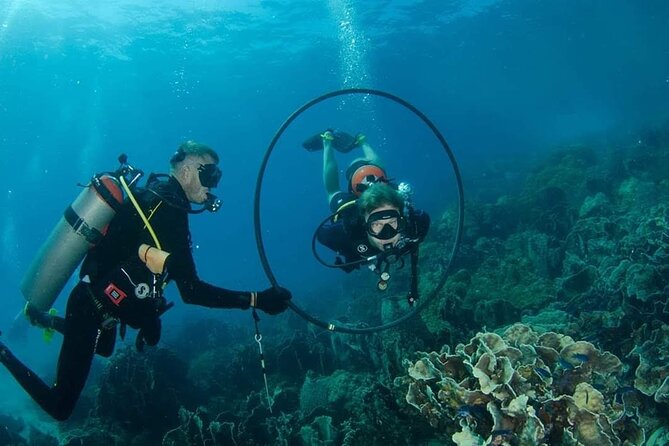
Two days, five underwater skills, zero stress. This PADI Advanced Open Water course in the Gulf of Thailand (starting at Ko Kut/Koh Kood) is built for divers who want better control, deeper confidence, and smarter navigation. I like that it mixes structure with choice, so you’re not stuck doing the same track as everyone else.
What I really like: the safety-first coaching (with instructors such as Marcus and Manu named in multiple positive notes) and the small-group feel—max 4 travelers, plus hotel pickup and meals handled. One consideration: Koh Rang national park entrance fees aren’t included, so you may need to budget a little extra if your day includes that park.
In This Review
- Key highlights at a glance
- Koh Kood start point: the practical value of being based on the island
- Two days of PADI Advanced: what the training actually means
- Your five specialty choices: how to pick the right electives
- The extra relaxed water session: best timing and best use
- Boat day comfort: food, drinks, and the small-group vibe
- Instruction style you can feel: professional, patient, and fun
- Costs and what you should budget beyond the headline price
- Who this course suits best on Koh Kood
- Should you book the Koh Kood Advanced Open Water course?
- FAQ
- How long is the PADI Advanced Open Water course starting at Koh Kood?
- What does the course include?
- Can I choose specialty options during the course?
- Is an extra water session included?
- Are meals and drinks included?
- What is not included in the price?
- What about pickup and drop-off?
- How big are the groups?
- What’s the cancellation policy?
Key highlights at a glance
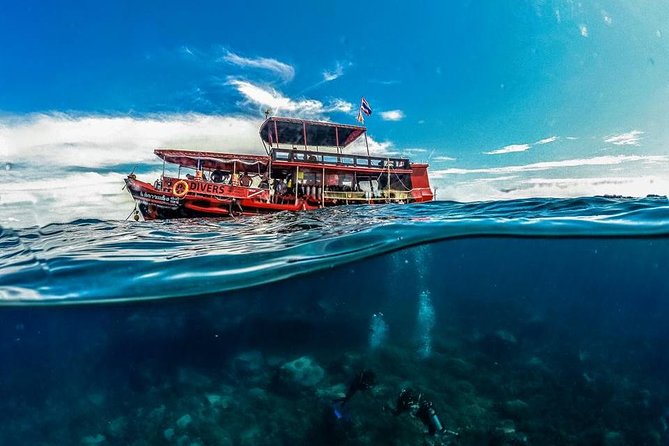
- Five specialized training sessions in two days, with the core skills centered on deep training and navigation
- You choose 3 electives from options like photography, naturalist, multilevel, peak buoyancy, search and recovery, or night underwater work
- An extra relaxed water session is included, either on day one or day two
- Small group size (up to 4), which usually means more attention and less waiting around
- Meals and drinks are included (lunch buffet, snacks, coffee/tea, bottled water), so you can focus on training
- Professional staff with a safety focus shows up again and again in the course feedback, including named instructors and crew
Koh Kood start point: the practical value of being based on the island
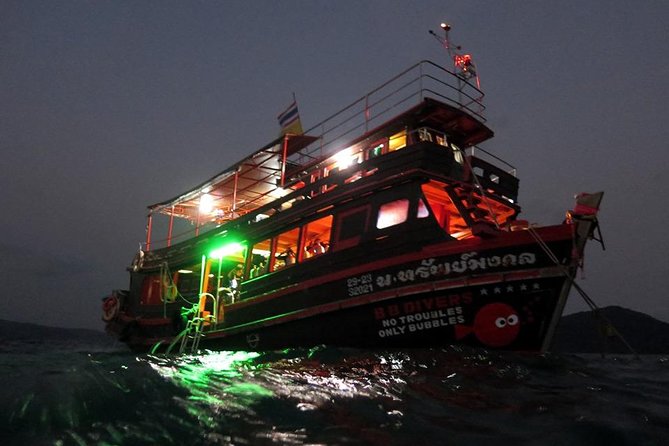
This course starts at a Koh Kood meeting point, and you’re offered hotel pickup and drop-off. That matters because it keeps you from doing the “how do we get to the pier?” scramble on vacation.
The schedule window is tight in the morning hours (8:00 AM–9:00 AM), so plan for a calm start. If your hotel pick-up is early, I’d set your morning routine to match—no big breakfast quests, just smooth and ready-to-go energy.
Another small win: the meeting location is described as near public transportation. So even if you don’t use the hotel pickup, you’re not totally stranded if plans change.
You can also read our reviews of more tours and experiences in Gulf of Thailand.
Two days of PADI Advanced: what the training actually means
The headline is simple: improve your skills with a PADI Advanced Open Water course that includes five specialized training sessions. The goal isn’t just ticking boxes—it’s becoming more controlled underwater and feeling steadier during deeper work and navigation.
Two parts are fixed:
- Deep training session
- Navigation training session
Then you add three more specialty sessions from the menu of electives. That’s the part that makes the course feel personal: you can steer it toward what you want to improve next—buoyancy, awareness, planning, or underwater observation.
You also get an “extra” option: the program includes one additional relaxed water session (your choice of adding it on the first day to ease back in, or on the last day to practice what you learned). That can be a big deal if you haven’t been in the water recently.
Your five specialty choices: how to pick the right electives
Once you lock in the deep and navigation core sessions, you choose the rest. The elective list provided includes things like:
- Digital photography
- Naturalist
- Multilevel
- Peak performance buoyancy
- Search and recovery
- Night underwater work
Here’s how I’d think about choosing, based on how people tend to benefit from this kind of advanced training:
- If you want better control and smoother movement, peak performance buoyancy is usually one of the most useful upgrades.
- If you want to feel more confident planning and executing profiles, multilevel fits that goal.
- If your next diving style is more about exploring life and habitats, naturalist can make your underwater time feel more purposeful.
- If you care about documenting trips, digital photography can turn your camera into a training tool instead of a distraction.
- If you’re curious about practical skills, search and recovery adds structure and discipline.
- If you like different sensory worlds, night underwater work can be a fun way to build comfort with reduced visibility—just make sure you’re ready for the extra attention to safety.
One note: because only three electives are available from the options, you’ll want to prioritize. I’d choose the electives that match your most common “weak spots,” not just the ones that sound exciting.
The extra relaxed water session: best timing and best use
This course includes a special bonus: one extra water session added either on your first day or your last day. The description gives you a clear rationale: use it on day one to get back into the swing, or use it on day two to enjoy the new skills more casually.
I like that they give you this choice because “advanced” can feel intense if you’re rusty. If it’s been a while since your last underwater outing, adding that extra session on day one can help you settle your breathing, buoyancy, and body rhythm sooner.
If you’re already in good water shape and you want to enjoy the training more lightly after learning, choosing the extra session on the last day can feel like a victory lap—practice, refine, then relax.
Boat day comfort: food, drinks, and the small-group vibe
This is one of those courses where comfort matters, because you’ll be tired between sessions. The included package handles the basics: beverages, bottled water, a lunch buffet, snacks, and coffee and/or tea, plus light refreshments.
Why I value this: training days run on small energy dips. When food and drinks are already sorted, you can keep your focus and avoid the “I’m cranky and dehydrated, so I can’t learn” trap.
The group size is also capped at 4 travelers. That’s not just a nice perk—it often translates into fewer long waits on gear checks and more time for the instructor to correct your technique.
From the feedback, the boat setup and crew coordination also get praise, with named crew members like Pierre, Raymond, and Louis showing up in positive notes. That crew rhythm can make the difference between feeling rushed and feeling guided.

Instruction style you can feel: professional, patient, and fun
A safety-first approach shows up again and again in course impressions. In multiple notes, instructors are described as professional and focused on safety while underwater, while still keeping the experience enjoyable.
You’ll see names like Marcus and Manu tied to that combination of seriousness and warmth. Other instructors are also mentioned positively—Dany, Frank, and Kevin—and the common thread is reassurance and clear guidance.
What’s especially helpful is the balance: you’re not only being told what to do. You’re also being encouraged to understand why—so your skills improve in a way that sticks, not just during the course.
If you prefer teaching that’s calm and step-by-step, this seems like a strong fit. If you like humor and a relaxed atmosphere, you may also appreciate the way instructors are described as patient and lighthearted while still doing the work properly.
Costs and what you should budget beyond the headline price
The price listed is $547.79 per person for about 2 days. For a course that includes five specialized training sessions, a professional guide, pickup/drop-off, and meals on the day, I think the value comes from the fact that you’re not paying extra for the daily logistics.
Still, there are two practical cost “gotchas” to watch for:
- Entrance fees for Koh Rang national park are not included. If your plan includes Koh Rang, you may pay this separately.
- Your schedule depends on favorable weather conditions. If weather forces changes, you should expect the program to work around it, typically with an alternative date.
When you’re comparing options, look beyond the sticker price and ask: does it bundle boat time, food, and instruction? This one does.
Who this course suits best on Koh Kood
This course is for you if you already have the basics down and want to level up control and confidence. The deep training and navigation training are built for divers who want to move from comfortable to capable.
It’s also a good choice if you:
- like small groups (up to 4)
- want an instructor who stresses safety but keeps things approachable
- prefer a course with elective specialties, so you can focus on what you personally want to improve
- appreciate that meals and drinks are handled (lunch buffet plus snacks and beverages)
If you’re the type who gets anxious in the water, the feedback around reassurance and patient instruction is a strong signal. And if you’re returning after time away, the included extra relaxed session can help you ramp back up without turning day one into stress.
Should you book the Koh Kood Advanced Open Water course?
Book it if you want a structured advanced course with five specialty sessions, plus a bonus extra water session. I’d also book if you value a safety-first teaching style that doesn’t feel cold or overly formal—and if you like the idea of choosing electives like peak buoyancy or digital photography instead of getting a one-size-fits-all plan.
Don’t book if you’re not interested in deeper training or navigation work, because those core parts are central to the program. And keep an eye on extra costs like Koh Rang national park entrance fees, plus the fact that weather can affect timing.
FAQ
How long is the PADI Advanced Open Water course starting at Koh Kood?
It runs for about 2 days.
What does the course include?
It includes five specialized training sessions. The core sessions are deep training and navigation, and you choose the other three from listed specialty options.
Can I choose specialty options during the course?
Yes. The other three specialties are selectable from options such as digital photography, naturalist, multilevel, peak performance buoyancy, search and recovery, and night underwater work.
Is an extra water session included?
Yes. There is 1 extra water session included as a special, either on your first day to get back into routine or on your last day to enjoy the skills in a relaxed way.
Are meals and drinks included?
Yes. You get beverages, bottled water, lunch buffet, snacks, and coffee and/or tea, plus light refreshments.
What is not included in the price?
Entrance fees for Koh Rang national park are not included.
What about pickup and drop-off?
Hotel pickup and drop-off are included.
How big are the groups?
The maximum group size is 4 travelers.
What’s the cancellation policy?
Free cancellation is available up to 24 hours in advance for a full refund. If you cancel less than 24 hours before the start time, the payment isn’t refunded. Weather-related cancellations may offer an alternative date.