REVIEW · SURAT THANI PROVINCE
Koh Samui: Evening Thai Cooking Class with Organic Garden
Book on GetYourGuide →Operated by Jungle Kitchen · Bookable on GetYourGuide
Charcoal stoves and Thai cooking, at dusk. This Koh Samui evening class turns dinner into a hands-on dinner party, with an open kitchen, charcoal cooking, and a garden stop for fresh ingredients when conditions allow.
I love the outdoor cooking setup with traditional tools and charcoal fire pits. I also like how the menu is shaped around your group through pre-class questions, so the dishes can adjust for restrictions and preferences without losing the core Thai flavors.
One thing to consider: you’ll make three dishes, so it’s easy to end up with more food than you can finish.
In This Review
- Key highlights to know before you go
- Why this Samui dinner cooking class feels special (and not like a factory tour)
- Before 5pm: how the organic garden tour and tailored menu work
- Getting oriented: welcome drink, briefing, and open kitchen views
- The 5pm to dinner arc: what you’ll cook and when
- Curry paste grinding: the hands-on moment that teaches the most
- Three dishes from scratch, plus charcoal stove timing
- What dinner feels like at the end: garden dining, not a takeout box
- Price and value: is $125 per person worth it?
- Who this Koh Samui class suits best
- Practical tips that make the evening smoother
- Should you book this evening Thai cooking class on Samui?
- FAQ
- What time does the cooking class start on Koh Samui?
- How long is the cooking experience?
- What dishes will I cook?
- Do they handle food allergies and diet restrictions?
- Does the class include an organic garden tour?
- Is pickup included?
- Can I bring a non-cooking companion?
- Are alcoholic drinks included?
- What should I bring to the class?
Key highlights to know before you go
- Start at 5pm, with a welcome drink and a full evening plan that ends around 9pm
- Organic garden ingredient hunt (weather permitting) so you cook with what you gathered
- Charcoal stoves and traditional techniques that feel like real Thai kitchen work
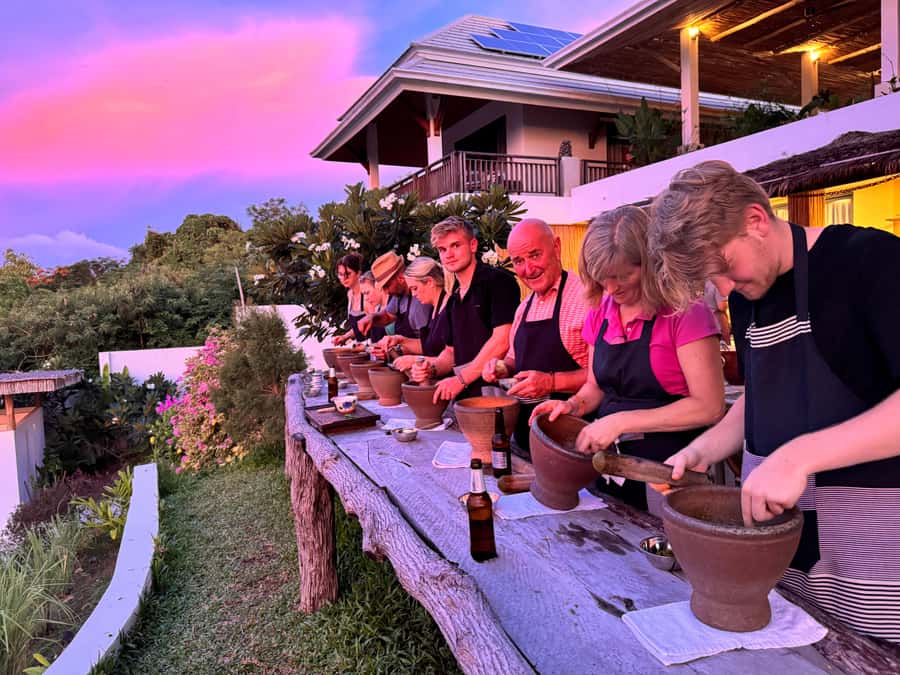
- Curry paste grinding is part of the show, with great views from the kitchen area
- Three dishes from scratch: soup/salad, curry (the centerpiece), and a noodle or stir-fry
- Small group size (up to 8) keeps it friendly and watch-your-step practical
Why this Samui dinner cooking class feels special (and not like a factory tour)
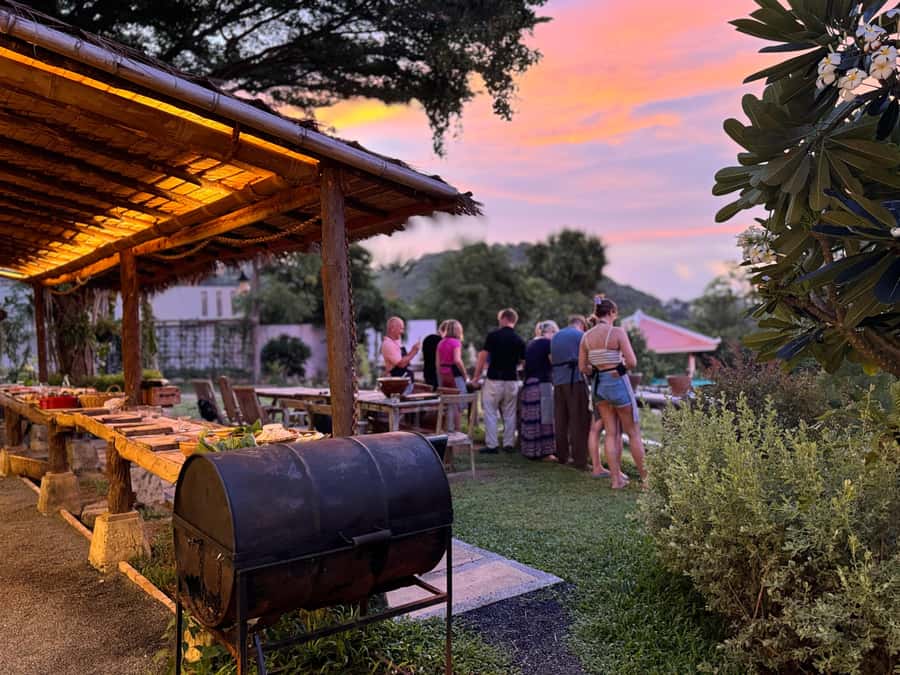
This isn’t a quick demo where you stand back and clap. The format is built around doing. You’ll spend the evening at an open-air kitchen with charcoal cooking, then sit down to eat what you make in the garden area. The pacing feels like a relaxed dinner party with teaching built in.
I also like that the evening is designed to be comfortable and social. The class runs as a small group, so you get real interaction with the instructor and other cooks. And because you’ll be working in a shared kitchen space, it naturally becomes more “family style” than classroom style.
The organic-garden ingredient part adds a level of meaning. You’re not just buying ingredients and following steps. You’re collecting them first, then cooking with them later, so flavors feel more grounded and less random.
You can also read our reviews of more tours and experiences in Surat Thani Province.



Before 5pm: how the organic garden tour and tailored menu work
The day-to-evening starts with pre-class contact. In the days before your class, the organizers reach out to ask about food allergies, diet restrictions, and favorite dishes. Then, they set the final menu latest on the morning of class based on that feedback.
That matters more than it sounds. Thai cooking depends heavily on ingredients and balancing flavors. If you remove something (or can’t eat something), it helps to have substitutions that still respect the dish structure. For example, one vegetarian option can include adjustments like vegetarian versions of fish sauce and oyster sauce, which can work surprisingly well when handled correctly.
You’ll begin at 5pm with a welcome drink and a briefing. Then comes an extensive organic garden tour where you can collect ingredients—weather permitting. This is one of those practical perks: fresh herbs and produce taste brighter, and it’s easier to see what you’re grabbing and why.
Plan for that weather variable. If conditions aren’t ideal, you may still get plenty of fresh cooking, but the garden element may be affected since it’s explicitly tied to weather.
Getting oriented: welcome drink, briefing, and open kitchen views
Right at the start, you’ll get a welcome drink, a clear briefing, and enough orientation to get cooking without confusion. The goal is simple: you should know what you’re making and how the kitchen process flows before you’re holding tools over a charcoal stove.
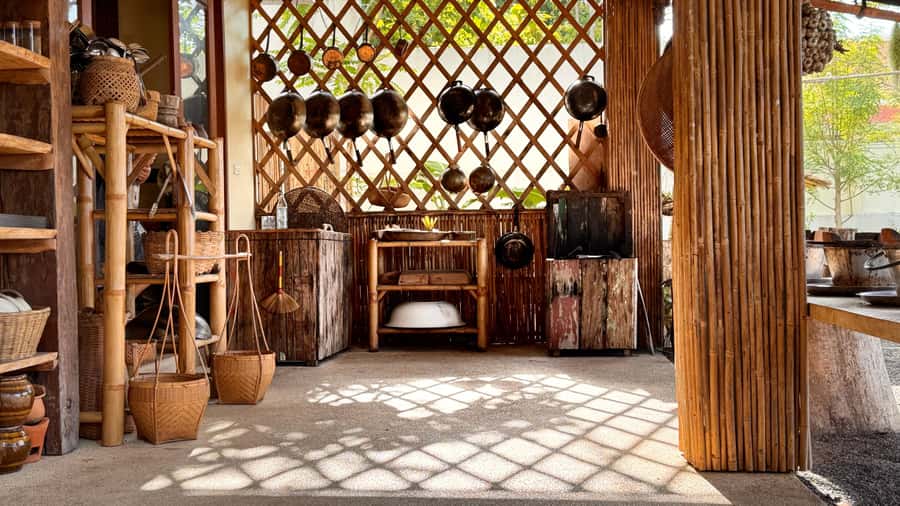
The kitchen is described as traditional and open, and the views are a standout. Even if you’re not a scenery person, it changes the vibe. Cooking outdoors with airflow feels different from a closed room, and it makes the evening feel like a special outing rather than a “tour activity.”
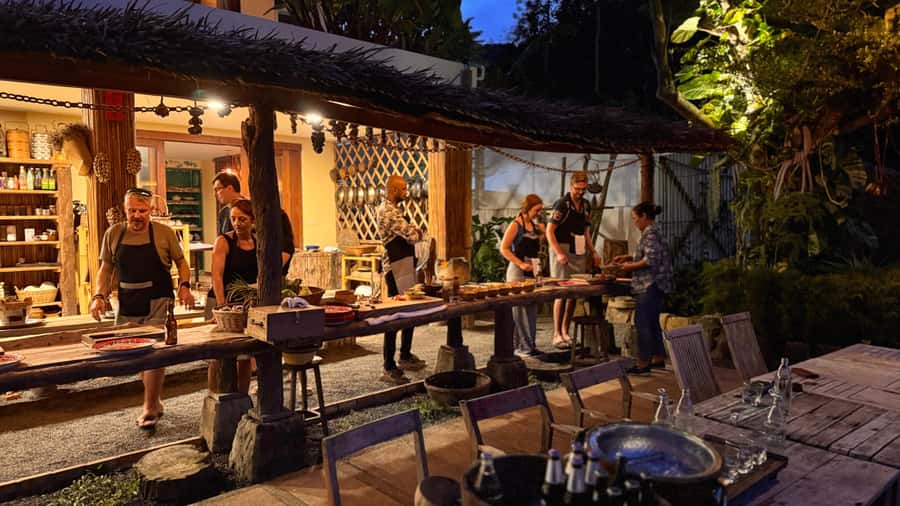
Also, the class uses a small group format (limited to 8 participants). That matters because charcoal cooking and knife work take attention. Smaller groups help keep the pacing steady, and you’re less likely to feel rushed or ignored.
The 5pm to dinner arc: what you’ll cook and when
Your class runs about 270 minutes, starting at 5pm and finishing around 9pm. The cooking portion doesn’t feel like one long sprint; it’s structured.
Here’s the flow you can expect:
- Start at 5pm: welcome drink, briefing, then the garden tour for ingredient collection
- Early prep: you’ll usually cover a soup or salad first, then move into curry work
- Curry is the centerpiece: you’ll make curry from scratch, including grinding spices for your curry paste
- Break + stove setup: there’s a short pause while the staff gets the charcoal stoves ready
- Second main cooking phase: you’ll cook a noodle or stir-fry dish after the curry prep
- Dinner in the gardens: you eat what you made, finishing around 9pm
You’ll cook essentially the same core dishes as everyone else, but ingredient substitutions are made for dietary needs. That’s a useful balance: you still get a full Thai cooking experience, and nobody ends up with a totally unrelated meal.
Curry paste grinding: the hands-on moment that teaches the most
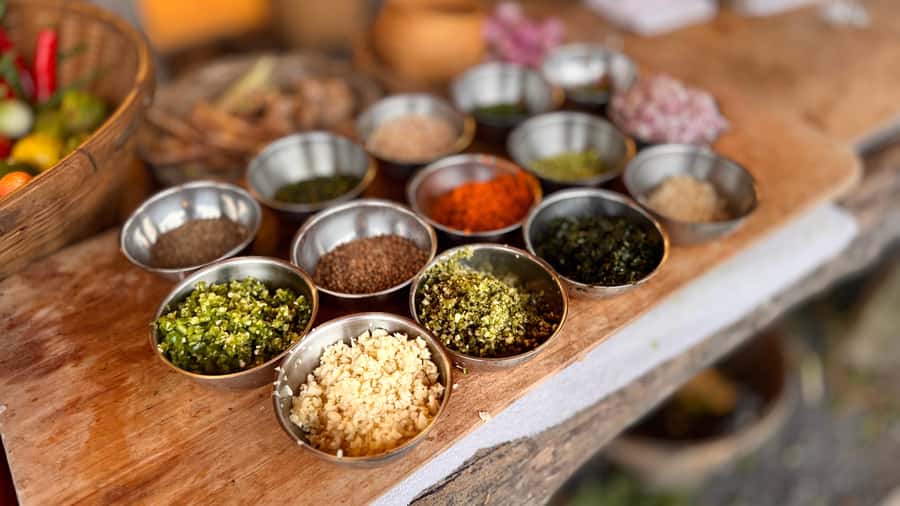
If there’s one part you should be excited about, it’s the curry paste work. The curry is the centerpiece of the evening, and you’ll grind the spices needed for the curry paste with the kitchen view in front of you.
This is where Thai cooking instruction becomes practical. Curry paste isn’t just seasoning—it’s structure. Getting the paste right helps explain why the finished curry tastes layered instead of flat. When you physically grind and build the paste, you learn the pacing and texture your dish needs.
It also slows you down in a good way. Instead of rushing through an ingredient list, you understand the role of each element. That tends to make you more confident when you cook Thai food later at home, even if you don’t recreate the exact paste from scratch.
You can also read our reviews of more evening experiences in Surat Thani Province


Three dishes from scratch, plus charcoal stove timing
You’ll make three authentic Thai dishes from scratch, typically:
- a soup or salad
- a curry (made from scratch, with curry paste grinding)
- a noodle or stir-fry dish
This lineup is a smart way to learn. It covers different cooking methods:
- soups/salads teach freshness and balance
- curry teaches paste-based flavor building and simmering
- noodles/stir-fry teach heat control and timing
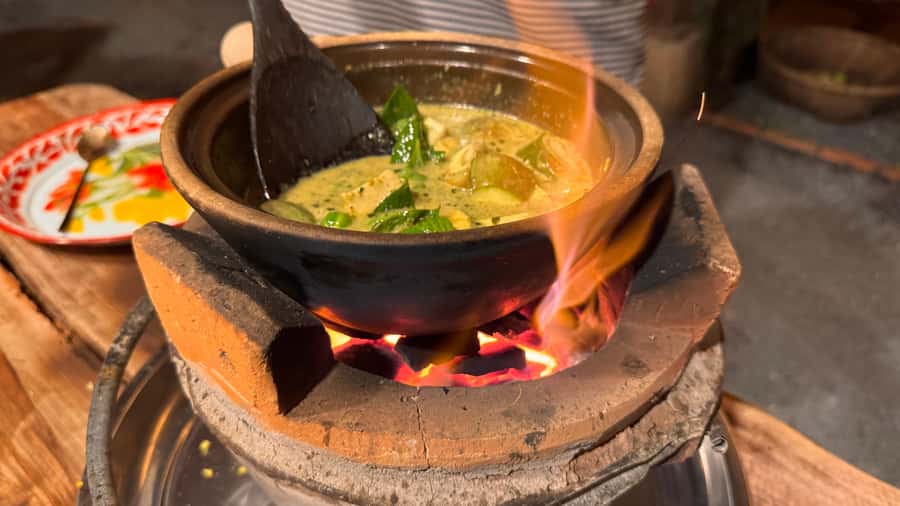
And the method matters. You cook using traditional tools and techniques on charcoal stoves. Charcoal changes the feel of cooking—more aroma, more character, and a bit of unpredictability that makes it real. You’ll likely feel the difference quickly when you start cooking, especially compared with gas burners or electric hot plates.
One small practical note: because you’re making three dishes, don’t treat this like a snack. It’s a full meal cooking experience, and you may generate more food than you can eat. The upside is you get to taste what you made. The drawback is that you might not finish everything.
What dinner feels like at the end: garden dining, not a takeout box
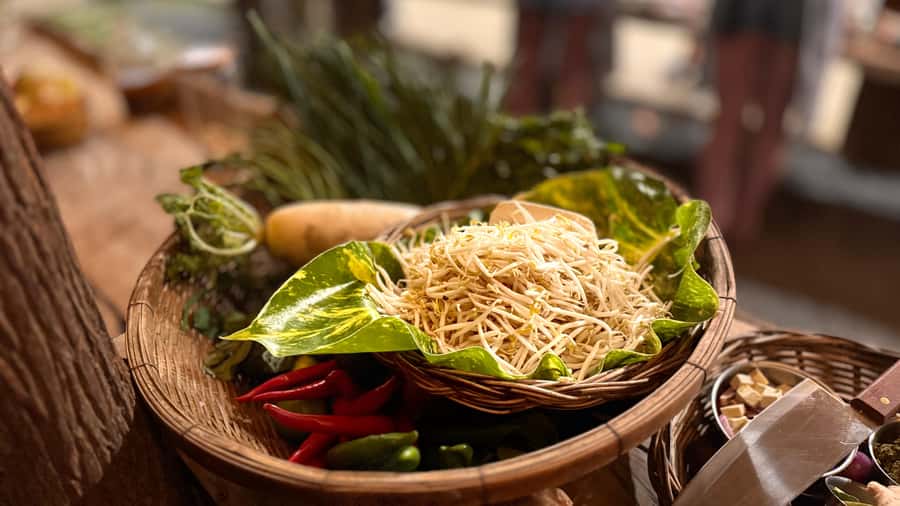
After the cooking, you enjoy dinner featuring your own creations in the gardens. This is a key part of the value. Many cooking classes teach technique but don’t let you fully experience the result.
Here, you do. And since your meal was prepared with your own hands—especially the curry—you get a cleaner read on what tastes right. It also makes the evening feel like a complete arc: kitchen work, then payoff.
Soft drinks are included with the welcome drink, water, and soda water. Alcohol is not included, so if you want a beer or cocktail with dinner, you’d need to plan separately.
Price and value: is $125 per person worth it?
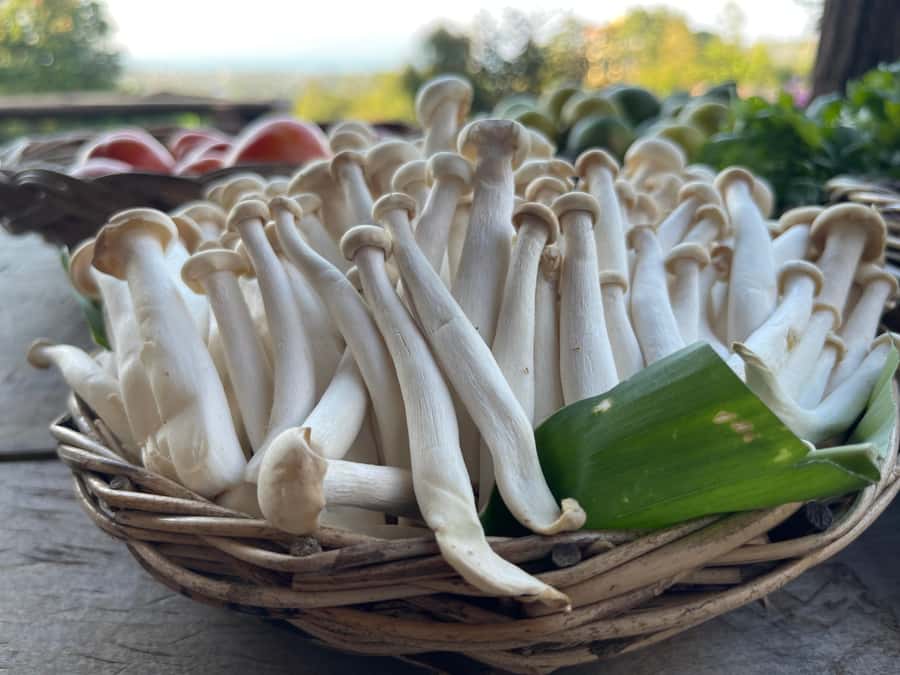
At $125 per person for a 270-minute evening, the price is not cheap. But it makes sense if you look at what you’re actually getting:
- Hands-on instruction for three dishes, not just a demonstration
- All ingredients and equipment included
- A meaningful setting: open-air kitchen, traditional tools, charcoal stoves
- An ingredient experience in the organic garden when weather allows
- A small group size (up to 8), which usually means more attention and better pacing
For many people, the true value isn’t the cost alone—it’s time and effort saved. Without this setup, you’d need to source ingredients, find recipes, study techniques, and still cook everything yourself. This package wraps up a lot of learning in one evening, and the payoff is dinner you made.
If you’re someone who wants Thai food flavor with real technique (not just a nice meal), this price starts to feel fair. If you only want an atmospheric evening and aren’t interested in cooking, it may feel like you’re paying for participation.
Who this Koh Samui class suits best
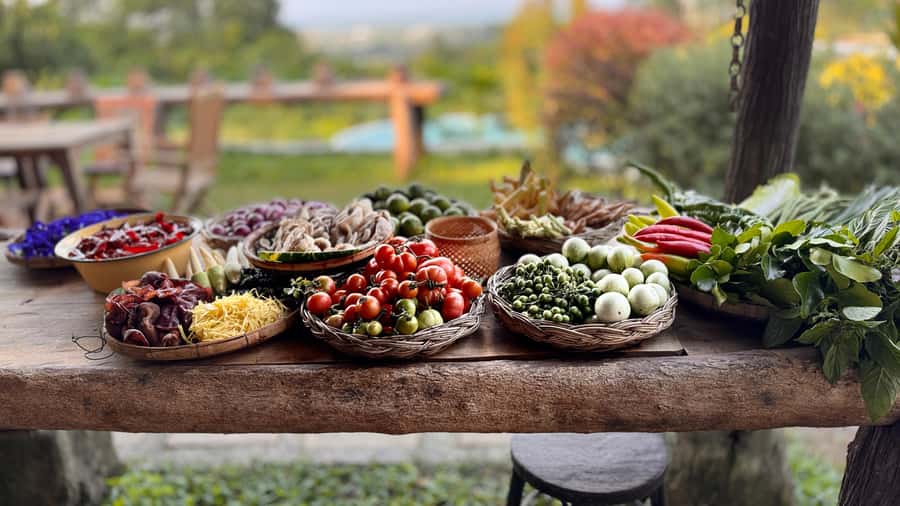
This is ideal if you fall into one of these categories:
- You want a practical cooking lesson with real Thai methods
- You like learning by doing, especially curry paste and curry-making
- You enjoy outdoors dining and want a view while you work
- You’re traveling with a group and want something different from beaches and temples
It also works well for dietary needs because the menu can be tailored in advance and substitutions are made. One vegetarian-friendly approach uses vegetarian versions of traditionally non-veg ingredients, and it can work well when the substitutions are handled properly.
If you’re not comfortable with cooking at all, there’s still an option: non-cooking companions are welcome for 1,500 THB per person (cash on arrival). They can join the garden tour, watch the cooking process, and enjoy dinner with complimentary soft drinks. (Pickup details for companions aren’t stated, so treat arrival as something to confirm when you book.)
Practical tips that make the evening smoother
A few simple things will help you have an easier time:
- Wear comfortable shoes. The kitchen area and garden stop can involve standing and walking.
- Expect to be cooking actively for much of the evening, so don’t plan a tight schedule after 9pm.
- If you have allergies or restrictions, answer the pre-class questions clearly. The menu is set later on the morning of class, so timely info matters.
- Come ready to taste and adjust. Curry, stir-fry, and soup each reward attention.
Also, since alcoholic drinks are not included, decide ahead of time whether you want to keep it non-alcoholic or arrange drinks separately.
Should you book this evening Thai cooking class on Samui?
Book it if you want a hands-on evening with real instruction, charcoal cooking, and a chance to gather organic ingredients yourself. The format is built for learning and then eating what you make, which is exactly how a cooking class should feel.
Skip it (or consider only going as a non-cooking companion) if you’re mainly looking for a sit-down dinner with light entertainment, or if you know you won’t enjoy cooking three dishes from scratch. Also, keep in mind you may end up with more food than you can eat, since the class produces a full set of dishes per person.
If you want one simple rule: if you like the idea of making curry paste by hand and cooking on charcoal in an open-air kitchen with a small group, this is a smart use of an evening on Koh Samui.
FAQ
What time does the cooking class start on Koh Samui?
Classes start at 5pm, with the schedule running for about 270 minutes and finishing around 9pm.
How long is the cooking experience?
The total duration is about 270 minutes.
What dishes will I cook?
You’ll create three Thai dishes from scratch: usually a soup or salad, a curry made from scratch (with curry paste), and a noodle or stir-fry dish.
Do they handle food allergies and diet restrictions?
Yes. In the days before class, you’ll be asked about allergies and diet restrictions, and the menu is set later on the morning of class with substitutions as needed.
Does the class include an organic garden tour?
Yes, there is an organic garden tour to collect ingredients, weather permitting.
Is pickup included?
There is complimentary pickup from Fisherman’s Village only. Transport from other locations can be arranged at cost.
Can I bring a non-cooking companion?
Yes. Non-cooking companions are welcome for 1,500 THB per person paid cash on arrival. They join the garden tour, watch the cooking, and enjoy dinner with complimentary soft drinks.
Are alcoholic drinks included?
No. A welcome drink, water, and soda water are included, but alcoholic drinks are not included.
What should I bring to the class?
Bring comfortable shoes.